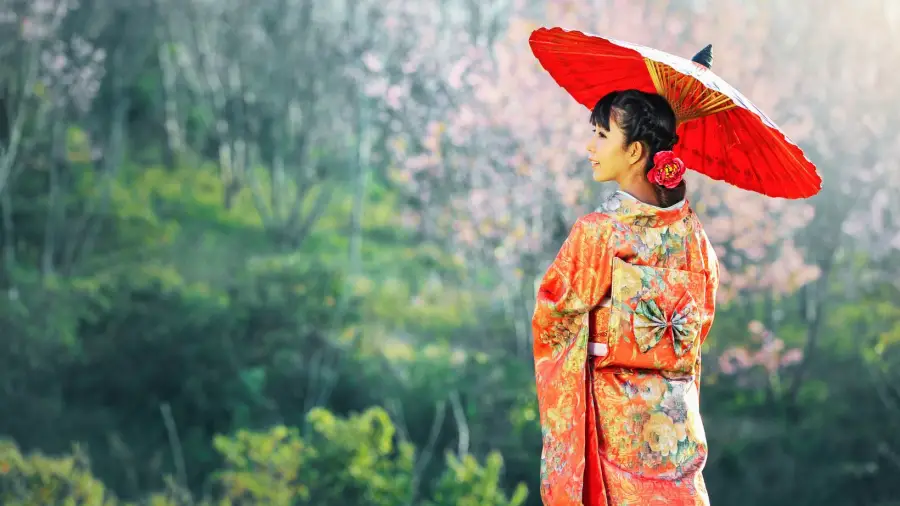
Invented-Bonsai

Who Invented Bonsai? Unveiling the Mastery behind this Ancient Art

The art of bonsai was developed by Chinese and Japanese gardeners centuries ago.


Unveiling Bonsai Origins


Bonsai’s origins can be traced back to ancient China and Japan. Although the exact individual who invented bonsai is unknown, it is believed to have been a collective effort over centuries by passionate gardeners and artists.

Invented-Bonsai

Historical Context Of Miniature Plant Cultivation

When we think of bonsai, we often envision the tranquility of a miniature tree, its delicate branches and lush green leaves carefully pruned to perfection. But have you ever wondered about the origins of this ancient art form? The art of bonsai actually traces its roots back thousands of years, to the cultivation of miniature plants in ancient China and Egypt.

In ancient China, miniature plants were cultivated as early as the 1st millennium BCE. The Chinese, known for their deep connection with nature and reverence for the earth, recognized the beauty and symbolism of these small plants. They believed that cultivating and nurturing plants in miniature form brought them closer to the essence of nature.

Similarly, ancient Egyptians had a profound appreciation for the beauty and symbolism of plants. They cultivated miniature trees and plants as decorative elements in their gardens and temples. These miniature plants were seen as representations of the divine and were often used in religious ceremonies and rituals.

The Cultural Significance In Early Societies

In both ancient China and Egypt, the cultivation of miniature plants held significant cultural and spiritual significance. The art of bonsai was not simply a hobby or a decorative pursuit, but rather a way to connect with the natural world and tap into its inherent beauty and harmony.

In ancient Chinese culture, bonsai represented the epitome of balance and harmony. The carefully pruned and shaped trees were seen as a reflection of the balance between Yin and Yang. Bonsai was also associated with the concepts of longevity, wisdom, and inner peace. It was believed that cultivating and tending to a bonsai tree brought about personal growth and enlightenment.

Similarly, in ancient Egyptian culture, the cultivation of miniature plants served a symbolic purpose. The miniature trees and plants were seen as representations of the divine and were believed to possess spiritual qualities. They were used in religious rituals and ceremonies to invoke blessings and connect with the spiritual realm.

Overall, the art of bonsai originated from the deep cultural and spiritual beliefs of ancient civilizations. It was a way for people to appreciate and connect with the natural world, finding peace and harmony in the miniature representation of nature’s beauty.

The Roots Of Bonsai

Bonsai is a captivating art form that has been cherished for centuries. Its rich history dates back to ancient civilizations, with its roots firmly planted in both Chinese and Japanese cultures. To truly understand the origins of bonsai, we must delve into the fascinating world of miniature trees and explore the influences that shaped this extraordinary practice. Let’s embark on a journey to uncover the roots of bonsai.

Influence Of Chinese Penjing On Bonsai

Bonsai, as we know it today, has been heavily influenced by the ancient Chinese art form known as penjing. Dating back over a thousand years, penjing involves creating miniature landscapes that mimic the natural beauty of China’s mountains, forests, and rivers. The artistry behind penjing lies in using carefully pruned and shaped trees, along with sculpted rocks, to create harmonious and balanced scenes. This meticulous attention to detail and reverence for nature laid the foundation for the development of bonsai.

The Chinese penjing tradition includes various styles, such as zhangpeng (landscape penjing) and shanshui penjing (mountain and water penjing). These styles embrace the principles of asymmetry, balance, and harmony to evoke a sense of tranquility and reflection. The Chinese masters of penjing played a vital role in cultivating the practice and passing it down through generations, eventually leading to its migration to Japan.

Migration Of Miniature Cultivation Techniques To Japan

During the Tang Dynasty in China, the art of penjing began to spread across the sea to the Land of the Rising Sun. Japanese monks and scholars were particularly captivated by the serene beauty and contemplative nature of penjing. With this inspiration, they adapted and refined the art form, giving birth to what is now known as bonsai.

The migration of miniature cultivation techniques from China to Japan marked a turning point in the evolution of bonsai. Japanese masters embraced and expanded upon the principles of penjing, infusing their own cultural sensibilities into the art. They began cultivating native Japanese plants such as pine, maple, and juniper, incorporating concepts of simplicity, minimalism, and wabi-sabi—a philosophy that embraces imperfections and transience.

This cross-cultural exchange led to the development of distinct bonsai styles, such as formal upright (chokkan), slanting (shakan), and cascade (kengai). These styles continue to be refined and passed down through generations of bonsai enthusiasts, honoring the ancient traditions while embracing the evolving aesthetics of the modern world.

Who Invented Bonsai Artistry

The art of bonsai, which involves the cultivation and nurturing of miniature trees, has a rich history stretching back for centuries. Bonsai artistry is an ancient tradition originating in East Asia, and its exact origins and the identity of the first bonsai creators have become the subject of much debate and speculation. In this article, we will explore the fascinating history of bonsai and delve into the intriguing question of who invented bonsai artistry.

Tracing Back The Earliest Bonsai Creators

To understand the origins of bonsai artistry, we must turn our attention to ancient China, where the practice of creating miniature landscapes and plants was prevalent. However, it was during the Tang dynasty (618-907 AD) that the art form began to take shape in a manner similar to what we recognize as bonsai today. During this period, Chinese gardeners started training trees in containers using various techniques such as pruning, wiring, and root manipulation.

Over time, the art of bonsai made its way to Japan, and it was the Japanese who honed and perfected the craft, elevating it to a true art form. The Japanese aristocracy embraced bonsai, and it became intricately tied to Zen Buddhism and the ideals of harmony, balance, and patience.

Myths And Legends Surrounding The First Bonsai

As with any ancient tradition, myths and legends have emerged surrounding the origins of bonsai. One such myth involves a legendary Chinese poet named Wang Wei, who is said to have created the first bonsai during the Tang dynasty. According to the story, Wang Wei developed a deep appreciation for the beauty of nature and sought to recreate it in miniature form. He carefully cultivated a juniper tree to resemble a naturally occurring ancient tree, thus laying the foundation for the art of bonsai as we know it today.

Another myth attributes the invention of bonsai to a Japanese monk named Saicho, who lived during the 8th century. As the story goes, Saicho sculpted a miniature landscape using small trees to evoke a sense of awe and tranquility. This practice eventually evolved into the art of bonsai, which captured the imagination of artists and enthusiasts alike.

While these legends may never be verified, they nonetheless contribute to the mystique and allure of bonsai artistry. It is a testament to the lasting impact of the art form that such stories continue to be told and cherished.

In conclusion, the exact identity of the first bonsai creators remains shrouded in mystery, yet the artistry and beauty of bonsai continue to captivate people around the world. Whether it was the ancient Chinese gardeners or the Japanese monks who first cultivated these miniature trees, we owe a debt of gratitude to those early pioneers who laid the groundwork for this enduring art form.

Bonsai: Ancient Masters And Styles

In the world of horticulture and art, few practices can rival the intricate beauty and timeless mastery of bonsai trees. Translated from Japanese as “tray planting,” bonsai is the art of cultivating and nurturing miniature trees that mimic their larger counterparts in nature. This ancient art form, with its rich history and diverse styles, has captivated enthusiasts worldwide for centuries. Let’s delve deeper into the world of bonsai and explore the key figures in its development as well as the evolution of different bonsai styles over time.

Key Figures In The Development Of Bonsai

The art of bonsai has been shaped by the contributions of numerous masters throughout the ages. These visionaries have dedicated their lives to perfecting the techniques and aesthetics associated with bonsai, leaving a lasting impact on the art form. Some key figures include:

  • Yamada Dōshi: A prominent figure in bonsai history, Yamada Dōshi was a Buddhist monk who lived in the Muromachi period (1336-1573). He is credited with creating the first recorded bonsai gardens and developing techniques for shaping and training bonsai trees.
  • Gyōzen: A Zen Buddhist monk from the early Edo period (1603-1868), Gyōzen was known for his expertise in creating bonsai compositions that reflected a deep and profound sense of spirituality. His emphasis on naturalness and simplicity greatly influenced the direction of bonsai styles.
  • Sakka: Born in the late 17th century, Sakka was a renowned bonsai master who advanced the art form by introducing new techniques, such as root trimming and the use of specialized tools. His dedication to refining the aesthetics of bonsai helped elevate it to an esteemed artistic expression.

Evolution Of Different Bonsai Styles Over Time

Over the centuries, bonsai has evolved into a multitude of distinct styles, each with its own unique characteristics and cultural significance. Here are some of the major bonsai styles that have emerged over time:

  1. Formal Upright (Chokkan): This style emphasizes a straight, upright trunk with branches gradually tapering as they ascend. It exudes an aura of strength, stability, and resilience.
  2. Informal Upright (Moyogi): In contrast to the formal upright style, the informal upright style features an asymmetrical trunk with branches winding and twisting in various directions. This style conveys a sense of dynamic movement and natural elegance.
  3. Cascading (Kengai): As the name suggests, this style represents a tree growing on a steep cliff or mountain slope, with its branches cascading downwards. It evokes a feeling of grace and drama, reminiscent of nature’s untamed beauty.
  4. Windswept (Fukinagashi): This style portrays a tree that has been shaped by strong winds, with its trunk and branches leaning in one direction. It captures a sense of resilience and endurance in the face of adversity.
  5. Bunjin (Literati): Inspired by Chinese literati painting, this style features an elongated, slender trunk with sparse foliage. It symbolizes a sense of solitude, enlightenment, and contemplation.
Bonsai Styles and Their Characteristics
Bonsai Style Characteristics
Formal Upright (Chokkan) Straight, upright trunk
Tapering branches
Informal Upright (Moyogi) Asymmetrical trunk
Twisting branches
Cascading (Kengai) Branches cascading downwards
Graceful and dramatic
Windswept (Fukinagashi) Leaning trunk and branches
Symbolizes resilience
Bunjin (Literati) Elongated, slender trunk
Sparse foliage

These are just a few examples of the diverse bonsai styles that exist today. Each style offers a unique expression of nature’s beauty and human creativity. By understanding the history and various styles of bonsai, we can better appreciate the artistry and skill required to create these miniature masterpieces.

Bonsai Across The Centuries


Bonsai Across the Centuries sheds light on the fascinating history of bonsai, exploring its origins and the individuals credited with inventing this ancient art form. Discover how bonsai has evolved and thrived throughout the years, becoming a cherished tradition across different cultures.

How Bonsai Practice Survived Through Dynasties

Bonsai, the art of growing miniature trees in containers, has a rich and fascinating history that spans centuries. Despite the changes in dynasties and cultural shifts, the practice of bonsai has managed to survive and thrive. The art form has been passed down through generations, adapting and refining along the way. Let’s take a closer look at how bonsai persevered through the ages.

Adaptations And Refinements In The Bonsai Art

Over time, bonsai techniques and styles have evolved, resulting in exquisite masterpieces that captivate the eye. Here are some notable adaptations and refinements that have contributed to the growth of this art form: 1. Training and Shaping Techniques: Bonsai practitioners developed various methods to manipulate the shape and growth of trees. These include wiring branches, pruning roots, and selective branch trimming. These techniques allow artists to create an illusion of age and maturity in their bonsai trees. 2. Refined Aesthetic Principles: As bonsai evolved, so did the principles that guided its creation. Concepts such as asymmetry, balance, and harmony became fundamental to the art form. Emphasizing the natural beauty and uniqueness of each tree, these aesthetic principles elevate bonsai to a true art form. 3. Introduction of New Species: While early bonsai artists mainly used native tree species, the art form expanded as trade routes opened up. This allowed for the introduction and cultivation of exotic tree species from different parts of the world, offering a broader palette of choices for artists. 4. Interchange of Ideas and Innovations: Bonsai artists were not isolated; they exchanged ideas and innovations with their peers, both within and outside of their cultural circles. These exchanges fostered the growth of bonsai as a global art form, with different regions developing unique styles and techniques. 5. Integration with Other Arts: Bonsai artists often drew inspiration from other art forms such as painting, calligraphy, and poetry. This integration enabled the creation of bonsai displays that are not only visually stunning but also evoke emotions and tell stories. The enduring nature of bonsai is a testament to its appeal and timeless beauty. It is a living art form that continues to inspire and captivate both artists and enthusiasts around the world. As we delve deeper into the world of bonsai, we gain a greater appreciation for the dedication and skill required to create these magnificent miniature trees.

Technique And Expression

When it comes to bonsai, Technique and Expression are key elements that define this ancient art form. Bonsai is not just about growing tiny trees in pots; it is about the meticulous cultivation and shaping of nature to create miniature landscapes that evoke a sense of tranquility and beauty. The technique and expression used in bonsai have been honed and perfected by generations of bonsai artists, leading to the creation of stunning and awe-inspiring creations.

Innovations That Shaped Modern Bonsai

In the world of bonsai, several innovations have had a significant impact on shaping the art form as we know it today. These innovations have revolutionized the techniques and possibilities of bonsai cultivation, allowing artists to express their creativity in new and exciting ways.

  1. Training Techniques: One of the key innovations in bonsai is the development of advanced training techniques. These techniques involve the careful manipulation of trees through pruning, wiring, and shaping to achieve the desired aesthetic. By understanding the growth patterns of different tree species, bonsai artists can coax them into intricate and captivating forms.
  2. Pottery and Containers: Another innovation that has greatly influenced bonsai is the development of specialized pottery and containers. These containers not only serve as vessels for the trees but also contribute to the overall aesthetic of the bonsai. Different shapes, colors, and textures of containers provide a harmonious backdrop that enhances the beauty of the tree and its landscape.
  3. Tools and Equipment: Bonsai artists rely on a range of specialized tools and equipment to shape and maintain their trees. From concave cutters to wire cutters, each tool has its own specific purpose in the bonsai creation process. Decades of refinement have led to tools that are designed for precision and accuracy, allowing artists to bring their visions to life.

The Interplay Between Natural Beauty And Human Creativity

Bonsai is a unique art form that celebrates the beautiful interplay between nature and human creativity. It is an art that requires a deep understanding and appreciation of nature, combined with the skill and imagination to shape and express that beauty in a confined space.

The art of bonsai is not about simply replicating nature; it is about capturing the essence of nature and distilling it into a miniature representation. Bonsai artists carefully select and cultivate trees, considering aspects such as species, age, form, and even the tree’s natural environment.

Bonsai artists also utilize techniques such as branch wiring, root pruning, and leaf trimming to create an aesthetic balance and harmony within the tree. Through these artistic interventions, they coax the tree to embody the spirit of a fully grown tree in a fraction of its size.

The artistry of bonsai lies in the ability to express creativity within the constraints of nature. It is a delicate balance between shaping and respecting the tree’s natural growth tendencies. Bonsai artists aim to create compositions that evoke emotions and a sense of tranquility, inviting viewers to immerse themselves in the beauty of the miniature landscapes.

Proliferation Of Bonsai Worldwide

Bonsai, the art of growing miniature trees in containers, has captured the hearts of people all over the world. Originally developed in China and later refined in Japan, bonsai has not only remained popular in its country of origin, but has also spread far beyond Asia. In this section, we will explore how bonsai found its way out of Asia and the growth of international bonsai communities.

How Bonsai Spread Outside Of Asia

The spread of bonsai outside of Asia can be credited to the influence of trade, exploration, and cultural exchange. As merchants from Asia traveled to different parts of the world, they not only carried goods to sell but also introduced various aspects of their culture, including bonsai.

During the colonization era, European powers had established colonies in Asia, enabling cultural exchange between Asia and the West. Bonsai captivated the imaginations of Western collectors, who were fascinated by its unique aesthetics and symbolism. These collectors started acquiring bonsai specimens to create their own miniature gardens, sparking the beginning of bonsai’s international journey.

Growth Of International Bonsai Communities

The fascination with bonsai continues to grow around the world, leading to the formation of international bonsai communities. These communities are dedicated to the cultivation, exhibition, and appreciation of bonsai. They provide a platform for enthusiasts to come together, share their knowledge and expertise, and exchange ideas on bonsai techniques and aesthetics.

International bonsai communities host exhibitions, workshops, and seminars, attracting bonsai enthusiasts from different regions. These events offer an opportunity for artists and collectors to display their bonsai creations, learn from experienced practitioners, and connect with like-minded individuals who share their passion for this timeless art form.

As the bonsai community continues to expand globally, the exchange of bonsai techniques and styles also flourishes. Artists from different countries and cultural backgrounds bring their unique perspectives and influences, leading to the evolution and diversification of bonsai as an art form.

Preserving And Evolving The Tradition

Bonsai, the ancient art of cultivating miniature trees, has a rich and fascinating history that spans over a thousand years. Originating in China and later adopted and refined by the Japanese, the practice of bonsai has become a beloved tradition worldwide. However, just like any other tradition, bonsai faces challenges in the modern era. Today, we will delve into the roles of bonsai societies in the present day and explore the challenges and future directions for bonsai enthusiasts.

Roles Of Bonsai Societies In The Present Day

Bonsai societies play a vital role in preserving and promoting the art of bonsai. These societies consist of passionate enthusiasts who come together to share their knowledge, exchange experiences, and provide support to one another. Let’s take a closer look at some of the important roles these societies play:

  1. Educational platforms: Bonsai societies organize workshops, seminars, and demonstrations to educate their members and the wider community about bonsai techniques, history, and aesthetics. Through these educational platforms, beginners can learn the fundamentals of bonsai and experienced enthusiasts can enhance their skills.
  2. Networking and community building: Bonsai societies provide a platform for like-minded individuals to connect and build a sense of community. Members can share ideas, seek advice, and collaborate on bonsai projects. This networking aspect not only fosters friendships but also fuels innovation in the art of bonsai.
  3. Preservation of traditional knowledge: Bonsai societies play a crucial role in preserving the traditional techniques and knowledge passed down through generations. By hosting exhibitions and competitions, they encourage members to showcase their bonsai trees, motivating them to refine their techniques and expand their understanding of this ancient art form.
  4. Conservation efforts: Many bonsai societies actively participate in tree conservation initiatives. They work hand in hand with environmental organizations to ensure the sustainability and responsible sourcing of bonsai trees and their natural habitats.

Challenges And Future Directions For Bonsai Enthusiasts

While the art of bonsai continues to evolve, it also faces certain challenges and must adapt to a changing world. Here are some of the challenges bonsai enthusiasts are currently facing and the future directions they are exploring:

  1. Limited accessibility: Bonsai has traditionally been seen as an art form accessible to only a select few. Bonsai societies are actively working towards reducing barriers to entry by organizing beginner-friendly workshops and educational programs, aiming to make bonsai more accessible and inclusive for enthusiasts of all ages and backgrounds.
  2. Ecological awareness: With increasing environmental concerns, bonsai enthusiasts are placing greater emphasis on sustainable practices. They are exploring organic cultivation methods, exploring alternative sources for bonsai tree materials, and promoting the conservation of native species.
  3. Merging tradition and innovation: Bonsai enthusiasts are finding innovative ways to blend modern techniques and styles with traditional concepts. By experimenting with new tree species, artistic forms, and evolving training methods, they are redefining the boundaries of what bonsai can be.
  4. Embracing technology: In the digital age, technology is playing a significant role in the bonsai community. Online forums, social media groups, and virtual exhibitions have facilitated global collaboration and knowledge sharing. Bonsai practitioners are harnessing technology to document their work, reach a wider audience, and inspire future generations.

The art of bonsai is deeply rooted in history, yet it continues to evolve and adapt to the challenges of the present day. Bonsai societies and dedicated enthusiasts are instrumental in preserving this ancient tradition while embracing innovation and building a sustainable future for the art of bonsai.

Frequently Asked Questions Of Who Invented Bonsai


Who Is Credited With Inventing Bonsai?


The art of bonsai is believed to have originated in China over 1,000 years ago. While its exact inventor is unknown, it was the Japanese who developed and refined the practice, elevating bonsai to an art form renowned worldwide.


Bonsai gained popularity during the Kamakura period in Japan (1185-1333). Zen Buddhism played a crucial role in its spread and development. Monks would cultivate and care for bonsai trees to attain a deep appreciation for nature and a sense of tranquility.


What Is The Purpose Of Bonsai?


Bonsai serves both aesthetic and philosophical purposes. Symbolizing harmony with nature, these miniature trees are grown and shaped to mimic full-size trees found in nature. Bonsai cultivation instills qualities of patience, discipline, and contemplation while creating a connection with the natural world.


Conclusion


The history of bonsai is fascinating and has evolved over centuries. From its origins in ancient China to its development and refinement in Japan, bonsai has captivated people with its miniature and artistic beauty. Today, bonsai continues to be cherished around the world as a symbol of patience, artistry, and a deep appreciation for nature.


Whether you are a bonsai enthusiast or simply curious about this ancient art form, exploring the history and origins of bonsai can provide a deeper understanding and appreciation for its timeless allure.
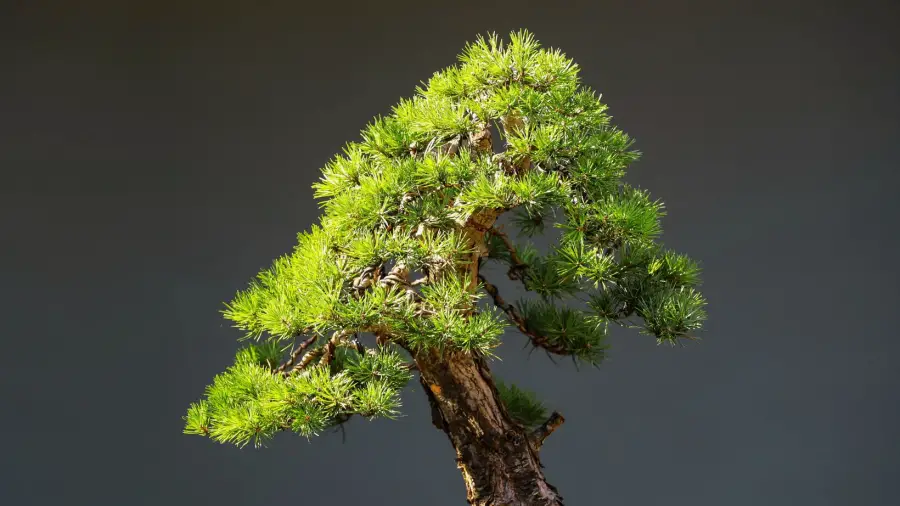
Magic-of-Bonsai

Unlocking the Magic of Bonsai: Expert Care & Styling Tips

Unlocking the magic of bonsai involves careful pruning techniques to maintain and refine the existing shape, as well as more rigorous pruning to give the tree its basic style. Cultivating a bonsai tree goes beyond creating a small, older-looking plant; it is a philosophy of accepting that the work will never be truly complete.

Magic-of-Bonsai

To ensure the bonsai thrives, regular watering, fertilizing, and providing adequate light are essential. Additionally, creating a successful bonsai involves three elements: pot containment, crown pruning, and root pruning. By understanding and implementing these care and styling tips, you can unlock the true beauty of bonsai trees.

Why Bonsai Trees Are Magical


Interested in the art of bonsai? Discover the enchanting world of bonsai trees and unlock their magical allure. Bonsai trees are not just ordinary plants, but rather they are unique creations that combine horticulture and aesthetics. Let’s explore why bonsai trees are considered magical.

Unique Art Form Combining Horticulture And Aesthetics

Bonsai trees are captivating miniature replicas of mature trees, meticulously cultivated to mimic the grandeur of nature in a small and contained form. This art form requires a combination of horticultural knowledge and artistic skills. Through careful shaping, pruning, and training, bonsai artists create stunning miniature landscapes that capture the essence and beauty of nature.

Captivating Miniature Replicas Of Mature Trees

Imagine a majestic oak or a graceful maple tree shrunk down to a fraction of its original size. Bonsai trees are living sculptures that evoke awe and wonder, as they encapsulate the beauty and strength of mature trees in a tiny form. These miniaturized trees with their intricate branches and delicate foliage give us the joy of owning and nurturing a piece of nature’s splendor within our homes.

Symbolic Representation Of Nature And Harmony

Bonsai trees symbolize the delicate balance and harmony between human cultivation and the natural world. They serve as a reminder of the interconnectedness of all living things and encourage us to cherish and respect nature. Bonsai trees embody the principles of patience, mindfulness, and attentiveness, as they require careful nurturing and maintenance to thrive.

Why Bonsai Trees Are Magical:

  1. Unique combination of horticulture and aesthetics
  2. Captivating miniature replicas of mature trees
  3. Symbolic representation of nature and harmony

Ready to embark on your own bonsai tree journey? Stay tuned for our upcoming blog posts where we’ll share valuable care and styling tips to help you unlock the magic of bonsai.


The Art Of Bonsai Care

Unlock the magic of bonsai with this advanced guide on caring for and styling your bonsai tree. Learn the essential techniques of maintenance-pruning and structural-pruning to create a healthy and beautifully shaped bonsai. With these tips, you can cultivate a bonsai that is sure to thrive and impress.

The Importance Of Regular Pruning For Bonsai Trees

Regular pruning is the key to unlocking the true magic of bonsai care. Pruning plays a crucial role in maintaining the health and shape of your bonsai tree. By selectively removing branches and foliage, you can control the growth and form of the tree, creating the desired aesthetic appeal.

Pruning the bonsai tree has several benefits. Firstly, it promotes better airflow and light penetration, which is essential for the tree’s overall health. Proper pruning also helps distribute vital nutrients and water more efficiently, ensuring that every part of the tree receives the necessary resources for growth. Removing dead or damaged branches also prevents the spread of diseases and pests, safeguarding the overall well-being of your bonsai.

It is important to note that regular pruning should be gentle and incremental. Cutting too much at once may harm the tree and hinder its ability to recover. Instead, aim for small, regular cuts to maintain the desired shape and size of the bonsai.

Maintenance-pruning To Maintain And Refine Shape

Maintenance-pruning is an ongoing process that focuses on maintaining and refining the existing shape of your bonsai tree. It involves selectively trimming branches, shoots, and leaves to keep the tree in balance and to enhance its visual appeal.

When performing maintenance-pruning, make sure to remove any crossing or competing branches that may hinder the tree’s development. Additionally, thin out dense areas to allow light and air to reach the lower foliage. By removing excess growth and maintaining a balanced shape, you can create a more harmonious and aesthetically pleasing bonsai.

To achieve the best results with maintenance-pruning, observe your bonsai closely and make small adjustments over time. Regular monitoring and intervention will help you retain the desired shape and form of your bonsai, showcasing its full potential.

Structural-pruning For Creating The Basic Style Of The Tree

Structural-pruning is a more rigorous technique used to create the basic style or shape of your bonsai tree. It involves making strategic cuts to establish the tree’s overall structure, including the main branches, trunk layout, and overall silhouette.

During the initial stages of structural-pruning, it is crucial to define the tree’s primary branches and decide on the overall direction of growth. By carefully removing unnecessary branches, you can create a clear framework and ensure that each branch has sufficient space to thrive.

Structural-pruning requires a keen eye for balance and symmetry. Aim to create a bonsai tree with a natural and harmonious appearance by following design principles such as the rule of thirds and triangular compositions. Regularly reassess and adjust the shape of your bonsai tree as it grows to maintain the desired style and aesthetic.

In conclusion, bonsai care is both an art and a science, and pruning is a fundamental aspect of this art form. Through regular maintenance-pruning and structural-pruning, you can sculpt and shape your bonsai tree to reflect your artistic vision. Remember to approach pruning with care, making small, deliberate cuts to ensure the health and longevity of your bonsai masterpiece.

Unlocking Styling Tips For Bonsai Trees

Unlock the magic of bonsai with these essential care and styling tips. Learn the art of pruning to maintain and refine the shape, and explore structural pruning techniques to give your bonsai its unique style. Achieve stunning results with proper styling and shaping techniques.

Nurturing Healthy Bonsai

Unlocking the magic of bonsai is an art form that requires nurturing and care. By understanding the essential care tips for bonsai trees, you can ensure that your miniature masterpiece thrives and remains healthy for years to come. From watering and fertilizing to sunlight requirements and preventing common bonsai tree diseases and pests, each aspect of care plays a crucial role in maintaining the vitality and beauty of your bonsai.

Essential Care Tips For Bonsai Trees

Proper care is pivotal to the success of your bonsai endeavor. By following these essential care tips, you can create an optimal environment for your bonsai tree’s growth and development:

  1. Watering: Bonsai trees are planted in small pots with minimal space for water and nutrient reserves. Therefore, it is important to water your bonsai tree regularly. Check the moisture level of the soil by inserting your finger about one inch deep. If the soil feels dry, it’s time to water your bonsai. Ensure thorough watering by allowing water to seep through the pot’s drainage holes.
  2. Fertilizing: Bonsai trees require regular fertilization to provide essential nutrients. Use a balanced, liquid bonsai fertilizer and apply it according to the manufacturer’s instructions. Be cautious not to over-fertilize, as this can harm your bonsai. Use a diluted fertilizer solution to prevent any potential damage.
  3. Sunlight requirements: Bonsai trees need adequate sunlight to thrive. Place your bonsai in a location that receives sufficient light, preferably near a window with indirect sunlight. Avoid exposing your bonsai to intense heat or direct sunlight, as this can cause leaf burn or dehydration. As the seasons change, monitor the amount of sunlight your bonsai receives and make necessary adjustments.

How To Prevent Common Bonsai Tree Diseases And Pests

Keeping pests and diseases at bay is crucial for the health and longevity of your bonsai tree. By following these preventive measures, you can ensure your bonsai remains free from common issues:

  • Regular inspection: Regularly inspect your bonsai tree for pests and diseases. Look for signs such as yellowing leaves, webbing, or holes. If you spot any issues, take immediate action to prevent further spread.
  • Proper hygiene: Maintaining cleanliness is vital in preventing diseases. Remove dead leaves, branches, and debris from your bonsai to minimize the risk of fungal or bacterial infections.
  • Pest control: If you notice pests on your bonsai, such as aphids or spider mites, take appropriate measures to eliminate them. Use organic insecticides or homemade remedies to avoid harmful chemicals.

By following these essential care tips and preventive measures, you can unlock the magic of bonsai and create a thriving, healthy masterpiece. Nurturing your bonsai tree with care and dedication will reward you with the beauty and tranquility that these miniature wonders offer.

Showcasing The Magic Of Bonsai


Display Options For Showcasing Bonsai Trees

When it comes to showcasing bonsai trees, there are several display options that can help elevate the magic and beauty of these miniature masterpieces. One popular choice is to place the bonsai tree on a stand or pedestal, which not only adds height and visual interest but also allows for easy viewing from all angles. Another option is to create a display table specifically designed for bonsai, with multiple levels or tiers to showcase different trees or accent plants.

In addition to stands and tables, bonsai trees can also be displayed on individual floating shelves, giving the illusion that they are floating in mid-air. This display option is perfect for small spaces or modern interiors, where a minimalist and clean aesthetic is desired. No matter which display option you choose, it’s important to ensure that the chosen display complements the size and style of the bonsai tree.

Designing The Perfect Bonsai Display Area

Designing the perfect bonsai display area requires careful consideration of the overall layout and the surrounding elements. Here are a few tips to help you create a visually pleasing and harmonious display area:

  1. Choose a location that provides adequate light for the bonsai tree. Keep in mind that different species of bonsai have varying light requirements, so it’s important to research the specific needs of your tree.
  2. Create a focal point by placing the bonsai tree at eye level or slightly above. This allows for better appreciation of the intricate details and styling of the tree.
  3. Ensure that the background of the display area complements the tree. A solid-colored wall or backdrop can help draw attention to the bonsai, while a natural landscape or themed backdrop can create a more immersive display.
  4. Use elements such as rocks, gravel, moss, or miniature figurines to enhance the overall aesthetics of the display area. These accents can help create a sense of harmony and balance, as well as add visual interest.

Enhancing The Aesthetics Of Bonsai Through Accents And Companion Plants

One of the secrets to unlocking the magic of bonsai lies in enhancing its aesthetics through the use of accents and companion plants. Accents, such as small stones or pieces of driftwood, can be strategically placed around the bonsai to create a sense of natural beauty and tranquility. These accents can also help to highlight certain features or create visual interest.

Companion plants, on the other hand, can be used to complement and enhance the overall display. For example, a bonsai tree with delicate pink flowers can be paired with a small flowering plant in a complementary color, creating a harmonious and eye-catching combination. Similarly, a bonsai tree with lush green foliage can be complemented by a small fern or moss, adding texture and depth to the display.

In conclusion, showcasing the magic of bonsai is all about choosing the right display options, designing the perfect display area, and enhancing the aesthetics through the use of accents and companion plants. By paying attention to these details, you can truly unlock the beauty and enchantment of bonsai.

Frequently Asked Questions For “unlocking The Magic Of Bonsai: Care And Styling Tips”

What Should Be The Main Focus When Styling A Bonsai Tree?

The main focus when styling a bonsai tree should be on regular pruning. This involves maintenance-pruning to refine the existing shape and structural-pruning to give the tree its basic shape or style. Regular pruning is essential for training and maintaining the bonsai’s shape.

What Is The Secret Philosophy Of Bonsai Trees?

The secret philosophy of bonsai trees lies in the understanding that their cultivation is about more than just creating the appearance of age. It is a process of sculpting a living organism, embodying the idea that the work is never truly finished.

What Are The Tips For Bonsai Care?

To care for a bonsai tree, follow these tips: 1. Regularly prune to maintain and refine its shape. 2. Provide plenty of light, water, and fertilizer. 3. Use small pots with limited space for water and nutrients. 4. Remember that bonsai is a living organism that is constantly growing and changing.

5. Create a successful bonsai by combining pot containment, crown pruning, and root pruning.

What Are The Three Elements Needed To Create A Successful Bonsai?

To create a successful bonsai, you need three elements: pot containment, crown pruning, and root pruning. These elements reduce the tree’s potential but allow for better shaping and management.

Conclusion

To unlock the magic of bonsai, it is essential to focus on the proper care and styling techniques. Regular pruning is the key to training a bonsai tree, both for maintenance and structural purposes. Additionally, cultivating a bonsai tree goes beyond creating a small replica of an older plant; it is a philosophy of accepting the perpetual nature of growth and change.

By providing adequate light, water, and fertilizer, your bonsai tree will thrive and bring endless beauty to your space. Embrace the art of bonsai and let the magic unfold.

Bonsai-Pruning

Sculpting Nature: Mastering Bonsai Pruning Techniques

Discover the art of pruning and shaping bonsai trees to sculpt nature’s beauty. By using pruning tools and techniques such as branch and shoot reduction, you can shape the bonsai’s canopy and promote even growth.

Regular pruning not only helps distribute growth but also encourages dense foliage to develop. In addition to regular pruning, advanced techniques like wiring and the creation of deadwood can be used to achieve desired shapes and realistic results in bonsai styling.

Bonsai-Pruning

Bonsai trees do not require genetically-dwarfed trees; instead, they are cultivated from regular stock and seeds using various techniques like root reduction, potting, defoliation, and grafting. Through precise pruning and shaping, bonsai enthusiasts can create miniature replicas of mature, full-size trees.

Understanding Bonsai Pruning

Pruning is a fundamental aspect of bonsai care, essential for shaping and maintaining the miniature beauty of these living art forms. By carefully trimming and shaping the branches and foliage, bonsai enthusiasts are able to create stunning sculptures that resemble mature trees.

Key Principles Of Bonsai Pruning

When it comes to bonsai pruning, there are several key principles that every enthusiast should understand. These principles not only guide the pruning techniques but also help in the overall growth and development of the bonsai tree.

  1. Training the Canopy Shape: Pruning is primarily done to maintain the desired shape of the bonsai tree. By pruning branches and shoots that have outgrown the intended canopy shape, the bonsai grower can ensure that the tree remains in proportion and achieves a harmonious aesthetic.
  2. Promoting Even Growth: Regular pruning helps in distributing the growth more evenly throughout the tree. By removing excess foliage, the bonsai is forced to redirect its energy towards developing dense, lush foliage, giving it a more mature and balanced appearance.
  3. Encouraging Back-Budding: Back-budding refers to the process of stimulating new growth from dormant buds on older branches or trunks. Through the precise removal of branches in strategic locations, bonsai pruning encourages the growth of new buds, thus allowing for better branch structure and ramification.
  4. Avoiding Reverse Taper: Reverse taper occurs when a bonsai tree’s trunk becomes thicker towards the top, giving it an unnatural appearance. By selectively pruning the branches and shoots, bonsai growers can minimize or prevent reverse taper, ensuring that the trunk maintains a natural taper from the base to the top.

Importance Of Proper Pruning Techniques

Proper pruning techniques are of paramount importance when it comes to bonsai care. The success of shaping and maintaining a healthy bonsai tree depends on implementing these techniques correctly. Here are some reasons why:

  • Promotes Healthy Growth: Pruning helps to remove dead, diseased, or weak branches, allowing the bonsai tree to focus its energy on healthy growth.
  • Enhances Structure: By selectively removing certain branches, the bonsai grower can enhance the tree’s structure, creating an aesthetically pleasing silhouette.
  • Prevents Overgrowth: Regular pruning prevents overgrowth, ensuring that the bonsai tree remains in scale and proportion to its pot and overall design.
  • Maintains Balance: Pruning allows the bonsai tree to maintain a delicate balance between foliage and roots, ensuring that both aspects receive adequate nutrients and sunlight.

Tools Required For Bonsai Pruning

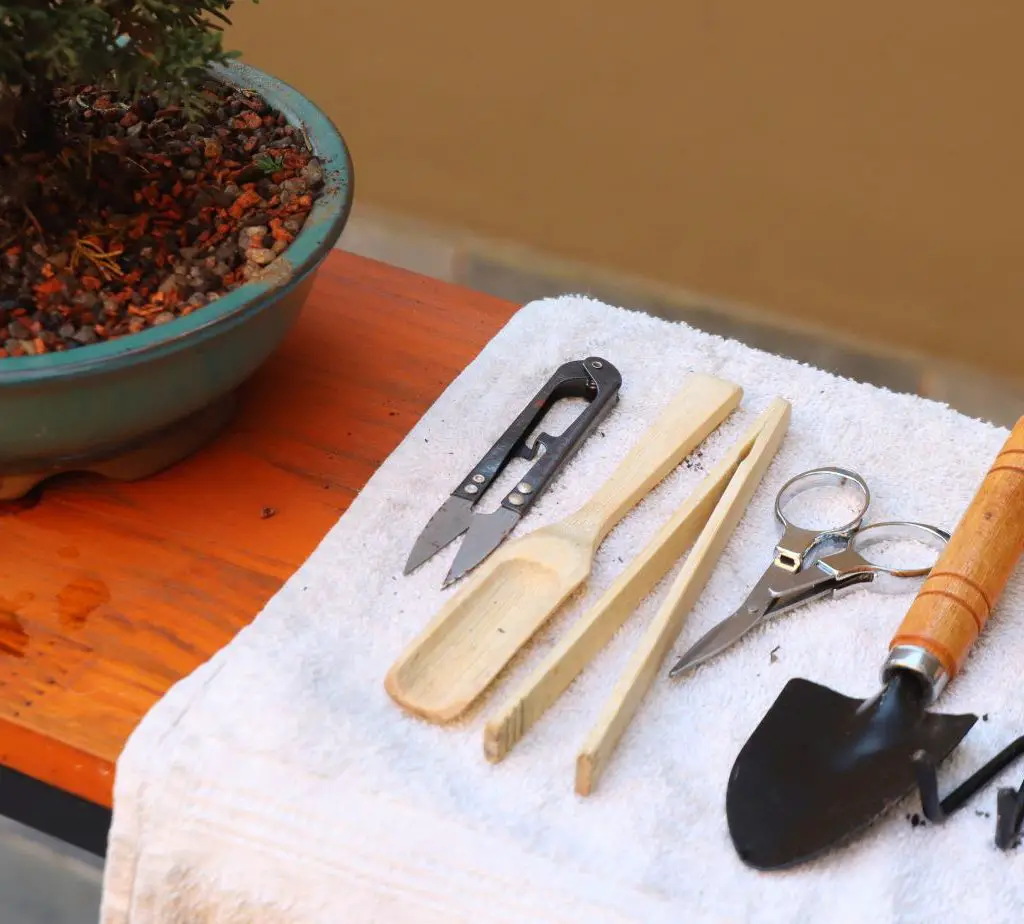
In order to successfully prune bonsai trees, it is essential to have the right tools at your disposal. Here are some tools you will need:

Tool Function
Bonsai Shears Cutting small branches and foliage
Bonsai Pruning Scissors Trimming and shaping leaves and thin branches
Concave Branch Cutter Removing larger branches without leaving unsightly scars
Wire Cutters Trimming bonsai wire during the shaping process

By having these tools readily available, bonsai enthusiasts can ensure that they have the necessary means to shape and style their trees with precision and care.

Techniques For Shaping Bonsai Trees


Shaping bonsai trees is a delicate art that requires precision and care. To create the desired shapes, various techniques are utilized, such as pruning, wiring, and the clip and grow method. Each technique plays a crucial role in achieving the desired aesthetic appeal of the bonsai. In this article, we will explore these techniques in detail and guide you on how to shape your bonsai trees effectively.

Pruning To Create Desired Shapes

Pruning is one of the fundamental techniques used in shaping bonsai trees. It involves cutting branches or shoots that have outgrown the intended canopy shape using twig shears or regular cutters. Pruning not only helps maintain the desired size and shape of the bonsai, but it also promotes even growth and encourages the development of dense foliage.

Wiring To Shape Branches And Trunks

Wiring is another vital technique in shaping bonsai trees. It involves wrapping a thin, flexible wire around branches and trunks to guide their growth and create desired bends and curves. By carefully manipulating the wire, you can shape the bonsai according to your artistic vision. It is important to note that the wire should be wrapped in a spiral fashion and should not be wrapped too tightly to avoid damaging the branches or trunks.

Clip And Grow Method For Shaping Foliage

The clip and grow method is a technique used to shape the foliage of bonsai trees. It involves selectively pruning certain branches or shoots to encourage new growth in desired areas. By removing unwanted branches and allowing new shoots to develop, you can shape the foliage of the bonsai and create a more visually appealing composition. This method requires regular monitoring and pruning to maintain the desired shape over time.

Overall, these techniques for shaping bonsai trees provide the necessary tools and methods to create stunning, aesthetically pleasing miniature landscapes. Whether you are a beginner or an experienced bonsai enthusiast, mastering these techniques will enable you to bring your artistic vision to life and create unique bonsai creations that showcase the beauty and serenity of nature.


Pruning For Health And Growth

Pruning is a vital aspect of bonsai care, as it not only helps maintain the shape and aesthetic appeal of the tree but also promotes its overall health and growth. By removing dead and diseased branches, promoting new growth, and maintaining the balance between roots and foliage, bonsai enthusiasts can ensure that their miniature trees thrive and flourish.

Removing Dead And Diseased Branches

One of the key reasons for pruning bonsai trees is to remove dead and diseased branches. These branches not only detract from the tree’s appearance but can also serve as a breeding ground for pests and diseases.

When removing dead branches, it is important to make clean cuts using sharp bonsai shears. This helps prevent any tearing or damage to the surrounding healthy tissue. By getting rid of these lifeless branches, you allow the tree to focus its energy on healthy growth and development.

Promoting New Growth

Promoting new growth is another crucial aspect of pruning for health and growth. Regularly pruning your bonsai stimulates the tree to produce new shoots and branches. This helps maintain a compact and well-defined shape, as well as encourages the development of dense foliage.

When pruning to promote new growth, it is important to consider the tree’s natural growth pattern and style. Strategic removal of branches can help create more space and sunlight for new shoots to emerge. Additionally, selective pruning can also direct the growth in specific areas, creating a more balanced and aesthetically pleasing form.

Maintaining The Balance Between Roots And Foliage

Ensuring a healthy balance between the roots and foliage is essential for the overall well-being of a bonsai tree. Pruning can help achieve this by reducing excessive foliage or thinning out branches that are obstructing light and air circulation.

By maintaining the balance between roots and foliage, the bonsai tree is able to efficiently absorb nutrients and water, promoting optimal growth. It also helps prevent root-bound conditions, where the roots become densely packed in the pot, hindering the tree’s ability to absorb essential resources.

In maintaining the balance, it is important to regularly check the roots of the bonsai and repot the tree when necessary. This ensures that the roots have adequate space to grow and spread, supporting the overall health and growth of the tree.

Pruning Specific Bonsai Species

Pruning is an essential technique in bonsai cultivation that helps maintain the desired shape and size of the trees. Each bonsai species has its own unique growth characteristics, and therefore, specific pruning techniques need to be employed to achieve the desired aesthetic. In this section, we will explore the pruning techniques for three popular bonsai species: juniper, maple, and jade.

Pruning Techniques For Juniper Bonsai

Juniper bonsai is known for its delicate foliage and graceful branches. To maintain the desired shape of the juniper bonsai, it is important to follow these pruning techniques:

  1. Selective pruning: Remove any dead or diseased branches to promote overall health and vitality of the tree.
  2. Thinning out: Thin out dense foliage to create an open and airy appearance. This allows sunlight to penetrate the inner branches and encourages even growth.
  3. Pinching: Pinch off excess growth with your fingers to maintain the desired shape and size. Focus on areas of vigorous growth to balance the overall appearance of the tree.
  4. Wiring: Use wiring techniques to guide the branches into the desired position. Carefully wrap the wire around the branches, being mindful not to damage the delicate foliage.

Pruning Techniques For Maple Bonsai

Maple bonsai trees are known for their vibrant foliage and unique branch structure. To keep your maple bonsai healthy and visually appealing, consider the following pruning techniques:

  • Structural pruning: Prune early in the tree’s development to establish a strong and balanced structure. Remove any branches that disrupt the desired overall form.
  • Canopy thinning: Thin out dense foliage to allow sunlight to reach the inner branches. This promotes even growth and prevents excessive vigor in certain areas.
  • Leaf pruning: Prune the leaves of the maple bonsai by removing larger leaves and leaving behind smaller ones. This creates a more refined and visually appealing appearance.
  • Wiring: Use wiring techniques to shape the branches and create the desired aesthetic. Be cautious when wiring maple bonsai as their branches are more delicate compared to other species.

Pruning Techniques For Jade Bonsai

Jade bonsai, also known as Crassula ovata, is a popular choice among bonsai enthusiasts due to its unique succulent foliage. To maintain the health and beauty of your jade bonsai, consider the following pruning techniques:

  1. Branch pruning: Carefully prune any branches that have become leggy or unbalanced. This helps maintain the desired shape and compact form.
  2. Leaf pruning: Remove larger leaves to encourage the growth of smaller, more compact foliage. This enhances the overall aesthetics of the jade bonsai.
  3. Root pruning: Periodically check the root system of your jade bonsai and prune any excessive or damaged roots. This promotes healthy root growth and prevents root rot.

Remember, pruning is an ongoing process in bonsai cultivation. Regularly assess the growth of your bonsai trees and make necessary adjustments to maintain their desired shape and aesthetics.

Maintenance And Care After Pruning

Pruning and shaping are essential techniques in bonsai cultivation. However, proper maintenance and care after pruning are equally important to ensure the health and longevity of your bonsai tree. In this section, we will discuss three key aspects of post-pruning care: proper watering and fertilization, preventing infections and diseases, and regular maintenance to maintain shape and health.

Proper Watering And Fertilization

After pruning your bonsai tree, it’s crucial to pay attention to its watering and fertilization needs.Ensuring proper hydration is the key to maintaining the health of your bonsai tree. Bonsai trees have unique watering requirements, which can vary depending on factors such as the species, soil composition, and environmental conditions.

To avoid overwatering or underwatering, ensure that the soil is neither too wet nor too dry.Proper watering techniques include thoroughly saturating the soil until water drains through the drainage holes of the bonsai pot. It’s important to let the soil slightly dry out between watering to prevent root rot and fungal diseases.

When it comes to fertilization,using a balanced bonsai fertilizer will provide the necessary nutrients for your tree’s growth and overall health. Fertilizing during the active growing season, typically in spring and summer, will promote healthy foliage and encourage new growth. However, it’s important to follow the instructions on the fertilizer packaging and avoid overfertilization, as it can harm the tree.

Preventing Infections And Diseases

Pruning cuts can create vulnerable entry points for infections and diseases in bonsai trees. Taking preventive measures will help protect your tree from these threats and ensure its well-being. Regularly inspecting your bonsai tree for signs of pests, diseases, and fungal infections is essential for early detection and prompt treatment.

One way to prevent infections and diseases is to keep your bonsai tree in optimal growing conditions.Proper sunlight exposure, good air circulation, and maintaining the correct humidity levels will help strengthen your bonsai tree’s immune system and make it less susceptible to potential threats.

Another preventive measure is cleaning and disinfecting your tools before and after pruning. This simple step will reduce the risk of introducing harmful pathogens to your bonsai tree. Additionally, pruning wounds can be treated with a suitable wound sealant to prevent infections.

Regular Maintenance To Maintain Shape And Health

Regular maintenance is crucial to both maintain the shape and form of your bonsai tree and ensure its overall health. Bonsai trees require periodic care to keep them looking aesthetically pleasing and prevent any growth irregularities.

Regular pruning and trimming of new shoots and branches will help maintain the desired shape and density of your bonsai tree. By selectively removing unwanted growth, you can promote balanced growth and create visual harmony. It’s important to use proper bonsai pruning tools and techniques to prevent any damage to the tree.

Additionally, cleaning and grooming your bonsai tree play a significant role in maintaining its health. This includes removing dead leaves, debris, and moss from the pot and branches, as they can harbor pests and restrict air circulation. Periodic repotting, soil renewal, and root pruning also contribute to the tree’s overall well-being.

In conclusion, proper maintenance and care after pruning are essential to the health and longevity of bonsai trees. By following proper watering and fertilization practices, preventing infections and diseases, and regularly maintaining the shape and health of your bonsai tree, you can enjoy the beauty and tranquility of this ancient art form for years to come.

Frequently Asked Questions Of “sculpting Nature: Bonsai Pruning And Shaping Techniques”

How Do You Trim And Shape A Bonsai Tree?

To trim and shape a bonsai tree, use twig shears or cutters to prune branches that have exceeded the desired canopy shape. Regular pruning helps distribute growth evenly and develop dense foliage. Don’t hesitate to use proper bonsai tools and prune regularly.

What Are The Styling Techniques Performed For Bonsai Plants?

The styling techniques performed for bonsai plants include regular pruning and wiring, as well as more advanced methods like the creation of deadwood. These techniques are used to manipulate the tree’s growth and achieve the desired shape, resulting in natural and realistic bonsai trees.

What Are The Techniques Methods Of Bonsai?

Bonsai techniques include pruning, wiring, root reduction, potting, defoliation, and grafting. Pruning is done with twig shears or normal cutters to shape the tree. Wiring helps manipulate the branches into the desired shape. Root reduction and potting control growth and size.

Defoliation and grafting create realistic and natural results. The goal is to mimic mature, full-size trees using regular stock and seeds.

What Is The Bonsai Pruning Theory?

Bonsai pruning theory involves regular pruning and shaping of branches and shoots to maintain the desired canopy shape. Using the right Bonsai tools is important for effective pruning. Pruning helps distribute growth evenly and develop dense foliage, forcing the tree to develop character.

Conclusion

In the world of bonsai cultivation, pruning and shaping techniques play a crucial role in achieving desired results. Regular pruning with the right tools helps distribute growth evenly and encourages the development of dense foliage. Additionally, advanced techniques such as wiring and the creation of deadwood allow for more control over the shape and style of the bonsai tree.

By applying these techniques, one can achieve natural and realistic results, mimicking the mature, full-size trees that inspire this art form. So don’t hesitate to prune and shape your bonsai tree for a truly stunning masterpiece.

(To know more about Bonsai Pruning & Shaping : https://bonsainurserybd.com/bonsai-techniques-shaping-and-pruning/)

Bonsai-Trees-Good-Luck

Are Bonsai Trees Good Luck? Discover the Power and Fortune They Bring

Bonsai trees are believed to bring good luck due to their association with harmony, peace, and balance. In many cultures, bonsai trees are considered to be a symbol of good fortune and prosperity.


The ancient art form of growing and tending bonsai trees is seen as a practice that brings tranquility and brings positive energy into the environment. The miniature size of bonsai trees also represents humility and simplicity, which are often associated with good luck.

Bonsai-Trees-Good-Luck


Additionally, the long lifespan of these trees enhances their reputation as a lucky charm. Bonsai trees require dedication, patience, and careful nurturing, and this process is believed to bring good luck and positive vibes to those who care for them. Whether or not you believe in superstitions, having a bonsai tree in your home or workplace can add a touch of natural beauty and serenity to your surroundings.


The Cultural Significance Of Bonsai Trees

Bonsai trees have a deep-rooted history in Japanese culture, holding great significance and capturing the attention of enthusiasts around the world. From their meticulous cultivation techniques to the profound symbolism they carry, these miniature works of art have become a cherished part of Japanese artistry and spirituality.

The Rich History And Cultural Significance Of Bonsai Trees In Japanese Culture

Bonsai trees have been intertwined with Japanese culture for centuries, with their origins dating back to the 6th century. Initially influenced by Chinese interpretations of miniature landscapes, the art of bonsai gradually evolved to reflect Japan’s unique aesthetics and philosophy.

During the Kamakura period (1185-1333), Zen Buddhism heavily influenced the development of bonsai as an artistic and spiritual practice. Zen practitioners sought to connect with nature and find enlightenment through contemplation. Bonsai trees, with their harmonious blend of simplicity and profound beauty, became a means for individuals to immerse themselves in the natural world and experience a sense of tranquility.

The meticulous cultivation and care of bonsai trees have long been passed down through generations, signifying a profound commitment to tradition and heritage. This art form requires patience, discipline, and keen attention to detail, highlighting the importance of these virtues within Japanese culture.

How Bonsai Trees Symbolize Patience, Harmony, And Balance

Bonsai trees symbolize essential qualities in Japanese culture, serving as a visual representation of patience, harmony, and balance.

Patience lies at the core of bonsai cultivation. These miniature trees take years, sometimes decades, to develop their intricate shapes and proportions. The bonsai artist must carefully prune, wire, and shape the branches to create the desired aesthetic appeal. This meticulous process teaches the virtue of patience, reminding us that true mastery takes time and dedication.

Furthermore, harmony and balance are integral aspects of bonsai aesthetics. The careful arrangement of branches, the selection of the right pot, and the positioning of the tree within its environment all contribute to achieving a harmonious composition. Bonsai artists seek to strike a delicate balance between nature and human intervention, reflecting the belief in achieving harmony with one’s surroundings through careful cultivation and artistry.

Exploring The Belief In Bonsai Trees Bringing Good Luck And Fortune In Japan

In Japan, bonsai trees are believed to attract good luck and fortune. This belief stems from the concepts of harmony and balance that bonsai symbolizes. By creating a sense of tranquility and harmony in one’s living space, it is thought that bonsai trees can bring positive energy and prosperity.

This belief is further reinforced by the traditional Japanese notion of the interconnectedness between humans and nature. Ancient Japanese wisdom emphasizes the concept of “ki,” or life force energy, which flows through all living things. Bonsai trees, with their miniature representation of nature’s grandeur, are believed to harness this positive energy and bring it into the surroundings, fostering a conducive environment for good luck and fortune.

While the belief in bonsai trees bringing good luck is deeply rooted in Japanese culture, it is important to note that personal beliefs and interpretations may differ among individuals. Some may see bonsai trees as a source of inspiration, while others may find solace in their serene presence. Ultimately, the cultural significance of bonsai trees extends far beyond luck and fortune, encompassing appreciation for nature, artistic expression, and the pursuit of balance in life.

The Art And Craft Of Bonsai Tree Cultivation


The meticulous process of bonsai tree cultivation is an art form that has been practiced for centuries. Bonsai trees are not simply miniature versions of their larger counterparts; they are carefully nurtured and shaped to mimic the aesthetic beauty found in nature. Each bonsai tree is meticulously maintained to achieve a harmonious balance of form, proportion, and overall aesthetic appeal. The techniques employed in shaping and pruning bonsai trees are essential in bringing out the character and unique qualities of each specimen. It is through this artistry and attention to detail that bonsai trees have come to symbolize luck and good fortune.

Understanding The Meticulous Process Of Bonsai Tree Cultivation

Bonsai tree cultivation is a delicate and time-consuming practice that requires patience, skill, and a deep understanding of the individual tree species. It begins with the selection of a young tree with promising characteristics and potential for a bonsai specimen. The roots of the tree are carefully pruned and shaped, allowing for proper absorption of nutrients and water. The trunk and branches are then meticulously pruned and wired to achieve the desired shape and form.

The Techniques Used To Shape And Prune Bonsai Trees For Aesthetic Appeal

The shaping and pruning techniques employed in bonsai tree cultivation are crucial in creating a visually appealing composition. These techniques include wiring, which helps manipulate the branches and trunk into desired positions, and pruning, which involves cutting back excessive growth to maintain the tree’s miniature size. Both techniques require precision and careful consideration to achieve the desired aesthetic effect. The goal is to create natural-looking bonsai trees that evoke a sense of tranquility and harmony.

(To know more about Bonsai Pruning and Shaping: https://bonsainurserybd.com/bonsai-techniques-shaping-and-pruning/

How The Artistry And Attention To Detail Contribute To The Perception Of Bonsai Trees As Objects Of Luck And Fortune

The craftsmanship and attention to detail present in the art of bonsai tree cultivation contribute to the perception of bonsai trees as objects of luck and fortune. The artistry lies not only in the physical shaping and pruning of the tree, but also in the ability to capture the spirit of nature and create a miniature representation of its beauty. The careful selection of suitable containers, or bonsai pots, further enhances the aesthetic appeal, with various shapes and designs symbolizing different aspects of luck and prosperity.

The perceived luck and fortune associated with bonsai trees stem from their connection to nature and the tranquility they evoke. In traditional Eastern cultures, the miniature size and natural elements emulate the harmony and balance found in the larger natural world. Bonsai trees are believed to bring luck, wealth, and positive energy to their owners, making them not only stunning decorative pieces but also cherished symbols of good fortune.

Bonsai Trees As Feng Shui Elements

Bonsai trees have been revered for centuries not only for their beauty but also for their potential to bring positive energy into a space. In the ancient Chinese practice of feng shui, bonsai trees are regarded as powerful tools for enhancing luck, wealth, and prosperity. Understanding how to incorporate bonsai trees as feng shui elements can help create a harmonious and balanced environment in your home or workplace.

Exploring the use of bonsai trees in feng shui practices for attracting positive energy

Feng shui, often referred to as the art of placement, is based on the belief that the arrangement of objects in a space can influence the flow of energy, or “qi.” Bonsai trees, with their small and miniature forms, are ideal for creating a sense of tranquility and balance within a space. By strategically placing bonsai trees in specific areas, you can harness their positive energy to attract abundance and good fortune.

The specific placement and care instructions for bonsai trees as feng shui elements

When it comes to incorporating bonsai trees in feng shui practices, placement is key. According to feng shui principles, placing a bonsai tree in the wealth and abundance area of your home or office, typically the southeast corner, can enhance financial growth and prosperity. Additionally, placing a bonsai tree in the career area, typically the north area, is believed to promote career advancement and success.

To ensure the bonsai tree thrives and radiates positive energy, proper care is crucial. Regular watering, providing adequate sunlight, and maintaining the right humidity level are essential for the tree’s health. It is important to note that different species of bonsai trees require specific care instructions. Researching the specific needs of your bonsai tree or consulting with a bonsai expert can help you provide the best care for your tree and optimize its feng shui benefits.

How bonsai trees are believed to enhance luck, wealth, and prosperity in feng shui

In feng shui, bonsai trees are considered symbols of wealth and abundance. Their miniature size represents a highly concentrated source of energy, reminiscent of the mighty trees. This concentrated energy is believed to attract good luck and fortune. Additionally, bonsai trees are seen as a reflection of nature’s resilience and endurance, traits associated with prosperity and financial growth.

The intricate and deliberate pruning techniques used to shape bonsai trees align with feng shui’s emphasis on balance and harmony. The meticulous pruning process promotes the flow of energy, cultivates a sense of tranquility, and encourages positive energy to circulate in the space where the bonsai tree is placed.

It’s important to approach the art of bonsai tree cultivation with respect and mindfulness, as it embodies the interconnectedness of nature and our physical surroundings. By incorporating bonsai trees as feng shui elements in your living or working space, you can create an aesthetically pleasing environment while inviting prosperity, luck, and positive energy into your life.

Personal Experiences And Testimonials

When it comes to bonsai trees, there is a rich tapestry of personal stories and experiences from individuals who firmly believe in the good luck that these miniature trees bring. Testimonials from bonsai tree enthusiasts serve as captivating evidence of the positive changes witnessed in their lives after introducing bonsai trees into their homes or workplaces.

Sharing Personal Stories And Experiences Of Individuals Who Believe In The Good Luck Brought By Bonsai Trees

Countless individuals have enthusiastically shared their personal stories and experiences, highlighting the profound impact that bonsai trees have had on their lives. It is not merely about having a beautiful ornamental tree, but also about the sense of luck and positive energy that these miniature creations represent.

For example, John, a dedicated bonsai enthusiast, narrates how his life took a turn for the better after bringing a bonsai tree into his home. He recounts how his level of focus and productivity improved significantly, leading to career advancements and increased success. John firmly believes that the presence of the bonsai tree in his living space has positively influenced his luck, leading to greater opportunities and prosperity.

Testimonials From Bonsai Tree Enthusiasts Who Have Witnessed Positive Changes In Their Lives After Bringing Bonsai Trees Into Their Homes Or Workplaces

Enthusiasts from all walks of life have shared their testimonials, highlighting the transformative effect that bonsai trees have had on their overall well-being.

Emma, an office worker with a passion for bonsai trees, had initially introduced a bonsai plant into her workspace to add a touch of nature. Little did she know the positive impact it would have. Emma noticed that her stress levels decreased, her concentration improved, and overall work satisfaction increased. The presence of the bonsai tree not only added aesthetic value but also enhanced her luck in the workplace.

Testimonial Advantages
John Improved focus and productivity, career advancements, increased success
Emma Reduced stress levels, improved concentration, increased work satisfaction

The Psychological And Emotional Impact Of Bonsai Trees On Individuals And How It Correlates With Perceptions Of Luck

It is not only the physical presence of bonsai trees that affects individuals, but also the psychological and emotional impact that they have. The delicate and intricate nature of bonsai trees fosters a sense of mindfulness, tranquility, and a deeper connection with nature. This, in turn, leads to positive perceptions of luck.

Studies have shown that interacting with nature, even in its miniature form, can have profound effects on mental well-being. Bonsai trees evoke feelings of harmony, balance, and well-being. Individuals who incorporate these beautiful creations into their lives often experience a shift in mindset, leading to a more positive outlook on life and a belief in the good luck that follows.

In conclusion, personal stories and testimonials from bonsai tree enthusiasts provide valuable insights into the positive impact that these miniature trees have on their lives. The presence of bonsai trees not only adds beauty to the environment but also enhances focus, productivity, emotional well-being, and perceptions of luck. Should you decide to welcome a bonsai tree into your home or workplace, be prepared for the transformative effects it may have on various aspects of your life.

Scientific Perspectives On Bonsai Trees And Luck


Scientific perspectives explore the connection between bonsai trees and luck, analyzing their effects on individuals’ well-being and prosperity. Discover the fascinating insights on whether bonsai trees indeed bring good fortune.

Exploring Scientific Research And Studies On The Psychological Effects Of Interacting With Nature, Including Bonsai Trees

Scientific research has long recognized the positive impact of nature on human well-being. Numerous studies have shown that spending time in nature and interacting with natural elements such as plants and trees can have profound effects on our mental and emotional states. Bonsai trees, being miniature versions of their larger counterparts, provide a unique opportunity for individuals to connect with nature even in urban environments.

In recent years, researchers have delved into the psychological benefits of working with bonsai trees. These studies have revealed that bonsai cultivation can promote relaxation, reduce stress levels, and improve overall well-being. Engaging with these small living trees requires mindfulness, patience, and a deep sense of care, making it an excellent way to escape the pressures and anxieties of everyday life.

How The Practice Of Caring For Bonsai Trees Can Promote Relaxation, Reduce Stress, And Improve Overall Well-being

Caring for bonsai trees is an art that requires careful attention to detail. Trimming branches, shaping the tree, and maintaining its health demand one’s focus and concentration. This process of tending to the needs of a living organism fosters a sense of responsibility and connection with nature. It offers a form of therapy known as horticulture therapy, which enables individuals to reduce stress levels and find solace in the beauty of nature.

The act of caring for bonsai trees allows individuals to enter a state of flow, where they become fully immersed in the present moment. This focused engagement promotes relaxation and mental well-being. As practitioners learn to nurture and take care of their bonsai trees, they often discover a deeper sense of purpose and fulfillment. The sense of accomplishment that comes from nurturing a living being can provide immense satisfaction and contribute to overall happiness.

Understanding The Relationship Between Positive Psychological States And The Perception Of Luck

Research has shown that positive psychological states, such as relaxation, contentment, and happiness, are closely linked to the perception of luck. When individuals feel relaxed and content, they are more likely to view events and circumstances in their lives as positive and fortunate. The act of caring for bonsai trees not only promotes these positive states but also strengthens the connection between individuals and their perceived luck.

As individuals cultivate a sense of responsibility and care for their bonsai trees, they develop a positive outlook on life. This perspective often translates into a belief in luck and good fortune. The beauty and harmony found in these small trees can reinforce the perception of luck as individuals witness the results of their careful nurturing. This perception can bring a sense of optimism and positivity to their everyday lives, enhancing their overall well-being.

Frequently Asked Questions On Are Bonsai Trees Good Luck


Do Bonsai Trees Bring Good Luck?


Bonsai trees are popular for their aesthetic appeal and symbolize harmony, peace, and balance. Though not believed to bring direct luck, they serve as a reminder of nature’s beauty and can enhance your living space.


What Does The Bonsai Tree Symbolize?


The bonsai tree symbolizes harmony, balance, patience, and perseverance. It represents nature’s beauty in miniature form.


Where Should A Bonsai Tree Be Placed In The House?


Place your bonsai tree near a window that receives indirect sunlight. Avoid placing it in drafty areas or near heating or cooling vents. Provide a stable temperature between 60-75°F. A bonsai tree can also benefit from a humid environment, so consider placing a tray of water near it.


Is It Good To Have A Bonsai Tree?


Having a bonsai tree can be a great idea. These small, beautifully crafted trees bring a sense of tranquility and artistry to any space. They require patience and care but can be rewarding and therapeutic. With proper maintenance, bonsai trees can live for many years, offering a unique and pleasing addition to your home or garden.


Conclusion


To sum up, bonsai trees are believed to bring good luck and positive energy to their owners. The ancient art of bonsai cultivation encourages mindfulness, patience, and a deeper connection with nature. Whether you believe in the luck aspect or not, bonsai trees can certainly bring a sense of tranquility and beauty to any space.


So, why not give it a try and see how a bonsai tree can enhance your life?

Bonsai-Inspiration

“Bonsai Inspiration: Showcasing Exceptional Bonsai Creations”

Looking for inspiration in the world of bonsai? Look no further than “Bonsai Inspiration: Showcasing Exceptional Bonsai Creations.”

This exceptional collection highlights the artistry and skill that goes into creating stunning bonsai plants. Whether you’re a bonsai enthusiast or simply appreciate the beauty of these miniature trees, this showcase is sure to inspire. In Las Vegas, Bonsais Las Vegas is a trusted supplier of high-quality bonsai plants.

Unfortunately, their physical store in Paradise, Nevada has permanently closed. However, you can still contact them at (866) 360-0411 for any inquiries or to explore their extensive bonsai collection online.

Bonsai-Inspiration

Understanding The Essence Of Bonsai And Its Cultural Significance

Discover the profound beauty and cultural significance of bonsai, as showcased in “Bonsai Inspiration: Showcasing Exceptional Bonsai Creations. ” Uncover the artistry behind these miniature trees, representing harmony, patience, and nature’s transformative power.


Bonsai, the art of growing miniature trees, holds a profound cultural significance in Eastern cultures. It is more than just a hobby or decoration; bonsai represents an ancient form of artistry and reflects the deep appreciation for nature and harmony that is deeply ingrained in these cultures. By understanding the essence of bonsai and its cultural significance, we can truly appreciate the exceptional creations that bonsai enthusiasts strive to showcase.

Bonsai As A Form Of Miniature Artistry

Bonsai is much more than simply growing and shaping small trees. It is a form of miniature artistry that requires patience, skill, and a deep understanding of horticulture. Bonsai artists delicately sculpt and prune trees, using their creative vision to bring out the inherent beauty and character of each specimen. This art form encapsulates the idea of encapsulating nature in a small space, creating a sense of awe and tranquility.

Origins And History Of Bonsai Cultivation

The cultivation of bonsai can be traced back thousands of years to ancient China and Japan. The artform originated from the ancient practice of Penjing in China, which involved creating miniature landscapes. Over time, this art form spread to Japan, where it took on its distinct characteristics and evolved into what we now know as bonsai. The history of bonsai cultivation is deeply intertwined with the rich cultural heritage of both China and Japan, adding to its significance as a form of artistry.

Significance Of Bonsai In Eastern Cultures

In Eastern cultures, bonsai holds a deep significance that is closely tied to their philosophical and spiritual beliefs. The cultivation and care of bonsai trees reflect the importance of patience, discipline, and balance in life. Bonsai is often seen as a symbol of harmony between humans and nature, representing the ideal balance achieved when humans work in harmony with the natural world. In Japan, bonsai is revered as a living connection to the past, embodying the wisdom and serenity of generations gone by.

Bonsai has also been associated with meditation and mindfulness practices, as tending to these miniature trees requires a deep sense of focus and presence. The act of shaping and nurturing bonsai can be seen as a way to cultivate inner peace and harmony.

Overall, the significance of bonsai in Eastern cultures extends far beyond its aesthetic appeal. It serves as a reminder of our connection to nature, the value of patience and discipline, and the pursuit of balance and harmony in all aspects of life.


Exploring Exceptional Bonsai Creations From Around The World


The art of bonsai has captivated people around the world for centuries. In this blog post, we will take a journey through the world of exceptional bonsai creations, where the beauty of nature and the skill of dedicated bonsai artists come together to create miniature masterpieces. Join us as we explore iconic bonsai masterpieces and their stories, discover rare and unique species in bonsai form, and unravel the creative techniques behind these extraordinary designs.

Iconic Bonsai Masterpieces And Their Stories

Bonsai is an art form that requires tremendous skill, patience, and dedication. Some bonsai trees have achieved legendary status due to their exceptional beauty and historical significance. Let’s delve into the stories behind a few of these iconic bonsai masterpieces:

Bonsai Masterpiece Story
Sakura Bonsai The Sakura Bonsai, also known as the Cherry Blossom Bonsai, is a symbol of Japan’s rich cultural heritage. It is said to represent the fleeting nature of life and the beauty of impermanence. This bonsai masterpiece was meticulously crafted over several decades, carefully training the branches and shaping the tree to mimic the gracefulness of cherry blossoms in full bloom.
Juniper Bonsai The Juniper Bonsai, with its rugged and windswept appearance, embodies resilience and strength. One of the most famous Juniper Bonsai specimens is the Goshin bonsai, created by John Y. Naka. This masterpiece is a grouping of eleven juniper trees, each representing a member of his family, and has become a symbol of family unity and connection.

Rare And Unique Species In Bonsai Form

Bonsai offers the opportunity to showcase a wide variety of tree species in miniature form. Some bonsai enthusiasts specialize in cultivating rare and unique species, resulting in breathtaking bonsai creations. Here are a few examples of rare species that have been transformed into bonsai:

  • Japanese Maple Bonsai: Known for its stunning foliage and vibrant colors, the Japanese Maple is a popular choice among bonsai enthusiasts. Its delicate leaves and graceful branches make it a captivating sight in bonsai form.
  • Baobab Bonsai: The baobab tree, native to Africa, is an unusual addition to the world of bonsai. Its distinctive trunk and thick, gnarled branches lend a sense of ancient wisdom to any bonsai collection.
  • Buddhist Pine Bonsai: The Buddhist Pine, also known as Podocarpus macrophyllus, is a species often associated with spirituality and enlightenment. Its dense foliage and compact growth make it an ideal choice for bonsai cultivation.

The Creative Techniques Behind Extraordinary Bonsai Designs

The art of bonsai involves more than just shaping and trimming a tree. Bonsai artists utilize a range of creative techniques to achieve extraordinary designs. Here are a few techniques commonly used in bonsai cultivation:

  1. Pruning and Trimming: Bonsai trees are meticulously pruned and trimmed to maintain their desired shape and size. This process encourages the tree to develop a compact form and encourages the growth of smaller, proportional foliage.
  2. Wiring: Wiring is a technique used to bend and shape the branches of a bonsai tree. By carefully wrapping copper or aluminum wire around the branches, bonsai artists can guide the growth and create intricate branch structures.
  3. Deadwood Techniques: Deadwood techniques involve the intentional carving and sculpting of dead or aged wood on a bonsai tree. This technique adds a sense of maturity and character to the tree, creating a unique and captivating visual effect.

Exploring exceptional bonsai creations from around the world opens up a whole new world of appreciation for the beauty and artistry of this ancient practice. Whether through iconic masterpieces, rare species, or creative techniques, the bonsai community continues to inspire and push the boundaries of what is possible in this unique art form.


Exploring Diverse Bonsai Styles And Design Principles

When it comes to bonsai, the art of shaping miniature trees, one cannot underestimate the rich diversity in styles and design principles that have evolved over centuries. From traditional styles rooted in ancient Japanese traditions to modern interpretations that push the boundaries of creativity, bonsai showcases an extraordinary range of aesthetics. In this article, we will delve into the world of bonsai and explore the different styles and design principles that have captivated enthusiasts and artists alike.

Traditional Bonsai Styles And Their Characteristics

Traditional bonsai styles have their origins in Japan, where the art has been practiced for generations. Each style embodies specific characteristics and principles, providing a framework for creating visually appealing bonsai creations. These styles often draw inspiration from nature, seeking to mimic the shapes and forms found in the world outside. Some of the most popular traditional bonsai styles include:

  1. The formal upright style (Chokkan): This style is characterized by a straight, vertical trunk with branches that gradually decrease in size as they ascend. It represents the epitome of elegance and symmetry.
  2. The informal upright style (Moyogi): In this style, the trunk twists and turns, creating a more natural and organic appearance. It is known for its dynamic and expressive qualities.
  3. The slanting style (Shakan): As the name suggests, this style features a trunk that slants to one side, giving the bonsai a sense of movement and resilience.
  4. The cascade style (Kengai): In this style, the trunk cascades downwards, symbolizing the tree’s adaptation to a harsh environment. It often evokes a sense of drama and strength.
  5. The semi-cascade style (Han-kengai): This style is similar to the cascade style but with a less pronounced downward trajectory. It creates a harmonious balance between the cascading branches and the upright trunk.

Modern Interpretations And Experimental Approaches

Bonsai has come a long way since its traditional roots, and contemporary artists have embraced a more experimental and innovative approach to creating bonsai masterpieces. These modern interpretations often blur the lines between traditional bonsai styles, embracing new techniques and design principles. Some of the notable modern and experimental approaches include:

  • Air bonsai: A fascinating concept that defies gravity, air bonsai suspends miniature trees in mid-air using magnetic levitation. It creates a mesmerizing and ethereal display.
  • Abstract bonsai: This avant-garde style explores unconventional shapes and forms, often deviating from the traditional norms. It encourages artists to express their creativity without the constraints of traditional aesthetics.
  • Inspired by other art forms: Many bonsai artists draw inspiration from other art forms, such as sculpture, painting, and architecture. This interdisciplinary approach results in unique and visually striking bonsai creations.
  • Miniature landscapes: Combining bonsai with miniature figurines, rocks, and natural elements, this style creates intricate and enchanting miniature landscapes. It aims to transport viewers into a tiny world of wonder and imagination.

The Role Of Cultural Influences In Shaping Bonsai Aesthetics

Bonsai is intimately tied to Japanese culture and aesthetics, but its influence has transcended geographical boundaries. Cultural influences from around the world have shaped bonsai aesthetics, infusing the art form with diverse perspectives and interpretations. Some of the key cultural influences that have shaped bonsai include:

Chinese influence: The origins of bonsai can be traced back to ancient China, where scholars and monks cultivated miniaturized trees. Chinese aesthetics, such as the concept of yin and yang, harmony, and balance, greatly influenced Japanese bonsai.
Zen Buddhism: Zen philosophy played a pivotal role in the development of bonsai as an art form. Zen teachings emphasize simplicity, beauty in imperfection, and a deep connection with nature. These principles are reflected in the aesthetics and design of bonsai.
Western influence: In the 19th century, bonsai captivated the Western world, leading to the emergence of new styles and approaches influenced by Western art and horticulture. This exchange of ideas and techniques enriched the global bonsai community.

By exploring these diverse bonsai styles and design principles, it becomes clear that bonsai is not just an art form but a living expression of creativity, culture, and nature’s beauty. Whether one prefers the classic elegance of traditional styles or the bold experimentation of modern interpretations, bonsai offers endless inspiration and admiration for both enthusiasts and artists.

Understanding The Essential Techniques For Creating Exceptional Bonsai

When it comes to creating exceptional bonsai, understanding the essential techniques is crucial. Bonsai cultivation is not just about trimming a plant into a miniaturized version, but rather a delicate art that requires careful pruning, shaping, wiring, and training. In this blog post, we will explore the foundational techniques that will help you take your bonsai creations to the next level.

Pruning And Shaping Techniques For Bonsai Cultivation

Pruning and shaping are fundamental to bonsai cultivation as they determine the overall form and aesthetics of the tree. By selectively removing branches and foliage, you can create a well-balanced and visually pleasing bonsai specimen. Here are some primary techniques:

  1. Directional Pruning: By pruning branches in specific directions, you can control the growth of your bonsai and create the desired shape. This technique requires careful observation and precision.
  2. Branch Selection: Choosing the right branches to keep and removing unnecessary ones is vital for creating an attractive overall structure. Select branches that enhance the desired form while maintaining balance and proportion.
  3. Leaf Pruning: Regularly pruning leaves helps improve ramification, the branching pattern of your bonsai. This technique encourages the growth of finer secondary branches, giving your bonsai a more refined appearance.

Wiring And Training Methods To Achieve Desired Forms

Wiring and training techniques allow you to manipulate the branches and trunk of your bonsai to achieve the desired forms and styles. These methods are crucial for adding movement, taper, and character to your bonsai. Here are some essential techniques:

  • Primary Wiring: Using bonsai wire, you can carefully wrap and bend branches to change their position and direction. This technique allows you to bring movement and create the desired shape. Remember to wrap the wire in a spiral pattern, ensuring it is tight but not overly constricting.
  • Secondary Wiring: As your bonsai grows and develops, you may need to rewire and continue shaping it. Secondary wiring helps refine the existing structure or adjust new branches that have emerged. Be cautious not to damage the tree while wiring.
  • Clamping: In certain cases, where wiring is not suitable, using clamps can gently bend and shape heavy branches or trunks. Clamping provides a controlled method to achieve unique forms.

Choosing The Right Containers And Accessories For Bonsai Display

Choosing the right containers and accessories is crucial for enhancing the overall aesthetic appeal of your bonsai display. Here are a few considerations when selecting containers and accessories:

  1. Container Size: The size of the container should be proportional to the size and style of your bonsai. A container that is too small or too large may disrupt the visual harmony.
  2. Material and Color: Consider the material and color of the container, ensuring it complements the tree’s characteristics. Traditional ceramic containers are popular, but you can also explore other options like rustic clay pots or modern fiberglass containers.
  3. Display Stands: A display stand can elevate the visual impact of your bonsai, providing additional height and showcasing its beauty. Choose a stand that blends well with the overall design and complements the container.
  4. Decorative Elements: Adding small decorations such as miniature figurines, rocks, or moss can create a more natural and visually appealing bonsai display. However, be mindful not to overcrowd or distract from the main focus—the bonsai tree itself.

By understanding and honing these essential techniques, you can elevate your bonsai creations to new heights. Remember that practice, patience, and careful observation are key to mastering the art of bonsai. Whether you are a beginner or an experienced enthusiast, continuous learning and experimentation will enrich your journey in creating exceptional bonsai.

Learning The Best Practices For Caring And Maintaining Bonsai Creations

Discover the secrets to caring for and maintaining breathtaking bonsai creations, with a focus on showcasing exceptional examples of these exquisite plants. Gain valuable insights and inspiration on perfecting your bonsai skills.

Bonsai creations are miniature trees that require specific care and attention to thrive and showcase their exceptional beauty. Learning the best practices for caring and maintaining bonsai is essential in ensuring their health and longevity. This article will provide you with essential steps for watering, fertilizing, and repotting bonsai, as well as tips for protecting them from pests, diseases, and environmental factors.

Essential Steps For Watering, Fertilizing, And Repotting Bonsai

Proper watering is crucial for the health of your bonsai. It is important to maintain the right moisture level while avoiding both under-watering and over-watering. Here are some essential steps for watering your bonsai:

  1. Check the soil moisture regularly by gently inserting your finger about an inch into the soil. If it feels dry, it’s time to water your bonsai.
  2. Ensure that the water is evenly distributed throughout the entire pot. This can be achieved by watering from above or by immersing the pot in a tray of water until the soil is thoroughly soaked.
  3. Avoid leaving your bonsai sitting in standing water, as this can lead to root rot. Make sure the excess water drains out of the pot.

Fertilizing is another crucial aspect of bonsai care. It provides the necessary nutrients to sustain the health and growth of your bonsai. Here are a few tips for fertilizing:

  • Use a balanced, slow-release bonsai fertilizer to provide a steady supply of nutrients over time.
  • Apply the fertilizer according to the instructions provided, usually once every few weeks during the growing season.
  • Adjust the frequency and amount of fertilizer depending on the specific needs of your bonsai species.

Repotting is necessary to refresh the soil, promote proper root growth, and prevent your bonsai from becoming root-bound. Follow these essential steps for repotting:

Steps for repotting bonsai
1. Choose the right time to repot your bonsai, usually during spring or early summer.
2. Gently remove the bonsai from its current pot, being careful not to damage the roots.
3. Trim back about one-third of the root mass, being sure to remove any circling or tangled roots.
4. Prepare a new pot with fresh, well-draining bonsai soil.
5. Place the bonsai into the new pot, spreading the roots evenly and positioning it at the desired angle.
6. Fill the pot with soil, gently pressing it down to remove any air pockets.
7. Water the repotted bonsai thoroughly and place it in a protected area to recover.

Protecting Bonsai From Pests, Diseases, And Environmental Factors

Bonsai are susceptible to pests, diseases, and environmental factors that can negatively impact their health. Here are some tips for protecting your bonsai:

  • Regularly inspect your bonsai for signs of pests such as aphids, scale insects, or spider mites. If detected, treat them with an appropriate insecticide or by manually removing them.
  • Ensure proper ventilation and air circulation around your bonsai to prevent the development of fungal diseases.
  • Protect your bonsai from extreme temperatures, strong winds, and excessive sunlight, which can cause damage or stress to the tree.
  • Consider using a bonsai shelter or placing your bonsai in a location that offers some protection from harsh environmental conditions.

Tips For Ensuring The Long-term Health And Longevity Of Bonsai

To ensure the long-term health and longevity of your bonsai, here are a few additional tips:

  • Research the specific care needs of your bonsai species and provide the appropriate conditions, including light, temperature, and humidity.
  • Regularly prune and trim your bonsai to maintain its desired shape and encourage new growth.
  • Monitor the health of your bonsai by checking for signs of stress, such as yellowing or wilting leaves, and take appropriate action if required.
  • Continuously educate yourself about bonsai care through books, workshops, and online resources to stay updated with best practices.

Frequently Asked Questions Of “bonsai Inspiration: Showcasing Exceptional Bonsai Creations”

What Are Some Remarkable Bonsai Creations To Inspire Your Own Bonsai Journey?

Bonsai enthusiasts can draw inspiration from exceptional creations like the ancient Juniper bonsai, the elegant Pine bonsai, and the delicate Cherry blossom bonsai. These remarkable examples showcase the artistry and skill involved in bonsai cultivation.

How Can I Learn To Create Exceptional Bonsai Trees Like The Ones Showcased?

To create exceptional bonsai trees, beginners can start by learning basic techniques like pruning, wiring, and repotting. Attending workshops, joining bonsai clubs, or seeking guidance from experienced enthusiasts can provide valuable knowledge and hands-on experience to enhance your bonsai skills.

What Are The Key Factors That Contribute To The Exceptional Beauty Of Bonsai Creations?

The exceptional beauty of bonsai creations is a result of various factors. These include the careful selection of tree species, skilled shaping and pruning, attention to detail in branch and leaf placement, and the artistic interpretation of the natural forms and elements present in the original tree.

Can Bonsai Creations Be Displayed In Different Environments And Settings?

Yes, bonsai creations can be displayed in various environments and settings. Whether indoor or outdoor, bonsai trees can be showcased in formal exhibitions, Zen gardens, or even as standalone decorative pieces in homes or offices, providing a touch of natural beauty and tranquility to any space.

Conclusion

In essence, exploring the remarkable world of bonsai is a never-ending journey filled with awe-inspiring creations. From ancient techniques to modern innovations, these exceptional bonsai creations are a testament to the artistry and dedication of bonsai enthusiasts worldwide. Whether you’re a novice or a seasoned bonsai enthusiast, this captivating art form continues to offer inspiration and a deep appreciation for nature’s beauty.

So, take a moment to immerse yourself in the fascinating world of bonsai and embark on your own bonsai journey. Discover the beauty that lies within each meticulously crafted miniature tree and let it inspire your own creativity and love for nature.

Bonsai-Health

“Bonsai Health: Diagnosing And Treating Common Tree Issues”

For accurate bonsai health diagnosis and treatment of common tree issues, follow these guidelines closely. Learn how to identify and resolve problems affecting your bonsai plants.

Maintaining the health of bonsai trees is crucial for their long-term survival and aesthetic appeal. Like any other living organism, bonsai trees can encounter various issues that need prompt attention and treatment. Proper diagnosis and treatment of these tree issues are vital to maintaining their well-being.

By learning how to identify and address common problems, bonsai enthusiasts can ensure the health and longevity of their miniature trees. We will explore the art of diagnosing and treating common tree issues that bonsai owners often encounter. With this knowledge, you’ll be equipped to keep your bonsai plants thriving and visually striking.

Bonsai-Health

Identifying Signs Of Tree Problems

Keeping your bonsai trees in optimum health requires keen observation and a proactive approach. Identifying signs of tree problems early on can help you address them promptly, ensuring the longevity and vitality of your bonsai collection. In this article, we will discuss some common signs of tree issues to help you diagnose and treat them effectively.

Yellowing Leaves

Yellowing leaves are often an indication that something is amiss with your bonsai tree. This can be caused by various factors such as nutrient deficiencies, overwatering, inadequate sunlight, or pest infestation. To identify the underlying cause, there are a few key things to consider:

  • Location: Ensure that your bonsai tree is placed in a spot that receives sufficient light. Lack of sunlight can result in yellowing leaves.
  • Watering: Check the soil moisture levels to ensure you are not over or under watering your tree. Both extremes can lead to leaf yellowing.
  • Nutrition: Evaluate the fertilization routine and consider if your bonsai is receiving adequate nutrients. Adjust the fertilization schedule if needed.
  • Pest Inspection: Examine your tree for any signs of pests such as spider mites, aphids, or scale insects, which can cause leaf discoloration.

(To know more about when Bonsai Leaves turn yellow : https://bonsainurserybd.com/when-bonsai-leaves-turn-yellow/

Wilting Foliage

Wilting foliage is a clear indicator that your bonsai tree is experiencing stress, most commonly due to improper watering. To troubleshoot this issue:

  1. Watering Technique: Ensure that you are watering your bonsai tree correctly. The soil should be kept evenly moist, but not overly saturated.
  2. Drainage: Check if your bonsai pot has adequate drainage holes to prevent waterlogging. Insufficient drainage can lead to root rot and wilting foliage.
  3. Water Absorption: Assess the root health and make sure there are no obstructions preventing proper water absorption. Gently check the roots for signs of decay or blockage.

Leaf Spots

Leaf spots can be caused by various factors such as fungal or bacterial infections, nutrient imbalances, or environmental stress. When dealing with leaf spots:

  • Leaf Inspection: Inspect the affected leaves closely for patterns and discoloration. This can help determine if the spots are caused by pests, diseases, or other factors.
  • Fungal Treatment: If the leaf spots are caused by fungi, consider using fungicides specifically formulated for bonsai trees, following the instructions carefully.
  • Nutrient Management: Ensure your bonsai tree is receiving adequate nutrients through regular fertilization. Imbalances in nutrients can make the tree more susceptible to leaf infections.

Stunted Growth

When your bonsai tree’s growth appears stunted, there could be underlying issues hindering its development. Consider the following aspects:

  • Lighting: Ensure that your bonsai receives sufficient light for healthy growth. Inadequate lighting can impede photosynthesis and result in stunted growth.
  • Root Examination: Carefully inspect the roots for any signs of damage, decay, or overcrowding. Healthy roots are crucial for proper nutrient absorption and growth.
  • Pruning: Assess if your bonsai tree requires a thorough pruning to encourage new growth and maintain its desired shape.

Pest Infestation

Pest infestations can wreak havoc on bonsai trees if not addressed promptly. Identifying and dealing with pests should be a priority. Here’s what you can do:

  1. Visual Inspection: Regularly examine your bonsai tree for any signs of pests such as webs, sticky residue, or physical damage to the foliage.
  2. Appropriate Treatment: Depending on the type of pest, choose a suitable treatment method such as insecticidal soap, neem oil, or natural predators.
  3. Preventive Measures: Take preventive actions like keeping your bonsai area clean, avoiding over-fertilization, and quarantining new trees to minimize the risk of pest infestation.

Diagnosing Bonsai Tree Issues

Diagnosing Bonsai Tree Issues is crucial for ensuring the health and vitality of these miniature trees. As caretakers, it is our responsibility to identify and address any potential problems that may arise. By visually inspecting various aspects of the bonsai, including the roots, trunk and branches, foliage, and conducting soil tests, we can accurately diagnose the issues at hand and provide the necessary treatments. In this article, we will explore the key steps involved in diagnosing bonsai tree issues.

Examining The Roots

When it comes to diagnosing bonsai tree issues, examining the roots is an essential step. The health of the roots directly impacts the overall well-being of the tree. One way to inspect the roots is by gently removing the bonsai from its pot and carefully examining the root system. Look for signs of root rot, such as dark and mushy roots, which indicate excessive moisture. Additionally, check for signs of root binding, where the roots are tightly packed in the pot. This can restrict water and nutrient absorption, leading to poor health.

Inspecting The Trunk And Branches

Another important aspect of diagnosing bonsai tree issues is inspecting the trunk and branches. The trunk should be examined for any signs of damage, such as cracks, wounds, or discoloration. These issues can indicate disease or pest infestation. Similarly, inspect the branches for signs of dieback, where the branches turn brittle and dry. This could be a result of insufficient water, pest damage, or other underlying issues. By thoroughly examining the trunk and branches, we can identify potential problems and take appropriate action.

Analyzing The Foliage

Analyzing the foliage is a valuable step in diagnosing bonsai tree issues. The leaves provide important clues about the tree’s health. Look for discoloration, wilting, or deformities, which can indicate nutrient deficiencies, disease, or pest infestation. Pay attention to any abnormal growth patterns, such as excessive leaf drop or stunted growth. These signs could signify underlying issues that require attention. By closely analyzing the foliage, we can better understand the tree’s condition and implement the necessary treatments.

Conducting Soil Tests

Conducting soil tests is a crucial step in diagnosing bonsai tree issues. The composition and pH level of the soil play a significant role in a bonsai’s health. To perform a soil test, obtain a small sample of the bonsai’s soil and send it to a laboratory for analysis. The results will provide valuable insights into the soil’s nutrient content and pH level. Nutrient deficiencies or imbalances can impact the tree’s overall health, while an unfavorable pH level can affect nutrient absorption. By conducting soil tests periodically, we can optimize the soil conditions and address any potential issues.

Treating Pest Infestations

Diagnose and treat common tree issues with our expert guidance on bonsai health. Identify and address pest infestations for a thriving tree.

Identifying Common Bonsai Pests

Pest infestations can be detrimental to the health and appearance of your bonsai trees. Identifying the common pests that affect these delicate plants is essential for effective treatment. Here are a few pests commonly found on bonsai trees:

1. Aphids: These tiny insects feed on the sap of your bonsai tree, causing leaf distortion and stunted growth. They often appear in large numbers and can be identified by their pear-shaped bodies and long antennae.

2. Spider Mites: These minuscule arachnids thrive in warm and dry environments. Infested bonsai trees may have leaves that appear stippled, turn yellow, or develop small webs.

3. Scale Insects: These pests are tough to spot as they often disguise themselves under hard, shell-like coverings. Scale insects suck sap from the bonsai tree’s branches and leaves, leading to yellowing, leaf drop, and the growth of sooty mold.

4. Fungus Gnats: These tiny flying insects enjoy damp soil conditions and can lay eggs in moist bonsai substrates. Their larvae feed on the roots, leading to root damage and poor tree health.

Natural Methods To Control Pests

When it comes to treating pest infestations on your bonsai trees, natural methods can be effective and environmentally friendly. Consider the following approaches:

1. Proper Tree Maintenance: Keeping your bonsai trees healthy and well-maintained is the first line of defense against pests. Regularly removing dead or damaged leaves, branches, and weeds helps prevent infestations.

2. Beneficial Insects: Introducing beneficial insects, such as ladybugs or lacewings, to your bonsai environment can help control pest populations. These insects prey on harmful pests, reducing their numbers naturally.

3. Neem Oil: Neem oil, derived from the neem tree, is a natural pesticide that can disrupt the life cycle of many pests. Dilute neem oil according to the instructions and apply it to your bonsai tree, focusing on the affected areas.

4. Garlic and Chili Pepper Spray: Create a homemade spray by mixing crushed garlic and chili peppers with water. Strain the mixture, transfer it to a spray bottle, and apply it to the bonsai tree, paying attention to the undersides of leaves and affected areas. The strong scent and taste act as deterrents for many pests.

Using Insecticides And Fungicides

If natural methods do not fully resolve the pest infestation, resorting to insecticides and fungicides may be necessary. However, it is crucial to use these chemical treatments sparingly and responsibly. Follow these guidelines:

1. Choose the Right Product: Select an insecticide or fungicide specifically formulated for bonsai trees and the identified pest. Read and follow the instructions carefully, ensuring the product is safe for the type of tree and the current season.

2. Protective Measures: Before applying any chemical treatment, cover the soil surface with plastic or a cloth to prevent contamination and consider using a protective face mask, gloves, and eyewear.

3. Application Techniques: Apply the insecticide or fungicide evenly, following the recommended dosage. Pay extra attention to the affected areas and undersides of leaves where the pests tend to reside. Avoid spraying during windy conditions or when the sun is intense, as it may cause damage to your bonsai tree.

Preventive Measures To Avoid Infestations

Preventing pest infestations in the first place is always better than dealing with them later. Implement these preventive measures to keep your bonsai trees healthy and pest-free:

1. Regular Inspections: Routinely inspect your bonsai trees for signs of pests, including discoloration, distorted leaves, webs, or unusual activity. Early detection gives you the best chance of effectively treating any issues.

2. Proper Watering and Drainage: Overwatering can create a conducive environment for pests and diseases. Ensure your bonsai trees receive the appropriate amount of water and have proper drainage to avoid waterlogged conditions.

3. Balanced Nutrition: Maintaining a balanced fertilization routine will enhance the overall health of your bonsai trees, making them more resilient to pest infestations. Use a slow-release or organic fertilizer suitable for your tree species.

4. Quarantine: Whenever you introduce new plants or bonsai trees to your collection, isolate them for a few weeks to monitor for any signs of pests. This simple quarantine period can prevent the spread of infestations to your existing trees.

By promptly identifying common bonsai pests, employing natural pest control methods, using insecticides or fungicides when necessary, and implementing preventive measures, you can ensure the health and vitality of your bonsai trees. Stay vigilant and maintain a consistent care routine to keep these miniature marvels thriving.

Addressing Nutritional Deficiencies

Ensuring that your bonsai tree receives proper nutrition is vital for its overall health and vitality. Nutrient deficiencies can manifest in various ways, affecting the growth and appearance of your tree. In this section, we will discuss how to recognize signs of nutrient deficiencies, apply balanced fertilizers, adjust pH levels in the soil, and provide micronutrients to keep your bonsai tree thriving.

Recognizing Signs Of Nutrient Deficiencies

A healthy bonsai tree displays vibrant foliage, sturdy branches, and a robust overall appearance. However, when essential nutrients are lacking, the tree may exhibit signs of deficiency. Common indications include:

  • Yellowing or browning of leaves
  • Stunted growth or reduced leaf size
  • Leaf discoloration, such as spotting or necrosis
  • Weakened branches
  • Delayed or compromised flowering

If you notice any of these symptoms, your bonsai tree could be experiencing a nutrient deficiency. It is crucial to take immediate action to address the problem and restore optimal health.

Applying Balanced Fertilizers

Fertilizers play a fundamental role in replenishing the essential nutrients that may be lacking in your bonsai tree’s soil. Using a balanced fertilizer is crucial as it contains a combination of macronutrients, including nitrogen, phosphorus, and potassium, which are necessary for healthy growth.

When applying fertilizer to your bonsai tree, consider the specific needs of the species and its growth stage. Generally, a slow-release organic fertilizer is recommended, as it provides nutrients gradually, ensuring sustained growth and preventing over-fertilization.

Adjusting Ph Levels In The Soil

The pH level of the soil directly influences nutrient availability to your bonsai tree’s roots. It is essential to maintain the appropriate pH range for optimum nutrient absorption. Most bonsai trees thrive in slightly acidic to neutral soil conditions, with a pH ranging from 6 to 7.

You can adjust the pH level of the soil by incorporating suitable amendments. If the soil is too acidic, adding agricultural lime can help raise the pH level. On the other hand, if the soil is too alkaline, substances like elemental sulfur can help lower the pH. Regularly monitoring and adjusting the pH level will ensure that your bonsai tree can effectively absorb essential nutrients.

Providing Micronutrients

In addition to macronutrients, micronutrients are equally important for the proper growth and development of your bonsai tree. Micronutrients include elements such as iron, manganese, zinc, and copper, which are required in small amounts but are still essential for healthy functioning.

While balanced fertilizers contain some micronutrients, it may be necessary to provide additional supplementation. This can be achieved through the use of specialized micronutrient fertilizers or by applying specific foliar sprays. Regularly checking for signs of micronutrient deficiencies and providing the necessary supplementation will ensure your bonsai tree receives all the vital nutrients it needs to thrive.

Managing Bonsai Tree Diseases

As bonsai trees are delicate and require specific care, it is important for enthusiasts to be aware of the common diseases that can affect these miniature trees. By understanding the signs of various diseases and implementing appropriate treatments, bonsai owners can protect the health and appearance of their beloved trees. In this section, we will explore the common diseases that can affect bonsai trees, including fungal infections and viral or bacterial diseases, along with tips on prevention.

Common Diseases Affecting Bonsai Trees

Bonsai trees are susceptible to a range of diseases that can hinder their growth and vitality. It is crucial for bonsai owners to be able to identify these diseases early on to prevent further damage. Some of the most prevalent diseases affecting bonsai trees include:

  1. Root rot: This disease occurs when the roots of the bonsai tree become overwatered and lack proper drainage. Signs of root rot include yellowing or browning leaves and an unpleasant odor. If left untreated, root rot can lead to the death of the tree.
  2. Mildew and mold: Bonsai trees are prone to fungal infections, which can manifest as a white powdery substance on the leaves, branches, and trunk. Mildew and mold can cause leaf distortion and inhibit photosynthesis.
  3. Leaf spot: Leaf spot is characterized by brown or black spots on the leaves of the bonsai tree. This disease is often caused by fungi or bacteria and can weaken the tree over time.
  4. Scab: Scab is a common disease that affects various tree species, including bonsai trees. It is caused by fungi and appears as raised, dark lesions on the leaves and branches.
  5. Wilt: Wilt is a disease that causes the leaves of the bonsai tree to droop and eventually die off. It is often caused by bacterial or fungal infection, inadequate watering, or nutrient deficiencies.

Fungal Infections And Their Treatment

Fungal infections are among the most common diseases that bonsai trees can face. These infections occur as a result of poor air circulation, excessive humidity, or improper watering. Identifying and treating fungal infections promptly is crucial to preserve the health of the tree.

To treat fungal infections, there are various approaches that bonsai owners can take, including:

  • Fungicide treatment: Applying a suitable fungicide can help combat fungal infections. Choose a fungicide that is specifically formulated for use on bonsai trees and follow the instructions carefully.
  • Pruning and cleaning: Remove any infected leaves or branches from the bonsai tree, carefully disposing of them away from other plants or bonsai trees to prevent spread. Additionally, clean the affected areas with a solution of water and mild soap to remove any spores.
  • Improving cultural practices: Ensure proper watering techniques, adequate air circulation, and appropriate sunlight exposure to create an environment less favorable for fungal growth. Avoid excessive watering and take care not to over-fertilize, as these factors can contribute to fungal infections.

Viral And Bacterial Diseases And Management

While less common than fungal infections, viral and bacterial diseases can still impact the health of bonsai trees. These diseases are often spread through contaminated tools or through insect vectors. Managing viral and bacterial diseases involves:

  • Quarantine: Isolate any bonsai tree suspected of being infected with a viral or bacterial disease to prevent the spread to other healthy trees.
  • Practicing good hygiene: Clean and disinfect your bonsai tools regularly to avoid transmitting viruses or bacteria from one tree to another. An effective disinfectant can be made by diluting a solution of bleach and water.
  • Insect control: Many viruses and bacteria are transmitted by insects. Therefore, it is important to implement appropriate pest control measures to reduce insect populations and decrease the risk of disease transmission.

Preventive Measures To Avoid Diseases

Prevention is key when it comes to maintaining the health of bonsai trees. By implementing these preventive measures, you can minimize the risk of diseases affecting your bonsai:

  • Proper watering: Avoid overwatering or underwatering your bonsai tree. Ensure that the soil is well-drained and use a watering schedule appropriate for the specific tree species.
  • Adequate sunlight: Bonsai trees require a good balance of sunlight exposure. Ensure that your tree receives the correct amount of light based on its species and specific needs.
  • Appropriate air circulation: Proper air circulation around the bonsai tree helps prevent the buildup of humidity, which can promote the growth of fungi and bacteria. Position your bonsai in a location that allows for sufficient air movement.
  • Cleanliness: Regularly remove fallen leaves and debris from around your bonsai tree to prevent the buildup of pests or pathogens.
  • Healthy soil and nutrition: Use high-quality bonsai soil and ensure your tree receives the necessary nutrients through proper fertilization. Avoid overfertilizing, as it can lead to nutrient imbalances and weaken the tree.

By staying vigilant and taking proactive steps to manage diseases, bonsai tree owners can enjoy healthy, thriving trees that bring beauty and serenity to their surroundings for years to come.

Frequently Asked Questions Of “bonsai Health: Diagnosing And Treating Common Tree Issues”

Why Is My Bonsai Tree Turning Yellow?

Yellowing leaves in bonsai can be a sign of several issues like nutrient deficiency, overwatering, or pests. Check the soil moisture, adjust watering, ensure proper fertilization, and inspect for pests to address the problem promptly.

What Are Some Common Pests That Attack Bonsai Trees?

Common pests that can attack bonsai trees include aphids, spider mites, scale insects, and mealybugs. Regularly inspect your bonsai tree for any signs of these pests, and take appropriate measures to control and prevent infestations.

How Do I Prune My Bonsai Tree To Promote Its Health?

Pruning is essential for bonsai health. To promote healthy growth, prune dead or diseased branches, thin out overcrowded areas, and shape the tree by selectively trimming. Consider the specific pruning techniques for your bonsai tree species to ensure proper care and development.

Conclusion

To maintain the health of your bonsai tree, it is crucial to accurately diagnose and treat common issues. By identifying symptoms like yellowing leaves or fungal infections, you can take the necessary steps to address and prevent further damage. Regular monitoring, proper watering and fertilization, and providing an optimal growing environment are essential for the well-being of your bonsai.

Remember, a healthy bonsai tree is a vibrant and beautiful addition to your garden.

Bonsai-in-Different-Climates

“Bonsai in Different Climates: Adapting Your Art to Your Region”

Adapt your bonsai art to your region’s climate for optimal growth and health. Bonsai trees thrive when tailored to their specific environmental conditions.

Creating and caring for a bonsai tree is a delicate art that requires knowledge and expertise. Each bonsai tree is unique and requires specific care, including water, sunlight, and temperature considerations. One crucial aspect of bonsai cultivation is adapting the art to different climates.

The climate in which a bonsai tree is grown plays a significant role in its overall health and development. Understanding how to adjust your bonsai art to suit your region’s climate is essential for successful cultivation. We will explore the importance of adapting bonsai techniques to different climates and provide practical tips to help you create thriving bonsai trees in your region.

Bonsai-in-Different-Climates

Considerations For Your Climate Zone

When it comes to cultivating bonsai trees, one of the most important factors to consider is your climate zone. Different regions have varying temperatures, humidity levels, and seasonal changes, which can greatly impact the success and health of your bonsai. Understanding how your climate zone affects bonsai is crucial to making the right choices and ensuring the longevity of your miniature trees.

Understanding Climate Zones And Their Impact On Bonsai

In order to effectively adapt your bonsai art to your region, it is essential to understand the climate zones and how they impact the growth and development of these delicate trees. Climate zones are categorized based on their temperature ranges, average annual rainfall, and other climatic conditions. Some regions may have relatively mild climates while others are characterized by extreme heat, cold, or high humidity. Knowing which climate zone you are in will guide you in selecting suitable species and tailoring your care practices accordingly.

Climate zones can be broadly classified into several categories, such as tropical, subtropical, temperate, and cold. Each climate zone has its own unique requirements and challenges when it comes to bonsai cultivation. Tropical regions for example, are known for their high humidity and consistent warmth, which can be ideal for species like Ficus and Serissa. On the other hand, cold climate zones may require special protective measures like winter storage or selecting hardy species like Junipers and Pines.

Factors To Consider When Choosing Bonsai Based On Climate

When selecting bonsai trees for your region, there are several important factors to keep in mind. These considerations will help ensure that your bonsai can survive and thrive in your climate zone:

  1. Temperature tolerance: Different bonsai species have varying temperature tolerances. Some can withstand extremely high temperatures, while others prefer cooler conditions. It is crucial to select species that can survive within the temperature range of your climate zone. Additionally, extreme temperature fluctuations may require extra protection measures, such as shade cloth during hot summers or insulation during freezing winters.
  2. Humidity requirements: Humidity plays a significant role in bonsai health. Some species thrive in high humidity environments, while others prefer drier conditions. Assess the humidity levels in your climate zone and choose bonsai species that can adapt accordingly. If you live in a dry region, regular misting or using humidity trays can help create a more suitable microclimate for your bonsai.
  3. Seasonal changes: Seasonal variations in temperature, light, and moisture affect bonsai growth and dormancy cycles. Consider the seasonal changes in your climate zone and select trees that can withstand these fluctuations. Some deciduous species, for example, require a period of winter dormancy and shed their leaves, while evergreen species remain green throughout the year.
  4. Pest and disease resistance: Different climate zones are susceptible to various pests and diseases. It is essential to choose bonsai species that are naturally resistant to common pests in your region. This will reduce the risk of infestations and provide a healthier growing environment for your trees.

Finding The Right Balance Between Bonsai And Climate

Creating a harmonious balance between your bonsai and climate is crucial for the long-term health and success of your trees. By understanding your climate zone and selecting suitable bonsai species, you can provide an environment where your trees can thrive. Additionally, implementing proper care practices, such as watering, fertilizing, and positioning, based on the specific requirements of your bonsai and climate zone, will further enhance their well-being.

Bonsai cultivation is an art that demands adaptation and continuous learning. By considering the specific needs of your climate zone and choosing the right bonsai species, you can create a beautiful miniature landscape that flourishes regardless of the climate challenges. Remember, each climate zone offers unique opportunities to explore and expand your bonsai artistry, so embrace the conditions of your region and let them shape your bonsai journey.

Hardy Bonsai For Cold Climates

Discover how to cultivate hardy bonsai in cold climates by adapting the art to your region. Explore strategies to ensure the survival and growth of your bonsai in colder temperatures. Master the techniques required to create stunning bonsai art in any climate.

Cold-hardy Tree Species Suitable For Bonsai In Chilly Regions

If you live in a cold climate and want to pursue the art of bonsai, fear not! There are several tree species that can thrive in chilly temperatures and make beautiful bonsai specimens. Some cold-hardy options include:

Species Characteristics
Juniper • Evergreen conifer with needle-like foliage
• Tolerates a wide range of temperatures
• Adaptable to different styles and designs
Pine • Resilient and can withstand freezing temperatures
• Needle-like leaves and interesting bark
• Provides a sense of maturity to the bonsai
Spruce • Cold-hardy and capable of surviving harsh winters
• Short needles and attractive branching patterns
• Suitable for formal and informal bonsai styles

These tree species have adapted to endure the harshness of cold climates, making them ideal candidates for bonsai enthusiasts residing in chilly regions. With their unique attributes and charm, they offer a wide range of possibilities for creating stunning bonsai designs.

Winter Protection Techniques For Cold-weather Bonsai

To safeguard your bonsai from the harshness of winter in cold climates, proper protection is essential. Here are some techniques to help you keep your bonsai healthy and thriving during the winter months:

  1. Place your bonsai in a sheltered location: Find a place such as a greenhouse, cold frame, or a protected area against a wall that will shield your bonsai from freezing winds and extreme temperatures.
  2. Insulate the pot and roots: Protect the roots of your bonsai by wrapping the pot with insulation material, such as bubble wrap or hessian. This will help maintain a stable root temperature throughout the winter.
  3. Apply mulch: Adding a layer of mulch to the soil surface of your bonsai can provide insulation and protection against freezing. Organic materials like straw or pine bark are excellent choices for this purpose.
  4. Use anti-desiccant sprays: Anti-desiccant sprays can be applied to the foliage of your bonsai to prevent excess moisture loss during the dry winter months. This helps to keep the leaves and branches hydrated and healthy.
  5. Monitor watering needs: While it’s essential to keep your bonsai adequately watered, be cautious not to overwater during winter, as the root system may be more vulnerable to damage in cold weather.

Tips For Successful Overwintering Of Bonsai In Cold Climates

Overwintering bonsai in cold climates requires some extra care and attention. Here are a few tips to ensure the successful survival of your bonsai during winter:

  • Reduce fertilizer: During winter, your bonsai’s growth slows down or goes dormant. Therefore, it’s crucial to reduce or even stop fertilizing your bonsai during this time to prevent new growth that may be susceptible to cold damage.
  • Prune with caution: Avoid extensive pruning during winter as it can weaken your bonsai. Wait until the arrival of spring to perform major pruning tasks to allow your bonsai to focus on energy preservation during the colder months.
  • Monitor humidity levels: Indoor heating during winter can lead to low humidity levels, which can be detrimental to your bonsai. Consider using a humidity tray or misting your bonsai to maintain the humidity levels around it.
  • Inspect for pests and diseases: Cold weather can create an environment for pests and diseases to thrive. Regularly inspect your bonsai for any signs of infestation or diseases, and take appropriate measures to mitigate any issues immediately.
  • Provide proper lighting: With shorter daylight hours during winter, ensure your bonsai receives adequate light. Position it near a window with good sunlight exposure or supplement with appropriate grow lights if needed.

Adapting Bonsai For Hot And Humid Climates

When it comes to bonsai cultivation, understanding the specific needs of your region is crucial for success. Hot and humid climates pose unique challenges for bonsai enthusiasts, as the combination of high temperatures and moisture can create an environment that is both beneficial and challenging for these miniature trees. In this article, we will delve into the world of bonsai art in hot and humid regions, exploring the bonsai tree varieties that thrive in such climates, techniques for managing heat and humidity, and recommendations for watering and providing shade.

Bonsai Tree Varieties That Thrive In Hot And Humid Regions

In hot and humid climates, it’s essential to select bonsai tree varieties that are naturally well-suited to these conditions. The following varieties have proven to thrive in such regions:

Bonsai Tree Varieties Characteristics
Ficus Ficus trees are known for their strong adaptability and tolerance to heat and humidity. They can withstand high temperatures and handle fluctuations in moisture levels.
Bougainvillea Bougainvillea bonsai trees are incredibly resilient and can withstand the scorching sun and high humidity. They produce vibrant flowers, adding a colorful touch to any bonsai collection.
Japanese Black Pine Despite being native to cooler climates, the Japanese Black Pine has proven its ability to adapt to hot and humid regions. Its strong branches and needle-like foliage offer an elegant appearance.

Techniques For Managing Heat And Humidity In Bonsai Cultivation

Managing heat and humidity is crucial for the health and growth of bonsai trees. Here are some techniques that can help:

  1. Proper ventilation: Ensuring adequate airflow around your bonsai trees can prevent excess heat buildup and reduce the risk of fungal diseases caused by high humidity.
  2. Misting: Regularly misting the foliage of your bonsai trees can provide relief from the heat and maintain a favorable level of moisture on the leaves.
  3. Selecting appropriate pots: Choosing pots with good drainage can help prevent waterlogged roots, which can be a particular issue in humid climates.
  4. Fertilization: Adjusting your fertilization routine to account for the increased moisture levels is essential in hot and humid regions. Applying a balanced, slow-release fertilizer can support healthy growth.

Recommendations For Watering And Shade In Hot Climates

In hot climates, proper watering and providing shade are vital aspects of bonsai care. Consider the following recommendations:

  • Watering: Due to increased evaporation, bonsai trees in hot climates may require more frequent watering. Regularly monitor the moisture levels of the soil to prevent both overwatering and underwatering.
  • Shade: Providing shade during the hottest hours of the day can protect your bonsai tree from extreme heat exposure. This can be achieved by placing the bonsai in a partially shaded area or using shade cloth to filter sunlight.

With these techniques and recommendations, you can adapt your bonsai cultivation practices to the unique demands of hot and humid climates. By selecting suitable bonsai tree varieties and implementing proper care strategies, you can enjoy the beauty and artistry of bonsai in any region.

Dealing With Arid And Dry Climates

One of the challenges faced by bonsai enthusiasts is adapting their art to the specific climate of their region. For those living in arid and dry climates, maintaining healthy bonsai trees requires careful consideration and specialized techniques. In this article, we will explore the best drought-tolerant bonsai species suited for arid regions, efficient watering strategies and moisture retention techniques, and how to protect bonsai from extreme aridity and excessive sunlight exposure.

Drought-tolerant Bonsai Species For Arid Regions

When it comes to bonsai cultivation in arid regions, selecting the right species is crucial to ensure their survival and thriving. Fortunately, there are several drought-tolerant bonsai species well-suited for these challenging climates:

Bonsai Species Description
Juniper A popular choice for arid climates due to its ability to withstand drought and thrive in dry conditions.
Desert Rose This succulent bonsai is native to arid regions and has adapted to withstand prolonged periods of drought.
Pomegranate Known for its resilience and adaptability to various climates, the pomegranate bonsai can handle arid conditions well.

Watering Strategies And Moisture Retention Techniques For Dry Climates

Watering bonsai in dry climates requires a careful approach to maintain the right moisture levels. Here are some effective watering strategies and moisture retention techniques:

  1. Deep, infrequent watering: Instead of frequent shallow watering, provide a deep soak to encourage the development of deep root systems.
  2. Mulching: Apply a layer of organic mulch around the bonsai tree to help retain moisture and regulate soil temperature.
  3. Grouping technique: Grouping bonsai together can create a microclimate that retains moisture due to increased humidity.
  4. Watering trays: Placing bonsai pots on shallow trays filled with water helps increase humidity around the tree.

Protecting Bonsai From Extreme Aridity And Excessive Sunlight Exposure

In arid regions, extreme aridity and excessive sunlight exposure pose risks to bonsai trees. Here are essential steps to protect your bonsai:

  • Shade cloth: Install a shade cloth or place the bonsai under a shade structure during the hottest part of the day to reduce sunburn and water evaporation.
  • Moving indoors: During periods of extreme heat, consider bringing your bonsai indoors to protect them from the scorching sun.
  • Misting: Regularly misting the foliage of the bonsai helps increase humidity and prevent dehydration.
  • Appropriate pot selection: Choose bonsai pots made of materials that provide insulation and reduce moisture loss, such as glazed ceramic or dense wood.

Special Considerations For Temperate Climates

Adapting bonsai to different climates, such as temperate regions, requires special considerations. These include choosing the right species, providing appropriate protection, and adjusting watering and fertilizing. With these measures, your bonsai can thrive in any climate.

When it comes to practicing the ancient art of bonsai in temperate climates, there are several special considerations that must be taken into account. Unlike their counterparts in tropical or arid regions, bonsai enthusiasts in temperate areas face different challenges when it comes to selecting tree species, caring for their trees throughout the seasons, and adjusting techniques based on temperature fluctuations. In this article, we will explore these factors in detail, providing valuable insights for bonsai practitioners living in temperate climates.

`

Best Tree Species For Bonsai In Temperate Climates

`Choosing the right tree species is crucial for bonsai enthusiasts residing in temperate climates. While many tropical and subtropical trees thrive in warmer regions, they may struggle to survive in colder temperatures. Therefore, it is essential to select tree species that are well-suited to the local climate. Consider the following tree species that are known to thrive in temperate climates:

Tree Species Description
Japanese Maple (Acer palmatum) A popular choice for temperate climates, the Japanese Maple offers stunning foliage that changes color throughout the seasons.
European Hornbeam (Carpinus betulus) This tree species is known for its attractive bark and vibrant green leaves, making it a great option for bonsai in temperate regions.
Siberian Elm (Ulmus pumila) With its small, serrated leaves and graceful branches, the Siberian Elm is a hardy tree that can withstand colder temperatures.

`

Seasonal Care Tips For Bonsai In Temperate Regions

`Proper care throughout the seasons is vital for keeping bonsai trees healthy and thriving in temperate climates. Consider the following seasonal care tips:

  • Spring: As temperatures warm up, it is crucial to pay attention to watering needs. Ensure that the soil remains evenly moist, but not waterlogged. Spring is also the time for repotting, as the trees come out of dormant period.
  • Summer: Protect bonsai trees from excessive heat and sunlight by providing shade during the hottest hours of the day. Regular watering and monitoring for pests are also essential during this season.
  • Fall: Reduce watering frequency as temperatures begin to cool. Fall is the perfect time for leaf trimming and shaping, as the trees prepare for dormancy.
  • Winter: Protect bonsai trees from freezing temperatures by providing adequate insulation. Mulching around the base of the tree and placing in a sheltered location can help prevent cold damage.

`(To know more about seasonal care tips for Bonsai : https://bonsainurserybd.com/seasonal-care-tips-for-bonsai-trees/

Adjusting Techniques Based On Temperature Fluctuations

`Temperate climates often experience significant temperature fluctuations throughout the year. This can affect the growth and health of bonsai trees, requiring adjustments to be made in cultivation techniques. Consider the following tips for adjusting techniques based on temperature fluctuations:

  1. Pruning: Adjust pruning schedules based on temperature changes. Pruning in early spring allows trees to recover and heal wounds before the warmer months, while fall pruning helps shape the tree before winter dormancy.
  2. Wiring: Be cautious when wiring trees during extreme temperature fluctuations. Cold temperatures can make branches more brittle, increasing the risk of breakage. Consider wiring during milder weather to reduce the chances of damage.
  3. Fertilizing: Adjust the frequency and strength of fertilization based on temperature fluctuations. During the colder months, reduce the amount of fertilizer to account for the tree’s reduced metabolic activity.

Frequently Asked Questions For “bonsai In Different Climates: Adapting Your Art To Your Region”

Q: Can Bonsai Trees Survive In Different Climates?

A: Yes, bonsai trees are resilient and can adapt to various climates. With proper care, you can successfully grow and maintain bonsai trees in different regions, whether hot or cold.

Q: How Can I Adapt Bonsai To Extreme Heat Or Cold?

A: To adapt bonsai to extreme heat, provide shade during the hottest part of the day and ensure proper watering. In cold climates, protect the bonsai from freezing temperatures by moving it indoors or using insulation techniques such as mulching or wrapping.

Q: What Are The Best Bonsai Tree Species For Cold Regions?

A: Some bonsai tree species that thrive in cold climates include the Korean hornbeam, Japanese maple, juniper, and pine. These trees have natural resistance to cold temperatures and can withstand harsh winter conditions.

Q: How Do I Care For Bonsai Trees In A Humid Climate?

A: In a humid climate, it is important to ensure proper airflow and good drainage for bonsai trees. Avoid overwatering and provide adequate shade to prevent excessive moisture. Regularly monitor and control fungal diseases that may thrive in humid conditions.

Conclusion

Successfully growing bonsai trees requires careful consideration of the climate in your region. By understanding the unique challenges and opportunities presented by your specific climate, you can adapt your bonsai art to thrive in its surroundings. Whether you live in a hot and humid region or a cold and arid one, there are techniques and strategies you can employ to ensure the success of your bonsai.

Embrace the beauty of bonsai and let nature guide you in creating a masterpiece that harmonizes with your environment.

bonsai-trees

“Bonsai Trees: A Miniature World of Natural Beauty”

Bonsai trees offer a miniature world of natural beauty that captivates with its intricate artistry and serene presence. These carefully cultivated trees, with their meticulously pruned branches and delicate foliage, allow us to bring the essence of nature into our homes and gardens.

Each bonsai tree is a living sculpture, embodying the harmony between human intervention and the resilience of nature. As we observe these captivating creations, we are reminded of the ever-changing seasons and the power of patience and dedication. We will explore the fascinating world of bonsai trees, delving into their history, techniques for cultivation, and the joy they bring to enthusiasts around the world.

Discover the enchanting allure of bonsai trees and unlock the secrets of this ancient practice.

bonsai-trees

The Art And History Of Bonsai

Immerse yourself in the captivating world of bonsai trees, where nature meets artistry, and a miniature ecosystem comes to life. Bonsai, which means “tray planting” in Japanese, is an ancient horticultural practice that originated in China over a thousand years ago. This art form involves carefully cultivating and styling small, potted trees to mimic the shape and size of their full-sized counterparts found in the natural world.

Origins Of Bonsai

The origins of bonsai can be traced back to ancient China, where it was known as “penjing.” Initially, penjing focused on replicating entire landscapes in miniature form, including mountains, rivers, and trees.

However, it was during the Tang Dynasty that the emphasis shifted to the individualized cultivation of container-grown plants, giving rise to the art of bonsai as we know it today. The Chinese scholars and artists of that time began to shape and prune trees into aesthetically pleasing forms, using them as symbols of harmony, peace, and the balance between man and nature.

Evolution Of Bonsai Techniques

Over time, bonsai spread to Japan and developed its unique style and techniques. Influenced by Zen Buddhism and the Japanese concept of wabi-sabi, which honors imperfection and transience, Japanese bonsai artisans focused on presenting the essence of nature in a single tree.

Bonsai cultivation techniques evolved to include shaping the tree’s trunk, branches, and foliage through pruning and wiring. The goal was to achieve a sense of age, creating trees that appeared weathered and compact, as if they had withstood the test of time.

In the early 1900s, bonsai gained international recognition, captivating enthusiasts around the world. The techniques and styles have since been refined, with artists continually pushing the boundaries of creativity and innovation, while still preserving the traditional principles that define bonsai.

The Symbolism Of Bonsai

Beyond its artistic appeal, bonsai carries deep symbolism. Each tree represents a living entity that intertwines with its environment, reflecting the balance and harmony found in nature.

The ancient Japanese art form encapsulates the vital connection between mankind and the natural world. By tending to a miniature ecosystem, bonsai enthusiasts cultivate their patience, discipline, and appreciation for the beauty and fragility of life.

Bonsai also serves as a meditative and spiritual practice, encouraging individuals to slow down, reflect, and find tranquility in the present moment. The act of shaping and nurturing a bonsai tree becomes a form of self-expression, allowing the artist to tap into their creativity while maintaining a deep respect for the tree’s inherent nature.

Unlocking the secrets embedded in the intricate branches and delicate leaves, bonsai reveals a profound understanding of nature’s complexity and elegance, inviting individuals to embrace the serenity and beauty of the miniature world within.

Selecting The Perfect Bonsai Tree

In the tranquil world of bonsai, the art of cultivating miniature trees has captivated nature enthusiasts for centuries. By carefully shaping and nurturing these remarkable plants, bonsai artists create living works of art that embody the beauty and grandeur of nature in miniature form. Among the various aspects of bonsai, one crucial decision lies in selecting the perfect bonsai tree. Understanding different bonsai styles, considering important factors, and being mindful of tips for choosing a healthy tree will ensure that you find the ideal bonsai that resonates with your aesthetic and gardening aspirations.

Understanding Different Bonsai Styles

Bonsai trees come in a variety of styles, each representing a specific aesthetic and design. By understanding the different bonsai styles, you can select a tree that harmonizes with your personal taste and the environment you plan to showcase it in.

Here are some popular bonsai styles to consider:

  • Formal Upright: These bonsai trees have a straight and upright trunk, with symmetrical branches gradually decreasing in size as they ascend the tree.
  • Informal Upright: These bonsai trees display a more free-flowing and natural appearance, with a slightly curved trunk and branches that have varied lengths.
  • Cascade: Cascade bonsai trees mimic the shape of a cascading waterfall, with the trunk and branches cascading down the pot’s rim.
  • Slanting: Slanting bonsai trees have an inclined trunk that creates a sense of movement and dynamism.
  • Windswept: These bonsai trees depict the effect of strong winds, with the trunk and branches swept to one side, showcasing their resilience.
  • Group Planting: Also known as forest planting, this style involves planting multiple bonsai trees together in a single pot, creating a miniature forest scene.

Factors To Consider When Choosing A Bonsai Tree

When embarking on the quest for the perfect bonsai tree, there are several crucial factors to consider. By carefully evaluating these aspects, you can make an informed decision and select a bonsai that suits your preferences and lifestyle.

Size Consider the available space in your home or garden and choose a bonsai tree that fits harmoniously within the designated area.
Species Each species of bonsai tree has different requirements and characteristics. Research the species you are interested in to ensure it will thrive in your climate and environment.
Age The age of a bonsai tree plays a significant role in its overall aesthetic and maturity. Decide whether you prefer a young and vibrant bonsai or a more mature and dignified one.
Maintenance Level Consider the amount of time and effort you are willing to invest in caring for a bonsai tree. Some species require more attentive care than others.

Tips For Selecting A Healthy Bonsai Tree

A healthy bonsai tree is not only visually appealing but also more likely to survive and thrive under your care. When choosing a bonsai tree, be sure to look out for the following signs of a healthy specimen:

  • Foliage is vibrant and evenly distributed.
  • Trunk and branches are free from scars, blemishes, or signs of pests.
  • The potting soil is well-draining.
  • Adequate root growth without any signs of root bound.
  • The overall structure reflects balance and harmony.

By selecting a healthy bonsai tree, you are setting yourself up for success in the rewarding journey of bonsai cultivation.

Bonsai Tree Care And Maintenance

When it comes to the art of bonsai, proper care and maintenance are essential for achieving the desired results. Bonsai trees are not just ordinary potted plants; they are living art forms that require attention and nurturing. In this section, we will delve into the key aspects of bonsai tree care to help you maintain the beauty and health of your miniature natural masterpiece.

Essential Tools For Bonsai Tree Care

Just like any other craft, having the right tools is crucial for bonsai tree care. Here are some essential tools that every bonsai enthusiast should have:

Bonsai shears To trim and shape the branches with precision.
Bonsai wire To train and style the branches, giving them the desired form.
Bonsai pruning scissors To prune and thin out foliage, promoting healthy growth.
Root rake To gently comb through the roots and prevent them from tangling.
Bonsai soil sieve To sift the soil, ensuring proper drainage and aeration.

Watering And Fertilizing Techniques

Watering and fertilizing are critical components of bonsai tree care. It is important to find the right balance to avoid overwatering or underwatering. Here are some techniques to keep in mind:

  • Check the soil moisture regularly by inserting your finger into the soil up to the second knuckle. If it feels dry, it’s time to water.
  • Water thoroughly, allowing the water to soak through the entire root system. Ensure proper drainage by using well-draining bonsai soil.
  • Use a liquid bonsai fertilizer diluted to half strength during the growing season, following the manufacturer’s instructions.
  • Fertilize less frequently during the dormant period, typically in winter.
  • Observe your bonsai tree for signs of nutrient deficiencies or excesses and adjust your fertilizing regimen accordingly.

Pruning And Shaping For Optimal Growth

Pruning and shaping play a vital role in maintaining the aesthetics and health of bonsai trees. Here are some techniques to help you achieve optimal growth:

  1. Prune unwanted branches and foliage to maintain the desired shape and form.
  2. Trim back new growth regularly to encourage ramification and back-budding.
  3. Use wire to carefully shape branches, ensuring not to cause damage or restrict growth.
  4. Prune the roots periodically to prevent them from becoming pot-bound. This promotes overall tree health and stimulates new root growth.
  5. Prune your bonsai tree during dormancy to minimize stress on the tree.

Protecting Bonsai Trees From Pests And Diseases

Just like any other plant, bonsai trees are prone to pests and diseases. However, preventive measures can help safeguard their health:

  • Inspect your bonsai tree regularly for signs of pests such as aphids, spider mites, or scale insects.
  • If pests are detected, use an appropriate insecticide or spray to eliminate them, ensuring to follow the instructions carefully.
  • Avoid overwatering, which can lead to fungal diseases. Allow the soil to dry out slightly before watering again.
  • If you notice signs of disease, such as yellowing leaves or black spots, consult a knowledgeable bonsai expert for advice on treatment.
  • Keep your bonsai trees in separate locations to prevent the spread of pests or diseases from one tree to another.

By following these guidelines, you can ensure that your bonsai trees thrive and display their natural beauty for years to come. Remember, bonsai tree care is an ongoing process, and with patience and dedication, you can create stunning miniature worlds of natural beauty.

The Therapeutic Benefits Of Bonsai Trees

Who would have thought that a small, carefully pruned tree could hold such incredible therapeutic powers? Bonsai trees, with their delicate branches and intricate designs, offer more than just visual appeal. They provide a gateway to a world of relaxation, creativity, and self-reflection. In this blog post, we will explore the therapeutic benefits of bonsai trees and how they can enhance various aspects of our lives.

Stress Relief And Mindfulness

Life can be overwhelming, with daily stressors piling up and clouding our minds. Bonsai trees offer a tranquil escape from the chaos, inviting us to slow down and appreciate the present moment. By tending to these miniature trees, we engage in a mindful practice that allows us to focus on the here and now.

  • They act as natural stress relievers – The act of caring for bonsai trees, such as watering, pruning, and repotting, requires concentration and attention to detail. This mindful engagement helps to shift our focus away from stress and anxiety, offering a sense of calm and relaxation.
  • They encourage us to be present – When we immerse ourselves in the gentle art of bonsai cultivation, we become attuned to the needs of the tree and our surroundings. This connection with nature enables us to fully embrace the beauty of the present moment, freeing our minds from worries and distractions.
  • They promote relaxation and well-being – The simple act of observing a bonsai tree can have a soothing effect on our minds and bodies. The intricate branches, vibrant foliage, and serene aura invite us to pause, breathe, and let go of tension, promoting a state of relaxation and overall well-being.

Enhancing Concentration And Focus

In a world filled with constant distractions, cultivating the ability to concentrate and focus is crucial for success and personal growth. Bonsai trees offer a unique opportunity to sharpen these skills through their intricate care requirements and the artistic decisions involved in shaping their growth.

  • They demand attention to detail – Caring for a bonsai tree requires precision and meticulousness. From pruning the branches to monitoring its health, each task demands our full attention and concentration. This focused mindset helps to improve our ability to concentrate and pay attention to the task at hand, transferring these skills to other areas of our lives.
  • They stimulate our senses – Bonsai trees engage our senses in a way that few other activities can. Trimming, wiring, and shaping the branches not only require concentration but also activate our tactile and visual senses. This multi-sensory experience helps to heighten our focus and improve our ability to stay present in the moment.
  • They encourage problem-solving and critical thinking – As we nurture a bonsai tree, we encounter various challenges, such as pests, diseases, or wilting foliage. Addressing these issues requires problem-solving skills and critical thinking. By actively finding solutions and making informed decisions, we enhance our cognitive abilities and expand our capacity for focused thinking.

Cultivating Patience And Discipline

Patience and discipline are virtues that can greatly benefit us in all aspects of life. Bonsai trees provide the perfect training ground to develop these qualities through their slow growth process and the long-term commitment required for their care.

  • They teach us the art of patience – Bonsai trees embody the essence of patience. Their growth is intentional, measured, and often takes years to achieve the desired results. By nurturing a bonsai tree, we learn to appreciate the beauty of gradual progress, teaching us the value of patience and reminding us that great things take time.
  • They instill discipline and routine – Successful bonsai cultivation necessitates consistent care and adherence to a routine. This daily commitment to watering, pruning, and overall maintenance helps to cultivate discipline and structure in our lives. The act of following the prescribed rituals of bonsai care reinforces the importance of discipline and the positive outcomes it can bring.
  • They encourage long-term commitment – Bonsai trees are a lifelong companionship. As they mature, their needs evolve, and our bond with them deepens. By committing to the long-term care of a bonsai tree, we learn the value of dedication and perseverance, traits that can shape other areas of our lives.

Showcasing The Beauty Of Bonsai

Bonsai trees are more than just ordinary plants; they are an art form that encapsulates the beauty of nature in miniature form. These fascinating trees have captured the attention and admiration of people around the world, showcasing the intricate craftsmanship and meticulous care that goes into their cultivation. In this article, we will explore the various ways in which the beauty of bonsai trees can be showcased, from the pots and stands they are displayed in, to the exhibitions and competitions that celebrate their mastery, to the art of photographing these exquisite creations and sharing them with others.

Displaying Bonsai Trees: Pots, Stands, And Settings

The art of displaying bonsai trees goes beyond their actual cultivation. The choice of pots and stands, as well as the overall setting in which they are placed, plays a crucial role in accentuating their natural beauty. Bonsai enthusiasts carefully select containers that complement the size, shape, and style of their trees, ensuring that they harmonize with the overall aesthetic. The stands on which the bonsai are placed add an additional layer of elegance and enhance the visual impact of these miniature masterpieces. Whether showcased indoors or in outdoor gardens, the careful attention to detail in creating the ideal display setting brings out the best in each bonsai tree, making it a true work of art.

Bonsai Exhibitions And Competitions

Bonsai exhibitions and competitions provide a platform for enthusiasts and experts to come together and share their passion for these captivating trees. These events not only showcase the talent and skill of bonsai artists but also offer an opportunity for visitors to appreciate the beauty and diversity of bonsai trees from different styles and traditions. Bonsai exhibitions often feature a wide range of specimens, from ancient and majestic trees to newly crafted creations. Judges evaluate each entry based on various criteria, including the overall design, balance, and aesthetic appeal. These events not only inspire and educate but also foster a sense of community among bonsai enthusiasts, contributing to the preservation and evolution of this timeless art form.

Photographing Bonsai Trees: Capturing Nature’s Masterpieces

The art of bonsai extends beyond its physical existence; it can be captured and immortalized through photography. Photographing bonsai trees allows for a different perspective and a closer examination of the intricate details. Professional photographers and bonsai enthusiasts alike seek to capture the essence and beauty of these miniature trees, showcasing their unique characteristics and the strokes of nature’s paintbrush. Through careful composition, lighting, and the use of macro techniques, photographers can document the delicate branches, distinctive foliage, and aged trunks, revealing the captivating stories hidden within the bonsai’s graceful demeanor. Each photograph becomes a testament to the enduring natural beauty and timeless artistry of bonsai.

Sharing The Art Of Bonsai With Others

The art of bonsai is a gift that should be shared with others. Whether you are a seasoned enthusiast or have just discovered the beauty of bonsai, sharing your passion helps to expand the appreciation and understanding of this ancient art form. Exhibiting your bonsai trees, participating in workshops, or offering guidance to fellow enthusiasts can foster learning and inspire others to embark on their own bonsai journey. Additionally, the digital age has made it easier than ever to share bonsai photographs, articles, and resources with a global audience. Through social media platforms, online forums, and dedicated websites, bonsai lovers can connect and exchange ideas, nurturing a community that celebrates the beauty and serenity of these enchanting living sculptures.

(To learn about Bonsai Community: https://bonsainurserybd.com/bonsai-community-connecting/

Frequently Asked Questions For “bonsai Trees: A Miniature World Of Natural Beauty”

What Is A Bonsai Tree?

A bonsai tree is a miniature version of its larger counterpart, carefully shaped and cultivated to resemble a mature tree in nature. It requires special techniques to control its growth and create the desired artistic effect.

How Do You Care For A Bonsai Tree?

Caring for a bonsai tree involves regular watering, proper pruning to maintain its shape, and providing the right amount of sunlight. It is important to use well-drained soil and fertilize appropriately to ensure the tree’s health and longevity.

Can Anyone Grow A Bonsai Tree?

Yes, anyone can grow a bonsai tree, but it requires time, patience, and knowledge. Learning about the specific needs of different bonsai species and practicing the techniques of shaping and care are essential for successfully growing a healthy and beautiful bonsai tree.

What Are The Benefits Of Having A Bonsai Tree?

Having a bonsai tree can bring numerous benefits, such as a sense of tranquility and relaxation, improved focus and mindfulness, and a connection to nature. Bonsai trees also make excellent decorative pieces and can enhance the aesthetic appeal of any indoor or outdoor space.

Conclusion

Bonsai trees offer a captivating glimpse into the wonders of nature in a compact, enchanting package. Their meticulously pruned and curated forms display a harmonious balance between creation and human intervention. These miniature beauties have the power to transport us to tranquil landscapes, invoking a sense of peace and serenity.

With their patience-testing cultivation process, bonsai trees teach us valuable lessons in respect for nature and the art of nurturing. Immerse yourself in this captivating world of natural beauty and embark on a journey of self-discovery and appreciation of the sublime.

Bonsai-Species

“Bonsai Species: Exploring Varieties for Your Bonsai Collection”

Bonsai species offer a wide range of variety for your bonsai collection. Each species has unique characteristics that determine its overall appearance and care requirements.

Bonsai is the art of cultivating miniature trees in pots, originating in China but popularized in Japan. The process involves careful pruning and shaping of the tree to create a harmonious and balanced aesthetic. While many different tree species can be used for bonsai, certain species are more commonly chosen for their suitability and ease of maintenance.

Bonsai-Species

We will explore some of the most popular bonsai species, highlighting their unique characteristics, care needs, and aesthetic appeal. Whether you’re a beginner or an experienced bonsai enthusiast, understanding the different species available will help you create a diverse and engaging bonsai collection. So, let’s dive into the world of bonsai species and discover the perfect additions for your collection.

The History And Basics Of Bonsai Cultivation

Discover the captivating world of bonsai cultivation with an exploration of various bonsai species, perfect for expanding your bonsai collection. Learn about the history and basics of bonsai and enhance your understanding of this ancient art form.

Origins Of Bonsai: From Ancient China To Japan

Bonsai, the art of cultivating small, ornamental trees, has a rich history that dates back centuries. Its origins can be traced to ancient China, where people began growing miniature trees as a way to bring nature into their homes. These trees were often used as decorative objects and were believed to bring good luck and prosperity. The practice of bonsai cultivation then spread to Japan, where it gained immense popularity and evolved into the art form we know today.

Understanding The Concept Of Miniaturization In Bonsai

One of the fundamental concepts in bonsai cultivation is miniaturization. Bonsai trees are not naturally small; instead, they are meticulously trained and pruned to maintain a compact size. This process involves shaping the tree’s branches, foliage, and roots to create a scaled-down representation of a full-sized tree. The aim is to create the illusion of an old, mature tree that has been naturally stunted in size. To achieve this effect, bonsai artists employ various techniques such as wiring, pruning, and defoliation.

Tools And Techniques For Creating And Maintaining Bonsai

Creating and maintaining bonsai trees require specialized tools and techniques. Bonsai enthusiasts use a variety of tools including concave cutters, wire cutters, and branch benders to shape their trees. These tools enable them to precisely trim and shape the branches and foliage to achieve the desired aesthetics. Additionally, specific techniques like wiring and repotting are employed to manipulate the growth patterns and ensure the tree remains healthy and balanced.

(To know more about Bonsai Tools : https://bonsainurserybd.com/gardening-tools-and-essentials/

In bonsai cultivation, choosing the right soil mixture is crucial for the trees’ overall health and development. Bonsai soil should have good drainage properties and provide adequate water and nutrient retention. Bonsai artists often mix several components, including inorganic materials like akadama and pumice, to create a suitable growing medium.

(To know about Bonsai Soil : https://bonsainurserybd.com/bonsai-soils/

Maintaining a healthy bonsai tree requires regular care and attention. This includes watering the tree properly, ensuring it receives the right amount of sunlight, and monitoring its overall health. Bonsai trees also need periodic pruning to control their growth and maintain their desired shape. Regular repotting is necessary to refresh the soil and prevent the tree from becoming root-bound.

Bonsai cultivation is not just about creating a visually stunning tree, but also about capturing the essence and spirit of a full-sized tree in a miniature form. It requires patience, artistic vision, and a deep understanding of horticulture. By mastering the history, concepts, tools, and techniques of bonsai cultivation, you can embark on a rewarding journey of creating your very own bonsai collection.

Juniper Bonsai: The Evergreen Classic


Bonsai enthusiasts understand the charm and allure of cultivating miniature trees in their homes or gardens. One of the most popular bonsai species is the Juniper Bonsai. Renowned for its evergreen nature, the Juniper Bonsai is considered a classic choice for bonsai enthusiasts. In this article, we will delve into the characteristics and features of the Juniper Bonsai, provide best practices for its care and styling, and share tips for choosing the right Juniper Bonsai for your bonsai collection.

Characteristics And Features Of Juniper Bonsai

The Juniper Bonsai is known for its distinct characteristics and features that make it a popular choice among bonsai hobbyists. Here are some key aspects of the Juniper Bonsai:

Characteristics Features
Evergreen The Juniper Bonsai retains its green foliage throughout the year, which adds to its aesthetic appeal. Its green needles provide a sense of tranquility and serenity.
Dense Foliage The Juniper Bonsai has a dense foliage arrangement, contributing to its miniature tree-like appearance. The intricate network of branches creates a visually pleasing display.
Easy to Style Pruning and shaping the Juniper Bonsai is relatively straightforward, making it an ideal choice for beginners. Its flexible branches can be manipulated to achieve various artistic styles.
Adaptability The Juniper Bonsai is resilient and can thrive in different climates, making it adaptable for both indoor and outdoor settings. It can tolerate a range of temperatures and can be grown in a variety of container sizes.

Best Practices For Juniper Bonsai Care And Styling

Proper care and styling are essential for maintaining the health and beauty of your Juniper Bonsai. Here are some best practices to keep in mind:

  1. Watering: Juniper Bonsai requires regular watering to keep the soil moist, but not waterlogged. Use a well-draining soil mix to prevent root rot.
  2. Sunlight: Place your Juniper Bonsai in a spot that receives ample sunlight, preferably in a south-facing direction. This species thrives in full sun but can tolerate partial shade.
  3. Pruning: Regular pruning helps maintain the desired shape and encourages new growth. Trim back excessive branches and foliage to maintain a balanced silhouette.
  4. Wiring: Wiring is commonly used to shape the branches of the Juniper Bonsai. Exercise caution to avoid damaging the tree’s delicate bark while wiring.
  5. Fertilization: Feed your Juniper Bonsai with a balanced bonsai fertilizer during the growing season. This promotes healthy growth and enhances its overall vigor.

Tips For Choosing The Right Juniper Bonsai For Your Collection

When selecting a Juniper Bonsai, consider the following tips to ensure it is the perfect addition to your bonsai collection:

  • Species Selection: There are different varieties of Juniper Bonsai, each with its unique characteristics. Research various species to find the one that resonates with your aesthetic preferences.
  • Size and Age: Consider the size and age of the Juniper Bonsai you wish to acquire. Younger trees offer more flexibility for styling, while mature trees may exhibit intricate trunk and branch movement.
  • Health and Vigor: Inspect the Juniper Bonsai for any signs of pests, diseases, or general health issues. Choose a tree with vibrant foliage and well-developed roots.
  • Pot Selection: Evaluate the pot that comes with the Juniper Bonsai. Ensure that it has sufficient drainage holes and complements the tree’s overall aesthetics.
  • Source: Purchase your Juniper Bonsai from reputable bonsai nurseries or growers to ensure quality and authenticity. Seek guidance from experienced bonsai enthusiasts or professionals if needed.

By understanding the characteristics, best practices for care and styling, and tips for selecting the right Juniper Bonsai, you can embark on a rewarding journey of cultivating this evergreen classic. With proper nurturing and attention, your Juniper Bonsai will blossom into a stunning miniature tree, creating a captivating focal point in your bonsai collection.


Japanese Maple Bonsai: A Delicate Beauty

Among the many stunning bonsai species available, the Japanese Maple bonsai stands out as a true delicate beauty. With its vibrant foliage, intricate branch structure, and captivating aesthetics, this bonsai variety has captured the hearts of enthusiasts worldwide. In this section, we will delve into the unique characteristics of the Japanese Maple bonsai, essential steps for pruning and shaping it, and common mistakes to avoid when caring for this exquisite tree.

Unique Characteristics Of Japanese Maple Bonsai

The Japanese Maple bonsai exhibits a range of unique characteristics that make it a sought-after choice for bonsai enthusiasts. Its distinct features include:

  • Vibrant Foliage: With leaves that vary in color from deep red to golden yellow and everything in between, the Japanese Maple bonsai brings a burst of vivid hues to any bonsai collection.
  • Intricate Branching: This bonsai variety displays a remarkable branch structure, characterized by fine branches that gracefully cascade and create an elegant, layered effect.
  • Small Stature: Japanese Maple bonsai trees are renowned for their petite size, making them suitable for both indoor and outdoor cultivation, as well as ideal for limited space.
  • Winter Interest: Even during the colder months, the Japanese Maple bonsai continues to captivate with its delicate silhouette and enchanting bark texture, adding a touch of beauty to any landscape.

Essential Steps For Pruning And Shaping Japanese Maple Bonsai

To maintain the exquisite form of a Japanese Maple bonsai, proper pruning and shaping techniques are crucial. Here are some essential steps to follow:

  1. Defining the Basic Form: Begin by envisioning the desired style for your Japanese Maple bonsai, whether it be the graceful upright style (Chokkan), the slanting style (Shakan), or the windswept style (Fukinagashi).
  2. Careful Branch Selection: Identify the primary branches that will form the backbone of your bonsai’s structure. Prune away any crossing or congested branches to ensure a harmonious design.
  3. Encouraging Ramification: Promote the growth of secondary branches by selectively pruning the tips, allowing for the development of fine, compact foliage pads.
  4. Wiring and Bending: For precision shaping, use bonsai wire to gently guide and position branches. Be cautious not to apply excessive pressure that may damage the delicate branches.
  5. Maintaining Balance: Regularly monitor the growth of your Japanese Maple bonsai and prune accordingly to maintain a balanced structure and prevent overcrowding.

Common Mistakes To Avoid When Caring For Japanese Maple Bonsai

Caring for Japanese Maple bonsai requires attention to detail and mindful practices. Avoid these common mistakes to ensure the health and vitality of your delicate beauty:

  1. Overwatering: Excessive watering can lead to root rot and damage the delicate root system of the Japanese Maple bonsai. Keep the soil slightly moist but not waterlogged.
  2. Insufficient Light: Japanese Maple bonsai thrives in filtered sunlight. Avoid placing it in direct, intense sunlight that may scorch the leaves or cause heat stress.
  3. Improper Pruning Techniques: Avoid haphazard pruning or aggressive cutting, as this may weaken or even harm the tree. Follow proper pruning techniques to maintain the desired form and promote healthy growth.
  4. Using Poor Quality Soil: Japanese Maple bonsai requires well-draining soil to prevent waterlogging. Choose a suitable bonsai soil mix that promotes good aeration and water retention.
  5. Skipping Regular Fertilization: Japanese Maple bonsai, like any other bonsai tree, benefits from regular fertilization during the growing season. Use a balanced bonsai fertilizer to provide essential nutrients for healthy growth.

Pine Bonsai: Symbolizing Strength And Endurance

The art of bonsai is not just about creating miniature trees, but also about capturing the essence and symbolism of nature. Among the various bonsai species, pine bonsai stands out for its unique traits that symbolize strength and endurance.

Different Varieties Of Pine Bonsai And Their Characteristics

Pine bonsai comes in several varieties, each with its own distinct characteristics. Here are some of the most popular varieties and their unique features:

  1. Japanese Black Pine (Pinus thunbergii): This variety is known for its dark green needles that create a striking contrast against its reddish-brown bark. Japanese Black Pine is revered for its ability to withstand harsh conditions, making it a true symbol of strength.
  2. Scots Pine (Pinus sylvestris): With its long needles and orange-brown bark, Scots Pine is a classic choice for bonsai enthusiasts. It is a hardy species that thrives in cooler climates, symbolizing endurance and resilience.
  3. Austrian Pine (Pinus nigra): Recognized for its distinctive pyramidal shape, the Austrian Pine is often favored by bonsai artists. Its short, dark green needles give it a compact and dense appearance, representing both strength and elegance.

Understanding The Specific Needs Of Pine Bonsai In Terms Of Sunlight, Water, And Pruning

To cultivate healthy and thriving pine bonsai, it is crucial to understand their specific needs regarding sunlight, water, and pruning:

Sunlight:

Pine bonsai prefer a sunny location where they can receive ample direct sunlight. Place your bonsai in an area that gets at least six hours of sunlight each day. However, ensure it is protected from scorching afternoon sun during hot summer months.

Water:

Pine bonsai thrive in well-draining soil, making it essential to water them carefully. Instead of frequent watering, it is better to provide a deep watering once the topsoil feels slightly dry. Avoid overwatering, as pine bonsai are susceptible to root rot.

Pruning:

Regular pruning is vital for maintaining the shape and health of your pine bonsai. Prune the branches during the dormant season, typically in late winter or early spring. Focus on removing any dead or diseased branches, as well as shaping the tree to enhance its aesthetic appeal.

Overwintering Techniques For Pine Bonsai

Overwintering pine bonsai is crucial to ensure their survival during the colder months. Here are some techniques to help protect your bonsai:

  • Shelter: Move your pine bonsai to a sheltered area, such as a garage, shed, or greenhouse, when temperatures drop below freezing. This will shield it from freezing winds and extreme cold.
  • Insulation: Insulate the soil of your pine bonsai by adding a layer of mulch or straw around the base of the tree. This will provide added protection and maintain a more stable soil temperature.
  • Watering: Adjust your watering routine during winter, as pine bonsai require less frequent watering. Ensure that the soil remains slightly moist but avoid waterlogging.

By following these overwintering techniques, you can safeguard your pine bonsai and ensure its strength and endurance shine through the coldest of seasons.

Azalea Bonsai: A Burst Of Color

The art of bonsai revolves around cultivating miniature trees that capture the essence and beauty of nature in a small, carefully crafted form. Among the diverse range of bonsai species, Azalea Bonsai stands out as a burst of color that can transform any collection into a vibrant oasis. With its unique features and flowering patterns, Azalea Bonsai is a favorite among bonsai enthusiasts and garden lovers alike.

Overview Of Azalea Bonsai’s Unique Features And Flowering Patterns

Azalea Bonsai, scientifically known as Rhododendron indicum, is renowned for its dazzling display of flowers. Its vibrant blossoms, which can range from shades of pink, red, white, and purple, create a breathtaking sight. The small leaves and compact growth habit of the Azalea Bonsai make it an ideal choice for bonsai cultivation. These characteristics allow for detailed pruning and shaping, resulting in a striking resemblance to its larger counterparts found in nature.

Maintaining Optimal Soil Ph And Moisture Levels For Azalea Bonsai

To ensure the health and vitality of your Azalea Bonsai, it is essential to understand its specific soil requirements. The Azalea Bonsai thrives in well-draining acidic soil with a pH level ranging from 4.5 to 6.0. This enables the roots to efficiently absorb nutrients and water. To achieve the desired soil acidity, you can mix pine bark, sphagnum moss, and peat moss in a ratio of 3:1:1. Regularly test the soil pH to maintain the ideal conditions for your Azalea Bonsai’s growth.

Moisture management is another crucial aspect of maintaining Azalea Bonsai’s health. The soil should be kept consistently moist but not waterlogged to avoid root rot. Regularly check the moisture levels by inserting your finger into the soil about an inch deep. If it feels dry, it’s time to water your bonsai. Mist the foliage regularly to provide the Azalea Bonsai with the required humidity, mimicking its natural habitat.

Preparing Azalea Bonsai For Blooming Seasons

When it comes to preparing your Azalea Bonsai for blooming seasons, proper care is essential to ensure a spectacular floral display. Pruning and shaping are necessary to maintain the compact form and encourage the development of more flower buds. Before the blooming season, remove any dead or weak branches to redirect energy towards healthy growth and flowering.

To promote abundant blooms, it is crucial to provide the Azalea Bonsai with the appropriate light conditions. Place your bonsai in a location with partial shade, avoiding direct sunlight during the hottest hours of the day. Temperature control is also important, as Azalea Bonsai prefers slightly cooler temperatures. Aim for a range of 60-70°F (15-21°C) to encourage optimal blooming.

Elm Bonsai: From Shade Tree To Miniature Masterpiece

Discover the incredible Elm Bonsai, a shade tree that transforms into a miniature masterpiece. Explore different bonsai species for your collection and create a unique and captivating display.

The Elm Bonsai is a remarkable species that offers both aesthetic beauty and an interesting history. Known for its thick trunk and delicate foliage, the Elm Bonsai has long been a favorite among bonsai enthusiasts. This species, native to Asia, Europe, and North America, can transform from a majestic shade tree into a miniature masterpiece with the right care and techniques.

Characteristics Of Different Elm Bonsai Varieties

Elm Bonsai varieties come in different shapes and sizes, each with its own unique characteristics. The most common Elm Bonsai varieties include:

Siberian Elm (Ulmus pumila)

The Siberian Elm is a hardy and adaptable variety. Its small leaves and rapid growth make it suitable for both formal and informal styles. This variety is known for its resistance to pests and diseases, making it an excellent choice for beginners.

Chinese Elm (Ulmus parvifolia)

The Chinese Elm is one of the most popular choices for bonsai enthusiasts. It features small, glossy leaves and a distinctive cork-like bark that develops with age. This variety is well-suited for different bonsai styles and has a high tolerance for pruning and shaping.

English Elm (Ulmus minor)

The English Elm is a majestic variety with a wide spreading crown and stunning autumn colors. Its leaves are larger compared to other varieties, which adds to its visual appeal. This variety requires careful pruning and attention to maintain its desired shape.

Pruning And Wiring Techniques For Elm Bonsai

To create a miniature masterpiece with your Elm Bonsai, pruning and wiring techniques play a crucial role. Proper pruning helps shape the tree’s growth and enhances its overall balance. When pruning an Elm Bonsai, remember to:

  1. Remove any damaged or diseased branches.
  2. Thin out overcrowded branches to improve airflow and promote healthy growth.
  3. Trim back new growth to maintain the desired shape and size.

In addition to pruning, wiring is often used to guide the branches into the desired position. When wiring an Elm Bonsai, keep these tips in mind:

  • Use aluminum or copper wire that is appropriate in thickness for the branch’s size.
  • Wrap the wire around the branch in a spiral motion, ensuring it is snug but not overly tight.
  • Regularly check the wire to prevent it from cutting into the branches as they grow.

Overcoming Common Elm Bonsai Pests And Diseases

Like any living plant, Elm Bonsai is susceptible to pests and diseases. However, with proper care and attention, you can prevent and overcome these challenges. Here are some common pests and diseases that affect Elm Bonsai:

Pests Diseases
  • Aphids
  • Spider mites
  • Caterpillars
  • Leaf spots
  • Root rot
  • Powdery mildew
  1. Regularly inspect your Elm Bonsai for signs of pests or diseases.
  2. Remove any affected leaves or branches promptly.
  3. Treat with appropriate insecticides or fungicides, following the instructions carefully.
  4. Maintain a proper watering and fertilizing schedule to promote the tree’s health and resilience.

With patience and persistence, you can enjoy the beauty of your Elm Bonsai while keeping pests and diseases at bay.

Quince Bonsai: Adding Vibrancy To Your Collection

Explore the vibrant world of Quince Bonsai, a unique addition to your bonsai collection. Discover different varieties and add a touch of elegance to your garden with these colorful and lively bonsai trees.

Quince bonsai is a captivating addition to any bonsai collection. With their vibrant flowers and unique growth habits, these trees are sure to become a centerpiece in your garden. In this section, we will explore the growth habits and flowering seasons of quince bonsai, as well as essential steps for shaping and styling them. We will also delve into the importance of proper care to promote healthy blooms throughout the year.

Understanding the Growth Habits and Flowering Seasons of Quince Bonsai

Quince bonsai, scientifically known as Chaenomeles speciosa, is a deciduous shrub native to China and Japan. These miniature trees are renowned for their stunning flowers, which bloom in a variety of shades including pink, red, and white. The flowering season of quince bonsai typically occurs in early spring, transforming your garden into a vivid spectacle of colors.

During the rest of the year, quince bonsai dazzles with its unique growth habits. It features a gnarled and twisted trunk, coupled with small and glossy leaves. The branches of quince bonsai tend to grow in a zigzag pattern, adding an exquisite touch of artistry to its overall appearance. Understanding these growth habits is crucial for shaping and styling the bonsai in a way that enhances its natural beauty.

Essential Steps for Shaping and Styling Quince Bonsai

Shaping and styling quince bonsai requires careful attention to detail and patience. To start, you should select a young and healthy tree with a desirable trunk thickness and shape. Once you have acquired the right plant, consider the desired style for your bonsai. Quince bonsai can be shaped into various styles including formal upright, informal upright, and cascade.

When it comes to pruning, it is essential to remove any crossed or tangled branches, as well as those that disrupt the desired silhouette. Additionally, thinning out the canopy will promote better air circulation and sunlight exposure, leading to healthier growth. Wiring can also be used to shape the branches into the desired position. However, it is crucial to regularly check the wires to prevent them from cutting into the bark.

Promoting Healthy Blooms through Proper Quince Bonsai Care

To ensure your quince bonsai blooms abundantly and remains healthy, proper care is essential. Here are some key steps to keep in mind:

1. Sunlight: Quince bonsai thrives in full sun to partial shade. Place your bonsai in a location that receives at least six hours of sunlight each day.

2. Watering: Proper watering is crucial for the health of your bonsai. Water your quince bonsai thoroughly whenever the top inch of soil feels dry, ensuring that excess water drains properly. Avoid overwatering, as it can lead to root rot.

3. Fertilizing: Feed your quince bonsai with a balanced, slow-release fertilizer during the growing season. This will provide the essential nutrients necessary for vigorous growth and abundant blooms.

4. Winter Dormancy: Quince bonsai requires a period of winter dormancy to reset its growth cycle. During this time, reduce watering and place your bonsai in a cool and protected location.

By following these care guidelines, you can ensure a healthy and vibrant quince bonsai that will be the envy of any bonsai collection. With its captivating flowers and unique growth habits, it is easy to see why quince bonsai is a popular choice among bonsai enthusiasts.

Quince bonsai adds a touch of vibrancy and elegance to any collection. Whether you are a seasoned bonsai enthusiast or a beginner in the art of bonsai, quince bonsai is a perfect choice. With proper care and attention to shaping and styling, your quince bonsai will reward you with its exquisite blooms and distinctive charm throughout the seasons.

Bald Cypress Bonsai: Reflecting Nature’s Beauty

Discover the enchanting beauty of Bald Cypress Bonsai, a captivating addition to your bonsai collection. Explore the diverse range of bonsai species available and create a stunning natural display.


Intriguing Characteristics Of Bald Cypress Bonsai

The Bald Cypress Bonsai, scientifically known as Taxodium distichum, is a captivating bonsai species that beautifully reflects the wonders of nature. With its unique traits and deep-rooted history, this bonsai variety is sure to add a touch of elegance to your collection.

True to its name, the Bald Cypress boasts remarkable characteristics that make it stand out among other bonsai species. One fascinating aspect is its foliage, which is comprised of delicate, feathery leaves that turn beautiful shades of bronze and russet during autumn. This seasonal transformation brings an enchanting display of colors to your bonsai garden.

Another intriguing feature of the Bald Cypress Bonsai is its rustic, gnarled trunk that exhibits strong taper and texture. This visually stunning characteristic showcases the resilience and endurance of this magnificent tree. It gives a sense of age and wisdom, evoking a serene and natural feel.

Simulating Marsh And Swampland Environments For Healthy Bald Cypress Bonsai

To ensure the optimum health and longevity of your Bald Cypress Bonsai, it is crucial to replicate its natural habitat in your bonsai environment. These bonsai thrive best in marsh and swampland environments, where they can experience the appropriate growing conditions.

One way to simulate this environment is by using a shallow container with adequate drain holes. Bald Cypress Bonsai prefer moist soil, so a mix of well-draining soil and sphagnum moss can help provide the necessary moisture retention. Additionally, placing your bonsai in a location that receives partial shade can mimic the light conditions found in marshlands.

Remember, maintaining the proper humidity levels is essential for the health of your Bald Cypress Bonsai. Mist the foliage regularly and consider placing a humidity tray filled with water and pebbles underneath the container. This helps create a microclimate that mimics the humid conditions of swampland.

Important Considerations Before Acquiring A Bald Cypress Bonsai

Before adding a Bald Cypress Bonsai to your collection, there are a few important considerations to keep in mind. Firstly, it’s crucial to understand that this bonsai variety requires a spacious growing area due to its strong and extensive root system. Ensure that you have adequate space to accommodate this magnificent tree.

Furthermore, the Bald Cypress Bonsai is well-suited for outdoor cultivation. It thrives in full sunlight, so it is not suitable for indoor bonsai enthusiasts who are unable to provide the necessary outdoor conditions.

Lastly, as with any bonsai tree, proper care and maintenance are essential for its health and longevity. Regular watering, pruning, and fertilization are crucial for the well-being of your Bald Cypress Bonsai. Take the time to learn about the specific care requirements of this species to ensure its successful growth.


Olive Bonsai: A Mediterranean Delight

Discover the delicate beauty of the Olive Bonsai, a stunning Mediterranean plant that adds a touch of elegance to any bonsai collection. Explore the diverse range of bonsai species available and find the perfect variety to enhance your gardening experience.

Adapting Olive Trees To The Bonsai Art Form

The captivating beauty of the Olive Bonsai makes it a delightful addition to any bonsai collection. Native to the Mediterranean region, Olive Bonsai trees have a rich history and cultural significance that adds a touch of elegance to any space.

Adapting Olive trees to the bonsai art form requires careful consideration of their specific needs. While Olive trees are known for their longevity, they are also adaptable and can be trained to thrive in small containers, making them an excellent choice for the bonsai enthusiast.

When selecting an Olive tree for bonsai, choose a variety that is well-suited to the climate in your region. Certain species, such as the Olea europaea, are more cold-hardy than others, making them ideal for areas with colder winters. Ensure that the tree you choose has a sturdy trunk, with evenly spaced branches that will provide a solid foundation for shaping and pruning.

Creating A Mediterranean-inspired Environment For Olive Bonsai

Creating a Mediterranean-inspired environment is crucial to successfully cultivating Olive Bonsai. These trees thrive in sunny locations with plenty of direct sunlight, so placing your Olive Bonsai in a spot that receives at least six hours of sunlight per day is essential.

Additionally, Olive Bonsai trees require well-draining soil to prevent root rot. A mix of akadama, pumice, and lava rock can be an excellent choice for achieving the proper soil composition. Regular watering is necessary to keep the soil moist but avoid overwatering, as this can lead to root rot. Let the soil dry out slightly between waterings to ensure optimal health.

Consider incorporating elements of the Mediterranean landscape into your bonsai display. Decorative pebbles, terracotta pots, and Mediterranean-inspired ornaments can enhance the overall aesthetic and transport you to the coastal regions of Greece or Italy.

Pruning And Repotting Guidelines For Olive Bonsai

Pruning and repotting are essential parts of maintaining the health and shape of your Olive Bonsai. Pruning should be done during the spring or early summer months when the tree is actively growing. This allows the tree to recover quickly and promotes healthy regrowth.

Regular pruning helps maintain the compact size and desired shape of your Olive Bonsai. Remove any dead, weak, or crossing branches to create an open and well-defined silhouette. Long shoots should also be trimmed back to encourage branching and a more compact appearance.

Repotting should be done every two to three years, ideally in the spring. Use a bonsai-specific soil mix and ensure that you trim back the roots to encourage new growth. Repotting allows for the replenishment of nutrients and improves the overall health and vigor of your Olive Bonsai.

Wisteria Bonsai: Harnessing The Elegance Of Hanging Blooms

Explore the diverse world of Bonsai species to enrich your collection with the beauty of Wisteria Bonsai, known for its graceful hanging blooms. Unlock the elegance and charm of this unique variety in your Bonsai garden.

Cultivating Wisteria Bonsai: Challenges And Rewards

Wisteria bonsai is a breathtaking variety that captures the elegance of hanging blooms, adding a sense of grace and beauty to any bonsai collection. However, cultivating and nurturing Wisteria bonsai can present a unique set of challenges and rewards.

One of the main challenges in cultivating Wisteria bonsai is its vigorous growth habit. These bonsai trees have a tendency to grow rapidly and require consistent pruning and training to maintain their desired shape and size. Additionally, Wisteria bonsai are known for their cascading branches, which can be difficult to train and control.

On the other hand, the rewards of cultivating Wisteria bonsai are well worth the effort. When properly cared for, these bonsai trees reward their owners with stunning displays of fragrant, cascading blooms in shades of purple, pink, and white. The sight of these blooms gracefully hanging from the branches is truly a sight to behold and a testament to the beauty of nature.

Training Techniques For Maximizing The Cascade Effect Of Wisteria Bonsai

To maximize the cascade effect of your Wisteria bonsai, it is crucial to employ proper training techniques. One effective technique is the use of wiring. By carefully and strategically wiring the branches of your Wisteria bonsai, you can guide their growth and create the desired cascading effect.

When wiring your Wisteria bonsai, it’s important to use a softer and more flexible wire to avoid damaging the branches. Start by securing the wire at the base of the branch and gently wrap it around, following the natural curve of the branch. As the branch grows, you may need to adjust or remove the wire to prevent it from cutting into the bark.

Another technique to maximize the cascade effect of Wisteria bonsai is through selective pruning. Regular pruning helps maintain the desired shape and size of the bonsai tree, while also promoting the growth of new branches and blooms. Focus on removing any unwanted or crossing branches, allowing the cascading branches to take center stage.

Nurturing Healthy Blooms And Ensuring Longevity Of Wisteria Bonsai

To ensure the longevity of your Wisteria bonsai and enjoy healthy, vibrant blooms, proper care is essential. Here are some tips to help you nurture your Wisteria bonsai:

1. Provide ample sunlight: Wisteria bonsai thrives in full sun, so place it in a sunny spot that receives at least 6 hours of direct sunlight daily.

2. Maintain consistent watering: Keep the soil evenly moist, but avoid overwatering, as excessive moisture can lead to root rot. Water the bonsai when the top layer of soil feels dry to the touch.

3. Use well-draining soil: Wisteria bonsai prefers well-aerated soil that allows for excellent drainage. A mixture of bonsai soil, sand, and pumice is ideal.

4. Fertilize regularly: Feed your Wisteria bonsai with a balanced bonsai fertilizer during the growing season to provide essential nutrients for healthy growth and blooming.

5. Protect from frost: Wisteria bonsai is not frost-tolerant, so ensure it is protected from freezing temperatures during winter months.

By following these nurturing techniques, you can ensure the health, longevity, and continuous blooming of your Wisteria bonsai, allowing you to enjoy its enchanting elegance for years to come.

Frequently Asked Questions For “bonsai Species: Exploring Varieties For Your Bonsai Collection”

Some of the most popular bonsai species include Ficus, Juniper, Pine, and Maple. These species are favored by bonsai enthusiasts for their distinctive characteristics and adaptability to the bonsai art form.

Which Bonsai Species Is Best For Beginners?

Ficus is considered one of the best bonsai species for beginners due to its resilience and forgiving nature. Its fast growth and ability to tolerate a wide range of conditions make it an ideal choice for those new to bonsai cultivation.

What Are The Characteristics Of Juniper Bonsai?

Juniper bonsai are known for their elegant, wiry branches and needle-like foliage. They are hardy and can thrive in a variety of climates. Juniper bonsai also develop beautiful aged-looking trunks with interesting bark texture, adding to their overall appeal.

Can You Bonsai A Flowering Tree Like Cherry Blossom?

Yes, it is possible to bonsai flowering tree species like Cherry Blossom. However, these trees require specific care and attention to maintain their blooming charm. Adequate sunlight, proper pruning techniques, and a conducive environment are crucial for the successful cultivation of flowering bonsai trees.

Conclusion

By exploring the vast array of bonsai species available, you can create a diverse and captivating bonsai collection. Whether you prefer the elegance of the Juniper or the delicate beauty of the Cherry Blossom, the possibilities are endless. Remember to choose species that are suitable for your climate and provide the proper care to ensure the success of your bonsai journey.

Start exploring and discover the perfect bonsai species that resonates with your aesthetic preferences and gardening skills.

Bonsai-Tools-And-Supplies

“Bonsai Tools And Supplies: Essentials for Every Bonsai Enthusiast”

Bonsai tools and supplies are essential for every bonsai enthusiast, providing them with the necessary equipment to care for and maintain their bonsai trees. From pruning scissors and wire cutters to watering cans and bonsai soil, these tools and supplies are designed to help bonsai enthusiasts shape, trim, and nourish their trees, allowing them to create beautiful and intricate designs.

With the right tools and supplies, bonsai enthusiasts can ensure the health, growth, and artistic expression of their bonsai trees. So whether you are a novice or an experienced bonsai enthusiast, investing in these essentials is crucial for the success and enjoyment of your bonsai hobby.

Bonsai-Tools-And-Supplies

Bonsai Tools: The Must-have Equipment

Bonsai tools and supplies are essential for every bonsai enthusiast. From pruning shears to wire cutters, these tools help maintain the health and shape of bonsai trees, ensuring their long-term beauty. Whether you are a beginner or an experienced bonsai grower, having the right equipment is a must for successful bonsai cultivation.

Purpose And Importance Of Bonsai Tools

When it comes to cultivating and shaping beautiful bonsai trees, having the right tools is essential. Bonsai tools serve a specific purpose in the art of bonsai cultivation and are crucial for maintaining the overall health and aesthetic appeal of your miniature trees.

Overview Of Essential Bonsai Tools

There are several essential bonsai tools that every bonsai enthusiast should have in their arsenal. These tools allow you to effectively prune, shape, and maintain your bonsai trees, ensuring their longevity and vitality. Here are the must-have bonsai tools:

Pruning Shears

Pruning shears are a fundamental tool for bonsai enthusiasts as they allow precise and controlled pruning of branches and foliage. These shears have sharp blades and are designed to make clean cuts without damaging the surrounding areas. They are particularly useful for removing dead, diseased, or unwanted branches, as well as maintaining the desired shape and structure of the tree.

Concave Cutters

Concave cutters, also known as branch cutters, are indispensable for bonsai tree pruning. These specialized tools have a concave cutting shape, enabling them to remove branches smoothly, leaving behind a small concave wound that promotes rapid healing and prevents unsightly bulges. With concave cutters, you can achieve precise and aesthetically pleasing cuts that enhance the beauty of your bonsai trees.

Wire Cutters

Wire cutters are an essential tool for shaping and training bonsai trees using wire. When wiring branches to guide their growth, it is necessary to remove the wire once the desired shape has been achieved. Wire cutters make this process effortless by allowing you to cut through the wire cleanly without causing any damage to the tree. Having a high-quality pair of wire cutters ensures that you can work with different wire thicknesses and easily remove old wire without harming the tree.

Root Hooks

Root hooks, also known as root rakes, are invaluable tools for bonsai enthusiasts when it comes to repotting and root pruning. These tools have sharp metal tines or hooks that help to loosen compacted soil, untangle and separate root systems, and remove old soil during the repotting process. Root hooks are designed to be gentle on the roots while effectively improving aeration and drainage, promoting healthy root growth.

How To Select High-quality Bonsai Tools

Choosing high-quality bonsai tools is essential to ensure their durability, effectiveness, and overall performance. Here are some factors to consider when selecting bonsai tools:

  1. Material: Opt for tools made from high-quality materials such as carbon steel or stainless steel. These materials provide strength, durability, and resistance to rust or corrosion.
  2. Ergonomics: Look for tools with ergonomic designs that provide a comfortable grip and reduce hand fatigue during prolonged use. A well-designed handle allows for better control and precision.
  3. Precision: Check for tools with sharp and precise cutting edges. Dull or poorly crafted tools can damage the tree and make working on bonsai challenging.

Maintenance Tips

To ensure the longevity of your bonsai tools, proper maintenance is crucial. Here are some maintenance tips:

  • After each use, clean the tools to remove any debris or sap that may have accumulated on the blades or handles. Use a soft cloth or brush to wipe them down.
  • Apply a thin layer of oil to the metal parts of the tools to prevent rust or corrosion.
  • Store the tools in a dry place to protect them from moisture.
  • Regularly inspect the tools for any signs of damage or wear. Replace any worn-out or broken tools to maintain their effectiveness.

Having the right bonsai tools can make a significant difference in the success of your bonsai cultivation. By investing in high-quality tools and taking proper care of them, you can enjoy the art of bonsai for years to come.

Essential Bonsai Supplies For Successful Cultivation

When it comes to cultivating bonsai, having the right tools and supplies is essential for success. From soil and substrates to pots and containers, each element plays a crucial role in the health and development of your bonsai. In this article, we’ll explore the importance of well-draining soil, the different types of bonsai soil available, how to make your own bonsai soil mix, choosing the right pot size and shape, the advantages of different pot materials, and the various styles of bonsai pots. We’ll also discuss the importance of fertilizers and nutrients, the difference between balanced and specialized fertilizers, organic and inorganic options, and the frequency and application methods for optimal bonsai growth.

Soil And Substrates

The soil and substrate used for bonsai are crucial for the health and growth of your trees. Well-draining soil is especially important as it ensures that water does not accumulate around the roots, which can lead to root rot and other problems. Bonsai soil should provide adequate drainage while retaining enough moisture for the tree’s needs.

Importance of Well-Draining Soil

Well-draining soil allows water to pass through easily, preventing the roots from becoming waterlogged. This is essential for healthy root development, as it ensures a sufficient oxygen supply to the roots. Additionally, well-draining soil prevents the buildup of salts and other minerals that can be harmful to the bonsai.

Types of Bonsai Soil

There are different types of bonsai soil available, each with its own advantages and characteristics. Here are some commonly used types:

1. Akadama Akadama is a clay-like soil with good water retention and excellent drainage. It is widely used in bonsai cultivation.
2. Pumice Pumice is a lightweight volcanic rock that provides excellent drainage. It also helps aerate the soil.
3. Lava Rock Lava rock is known for its excellent drainage properties and ability to retain moisture.

How to Make Your Own Bonsai Soil Mix

If you prefer to create your own bonsai soil mix, you can combine different soil components to achieve the desired characteristics. A common mix includes a combination of Akadama, pumice, and lava rock in appropriate ratios based on your tree’s specific needs.

Pots And Containers

Choosing the right pot or container for your bonsai is important both aesthetically and functionally. The pot size and shape, as well as the material used, play a significant role in the overall presentation of your bonsai.

Choosing the Right Pot Size and Shape

The pot size and shape should complement the size and style of your bonsai tree. As a general guideline, the pot should be roughly 2/3 the height of the tree. The shape of the pot can be rectangular, oval, or round, depending on the desired aesthetic and the style of the bonsai tree.

Materials and Their Advantages

There are various materials used for making bonsai pots, each with its own advantages:

  • Terra Cotta: Terra cotta pots are porous, allowing for good airflow and water drainage.
  • Ceramic: Ceramic pots are available in a wide range of styles and colors. They provide excellent insulation for the roots.
  • Mica: Mica pots are durable, lightweight, and have good drainage properties.

Styles of Bonsai Pots

Bonsai pots come in various styles, such as traditional Japanese pots, contemporary pots, cascade pots, and drum pots. The choice of pot style depends on the aesthetic you wish to achieve and the style of your bonsai tree.

Fertilizers And Nutrients

Fertilizers and nutrients are essential for providing the necessary elements for bonsai growth and overall health. Proper fertilization ensures that your tree receives the nutrients it requires for optimal development.

Balanced vs. Specialized Fertilizers

Balanced fertilizers contain a mix of essential nutrients in balanced proportions. These are suitable for general bonsai cultivation. Specialized fertilizers, on the other hand, are formulated to meet specific needs, such as encouraging flowering or promoting root development.

Organic and Inorganic Options

There are both organic and inorganic fertilizer options available for bonsai. Organic fertilizers are derived from natural sources and provide slow and steady nutrient release. Inorganic fertilizers, on the other hand, offer faster nutrient release.

Frequency and Application Methods

The frequency of fertilization depends on the specific fertilizer used and the needs of your bonsai tree. Generally, it is recommended to fertilize every 2-4 weeks during the growing season. Application methods include top-dressing, liquid fertilization, and foliar spraying.

Tools And Supplies For Bonsai Pruning Techniques

When it comes to bonsai care, pruning is an essential technique that helps maintain the shape, health, and overall appearance of the miniature trees. To achieve the desired results, having the right tools and supplies is crucial. In this article, we will explore some of the essential tools and techniques for bonsai pruning.

Pruning Tools

Having the right tools is the first step towards successful bonsai pruning. Here are some of the essential pruning tools every bonsai enthusiast should have:

  1. Scissors: Bonsai scissors are specifically designed for precise trimming of small branches and foliage. They come in various sizes, allowing you to choose the one that suits your needs.
  2. Knob Cutters: Knob cutters are used for removing larger branches and roots. They have a concave cutting edge that helps create a clean cut without leaving unsightly scars.
  3. Jin Pliers: Jin pliers are used for creating deadwood features on bonsai trees. They have a narrow tip that allows you to strip bark and create natural-looking jin or shari.

Techniques For Pruning Bonsai

Now that we have covered some of the essential tools, let’s explore the different techniques used in bonsai pruning:

  • Pinching: Pinching involves using your fingers to remove unwanted buds or new shoots. This technique helps redirect the tree’s energy and encourages branching in the desired areas.
  • Trimming: Trimming is the practice of cutting back the growth of branches and foliage. It helps maintain the desired shape and size of the bonsai tree while promoting denser growth.
  • Defoliating: Defoliating is the process of selectively removing leaves from the tree. This technique is often used to reduce the leaf size, improve ramification, and promote better bud development.
  • Pruning to achieve desired shape and growth: Pruning is also done to shape the bonsai tree according to the desired style. This involves selecting and removing specific branches to create the desired silhouette and achieve the desired growth pattern.
  • Branch selection: Choosing which branches to keep and which ones to prune is an important aspect of bonsai pruning. It is crucial to select branches that contribute to the overall design and remove those that detract from it.
  • Bud development: Proper pruning techniques can stimulate bud development in specific areas of the tree. This helps in refining the tree’s structure and encourages new growth in desired directions.
  • Creating taper: Pruning plays a vital role in creating taper, a gradual decrease in branch thickness from the base to the apex. By selectively removing branches and foliage, bonsai enthusiasts can achieve a more natural and aesthetically pleasing taper.

By arming yourself with the right tools and knowledge of pruning techniques, you can ensure that your bonsai trees maintain their health, beauty, and desired forms. Remember, practice and patience are key to mastering the art of bonsai pruning.

Bonsai Wiring: Tools And Techniques

When it comes to shaping and sculpting bonsai trees, one of the essential techniques every bonsai enthusiast should master is wiring. Bonsai wiring involves the careful placement of wires to guide the growth and movement of branches, creating the desired shape and aesthetic appeal. In this section, we will explore the necessary tools for bonsai wiring and the techniques involved in achieving stunning results.

Tools For Bonsai Wiring

Before diving into the techniques, it’s important to have the right tools at hand. Here are some essential tools you’ll need for bonsai wiring:

Tool Description
Anodized aluminum wire Anodized aluminum wire is a popular choice for bonsai wiring due to its flexibility, strength, and resistance to corrosion. It comes in various sizes and colors, allowing for versatility in styling different tree species.
Copper wire Copper wire is another common option for bonsai wiring. It is highly malleable and easy to work with, making it suitable for intricate shaping and intricate designs.
Wire cutters Wire cutters are essential for trimming and removing wires during the wiring process. Make sure to have a high-quality pair of wire cutters that can cleanly and precisely cut through the wires without damaging the tree.

Techniques For Wiring Bonsai

Basic wiring principles

Before starting the wiring process, understanding the basic principles of bonsai wiring is crucial. Here are a few key principles to keep in mind:

  • Start wiring when the branches are young and flexible. Older branches are harder to bend without causing damage.
  • Select the appropriate wire thickness based on the branch’s strength and flexibility. Thicker branches require thicker wires to provide ample support.
  • Avoid crossing wires or wrapping wires too tightly, as this can cause damage to the tree’s delicate bark and vascular system.

Branch placement and wiring

When wiring, it’s important to consider both the desired branch placement and the overall design of the bonsai tree. Here are a few steps to follow:

  1. Identify the branches that require wiring to achieve the desired shape and movement.
  2. Position the wire diagonally along the branch, starting from the trunk and moving towards the tip.
  3. Wrap the wire loosely around the branch, making sure not to overlap or twist the wire excessively.
  4. Gradually bend and shape the branch, using the wire as a guide. Ensure the wire is providing enough support to hold the branch in place without causing any discomfort to the tree.
  5. Secure the ends of the wire by twisting them gently to prevent any movement.

Wiring for shape and movement

Bonsai wiring is not only about shaping the branches but also creating a sense of movement and flow. Here’s how to achieve this:

  • Bend the wire in a way that mimics the natural movement and curves found in mature trees.
  • Make slight adjustments to the wire’s tension and position to create a sense of dynamic movement.
  • Consider the tree’s style and the desired visual impact when wiring. Some bonsai styles, such as cascading or windswept, require different wiring techniques to achieve the desired effect.

Removing and avoiding wire scars

After a period of growth, it’s crucial to remove the wiring to prevent wire scars from forming. Here’s what you need to do:

  1. Regularly inspect the branches and remove the wire when it begins to cut into the bark.
  2. Use wire cutters to carefully cut and remove the wire, ensuring minimal impact on the tree.
  3. To avoid wire scars, it is recommended to regularly check the wires’ tension and loosen them if necessary.

With these tools and techniques, you can effectively harness the power of bonsai wiring to shape and create beautiful, artistic bonsai trees. Remember to exercise patience, precision, and care while working with wires to maintain the health and integrity of your bonsai masterpiece.

Additional Bonsai Tools: Supplementary Gear For Enthusiasts

As a bonsai enthusiast, you know that having the right tools is essential for maintaining the health and beauty of your miniature trees. In addition to the basic tools like pruning shears and wire cutters, there are some supplementary gear that can take your bonsai hobby to the next level. These additional bonsai tools not only make your work easier but also ensure that you can provide the best care for your bonsai trees. Let’s take a look at some of these essential tools.

Soil Moisture Meters

One of the most crucial aspects of bonsai care is managing the moisture level in the soil. Overwatering or underwatering can cause significant damage to your bonsai trees. This is where soil moisture meters come in handy. These handy devices allow you to monitor the level of moisture in your bonsai’s soil accurately. With a soil moisture meter, you can ensure that your bonsai trees receive the optimal amount of water they need to thrive.

Bonsai Turntables

Working on your bonsai trees requires precision and attention to detail. Bonsai turntables are an excellent tool for this purpose. These rotating platforms allow you to easily access every angle of your bonsai tree without straining or adjusting your positioning. With a bonsai turntable, you can effortlessly carry out tasks like wiring, pruning, and styling, giving you full control over the shape and design of your bonsai tree.

Root Pruning Tools

The health of the roots is crucial for the overall well-being of your bonsai trees. Root pruning is an essential practice to prevent root-bound trees and promote healthy root growth. Root pruning tools, such as root cutters and root hooks, are designed to help you safely remove excess roots, allowing your bonsai trees to absorb nutrients and thrive. These tools make root pruning a breeze, ensuring that your bonsai trees stay healthy and strong.

Bonsai Training Pots

When it comes to nurturing young bonsai trees or training older ones, the choice of pots is crucial. Bonsai training pots, also known as bonsai nursery pots, have specific features that facilitate better root development and airflow. These pots often come with multiple drainage holes, promoting proper water drainage and preventing root rot. Additionally, their shallow depth encourages a more compact root system, ultimately shaping a well-rounded bonsai tree. Investing in bonsai training pots is a smart choice for any bonsai enthusiast who wants to provide the best growing conditions for their trees.

Frequently Asked Questions On “bonsai Tools And Supplies: Essentials For Every Bonsai Enthusiast”

What Are The Essential Tools Needed For Bonsai Care?

To properly care for bonsai trees, you’ll need a few essential tools. These include concave cutters for pruning branches, bonsai shears for trimming foliage, root hooks for repotting, and wire cutters for shaping the tree. Having these tools on hand will help you maintain the health and appearance of your bonsai tree.

What Kind Of Soil Is Best For Bonsai Trees?

Bonsai trees require a well-draining soil mix to thrive. The ideal soil for bonsai is a combination of akadama, which provides good drainage, and organic matter like peat moss or compost, which helps retain some moisture. This mix allows the roots to receive the necessary oxygen while retaining enough water for the tree’s health.

How Often Should I Water My Bonsai Tree?

The frequency of watering your bonsai tree depends on various factors, such as the species, size of the pot, and the time of year. As a general rule, it’s best to check the soil moisture with your finger. If it feels slightly dry, water the tree until water comes out of the drainage holes.

Avoid overwatering, as this can lead to root rot.

Conclusion

To recap, bonsai tools and supplies are crucial for any bonsai enthusiast. From the proper pruning shears to the right soil mixture, these essentials ensure the health and beauty of your miniature trees. By investing in high-quality tools and supplies, you can effectively shape and maintain your bonsai collection.

Remember to regularly clean and maintain your tools for long-lasting use. Happy bonsai growing!