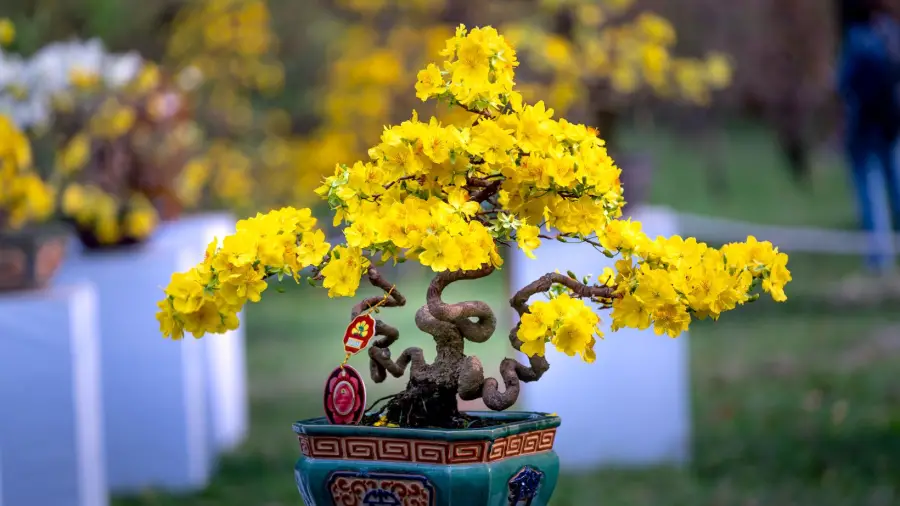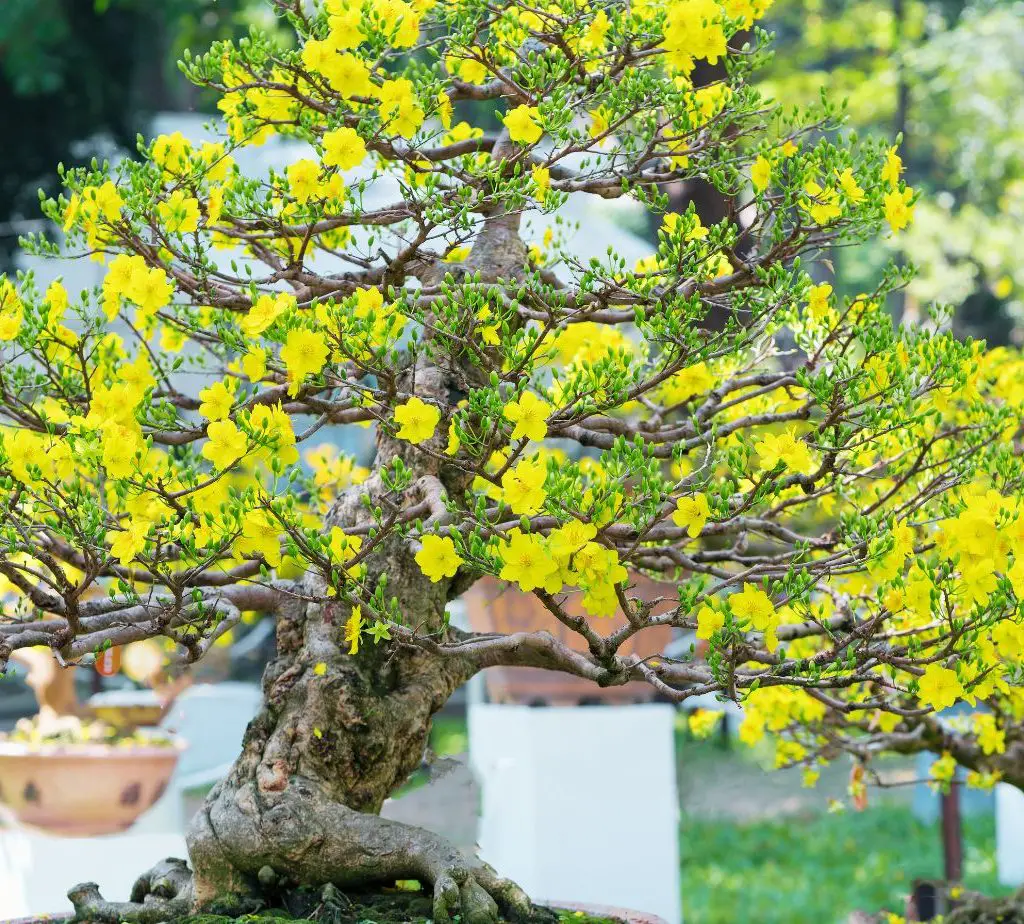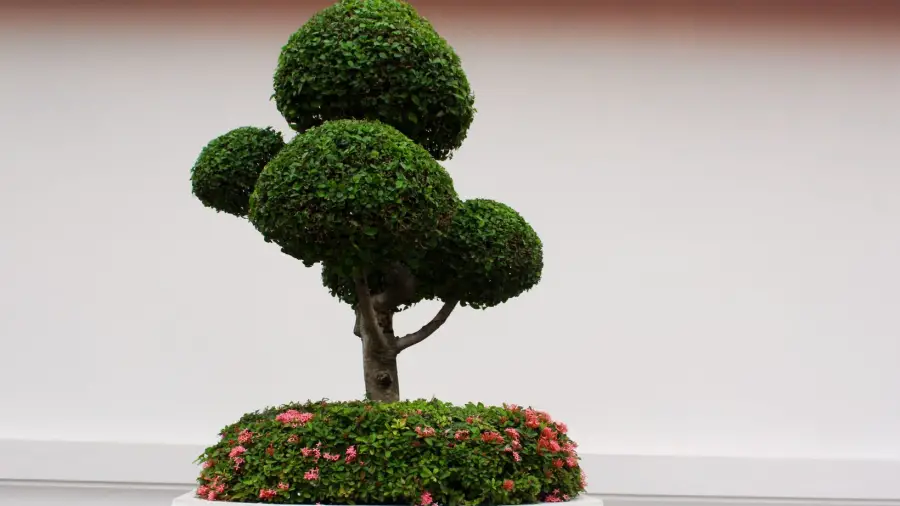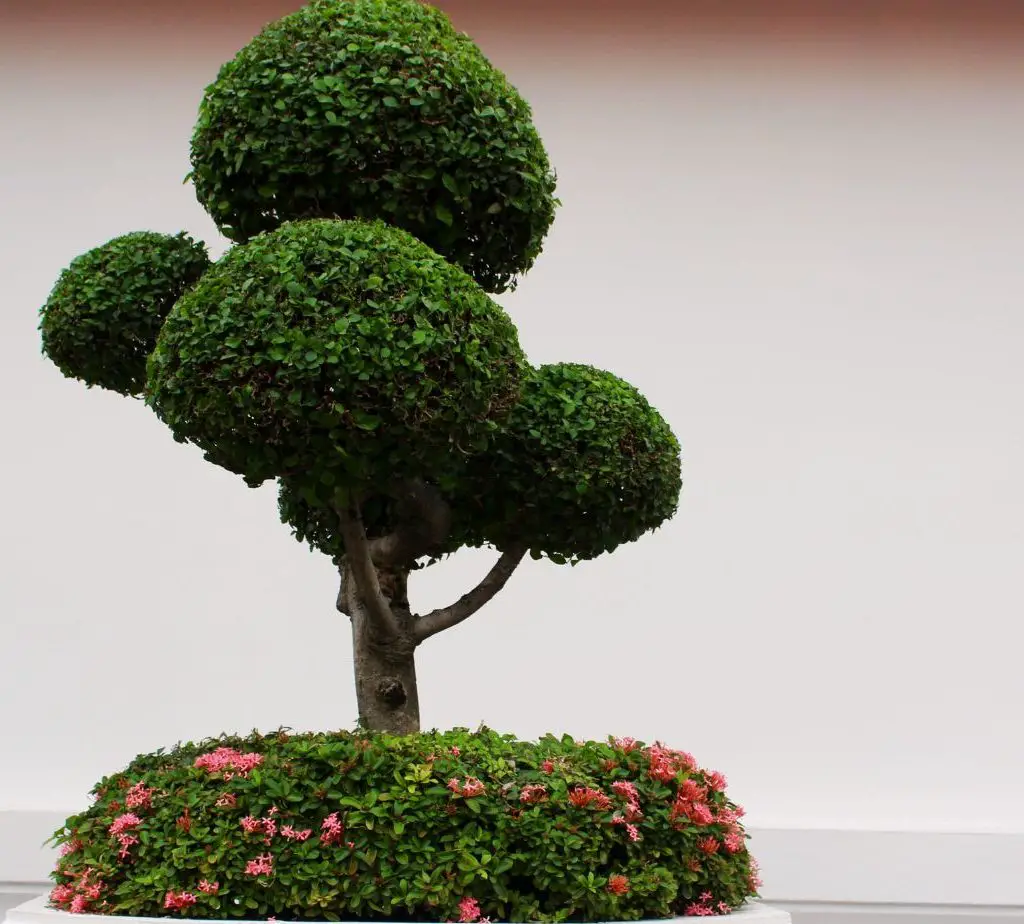
Bonsai-Coconut-Tree

Bonsai Coconut Tree

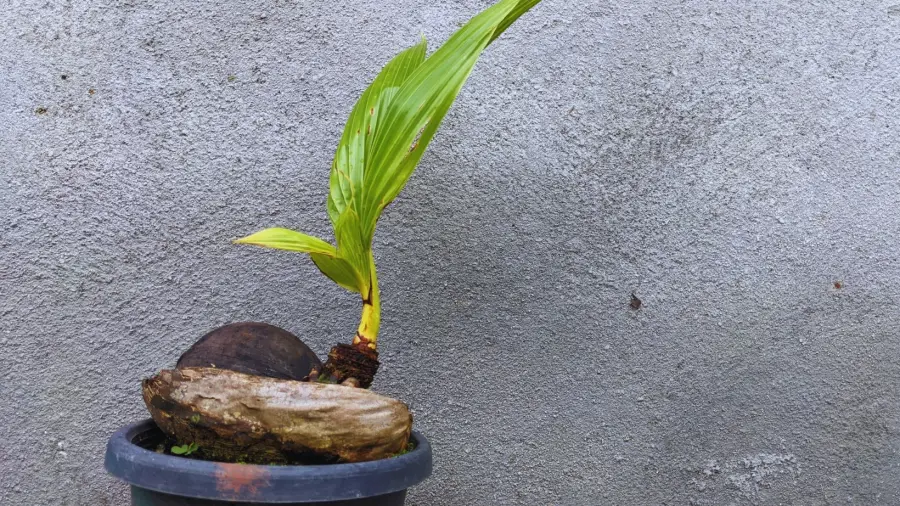
A Bonsai Coconut Tree is a miniaturized version of the standard coconut palm. These ornamental trees are often grown for decorative purposes.

Gardening enthusiasts and tropical plant lovers frequently seek out the Bonsai Coconut Tree as a unique addition to their collections. Unlike their towering counterparts, which can reach heights of 50 to 100 feet, these bonsai versions are cultivated to remain small.

Bonsai-Coconut-Tree

Typically, they grow indoors under specific conditions that mimic their natural environment. Mastery of bonsai techniques allows growers to maintain their diminutive size without harming the tree’s health. People are drawn to these exotic, miniature palms for their ability to bring a touch of the tropics into home and office spaces. Perfect for those with a keen interest in bonsai artistry or a desire for a low-maintenance, tropical vibe, the Bonsai Coconut Tree is an appealing challenge for indoor gardeners.

The Art Of Bonsai Coconut Tree

Bonsai Coconut Trees stand as a testament to the creativity and patience required in the art of bonsai. Unlike their full-sized counterparts reaching towering heights, these miniature trees offer a tropical essence to the traditional bonsai practice. Intricately training a coconut palm into a bonsai is an unusual but remarkable feat, blending classic horticultural techniques with the exoticism of a beach landscape. Let’s delve into the history, cultural significance, and growing popularity of this unique form of living art.

History And Origin

The bonsai tradition, which originated in China and was later refined in Japan, traditionally features trees like pines, maples, and cherry blossoms. The adaptation of coconut trees into this art form is a more recent innovation. Early records of bonsai date back over a thousand years, yet the incorporation of tropical trees like the coconut is a modern twist, showcasing the technique’s adaptability and global reach.

  • Development of bonsai from ancient Chinese “penjing“.
  • Japanese refinement of bonsai artistry in the Heian period.
  • Modern inclusion of non-traditional species like the coconut palm.

Cultural Significance

Bonsai, as a practice, is deeply embedded in Asian culture, symbolizing harmony, balance, and the idea of bringing nature into one’s living space. By incorporating coconut trees into bonsai, enthusiasts not only embrace these principles but also connect with the relaxed, serene imagery associated with tropical regions. This unique form of bonsai captures the essence of coastal living, infusing the ancient art with new life and meaning.

  • Embodiment of patience, thoughtfulness, and meticulous care.
  • Spiritual connection to nature and its eternal beauty.
  • Fusion of traditional bonsai values with new, tropical aesthetics.

Growing Popularity

Bonsai Coconut Tree artistry is witnessing a surge in popularity, as enthusiasts search for exotic and distinctive species to cultivate. Growers are now exploring untrodden paths by integrating tropical plants into their bonsai collections. This trend showcases a combination of classic bonsai shaping techniques with the unique growth patterns of coconut palms, striking a chord with those yearning for a bonsai that breaks the mold.

  • Intrigue among bonsai enthusiasts for exotic tree varieties.
  • Perfect for growers looking for a challenge and a way to stand out.
  • Prominent presence in bonsai exhibitions and tropical-themed gardens.

Selecting And Cultivating A Coconut Bonsai

Embarking on the journey of Selecting and Cultivating a Coconut Bonsai is an exciting venture for any plant enthusiast. This miniature tropical marvel captivates the eyes and brings an essence of the exotic to any space. The process is meticulous and requires careful consideration of several critical aspects which will be discussed in the following sections.

Suitable Varieties

Choosing the right variety of coconut tree for your bonsai project is a pivotal step. Not all coconut trees are suitable for bonsai cultivation. Shorter dwarf varieties are preferred as they naturally grow to a smaller size, making them ideal candidates. Look out for varieties such as the ‘Malayan Dwarf’ and ‘Fiji Dwarf’, known for their compact growth habit and tolerance to trimming and shaping.

Ideal Growing Conditions

Creating a thriving environment for a coconut bonsai demands understanding and implementing the right growing conditions. Coconut palms are tropical plants that love plenty of sunlight, warmth, and humidity. Aim for a bright spot with at least 6 hours of sunlight daily and maintain temperatures around 70°F to 95°F. Shielding your bonsai from colder drafts and providing additional humidity through a pebble tray or a humidifier can be beneficial.

Soil And Watering Requirements

The health and growth of your coconut bonsai are deeply influenced by soil composition and watering practices. A well-draining soil mix is crucial to prevent root rot, a common issue among bonsai plants. Create a mixture with equal parts of sand, peat, and perlite or vermiculite to ensure good drainage and aeration.

  • Watering should be done judiciously; the soil should be allowed to dry slightly between waterings. During the growing season, your bonsai may require more frequent watering, while in the dormant period, it demands less.
  • Mitigating the risk of salt accumulation, which can be detrimental to your bonsai’s health, is achieved by flushing the soil with water periodically.
Aspect Details
Variety Select dwarf coconut varieties suited for bonsai.
Light At least 6 hours of direct sunlight.
Temperature Keep between 70°F to 95°F.
Soil Mix Equal parts sand, peat, and perlite/vermiculite.
Watering Allow soil to dry slightly between waterings.

By adhering to these guidelines, the path to nurturing a captivating coconut bonsai leads to a rewarding destination, one where the splendor of a tropical haven can be savored from the comfort of your own home.

Pruning And Shaping Techniques

Bonsai Coconut Tree Pruning and Shaping Techniques are integral to the art of bonsai. Through the careful process of cutting and wiring, a miniature version of a majestic coconut tree can thrive, reflecting the beauty and balance of its natural counterpart. These techniques not only enhance the visual appeal of the bonsai but also ensure the health and longevity of the plant. Let’s delve into how pruning and shaping can create a harmonious and aesthetically pleasing bonsai coconut tree.

Importance Of Pruning

Pruning is essential for maintaining the health and structure of a bonsai coconut tree. Strategic removal of leaves, branches, and even roots helps to control the growth of the tree, encouraging it to take on a miniature form. By simulating the natural conditions that shape trees in the wild, pruning helps bonsai trees develop thicker trunks and a mature appearance. Regular pruning also:

  • Improves light penetration and air circulation
  • Promotes the development of new, fine branches
  • Prevents overgrowth that can lead to a disproportionate or unbalanced look
  • Allows for the correction of any undesirable growth patterns

Wiring And Training

Wiring involves wrapping special bonsai wire around branches and trunks to guide their growth and achieve the desired shape. The flexibility of the bonsai coconut tree allows for delicate manipulation, but caution is key to prevent damage to the bark or branches. The wiring process includes:

  1. Selecting the appropriate gauge wire to match the branch thickness
  2. Wrapping the wire tightly enough to hold, yet loose enough to allow for growth
  3. Bending branches gradually over time to achieve the desired angle
  4. Regularly monitoring and adjusting the wires to avoid cutting into the growing wood

Achieving Aesthetic Balance

The overall goal of pruning and shaping is to achieve an aesthetic balance that reflects a naturally occurring coconut tree in a smaller scale. This involves creating a pleasing visual symmetry, maintaining appropriate proportions, and perfecting the taper and line of the tree’s profile. Some key considerations for achieving this balance are:

Aspect Technique Outcome
Proportion Pruning back the canopy A balanced tree-to-pot size ratio
Symmetry Selective branch removal A harmonious and dynamic composition
Line and Taper Trimming thicker branches Smooth transition from base to apex

To maintain the tree’s form, regular assessment and corrective actions are often necessary. Ultimately, the practice of pruning and shaping a bonsai coconut tree is an ongoing journey that requires patience, a steady hand, and a clear vision of the desired outcome.

Challenges And Maintenance

Nurturing a Bonsai Coconut Tree is a delightful endeavor, yet it brings its unique set of challenges. Maintenance of this miniature tropical treasure involves meticulous care to avoid common pitfalls and ensure its continued health and aesthetic appeal. From pest management to nutrient balancing, and maintaining growth patterns, each aspect demands attention to detail and a proactive approach.

Pest And Disease Control

Protecting your Bonsai Coconut Tree from pests and diseases is paramount. Insects like mites or scale can rapidly infest a plant, while fungal infections may pose a threat to its vitality. Below are strategies to safeguard your bonsai:

  • Regular Inspection: Frequent examination helps spot early signs of infestation or disease.
  • Natural Predators: Use beneficial predators to control pest populations organically.
  • Appropriate Fungicides: Employ fungicides cautiously, following the product’s guidelines to treat any fungal issues.
  • Isolation: Quarantine affected specimens to prevent the spread of pests and diseases to other plants.

Nutrient Management

To maintain a lush and vibrant bonsai, understanding nutrient requirements is essential. A delicate balance is critical for optimal growth. Key tips include:

  1. Utilize a balanced fertilizer designed for bonsai trees to deliver proper nutrients.
  2. Monitor the planting medium’s pH to ensure nutrient availability, adjusting as necessary.
  3. Observe for signs of nutrient deficiency or toxicity, such as discolored leaves or stunted growth, and address promptly.

Managing Growth Patterns

Growth management encompasses shaping and training your Bonsai Coconut Tree to your desired form. Effective techniques involve:

Technique Effect
Trimming Promotes branching and creates a fuller appearance.
Pruning Controls height and maintains the tree’s miniaturized stature.
Wiring Guides the direction of branch growth for aesthetic design.

Always perform growth management activities with care and precision to prevent damaging the delicate tree structures. Additionally, recognize the tree’s natural growth patterns and work with them, rather than against them, to maintain a healthy and attractive bonsai.

Showcasing Your Bonsai Coconut Tree

The art of Bonsai has long captivated gardening enthusiasts, offering a miniature slice of nature’s grandeur. Among these living sculptures, the Bonsai Coconut Tree stands out with its unique tropical charm, bringing an exotic flair to any setting. Showcasing your Bonsai Coconut Tree is not just about placing it on a shelf; it’s a thoughtful process that enhances both your tree’s beauty and your space’s environment. Explore the best ways to display your Bonsai, both indoors and out, learn about ornamental pot options, and gather tips for long-term care to ensure your tree not only survives but thrives.

Displaying Indoors Vs. Outdoors

Choosing the right location for your Bonsai Coconut Tree can make all the difference. Consider these factors when deciding between indoor and outdoor settings:

  • Climate: Bonsai Coconut Trees prefer a warm, humid environment, similar to their natural tropical habitat.
  • Light: They require ample sunlight; however, direct exposure can be controlled indoors to avoid scorching.
  • Space: Ensure enough room for the tree to grow without constraint, whether it’s a patio or a well-lit corner.

Balance these considerations with your personal preference and space limitations to find the perfect spot for your tree.

Ornamental Pot Options

The pot you choose for your Bonsai Coconut Tree is more than a container; it’s a statement. Ornamental pots are available in a variety of materials and designs:

Material Benefits Styles
Ceramic Durable, many color choices Classic, modern
Wood Natural look, insulation properties Rustic, traditional
Plastic Lightweight, cost-effective Versatile, colorful

Select a pot that complements your tree’s shape and size, and aligns with the room’s aesthetic.

Tips For Long-term Care

Ensuring the health and longevity of your Bonsai Coconut Tree requires ongoing attention:

  1. Watering: Keep the soil consistently moist, but avoid waterlogging.
  2. Feeding: Use a balanced fertilizer, particularly during the growing season.
  3. Pruning: Regular trimming promotes a strong structure and desired form.
  4. Pest Control: Inspect regularly for pests and use appropriate treatments.

By following these tips, your Bonsai will remain a stunning focal point for years to come.

Frequently Asked Questions For Bonsai Coconut Tree

Can You Grow A Bonsai Coconut Tree Indoors?

Yes, it is possible to grow a bonsai coconut tree indoors. Ensure ample sunlight and maintain high humidity. Regular pruning will keep it small and manageable.

What Care Does A Bonsai Coconut Tree Require?

Bonsai coconut trees need bright light, high humidity, and consistent watering. Use well-draining soil and fertilize monthly during growing seasons. Pruning is crucial for maintaining shape.

How Long Does A Bonsai Coconut Tree Live?

With proper care, a bonsai coconut tree can live for several years. Lifespan largely depends on environmental conditions and how effectively it is pruned and maintained.

Is Bonsai Coconut Tree Good For Beginners?

Bonsai coconut trees can be challenging for beginners due to their need for high humidity and light. However, with dedication and proper research, a beginner can successfully cultivate one.

Conclusion

Embracing the art of bonsai brings nature’s charm to your living space. A bonsai coconut tree exemplifies this beauty, combining tropical vibes with miniature grandeur. Perfect for enthusiasts and beginners, its ease of care adds life to any corner. Start your journey into bonsai; let the tiny coconut tree inspire a world of green serenity.
Best-Soil-for-Bonsai

Best Soil for Bonsai Trees

The best soil for bonsai trees offers excellent drainage and aeration, typically a mix of akadama, pumice, and lava rock. This combination ensures roots remain healthy and supports optimal growth.

Creating the ideal environment for bonsai trees to thrive depends largely on the soil used. Bonsai enthusiasts often favor a specialized blend that balances moisture retention with proper aeration, crucial for the miniature trees’ delicate roots. Akadama, a hard-baked Japanese clay, serves as the core component, revered for its water retention yet allowing excess to drain away, preventing root rot.

Best-Soil-for-Bonsai

Pumice adds to the mix’s porous nature, encouraging air flow to roots, and lava rock contributes to the structural integrity, promoting drainage. Selecting this trifecta of components can greatly impact the bonsai’s health and aesthetics, making soil choice a paramount decision for both novice and seasoned bonsai growers. With care and the right soil conditions, a bonsai tree can become a living sculpture, symbolizing harmony and patience.

Understanding The Needs Of Bonsai Trees

Cultivating a bonsai tree is a form of art that requires patience, precision, and a deep understanding of the plant’s needs. Bonsai trees, with their majestic miniature stature, mirror the beauty of nature on a diminutive scale. To ensure these intricate plants thrive, it is essential to replicate their natural habitat as much as possible, which includes providing the right soil composition. The balance of nutrients, aeration, and moisture retention are key factors affecting the health and growth of these delicate trees.

Climate And Location Considerations

Bonsai trees are susceptible to changes in their environment. Selecting the appropriate soil is crucial and must take into account the specific climate and location where the bonsai will reside. Here are critical aspects to consider:

  • Temperature ranges: Some soils can moderate the root temperature better than others.
  • Humidity levels: Depending on the local humidity, your soil mix might require better moisture retention or drainage.
  • Wind exposure: In areas with strong winds, a heavier or more stable soil mix can prevent tipping and undue stress on the bonsai.

Remember that bonsais kept indoors may have different soil requirements than those placed outdoors due to controlled climates.

The Importance Of Soil For Bonsai Health

The soil is not just a medium for keeping your bonsai in place; it plays a critical role in the overall health and longevity of the tree. Proper bonsai soil must meet several criteria to be considered suitable:

  1. Drainage: It should allow excess water to drain quickly to prevent root rot.
  2. Aeration: Soil should be loose enough to allow air to reach the roots.
  3. Water retention: Despite needing good drainage, bonsai soil must hold sufficient moisture to sustain the tree between watering.
  4. Nutrient content: Though low in organic material, bonsai soil should still offer essential nutrients or at least retain fertilizer for effective uptake by the roots.

A well-balanced soil mixture can be the difference between a thriving bonsai and one that struggles to survive. Selecting or creating the ideal substrate is a cornerstone of bonsai care.

Components Of Best Soil For Bonsai Trees


The quest for the perfect bonsai soil blend is an integral part of cultivating thriving bonsai trees. Different species require unique soil characteristics, but certain universal components are critical for optimal growth. Understanding these elements ensures your bonsai not only survives but flourishes with vigor and beauty.

Proper Balance Of Drainage And Moisture Retention

Striking the right balance between drainage and moisture retention is crucial for the health of bonsai roots. A soil that drains well prevents waterlogging and root rot, yet retains enough moisture to keep the tree hydrated between waterings.

  • Akadama: A naturally occurring, clay-like mineral that provides both excellent drainage and moisture retention capabilities.
  • Pumice: Increases aeration, aiding in drainage while also holding moisture and nutrients.
  • Lava Rock: Ensures optimal drainage and improves soil structure for stronger root development.

Organic Vs. Inorganic Materials

Soil composition often includes both organic and inorganic materials. Organic components, such as pine bark or compost, enrich the soil with nutrients, while inorganic substances provide structural support and improve aeration.

Material Type Benefits
Organic Improves nutrient content, supports microbial life.
Inorganic Enhances drainage, reduces soil compaction.

Ideal Ph Levels For Bonsai Soil

The pH level of bonsai soil affects nutrient availability and uptake. Most bonsai trees thrive in a slightly acidic to neutral pH range (pH 6.0 to 7.5). Using pH testing kits to monitor and adjust soil acidity is essential for maintaining soil health.

Components such as Kanuma are often added to the soil mix for species like Azaleas that prefer a more acidic environment, ensuring your tree has the perfect pH balance for its needs.


Every bonsai enthusiast knows that selecting the right soil is critical for the health and growth of their miniature trees. Bonsai trees thrive in a specific balance of moisture, aeration, and nutrients. The perfect soil mixture can make all the difference. Hence, understanding the components and benefits of the popular soil mixtures is vital for any bonsai tree caretaker.

Akadama, Pumice, And Lava Rock Blend

This classic blend is often revered as the gold standard for many bonsai practitioners. Akadama, a naturally occurring, granular clay soil from Japan, provides excellent water retention and drainage. When combined with pumice and lava rock, the result is a well-draining mix that also aids in root growth and structure.

  • Akadama: Rich in minerals, it retains water and nutrients effectively.
  • Pumice: Ensures good aeration and water drainage.
  • Lava Rock: Adds structure and porosity to the mix.

Pine Bark And Perlite Mix

Another popular mixture is the blend of pine bark and perlite. Pine bark adds an organic component that helps to retain moisture and provides a slow release of nutrients. Perlite, a form of volcanic glass, enhances the mix’s drainage capabilities and aeration.

  • Pine Bark: Improves moisture retention and adds organic matter.
  • Perlite: Increases aeration and improves drainage.

Benefits And Drawbacks Of Each Mixture

Soil Mixture Benefits Drawbacks
Akadama, Pumice, and Lava Rock
  • Excellent drainage
  • Good aeration
  • Strong root support
  • Akadama breaks down over time
  • Can be expensive outside Japan
Pine Bark and Perlite
  • Organic nutrients from pine bark
  • Outstanding drainage from perlite
  • Pine bark may decompose, changing soil structure
  • Perlite can float to the top after watering

Diy Bonsai Soil Mix Recipes

Bonsai enthusiasts know that the secret to a thriving miniature tree lies in its foundation – the soil. Crafting the perfect DIY bonsai soil mix can be likened to creating a gourmet meal for your plant. It’s all about the balance of ingredients to ensure your bonsai receives just the right amount of water, nutrients, and airflow. Let’s delve into the art of mixing your own bonsai soil, and unlock the full potential of your tiny trees.

Creating A Personalized Bonsai Soil Mix

Bonsai trees are diverse, and so are their soil needs. Personalizing your mix is crucial for catering to the specific requirements of your bonsai species. Here’s a simple guide to get you started:

  • Akadama: This hard-baked Japanese clay is a popular choice for its ability to retain water and nutrients while providing structure.
  • Pumice: For drainage and aeration, pumice is your go-to component.
  • Lava rock: To further improve drainage and add texture, include lava rock in your mix.
  • Fine gravel: Promotes root health by ensuring excess water doesn’t linger.

Blend these components in varying ratios to suit your bonsai. A typical mix might include 40% akadama, 30% pumice, and 30% lava rock. Some artists also add a portion of organic matter like compost or pine bark fines for added nutrients.

Essential Tools For Mixing Bonsai Soil

Prepare for perfection with the right tools. Here’s what you’ll need:

Tool Function
Sieve Set To separate and grade soil particles by size.
Mixing Tub or Wheelbarrow For combining ingredients.
Trowel or Spade For transferring soil and scooping.
Gloves To protect your hands during the mixing process.
Measuring Container For precise ingredient ratios.

Tips For Testing And Adjusting Soil Mixtures

Testing and refining your bonsai soil mixture is a continuous process. Follow these tips:

  1. Moisture retention: Test how well the soil holds water by watering it and observing the drainage.
  2. Particle size: Ensure the mix is sifted to remove dust that can impede drainage.
  3. Root growth: Monitor how the roots of your bonsai respond over time. Adjust the soil composition if the roots seem hindered or if they rot.
  4. Seasonal adjustments: Your mixture may need changes based on the season. Winter might require better drainage, while summer could call for more water retention.

Note: Always observe your bonsai’s health after introducing it to a new soil mix and be ready to make modifications for optimal growth.

Maintaining Bonsai Soil Health

Maintaining bonsai soil health is crucial for the longevity and aesthetic appeal of these miniature trees. Bonsai trees need a delicate balance of water, air, and nutrients, all of which are mediated by the soil they grow in. Like any living environment, the soil must be carefully managed to support the vibrant life of a bonsai. Let’s delve into the intricacies of keeping your bonsai thriving with optimal soil health.

Understanding When To Repot Bonsai Trees

Recognizing the right time to repot is essential for maintaining healthy soil conditions. Bonsai trees typically require repotting every two to five years, depending on their growth rate and species. Some clear signs that it’s time to repot include:

  • Roots circling the bottom of the pot
  • Slower growth despite proper care
  • Soil that dries out too rapidly or appears degraded

Repotting during the tree’s dormant season, usually late winter or early spring, helps minimize stress and encourages successful root regeneration in the new soil.

Proper Watering Techniques For Bonsai Soil

Watering your bonsai is not just about frequency but also technique. To maintain soil health, it’s vital to:

  1. Ensure even moisture throughout the soil
  2. Use soft, tepid water to prevent shock and salt buildup
  3. Avoid letting the soil dry out completely or become waterlogged

Checking the top inch of the soil for dryness can be a good indicator of when to water. Additionally, using a watering can with a fine nozzle helps distribute water gently and evenly.

Addressing Soil Compaction And Nutrient Deficiency

Over time, soil can become compacted, which limits the airflow and inhibits root growth. Regularly loosening the soil surface and ensuring that the soil mix has the right proportion of coarse particles can alleviate compaction. Meanwhile, nutrient deficiencies in bonsai soil can lead to poor foliage and overall health. Using a balanced fertilizer and incorporating organic matter into the soil can replenish essential nutrients. Be mindful of the following:

Nutrient Sign of Deficiency
Nitrogen Yellowing leaves
Phosphorus Stunted growth, dark green leaves
Potassium Brown edges on leaves

Correct diagnosis and remediation of soil issues ensure that your bonsai remains a vibrant, living sculpture for years to come.

Frequently Asked Questions For Best Soil For Bonsai Trees

What Is The Ideal Soil For Bonsai Trees?

The ideal bonsai soil should offer good drainage, aeration, and proper nutrient retention. It often includes a mix of akadama, pumice, and lava rock.

Can I Use Regular Potting Soil For Bonsai?

Regular potting soil is not recommended for bonsai as it lacks proper drainage and aeration. Specialized bonsai mixes are formulated to meet these specific needs.

How Often Should Bonsai Soil Be Replaced?

Bonsai soil should be replaced every one to three years. The exact timing depends on the tree species, soil composition, and the pot’s size.

Does Bonsai Soil Vary For Different Tree Species?

Yes, bonsai soil can vary. Different tree species might require more drainage or water retention. Customize the soil mix based on the specific needs of your bonsai.

Conclusion

Choosing the right soil is pivotal for your bonsai’s health and beauty. Opt for a mix that ensures proper drainage, yet retains enough moisture. Whether you mix your own or buy pre-made, your bonsai trees will thrive with the correct soil choice.

Remember, nurturing these miniature marvels starts from the ground up!

(To learn more about Bonsai Health : https://bonsainurserybd.com/bonsai-health-diagnosing/ )

Bonsai Vs. Houseplants

Bonsai Vs. Houseplants: Which Is Right for You? Make an Informed Choice

Bonsai vs. Houseplants: Which is right for you? Find out which option suits your preferences and needs.

Bonsai trees offer a unique and artistic appeal, with their miniature size and intricate designs. They require careful maintenance and attention to detail. On the other hand, houseplants bring life and beauty to indoor spaces and are relatively easier to care for.

Bonsai Vs. Houseplants

Consider factors such as your level of commitment, available space, and desired aesthetic when deciding between bonsai or houseplants.

Importance Of Choosing The Right Indoor Plant

Choosing the right indoor plant is essential for creating a harmonious and balanced living environment. When it comes to selecting between bonsai and houseplants, it’s important to consider your personal preferences and the care requirements of each plant.

When it comes to indoor plants, choosing the right one is essential for creating a harmonious and beneficial environment in your home. Indoor plants not only add a touch of nature to your living space but also offer a wide range of benefits. From improving air quality to boosting productivity and enhancing mood, the right indoor plant can make a significant difference in your overall well-being.

The Impact Of Indoor Plants On Air Quality

Indoor air quality is a major concern as we spend a considerable amount of time indoors. However, the presence of certain indoor plants can help improve air quality by removing harmful toxins and pollutants. Plants such as the Snake Plant, Peace Lily, and Spider Plant have been found to be particularly effective in purifying the air by absorbing chemicals like formaldehyde, benzene, and xylene.

These common indoor plants release oxygen and increase humidity, creating a healthier environment for you and your family. By reducing the levels of indoor air pollutants, they can alleviate respiratory issues, allergies, and even boost your immune system.

Increased Productivity And Mood Enhancement

Having indoor plants in your living or workspace can significantly impact your productivity and mood. Numerous studies have shown that being close to nature, even in the form of indoor plants, can improve concentration, creativity, and cognitive function.

Plants help reduce stress and anxiety by creating a calm and relaxing atmosphere. The sight of greenery and natural elements has a soothing effect on our minds, leading to increased focus and productivity. In addition, indoor plants release moisture into the air, which can help combat dryness and fatigue, promoting a more comfortable and positive environment.

Aesthetically Pleasing And Natural Decor

Aside from their health benefits, indoor plants also serve as beautiful and natural decor for your home. They add a touch of greenery, freshness, and elegance to any room, instantly enhancing its aesthetic appeal.

Whether you choose a vibrant flowering plant or a sophisticated bonsai tree, indoor plants can complement any interior style and add a natural element to your decor. They create a sense of harmony and balance, connecting you to nature and creating a peaceful ambiance.

Moreover, indoor plants have the ability to soften harsh lines and spaces, making the atmosphere more inviting and welcoming. They can be used as a focal point, displayed as a centerpiece, or placed strategically to highlight certain areas of your home.

(To know more about Indoor Gardening: https://bonsainurserybd.com/indoor-gardening-greenery-inside-your-home/)

Understanding Bonsai

Discovering the perfect match for your home: “Bonsai Vs. Houseplants: Which Is Right for You? ” Delve into the world of bonsai and explore the unique characteristics that make it a potential choice, or consider the versatility and ease of houseplants.

Choose the option that harmonizes with your lifestyle and aesthetic preferences.


Origins And History Of Bonsai

Bonsai, a Japanese art form that involves cultivating small trees in containers, has a rich historical background. Its origins can be traced back to ancient China around 700 AD, where it was known as “penzai.” The practice then spread to Japan, where it developed into the unique and revered art form we know today.

The art of bonsai gained popularity in Japan during the Kamakura period (1185-1333) when monks began cultivating small trees as a way to capture the beauty and essence of nature in a portable form. Over the centuries, bonsai techniques and styles evolved, reflecting cultural influences and artistic interpretations.

The Art Of Shaping And Pruning Bonsai Trees

One of the key aspects of bonsai is the art of shaping and pruning the trees to create miniature versions of their natural counterparts. This process requires skill, patience, and an understanding of the tree’s growth patterns and characteristics.

Bonsai artists carefully sculpt their trees using techniques such as wiring, trimming, and defoliation. By manipulating the branches and foliage, they create the desired shape and aesthetic appeal. The goal is to create a balanced and harmonious composition, reflecting the beauty of mature trees in nature.

Unique Characteristics And Requirements Of Bonsai

Bonsai trees have distinct characteristics and requirements that set them apart from traditional houseplants. Understanding these characteristics is crucial for successful bonsai cultivation.

Bonsai trees are typically grown in small containers, restricting their root growth. This plays a vital role in controlling the overall size and shape of the tree. Regular repotting is necessary to maintain the health and vitality of the tree.

Moreover, bonsai trees have intricate watering and fertilization requirements. The moist but well-draining soil is essential to prevent root rot, while the proper balance of nutrients ensures the tree’s growth and development.

Furthermore, maintaining a bonsai tree requires continuous vigilance in terms of pruning and shaping. Regular pruning helps to control the size and shape, while shaping allows the artist to capture the desired aesthetic appeal.

Lastly, adequate exposure to sunlight is crucial for the health and growth of bonsai trees. Most bonsai trees thrive in bright, indirect light, but the specific lighting requirements may vary depending on species.

In conclusion, bonsai trees offer a unique and artistic approach to cultivating plants. They require meticulous care, attention to detail, and an understanding of their distinct characteristics. With proper care and patience, bonsai trees can bring beauty and tranquility into any indoor space.

(To know more about Bonsai: https://bonsainurserybd.com/bonsai-species-bonsai-collection/)


Houseplants: A Versatile Option


Houseplants are a fantastic option for adding beauty and natural elements to your living space. They come in a wide variety of shapes, sizes, and colors, making it easy to find the perfect plant to complement your home decor. In addition to their aesthetic appeal, houseplants offer numerous benefits that make them a versatile choice for any individual.

Different Types Of Houseplants And Their Benefits

Houseplants come in various types, each with its unique set of benefits. Here are a few popular types of houseplants and the advantages they bring:

Type Benefits
Snake Plant Produces oxygen at night, improving indoor air quality
Spider Plant Filters toxins from the air, such as formaldehyde and benzene
Aloe Vera Aids in soothing skin irritations and purifies the air

Easy To Care For And Low Maintenance

One of the most significant advantages of houseplants is their ease of care and low maintenance requirements. Unlike bonsai, houseplants do not require regular pruning and shaping. They thrive in a variety of light conditions and can withstand a certain degree of neglect, making them perfect for individuals with busy lifestyles or those new to plant care.

Choosing The Right Houseplant For Your Space And Lifestyle

Selecting the appropriate houseplant for your space and lifestyle is crucial to ensure its proper growth and longevity. Consider the following factors when choosing a houseplant:

  • Light: Determine the light conditions in your home and select a plant that can thrive in that environment. Some houseplants prefer bright, indirect light, while others can tolerate lower light levels.
  • Watering: Different houseplants have different watering needs. Make sure to choose one that matches your watering routine and the humidity levels of your home.
  • Size: Consider the available space in your home and choose a houseplant that fits well. If you have limited space, opt for smaller varieties or plants that can be placed on shelves or countertops.
  • Maintenance: Evaluate your ability to care for plants regularly. If you have limited time for plant care, choose low-maintenance houseplants that don’t require frequent watering or attention.

By considering these factors, you can find the perfect houseplant that suits your space and lifestyle, adding a touch of greenery to your home without overwhelming your schedule.


Factors To Consider: Bonsai Or Houseplants?

When deciding between bonsai and houseplants, there are several factors to consider. Each option comes with its own unique characteristics and requirements. By taking into account your time commitment, available space and lighting conditions, as well as your desire for a long-term project or immediate results, you can determine whether bonsai or houseplants are the better choice for you.

Time Commitment And Maintenance Level

Bonsai trees require regular care and attention. They need to be pruned, shaped, and watered consistently to maintain their desired form. The time commitment for bonsai enthusiasts can be significant, especially when it comes to training and styling the tree over time.

On the other hand, houseplants are generally easier to care for and require less maintenance. While they still need regular watering, occasional fertilizing, and repotting as needed, they generally do not require the same level of daily attention as bonsai trees.

Available Space And Lighting Conditions

Bonsai trees thrive in outdoor environments where they can receive ample sunlight and fresh air. If you have access to a garden or balcony, bonsai may be a suitable choice for you. However, if you live in a small apartment or lack outdoor space, it may be more challenging to provide the necessary conditions for bonsai to thrive.

Houseplants, on the other hand, can adapt to a wide range of indoor lighting conditions. From low-light corners to bright, sunlit spots, there are houseplants available for every type of space. They can be placed on windowsills, shelves, or even hang from the ceiling, making them a versatile option for those with limited space.

Desire For A Long-term Project Or Immediate Results

Bonsai is a long-term project that requires patience and dedication. It can take years, even decades, to achieve the desired aesthetic and maturity of a bonsai tree. If you enjoy the process of nurturing and shaping a tree over time, bonsai can be a rewarding and fulfilling endeavor.

On the other hand, houseplants offer more immediate results. They can be purchased in various stages of growth, from small seedlings to mature plants, allowing you to instantly add life and beauty to your space. This makes houseplants a great option for those who want to quickly transform their environment.

Ultimately, the choice between bonsai and houseplants depends on your individual preferences, available time and space, and desired level of commitment. Both options offer unique benefits and can bring joy and beauty into your life. Consider these factors carefully to determine which option is the right fit for you.

Making An Informed Choice


When it comes to choosing between bonsai and houseplants, it’s important to make an informed decision based on your personal preferences and priorities. Evaluating these factors will help you determine which option is the best fit for you.

Evaluating Personal Preferences And Priorities

One of the first steps in making a decision is to consider your personal preferences. Do you enjoy the art of shaping and pruning a bonsai tree, or do you prefer the simplicity of caring for a houseplant? Think about how much time and effort you are willing to dedicate to your green companion, as bonsai trees require more careful and precise maintenance compared to houseplants.

Additionally, consider your living space and available resources. Bonsai trees are typically displayed indoors and require adequate sunlight and humidity, which may not be suitable for all living environments. Houseplants, on the other hand, come in a variety of species that can thrive in different levels of light and humidity. Consider factors such as space constraints, temperature, and accessibility when determining which option aligns with your living conditions.

Seeking Expert Advice And Guidance

If you’re unsure about which option is right for you, it’s always beneficial to seek expert advice and guidance. Consult with horticulturists, bonsai enthusiasts, or local garden centers to gather insights and recommendations. They can provide information on the specific care requirements of bonsai trees and houseplants, as well as help you select species that align with your lifestyle and preferences.

By gathering expert opinions, you can make a more informed decision and ensure that you are equipped with the necessary knowledge to care for your chosen green companion effectively.

Considering The Benefits And Challenges Of Both Options

Each option presents its own set of benefits and challenges. Bonsai trees are not only beautiful decorative pieces but also carry symbolism and spiritual meaning for many individuals. They require skillful pruning and shaping, which can be seen as a meditative and therapeutic activity. Bonsai trees also have air purifying properties, improving the overall air quality in your living space.

On the other hand, houseplants are often more forgiving in terms of care requirements. They come in a wide variety of species, each with unique aesthetics and benefits. Houseplants can enhance the atmosphere and ambiance of any room and provide a sense of tranquility and well-being.

  • Benefits of bonsai trees:
    • Aesthetically pleasing decorative pieces
    • Symbolic and spiritual meaning
    • Air purifying properties
  • Benefits of houseplants:
    • Wide variety of species and aesthetics
    • Enhances atmosphere and ambiance
    • Adds a sense of tranquility and well-being

It’s important to consider the challenges as well. Bonsai trees require regular pruning, watering, and careful monitoring of sunlight and humidity levels. Additionally, they may be more susceptible to diseases and pests due to their intricate shapes and small pot size. Houseplants, although generally easier to care for, still require attention to watering, light, and fertilization to thrive.

By weighing the benefits and challenges of both options, you can make an informed decision that aligns with your lifestyle and preferences.


Frequently Asked Questions On “bonsai Vs. Houseplants: Which Is Right For You?”

Is It True You Can Bonsai Any Tree?

Yes, any tree can be turned into a bonsai. Any plant with a permanent wood-like structure, like a cactus or shrub, is a candidate for bonsai.

Is Bonsai A Spiritual Plant?

Bonsai trees are associated with harmony, balance, and positivity, often used as living ornaments. They can also have spiritual meaning for some. Additionally, bonsai gardening can reduce stress and purify the air, benefiting health. Bonsai trees are often given as gifts to symbolize friendship, loyalty, love, and respect.

Do Bonsai Trees Have Benefits?

Bonsai trees have many benefits. They help purify the air, reduce colds and allergies, and lower stress levels. They also symbolize peace, balance, harmony, and luck when given as gifts. Bonsai can be grown indoors and make unique and beautiful houseplants.

Should Bonsai Be Gifted?

Bonsai trees make great gifts due to their symbolism of peace, balance, harmony, and luck. They can represent friendship, loyalty, love, and respect. Receiving a bonsai tree as a gift brings double fortune.

Conclusion

When choosing between bonsai and houseplants, it ultimately comes down to personal preference and lifestyle. Bonsai trees offer a unique and artistic element to home decor, with the added benefits of purifying the air and reducing stress. On the other hand, houseplants provide a wide variety of options to suit different levels of gardening experience.

Whichever option you choose, both bonsai and houseplants can bring beauty and nature into your home. So, go ahead and explore the world of greenery and find the perfect companion for your space.

Mastering-the-Art-of-Bonsai

Mastering the Art of Bonsai: Step-By-Step Guide for Success

“Mastering the Art of Bonsai: A Step-By-Step Guide” provides a comprehensive and detailed approach to honing your skills in the art of bonsai. With clear instructions and practical tips, this guide will assist you in creating stunning miniature trees.

From selecting the right plant to shaping and maintaining it, the article covers every aspect of bonsai care. Whether you are a beginner or an experienced enthusiast, this guide will help you navigate the intricate process of bonsai cultivation and transform your trees into living masterpieces.

Mastering-the-Art-of-Bonsai

With its step-by-step tutorials and troubleshooting advice, this book is an essential companion for anyone seeking to perfect their bonsai skills.

Understanding The Art Of Bonsai

Bonsai, the ancient Japanese art form of growing miniature trees in containers, has captivated the admiration of both horticulturists and art enthusiasts for centuries. The intricate process of creating and maintaining these miniature masterpieces requires a deep understanding of the art of bonsai. In this comprehensive guide, we will delve into the origins and history of bonsai, explore the philosophy behind it, and highlight how bonsai differs from regular gardening. Whether you are a beginner or an experienced gardener, this step-by-step guide will empower you to master the art of bonsai and embark on a rewarding journey of creativity and tranquility.

The Origins And History Of Bonsai

The history of bonsai traces back to ancient China, where small trees and plants were grown in containers as early as the 6th century. It was later introduced to Japan in the 12th century, where it truly flourished and became an integral part of Japanese culture. The word “bonsai” itself translates to “tray planting” or “planting in a pot” in Japanese.

To truly appreciate the art of bonsai, it’s essential to understand its historical significance as a symbol of status and wealth in ancient Japan. Bonsai trees were often treasured possessions of the elite class and were showcased during cultural events and exhibitions.

The Philosophy Behind Bonsai

At the core of bonsai lies a deep philosophy that emphasizes harmony, balance, and patience. Bonsai cultivators strive to mimic the natural growth of full-sized trees in a miniature form. The art of bonsai teaches practitioners to appreciate the beauty of nature and to observe the subtle changes and growth patterns of trees over time.

Unlike traditional gardening, bonsai requires meticulous attention to detail and a deep understanding of horticultural techniques. It encourages cultivators to slow down, observe, and carefully shape the tree to achieve aesthetically pleasing forms. Through this process, bonsai cultivators acquire a sense of tranquility and connection with nature, making it a therapeutic and meditative practice.

How Bonsai Differs From Regular Gardening

Bonsai differs greatly from regular gardening in terms of scale, technique, and purpose. While gardening focuses on creating a visually appealing landscape, bonsai aims to create a living piece of art within a small container.

In bonsai, every element, from the choice of tree species to the shaping and pruning techniques, is carefully considered to achieve a specific aesthetic or style. Bonsai cultivators often spend years meticulously training and shaping their trees to create a harmonious balance between the roots, trunk, branches, and foliage.

Regular gardening, on the other hand, may focus more on the overall health and growth of plants, without the intensive shaping and pruning techniques required in bonsai. Bonsai cultivators aim to create an illusion of a full-sized, mature tree in a miniature form, which requires an in-depth understanding of horticultural principles and artistic vision.

Mastering the art of bonsai requires patience, dedication, and an appreciation for the beauty of nature. By understanding the origins and history of bonsai, delving into its profound philosophy, and appreciating how it differs from regular gardening, you will embark on an enlightening journey that connects you with one of the most exquisite and time-honored art forms.

Getting Started With Bonsai

Bonsai gardening is not just a hobby, it is an art form that requires patience, skill, and knowledge. By carefully shaping and training a tree in a miniature form, bonsai enthusiasts create stunning living masterpieces. If you’ve ever been captivated by the beauty of bonsai and want to embark on this journey, this step-by-step guide will help you get started on your bonsai gardening adventure.

Choosing The Right Bonsai Tree

Choosing the right bonsai tree is the first and most crucial step in your bonsai gardening journey. The tree you choose will determine the overall aesthetic and style of your bonsai. There are a variety of tree species that can be used for bonsai, including juniper, pine, maple, and ficus. Consider the climate in your area and the specific care requirements of each species to ensure you select a tree that will thrive in your environment.

Essential Tools For Bonsai Gardening

Having the right tools is essential for successful bonsai gardening. To shape and trim your bonsai tree, you will need a few specialized tools. These include:

  • Bonsai shears: Used for pruning and trimming branches
  • Concave cutters: Designed to make clean cuts on thick branches
  • Wire cutter: Used to remove or adjust wiring
  • Bonsai wire: Used to shape and train the branches
  • Bonsai soil scoop: Helps with repotting and soil maintenance

With these essential tools in your arsenal, you’ll be well-equipped to start shaping and training your bonsai tree.

Selecting The Right Container And Soil

The choice of container and soil is crucial to the health and development of your bonsai tree. The container should be shallow and have drainage holes to prevent waterlogging. Additionally, it should be aesthetically pleasing and complement the overall style of your bonsai.

When it comes to soil, bonsai trees require a well-draining mixture that retains moisture without becoming waterlogged. A combination of akadama, pumice, and lava rock is commonly used, but it’s important to consider the specific needs of your tree species.

In conclusion, getting started with bonsai gardening requires careful consideration of the bonsai tree, acquiring the essential tools, and selecting the right container and soil. By focusing on these aspects, you will lay a strong foundation for your bonsai journey and be well on your way to mastering the art of bonsai.

The Step-by-step Process Of Bonsai Creation

Discover the step-by-step process of creating bonsai in “Mastering the Art of Bonsai: A Step-By-Step Guide. ” This comprehensive guide provides detailed instructions, troubleshooting tips, and tutorials to help you master the art of bonsai creation.

Pruning And Shaping Techniques

Pruning and shaping are vital techniques in the art of bonsai creation. Pruning helps control the growth of the tree, promoting the development of a desirable shape and size. It involves selectively removing branches, leaves, and shoots to encourage proper form and balance.

There are several pruning techniques commonly used in bonsai:

  • Pinch pruning: This technique involves removing the tips of young shoots to promote branching and ramification.
  • Thinning: Thinning involves selectively removing excess branches and foliage to allow light and air to reach the inner parts of the tree.
  • Branch pruning: Branch pruning is done to remove unwanted or crossing branches, improving the overall structure and balance of the bonsai.

Shaping, on the other hand, involves manipulating the growth of the tree to achieve the desired form. This can be done through techniques such as wiring, bending, and securing branches with clips or weights.

Wiring And Bending For Desired Structure

Wiring and bending are essential techniques when it comes to shaping and creating the desired structure of a bonsai. By applying aluminum or copper wire to the branches and trunk, you can guide their growth and position them in the desired direction.

Here’s a step-by-step process for wiring and bending branches:

  1. Select the appropriate gauge wire based on the thickness and flexibility of the branch.
  2. Begin wrapping the wire around the branch, starting from the base and working your way toward the tip.
  3. Avoid crossing the wires to prevent damage to the branch.
  4. Gently bend the branch in the desired direction, taking care not to apply too much force to avoid breakage.
  5. Secure the wire firmly to hold the branch in place.
  6. Monitor the growth and adjust the wire as needed. It’s important to remove the wire before it starts cutting into the bark.

Repotting And Root Pruning

Repotting is a crucial step in maintaining the health and vitality of a bonsai. It allows for the renewal of the soil and promotes the development of a compact root system. Root pruning, which is typically done during repotting, involves trimming and removing the excessive roots to maintain a balanced root-to-foliage ratio.

Here’s a step-by-step guide to repotting and root pruning:

  1. Carefully remove the bonsai from its current pot, ensuring minimal disturbance to the root system.
  2. Gently tease out the roots and remove any tangled or circling roots.
  3. Trim the longer roots, keeping in mind the desired root-to-foliage balance.
  4. Reposition the bonsai in a clean pot with fresh well-draining soil.
  5. Secure the bonsai in the pot and water thoroughly to settle the soil.
  6. Place the repotted bonsai in a shaded area for a few weeks to allow the roots to recover.

Watering And Feeding Requirements

Proper watering and feeding are essential for the health and growth of a bonsai. Bonsai trees have unique watering requirements, and it’s crucial to strike the right balance to avoid overwatering or underwatering.

Here are some watering and feeding guidelines for your bonsai:

  • Watering:
  • Water the bonsai thoroughly until the water starts to drain from the bottom of the pot.
  • Allow the soil to dry out slightly between waterings, but avoid complete drying.
  • Monitor the moisture level by gently poking your finger into the soil. If it feels dry, it’s time to water.
  • Avoid frequent shallow watering, as it can lead to root rot.
  • Feeding:
  • Use a balanced bonsai fertilizer to provide essential nutrients.
  • Follow the manufacturer’s instructions for application rates and frequency.
  • Adjust the feeding schedule based on the season and growth of the bonsai.
  • Monitor the tree’s response to the fertilizer and adjust accordingly.

Maintaining The Bonsai’s Health

Maintaining the health of your bonsai is critical for its long-term growth and survival. Regular care and proper maintenance play a significant role in ensuring a healthy and thriving bonsai.

Here are some essential tips for maintaining your bonsai’s health:

  • Regularly inspect the tree for pests and diseases. Treat any issues promptly to prevent further damage.
  • Prune and shape the bonsai regularly to maintain its desired form and structure.
  • Monitor the soil moisture and adjust the watering schedule accordingly.
  • Provide adequate sunlight, but avoid exposing the bonsai to extreme temperatures or direct harsh sunlight.
  • Protect the bonsai from strong winds and frost by providing adequate shelter.
  • Keep an eye on the overall health and vigor of the bonsai, addressing any issues promptly.

Exploring Different Bonsai Styles

When it comes to cultivating bonsai trees, there are various styles that can be explored to create unique and captivating works of living art. Each style has its own characteristics and aesthetic appeal, allowing you to showcase your creativity and express your personal taste. In this step-by-step guide to mastering the art of bonsai, we will delve into the different bonsai styles and provide insights into how to create each style effectively.

Cascade Style Bonsai

The cascade style bonsai mimics the majestic beauty of a tree that clings to a rocky cliff, cascading down in an elegant and graceful manner. This style requires the trunk to bend sharply downwards, with branches and foliage flowing downwards as well. To create a cascade style bonsai, proper positioning of the trunk and maintenance of the branches is crucial for achieving the desired effect.

Formal Upright Style Bonsai

The formal upright style bonsai is the epitome of elegance and sophistication. It embodies the natural growth pattern of a tree, with a straight, upright trunk and branches radiating symmetrically. To create a formal upright style bonsai, careful pruning and shaping of the branches are required to maintain the desired form and proportions. This style is often preferred for showcasing the beauty of delicate and flowering bonsai species.

Informal Upright Style Bonsai

In contrast to the formal upright style, the informal upright style bonsai exudes a sense of naturalness and spontaneity. It mimics the way a tree grows in nature, with a slightly irregular and slanting trunk. The branches of an informal upright bonsai are asymmetrical and give the tree a sense of movement and character. This style allows for more creativity in shaping and positioning the tree to create a visually captivating composition.

Slanting Style Bonsai

The slanting style bonsai is visually striking with its tilted trunk, giving the impression of a tree thriving in challenging conditions. This style often evokes a sense of resilience and strength. To create a slanting style bonsai, careful consideration must be given to the angle and positioning of the trunk, ensuring a balanced and visually appealing composition. The branches should be positioned to complement the slant of the trunk, enhancing the overall aesthetics of the tree.

Literati Style Bonsai

The literati style bonsai challenges the traditional norms of bonsai aesthetics, focusing on expressing the essence and spirit of a tree rather than adhering to defined forms. This style often features a tall, slender trunk that twists and bends gracefully, with minimal branching. Creating a literati style bonsai requires careful consideration of trunk movement and branch positioning, resulting in a visually captivating and thought-provoking composition.

Exploring different bonsai styles allows you to find your own artistic voice and create unique pieces of living art. From the graceful cascade style to the elegant formal upright style, each bonsai style offers its own distinct beauty and challenges. By understanding the characteristics and techniques associated with each style, you can master the art of bonsai and bring your creative vision to life.

Showcasing Your Bonsai

Learn the art of bonsai with “Mastering the Art of Bonsai: A Step-By-Step Guide. ” This comprehensive guide provides detailed instructions, troubleshooting tips, and step-by-step tutorials for showcasing your bonsai.

Displaying Techniques For Bonsai

Once you have learned the art of bonsai and nurtured your tree into a masterpiece, it’s time to showcase it to the world. Displaying your bonsai is a crucial aspect of bonsai cultivation as it allows you to appreciate and share the beauty of your creation. There are several techniques that can help you enhance the visual impact of your bonsai display.

One of the most effective techniques is using an appropriate container or pot for your bonsai tree. The pot should complement the size and style of the tree and create a harmonious balance. Additionally, selecting the right stand or table to elevate your bonsai can further enhance its overall presentation.

Participating In Bonsai Exhibitions

Participating in bonsai exhibitions is an excellent opportunity to showcase your skills and connect with other bonsai enthusiasts. These exhibitions provide a platform for bonsai artists to display their creations and receive feedback from experts in the field. It’s also a chance to learn from experienced bonsai masters and gain new insights into the art form.

When preparing your bonsai for an exhibition, it’s crucial to ensure it’s in its prime condition. Take the time to carefully groom and prune your bonsai, paying attention to every detail. Presenting your bonsai in a clean and visually appealing manner will greatly increase its chances of creating a lasting impression on the judges and viewers.

Sharing Bonsai Knowledge Within The Community

Sharing your bonsai knowledge within the community not only helps others learn and grow in their own bonsai journey but also creates a sense of camaraderie and a supportive network. There are several ways you can contribute to the bonsai community and share your expertise.

One way is to participate in bonsai workshops or teach bonsai classes. Sharing your knowledge and techniques with others who are interested in learning bonsai will not only help them improve their skills but also deepen your own understanding of the art form.

Another way to share bonsai knowledge is through online platforms. You can create a blog, YouTube channel, or participate in bonsai forums to share tips, tutorials, and showcase your own bonsai creations. This allows you to reach a wider audience and connect with bonsai enthusiasts from around the world.

In conclusion, showcasing your bonsai is an essential part of the bonsai journey. Through displaying techniques, participating in exhibitions, and sharing knowledge within the community, you can elevate the beauty of your bonsai and contribute to the growth of this ancient art form. So, let your creativity flourish, and let your bonsai be seen and appreciated by all.

Frequently Asked Questions For “mastering The Art Of Bonsai: A Step-by-step Guide”

How To Make Bonsai Step By Step?

To make bonsai step by step, start by selecting a suitable tree and pot. Prune roots and branches to create the desired shape. Wire the branches to guide their growth. Repot the bonsai every 2-3 years. Water and fertilize regularly, and provide proper sunlight and temperature.

How Long Does It Take To Master Bonsai?

Becoming a master bonsai artist can take a lifetime, with apprenticeships lasting around five years. It is a challenging and prestigious journey that requires dedication and commitment.

What Is The Secret Philosophy Of Bonsai Trees?

The secret philosophy of Bonsai trees is that it’s not just about making small plants look older. It’s about sculpting a living, changing organism and embracing the idea that the work is never truly finished. Bonsai is an art form that requires patience and dedication.

What Is The Hardest Bonsai Style?

The hardest bonsai style is the literati style. It aims to showcase the essence of a tree with a beautiful, thin, and unique trunk line, while keeping branches to a minimum. Achieving this style is often considered the most difficult.

Conclusion

In this comprehensive step-by-step guide, you have learned the art of bonsai and how to create your own beautiful miniature trees. From selecting the right tree to shaping and pruning techniques, this guide has provided you with all the necessary information to become a bonsai master.

By following the detailed care instructions and troubleshooting tips, you can confidently embark on your bonsai journey and create living works of art. Start exploring the wonderful world of bonsai and let your creativity flourish!

The Bonsai Beginner's Guide

The Bonsai Beginner’s Guide: Unlocking the Secrets to Nurturing Tiny Trees

The Bonsai Beginner’s Guide: Nurturing Tiny Trees is a comprehensive manual that provides step-by-step instructions on cultivating, growing, caring for, and displaying bonsai trees. It is the ultimate resource for anyone interested in becoming a sensei in the art of bonsai.

Whether you have come across these beautiful miniature trees and have been fascinated by them or have always wanted to try growing and caring for one yourself, this guide will equip you with the knowledge and skills needed to successfully nurture your own bonsai tree.

The Bonsai Beginner's Guide

Discover the satisfaction and joy of dedicating time and effort to watching your bonsai thrive and flourish.

Understanding The Art Of Bonsai

Discover the joy of cultivating and nurturing bonsai trees with “The Bonsai Beginner’s Guide: Nurturing Tiny Trees. ” This comprehensive guide provides step-by-step instructions on how to grow and care for these beautiful miniature trees, allowing you to become a sensei in the art of bonsai.

What Is Bonsai?

Bonsai is a traditional Japanese art form that involves growing and nurturing miniature trees in small containers. The word “bonsai” itself means “tray planting” in Japanese, highlighting the importance of the container in which the tree is grown. These tiny trees are meticulously pruned, shaped, and trained over years, creating a visual representation of a full-sized tree in a small space.

The History And Origins Of Bonsai

Bonsai has a rich history that dates back over a thousand years. It originated in China and was later introduced and refined in Japan. Initially, bonsai was practiced by Buddhist monks who used it as a way to evoke a sense of harmony and peace. Over time, the art form gained popularity among the Japanese elite, eventually spreading to the rest of the world.

Why People Are Fascinated By Bonsai

The art of bonsai captivates people around the world for several reasons. Firstly, bonsai trees are visually stunning, with their intricate branches and delicate foliage. They bring a sense of nature and tranquility into any space they inhabit. Secondly, caring for a bonsai tree requires dedication and patience, making it a fulfilling hobby for those who appreciate the slower pace of life. Finally, bonsai trees symbolize resilience and longevity, as many trees can live for decades or even centuries with proper care.

Understanding the art of bonsai allows us to appreciate the beauty, history, and significance of these miniature trees. Whether you are a bonsai enthusiast or just curious about this ancient art form, exploring the world of bonsai can be a rewarding and enriching experience. So, why not embark on this journey and discover the wonders of nurturing these tiny trees?

Choosing The Right Bonsai Tree

Looking to choose the right bonsai tree? “The Bonsai Beginner’s Guide: Nurturing Tiny Trees” is a comprehensive manual that will teach you step-by-step how to cultivate and care for your own bonsai tree, allowing you to enjoy the beauty and serenity of these miniature trees right at home.

Factors To Consider When Selecting A Bonsai Tree

Choosing the right Bonsai tree is an important step in your journey as a Bonsai enthusiast. There are several factors to consider before making your decision:

  1. Size: Determine whether you want a small or large Bonsai tree. Keep in mind that smaller trees require more care and attention.
  2. Species: Research different Bonsai tree species and their specific care requirements. Consider your climate and the amount of sunlight your tree will receive.
  3. Style: Decide on the style of Bonsai tree you prefer. Common styles include formal upright, informal upright, slanting, cascading, and semi-cascading.
  4. Experience: Assess your level of experience as a Bonsai gardener. Some trees are more suitable for beginners, while others may require advanced knowledge and skills.
  5. Time commitment: Consider the amount of time you can dedicate to caring for your Bonsai tree. Some species require more frequent watering, pruning, and shaping.

Popular Bonsai Tree Species For Beginners

For beginners, it is recommended to choose Bonsai tree species that are more forgiving and easier to care for. Here are some popular options:

  • Ficus Retusa: Also known as the Chinese Banyan, Ficus Retusa is a popular choice for beginners. It is a tropical tree that can adapt well to indoor environments.
  • Juniper Procumbens: Juniper Procumbens is a hardy evergreen tree with beautiful blue-green foliage. It is relatively low-maintenance and can be grown both indoors and outdoors.
  • Zelkova Serrata: Zelkova Serrata, or Japanese Elm, is a deciduous tree that is known for its striking fall colors. It is tolerant of a wide range of conditions and is suitable for beginners.
  • Carmona Retusa: Carmona Retusa, also called the Fukien Tea tree, is a tropical tree with small leaves and delicate white flowers. It requires regular pruning but can thrive both indoors and outdoors.

Where To Buy Bonsai Trees

When purchasing a Bonsai tree, it is important to find a reliable source to ensure the health and quality of your tree. Here are some options to consider:

  1. Local nurseries: Visit local nurseries or garden centers that specialize in Bonsai trees. This allows you to see the trees in person and seek guidance from knowledgeable staff.
  2. Online stores: There are numerous online stores that offer a wide variety of Bonsai trees. Make sure to choose a reputable seller with positive customer reviews.
  3. Bonsai clubs and exhibitions: Joining a Bonsai club or attending Bonsai exhibitions and shows can provide opportunities to purchase trees directly from experienced growers and enthusiasts.

Remember to consider factors such as shipping costs, return policies, and the reputation of the seller before making your purchase.

Nurturing And Caring For Your Bonsai Tree

If you have ever been captivated by the beauty and serenity of a bonsai tree, you may have considered growing and caring for one yourself. Nurturing and cultivating a bonsai tree is not just about the tree itself, but also about the satisfaction that comes from dedicating time and effort to see your work flourish. In this guide, we will explore the essential aspects of caring for your bonsai tree, including basic care requirements, watering and humidity levels, pruning and shaping techniques, and fertilization and soil requirements. By understanding these key elements, you can ensure that your bonsai tree thrives and remains a miniature masterpiece in your care.

Basic Care Requirements For Bonsai Trees

Bonsai trees have unique care requirements that differ from conventional houseplants or larger outdoor trees. To ensure the health and growth of your bonsai tree, it is important to meet these basic care requirements:

  • Provide ample sunlight by placing your bonsai tree in a location that receives at least 4-6 hours of direct sunlight per day.
  • Maintain proper temperature and humidity levels. Bonsai trees thrive in moderate temperatures between 60-75°F (15-24°C) and prefer a humidity level of around 50-70%.
  • Protect your bonsai tree from extreme weather conditions, such as frost or excessive heat, by bringing it indoors or providing necessary shelter.
  • Regularly inspect your bonsai tree for pests or diseases, and take appropriate measures to prevent or treat any issues promptly.

Watering And Humidity Levels

Proper watering is crucial for the health and development of your bonsai tree. Here are some guidelines to ensure your bonsai tree receives adequate moisture:

  • Check the soil moisture regularly by gently inserting your finger into the soil. If it feels dry at the depth of your first knuckle, it’s time to water.
  • Water your bonsai tree thoroughly until the water drains out from the bottom of the pot. This ensures that the entire root system receives moisture.
  • Avoid overwatering, as it can lead to root rot. Allow the top layer of soil to dry slightly between waterings.
  • Maintain appropriate humidity levels by placing your bonsai tree on a humidity tray or using a room humidifier, especially during dry winter months.

Pruning And Shaping Techniques

Pruning and shaping are essential for maintaining the desired size and aesthetics of your bonsai tree. Here are some techniques to consider:

  • Regularly prune the branches and foliage to maintain the desired shape and size of your bonsai tree. Use sharp and clean pruning shears to make precise cuts.
  • Thinning out excess branches and foliage helps improve airflow and promotes healthy growth.
  • Wiring can be used to gently guide branches into desired positions. However, care must be taken not to damage or restrict the growth of the tree.

Fertilization And Soil Requirements

Proper fertilization and soil composition are vital to ensure the nourishment and vitality of your bonsai tree:

  • Apply a balanced bonsai fertilizer during the growing season to provide essential nutrients. Follow the manufacturer’s instructions for proper dosage and frequency.
  • Use a well-draining bonsai soil mix that consists of components like akadama, pumice, and organic matter. This ensures sufficient drainage and aeration for the bonsai tree’s roots.
  • Repot your bonsai tree every 1-2 years to refresh the soil and prevent root overcrowding.

By following these basic care guidelines for your bonsai tree, you can create a nurturing environment that allows it to thrive and showcase its natural beauty. Remember, caring for a bonsai tree is a continuous process that requires patience, attention to detail, and a deep appreciation for the art of bonsai. With dedication and love, your bonsai tree will become a living testament to your passion for this ancient art form.

Displaying And Styling Your Bonsai Tree

When it comes to bonsai trees, not only are they a symbol of beauty and tranquility, but they also require careful nurturing and styling. Displaying your bonsai tree in the right manner is crucial for showcasing its unique charm and elegance. In this section, we will explore various aspects of displaying and styling your bonsai, including selecting a suitable pot, positioning and displaying your tree, and styling techniques for different bonsai species.


Choosing A Suitable Pot For Your Bonsai Tree

Aesthetics and functionality are key factors to consider when choosing a pot for your bonsai tree. The pot should complement the tree’s style and overall appearance while providing the necessary space for root growth and water drainage. Here are a few tips to help you select the perfect pot for your bonsai:

  1. Consider the size and age of your bonsai tree. Younger trees typically require smaller pots, while older trees may need larger pots to accommodate their more extensive root systems.
  2. Choose a pot material that suits the tree’s style. Traditional bonsai pots are often made from ceramic or clay, while modern styles may feature pots made of wood, plastic, or even stone. Each material offers unique advantages in terms of aesthetics and water retention, so choose wisely.
  3. Ensure the pot has sufficient drainage holes to allow excess water to escape. Proper drainage is essential for maintaining the health of your bonsai’s roots.

Positioning And Displaying Your Bonsai

The placement and display of your bonsai tree play a crucial role in showcasing its beauty and creating a harmonious environment. Here are some guidelines to help you position and display your bonsai:

  • Choose a location that provides adequate sunlight and air circulation for your bonsai tree. Different species have different light requirements, so research your tree’s specific needs.
  • Consider the size and style of your bonsai tree when deciding on a display stand or table. The stand should complement the tree’s proportions and enhance its visual impact.
  • Rotate your bonsai periodically to ensure even exposure to sunlight and promote balanced growth.
  • Avoid placing your bonsai in extreme temperature or humidity conditions, as this can negatively affect its health.

Styling Techniques For Different Bonsai Tree Species

Each bonsai tree species has its own unique characteristics and growth patterns. Understanding the styling techniques specific to your bonsai’s species is essential for achieving the desired aesthetic results. Here are some common styling techniques for different bonsai tree species:

Bonsai Tree Species Styling Technique
Juniper Pruning and wiring to create windswept or cascading styles.
Pine Decandling, needle plucking, and branch selection to achieve the distinctive “cloud” or “bunjin” styles.
Maple Leaf pruning, branch selection, and wiring to highlight the tree’s vibrant foliage and create a balanced structure.

Remember, styling techniques may vary for different bonsai tree species, and it’s crucial to research and consult with bonsai experts to ensure proper care and styling for your specific tree.

Bonsai Beginner's Guide

Troubleshooting Common Issues With Bonsai Trees

Are you new to bonsai trees and struggling with common issues? Discover essential troubleshooting tips and techniques in “The Bonsai Beginner’s Guide: Nurturing Tiny Trees” to ensure the health and growth of your miniature trees.

Recognizing And Treating Pests And Diseases

If you’re new to caring for bonsai trees, it’s essential to familiarize yourself with the pests and diseases that can potentially harm your miniature masterpiece. Recognizing the signs of infestation or disease early on is crucial for preventing further damage and ensuring the health of your bonsai tree.

Signs of common pests:

  • Wilting or drooping leaves
  • Yellowing or discolored leaves
  • Presence of webbing, holes, or bite marks on leaves or stems
  • Visible pests such as aphids, mites, or scale insects

Treating pest infestations:

  • Identify the specific pest causing the problem.
  • Use organic insecticides or soapy water to remove and control pests.
  • Isolate the infested bonsai tree from other plants to prevent the spread of pests.
  • Regularly inspect the tree for any signs of re-infestation.

Common diseases and their symptoms:

  • Fungal diseases: yellowing, browning, or black spots on leaves; rotting or moldy growth on the trunk or soil.
  • Bacterial diseases: wilting, browning, or blackening of leaves; oozing or cankers on branches.
  • Viral diseases: stunted growth, distorted leaves, yellowing, or mosaic patterns on leaves and stems.

Treating common bonsai tree diseases:

  • Identify the specific disease affecting your bonsai tree.
  • Prune and remove infected parts of the tree.
  • Improve air circulation and reduce humidity to discourage the growth of fungi.
  • Apply fungicides or bactericides as recommended.
  • Keep the bonsai tree healthy with proper watering, sunlight, and nutrition.

Dealing With Overwatering Or Underwatering

One of the most common issues that bonsai beginners encounter is improper watering. Whether it’s overwatering or underwatering, both can have detrimental effects on the health and vitality of your bonsai tree. Understanding the signs and adjusting your watering routine accordingly is key to preventing root rot or dehydration.

Signs of overwatering:

  • Yellowing of lower leaves
  • Wilting or drooping leaves
  • Mold or algae growth on the soil surface
  • Soft or mushy roots

Tips for dealing with overwatering:

  • Ensure proper drainage by using well-draining bonsai soil and pots with drainage holes.
  • Allow the top layer of soil to dry out before watering again.
  • Adjust the frequency and amount of water based on the specific needs of your bonsai tree species.
  • Avoid watering on a fixed schedule and instead monitor the moisture levels of the soil.

Signs of underwatering:

  • Wilting or crispy leaves
  • Dry and brittle soil
  • Leaf drop or premature leaf aging
  • Raised or exposed roots

Tips for dealing with underwatering:

  • Establish a regular watering routine, keeping in mind the specific water needs of your bonsai tree.
  • Submerge the entire pot in water for a few minutes to ensure thorough hydration.
  • Mist the foliage to increase humidity levels, especially in dry environments.
  • Check the soil moisture regularly and adjust watering accordingly.

Addressing Issues With Leaf Discoloration Or Wilting

Leaf discoloration or wilting can be alarming, as it indicates potential underlying problems with your bonsai tree’s health. Fortunately, with proper attention and care, many leaf-related issues can be resolved and prevented in the future.

Causes of leaf discoloration or wilting:

  • Improper watering, either overwatering or underwatering
  • Low or high humidity levels
  • Nutrient deficiencies or imbalances
  • Exposure to extreme temperatures or direct sunlight

Tips for addressing leaf discoloration or wilting:

  • Inspect the overall health of your bonsai tree, including the root system and foliage.
  • Adjust your watering routine based on the signs of overwatering or underwatering discussed earlier.
  • Ensure suitable humidity levels by misting or using a humidity tray.
  • Provide balanced nutrition by using a slow-release fertilizer or organic compounds.
  • Protect the tree from extreme temperatures and direct sunlight by providing shade or moving it to a more suitable location.

(To know more about Bonsai Health Issues & Solutions: https://bonsainurserybd.com/bonsai-health-diagnosing/)

Frequently Asked Questions On “the Bonsai Beginner’s Guide: Nurturing Tiny Trees”

How Do You Take Care Of A Mini Bonsai Tree?

To care for a mini bonsai tree, follow these steps:

1. Place it in a well-lit area, preferably near a window, but avoid direct sunlight.

2. Water it regularly, keeping the soil moist but not soggy.

3. Trim and prune it to maintain its shape and promote healthy growth.

4. Fertilize it once a month with a balanced bonsai fertilizer.

5. Repot it every couple of years to ensure healthy root growth.

What Is The Rule Of 3 In Bonsai Tree?

The rule of 3 in bonsai tree refers to three important factors: pruning, wiring, and positioning. Pruning involves trimming the branches and roots to maintain the desired shape. Wiring helps to bend and shape the branches. Positioning refers to placing the bonsai in the right spot for optimal sunlight and airflow.

These three practices are crucial for creating and maintaining a healthy and aesthetically pleasing bonsai tree.

What Is The One To Six Rule Of Bonsai?

The one to six rule of bonsai refers to the ratio between the height of the tree and the width of the trunk. It states that the trunk of a bonsai tree should be approximately six times the height of the tree.

This rule is important for creating a natural and balanced appearance in bonsai trees.

Can You Turn Any Small Tree Into A Bonsai?

Yes, any small tree can be turned into a bonsai with proper care and techniques.

Conclusion

Growing and caring for bonsai trees is a rewarding and fulfilling experience. By following the steps outlined in this guide, you can become a skilled bonsai enthusiast and create your own miniature masterpieces. From selecting the right tree to pruning and shaping, this beginner’s guide has provided comprehensive instructions to help you successfully nurture your bonsai.

Whether it’s a hobby or a passion, bonsai cultivation offers a sense of tranquility and creativity that will bring you joy for years to come. Start your bonsai journey today and watch your tiny trees flourish.

Bonsai-Wonders

Bonsai Wonders: Uncovering the History and Beauty of Miniature Trees

Bonsai Wonders: The History And Beauty of Miniature Trees takes us on a journey exploring the ancient Japanese art form of growing miniature trees in containers. This unique aspect of Japanese culture embodies harmony, peace, and an order of thoughts.

Bonsai-Wonders

Bonsai trees symbolize balance and all that is good in nature, making them wonderful gifts for friends and family. By embracing the meditative journey of bonsai, we can witness the beauty of nature in its miniature form. This article delves into the historical significance, spiritual meaning, and magical properties of bonsai trees, as well as the secret philosophy behind cultivating these living works of art.

The Fascinating Origins Of Bonsai

Explore the captivating origins of bonsai trees, a wonderful world of miniature trees that embody harmony, peace, and balance. Delve into the rich history and beauty of these small wonders, symbolizing the artistry of cultivating tranquility in nature.

Early Cultivation Practices In China And Japan

Bonsai, the art of cultivating miniature trees, has a rich and fascinating history that dates back centuries. Its origins can be traced to ancient China and Japan, where early cultivation practices laid the foundation for this unique art form.

  • In China, bonsai-like trees were first cultivated in the Tang dynasty (618-907) and were highly prized among the elite class. These trees, known as penjing, were often displayed in luxurious gardens and symbolized wealth and status.
  • Meanwhile, in Japan, the practice of cultivating miniature trees began in the Heian period (794-1185). Japanese aristocrats would bring back dwarfed trees from China and keep them as decorative plants in their gardens.
  • During the Kamakura period (1185-1333), the art of bonsai gained popularity among Buddhist monks. They saw the potential for cultivating small trees as a meditative practice and a way to connect with nature.

Shifting From Religious To Artistic Significance

As time passed, bonsai shifted from its religious origins to become more of an artistic endeavor. It began to be appreciated not just for its spiritual symbolism, but also for its aesthetic beauty. Bonsai collectors and enthusiasts started to focus on the artistry of creating miniature trees that resembled their larger counterparts in nature.

The transition from the religious to the artistic significance of bonsai can be seen in the Edo period (1603-1868). During this time, bonsai became a popular hobby among the samurai and upper classes, who would display their prized trees during festivals and formal gatherings.

Influence Of Zen Buddhism On Bonsai Aesthetics

One of the most significant influences on the aesthetics of bonsai was the practice of Zen Buddhism. Zen principles emphasize simplicity, minimalism, and the appreciation of natural beauty – all values that align with the essence of bonsai.

Zen monks played a crucial role in shaping the artistic direction of bonsai, focusing on creating trees that reflected the purity and tranquility of nature. They sought to capture the essence of a tree in its natural state, emphasizing asymmetry, irregularity, and organic growth patterns.

This Zen-inspired approach gave rise to the concept of “Wabi-sabi,” which celebrates imperfection and impermanence. Bonsai artists embraced this philosophy and began to incorporate elements of weathering, aging, and even slight deformities in their creations.

The Artistry Behind Bonsai Creation

Selecting The Perfect Tree Species For Bonsai

When it comes to creating a captivating bonsai tree, selecting the perfect tree species is crucial. Not all trees are suitable for bonsai cultivation, as it requires specific characteristics such as small leaves, flexible branches, and natural beauty. Some popular options include the Japanese maple, juniper, pine, and ficus. Each species offers its own unique charm, allowing bonsai enthusiasts to express their creativity in different ways.

Understanding And Imitating Natural Tree Forms

Imitating the natural form of a tree is an essential aspect of bonsai artistry. Bonsai trees aim to mimic the shape and movement of full-sized trees found in nature. By observing the growth patterns, trunk thickness, and branch placement of mature trees, bonsai artists can replicate these elements on a miniature scale. This attention to detail creates a sense of harmony and authenticity, making the bonsai tree appear as if it were a natural wonder shrunk down to size.

Pruning And Shaping Techniques For Bonsai Maintenance

Bonsai maintenance involves regular pruning and shaping to keep the tree’s form and proportions in check. Pruning involves selectively removing branches to maintain balance and encourage new growth. Shaping techniques like wiring and bending help sculpt the branches and trunk into desired positions, allowing artists to create unique and visually pleasing compositions. These techniques require patience, skill, and a deep understanding of the tree’s growth patterns to ensure the bonsai maintains its beauty for years to come.


Preserving The Beauty Of Miniature Trees

Preserving the beauty of miniature trees, “Bonsai Wonders: The History And Beauty of Miniature Trees” explores the fascinating history and artistic allure of bonsai. Discover the meditative journey and witness the captivating beauty of nature in miniature form.

Nurturing Bonsai Through Proper Watering And Soil Care

One of the most crucial factors in preserving the beauty of bonsai trees is proper watering and soil care. Bonsai trees have unique watering needs that require attention to detail. It’s important to strike a delicate balance, as overwatering can lead to root rot and underwatering can cause the tree to wither and die. Bonsai enthusiasts should develop a watering schedule that suits the specific species of tree they are caring for.

When watering bonsai trees, it’s important to ensure that the entire root ball is adequately moistened. This can be achieved by using a watering can with a fine rose or a misting spray bottle, allowing the water to gently cascade over the soil surface. The soil should be allowed to slightly dry out between watering to prevent waterlogging and fungal growth.

Watering Tips for Bonsai Trees:
1. Check the moisture level of the soil by inserting a finger into it. If it feels slightly damp, hold off watering.
2. Use well-draining bonsai soil that allows excess water to flow freely.
3. Water from the top, ensuring the water penetrates evenly throughout the soil.
4. If the tree is situated in a tray, make sure to remove any excess water that accumulates.
5. Observe how your bonsai tree responds to watering and adjust accordingly.

Creating The Optimal Environment For Healthy Growth

In order to preserve the beauty of bonsai trees, creating an optimal environment for their healthy growth is essential. Bonsai trees thrive in specific conditions that mimic their natural habitat.

Light is an important factor for the growth and development of bonsai trees. Providing the right amount of light is crucial to ensure their health and prevent issues such as weak growth, leggy branches, and leaf loss. Most bonsai trees prefer bright but indirect sunlight. Placing the tree near a window or under a shade cloth can help regulate the exposure to sunlight.

Temperature and humidity are also significant considerations when it comes to creating the optimal environment for bonsai trees. Different species have different temperature and humidity requirements. Research the specific needs of your bonsai tree and provide suitable conditions accordingly.

Preventing Pests And Diseases From Damaging Bonsai Trees

A major threat to the health and beauty of bonsai trees is pests and diseases. It’s important to take proactive measures to prevent infestations and identify and address potential issues early on.

  • Regularly inspect the leaves, branches, and soil surface for signs of pests or diseases, such as discoloration, wilting, or unusual growth.
  • Ensure a clean and sterile environment for your bonsai tree by regularly removing fallen leaves and debris.
  • Use organic insecticides or natural remedies, such as neem oil, to control pests and diseases. Avoid using harsh chemicals that may harm the tree or disrupt the ecosystem of the miniature ecosystem.
  • Adjust the watering and humidity levels, as some pests thrive in moist conditions.


The Symbolic Significance Of Bonsai

Discover the symbolic significance of bonsai in “Bonsai Wonders: The History And Beauty of Miniature Trees. ” Explore the harmony, peace, and balance these artistic trees represent, making them perfect gifts for friends and family.

Bonsai As A Representation Of Balance And Tranquility

Bonsai trees have long been revered for their ability to evoke a sense of balance and tranquility. These miniature trees, meticulously pruned and cared for, symbolize the harmony between nature and human intervention. The art of bonsai is not simply about creating a small-scale version of a tree; it is about capturing the essence of nature in a confined and controlled space.

The carefully crafted design of a bonsai tree reflects a delicate balance between the roots, trunk, branches, and foliage. Each element is meticulously shaped and trimmed to create a visually pleasing composition. Just as in nature, where trees grow in beautiful and harmonious patterns, bonsai trees exemplify this sense of balance, bringing a touch of serenity to any environment.

Hidden Metaphors And Meanings In Bonsai Design

Delve deeper into the world of bonsai trees, and you’ll discover that their designs often carry hidden metaphors and meanings. The careful arrangement of branches and foliage can evoke various emotions and symbolize different aspects of life. For example, an upright and sturdy trunk might represent strength and resilience, while twisted and gnarled branches can signify perseverance in the face of adversity.

Furthermore, the choice of tree species in bonsai design adds another layer of meaning. Each species has its own unique characteristics and symbolism. For instance, a pine tree bonsai is often associated with longevity and wisdom, while a cherry blossom bonsai represents the transient nature of beauty.

By incorporating these hidden metaphors and meanings into the design, bonsai enthusiasts create a deeper connection with their trees, experiencing a sense of introspection and contemplation.

Bonsai As A Thoughtful And Meaningful Gift

Bonsai trees have become increasingly popular as thoughtful and meaningful gifts. They serve as a tangible representation of the admiration and respect one holds for the recipient. Giving a bonsai tree as a gift goes beyond simply offering a plant; it is an expression of profound affection and appreciation.

When selecting a bonsai tree as a gift, one can consider the symbolic meaning associated with different tree species. For instance, a juniper bonsai can represent prosperity and good fortune, making it an ideal gift for someone embarking on a new venture or milestone in their life. Similarly, a flowering bonsai, such as an azalea or wisteria, may be given to symbolize beauty and grace.

The act of caring for a bonsai tree can also be seen as a metaphor for nurturing and cultivating relationships. Just as one must provide the proper care and attention to ensure the bonsai’s health and growth, relationships require time, effort, and patience to flourish.

Contemporary Bonsai Wonders

Explore the captivating history and exquisite beauty of miniature trees with “Bonsai Wonders: The History And Beauty of Miniature Trees”. Delve into the art of bonsai and discover the fascinating world of these small wonders.

Innovative Techniques And Styles In Modern Bonsai

In the world of bonsai, tradition meets innovation. Contemporary bonsai artists have developed new techniques and styles that push the boundaries of this ancient art form. From experimental pruning methods to unconventional container choices, these artists are constantly seeking new ways to express their creativity.

  • One innovative technique is the use of air layering, which allows for faster growth and root development.
  • Another popular style is the forest bonsai, where multiple trees are grouped together to create a miniature forest scene.
  • Modern bonsai artists also experiment with abstract forms and minimalist designs, creating stunning artistic expressions.

Bonsai Exhibitions And Competitions Around The World

Bonsai enthusiasts and artists from around the world come together to showcase their masterpieces at various bonsai exhibitions and competitions. These events not only provide an opportunity for artists to display their skills, but also inspire others with their breathtaking creations.

Some of the most prestigious bonsai exhibitions and competitions around the world include:

  1. The World Bonsai Convention, held every four years in different countries, brings together bonsai experts and enthusiasts from all over the globe.
  2. The Artisans Cup in Portland, Oregon, showcases the finest bonsai creations in North America.
  3. The Kokufu Bonsai Exhibition in Tokyo, Japan, is one of the oldest and most prestigious bonsai exhibitions in the world.

These events not only celebrate the beauty of bonsai, but also serve as platforms for knowledge exchange and networking among bonsai enthusiasts.

Inspiring Stories Of Bonsai Enthusiasts And Their Creations

The world of bonsai is filled with inspiring stories of dedicated enthusiasts who have poured their passion and energy into creating remarkable miniature trees. These individuals have not only mastered the art of bonsai, but have also developed a deep connection with their creations.

One such enthusiast is John Davis, who turned to bonsai as a form of therapy after a life-changing accident. Through sheer determination and countless hours spent honing his skills, John has created a collection of bonsai trees that have garnered international recognition.

Another inspiring story is that of Sarah Chang, who started her bonsai journey at a young age and has since become one of the youngest bonsai artists to win multiple awards at prestigious competitions.

These stories serve as a reminder that bonsai is not just about creating beautiful trees, but about the passion and dedication that goes into every masterpiece.

Frequently Asked Questions For “bonsai Wonders: The History And Beauty Of Miniature Trees”

What Is The Historical Significance Of Bonsai Trees?

Bonsai trees have a significant historical importance as an ancient Japanese art form. These miniature trees are a unique representation of Japanese culture and symbolize harmony, balance, and peace. They also hold spiritual meaning and are used as decorative ornaments in interior decor.

What Is The Spiritual Meaning Of A Bonsai Tree?

The spiritual meaning of a bonsai tree is harmony, peace, balance, and positivity. It represents an order of thoughts and signifies all that is good in nature. Bonsai trees can be seen as living ornaments and can have a spiritual significance for some individuals.

What Are The Magical Properties Of A Bonsai Tree?

Bonsai trees have magical properties associated with harmony, inner peace, balance, and positivity. They are used as living ornaments in interior decor and have spiritual meanings for some. Depending on culture and beliefs, bonsai trees may have different significance.

What Is The Secret Philosophy Of Bonsai Trees?

The secret philosophy of bonsai trees goes beyond just making small plants look older. It is about the continuous, never-ending process of sculpting a living organism. Cultivators accept that their work will never be finished, embracing the concept of growth and change.

Bonsai trees symbolize balance, harmony, and the beauty of nature.

Conclusion

In the enchanting world of bonsai trees, the captivating history and timeless beauty of these miniature wonders are truly awe-inspiring. These living works of art symbolize harmony, peace, and a deep connection to nature. Whether used as decorative ornaments or cherished gifts, bonsai trees hold a magical significance that transcends cultures and beliefs.

As we embrace the meditative journey of bonsai, we witness the profound beauty of nature captured in miniature form. The art of bonsai is an ancient Japanese tradition that continues to captivate and inspire with its unique and mesmerizing charm.

(To know more about Bonsai: https://bonsainurserybd.com/category/the-art-of-bonsai/)

Bonsai-Myths

Bonsai Myths Busted: What You Need to Know

Bonsai Myths Busted: What You Need to Know – Get the real facts about bonsai trees in this informative article. Contrary to popular belief, bonsai are not genetically dwarfed plants and require the same amount of care as regular plants.

They also continue to grow even after reaching a certain size. Don’t be fooled by the myth that bonsai are expensive just because they are miniature. Additionally, not every plant can be turned into a bonsai, and they don’t thrive in small containers forever.

Let’s dive into the truth behind these common misconceptions about bonsai trees.

Bonsai-Myths

Myth: Bonsai Are Genetically Dwarfed Plants

Contrary to popular belief, bonsai are not genetically dwarfed plants. They are regular trees and shrubs that are meticulously pruned and trained to maintain their small size. Bonsai require just as much care as any other plant. Explore more bonsai myths debunked in “Bonsai Myths Busted: What You Need to Know”.

Bonsai Are Not Naturally Occurring Dwarf Plants

One common myth surrounding bonsai is that they are genetically dwarfed plants. However, this couldn’t be further from the truth. Bonsai trees are not naturally occurring dwarf plants; their small size is actually maintained through continuous care and attention from the bonsai enthusiast.

Bonsai is the art of growing and shaping trees in miniature form. It requires meticulous pruning, wiring, and shaping techniques to create the desired appearance. Bonsai artists carefully control the growth of the tree, trimming the roots, branches, and leaves to maintain the small size and artistic shape.

Bonsai trees are not a specific species or genetic variant; rather, they are ordinary trees that have been carefully trained and maintained to stay small. Almost any tree or shrub can be used for bonsai, as long as it is compatible with the local climate and can adapt to confinement within a small container.

By regularly pruning the roots and branches, bonsai enthusiasts restrict the growth of the tree while promoting the development of a compact and balanced structure. The small size of bonsai trees is not a result of being genetically dwarfed but is instead the product of continuous care and artistic skill.

Myth: Bonsai Needs Less Care Than Regular Plants

Contrary to popular belief, bonsai actually requires more care than regular plants. They need consistent pruning, watering, and fertilizing to maintain their miniature size and shape. Don’t be fooled by the myth, bonsai trees require dedication and attention to thrive.

Bonsai Require Special Care And Attention Due To Their Unique Growing Conditions

One of the biggest misconceptions about bonsai trees is that they require less care than regular plants. In reality, bonsai trees need special care and attention due to their unique growing conditions. These miniature trees are not naturally occurring; they are carefully cultivated to maintain their small size and unique appearance.

Regular Watering, Feeding, And Pruning Are Essential For Their Health

Just like regular plants, bonsai trees require regular watering, feeding, and pruning to ensure their health and vitality. Watering is crucial to keep the tree properly hydrated, and it’s important to monitor the soil moisture level to prevent overwatering or underwatering. Feeding the bonsai with appropriate fertilizers ensures that it receives essential nutrients for growth and development.

Pruning is another essential aspect of bonsai care. It helps to shape the tree, maintain its small size, and encourage the growth of new branches and foliage. Regular pruning ensures that the bonsai maintains its desired form and prevents it from becoming overgrown or losing its aesthetics.

Here are some key points to remember about bonsai care:

  • Water the bonsai regularly, but avoid overwatering or underwatering.
  • Monitor the soil moisture level to ensure it is appropriate for the specific bonsai species.
  • Provide the bonsai with balanced fertilizers to supply essential nutrients.
  • Prune the bonsai regularly to maintain its shape and size.
  • Remove dead or diseased branches to promote healthy growth.
  • Protect the bonsai from extreme temperatures, wind, and pests.

By following these care guidelines, you can ensure that your bonsai tree thrives and remains healthy for years to come. Remember, bonsai trees are not low-maintenance plants; they require regular care and attention to thrive in their unique growing conditions.

Myth: Bonsai Stop Growing Once They Reach A Certain Size

Contrary to popular belief, bonsai trees do not stop growing once they reach a certain size. With continuous care and attention, bonsai trees can be maintained at smaller dimensions through pruning and other techniques. Learn more about bonsai myths and the truth behind them in our article “Bonsai Myths Busted: What You Need to Know”.

Bonsai enthusiasts often wonder whether their miniature trees will continue to grow after reaching a desired size. Contrary to popular belief, bonsai trees do not stop growing once they reach a certain size. While their growth rate may slow down, bonsai trees will continue to develop and flourish with proper care and maintenance.

Bonsai Will Continue To Grow, Albeit At A Slower Rate, Even After Reaching Their Desired Size

Bonsai trees, like any other living plants, have an instinct to grow and expand. Although they may not grow as rapidly as when they were younger, bonsai trees will continue to develop and mature. With regular maintenance, such as pruning and root trimming, the growth of bonsai trees can be controlled to maintain their desired size and shape.

Regular Maintenance Such As Pruning Helps To Control Their Growth

Pruning is an essential part of bonsai tree care and plays a crucial role in controlling their growth. By removing overgrown branches, foliage, and roots, bonsai growers can shape and direct the growth of their trees. Pruning also stimulates new growth and improves overall tree health.

Regular pruning sessions prevent bonsai trees from becoming leggy or out of shape. It allows you to maintain the desired size and proportions of your bonsai tree. Pruning also helps improve airflow and sunlight penetration, crucial for the overall health and development of your bonsai tree.

Root trimming is another important aspect of bonsai maintenance. As bonsai trees grow in shallow containers, their root systems need to be regularly pruned to prevent them from becoming root-bound. Trimming the roots not only controls the size of the tree but also promotes the development of a healthy root system, ensuring a strong and thriving bonsai.

In conclusion, the myth that bonsai stop growing once they reach a certain size is busted. Bonsai trees will continue to grow, albeit at a slower rate. Regular maintenance such as pruning and root trimming plays a vital role in controlling their growth, ensuring their size and shape are maintained according to the vision of the bonsai grower.

Myth: Bonsai Are Expensive Because They Are Miniature

One of the common myths about bonsai trees is that they are expensive because of their miniature size. Many people believe that the smaller the tree, the higher its price. However, this is not entirely true. The cost of a bonsai tree is determined by various factors such as age, species, and overall quality.

The Cost Of A Bonsai Tree Is Determined By Factors Such As Age, Species, And Overall Quality

When it comes to bonsai trees, size is just one aspect that contributes to their value. Age is a significant factor that affects the price of a bonsai tree. Older trees require years of care and training to develop their unique shape and characteristics, making them more valuable.

Furthermore, the species of the bonsai tree plays a crucial role in its cost. Some species are more challenging to cultivate and maintain, requiring specialized care and expertise. These rare and exotic species tend to be more expensive due to their scarcity and the effort involved in their cultivation.

Another factor that determines the price of a bonsai tree is its overall quality. A high-quality bonsai tree exhibits traits such as a balanced and harmonious design, fine branching, and well-proportioned foliage. These trees require meticulous attention to detail during their cultivation and training, making them more valuable than their lower-quality counterparts.

In conclusion, the cost of a bonsai tree is not solely determined by its miniature size. Factors such as age, species, and overall quality play vital roles in determining the price. Therefore, it is essential to consider these factors when purchasing a bonsai tree and not solely focus on its size.

Myth: Bonsai Can Be Created From Any Plant

Contrary to popular belief, it is a myth that bonsai can be created from any plant. Bonsai trees require specific characteristics and training techniques in order to achieve the desired miniature appearance.

Bonsai Require Specific Characteristics For Successful Cultivation

Bonsai is an art form that requires careful cultivation and attention to detail. Contrary to popular belief, not every plant can be transformed into a bonsai. Successful bonsai cultivation relies on specific characteristics that some plants possess while others do not.

One of the key requirements for a plant to become a bonsai is its ability to adapt to pruning and root trimming. Plants that can tolerate frequent pruning and trimming are more suitable for bonsai cultivation. These plants have the ability to recover and thrive even after significant pruning, allowing bonsai enthusiasts to shape and mold them into the desired form.

In addition to adaptability to pruning, suitable bonsai plants must also have certain characteristics that make them suitable for miniaturization. This includes small leaves, fine branches, and a natural tendency to grow slowly. Plants with these characteristics are more likely to maintain their miniature size and proportions over time, creating the quintessential bonsai aesthetic.

It’s important to understand that not all plants possess these characteristics, and attempting to create a bonsai from an unsuitable plant can result in disappointment and frustration. Therefore, it’s essential to choose the right plant species for your bonsai journey.

Certain Plants Are More Suitable For Bonsai Due To Their Adaptability To Pruning And Root Trimming

When choosing a plant for bonsai cultivation, it’s crucial to consider its adaptability to pruning and root trimming. Some plants are naturally more resilient and can withstand the repeated pruning required to shape a bonsai tree.

Plants with a vigorous growth habit and strong root systems are especially well-suited for bonsai. These plants have the capacity to recover quickly after pruning, allowing bonsai enthusiasts to shape and refine the tree’s structure over time. Examples of plants that are commonly used in bonsai include junipers, pines, maples, and ficus.

On the other hand, plants with delicate or sensitive growth patterns may not be suitable for bonsai cultivation. These plants may struggle to recover after significant pruning or may not respond well to root trimming. Additionally, plants with large leaves or coarse branches may not lend themselves to the intricate and delicate nature of bonsai aesthetics.

By selecting plants that possess the necessary characteristics for successful bonsai cultivation, enthusiasts can ensure that their bonsai trees not only survive but thrive and develop into stunning works of living art.

(To know more about Bonsai Shaping, Pruning Techniques: https://bonsainurserybd.com/bonsai-techniques-shaping-and-pruning/)

Myth: Bonsai Can Thrive In Small Containers Forever

Contrary to myth, bonsai cannot thrive in small containers forever. While they can be kept in small pots for a period of time, they require regular repotting to ensure proper root development and growth.

Bonsai Trees Need Periodic Repotting To Ensure Healthy Root Growth

One of the common myths surrounding bonsai trees is that they can thrive in small containers forever. This myth perpetuates the idea that bonsai trees can live happily in the same pot indefinitely without the need for repotting. However, this is far from the truth. Bonsai trees, just like any other plant, require periodic repotting to ensure healthy root growth.

Regular repotting allows for the replenishment of nutrients and proper airflow to the roots. Over time, the soil in the pot can become compacted, leading to poor drainage and the depletion of essential nutrients. Repotting enables the bonsai tree to have fresh, nutrient-rich soil and sufficient space for the roots to grow and develop properly.

Why Is Repotting Necessary For Bonsai Trees?

Repotting is necessary for bonsai trees for several reasons. Firstly, it allows for the removal of old, depleted soil and the introduction of fresh soil, which is rich in nutrients. This replenishment of nutrients is crucial for the overall health and vitality of the tree.

Secondly, repotting provides an opportunity to address any root-related issues. As bonsai trees are grown in containers, the roots tend to become compacted and can even become tangled. Repotting allows the roots to be examined and pruned if necessary, ensuring better root growth and preventing potential root rot.

Thirdly, repotting promotes proper airflow to the roots. Over time, the soil can become compacted, reducing the amount of air reaching the roots. Adequate airflow is essential for the roots to breathe and absorb oxygen, which is vital for their overall health.

When And How Often Should Bonsai Trees Be Repotted?

The frequency of repotting a bonsai tree depends on various factors, such as the age and health of the tree, the type of soil used, and the specific species of the bonsai. In general, younger bonsai trees require more frequent repotting than older ones.

As a general rule of thumb, deciduous bonsai trees should be repotted every two to three years, while coniferous bonsai trees can be repotted every three to five years. However, it’s important to monitor the health and growth of the tree and adjust the repotting schedule accordingly.

The best time to repot a bonsai tree is during its dormant period, typically in early spring or late winter. This dormant period allows the tree to recover from the stresses of repotting and gives it ample time to establish its roots in the fresh soil before the growing season begins.

Contrary to the myth that bonsai trees can thrive in small containers forever, regular repotting is essential for their health and vitality. Repotting provides the necessary nutrients, promotes healthy root growth, and ensures proper airflow to the roots. By understanding the importance of repotting, bonsai enthusiasts can ensure the long-term success and beauty of their miniature trees.

Myth: Bonsai Is An Ancient Japanese Tradition

While bonsai has its roots in Japan, it originated in China over a thousand years ago. Japanese culture has significantly influenced the development and refinement of bonsai techniques.

While Bonsai Has Its Roots In Japan, It Originated In China Over A Thousand Years Ago

Bonsai, as we know it today, may be associated with Japan, but its origins can be traced back to ancient China. The Chinese began cultivating miniature trees as early as the Tang dynasty (618-907 AD). These early forms of bonsai were known as “penzai” or “pun-sai,” which translates to “tray planting” or “tray trees.”

The art of bonsai was later introduced to Japan, where it gained immense popularity and underwent further refinement. Japanese artists and scholars embraced the art form, perfecting the techniques and aesthetics associated with bonsai. They brought a unique sense of harmony and balance to bonsai cultivation, transforming it into a respected art form.

Japanese Culture Has Significantly Influenced The Development And Refinement Of Bonsai Techniques

Japanese culture played a vital role in the evolution of bonsai. The Japanese art of bonsai is heavily influenced by Zen Buddhism, which emphasizes simplicity, harmony, and a deep connection with nature. This philosophy is reflected in the design principles and techniques used in bonsai cultivation.

Japanese bonsai artists developed refined pruning and wiring techniques to shape and train the trees into specific forms that evoke natural beauty. These techniques aim to create harmony between the tree and its container, as well as in the overall composition of a bonsai display.

Additionally, Japanese aesthetics, such as wabi-sabi (the acceptance of imperfection and transience), have influenced the appreciation of bonsai as living sculptures. Bonsai masters carefully consider the tree’s age, shape, balance, and the overall composition to create a sense of tranquility and balance.

In conclusion, while bonsai originated in China, Japanese culture has contributed significantly to its development and refinement over the centuries. Today, bonsai is appreciated worldwide for its artistic beauty and the peacefulness it brings to its viewers.

Frequently Asked Questions On “bonsai Myths Busted: What You Need To Know”

What Are Common Problems With Bonsai?

Common problems with bonsai include dying leaves, yellowing leaves, falling leaves, viruses, fungi, and insect infestations.

What Is The Truth About Bonsai Trees?

Bonsai trees are not genetically dwarfed, they require regular care and attention. They continue to grow, and their small size is maintained through techniques like pruning and trimming. Bonsai can be created from any plant and do not have to be expensive.

They can thrive in small containers with proper care. Bonsai is not exclusive to Japan, it is an art form practiced worldwide.

What Are The Rules Of Bonsai?

The rules of bonsai include keeping the height six times the diameter of the trunk, avoiding crossing branches, placing the tree behind the mid line of the pot, and using uniform soil. Bonsai is not a “dwarf” plant, but rather a tree with smaller dimensions that requires ongoing care and pruning.

What Is The Secret Philosophy Of Bonsai Trees?

The secret philosophy of bonsai trees is about the continuous and never-ending process of creating and nurturing a living organism. It involves shaping and sculpting young plants to appear older and larger, while understanding that the work is never truly finished or complete.

Bonsai is not just about the physical appearance, but also about the connection between nature and the cultivator.

Conclusion

Debunking the myths surrounding bonsai is crucial to understanding the true nature of these beautiful plants. Bonsai are not genetically dwarfed, but rather maintained through continuous care and attention. They require regular pruning and techniques to maintain their small size.

Contrary to popular belief, bonsai do not stop growing once they reach a certain size. Additionally, bonsai can be created from any plant and do not need to be expensive. With the right care, bonsai can thrive in small containers for a lifetime.

Remember these truths when embarking on your own bonsai journey.

Zen-of-Bonsai

The Zen of Bonsai: Cultivating Tranquility in Your Home

“The Zen of Bonsai: Creating Tranquility in Your Home” explores the art of bonsai and its ability to cultivate serenity and harmony through the creation and care of miniature landscapes. Bonsai trees are not only aesthetically pleasing but also have the potential to purify the air in your home.

Additionally, these trees hold spiritual meaning for some individuals and are believed to bring good luck and success. The practice of bonsai is rooted in ancient Japanese traditions and offers a meditative experience for those who engage in it. By delving into the world of bonsai, you can create a tranquil and peaceful atmosphere in your living space.

Zen-of-Bonsai

Exploring The Meaning And Significance Of Bonsai Trees

Discover the profound meaning and significance of bonsai trees in “The Zen of Bonsai: Creating Tranquility in Your Home. ” Explore the harmonious and peaceful nature of bonsai, which represents balance and positivity. Experience the art of cultivating tranquility through miniature landscapes and the meditative practice of bonsai.

Bonsai As A Symbol Of Harmony And Balance

Bonsai trees have long been revered as a symbol of harmony and balance, both in nature and in our lives. The art of bonsai involves meticulously shaping and cultivating these miniature trees to reflect the beauty and tranquility of nature. Just as in a harmonious natural landscape, bonsai trees embody the perfect balance between strength and grace, rigidity and flexibility.

The miniaturization of the trees and their delicate, refined beauty serve as a reminder that even in the smallest of spaces, we can create a sense of harmony and balance. The intricate pruning and shaping techniques used in bonsai cultivation require patience, skill, and a deep understanding of the tree’s natural growth patterns. Through this process, we learn to work in harmony with nature, allowing the tree to guide us in creating a harmonious and balanced form.

The Spiritual Connection With Nature Through Bonsai

Bonsai trees offer a unique opportunity to establish a spiritual connection with nature. By nurturing and caring for a bonsai tree, we are reminded of our connection to the natural world and the rhythm of life. The ancient practice of bonsai encourages us to slow down and appreciate the beauty and intricacy of the natural world.

With each delicate branch and leaf, we are reminded of the impermanence and fragility of life. Bonsai cultivation requires us to be present and attentive, paying close attention to the tree’s needs and responding with care and precision. This mindful interaction with nature fosters a deeper connection, allowing us to appreciate the beauty, complexity, and interconnectedness of all living things.

How Bonsai Enhances Tranquility And Peace In Your Home

Introducing bonsai trees into your home can have a profound impact on its ambiance, creating a space of tranquility and peace. The presence of bonsai trees brings a sense of nature indoors, infusing your living space with a calming and grounding energy.

Their compact size and miniature form make bonsai trees ideal for smaller living spaces and apartments, allowing anyone to create a serene haven amidst the hustle and bustle of modern life. The careful cultivation and nurturing of bonsai trees can become a meditative practice, providing a moment of respite from the chaos of daily life.

Bonsai trees can also serve as a visual reminder to practice mindful living. Their elegant and timeless beauty encourages us to slow down and appreciate the present moment. By taking the time to care for these miniature living works of art, we cultivate a sense of patience, mindfulness, and tranquility that extends beyond the world of bonsai.

Understanding The Philosophy Behind Bonsai Cultivation

Bonsai cultivation is not just about creating beautiful miniature trees; it is a practice rooted in philosophy, mindfulness, and patience. The art of sculpting living organisms goes beyond creating aesthetic beauty. It is about connecting with nature, finding tranquility, and reflecting upon the perpetual journey of life itself.

The Art Of Sculpting Living Organisms

Bonsai cultivation can be seen as an art form that involves carefully shaping and training living organisms. Just as an artist uses a chisel and canvas to create a sculpture, bonsai enthusiasts use their hands, tools, and technical expertise to shape a tree into a miniature landscape. Each branch, leaf, and root is meticulously arranged to capture the essence of a full-sized tree, creating a harmonious and serene masterpiece.

The Perpetual Journey Of Bonsai Cultivation

Bonsai is a reminder of the ever-changing nature of life. The process of cultivating and caring for a bonsai tree is a perpetual journey that requires dedication and commitment. Through careful pruning, shaping, and nurturing, the tree evolves over time, mirroring the growth and transformation we experience in our own lives. This continuous cycle of growth and adaptation is a reminder of the impermanence and interconnectedness of all living beings.

The Importance Of Patience And Mindfulness In Bonsai Care

Patience and mindfulness are essential virtues in the care of bonsai trees. It takes years, sometimes even decades, to develop a mature and well-formed bonsai. Each pruning cut and wire application requires careful consideration and precision. By practicing patience and mindfulness, bonsai enthusiasts learn to appreciate the present moment and embrace the slow, deliberate pace of bonsai cultivation.

Much like a Zen garden, bonsai cultivation encourages a state of mindfulness and awareness. By focusing on the intricate details of each branch and leaf, the caretaker becomes fully present, immersed in the art of bonsai. This meditative practice not only benefits the tree’s health but also cultivates tranquility and inner peace within the caretaker.

In conclusion, understanding the philosophy behind bonsai cultivation is crucial to fully appreciate the art form. It is a practice that transcends mere gardening and becomes a way to connect with nature, find tranquility, and reflect upon the perpetual journey of life. By embracing patience, mindfulness, and a deep appreciation for the art of sculpting living organisms, bonsai enthusiasts can create miniature landscapes that radiate beauty and serenity in their homes.

Selecting The Ideal Bonsai Tree For Your Home

Selecting the ideal bonsai tree for your home is an essential step in creating tranquility and zen in your space. With careful consideration of the plant’s purifying abilities and spiritual significance, you can enhance your interior decor while bringing balance and positivity into your environment.

Factors To Consider When Choosing A Bonsai Tree

When it comes to selecting the ideal bonsai tree for your home, there are several factors to consider. These factors will help you ensure that you choose a bonsai tree that not only suits your personal preferences but also thrives in your home environment.

1. Size: Consider the space available in your home. Bonsai trees come in various sizes, ranging from miniature to larger ones. Determine the location where you plan to keep your bonsai tree and choose a size that fits well without overwhelming the space.

2. Care requirements: Different bonsai tree species have varying care requirements. Some require more attention and expertise than others. Consider the level of care you are willing to provide and choose a bonsai tree that matches your skill level. If you are a beginner, it is recommended to start with a low-maintenance bonsai tree species.

3. Lighting conditions: Bonsai trees need proper lighting to thrive. Assess the lighting conditions in your home, whether you have a brightly lit room with ample sunlight or a dimly lit area. Certain bonsai tree species thrive in full sun, while others prefer partial shade. Choosing a bonsai tree that matches the lighting conditions in your home will greatly contribute to its overall health and longevity.

4. Climate: Bonsai trees have specific climate preferences. Some species are more suitable for warm and tropical climates, while others can tolerate colder temperatures. Consider the climate of your geographic location and select a bonsai tree species that can adapt well to your local weather conditions. This will ensure that your bonsai tree stays healthy throughout the year.

Bonsai Tree Species Known For Air Purification

In addition to adding an aesthetic appeal to your home, certain bonsai tree species are known for their air purification qualities. These bonsai trees actively filter and purify the indoor air, creating a healthier living environment for you and your family. Here are a few bonsai tree species renowned for their air purification abilities:

Bonsai Tree Species Air Purification Benefits
Ficus Removes common indoor air pollutants like formaldehyde, benzene, and trichloroethylene.
Japanese Peace Lily (Spathiphyllum) Efficiently filters toxins such as ammonia, benzene, and xylene from the air.
Snake Plant (Sansevieria) Helps remove toxins like formaldehyde, xylene, toluene, and nitrogen oxide.

The Importance Of Matching Your Bonsai Tree To Your Home Environment

Matching your bonsai tree to your home environment is crucial to ensure its overall health and vitality. By considering the following aspects, you can create an optimal environment for your bonsai tree:

1. Light levels: Different bonsai tree species have varying light requirements. Assess the natural light available in the designated area of your home and choose a bonsai tree species that will thrive under those specific light conditions. Remember that providing the right amount of light is essential for photosynthesis and the bonsai tree’s overall growth.

2. Temperature and humidity: Bonsai trees have specific temperature and humidity preferences. Some species thrive in warmer and more humid environments, while others prefer cooler and drier conditions. Ensure that your home environment matches the temperature and humidity requirements of your chosen bonsai tree species to maintain its health and vigor.

3. Air circulation: Adequate air circulation is essential for bonsai trees to thrive. Ensure that the area where you plan to keep your bonsai tree has proper ventilation. Stagnant air can lead to fungal growth and other issues that can harm your bonsai tree’s health.

By matching your bonsai tree to your home environment, you provide the optimal conditions for its growth and ensure a harmonious and tranquil atmosphere in your living space.

Cultivating And Caring For Your Bonsai Tree

Cultivating and caring for your bonsai tree is the essence of creating tranquility in your home. Through the art of bonsai, you can cultivate serenity and find inner peace in the process of creating and nurturing a miniature landscape.

Essential Techniques For Pruning And Shaping Your Bonsai

Pruning and shaping are essential techniques in cultivating and maintaining the beauty of a bonsai tree. With careful and deliberate pruning, you can control the growth of your bonsai and achieve the desired shape and size.

When pruning your bonsai tree, it is important to use sharp and clean tools to make clean cuts. Trim back any overgrown branches to maintain the overall balance and proportion of the tree. Remove any dead or dying branches to promote healthy growth.

Shaping your bonsai tree is a delicate process that requires patience and precision. Carefully wire the branches to guide their growth and create the desired shape. Bend and position the branches to enhance the aesthetic appeal of your bonsai.

The Role Of Sunlight, Water, And Humidity In Bonsai Care

The proper balance of sunlight, water, and humidity is crucial for the health and vitality of your bonsai tree. Paying attention to these factors will ensure that your bonsai thrives and continues to bring tranquility to your home.

Sunlight is essential for photosynthesis, the process by which plants convert sunlight into energy. Place your bonsai tree in a location that receives ample sunlight, but avoid exposing it to direct sunlight for extended periods, as this can cause damage to the leaves.

Watering your bonsai requires careful consideration as overwatering or underwatering can harm the tree. Check the moisture level of the soil regularly and water accordingly. It is best to water the bonsai thoroughly and allow the excess water to drain completely.

Humidity is important for bonsai, as most species prefer a slightly humid environment. Placing a tray filled with water near your bonsai tree can increase humidity levels. Alternatively, you can mist the leaves with water to maintain an optimal level of humidity.

Establishing A Regular Bonsai Care Routine For Optimal Growth And Health

Creating a regular care routine for your bonsai tree is essential for its optimal growth and health. Consistency and attention to detail are key to ensure that your bonsai thrives in your home and brings tranquility to your surroundings.

Start by establishing a watering schedule based on the needs of your specific bonsai species. This will help prevent over or under watering and maintain the proper moisture balance in the soil.

Regularly monitor the health of your bonsai tree by inspecting the leaves, branches, and the overall appearance. Trim back any overgrown branches and remove any yellowing or diseased leaves to promote healthy growth.

In addition to regular pruning and shaping, it is important to repot your bonsai tree every few years to refresh the soil and promote root health. When repotting, carefully trim the roots and place the tree in a new pot with fresh bonsai soil.

By following these essential care techniques and establishing a regular routine, you can ensure the optimal growth and health of your bonsai tree, creating a serene and tranquil atmosphere in your home.

Designing A Serene Bonsai Display

Experience tranquility in your home with a serene bonsai display. Crafted with care and rooted in ancient Japanese tradition, bonsai offers a meditative way to cultivate serenity and create miniature landscapes that bring a sense of zen to any space.

Creating a serene bonsai display in your home is not only a beautiful addition to your decor but also a way to bring tranquility and inner peace into your space. With careful design and attention to detail, you can create a peaceful corner that invites relaxation and a sense of harmony.

Choosing The Right Bonsai Pot And Accessories

When it comes to designing your bonsai display, choosing the right bonsai pot and accessories is essential. The pot should not only complement the style and aesthetics of your bonsai tree but also provide the necessary drainage and space for root growth. Opt for a pot that balances functionality with beauty, such as a ceramic pot with simple, clean lines.

Additionally, consider adding accessories that enhance the overall ambiance of your display. This could include decorative stones or pebbles to create a Zen-like atmosphere or miniature figurines that represent elements of nature.

Complementing Your Bonsai With Appropriate Plants And Decor

Complementing your bonsai tree with appropriate plants and decor can further enhance the tranquility of your display. Choose plants that thrive in the same conditions as your bonsai and harmonize with its aesthetic. For example, if you have a bonsai tree with delicate pink flowers, consider adding a small orchid nearby for a cohesive and visually pleasing arrangement.

In terms of decor, opt for items that reflect the Zen philosophy and promote a sense of calm. This could include a small water feature, such as a tabletop fountain, or a miniature Zen garden with sand and carefully arranged rocks. These elements will add depth, texture, and visual interest to your bonsai display.

Creating A Peaceful Corner For Your Bonsai In Your Home

Creating a peaceful corner for your bonsai in your home is crucial to fully embrace the tranquility it can bring. Find a dedicated space away from distractions where your bonsai can be the focal point. This could be a windowsill, a small table, or a specially designed shelf.

Ensure that this corner receives the right amount of natural light and avoid placing your bonsai near drafty areas or air conditioning vents, as extreme temperature changes can be detrimental to its health. Keeping your bonsai in a consistent and comfortable environment will promote its growth and longevity.

To truly immerse yourself in the serenity of your bonsai display, make this corner a place of relaxation and reflection. Consider creating a seating area nearby where you can enjoy the beauty of your bonsai, meditate, or simply unwind after a long day.

By carefully designing your bonsai display, choosing the right pot and accessories, complementing it with appropriate plants and decor, and creating a peaceful corner in your home, you can truly embrace the Zen of bonsai and create a haven of tranquility in your living space.

Embracing The Zen Of Bonsai In Your Daily Life

Embrace the soothing tranquility of bonsai in your everyday life with “The Zen of Bonsai: Creating Tranquility in Your Home. ” Discover the art of cultivating miniature landscapes for a meditative and serene experience.

The Calming Effects Of Tending To Your Bonsai

Tending to a bonsai tree can have incredibly calming effects on your mind and body. As you meticulously trim and prune the branches, you become fully present in the moment, focused solely on the intricate details of the tree. This act of mindfulness allows you to let go of the stresses and worries of the day, creating a sense of tranquility and peace within yourself.

The repetitive and rhythmic motions of tending to your bonsai can also induce a meditative state, helping to quiet the mind and promote a sense of relaxation. As you immerse yourself in the care of your bonsai, you may find that your worries and anxieties fade away, replaced by a deep sense of calm and centeredness.

Incorporating Bonsai Rituals Into Your Mindfulness Practice

Bonsai rituals can be seamlessly integrated into your daily mindfulness practice, adding a touch of serenity and grounding. Taking time each day to tend to your bonsai can become a sacred ritual, a time for reflection and rejuvenation.

During your bonsai ritual, take a few moments to sit in silence and observe the tree. Notice its intricate branches, the delicate leaves, and the flowing lines that make it unique. As you engage in this silent observation, let go of any thoughts or distractions, and simply be present in the moment.

You can also incorporate elements of gratitude into your bonsai ritual. Take a moment to express gratitude for the beauty and serenity that the bonsai brings into your home. By cultivating a sense of appreciation for the tree and the process of tending to it, you deepen your connection to nature and nurture a state of mindfulness.

Finding Tranquility And Balance Through The Presence Of Bonsai In Your Home

The presence of a bonsai tree in your home can bring a sense of tranquility and balance to your living space. The miniature size of the tree reflects the harmony and simplicity found in nature, reminding you to find moments of calm amidst the chaos of daily life.

Placing your bonsai in a prominent location, such as a meditation corner or a living room, allows its presence to serve as a constant reminder to slow down, breathe deeply, and reconnect with yourself. Whether you take a moment to admire its beauty, tend to its needs, or simply sit in its presence, the bonsai becomes a source of solace and serenity in your home.

Incorporating bonsai into your home decor can also create a sense of balance. The juxtaposition of the bonsai’s delicate natural beauty against the modernity of your home adds a touch of tranquility and grounding to your space. The simplicity and elegance of the bonsai’s design can complement any interior style, creating a harmonious and peaceful environment.

Frequently Asked Questions Of “the Zen Of Bonsai: Creating Tranquility In Your Home”

What Is The Significance Of Bonsai Plant At Home?

Having a bonsai plant at home is significant because it purifies the air, adds harmony and positivity to the environment, and is believed to bring good luck and success. Bonsai cultivation also teaches the philosophy of accepting that our work is never complete.

What Is The Spirituality Of The Bonsai Tree?

The spirituality of the bonsai tree is associated with harmony, inner peace, balance, and positivity. It is often used as a living ornament and can have spiritual meaning for some individuals. Bonsai cultivation is a meditative practice that promotes serenity and self-discovery.

What Is The Secret Philosophy Of Bonsai Trees?

The secret philosophy of bonsai trees is about cultivating a living, breathing, and evolving organism. It is not just about making small plants look older, but about embracing the never-ending work of shaping and nurturing nature. Bonsai trees symbolize harmony, balance, and inner peace.

Are Bonsai Trees Good Luck For Your Home?

Bonsai trees bring good luck and success to your home. They are stylish and can be placed in the sunniest part of your living room. They also have a spiritual meaning and are associated with harmony, balance, and positivity. Cultivating a bonsai tree is a meditative process that promotes serenity and tranquility.

Conclusion

Creating a tranquil environment in your home is essential for your well-being, and bonsai trees offer a unique way to achieve this. Through their art of cultivation and care, bonsai trees bring a sense of serenity and harmony to any space.

Whether you use them as living ornaments or embrace the spiritual meaning behind them, bonsai trees have the power to transform your home into a peaceful sanctuary. So, why not bring the Zen of bonsai into your home and experience the tranquility it can provide?

Indoor-Bonsai

The Secret to Thriving Indoor Bonsai: Expert Tips Revealed

The secret to thriving indoor bonsai is to place them in a bright location, preferably in front of a south-facing window, to ensure they receive enough light for growth and health. Regular watering, fertilizing, and proper placement are essential for keeping bonsai trees alive and thriving indoors.

Additionally, the use of small pots with limited space requires careful attention to water and nutrient retention through regular fertilization. By following these tips and tricks, bonsai enthusiasts can enjoy healthy and thriving indoor bonsai trees.

Indoor-Bonsai

Finding The Perfect Location

Discover the secret to thriving indoor bonsai with these tips and tricks. Ensure your bonsai gets plenty of light by placing it in a bright location, preferably in front of a south-facing window. Regularly water, fertilize, and care for your bonsai to help it thrive and stay healthy.

Importance Of A Bright Location

When it comes to nurturing indoor bonsai trees, finding the perfect location is crucial for their growth and overall health. One of the most important factors to consider is providing adequate light for your bonsai. While these miniature trees won’t die immediately if they don’t get enough light, their growth will gradually decrease, weakening the plant over time.

A bright location is highly recommended for growing bonsai indoors. Placing your bonsai directly in front of a south-facing window can provide it with the ideal amount of light. The southern exposure ensures that your tree receives ample sunlight throughout the day, which is essential for photosynthesis and maintaining its vigor.

Placing Bonsai In Front Of A South-facing Window

Positioning your bonsai in front of a south-facing window offers numerous benefits. Here’s why:

  • The southern direction typically receives the most sunlight during the day, especially for those living in the northern hemisphere.
  • This placement allows your bonsai to absorb plenty of natural light, which is necessary for its energy production and growth.
  • South-facing windows generally have fewer obstructions such as buildings or trees that can block sunlight, ensuring uninterrupted light for your bonsai.

Keep in mind that not all homes or apartments have a south-facing window. In such cases, an alternative option is to position your bonsai where it can receive indirect sunlight throughout the day. Placing it near east or west-facing windows can also provide a good source of light.

Remember, bonsai trees are living organisms that rely on light for their survival. By providing them with the optimal amount of light in the right location, you can create a conducive environment for their thriving growth.

Proper Care Guidelines

Proper care is essential for the thriving of indoor Bonsai trees. Understanding their specific needs, regular watering, and fertilization are key aspects to focus on. By adhering to these care guidelines, you can ensure the health and vitality of your indoor Bonsai tree.

Understanding The Needs Of Bonsai Trees

Bonsai trees are unique plants that require special attention. They are planted in small pots with minimal space for water and nutrient reserves, which means they rely heavily on the care provided by the owner. Providing an optimal growing environment is crucial for the tree’s well-being.

When it comes to lighting, placing your Bonsai in a bright location is essential. Ideally, it should be positioned directly in front of a window facing the south to receive maximum sunlight exposure. While trees won’t die immediately without enough light, insufficient light can lead to decreased growth and weakened health over time.

Additionally, indoor Bonsai trees thrive in environments with consistent temperatures. Avoid placing them near drafts or anywhere that experiences extreme temperature fluctuations. Finding a stable and suitable spot will contribute to the overall health of your Bonsai tree.

Regular Watering And Fertilization

Watering and fertilization are crucial aspects of Bonsai tree care. Due to the limited space in their pots, Bonsai trees tend to have limited water and nutrient retention abilities. Therefore, regular and proper watering is vital to keep the tree hydrated and healthy.

When watering your Bonsai, it’s important to ensure that the soil is evenly moist but not overly saturated. Overwatering can lead to root rot and other health issues, while underwatering can cause dehydration and nutrient deficiencies. Finding the right balance is key to maintaining optimal soil moisture levels.

In addition to watering, regular fertilization is necessary to provide the necessary nutrients for growth and overall well-being. During the tree’s growing season, which generally spans from spring to autumn, fertilizer should be applied according to the specific needs of the species. Consult reliable sources or seek advice from experienced Bonsai enthusiasts to determine the appropriate fertilizer type and frequency for your specific tree.

In summary, proper care guidelines for indoor Bonsai trees involve understanding their specific needs, providing adequate lighting and temperature conditions, and maintaining regular watering and fertilization practices. By following these guidelines, you can ensure the health, vitality, and longevity of your indoor Bonsai tree, allowing it to thrive and bring beauty and serenity to your living space.

Key Elements For Success


The Secret to Thriving Indoor Bonsai: Tips And Tricks

When it comes to growing thriving indoor bonsai trees, there are three key elements that you need to focus on: pot containment, crown pruning, and root pruning. These elements are essential for maintaining the health and vitality of your bonsai, ensuring its longevity and beauty. Let’s take a closer look at each of these elements and their importance in the care and cultivation of indoor bonsai.

Pot Containment

Pot containment refers to the size and type of pot or container in which your bonsai is planted. Bonsai trees are typically grown in small pots with minimal space for water and nutrient reserves. This limited space creates a unique environment that requires careful management. It’s important to choose the right size pot for your bonsai, ensuring that it is not too big or too small. A pot that is too big can lead to excessive root growth and water retention, while a pot that is too small may restrict root development and hinder the tree’s overall health. Additionally, selecting a pot with good drainage is crucial to prevent waterlogging and root rot.

Crown Pruning

To maintain the desirable shape and size of your bonsai tree, crown pruning is necessary. This involves selectively removing or trimming the branches and foliage of the tree. By pruning the crown, you can control the bonsai’s growth and promote a compact and aesthetically pleasing form. Regular crown pruning also helps to stimulate new growth, ensuring that your bonsai remains healthy and vibrant. It is important to use sharp and clean pruning tools to avoid damaging the branches and to minimize stress on the tree.

Root Pruning

Root pruning is a crucial technique in bonsai care that involves trimming and pruning the root system of the tree. As bonsai trees are grown in small pots, their root systems need to be regularly pruned to prevent overcrowding and promote healthy growth. Root pruning helps to maintain a balance between the tree’s foliage and root system, ensuring that the tree receives adequate nutrients and water. It also encourages the development of finer roots, which are essential for optimal absorption of water and nutrients. Root pruning should be done carefully and with precision, using sharp and sterile tools to minimize the risk of infection or damage to the tree.

In conclusion, pot containment, crown pruning, and root pruning are key elements for success in growing thriving indoor bonsai trees. By paying attention to these elements and practicing proper care and maintenance, you can create a beautiful and healthy bonsai that will bring you joy and tranquility for years to come.


Fertilization For Healthy Growth

Fertilization is an essential aspect of keeping indoor bonsai trees thriving. By regularly providing the necessary nutrients, water, and light, these miniature trees can stay healthy and grow beautifully. Discover the secret to maintaining the health and growth of your indoor bonsai with these tips and tricks.

Importance Of Fertilization

Fertilization is crucial for the healthy growth and development of indoor bonsai trees. Unlike outdoor plants, bonsai trees are planted in small pots with limited space for water and nutrient reserves. This means that they rely heavily on regular fertilization to obtain the necessary nutrients for their optimal growth. Fertilizing your indoor bonsai tree provides it with the essential macro and micronutrients that may not be present in the limited soil volume of the pot. With proper fertilization, your bonsai tree will have the resources it needs to thrive and maintain its overall health.

Regular Fertilization During The Growing Season

During the growing season, regular fertilization is essential to support the vigorous growth of your indoor bonsai tree. Typically, the growing season for most bonsai trees starts in spring and extends until early autumn. During this period, your bonsai tree is actively producing new leaves and branches, and it requires a steady supply of nutrients to support its growth. It is recommended to use a slow-release organic fertilizer specifically formulated for bonsai trees, as this will provide a continuous release of nutrients over a longer period of time.

Here are some tips for regular fertilization during the growing season:

  1. Choose a fertilizer with a balanced NPK ratio (nitrogen, phosphorus, and potassium) suitable for bonsai trees. This will ensure that your bonsai receives all the essential nutrients it needs for healthy growth.
  2. Follow the recommended dosage instructions provided by the fertilizer manufacturer, as over-fertilization can be harmful to your bonsai.
  3. Apply the fertilizer evenly to the surface of the soil, making sure to avoid directly contacting the leaves or stems of the tree.
  4. Water your bonsai tree immediately after fertilization to help distribute the nutrients evenly throughout the root system.
  5. Monitor the growth and health of your bonsai tree throughout the growing season. If you notice any signs of nutrient deficiency or excessive growth, you may need to adjust the fertilization schedule or dosage.

Remember that fertilization is just one aspect of bonsai care. Providing your indoor bonsai tree with the right amount of light, water, and appropriate pruning techniques are also essential for its overall health and success. By properly fertilizing your bonsai tree during the growing season, you are ensuring that it receives the necessary nutrients for strong and healthy growth, allowing it to thrive and bring beauty to your indoor space.

Frequently Asked Questions Of “the Secret To Thriving Indoor Bonsai: Tips And Tricks”

How Do You Keep A Bonsai Tree Alive Indoors?

To keep a bonsai tree alive indoors, follow these guidelines: 1. Place the bonsai in a bright location, preferably in front of a south-facing window for adequate light. 2. Water the bonsai regularly, ensuring the soil is always moist but not soaked.

3. Fertilize the bonsai during its growing season to provide necessary nutrients. 4. Maintain humidity levels by misting the foliage with water. 5. Repot the bonsai when necessary to ensure proper root growth.

What Is The Secret To Growing Bonsai Trees?

The secret to growing Bonsai trees is to water and fertilize regularly, provide plenty of light, and ensure the tree has enough space in its small pot. By following these guidelines, your Bonsai tree will thrive.

How Do You Make A Bonsai Thrive?

To make a bonsai thrive, follow these guidelines: 1. Place your bonsai in a bright location, preferably in front of a south-facing window for sufficient light. 2. Regularly water and fertilize your bonsai to ensure it gets enough nutrients. 3.

Repot your bonsai when needed to provide adequate space for root growth. 4. Prune the crown to maintain the desired shape and size. 5. Seek advice from experienced growers to learn about lighting, humidity, temperature, soil, and watering conditions that work best.

What Are The Three Elements Needed To Create A Successful Bonsai?

To create a successful bonsai, you need three elements: pot containment, crown pruning, and root pruning. These elements reduce the tree’s potential and allow for better control of its growth.

Conclusion

To ensure your indoor bonsai thrives, remember these key tips and tricks. First, provide your bonsai with ample light by placing it in a bright location, preferably in front of a south-facing window. Regular watering and fertilization are essential for the tree’s growth and health.

Additionally, ensure your bonsai is placed in an environment with adequate humidity, and consider pot containment, crown pruning, and root pruning for successful bonsai cultivation. By adhering to these guidelines, your indoor bonsai will flourish and bring beauty to your space.

(To know more about Indoor Gardening: https://bonsainurserybd.com/indoor-gardening-greenery-inside-your-home/)

Juniper-Bonsai

Juniper Bonsai Guide: Transform Your Space with the Captivating Beauty

Juniper bonsai is a small, ornamental tree that can be grown indoors or outdoors. Incredibly popular among bonsai enthusiasts, it is known for its beautiful foliage and unique, twisted trunk.

Juniper-Bonsai


With proper care and attention, a juniper bonsai can live for many years and bring a touch of natural elegance to any space. Now, let’s delve deeper into the world of juniper bonsai and discover everything you need to know about this fascinating plant.


Juniper Bonsai Beauty In Your Home

Juniper Bonsai, with its exquisite beauty, can bring a touch of nature’s elegance to your home. These miniature trees, carefully crafted and nurtured over time, have become a popular choice among plant enthusiasts and art lovers alike. In this article, we will explore the allure of Juniper Bonsai as a living art piece and understand its unique aesthetic appeal.

The Allure Of Juniper Bonsai As A Living Art Piece

Every inch of a Juniper Bonsai is a testament to the skill and dedication of its caretaker. These miniature trees display a breathtaking combination of grace and strength, capturing the essence of nature in every branch and leaf. As living art pieces, Juniper Bonsai allows us to bring a piece of the natural world into our homes, creating a serene and tranquil atmosphere.

The appeal of Juniper Bonsai lies in its ability to reflect the concept of Wabi-Sabi, the Japanese philosophy that embraces imperfection and impermanence. The unique twists and turns of its branches, coupled with the delicate foliage, offer a sense of harmony and balance that can be likened to a well-composed painting.

Furthermore, Juniper Bonsai’s small size and minimalistic design make it a versatile addition to any living space. It can be beautifully showcased on a windowsill, tabletop, or even as a centerpiece. Its evergreen nature ensures a touch of greenery all year round, effortlessly enlivening any room.

Understanding Juniper Bonsai’s Unique Aesthetic Appeal

The aesthetic appeal of Juniper Bonsai lies in the art of shaping it into various styles, such as the cascade, windswept, or informal upright. These styles, often influenced by natural growth patterns, create a sense of movement and character within the tree.

Moreover, the contrast between the rugged, weathered bark and the delicate, vibrant foliage adds depth and intrigue to Juniper Bonsai’s overall appearance. This juxtaposition symbolizes the enduring strength of nature and the transient beauty of life, encapsulating the essence of time itself.

Juniper Bonsai’s aesthetic appeal is further enhanced by its ability to change and evolve over time. As the tree matures, its shape, color, and texture transform, unveiling a unique story and a sense of history. This ever-evolving beauty adds an element of fascination and captivates the viewer’s attention.

In conclusion, Juniper Bonsai’s beauty goes beyond its ornamental value—it serves as a living testament to the enduring forces of nature, an art form that evolves with time. It brings a sense of tranquility and elegance to any space, making it a perfect choice for those seeking a touch of natural beauty within the comfort of their own home.

Choosing The Right Juniper Bonsai

When it comes to bonsai trees, Juniper Bonsai is a popular choice among enthusiasts. These miniature trees, with their gnarled trunks and delicate foliage, add a touch of elegance and tranquility to any space. However, with so many different Juniper species available, it can be overwhelming to choose the right one. In this section, we will explore the key factors to consider when selecting a Juniper Bonsai, including size, shape, and tree age.

Factors To Consider: Size, Shape, Tree Age

Choosing the right size, shape, and tree age is crucial to ensure that your Juniper Bonsai thrives and meets your aesthetic preferences. Let’s take a closer look at these factors:

1. Size

The size of your Juniper Bonsai will determine the level of care and maintenance it requires. Larger bonsai trees may need more space, pruning, and watering, while smaller ones are usually easier to manage. Consider the available space in your home or garden, as well as the time and resources you can dedicate to caring for your Juniper Bonsai.

2. Shape

The shape of a Juniper Bonsai is a significant aspect of its overall aesthetic appeal. Junipers offer a wide range of shapes, including cascade, upright, windswept, and informal upright. Each shape conveys a different mood and style, so it’s essential to choose one that resonates with your personal taste and complements your living space.

Cultivating Juniper Bonsai Mastery


Enhance your Juniper Bonsai skills with our comprehensive guide on Cultivating Juniper Bonsai Mastery. Uncover expert techniques and tips for achieving bonsai perfection with this captivating miniature tree.

Importance Of Soil Type And Composition

One critical aspect of cultivating juniper bonsai mastery lies in understanding the importance of soil type and composition. The right soil can make a significant difference in the overall health and growth of your bonsai tree. Juniper bonsai trees require well-draining soil that allows excess water to flow freely, preventing root rot and other water-related issues.

Bonsai soil typically consists of a mixture of organic and inorganic materials. The organic component provides nutrients and retains moisture, while the inorganic component improves drainage and aeration. A suitable bonsai soil mix for juniper bonsai may include components such as Akadama, lava rock, and pumice. These materials create a balanced environment for the roots, ensuring optimal growth and overall health of the tree.

  • Choose a well-draining soil mix for your juniper bonsai tree.
  • Avoid compacted or heavy soils that retain too much water.
  • Avoid using regular garden soil or potting soil, as they may not provide the necessary drainage and nutrients required.

(To know more about Bonsai Soil and Pot selection: https://bonsainurserybd.com/bonsai-soil-and-pot-selection/)

Watering Techniques For Optimal Growth

Adequate watering is another crucial factor in achieving mastery in cultivating juniper bonsai trees. Maintaining the right moisture levels is essential to prevent both under-watering and overwatering, which can lead to the decline of your bonsai.

As a general rule, it’s better to underwater than overwater your juniper bonsai. Overwatering can suffocate the roots, causing root rot and other fungal diseases. To ensure optimal growth, wait until the topsoil is slightly dry before watering your bonsai tree. Inserting a chopstick into the soil can help you determine the moisture level inside the pot.

  • Water your juniper bonsai only when the topsoil feels slightly dry.
  • Use the chopstick method to assess the moisture level of the soil.
  • Avoid allowing the roots to sit in standing water, as this can lead to root rot.

Sunlight And Temperature Requirements

Juniper bonsai trees thrive in bright, direct sunlight, so finding the right spot for your tree is crucial. Place your juniper bonsai in a location where it can receive at least 4-6 hours of direct sunlight each day.

Additionally, juniper bonsai trees have specific temperature requirements. They can tolerate a wide range of temperatures but prefer cooler temperatures during the winter and moderate temperatures during the summer.

  • Provide your juniper bonsai tree with ample sunlight exposure each day.
  • Ensure the tree is placed in a location that meets its temperature preferences.
  • Protect your tree from extreme heat or cold that may harm its health.

Pruning And Shaping Gracefully

One of the defining characteristics of a Juniper Bonsai tree is its elegant and graceful appearance. Achieving that desired form, however, requires regular pruning and shaping. Proper pruning helps maintain the structure and health of the tree, while shaping techniques like wiring and trimming add an artistic touch. In this section, we will explore the basic pruning steps for maintaining the structure of your Juniper Bonsai, as well as advanced techniques for shaping through wiring and trimming.

Basic Pruning Steps For Maintaining Structure

Pruning is an essential part of Juniper Bonsai care, allowing you to control its growth, maintain a compact shape, and promote internal foliage growth. Here are some basic steps to follow when pruning your Juniper Bonsai:

  1. Identify branches to be pruned: Assess the overall shape of the tree and identify branches that disturb the desired form or create overcrowding.
  2. Use appropriate tools: For small branches, sharp pruning shears or bonsai scissors work well. For thicker branches, consider using concave cutters or knob cutters for clean cuts.
  3. Make precise cuts: To avoid damage or unnecessary stress to the tree, make clean cuts above the branch collar (the swollen area at the base of the branch).
  4. Remove excessive growth: Trim back long shoots and branches to maintain proportion and balance. Avoid cutting off too much foliage at once.
  5. Regularly reassess: As the tree grows and evolves, its pruning needs may change. Regularly reassess the structure of your Juniper Bonsai and adjust your pruning practices accordingly.

Advanced Shaping Techniques: Wiring And Trimming

When basic pruning is not enough to achieve your desired shape, you can employ advanced shaping techniques such as wiring and trimming. These techniques allow for greater control over the positioning and direction of branches and foliage, resulting in more intricate and refined designs. Here’s how you can use wiring and trimming to shape your Juniper Bonsai:

Wiring:

Wiring involves using malleable wire to gently guide the branches into the desired position. Here are a few key points to consider:

  • Select the right wire: Choose aluminum or copper wire with a thickness appropriate for the branch’s size and flexibility.
  • Wrap the wire carefully: Start at the base of the branch and wrap the wire in a spiral motion, spacing each loop at regular intervals.
  • Avoid wire biting: Regularly inspect the branches to ensure the wire is not cutting into the bark. If you notice any signs of wire biting, adjust or remove the wire immediately.
  • Remove the wire at the right time: Leave the wire on for a sufficient amount of time to allow the branch to set in the desired position, typically 6-12 months. Be cautious not to leave the wire on for too long, as it may leave marks or scars on the bark.
  • Dispose of wire responsibly: Remove the wire by unwinding it in the opposite direction from which it was applied. Dispose of the used wire responsibly.

Trimming:

Trimming involves selectively removing foliage to enhance the overall shape and refinement of the Juniper Bonsai. Consider the following tips when trimming:

  • Work from the inside out: Start by trimming the foliage closest to the trunk and work your way outward. This helps create a sense of depth and allows for better light penetration.
  • Trim excessively long branches: Remove branches that are overly elongated or compete with the overall design. Trim them back to the desired length.
  • Consider branch thickness: Trim thinner branches more lightly to maintain their proportion and prominence within the overall design.
  • Do not overdo it: Avoid removing too much foliage at once, as this can stress the tree and hinder its growth. Instead, opt for gradual trimming over multiple sessions.

By implementing these advanced shaping techniques alongside regular pruning, you can sculpt your Juniper Bonsai into a visually striking and harmonious masterpiece.

(To know more about Bonsai Shaping: https://bonsainurserybd.com/bonsai-wire-techniques/)

Displaying Your Juniper Bonsai

Once you’ve carefully nurtured and trained your Juniper Bonsai into a work of art, it’s time to showcase it in a way that enhances its beauty and complements your space. Displaying your Juniper Bonsai properly allows it to become the centerpiece of your interior or exterior design. In this section, we will explore the key considerations for selecting the proper display location and how to incorporate aesthetic elements for a visually appealing arrangement.

Selecting The Proper Display Location

When it comes to choosing the perfect spot to showcase your Juniper Bonsai, several factors should be taken into account. Consider the following:

  1. Lighting conditions: Juniper Bonsai thrive in bright, indirect sunlight. Therefore, it’s essential to position your bonsai in a location that receives the optimal amount of sunlight throughout the day. A well-lit windowsill or a spot near a window with ample natural light would be ideal.
  2. Temperature and humidity: Juniper Bonsai prefer cooler temperatures and moderate levels of humidity. Avoid placing your bonsai near sources of heat or drafts that could disrupt its growth. Additionally, ensure that the humidity levels in the chosen location are neither too high nor too low.
  3. Avoiding extreme conditions: It’s important to keep your Juniper Bonsai away from extreme temperature fluctuations, such as air conditioning vents or heating sources, as this can have detrimental effects on its health.
  4. Accessibility and visibility: Select a location where your Juniper Bonsai can be easily admired and accessed for care. Consider placing it on a sturdy, elevated surface to prevent accidental damage or interference from pets or children.

Complement Your Space With Aesthetic Considerations

Beyond selecting an appropriate location, incorporating aesthetic elements into the display of your Juniper Bonsai can elevate its visual impact. Consider these tips:

  • Container selection: Choose a container that not only compliments your bonsai’s style and size but also harmonizes with the overall design of your space. Consider elements such as the color, texture, and shape of the pot, ensuring it enhances the natural beauty of your Juniper Bonsai.
  • Decorative accents: Adding small decorative accents, such as rocks, moss, or miniature figurines, can further enhance the visual appeal of your display. These accents should be chosen carefully to maintain a harmonious balance without overwhelming the bonsai itself.
  • Grouping arrangements: Creating a grouping arrangement with other bonsai or complementary plants can add depth and interest to your display. Ensure that the different botanical elements work well together and follow the principles of balance and harmony.

With the proper placement and attention to aesthetic details, your Juniper Bonsai can become a captivating centerpiece that brings harmony and tranquility to your living or working space. Take the time to experiment and explore different options until you find the arrangement that perfectly reflects your personal style and showcases the unique beauty of your Juniper Bonsai.

Juniper Bonsai Guide: Ensuring Robust Health


Discover the ultimate Juniper Bonsai guide for maintaining its robust health. Learn valuable tips and techniques to ensure the vitality of your Juniper Bonsai, enhancing its beauty and longevity.

Preventing Common Diseases And Pests

Keeping your Juniper Bonsai healthy and disease-free is crucial for its robust growth. By following some preventative measures, you can ensure the longevity of your bonsai. Here are some steps you can take:

  • Regularly inspect your bonsai for any signs of pests or diseases. Look for discolored or withered leaves, visible pests, or abnormal growth patterns.
  • Provide proper ventilation and airflow around your bonsai. This helps prevent the buildup of moisture, which can lead to fungal diseases.
  • Maintain a consistent watering regimen, avoiding both under-watering and over-watering. The soil should be moist but not waterlogged.
  • Apply organic or chemical-based pesticides as necessary, following the instructions provided. This helps control pests like aphids, spider mites, or scale insects.
  • Regularly clean and prune your bonsai to remove any dead or diseased branches. This promotes healthier growth and prevents the spread of diseases.

Seasonal Care Variations For Robust Growth

The seasonal variations experienced by Juniper Bonsai require different care approaches to ensure robust growth throughout the year. Here’s a brief overview:

Spring:

In the spring, focus on these care tasks:

  • Repotting: This is the ideal time to repot your Juniper Bonsai, giving it fresh soil and room for root growth.
  • Fertilization: Apply a balanced bonsai fertilizer to enhance growth and promote healthy foliage.

Summer:

During the summer, pay attention to the following care requirements:

  • Watering: Increase the frequency of watering to compensate for higher temperatures and faster moisture evaporation.
  • Protection from direct sunlight: Providing partial shade or afternoon shade can prevent your bonsai from getting scorched.

Fall:

As fall sets in, adapt your care routine in the following ways:

  • Reduced watering: With cooler temperatures, the watering frequency can be reduced to prevent waterlogged soil.
  • Pest control: Keep a vigilant eye for pests and apply appropriate treatments.

Winter:

In the winter months, prioritize the following care strategies:

  • Protection from freezing temperatures: Move your bonsai to a sheltered area or provide insulation to protect it from extreme cold.
  • Reduced watering: Water sparingly during this dormant period to avoid root rot.

By following these seasonal care guidelines, you can ensure your Juniper Bonsai thrives year-round, maintaining its robust health and beauty.

Frequently Asked Questions Of Juniper Bonsai


How Do I Care For A Juniper Bonsai Tree?


Caring for a Juniper Bonsai involves providing it with well-draining soil, ample sunlight, regular watering, and occasional fertilization. Pruning and shaping the tree are also important for its health and aesthetics. Proper care and maintenance will ensure that your Juniper Bonsai thrives and remains attractive for years to come.


Can Juniper Bonsai Be Kept Indoors?


While Juniper Bonsai trees are typically outdoor plants, they can be kept indoors for short periods. However, they require sufficient sunlight, so a bright spot near a window is essential. It’s important to monitor humidity levels and provide adequate air circulation to prevent common indoor plant problems, such as pest infestation and fungal diseases.


How Often Should I Water My Juniper Bonsai?


The frequency of watering your Juniper Bonsai depends on various factors such as the season, climate, and the size of the tree. As a general rule, it’s best to water the tree thoroughly when the top inch of soil feels slightly dry.


Overwatering can lead to root rot, while underwatering can cause stress and damage. Regularly check the soil moisture and adjust your watering schedule accordingly.


Can I Wire And Prune My Juniper Bonsai?


Yes, wiring and pruning are important techniques for shaping and styling Juniper Bonsai trees. Wiring helps train the branches into desired positions, while pruning helps maintain the desired shape and stimulate new growth. However, it’s crucial to understand proper pruning and wiring techniques to avoid injuring or damaging the tree.


Research and practice are recommended before attempting any significant pruning or wiring.


Conclusion


Cultivating and caring for a Juniper Bonsai can be a rewarding and fulfilling experience for both experienced gardeners and beginners alike. With its distinctive beauty and ancient symbolism, the Juniper Bonsai is not just a plant, but a work of art that requires patience, dedication, and knowledge.


By following the tips and techniques shared in this blog post, you can create a stunning piece of living art and enjoy the tranquility it brings to your space. Embrace the art of Juniper Bonsai and let nature’s beauty flourish in your hands.