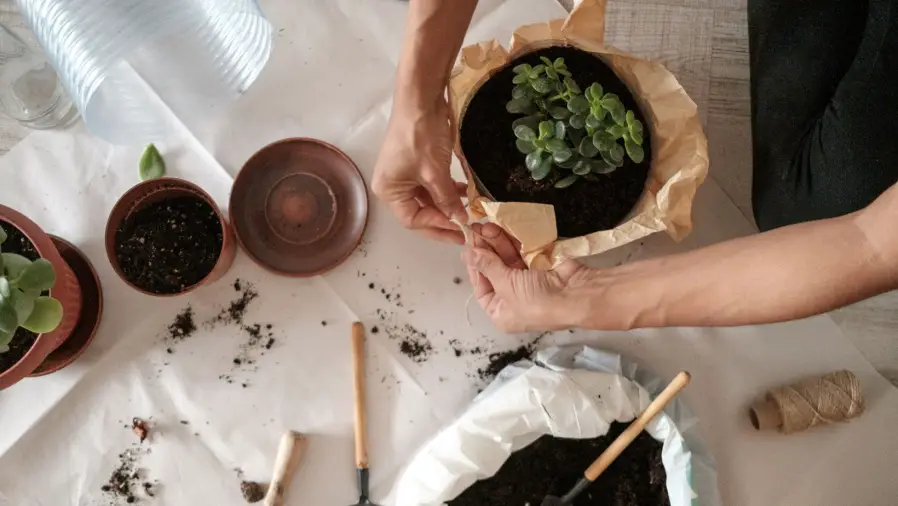
The best time to repot bonsai is during the late winter or early spring. This period precedes the onset of the new growth season.
Bonsai enthusiasts often seek the ideal timing for repotting their miniaturized trees to ensure a thriving growth and maintain their tree’s health. Repotting at the appropriate time allows the plant to recover and establish its roots before the growing season begins.

Root pruning, an essential part of the repotting process, becomes safer to do when the tree is still dormant, reducing the risk of stressing the plant. Careful attention to the bonsai’s repotting schedule can result in a more robust and aesthetically pleasing specimen. Remember, the perfect repotting moment varies for different species, so it’s important to understand your bonsai’s specific needs.
Table of Contents
The Lifespan Of Bonsai Soil
Understanding the lifespan of bonsai soil is pivotal to the health of your miniature tree. Just like any plant, bonsai rely on their soil for nutrients, water, and breathability. Over time, the soil degrades, losing its ability to support your bonsai’s life effectively.
Why Soil Health Matters
Bonsai trees soak up their life from the ground they grow in. The right soil mix means everything for these dwarfed plants, offering the perfect balance of drainage, aeration, and nutrition. Unlike typical houseplants, bonsai trees have very limited space in their pots. This makes maintaining soil quality even more critical. Healthy soil fosters strong roots and, by extension, a thriving bonsai.
Signs It’s Time For Change
- Compacted Soil: Over time, soil becomes hard. This makes water flow tough.
- Poor Drainage: When water sits on top, it’s a clear sign. The soil is not working right.
- Root Overgrowth: If roots circle the pot or poke out, they need more space.
- Slow Growth: When your bonsai slows or stops growing, the soil might be the cause.
Checking these signs yearly helps you decide when to repot. Typically, bonsai need repotting every two to five years. Younger bonsai may need it more often; older ones, less so. The best time is usually spring, as the tree wakes from winter rest.
Seasonal Bonsai Care
Understanding the rhythms of nature is vital for bonsai care. Plants, like animals, have natural cycles, and bonsai are no exception. Repotting at the right moment in these cycles can ensure your bonsai not only survives but thrives. In this section, we will explore the optimal times for bonsai repotting throughout the year, marked by the changing seasons.
Spring Awakening
Spring is the season of growth. As warmer weather arrives, bonsai trees shake off winter dormancy. This is the best time to repot most bonsai species. The period before new buds break is perfect because the tree can recover quickly and start growing immediately.
- Inspect the roots for any damage or rot.
- Choose a well-draining soil mix specialized for your bonsai type.
- Prune the roots carefully, retaining healthy root structure.
Summer Vigor
As temperatures rise, bonsai trees enter a phase of vigorous growth. Summer is not ideal for repotting, as the heat can stress the plants. Focus on maintenance during these months:
- Stay on top of watering needs.
- Position your bonsai to receive ample but indirect sunlight.
- Defoliate if necessary, but only for healthy, mature trees.
Autumn Preparation
Autumn brings a gradual slow-down in growth as bonsai trees prepare for the coming cold. In milder climates, early autumn can be a second chance for repotting, but the window closes quickly as temperatures drop.
- Prepare your bonsai for the decrease in temperature.
- Minimize pruning to allow the tree to store energy.
- Adjust watering to the plant’s reduced needs.
Winter Rest
Winter is a time for rest for both the bonsai and the gardener. It is not a time for repotting, as the tree’s growth has paused. Instead, focus on protection:
- Protect your bonsai from extreme cold and frost.
- Shift the plant to a sheltered location if needed.
- Water sparingly, as the tree’s water needs are minimal.
Ideal Seasons For Repotting
The best time to repot bonsai trees is crucial for their health and growth. Like moving to a new home, bonsai need care in choosing when to transition.
Spring Repotting Benefits
Spring ushers in new beginnings for flora.
- Optimal growth cycle: Trees awaken from winter dormancy.
- Better root recovery: Warm temperatures promote healing.
- Seasonal timing: Trees can adjust before harsh weather.
Repotting during spring aligns with nature’s cycle, ensuring stronger bonsais.
Potential Risks In Other Seasons
Repotting outside of spring can be risky.
| Season | Risks |
|---|---|
| Summer | Heat stress hampers healing. |
| Fall | Pre-dormancy period; energy is low. |
| Winter | Roots are dormant; recovery is slow. |
Strong roots are vital. Avoid other seasons to prevent damage.
Repotting Process And Best Practices
Caring for a bonsai involves timely repotting to ensure its health and growth. Understanding the best practices for repotting is crucial. This section details each step and what to do after repotting.
Steps For Successful Repotting
Follow these steps carefully to repot your bonsai:
- Select the right time. Spring is best when the tree has energy to recover.
- Prepare before you start. Have all tools and materials ready.
- Gently remove your bonsai. Ease it out of its current pot.
- Prune the roots. Trim with care to promote new growth.
- Refresh the soil. Use specific bonsai soil for better results.
- Secure the tree. Place it in its new pot and add soil around it.
- Water thoroughly. Ensure the roots have enough moisture.
Post-repotting Care
After repotting, follow these tips to help the bonsai recover:
- Avoid direct sunlight. Keep the tree in a shaded area.
- Maintain moisture. Water regularly but don’t soak the bonsai.
- Observe growth. Watch for new shoots as a sign of recovery.
- Don’t fertilize immediately. Wait for a month before using fertilizer.
Factors Influencing Repotting Frequency
The frequency of repotting a bonsai is pivotal to maintain its health and beauty. Several factors determine the ideal time for this task, and ignoring these can lead to a bonsai’s poor development or even its demise. Understanding these influencing aspects ensures the bonsai thrives in its miniature landscape.
Bonsai Species And Growth Rates
Different bonsai trees exhibit varying growth speeds. Generally, fast-growing species require more frequent repotting compared to their slower-growing counterparts. For example, a ficus bonsai, known for its vigorous growth, might need repotting each year. In contrast, a juniper, with a slower pace, can often go longer, possibly two to three years before needing a change.
Pot Size And Root Constraints
A bonsai’s health is deeply rooted in its pot size. Smaller pots limit root development, necessitating more frequent repotting to prevent root-bound conditions. On the other hand, a slightly larger pot can offer more room for the roots and reduce the need for frequent repotting. Observing root growth during regular watering helps gauge the need for a new home for your bonsai. If the roots circle the pot’s bottom or start growing through drainage holes, it’s repotting time.
Important Phrases:
- Different bonsai trees have varying growth speeds.
- Fast-growing species need more frequent repotting.
- Smaller pots can lead to root-bound conditions.
- Repot when roots circle the pot’s bottom.
Monitoring Bonsai For Repotting Cues
Knowing the right time to repot a bonsai tree is key to its health and beauty. Much like a chef tastes their food, bonsai enthusiasts must closely watch for their tree’s signals. One does not simply mark the calendar and repot; the tree tells you when it’s time. By paying attention to certain cues, you ensure your bonsai thrives. Let’s explore the signs that indicate your bonsai is ready for a new home.
Root Circulation
Roots are the lifeline of your bonsai. They should circulate freely to absorb water and nutrients. Here are signs your bonsai might need repotting:
- Roots circling the inside of the container
- Roots peeking out of the drainage holes
- A root ball that’s solid and congested
These cues suggest it’s time to consider giving your bonsai some breathing room.
Soil Moisture Levels
The soil’s moisture retention can tell a lot about the repotting needs.
| Observation | Action |
|---|---|
| Soil dries out quickly | Time to repot |
| Water pools on the surface | Check root health |
When water behavior changes, it’s a symptom that repotting could be near.
(Check this out for more knowledge: https://bonsainurserybd.com/bonsai-repotting-maintaining/)
Frequently Asked Questions For When Is The Best Time To Repot Bonsai
When Should You Repot Your Bonsai Tree?
Bonsai trees generally need repotting every 2-5 years. The best time to repot is during the tree’s dormant season, usually late winter or early spring. This timing reduces stress on the tree and encourages a surge of new growth in the growing season.
What Signs Indicate A Bonsai Needs Repotting?
Signs a bonsai needs repotting include slow growth, roots circling the pot’s bottom, soil that drains poorly, and water that sits on top. Yellowing leaves can also suggest it’s time. Check annually to determine if your bonsai requires repotting.
Does Repotting Time Vary By Bonsai Species?
Yes, repotting time can vary by species. Deciduous trees are often repotted in late winter, while tropical species prefer late spring or summer. It’s crucial to research your specific bonsai’s needs for the optimal repotting schedule.
Can Repotting A Bonsai Harm The Tree?
Repotting, if done correctly and at the right time, shouldn’t harm your bonsai. It’s essential to handle the tree gently and provide proper aftercare. This includes timely watering and protection from extreme temperatures to ensure recovery and growth.
Conclusion
Determining the optimal time to repot your bonsai is critical. Aim for late winter or early spring, before the growth season starts. Always monitor your tree’s health for signs it may need sooner attention. By following these guidelines, your bonsai will thrive and grow beautifully in its new home.
(To know more about Bonsai Repotting from expert: https://www.bonsaiempire.com/basics/bonsai-care/repotting)
