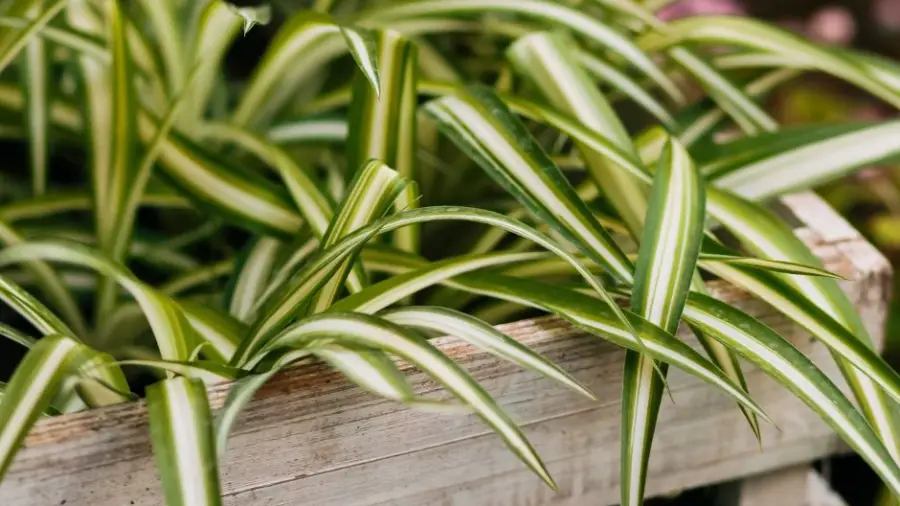
Welcome to our comprehensive guide on spider plants! In this article, we will delve into the world of Chlorophytum comosum, commonly known as the spider plant. With its graceful arching leaves and air-purifying qualities, the spider plant has become a popular choice among houseplant enthusiasts. Whether you are a seasoned gardener or a beginner looking to add some greenery to your home, this guide will provide you with all the information you need to successfully grow and care for spider plants.

Spider Plant: An Overview
The spider plant (Chlorophytum comosum) is a species of perennial flowering plant in the family Asparagaceae. Native to tropical and southern Africa, spider plants have long, slender leaves that can reach lengths of up to 16 inches (40 cm). The plant gets its name from the long, arching leaves that resemble the legs of a spider.
Spider plants are known for their adaptability and resilience, making them an excellent choice for both indoor and outdoor cultivation. They are often grown as houseplants due to their ability to tolerate a wide range of light conditions and their air-purifying qualities.
Spider Plant: Key Characteristics
Before diving into the details of growing and caring for spider plants, let’s take a closer look at some key characteristics of this fascinating plant:
Arching Leaves
One of the most distinctive features of the spider plant is its arching leaves. The leaves grow in a fountain-like arrangement, cascading gracefully over the sides of the container. The narrow, pointed leaves are typically green with a white or creamy stripe down the center, although there are also variegated varieties with additional splashes of yellow or light green.
Air-Purifying Qualities
Spider plants are renowned for their air-purifying qualities. They have been shown to effectively remove harmful volatile organic compounds (VOCs) from the air, such as formaldehyde, xylene, and toluene. This makes them an excellent choice for improving indoor air quality, particularly in spaces with limited ventilation.
Easy Propagation
Spider plants are incredibly easy to propagate, making them a favorite among plant enthusiasts. They produce long, arching stems called runners that eventually develop baby spider plants, also known as spiderettes or plantlets, at their tips. These spiderettes can be easily rooted in water or planted directly into potting soil, giving you the opportunity to expand your spider plant collection or share them with friends and family.
Low Maintenance
If you’re looking for a low-maintenance plant, you can’t go wrong with a spider plant. They are highly adaptable and can tolerate a wide range of light conditions, from bright, indirect sunlight to low light. Spider plants are also forgiving when it comes to watering, as they can withstand periods of drought. However, they prefer to be kept evenly moist, so regular watering is recommended.
Growing Spider Plants: A Step-by-Step Guide
Now that we have familiarized ourselves with the key characteristics of spider plants, let’s explore the step-by-step process of growing and caring for these beautiful plants:
Step 1: Choosing the Right Location
Spider plants have the ability to flourish in various light conditions, although they have a preference for bright, indirect sunlight. Find a location in your home that receives bright, filtered light, such as near a north or east-facing window. To prevent leaf scorching, it is advisable to refrain from exposing the spider plant to direct sunlight.
Step 2: Selecting the Right Container
Choose a container that has drainage holes to prevent waterlogged soil. Spider plants prefer to be slightly root-bound, so you don’t need a large pot. A 6-8 inch (15-20 cm) pot is usually sufficient for an average-sized spider plant.
Step 3: Preparing the Potting Soil
Spider plants thrive in well-draining potting soil. You can either purchase a pre-made potting mix suitable for indoor plants or create your own by combining equal parts of peat moss, perlite, and vermiculite. This mixture provides excellent drainage while retaining enough moisture for the plant’s roots.
Step 4: Planting the Spider Plant
Fill the container with the prepared potting soil, leaving enough space for the root ball. Carefully remove the spider plant from its nursery container, taking care not to damage the roots. Place the plant in the center of the container and backfill it with additional soil, gently firming it around the roots.
Step 5: Watering the Spider Plant
Water the spider plant thoroughly after planting to settle the soil and ensure good root-to-soil contact. Allow the top inch (2.5 cm) of soil to dry out between waterings, and be careful not to overwater, as this can lead to root rot. Spider plants exhibit greater tolerance towards being underwatered rather than overwatered.
Step 6: Providing Adequate Humidity
Spider plants appreciate moderate humidity levels, so consider placing a small tray of water near the plant or misting the leaves regularly. This will help create a more favorable environment for the plant’s growth.
Step 7: Fertilizing the Spider Plant
During the growing season (spring and summer), it is recommended to nourish your spider plant with a balanced, water-soluble fertilizer on a monthly basis. Follow the instructions on the fertilizer packaging for the appropriate dilution rate. Exercise caution to avoid over-fertilization, as it may result in fertilizer burn.
Step 8: Pruning and Maintenance
Prune yellow or brown leaves as they appear to maintain the plant’s appearance. You can also trim back excessively long or leggy stems to encourage bushier growth. Spider plants are generally pest-free, but if you notice any signs of infestation, such as webbing or small insects, treat the plant with an appropriate insecticide or horticultural soap.
Step 9: Propagating Spider Plants
As mentioned earlier, spider plants are incredibly easy to propagate. Wait until the spiderettes develop roots of their own, then carefully detach them from the mother plant. You can either place them in a jar of water until they develop more roots or plant them directly into potting soil. Keep the new plants in a warm, humid environment until they establish themselves.
Frequently Asked Questions (FAQs)
How often should I water my spider plant?
Spider plants thrive when the soil is consistently moist, but it’s important to avoid waterlogging. Water them when the top inch (2.5 cm) of soil feels dry to the touch. It’s better to be underwater than overwater, as spider plants are more tolerant of drought than excessive moisture.
Can spider plants tolerate low light conditions?
Yes, spider plants are adaptable and can tolerate low-light conditions. However, they will thrive and produce more vibrant foliage if placed in bright, indirect sunlight. To prevent leaf scorching, it is best to steer clear of direct sunlight for your spider plant.
Are spider plants safe for pets?
Yes, spider plants are considered non-toxic to cats and dogs. However, some pets may be attracted to the long, dangling leaves, and excessive chewing can cause mild gastrointestinal upset. If you notice your pet showing interest in the plant, consider hanging it out of reach or placing a barrier around it.
How do I prevent my spider plant from producing spiderettes?
Spider plants naturally produce spiderettes as a way to propagate themselves. If you want to prevent the plant from producing spiderettes, you can snip off the long stems before they develop baby plants. However, keep in mind that this will prevent the plant from reproducing, and you won’t be able to propagate new spider plants from the mother plant.
Why are the leaves of my spider plant turning brown?
Brown leaves on a spider plant can be caused by various factors, including underwatering, overwatering, low humidity, or direct exposure to sunlight. Evaluate your watering routine and adjust it accordingly, ensuring that you’re neither overwatering nor allowing the plant to dry out completely. Increase humidity levels by misting the leaves or placing a tray of water nearby. If the plant is receiving direct sunlight, move it to a spot with bright, indirect light.
Can spider plants be grown outdoors?
Yes, spider plants can be grown outdoors in mild to warm climates. They are typically grown as perennials in USDA hardiness zones 9-11. If you live in a region with frost or cold winters, it’s best to grow spider plants indoors or bring them indoors during the colder months.
Do spider plants require any special soil mix?
Spider plants thrive in well-draining potting soil. A suitable soil mix can be created by combining equal parts of peat moss, perlite, and vermiculite. This blend ensures proper drainage while retaining sufficient moisture for the roots of the plant.
How long do spider plants typically live?
With adequate care, spider plants have the potential to thrive for multiple years. They are long-lived perennials and can continue to thrive and produce spiderettes for many years.
Can I use spider plants to purify the air in my home?
Yes, spider plants are known for their air-purifying qualities. They can effectively remove harmful volatile organic compounds (VOCs) from the air, such as formaldehyde, xylene, and toluene. Adding spider plants to your indoor space can help improve air quality and create a healthier environment.
Conclusion
In conclusion, spider plants (Chlorophytum comosum) are versatile, low-maintenance plants that add beauty and health benefits to any indoor or outdoor space. With their arching leaves, air-purifying qualities, and easy propagation, spider plants have become a popular choice among plant enthusiasts. By following the step-by-step guide provided in this article and providing them with the right conditions, you can enjoy the beauty of spider plants and reap the rewards of their air-purifying properties. So go ahead, bring some greenery into your life with a spider plant!