
The Ultimate Guide to Organic Pest Control provides safe, natural methods for protecting your garden. It emphasizes eco-friendly techniques that avoid harmful chemicals.
Organic pest control is essential for maintaining a healthy, sustainable garden without resorting to toxic substances. Gardeners everywhere are turning to natural solutions to combat pests, ensuring their plants thrive while also safeguarding the environment. This guide equips you with effective strategies to deter unwanted insects and animals through biological means, cultural practices, and organic products.
By focusing on preventive measures and utilizing beneficial organisms, you can create a balanced ecosystem in your backyard. Embrace organic pest control to not only yield bountiful harvests but also contribute to a greener planet. With these methods, you can enjoy a vibrant garden that supports biodiversity and fosters a natural harmony.
Table of Contents
Introduction To Organic Pest Control
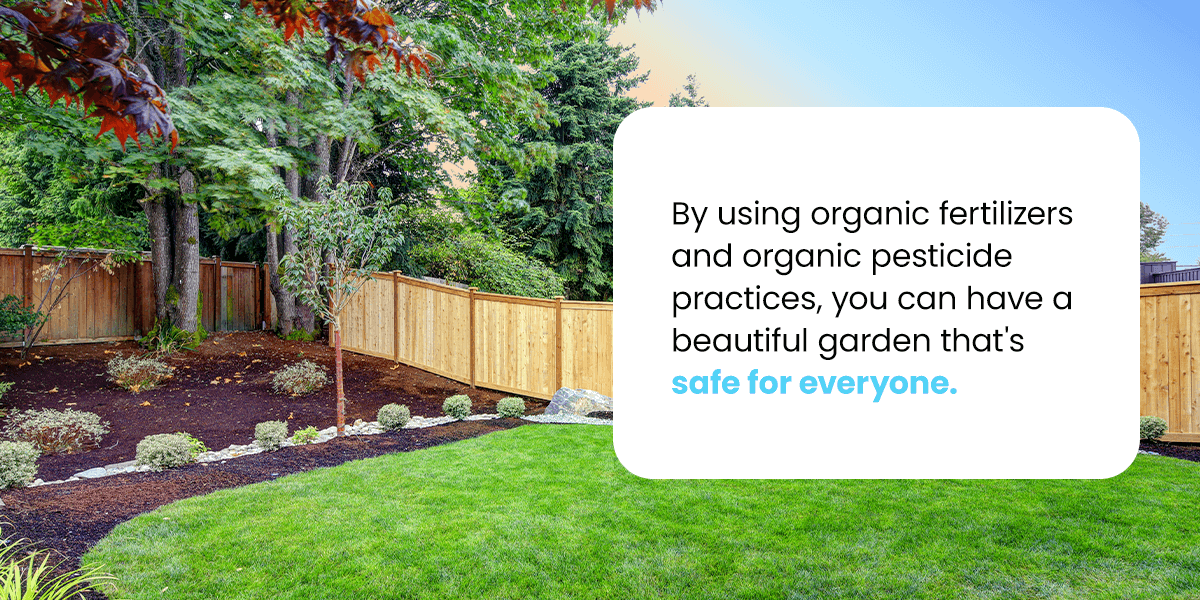
Organic pest control is safe for your garden. It keeps your plants healthy. It uses natural methods to fight pests. This keeps the garden safe for everyone.
Using organic methods helps protect the environment. It avoids harsh chemicals. This is good for the earth. It also helps your garden grow in a healthy way.
The Ultimate Guide to Organic Pest Control: Identifying Common Garden Pests
Identifying common garden pests is crucial for organic control. Various insects and mites can invade your garden. Aphids, spider mites, and caterpillars are usual culprits. They harm plants by eating leaves or sucking sap. Regular monitoring helps catch them early. Use a magnifying glass to spot these tiny pests.
For rodents and larger animals, such as rabbits and deer, look for gnaw marks. These animals can eat through your plants and vegetables. They often leave droppings, too. Installing fences can keep them out of your garden.
Diseases and fungi also threaten plant health. Look for discolored leaves and wilting. These are signs of possible infections. Pruning affected areas can stop the spread. Ensure proper air circulation and avoid overwatering to prevent these issues.
Natural Enemies Of Pests
Natural enemies play a key role in organic pest control. Beneficial insects such as ladybugs and lacewings feed on harmful pests. These helpful bugs keep your garden safe and pest-free.
Predatory animals, like frogs and birds, also eat pests. They hunt and eat insects that harm plants. It’s nature’s way of controlling pests.
Microbial antagonists are tiny but mighty. They are good microbes that fight bad pests. They stop pests from damaging plants. This keeps your garden healthy.
Organic Pest Control Strategies
Organic pest control embraces various strategies to keep gardens healthy. For cultural control, we focus on altering the environment to reduce pest impact. This includes choosing disease-resistant plant varieties and rotating crops to prevent pests from settling in.
Physical and mechanical controls involve direct actions. Gardeners can use barriers like nets or fences to block pests. They can also remove pests by hand or use traps to capture them.
Lastly, biological control methods involve using living organisms to fight pests. This can mean releasing beneficial insects that eat harmful pests or applying microbial pesticides that are safe for plants but deadly to pests.
Organic Pesticides And Treatments
Organic pesticides protect gardens without harmful chemicals. Botanical insecticides, like neem or pyrethrin, are plant-based and very effective. They target pests while being safe for beneficial insects, crucial for a healthy garden ecosystem.
Mineral-based options include substances like diatomaceous earth and sulfur. These natural minerals work by deterring pests physically or chemically, and they are non-toxic to humans and pets.
For homemade organic recipes, gardeners can use common kitchen ingredients. A popular mix might include garlic, chili, and soap. This blend creates a spray that repels various garden pests. It’s important to test homemade solutions on a small area first, as some plants can be sensitive.

Credit: www.amazon.com
Integrating Pest Management In The Garden Layout
Companion Planting is a natural way to fight pests. Grow plants that help each other. For example, marigolds repel beetles and nematodes. They protect tomatoes. Plant basil near peppers for better growth and flavor. This method keeps your garden healthy.
Crop Rotation helps avoid pest buildup. Change where you plant your veggies each year. If you planted tomatoes in one spot, don’t plant them there again for three to four years. This breaks the life cycle of pests. It keeps soil nutrients balanced too.
Strategic Plant Positioning can reduce pest attacks. Put tall plants like corn on the north side. This prevents them from shading smaller plants. Place herbs throughout the garden. Their strong scents deter pests. Healthy gardens start with smart layouts.
Monitoring And Maintenance
Regular garden inspections are key for effective pest control. A weekly examination of plants can spot early signs of infestation. By catching pests early, you can prevent widespread damage to your garden. Look for chewed leaves, damaged stems, and any unusual insect activity.
Keeping detailed records aids in tracking pest patterns over time. Note the type of pests, their numbers, and where they are found in your garden. Use a notebook or digital app for ease of updating and reviewing notes. This data helps in identifying trends and planning future prevention methods.
Adjusting strategies based on observations is crucial for long-term pest control. If a method isn’t working, consider alternative solutions. Maybe introduce beneficial insects or change the type of repellent used. Always aim for safe, organic options to protect both your garden and the environment.
Credit: www.organiclawns.net
Case Studies And Success Stories
Successful Organic Gardens thrive by using compost and natural predators. One garden saw pest populations drop by 80% after introducing ladybugs. Another utilized neem oil, a natural pesticide, to combat aphids effectively.
Lessons Learned from Failures include the importance of plant diversity. Gardens with varied plants had fewer pest issues. Failure to rotate crops led to increased disease, teaching the value of crop rotation.
Expert Insights and Tips suggest using row covers to protect plants from pests. Experts also recommend regular soil testing to maintain plant health and deter pests.
Credit: www.organiclawns.net
Frequently Asked Questions
How Do You Keep Bugs Off Vegetables Organically?
To organically protect vegetables from bugs, use neem oil sprays, encourage beneficial insects, install physical barriers like row covers, apply diatomaceous earth, and practice crop rotation.
How To Naturally Get Rid Of Bugs In A Garden?
To naturally eliminate garden bugs, introduce beneficial insects like ladybugs and lacewings. Plant marigolds and garlic, which repel pests. Regularly remove debris and weeds to reduce bug habitats. Use neem oil or diatomaceous earth as organic pest control options. Ensure plants are healthy to resist infestations.
Does Organic Pest Control Really Work?
Yes, organic pest control can be effective. It uses natural ingredients and biological methods to manage pests. These eco-friendly alternatives target specific pests without harming the environment. Success varies depending on the pest type and the control methods used. Regular application is often necessary for optimal results.
How To Make Organic Pesticide For Vegetable Garden?
To create organic pesticide, mix one teaspoon of mild liquid soap with a liter of water. Spray directly on vegetable plants to combat pests. Use neem oil, garlic, or chili pepper spray as alternatives for stronger repellents. Reapply after rain or as needed for persistent pests.
Conclusion
Embracing organic pest control transforms your garden into a safe haven for plants and beneficial insects alike. By choosing natural methods, you nurture an eco-friendly space that thrives. Remember, a healthy garden is a balanced ecosystem. Start your journey to sustainability; your garden, and the planet, will thank you.