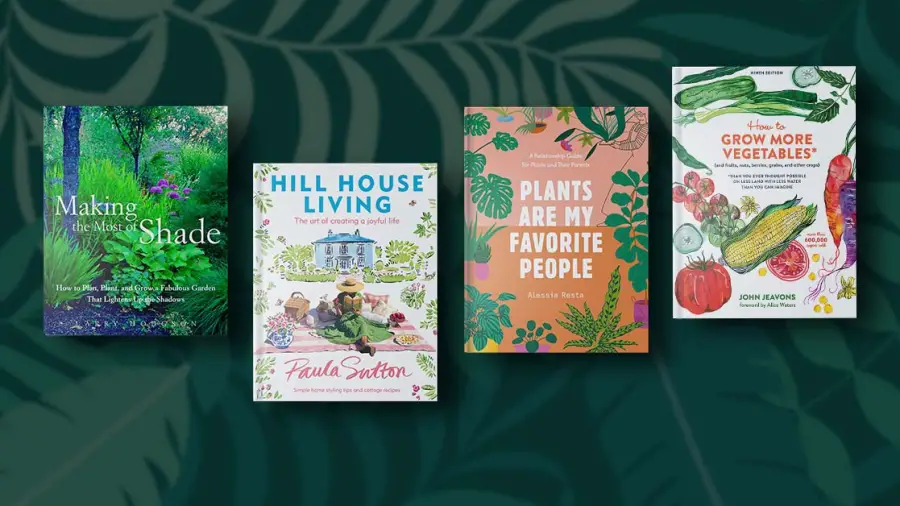
Start small with easy-to-care-for plants and invest in basic gardening tools to begin your gardening journey. Seek guidance on soil preparation, plant selection, and watering needs for success.
Gardening can appear overwhelming if you’re new to the craft. A burgeoning interest in planting seeds of change literally and metaphorically demands a simple yet effective approach. Begin your horticultural adventure with a focus on understanding the basics – the life-giving properties of good soil, the necessities of sunlight and water, and the gratifying simplicity of nurturing growth.
How to Garden When You’re New: Knowledge on these fundamentals forms the bedrock of any successful garden. Embrace the learning curve, and you’ll find gardening to not only be rewarding but also a gateway to a lifelong passion for nurturing nature. The journey from novice to green thumb is filled with trial, error, and triumph – all essential elements that contribute to the unique joy of gardening.
Table of Contents
The Lure Of Gardening: Why Start Now?
Think of a world where your backyard bursts with colors, and fresh veggies land on your plate straight from your garden. The idea of nurturing life in your own soil grips many with its promise of fresh air and a healthier lifestyle. Let’s figure out why digging into gardening could be your next best move!
Benefits For Mind, Body, And Spirit
Gardening goes beyond just adding beauty to your surroundings. It’s a full-package deal for your overall well-being.
- Stress Relief: Tending to your plants is like a mini-vacation for your brain.
- Exercise: Digging and planting are great workouts.
- Nutrition: Home-grown foods pack a nutritional punch.
- Achievement: Watching your plants grow feels rewarding.
Sustainability And Environmental Impact
Your green patch can be a hero for the planet.
| Benefit | Impact |
|---|---|
| Reduces Carbon Footprint | Less traveling for your food means fewer emissions. |
| Promotes Biodiversity | Your garden can be a haven for honeybees and butterflies. |
| Conserves Resources | Rainwater and compost do wonders and save resources. |
| Healthier Soil | Organic practices enrich the earth below us. |
Initial Steps: Preparing To Plant
Welcome to the world of gardening, an adventure filled with endless possibilities! The first mission on this journey is preparing to plant. Taking the right initial steps sets the stage for a thriving garden. With just a little know-how, anyone can transform a patch of land into a blossoming oasis.
Choosing Your Gardening Space
Selecting the perfect spot for your garden is key. Look for an area with good sunlight, as most plants love the sun. Ensure the space has easy access to water too. Think about what you want to grow; herbs, flowers, or veggies? Some might need more room than others. Remember, start small! A compact garden is easier to handle and can still yield plenty of produce or beautiful blooms.
Essential Tools For The Beginner
Before you dig in, equip yourself with these basic tools:
- Gloves: Protect your hands from thorns and dirt.
- Spade: For digging and turning soil.
- Trowel: A small hand tool for planting and weeding.
- Rake: Clear debris and create a smooth soil surface.
- Watering can or hose: Keep your plants hydrated.
- Pruners: Trim plants and manage growth.
These tools start your journey. As your garden grows, you may want to expand your toolkit, but these are the essentials for any new gardener to begin planting.
Selecting Your Plants: What To Grow
It’s time to select your plants. Whether you dream of a vegetable garden or a flower bed, success begins with choosing the right plants.
Understanding Your Climate Zone
Know your zone. It dictates what you can grow successfully. Use a climate zone map to find yours.

Plants have ratings called “hardiness zones”. Match these with your climate zone.
Easy-to-grow Plants For Beginners
Start with forgiving plants. They thrive with minimal fuss and bring early successes that boost your confidence.
- Vegetables: Tomatoes, cucumbers, and carrots.
- Flowers: Sunflowers, marigolds, and pansies.
- Herbs: Basil, mint, and chives.
These plants require basic soil, sunlight, and water needs.
Begin your gardening adventure with these robust selections.

Credit: www.amazon.com
Soil Science: The Foundation Of Gardening
Welcome to the world’s most essential gardening secret: Soil Science. Think of soil as your garden’s bedrock; everything that springs from your garden depends on its health. Just like a towering tree needs strong roots, your garden’s success roots in the know-how of handling the soil. It’s time to get your hands dirty and turn that patch of earth into a thriving garden.
Identifying Your Soil Type
Knowing your soil type takes you a huge step closer to gardening glory. Soil varies in texture and color, falling into several categories: sandy, silt, clay, loamy, or a combination. Here’s a simple test:
- Moisten a handful of soil
- Try to form a ball
- Analyze the texture:
- If it’s gritty, it’s sandy.
- If it’s smooth, it’s silt.
- If it holds its shape, it’s clay.
- Perfect balance? That’s loamy soil.
This test reveals your starting point, guiding what you do next to accommodate your plants.
Enhancing Soil Health
Great soil doesn’t happen overnight, but the efforts are worth it. Here’s how to boost soil health:
- Add compost: Nature’s own soil enricher.
- Mix in fertilizer: The vitamins for your soil.
- Regular aeration: Lets roots breathe and grow.
Compost works wonders by adding nutrients and improving texture. Fertilizers should match the needs of your plants and local soil conditions. Aeration prevents soil compaction, allowing water and air to reach roots.
Remember, your soil’s health is a garden’s wealth. These basics launch you toward lush, vibrant gardens. Get started, observe, learn, and soon, you’ll cultivate not just a garden, but a green thumb too.
Planting Techniques: Seedlings Versus Seeds
Are you ready to dig in and start your gardening journey? An important decision awaits: Should you start with seedlings or seeds? Understanding the differences can set your garden up for success. Let’s explore the your options and give your green thumb the best start!
Pros And Cons Of Each Method
Starting with seedlings gives your garden a jumpstart. Here’s why:
- Quicker Results: Plants blossom sooner.
- Less Wait: Skip the germination process.
- Clear Winners: Pick robust starters.
But it’s not all smooth sailing:
- Higher Cost: Seedlings can be pricier.
- Less Variety: Seedlings limit your choices.
Planting seeds, on the other hand, offers its own adventures:
- Wide Selection: Seeds come in endless varieties.
- Cost-Effective: They’re easier on your wallet.
- Satisfying: Grow from scratch and feel the pride!
Yet, be prepared for:
- Patience Needed: They take time to sprout.
- More Care: Young plants need attention.
How To Plant Successfully
To plant seedlings:
- Dig a hole, double the pot size.
- Gently place the seedling in.
- Cover with soil and water well.
For seeds:
- Read the packet for depth and spacing.
- Plant seeds accordingly.
- Cover with soil and keep moist.
Remember: a successful garden starts with good soil. Make sure it’s fertile and well-drained. Whether you pick seedlings or seeds, your care and attention will bring your garden to life. Bring on the blooms and veggies!
Caring For Your Garden: The Essentials
Start your gardening journey with confidence by mastering the essentials of garden care. From ensuring your plants get the right amount of water to keeping pesky weeds and pests at bay, these tips will keep your garden thriving. Let’s dive into the foundational practices every new gardener needs to know.
Watering Wisely
Water is the lifeblood of your garden, but knowing how and when to water makes all the difference. Follow these simple yet effective tips:
- Check soil moisture before watering – if it’s wet, wait.
- Water in the morning to reduce evaporation and fungal diseases.
- Use a watering can or drip irrigation for deep, focused watering.
- Consider mulch to keep soil moist longer and reduce watering needs.
Dealing With Weeds And Pests
Unwanted guests, like weeds and pests, can be a challenge. Combat them effectively with these strategies:
| Problem | Solution |
|---|---|
| Weeds |
|
| Pests |
|
The Growth Phase: Monitoring Your Garden’s Progress
Gardening is a journey of discovery and growth, quite literally! After planting your garden, the next exciting phase is watching your plants thrive. Essential to this is monitoring the garden’s development. Understanding the growth phase reveals how well the plants adapt and what they need. It’s where the fruits of labor begin to show. Keep a careful eye on your green friends during this vital period. Let’s explore how to track their growth and adjust care accordingly.
Tracking Plant Development
Observing your plants as they grow is both rewarding and practical. Here are some tips for effective tracking:
- Regular Check-ups: Assess plant health daily.
- Use a Journal: Record observations and significant milestones.
- Photograph Growth: Take regular photos for visual reference.
- Mark Heights: Use a ruler or a measuring stick to record height changes.
These habits help identify growth trends and potential issues early. They ensure the best care for your plants.
Adjusting Care As Plants Mature
As plants grow, their needs change. Pay attention to these needs:
| Plant Stage | Water Requirements | Nutrient Needs | Support |
|---|---|---|---|
| Seedlings | Moderate | High | None |
| Juvenile | Varies with species | Medium | Some (stakes/cages) |
| Mature | Deep, less frequent | Adjusted to growth phase | Structured (trellises, stronger stakes) |
Review your care routine as plants grow. Adjust watering, feeding, and support systems accordingly. Young seedlings differ from mature plants in care needs. Monitor closely and adapt to ensure healthy, robust growth.

Credit: www.morningagclips.com
Harvesting Your Rewards: Enjoying The Fruits Of Your Labor
Gardening is not just planting seeds, it’s also the joy of harvest. Imagine biting into a ripe tomato straight from the vine. Picture yourself savoring a fresh salad with cucumbers and lettuce you grew yourself. It’s time to reap the rewards of your efforts in the garden. This delightful phase comes with its own set of practices for collecting and enjoying what you’ve so patiently nurtured.
Best Practices For Harvesting
Harvesting at the right moment is crucial for the best flavor and longevity of your produce.
- Wait for the perfect ripeness.
- Harvest in the morning when it’s cooler.
- Use the right tools to avoid damage.
- Gentle handling prevents bruises.
Storing And Using Your Garden Produce
Knowing how to store your garden bounty is essential for extending its freshness.
| Vegetable | Storage Method | Shelf Life |
|---|---|---|
| Tomatoes | Room temperature | Up to 1 week |
| Lettuce | Refrigerate in a container | 3–5 days |
| Zucchini | Cool, not cold place | 1–2 weeks |
Once harvested and stored, enjoy your produce in meals or preserve it.
Try these ideas:
- Create a crisp salad.
- Stir-fry with fresh veggies.
- Freeze herbs in oil.
- Can or pickle vegetables.
Expanding Your Horizons: Next Steps In Gardening
If you have mastered the basics of gardening, it’s time to spread your branches. Here are some ideas to take your gardening skills to the next level.
Exploring New Plant Varieties
Discovering new plants can invigorate your garden. It brings new challenges and joys.
- Research plants that thrive in your climate.
- Consider adding exotic flowers or rare herbs.
- Visit local nurseries for inspiration.
- Start with one or two new species and learn as they grow.
Keep a garden journal to track their progress.
Taking On More Advanced Gardening Projects
Ready for more? Build on your gardening foundation with ambitious projects.
- Create a compost heap for rich, homemade fertilizer.
- Design a garden layout with pathways and sections.
- Try vertical gardening to save space and add dimension.
- Plant a theme garden, like a pizza garden with tomatoes and basil.
Invite beneficial insects by planting a variety of flowers. Birds and bees will come!
| Project Type | Difficulty | Ideal For |
|---|---|---|
| Compost Heap | Beginner | Eco-friendly gardening |
| Garden Layout | Intermediate | Organized spaces |
| Vertical Gardening | Intermediate | Small gardens |
| Theme Garden | Advanced | Personal interests |
With each new plant and project, your green thumb gets greener. Go ahead, dig deeper into the soil of your garden adventures!

Credit: hsvbg.org
Frequently Asked Questions Of How To Garden When You’re New To Gardening
What Are Basic Gardening Tools For Beginners?
Gardening requires some essential tools to get started. Beginners should have a set of hand tools including a spade, trowel, pruning shears, garden fork, and gloves. These tools are fundamental for planting, weeding, pruning, and maintaining your garden.
When Is The Best Time To Start A Garden?
The best time to start a garden depends on your climate and the plants you want to grow. Generally, spring is ideal for most regions as the threat of frost has passed and temperatures are conducive to plant growth. Check local planting guides for specific timings.
How Often Should New Gardeners Water Their Plants?
Watering frequency varies by plant species, soil type, and weather. As a new gardener, a good rule of thumb is to water when the top inch of soil feels dry. Overwatering can be as harmful as underwatering, so it’s vital to observe your plants’ needs.
What Vegetables Are Easiest For Beginners To Grow?
For beginners, easy vegetables to grow include lettuce, radishes, tomatoes, cucumbers, and green beans. These crops require minimal maintenance and grow relatively quickly, providing a rewarding experience for new gardeners looking to enjoy homegrown produce.
Conclusion
Embarking on your gardening journey can be both fulfilling and fun. Stick to the basics, stay patient, and watch your garden flourish. Remember, every green thumb starts as a novice. Grab your tools, follow the tips we’ve discussed, and let nature do the rest.
Happy gardening!