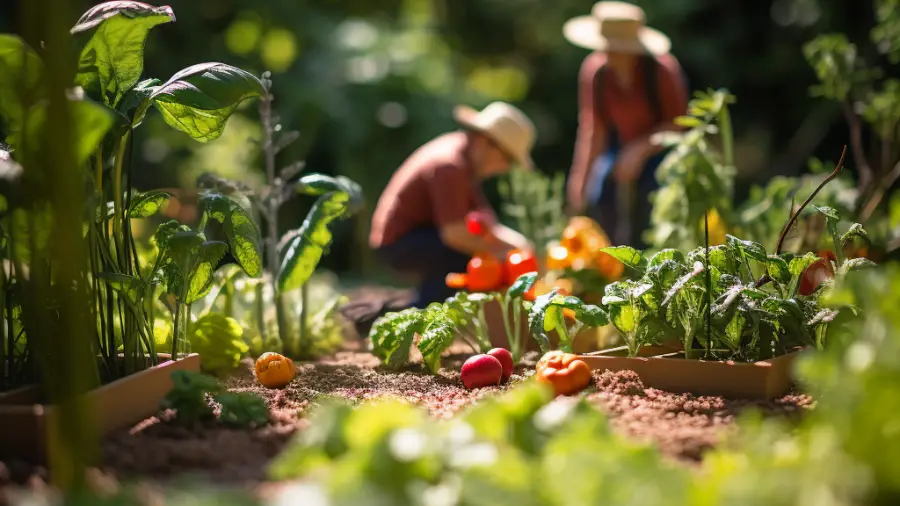
Create a gardening to-do list to stay organized and efficient in your garden. Prioritize tasks based on the season and plant needs.
Gardening enthusiasts know that a well-maintained garden requires regular attention and care. Crafting a to-do list is an essential step in managing your garden’s health and beauty. Seasonal changes call for different maintenance tasks; early spring is ideal for soil preparation and planting, while summer demands consistent watering and weeding.
Gardening to Do List: As fall approaches, gardeners should focus on harvesting, pruning, and preparing for the colder months. Winter is the perfect time for planning next season’s garden and repairing tools. A strategic to-do list keeps you on track with these tasks, ensuring nothing is overlooked. By highlighting the most urgent jobs and scheduling regular maintenance, your garden will flourish under your attentive stewardship. Remember, a thriving garden reflects the effort and planning invested into it.
Table of Contents
Starting Your Gardening Journey
Gardening starts with a dream — a dream of a lush green patch that you can call your own. Transform your vision into reality by preparing a clear to-do list, setting the stage for a thriving garden.
Choosing The Right Location
Finding the perfect spot is crucial for your garden’s success. Look for an area with:
- Adequate sunlight — most plants need 6 to 8 hours of direct sunlight.
- Good drainage — water should not pool after a rainstorm.
- Protection from the wind — a spot that’s sheltered from harsh winds.
- Convenience — easy access to water and tools.
Selecting Plants For Your Climate Zone
Plants thrive when they’re matched with their ideal growing conditions. Use these tips:
- Discover your climate zone using a gardener’s map.
- Choose plants that are suited to your region’s weather patterns.
- Ask local gardeners or nurseries for region-specific advice.
Enjoy the journey as you turn your garden dreams into reality!

Credit: www.thepinnaclelist.com
Tools Of The Trade
Every gardener knows the right tools make all the difference. Your seeds may be ready, and your passion high, but without the proper equipment, your garden will not flourish as it should. Learning about the ‘Tools of the Trade’ is a vital step toward a thriving garden full of life.
Essential Gardening Equipment
- Gloves: Protect your hands from thorns and dirt.
- Spade: Ideal for digging and transplanting.
- Trowel: Use for breaking up earth and planting.
- Rake: Clears debris and smoothens soil.
- Hoe: Keeps weeds at bay.
- Pruner: Trims and shapes plants.
- Watering Can: Offers gentle watering for delicate plants.
- Garden Fork: Helps with soil aerating and turning.
- Wheelbarrow: Moves soil and compost with ease.
Caring For Your Tools
To ensure your tools last, regular maintenance is key. Keep them clean, sharp, and rust-free. Here are some caring tips:
- Wash off soil after use, dry them thoroughly.
- Use oil on metal parts to prevent rust.
- Sharpen blades for clean cuts.
- Store tools in a dry place.
Soil And Composting
Gardening success begins with healthy soil and effective composting. The right soil preparation and compost can invigorate plants, giving them a robust start. From backyard gardens to window boxes, these elements provide the foundation for bountiful harvests, vibrant flowers, and lush greenery. Let’s explore the essentials of soil and composting.
Preparing Your Soil
A rich, nurturing environment for plants starts with well-prepared soil. Testing and amending soil are key steps to optimize plant health. Begin these steps early to give your garden the best start:
- Test the soil’s pH and nutrient levels.
- Remove weeds, debris, and large rocks.
- Amend the soil with organic matter like compost.
- Till or aerate for proper oxygenation and drainage.
- Level the soil to avoid any water pooling areas.
The Basics Of Composting
Composting is a natural process that turns kitchen and yard waste into nutrient-rich food for your garden. A good compost pile should have a balance of greens and browns:
| Greens (Nitrogen-rich) | Browns (Carbon-rich) |
|---|---|
| Vegetable scraps | Dried leaves |
| Fruit peels | Cardboard |
| Coffee grounds | Straw |
| Grass clippings | Twigs |
To start composting:
- Choose a spot for your compost bin or pile.
- Layer your greens and browns.
- Maintain moisture, like a wrung-out sponge.
- Turn the pile regularly to aerate it.
- Wait for it to turn dark and crumbly.
Use the finished compost to enrich your garden soil, boosting plant health and yield.
Planting Strategies
Welcome to the green-fingered world of gardening! Planting strategies are crucial for a thriving garden. They ensure plants get what they need to grow. This could be sunlight, water, or room to spread. A smart plan leads to a beautiful, healthy garden. So, let’s dig into the essentials of effective planting.
Timing Your Planting
Knowing when to plant is key in gardening. It impacts how well plants grow. For example, cool-season veggies prefer the chill of early spring or fall. Warm-season flowers love the sun’s heat in late spring and summer.
- Check the last frost date. Plant after this time for warm-season plants.
- Read seed packets. They give perfect timing for sowing.
- Start indoors if needed. Some plants need a head start before moving outside.
| Plant Type | Season | Indoor Start | Outdoor Planting |
|---|---|---|---|
| Tomatoes | Warm | 6-8 weeks before last frost | After last frost |
| Lettuce | Cool | Not needed | 4-6 weeks before last frost |
Arranging Plants For Optimal Growth
Where you place plants affects their health and growth. Tall plants in the north prevent shade on shorter ones. This is vital.
Group plants with similar needs together. Water, sunlight, and soil preference are important. This makes care easier.
- Make a simple sketch of your garden space.
- Label spots with the most sun.
- Put sun-loving plants there.
- Plan for plant height and spread.
- Place shade-tolerant plants under or near taller ones.
Remember, good spacing prevents diseases and gives plants room to flourish. Use a ruler to space seeds and plants accurately.
Watering Wisdom
The key to a flourishing garden is knowing when and how to water your plants. Proper hydration ensures your green friends grow healthy and vibrant. Let’s dive into some effective watering techniques and discover how to save water while keeping your garden lush.
Effective Irrigation Techniques
Drip irrigation systems are a garden’s best friend. They deliver water right to the plant’s roots, which reduces evaporation. Soaker hoses also target roots and prevent water loss. For container plants, self-watering pots can work wonders. A weekly deep soak can encourage deeper roots, which helps plants be more drought-resistant.
- Water early in the morning or late in the evening.
- Use mulch to retain moisture in the soil.
- Install a rain sensor to avoid over-watering.
Conserving Water In The Garden
Water conservation is not only good for the environment but also for your wallet. Collecting rainwater in barrels is a simple and effective way to reduce water use. Choosing drought-resistant plants can significantly cut down your garden’s thirst. Here are a few more tips:
- Regularly check for leaks in your irrigation system.
- Water plants with greywater from your home.
- Use a smart watering controller that adjusts based on weather conditions.
Group plants with similar water needs together to avoid over-watering those that need less.
Weeding And Maintenance
Gardening is a journey of nurturing and care—it’s not just about planting seeds and watching them grow. Without regular attention, your vibrant garden can quickly become overtaken by unwanted weeds. Weeding and maintenance are core to the longevity and beauty of your garden oasis. Let’s dive into some effective methods to keep your garden healthy and flourishing.
Natural Weed Control
Combatting weeds doesn’t require harsh chemicals. Nature offers us several eco-friendly ways to manage these invaders. Mulching is a gardener’s best friend. A thick layer of organic mulch prevents weed seeds from sprouting by blocking sunlight. Boiling water is another simple solution; pour it directly onto the weeds to scald them right down to their roots.
- Mulch with grass clippings or shredded leaves.
- Use boiling water for patio and driveway weeds.
- Plant cover crops to suppress weeds in larger areas.
Regular Garden Upkeep
To maintain a garden’s charm, stick to a consistent maintenance schedule. Aim to inspect your garden weekly. Search for pests or signs of disease, and prune any dead or overgrown foliage. A well-maintained garden ensures healthy plants that are less prone to issues.
| Task | Frequency |
|---|---|
| Inspect for pests | Weekly |
| Prune overgrowth | Bi-weekly |
| Harvest ripe produce | As needed |
Remember to keep your tools clean and sharp. Clean tools prevent the spread of disease and make the task of cutting and digging much easier. Gardening gloves are a must-have; wear them to protect your hands while weeding or handling soil amendments.
- Sharpen pruning shears and spades.
- Sanitize tools after each use.
- Wear gloves to safeguard your hands.
Garden Enhancement
Transforming your backyard into a stunning oasis involves more than planting seeds and waiting for them to grow. It’s about creating a space that reflects your personality and welcomes nature. Roll up your sleeves, it’s time to enhance your garden!
Adding Decorative Elements
Beauty lies in details. Consider these ideas to sprinkle charm:
- Colorful Planters: Brighten corners with painted pots.
- Wind Chimes: Add melody with metal or bamboo chimes.
- Garden Signs: Personalize spaces with fun, welcoming notes.
Think of your garden as a canvas, waiting for you to infuse creativity.
Creating Wildlife Habitats
Invite buzzing bees and chirping birds. Here’s how:
- Native Plants: Choose local flora for familiar nectar.
- Birdhouses: Set up cozy spots for feathered friends.
- Water Sources: Add a birdbath or a small pond.
These enhancements turn gardens into thriving ecosystems.
Harvesting Your Bounty
As the seasons change, your garden reaches a moment of truth: the harvest. It’s a rewarding time when the fruits of your labor are ripe for the picking. You’ll want to gather your produce at its peak, ensuring maximum flavor and nutrition.
Best Practices For Harvesting
Timing is key when harvesting. Pick too early or too late, and your produce might not be at its best. Here’s what to consider:
- Check ripeness indicators like color, size, and firmness.
- Harvest in the morning for peak freshness.
- Use the right tools — scissors, pruners, or hands — to avoid damage.
- Gentle handling prevents bruises and extends shelf life.
Storing Your Garden’s Produce
Proper storage ensures your garden goods stay fresh. Be mindful of the following points:
| Produce Type | Storage Method | Expected Shelf Life |
|---|---|---|
| Leafy Greens | Refrigerate in plastic bags | 1 week |
| Root Vegetables | Cool, dark place | 2-3 months |
| Tomatoes | Room temperature, out of direct sunlight | Up to 1 week |
| Herbs | Dry or freeze | Several months |
Remember, each vegetable and fruit has unique needs for optimal storage. Consult a knowledgeable source for specifics.
Preparing For Seasons
Every gardener knows the rhythm of the seasons is key to a thriving garden. As the year cycles, different tasks become crucial to maintain and protect your little patch of green. Let’s unpack the essential to-dos, ensuring your garden flourishes no matter the season.
Transitioning Between Seasons
Bold changes in your garden mark the shift from one season to the next. Preparing your plants for what’s to come helps them adjust.
- Clean up debris: Remove old plants and leaves.
- Soil care: Test and amend your soil for nutrition.
- Plan ahead: Choose plants for the upcoming season.
- Pruning: Trim perennials and shrubs as needed.
Winterizing Your Garden
As the cold approaches, your garden needs extra protection to survive the chill. A few key steps can ensure your plants wake up fresh in spring.
- Mulch matters: Apply mulch to protect roots.
- Water wisely: Keep roots hydrated before freeze.
- Bring them in: Move tender plants indoors.
- Protective structures: Use covers for delicate plants.

Credit: www.amazon.com
Community And Sharing
Gardening brings people together. It’s not just about growing plants. It’s about growing connections. When gardeners get together, they share more than tips and seeds. They share experiences and create bonds. In this section, we explore how you can get involved with your local gardening community and spread joy through your love of gardening.
Joining Gardening Groups
Explore your local gardening scene! Joining a gardening group lets you meet like-minded individuals. You’ll learn new tricks and find support.
- Find local groups in directories or online platforms.
- Attend workshops and plant swaps.
- Participate in community garden projects.
Sharing Your Harvest With Neighbors
Share the fruits of your labor. Your garden’s bounty can bring smiles to many faces. Here’s how you can share your harvest:
- Set up a stand in your yard for free veggies and fruits.
- Donate surplus to local food banks or shelters.
- Host a neighborhood harvest potluck dinner.
By sharing, you nurture a community spirit and contribute to a culture of generosity. Every zucchini shared is a step toward a closer community.

Credit: medium.com
Frequently Asked Questions Of Gardening To Do List
What Is A Gardener’s Daily Routine?
A gardener’s daily routine typically includes watering plants, weeding, pruning, harvesting produce, and checking for pests. They also might prepare new beds, propagate plants, or maintain garden tools and equipment.
What Is A Good Garden Plan?
A good garden plan balances sunlight, soil type, and water needs. It includes diverse plants arranged for easy access and growth potential. Consider companion planting for natural pest control and nutrients optimization. Keep aesthetics in mind for a pleasing layout.
What Does Every Vegetable Gardener Need?
Every vegetable gardener needs essential tools like a spade, hoe, rake, watering can, and gardening gloves. Quality soil, seeds or seedlings, and organic fertilizer are also crucial for a thriving garden. Regular maintenance and pest control measures are imperative for vegetable garden success.
How Do I Garden Every Day?
To garden daily, set a routine to check plants, water as needed, remove weeds, prune when necessary, and monitor for pests. Keep tools handy, use your time effectively, and enjoy the process.
Conclusion
Embrace the joy of gardening with your personalized to-do list. Keep your garden thriving; tackle tasks with confidence and consistency. Remember, regular care yields the most vibrant blooms and lushest greens. So grab your tools, and let’s cultivate a slice of nature’s magic together.
Happy gardening!