10 Essential Gardening Tools for Beginners: Start Your Green Thumb Journey

10 Essential Gardening Tools for Beginners: Cultivate Success!

Beginner gardeners should start with a spade, gloves, pruning shears, a rake, and a hoe. A watering can, garden fork, weeder, trowel, and wheelbarrow complete the essential toolkit.

Embarking on a gardening journey ignites a connection with nature and provides immense satisfaction as you watch your plants grow. Yet, diving into the world of gardening can feel overwhelming without the right tools. With the proper equipment, tackling the basics becomes simpler, turning daunting tasks into enjoyable pastimes.

10 Essential Gardening Tools for Beginners: This concise guide introduces the ten indispensable gardening tools that every novice needs to cultivate their green thumb. These tools are not just fundamental for planting and maintenance but also help in laying a strong foundation for more advanced gardening in the future. Embrace these essentials and set the stage for a flourishing garden that reflects your dedication and hard work.

Introduction To Gardening Essentials

Gardening is a fun way to connect with nature. It helps you relax and enjoy the outdoors. By growing your own plants, you can beautify your space and even grow your own food!

Using the right tools makes gardening easier and more enjoyable. With proper tools, tasks like digging, planting, and pruning are simpler. This means you can do more in your garden with less effort and better results.

10 Essential Gardening Tools for Beginners: Cultivate Success!

Credit: www.realsimple.com

10 Essential Gardening Tools for Beginners: Basic Hand Tools Every Gardener Needs

Gardening requires essential tools to make the work easier and enjoyable. Trowels are indispensable for digging small holes, planting flowers and vegetables, and weeding out unwanted plants. These hand tools come with a pointed, scoop-shaped metal blade and a comfortable handle. Gardeners often use them for transferring plants to pots.

Pruners are crucial for trimming and shaping plants. These cutting tools ensure clean cuts that help plants heal faster, promoting healthy growth. With pruners, gardeners can easily remove dead or overgrown branches and leaves. This tool is a must-have for maintaining the beauty and health of a garden.

Digging Tools For Larger Tasks

Spades are essential for any gardener, especially beginners. These tools make digging easy and efficient. You can dig holes for plants and move dirt with them. Spades come in various sizes to suit different tasks.

Garden Forks are perfect for turning soil. They help to break up hard soil and mix in compost. Their sharp tines can also help in aerating the earth. Using a garden fork will make your soil perfect for planting.

Watering Essentials

Watering cans offer control and precision for nurturing plants. They are perfect for small gardens and indoor plants. Choose cans with long spouts to reach the base of plants without spilling. It’s best to select lightweight materials and comfortable handles.

For larger gardens, hoses and sprinklers are efficient. Sprinklers cover wide areas and keep your lawn green. A good hose will save time and water plants deeply. Look for adjustable nozzles and leak-resistant designs. Remember, regular watering is key to a flourishing garden.

Soil Care Tools

Garden Rake is a must-have tool for gardeners. It is perfect for smoothing out soil. It also helps to aerate the ground. This means more air for plant roots!

Using a hoe is super important too. It’s great for fighting weeds that steal food and light. Plus, it’s used for cultivating the soil. This keeps the earth loose and healthy!

10 Essential Gardening Tools for Beginners: Cultivate Success!

Credit: www.amazon.com

Plant Support Accessories

Stakes and ties are crucial for supporting growing plants. These tools help plants stand tall and grow properly. Stakes act as a backbone for plants. Ties ensure plants stay attached to the stakes.

Trellises offer a smart solution for vertical gardening. They allow plants to climb upwards. This is great for small spaces. Trellises also add beauty to gardens.

Organizational Tools For Gardening Efficiency

A tool belt is a must-have for quick access to your gardening essentials. With it, you can carry tools like pruners, gloves, and seed packets. This hands-free convenience lets you move around your garden with ease. It’s perfect for keeping small tools and gadgets right by your side.

Storage solutions bring order to your gardening space. Think about shelves or cabinets to store pots, soil bags, and larger tools. A pegboard is great for hanging items like trowels and rakes. This cleans up clutter and protects your tools from damage. Organized space means more time planting and less time searching.

Technological Aids For Modern Gardeners

Modern gardeners have amazing tools at their fingertips. Gardening apps help you track plant growth. They remind you when to water and feed your plants. They can even identify plant diseases! It’s like having a garden assistant in your pocket.

Soil test kits are also invaluable. They tell you what your soil lacks. Knowing this, you can pick the right fertilizer. Your plants will grow strong and healthy. Perfect soil means beautiful plants.

Choosing And Caring For Your Tools

Embarking on a gardening journey requires the right tools. Quality tools are vital for both ease and efficiency. Beginners should invest in durable, well-crafted equipment. This choice may mean purchasing fewer items initially, but better performance and longevity justify the cost.

Regular maintenance of your gardening tools can greatly extend their usefulness. Keep them clean and dry to prevent rust. Sharpen blades periodically for optimal cutting. Store tools in a dry place to avoid damage from moisture. By caring properly for your equipment, you ensure that your investment pays off, and your gardening experience remains enjoyable.

Getting Started With Your First Garden

Planning your garden layout is crucial before you start digging. Consider the size of your yard. Think about what plants you want to grow. Place taller plants at the back. This helps all plants get enough sunlight.

Simple projects for beginners include growing herbs and flowers. Herbs like basil and mint are easy to care for. Sunflowers and marigolds are great starter flowers. They add color and attract bees.

10 Essential Gardening Tools for Beginners: Cultivate Success!

Credit: www.marthastewart.com

Frequently Asked Questions

What Is The Most Important Tool Every Gardener Should Have?

The most essential tool for any gardener is a sturdy, sharp pair of pruning shears. They help maintain plant health by trimming dead or overgrown branches and leaves, ensuring your garden stays well-manicured and healthy.

How Do You Develop A Green Thumb?

To develop a green thumb, start by learning about plant needs and choose the right plants for your environment. Regularly tend to your garden by watering, pruning, and fertilizing. Observe your plants closely to prevent and manage pests or diseases.
Practice patience and stay consistent with care.

How Do You Activate Green Thumb?

To activate your green thumb, start by choosing suitable plants for your climate. Regularly water and fertilize them based on their needs. Ensure they receive adequate sunlight and protect them from pests. Prune as necessary to promote growth.

How To Start Gardening A Beginners Guide?

Choose a suitable location with plenty of sunlight and good soil. Select easy-to-grow plants and acquire basic gardening tools. Start small with container gardening or raised beds. Water consistently, and learn about your plants’ needs. Embrace trial and error as part of the learning process.

Conclusion

Embarking on your gardening journey is exciting, and the right tools set you up for success. With the essentials listed in this post, you’re well-equipped to nurture your garden from seedling to full bloom. Remember, these tools are just the beginning.

As your green thumb grows, so will your garden toolkit. Happy planting!
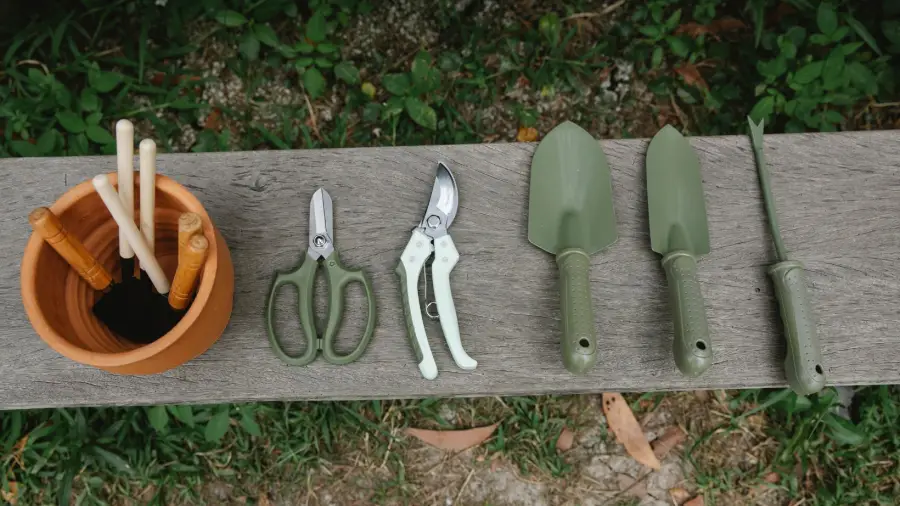
Gardening-Tools

10 Essential Gardening Tools Every Green Thumb Needs

For green thumbs, having the right gardening tools is key. Here are the 10 essential tools you need.

A beautiful and thriving garden requires more than just a green thumb; it also requires the right set of tools. Whether you are an experienced gardener or just starting out, having the proper gardening tools is essential for maintaining and growing a healthy garden.

Gardening-Tools

From digging and planting to pruning and watering, each task requires a specific tool designed to make the job easier and more efficient. We will explore the 10 must-have gardening tools that every green thumb should have in their arsenal. These tools not only simplify your gardening tasks but also help you achieve the best results in maintaining your garden’s health and beauty. So, let’s dive in and discover the essential tools for all green thumbs.

1. Hand Trowel: A Must-have Tool For Planting And Transplanting

A green thumb knows the importance of having the right tools for a successful garden. And when it comes to planting and transplanting, a hand trowel is an absolute must-have. This versatile tool helps you dig, scoop, and move soil efficiently, making it an essential companion for any gardener.

Features And Benefits Of Hand Trowel

A hand trowel is a compact gardening tool with a wide, flat blade and a handle. This simple yet effective design offers plenty of features and benefits that make it indispensable for your gardening endeavors:

  • High-Quality Construction: A hand trowel is typically made of sturdy materials like stainless steel or high-carbon steel. This ensures durability and longevity, allowing you to use it for multiple seasons.
  • Comfortable Grip: The handle of a hand trowel is ergonomically designed to provide a comfortable grip. This reduces hand fatigue, allowing you to work for extended periods without discomfort.
  • Compact and Portable: Hand trowels are lightweight and compact, making them easy to carry around in your gardening toolkit. Their portable nature ensures that you can take them wherever you go in your garden.
  • Versatile Functionality: From digging small holes for seedlings to transplanting delicate plants, a hand trowel offers versatile functionality. It allows you to work with precision and control, ensuring that your plants’ roots are handled gently.
  • Easy to Clean: A hand trowel is designed to be easy to clean after use. Its smooth surface prevents soil from sticking, allowing you to quickly wipe it off and keep it in pristine condition.

How To Use A Hand Trowel Effectively

Using a hand trowel effectively requires proper technique and attention to detail. Here are the steps to ensure you make the most out of this handy tool:

  1. Select the Right Spot: Identify the area where you want to plant or transplant your green companions.
  2. Prepare the Soil: Use your hand trowel to loosen the soil in the designated spot. Break up clumps and remove any debris or rocks that may hinder the root growth.
  3. Dig a Hole: With your hand trowel, dig a hole deep enough to accommodate the plant’s root ball. Make sure the hole is wide and deep to provide ample space for the roots to spread.
  4. Transplant the Plant: Gently remove the plant from its container and place it into the hole, ensuring the root ball is positioned at the appropriate depth.
  5. Backfill and Tamp: Use your hand trowel to backfill the hole with soil. Gently press the soil around the plant to eliminate air pockets and provide stability.
  6. Water and Mulch: After planting or transplanting, water the plant thoroughly and apply a layer of organic mulch around it. This helps retain moisture and protect the roots.

By using a hand trowel effectively, you can enhance your gardening experience and give your plants the best start possible.

2. Pruning Shears: Keeping Your Plants Healthy And Well-groomed

Pruning shears are an essential tool for gardeners with green thumbs, allowing them to keep their plants healthy and well-groomed. With these must-have gardening tools, you’ll be able to maintain the beauty of your garden with ease.

Why Pruning Shears Are Essential For Garden Maintenance

When it comes to garden maintenance, pruning shears are an absolute must-have tool for any green thumb. These versatile gardening tools are designed to keep your plants healthy and well-groomed by allowing you to trim and shape them with precision. Pruning shears are not just for aesthetics, they also promote plant health by removing dead or diseased branches, improving air circulation, and stimulating new growth. With the right pruning shears in your arsenal, you’ll be able to tackle any pruning task with ease, keeping your garden looking its best.

Different Types Of Pruning Shears And Their Uses

If you’re in the market for pruning shears, you’ll quickly realize that there are different types available. Each type of pruning shear is designed with a specific purpose in mind, so it’s important to choose the right one for your needs. Here are some common types of pruning shears and their uses:

Type Uses
Hand Pruners Perfect for cutting smaller branches and stems. They provide precision and control, making them ideal for intricate pruning tasks.
Loppers Designed for cutting thicker branches that hand pruners can’t handle. Loppers have long handles for increased leverage and cutting power.
Pole Pruners When you need to prune tall trees or shrubs, pole pruners come in handy. They have an extendable handle and a pruning saw or bypass pruner at the end.
Hedge Shears Specifically designed for trimming hedges and bushes. They have long blades that allow you to shape and sculpt your plants with precision.

Choosing the right type of pruning shear depends on the size of your plants, the thickness of the branches you’ll be cutting, and the specific pruning tasks you need to accomplish. It’s important to consider these factors before making a purchase to ensure you have the right tool for the job.

In conclusion, pruning shears are an essential tool for any gardener who wants to keep their plants healthy and well-groomed. They provide the precision and control needed to trim and shape your plants with ease. By choosing the appropriate type of pruning shear for your needs, you’ll be able to tackle any pruning task and maintain a beautiful garden.

3. Garden Gloves: Protecting Your Hands And Ensuring Comfort

Garden gloves are a crucial tool for avid gardeners, providing protection and comfort while working with plants and soil. Ensure your hands remain safe and cozy with these must-have gardening gloves.

Importance Of Wearing Garden Gloves

Gardening is a rewarding activity that allows you to connect with nature and create beautiful landscapes. However, it can also be quite strenuous, with tasks ranging from planting to pruning. This is where garden gloves come in – they are essential tools for any green thumb. Not only do they protect your hands from sharp thorns, rough surfaces, and harmful chemicals, but they also ensure your comfort while working.

Choosing The Right Garden Gloves For Different Tasks

When it comes to choosing the right garden gloves for different tasks, it’s important to consider the specific requirements of each activity. Here are a few factors to keep in mind:

1. Material:

There are various materials available for garden gloves, each offering different benefits. For tasks that require puncture resistance, such as handling thorny plants, opt for gloves made from leather or synthetic materials like nylon or rubber. For lighter tasks like weeding or planting, breathable cotton or bamboo gloves are great choices.

2. Fit:

Having the right fit is crucial for optimum hand protection and comfort. Gloves that are too tight can restrict movement and cause discomfort, while gloves that are too loose may not provide adequate grip or dexterity. Look for gloves that offer different sizes or adjustable closures to ensure a snug fit.

3. Durability:

Gardening can be rough on gloves, so it’s important to choose a pair that is durable and long-lasting. Reinforced fingertips and double-stitched seams are indicators of a well-made glove that can withstand the rigors of gardening tasks.

4. Grip:

A strong grip is essential for handling tools and plants with ease. Look for gloves that have textured or rubberized palms for enhanced grip and control. This will prevent tools from slipping out of your hands and reduce the risk of accidents or injuries.

5. Waterproofing:

For tasks that involve water, such as watering plants or working in wet soil, it’s important to choose gloves that are waterproof or water-resistant. This will keep your hands dry and prevent discomfort, as well as protect your gloves from getting soaked and potentially losing their effectiveness.

6. Extra Features:

Some garden gloves come with extra features that can enhance your gardening experience. Look for gloves with adjustable wrist closures to prevent dirt and debris from entering, or gloves with touch screen compatibility if you need to use your smartphone or tablet while gardening.

By considering these factors, you can choose the right garden gloves that provide optimal protection and comfort for your specific gardening tasks. Remember, investing in high-quality gloves is a small price to pay for the safety and enjoyment of your gardening experience.

4. Weed Puller: Taking Care Of Pesky Weeds With Ease

When it comes to maintaining a thriving garden, keeping those pesky weeds at bay is a never-ending battle. That’s where a weed puller becomes an indispensable tool for every gardener. With its ability to make weed removal a breeze, a weed puller is a must-have addition to your gardening arsenal. In this section, we’ll explore why a weed puller is a necessity, different types available, and how to use them effectively.

Why Weed Puller Is A Necessity For Every Gardener

Dealing with weeds can be a daunting task, but a weed puller simplifies the process significantly. Here’s why every gardener should have one:

  • Efficiency: The weed puller eliminates the need for bending or kneeling, saving you from potential backaches and knee strains.
  • Precision: Unlike manual pulling, a weed puller allows you to target the weed’s root system, ensuring complete removal.
  • Minimal Soil Disturbance: With a weed puller, you can extract weeds without disturbing the surrounding plants or garden bed.
  • Time-Saving: By efficiently removing weeds, a weed puller helps you maintain a weed-free garden in less time, giving you more opportunities to focus on other gardening tasks.

Different Types Of Weed Pullers And How To Use Them

There are several types of weed pullers available, each offering unique advantages. Let’s take a look at the most common ones:

Type Description
Forked Weed Puller This type features two or three prongs that grip around the weed’s root, allowing you to pull it out from the ground effortlessly.
Stand-up Weed Puller Equipped with a long handle, this type saves your back and knees by providing a comfortable standing position while removing weeds.
Pincer Weed Puller Similar to a pair of pincers, this tool clamps onto the weed’s stem and root, enabling you to remove it with a simple squeezing motion.

When using a weed puller, follow these steps to ensure effective weed removal:

  1. Identify the weeds you want to remove.
  2. Position the weed puller around the weed’s base, ensuring a firm grip.
  3. Apply gentle pressure and twist the weed puller to loosen the weed.
  4. Lift the weed puller, along with the weed, out of the ground.
  5. Dispose of the weed properly to prevent reseeding.

Remember, using a weed puller is not only efficient but also environmentally friendly, as it reduces the need for chemical weed killers. With the right weed puller, you can keep your garden weed-free and your plants healthy without breaking a sweat!

5. Watering Can: Properly Hydrating Your Plants For Growth

A watering can is an essential tool for green thumbs, allowing you to properly hydrate your plants for optimal growth. With its easy-to-use design, you can ensure that your plants receive the right amount of water they need to thrive.

The Importance Of Watering Cans In Gardening

A watering can is an essential tool for any gardener. Proper hydration is vital for the growth and overall health of your plants. Using a watering can allows you to control the amount of water you provide, ensuring that each plant receives the necessary hydration without causing damage.

Tips For Efficient Watering With A Watering Can

To ensure efficient watering with a watering can, here are some useful tips:

  • Choose the Right Size: Consider the size of your garden and the number of plants you have. Select a watering can that can hold enough water to avoid constant refills.
  • Water at the Base: Direct the water flow towards the base of the plants to prevent wetting the leaves excessively. This helps minimize the risk of fungal diseases.
  • Watering in the Morning: It is best to water your plants in the morning when the temperature is cooler. This allows the plants to absorb the moisture before the sun evaporates it.
  • Slow and Steady: Avoid pouring water too quickly, as it may lead to soil erosion or water wastage. Pour the water slowly and evenly to ensure it penetrates the root zone.
  • Watering Regularly: Consistency is key when it comes to watering. Ensure that you water your plants regularly, especially during dry periods, to maintain adequate hydration levels.
  • Consider Plant Needs: Different plants have varying water requirements. Research and understand the specific needs of each plant in your garden to avoid over or under watering.
  • Inspect Soil Moisture: Before watering, check the soil moisture to avoid unnecessary watering. Stick your finger about an inch into the ground to feel for moisture. If it feels dry, it’s time to water.
  • Avoid Overwatering: Overwatering can be detrimental to plant health, leading to root rot and other issues. Ensure that the soil is well-drained and allow the top layer to dry out slightly between waterings.
  • Clean and Maintain: Regularly clean your watering can to avoid contaminating your plants. Remove any debris or residue that may accumulate to prevent clogging of the spout.
  • Store Properly: After use, store your watering can in a shaded area to prevent the build-up of algae or deterioration from prolonged sun exposure.

By following these tips, you can efficiently hydrate your plants using a watering can, promoting healthy growth and beautiful blooms in your garden.

Frequently Asked Questions Of “10 Must-have Gardening Tools For Green Thumbs”

What Are The Essential Gardening Tools For Beginners?

Having the right gardening tools is crucial for beginners. Some essential tools to start with include a hand trowel, pruners, gloves, a garden fork, and a watering can. These tools will help you dig, prune, protect your hands, cultivate soil, and water plants effectively.

Conclusion

To sum it up, having the right gardening tools is essential for any green thumb. From basic essentials like a shovel and gloves to specialized tools like pruners and watering cans, each tool serves a unique purpose in helping your garden thrive.

By investing in these must-have gardening tools, you’ll be equipped to tackle any gardening task with ease and achieve beautiful, flourishing plants. So, gear up with these tools and get ready to unleash your gardening prowess! Happy gardening!

(To know more about Gardening Tools & Essentials: https://bonsainurserybd.com/gardening-tools-and-essentials/)