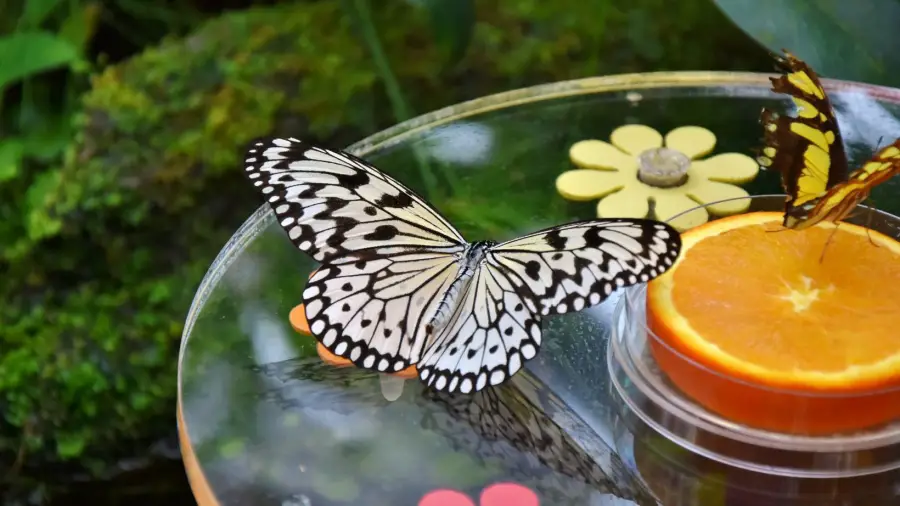
To create a butterfly garden, integrate native flowering plants and avoid pesticides. Ensure diverse plant selection to offer food and habitat throughout the butterflies’ life cycle.
Creating a butterfly garden is not only a rewarding gardening project but also a delightful way to support local ecosystems. By incorporating a variety of nectar-rich blooms and caterpillar host plants, gardeners can attract an array of butterfly species. The key is choosing the right mixture of plants that will provide continuous blooms throughout the season, catering to the needs of both adult butterflies and their larvae.

Sun exposure, shelter, and pesticide-free maintenance are paramount for a successful butterfly haven. A well-planned butterfly garden not only becomes a hub for these beautiful insects but also brings a dynamic burst of life and color to any outdoor space.
Table of Contents
Selecting The Perfect Spot
Creating a butterfly garden is a delightful way to attract these winged beauties to your yard. The right location is critical for a thriving butterfly habitat. Let’s explore how to choose the best spot that offers everything butterflies need to flourish.
Assessing Sunlight And Exposure
Butterflies bask in the sun to warm their wings for flight. Ideal butterfly gardens receive ample sunshine, about six hours daily. Observe potential garden spots and note the hours of direct sunlight. A sunlit area means more butterflies and a greater variety of blooms.
- Record sunlight hours in different garden areas.
- Ensure no shade during peak butterfly activity, usually mid-morning to afternoon.
- Select plants that thrive in full to partial sun.
Considering The Microclimate Conditions
Microclimates affect how plants and butterflies experience your garden. These small-scale climate variations can make a huge difference. Observe your yard’s microclimate by considering the following:
| Aspect | Factors to Consider |
|---|---|
| Wind Protection | Choose spots shielded from harsh winds that can harm butterflies. |
| Water Access | Include a water feature for butterflies to drink and cool themselves. |
| Temperature | Avoid areas prone to frost which can damage host and nectar plants. |
Take notes on these conditions over several days to determine the best site for your butterfly paradise.
Plant Selection Fundamentals
Creating a butterfly garden transforms your space into a vibrant oasis. It brings life, color, and beauty to your backyard. To achieve this paradise, you must understand the fundamentals of plant selection. The right flowers and plants not only attract butterflies but also support their lifecycle. Begin with two key elements: nectar-rich flowers for butterflies and host plants for caterpillars.
Choosing Nectar-rich Flowers
Butterflies need energy to fly and mate. They get this from nectar-rich flowers. These flowers should bloom at different times so butterflies enjoy food all season.
- Milkweed – Attracts Monarchs and provides nectar.
- Coneflowers – Available in many colors, loved by numerous butterfly species.
- Zinnias – Easy to grow with long-lasting blooms.
- Lantana – Vibrant and drought-resistant.
- Butterfly Bush – Aptly named, a favorite for many butterflies.
Incorporating Host Plants For Caterpillars
Butterflies start as caterpillars and need specific host plants. These plants are where butterflies lay their eggs.
| Butterfly Species | Host Plant |
|---|---|
| Monarch | Milkweed varieties |
| Swallowtail | Fennel, Parsley, Dill |
| Painted Lady | Thistles, Hollyhock |
| Red Admiral | Nettles |
| Viceroys | Willow trees |
Designing For Diversity And Appeal
A butterfly garden is a canvas of biodiversity, attracting various species with its vibrant palette of flora. To entice these delicate creatures, a garden must cater to their diverse needs and aesthetic preferences. Creating a habitat rich in different plant species not only adds visual appeal but also ensures a steady supply of food for butterflies throughout their life stages. Let’s explore how to design a garden that is both diverse and appealing.
Creating Layers And Heights
Layered planting mimics the natural habitat butterflies thrive in. Each layer serves a unique purpose in their lifecycle, from larvae to full-grown adults.
- Canopy Layer: Tall trees like Oaks and Willows
- Understory Layer: Shrubs like Blueberries and Azaleas
- Herbaceous Layer: Perennials such as Coneflowers and Milkweed
- Ground Layer: Ground covers like Thyme and Phlox
Each layer is crucial, providing shelters, nectar, and host plants for caterpillars.
Combining Colors And Textures
A fusion of color and texture makes the garden a visual masterpiece as well as a haven for butterflies. Bold, bright flowers draw attention, while varied textures encourage longer visits.
| Color | Texture | Plant Examples |
|---|---|---|
| Purples and Blues | Spiky | Lavender, Salvia |
| Yellows and Oranges | Fuzzy | Butterfly Weed, Goldenrod |
| Reds and Pinks | Smooth | Bee Balm, Zinnias |
Select plants not just for their colors, but also their textures that appeal to the senses of butterflies.
Building A Butterfly Oasis
Building a Butterfly Oasis is about transforming gardens into delightful havens for butterflies. These graceful creatures bring life and color, making every outdoor space a living tableau. To achieve this, certain elements must interplay harmoniously, attracting these winged visitors to your green sanctuary.
Installing Water Features
Butterflies need water just like any other living creature. However, their delicate frames require shallow sources to perch on safely. Incorporate watering stations by using dishes or shallow birdbaths. Add a few stones or pebbles for them to land on, ensuring water is always accessible. An occasional misting over foliage gives butterflies a refreshing drink without the risk of drowning.
Providing Resting And Basking Sites
Basking in the sun helps butterflies warm their wings for flight. To assist, arrange flat stones in sunny spots for them to rest. Add benches or garden ornaments where they can pause and soak in the warmth. These spots serve as perfect resting and basking sites for the weary traveler, offering a moment of respite before they flutter on.
Eco-friendly Maintenance Practices
Creating a butterfly garden is not only about planting the right flowers but also about the ongoing care. Sustainable maintenance practices keep your garden healthy for butterflies. Let’s explore how to do this without harming the environment or the delicate ecosystems within your garden.
Avoiding Pesticides And Chemicals
Butterflies are sensitive to chemicals. Chemical-free gardens are vital.
- Use natural predators to control pests. Ladybugs and birds eat harmful insects.
- Plant diversity can help. Different plants attract pest-eating insects.
- Manual intervention, like hand-picking pests, can keep plants healthy.
Promoting A Self-sustaining Habitat
A self-sustaining garden works with nature, not against it. Here’s how to promote balance:
- Native plants support the local wildlife and need less care.
- Water sources, such as shallow dishes, keep butterflies hydrated.
- Layer plants for diversity. This creates shelter and food sources at different levels.
Observation And Adaptation
Observation and adaptation stand as key pillars in nurturing a flourishing butterfly garden. Paying close attention and responding to the unique dynamics of your garden enriches the habitat, enticing more winged visitors. Let’s delve into how tracking visits and adjusting the landscape can create a butterfly haven.
Tracking Butterfly Visits And Preferences
To understand the preferences of your fluttering guests, begin with monitoring their patterns. Observation logs facilitate insights into which flowers and plants they favor. This data becomes an invaluable guide for future enhancements to your garden’s layout.
- Note down recurring visitors and their favored plants.
- Monitor the time of day when butterflies are most active.
- Identify which nectar sources are hotspots for diverse species.
| Date | Butterfly Species | Favored Plant | Visit Frequency |
|---|---|---|---|
| April 1 | Monarch | Milkweed | High |
| April 2 | Swallowtail | Coneflower | Medium |
Adjusting The Garden Based On Activity
Your garden should evolve with the findings from your butterfly observations. Make informed decisions to alter your garden’s design and plant selection, catering to the preferred tastes and behaviors of your visitors.
- Add more of the plants that attract the most butterflies.
- Introduce new plants to offer a varied diet across species.
- Reposition plants to maximize exposure to sunlight or shade, as needed.
Implementation could look like the following:
- Plant additional milkweed for Monarchs.
- Set up a shallow water bath for hydration.
- Plant a row of bushes to create a windbreak.
Frequently Asked Questions Of Best Practices For Creating A Butterfly Garden
How Do You Layout A Butterfly Garden?
Select a sunny spot with minimal wind. Include diverse plants that cater to all life stages of butterflies. Incorporate nectar-rich blooms and caterpillar host plants. Offer shelter with shrubs and trees. Ensure a water source like a shallow dish or puddle.
What Are Three Things A Butterfly Garden Should Have?
A butterfly garden should have nectar-rich flowers, host plants for caterpillars, and sunny, sheltered spots.
How Do You Make A Good Butterfly Garden?
Select a sunny location and choose native flowering plants. Include diverse nectar sources for continuous blooms. Provide water with shallow dishes or mud puddles. Avoid pesticides and incorporate host plants for caterpillars.
Where Is The Best Place To Plant A Butterfly Garden?
The best place to plant a butterfly garden is in a sunny area where nectar-rich plants thrive and butterflies can bask and fly with ease.
Conclusion
Embracing the tips outlined, your butterfly garden can become a vibrant habitat. Remember, choosing the right plants and avoiding pesticides are key. Include a water source and shelters for a complete sanctuary. By nurturing these delicate creatures, you contribute to biodiversity.
Your garden will not only be a haven for butterflies but a delight for all who visit. Welcome to a world where beauty takes flight on the wings of butterflies.