bonsai-trees

“Bonsai Trees: A Miniature World of Natural Beauty”

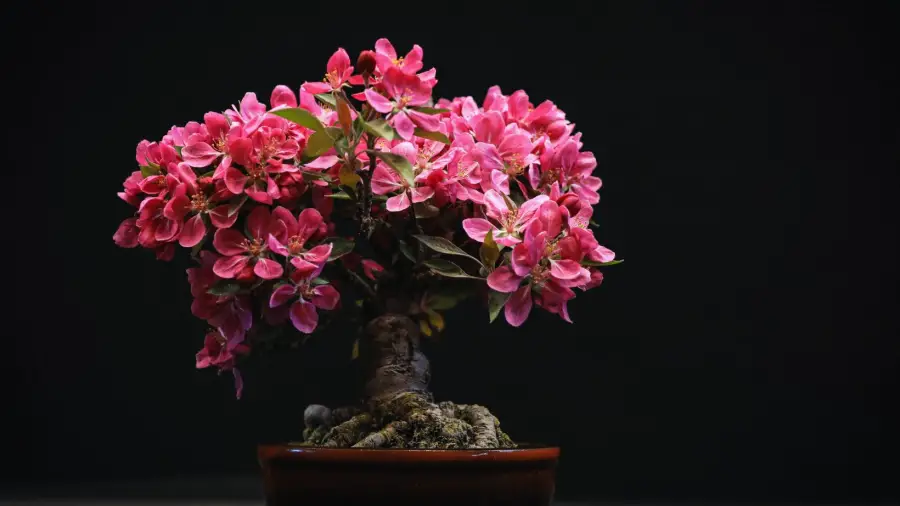
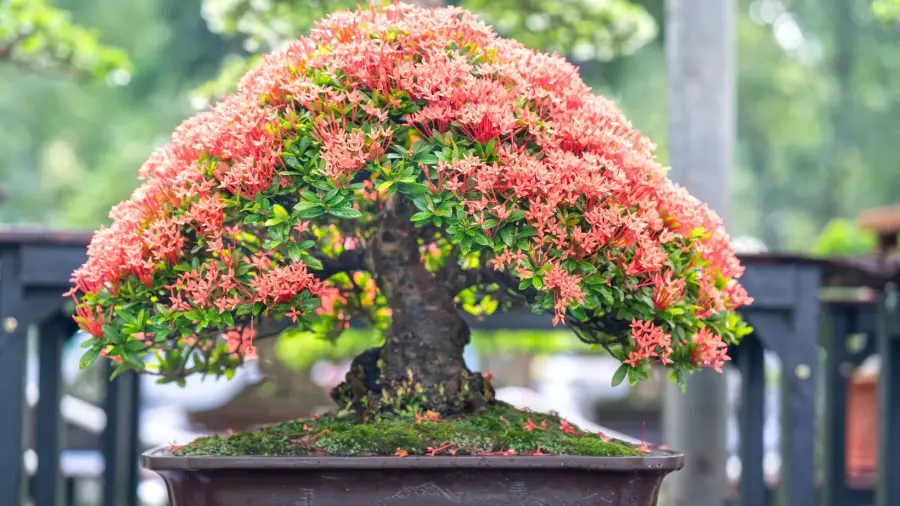
Bonsai trees offer a miniature world of natural beauty that captivates with its intricate artistry and serene presence. These carefully cultivated trees, with their meticulously pruned branches and delicate foliage, allow us to bring the essence of nature into our homes and gardens.

Each bonsai tree is a living sculpture, embodying the harmony between human intervention and the resilience of nature. As we observe these captivating creations, we are reminded of the ever-changing seasons and the power of patience and dedication. We will explore the fascinating world of bonsai trees, delving into their history, techniques for cultivation, and the joy they bring to enthusiasts around the world.

Discover the enchanting allure of bonsai trees and unlock the secrets of this ancient practice.

bonsai-trees

The Art And History Of Bonsai

Immerse yourself in the captivating world of bonsai trees, where nature meets artistry, and a miniature ecosystem comes to life. Bonsai, which means “tray planting” in Japanese, is an ancient horticultural practice that originated in China over a thousand years ago. This art form involves carefully cultivating and styling small, potted trees to mimic the shape and size of their full-sized counterparts found in the natural world.

Origins Of Bonsai

The origins of bonsai can be traced back to ancient China, where it was known as “penjing.” Initially, penjing focused on replicating entire landscapes in miniature form, including mountains, rivers, and trees.

However, it was during the Tang Dynasty that the emphasis shifted to the individualized cultivation of container-grown plants, giving rise to the art of bonsai as we know it today. The Chinese scholars and artists of that time began to shape and prune trees into aesthetically pleasing forms, using them as symbols of harmony, peace, and the balance between man and nature.

Evolution Of Bonsai Techniques

Over time, bonsai spread to Japan and developed its unique style and techniques. Influenced by Zen Buddhism and the Japanese concept of wabi-sabi, which honors imperfection and transience, Japanese bonsai artisans focused on presenting the essence of nature in a single tree.

Bonsai cultivation techniques evolved to include shaping the tree’s trunk, branches, and foliage through pruning and wiring. The goal was to achieve a sense of age, creating trees that appeared weathered and compact, as if they had withstood the test of time.

In the early 1900s, bonsai gained international recognition, captivating enthusiasts around the world. The techniques and styles have since been refined, with artists continually pushing the boundaries of creativity and innovation, while still preserving the traditional principles that define bonsai.

The Symbolism Of Bonsai

Beyond its artistic appeal, bonsai carries deep symbolism. Each tree represents a living entity that intertwines with its environment, reflecting the balance and harmony found in nature.

The ancient Japanese art form encapsulates the vital connection between mankind and the natural world. By tending to a miniature ecosystem, bonsai enthusiasts cultivate their patience, discipline, and appreciation for the beauty and fragility of life.

Bonsai also serves as a meditative and spiritual practice, encouraging individuals to slow down, reflect, and find tranquility in the present moment. The act of shaping and nurturing a bonsai tree becomes a form of self-expression, allowing the artist to tap into their creativity while maintaining a deep respect for the tree’s inherent nature.

Unlocking the secrets embedded in the intricate branches and delicate leaves, bonsai reveals a profound understanding of nature’s complexity and elegance, inviting individuals to embrace the serenity and beauty of the miniature world within.

Selecting The Perfect Bonsai Tree

In the tranquil world of bonsai, the art of cultivating miniature trees has captivated nature enthusiasts for centuries. By carefully shaping and nurturing these remarkable plants, bonsai artists create living works of art that embody the beauty and grandeur of nature in miniature form. Among the various aspects of bonsai, one crucial decision lies in selecting the perfect bonsai tree. Understanding different bonsai styles, considering important factors, and being mindful of tips for choosing a healthy tree will ensure that you find the ideal bonsai that resonates with your aesthetic and gardening aspirations.

Understanding Different Bonsai Styles

Bonsai trees come in a variety of styles, each representing a specific aesthetic and design. By understanding the different bonsai styles, you can select a tree that harmonizes with your personal taste and the environment you plan to showcase it in.

Here are some popular bonsai styles to consider:

  • Formal Upright: These bonsai trees have a straight and upright trunk, with symmetrical branches gradually decreasing in size as they ascend the tree.
  • Informal Upright: These bonsai trees display a more free-flowing and natural appearance, with a slightly curved trunk and branches that have varied lengths.
  • Cascade: Cascade bonsai trees mimic the shape of a cascading waterfall, with the trunk and branches cascading down the pot’s rim.
  • Slanting: Slanting bonsai trees have an inclined trunk that creates a sense of movement and dynamism.
  • Windswept: These bonsai trees depict the effect of strong winds, with the trunk and branches swept to one side, showcasing their resilience.
  • Group Planting: Also known as forest planting, this style involves planting multiple bonsai trees together in a single pot, creating a miniature forest scene.

Factors To Consider When Choosing A Bonsai Tree

When embarking on the quest for the perfect bonsai tree, there are several crucial factors to consider. By carefully evaluating these aspects, you can make an informed decision and select a bonsai that suits your preferences and lifestyle.

Size Consider the available space in your home or garden and choose a bonsai tree that fits harmoniously within the designated area.
Species Each species of bonsai tree has different requirements and characteristics. Research the species you are interested in to ensure it will thrive in your climate and environment.
Age The age of a bonsai tree plays a significant role in its overall aesthetic and maturity. Decide whether you prefer a young and vibrant bonsai or a more mature and dignified one.
Maintenance Level Consider the amount of time and effort you are willing to invest in caring for a bonsai tree. Some species require more attentive care than others.

Tips For Selecting A Healthy Bonsai Tree

A healthy bonsai tree is not only visually appealing but also more likely to survive and thrive under your care. When choosing a bonsai tree, be sure to look out for the following signs of a healthy specimen:

  • Foliage is vibrant and evenly distributed.
  • Trunk and branches are free from scars, blemishes, or signs of pests.
  • The potting soil is well-draining.
  • Adequate root growth without any signs of root bound.
  • The overall structure reflects balance and harmony.

By selecting a healthy bonsai tree, you are setting yourself up for success in the rewarding journey of bonsai cultivation.

Bonsai Tree Care And Maintenance

When it comes to the art of bonsai, proper care and maintenance are essential for achieving the desired results. Bonsai trees are not just ordinary potted plants; they are living art forms that require attention and nurturing. In this section, we will delve into the key aspects of bonsai tree care to help you maintain the beauty and health of your miniature natural masterpiece.

Essential Tools For Bonsai Tree Care

Just like any other craft, having the right tools is crucial for bonsai tree care. Here are some essential tools that every bonsai enthusiast should have:

Bonsai shears To trim and shape the branches with precision.
Bonsai wire To train and style the branches, giving them the desired form.
Bonsai pruning scissors To prune and thin out foliage, promoting healthy growth.
Root rake To gently comb through the roots and prevent them from tangling.
Bonsai soil sieve To sift the soil, ensuring proper drainage and aeration.

Watering And Fertilizing Techniques

Watering and fertilizing are critical components of bonsai tree care. It is important to find the right balance to avoid overwatering or underwatering. Here are some techniques to keep in mind:

  • Check the soil moisture regularly by inserting your finger into the soil up to the second knuckle. If it feels dry, it’s time to water.
  • Water thoroughly, allowing the water to soak through the entire root system. Ensure proper drainage by using well-draining bonsai soil.
  • Use a liquid bonsai fertilizer diluted to half strength during the growing season, following the manufacturer’s instructions.
  • Fertilize less frequently during the dormant period, typically in winter.
  • Observe your bonsai tree for signs of nutrient deficiencies or excesses and adjust your fertilizing regimen accordingly.

Pruning And Shaping For Optimal Growth

Pruning and shaping play a vital role in maintaining the aesthetics and health of bonsai trees. Here are some techniques to help you achieve optimal growth:

  1. Prune unwanted branches and foliage to maintain the desired shape and form.
  2. Trim back new growth regularly to encourage ramification and back-budding.
  3. Use wire to carefully shape branches, ensuring not to cause damage or restrict growth.
  4. Prune the roots periodically to prevent them from becoming pot-bound. This promotes overall tree health and stimulates new root growth.
  5. Prune your bonsai tree during dormancy to minimize stress on the tree.

Protecting Bonsai Trees From Pests And Diseases

Just like any other plant, bonsai trees are prone to pests and diseases. However, preventive measures can help safeguard their health:

  • Inspect your bonsai tree regularly for signs of pests such as aphids, spider mites, or scale insects.
  • If pests are detected, use an appropriate insecticide or spray to eliminate them, ensuring to follow the instructions carefully.
  • Avoid overwatering, which can lead to fungal diseases. Allow the soil to dry out slightly before watering again.
  • If you notice signs of disease, such as yellowing leaves or black spots, consult a knowledgeable bonsai expert for advice on treatment.
  • Keep your bonsai trees in separate locations to prevent the spread of pests or diseases from one tree to another.

By following these guidelines, you can ensure that your bonsai trees thrive and display their natural beauty for years to come. Remember, bonsai tree care is an ongoing process, and with patience and dedication, you can create stunning miniature worlds of natural beauty.

The Therapeutic Benefits Of Bonsai Trees

Who would have thought that a small, carefully pruned tree could hold such incredible therapeutic powers? Bonsai trees, with their delicate branches and intricate designs, offer more than just visual appeal. They provide a gateway to a world of relaxation, creativity, and self-reflection. In this blog post, we will explore the therapeutic benefits of bonsai trees and how they can enhance various aspects of our lives.

Stress Relief And Mindfulness

Life can be overwhelming, with daily stressors piling up and clouding our minds. Bonsai trees offer a tranquil escape from the chaos, inviting us to slow down and appreciate the present moment. By tending to these miniature trees, we engage in a mindful practice that allows us to focus on the here and now.

  • They act as natural stress relievers – The act of caring for bonsai trees, such as watering, pruning, and repotting, requires concentration and attention to detail. This mindful engagement helps to shift our focus away from stress and anxiety, offering a sense of calm and relaxation.
  • They encourage us to be present – When we immerse ourselves in the gentle art of bonsai cultivation, we become attuned to the needs of the tree and our surroundings. This connection with nature enables us to fully embrace the beauty of the present moment, freeing our minds from worries and distractions.
  • They promote relaxation and well-being – The simple act of observing a bonsai tree can have a soothing effect on our minds and bodies. The intricate branches, vibrant foliage, and serene aura invite us to pause, breathe, and let go of tension, promoting a state of relaxation and overall well-being.

Enhancing Concentration And Focus

In a world filled with constant distractions, cultivating the ability to concentrate and focus is crucial for success and personal growth. Bonsai trees offer a unique opportunity to sharpen these skills through their intricate care requirements and the artistic decisions involved in shaping their growth.

  • They demand attention to detail – Caring for a bonsai tree requires precision and meticulousness. From pruning the branches to monitoring its health, each task demands our full attention and concentration. This focused mindset helps to improve our ability to concentrate and pay attention to the task at hand, transferring these skills to other areas of our lives.
  • They stimulate our senses – Bonsai trees engage our senses in a way that few other activities can. Trimming, wiring, and shaping the branches not only require concentration but also activate our tactile and visual senses. This multi-sensory experience helps to heighten our focus and improve our ability to stay present in the moment.
  • They encourage problem-solving and critical thinking – As we nurture a bonsai tree, we encounter various challenges, such as pests, diseases, or wilting foliage. Addressing these issues requires problem-solving skills and critical thinking. By actively finding solutions and making informed decisions, we enhance our cognitive abilities and expand our capacity for focused thinking.

Cultivating Patience And Discipline

Patience and discipline are virtues that can greatly benefit us in all aspects of life. Bonsai trees provide the perfect training ground to develop these qualities through their slow growth process and the long-term commitment required for their care.

  • They teach us the art of patience – Bonsai trees embody the essence of patience. Their growth is intentional, measured, and often takes years to achieve the desired results. By nurturing a bonsai tree, we learn to appreciate the beauty of gradual progress, teaching us the value of patience and reminding us that great things take time.
  • They instill discipline and routine – Successful bonsai cultivation necessitates consistent care and adherence to a routine. This daily commitment to watering, pruning, and overall maintenance helps to cultivate discipline and structure in our lives. The act of following the prescribed rituals of bonsai care reinforces the importance of discipline and the positive outcomes it can bring.
  • They encourage long-term commitment – Bonsai trees are a lifelong companionship. As they mature, their needs evolve, and our bond with them deepens. By committing to the long-term care of a bonsai tree, we learn the value of dedication and perseverance, traits that can shape other areas of our lives.

Showcasing The Beauty Of Bonsai

Bonsai trees are more than just ordinary plants; they are an art form that encapsulates the beauty of nature in miniature form. These fascinating trees have captured the attention and admiration of people around the world, showcasing the intricate craftsmanship and meticulous care that goes into their cultivation. In this article, we will explore the various ways in which the beauty of bonsai trees can be showcased, from the pots and stands they are displayed in, to the exhibitions and competitions that celebrate their mastery, to the art of photographing these exquisite creations and sharing them with others.

Displaying Bonsai Trees: Pots, Stands, And Settings

The art of displaying bonsai trees goes beyond their actual cultivation. The choice of pots and stands, as well as the overall setting in which they are placed, plays a crucial role in accentuating their natural beauty. Bonsai enthusiasts carefully select containers that complement the size, shape, and style of their trees, ensuring that they harmonize with the overall aesthetic. The stands on which the bonsai are placed add an additional layer of elegance and enhance the visual impact of these miniature masterpieces. Whether showcased indoors or in outdoor gardens, the careful attention to detail in creating the ideal display setting brings out the best in each bonsai tree, making it a true work of art.

Bonsai Exhibitions And Competitions

Bonsai exhibitions and competitions provide a platform for enthusiasts and experts to come together and share their passion for these captivating trees. These events not only showcase the talent and skill of bonsai artists but also offer an opportunity for visitors to appreciate the beauty and diversity of bonsai trees from different styles and traditions. Bonsai exhibitions often feature a wide range of specimens, from ancient and majestic trees to newly crafted creations. Judges evaluate each entry based on various criteria, including the overall design, balance, and aesthetic appeal. These events not only inspire and educate but also foster a sense of community among bonsai enthusiasts, contributing to the preservation and evolution of this timeless art form.

Photographing Bonsai Trees: Capturing Nature’s Masterpieces

The art of bonsai extends beyond its physical existence; it can be captured and immortalized through photography. Photographing bonsai trees allows for a different perspective and a closer examination of the intricate details. Professional photographers and bonsai enthusiasts alike seek to capture the essence and beauty of these miniature trees, showcasing their unique characteristics and the strokes of nature’s paintbrush. Through careful composition, lighting, and the use of macro techniques, photographers can document the delicate branches, distinctive foliage, and aged trunks, revealing the captivating stories hidden within the bonsai’s graceful demeanor. Each photograph becomes a testament to the enduring natural beauty and timeless artistry of bonsai.

Sharing The Art Of Bonsai With Others

The art of bonsai is a gift that should be shared with others. Whether you are a seasoned enthusiast or have just discovered the beauty of bonsai, sharing your passion helps to expand the appreciation and understanding of this ancient art form. Exhibiting your bonsai trees, participating in workshops, or offering guidance to fellow enthusiasts can foster learning and inspire others to embark on their own bonsai journey. Additionally, the digital age has made it easier than ever to share bonsai photographs, articles, and resources with a global audience. Through social media platforms, online forums, and dedicated websites, bonsai lovers can connect and exchange ideas, nurturing a community that celebrates the beauty and serenity of these enchanting living sculptures.

(To learn about Bonsai Community: https://bonsainurserybd.com/bonsai-community-connecting/

Frequently Asked Questions For “bonsai Trees: A Miniature World Of Natural Beauty”

What Is A Bonsai Tree?

A bonsai tree is a miniature version of its larger counterpart, carefully shaped and cultivated to resemble a mature tree in nature. It requires special techniques to control its growth and create the desired artistic effect.

How Do You Care For A Bonsai Tree?

Caring for a bonsai tree involves regular watering, proper pruning to maintain its shape, and providing the right amount of sunlight. It is important to use well-drained soil and fertilize appropriately to ensure the tree’s health and longevity.

Can Anyone Grow A Bonsai Tree?

Yes, anyone can grow a bonsai tree, but it requires time, patience, and knowledge. Learning about the specific needs of different bonsai species and practicing the techniques of shaping and care are essential for successfully growing a healthy and beautiful bonsai tree.

What Are The Benefits Of Having A Bonsai Tree?

Having a bonsai tree can bring numerous benefits, such as a sense of tranquility and relaxation, improved focus and mindfulness, and a connection to nature. Bonsai trees also make excellent decorative pieces and can enhance the aesthetic appeal of any indoor or outdoor space.

Conclusion

Bonsai trees offer a captivating glimpse into the wonders of nature in a compact, enchanting package. Their meticulously pruned and curated forms display a harmonious balance between creation and human intervention. These miniature beauties have the power to transport us to tranquil landscapes, invoking a sense of peace and serenity.

With their patience-testing cultivation process, bonsai trees teach us valuable lessons in respect for nature and the art of nurturing. Immerse yourself in this captivating world of natural beauty and embark on a journey of self-discovery and appreciation of the sublime.
Bonsai

Bonsai 101: The Art of Crafting Majestic Miniature Trees

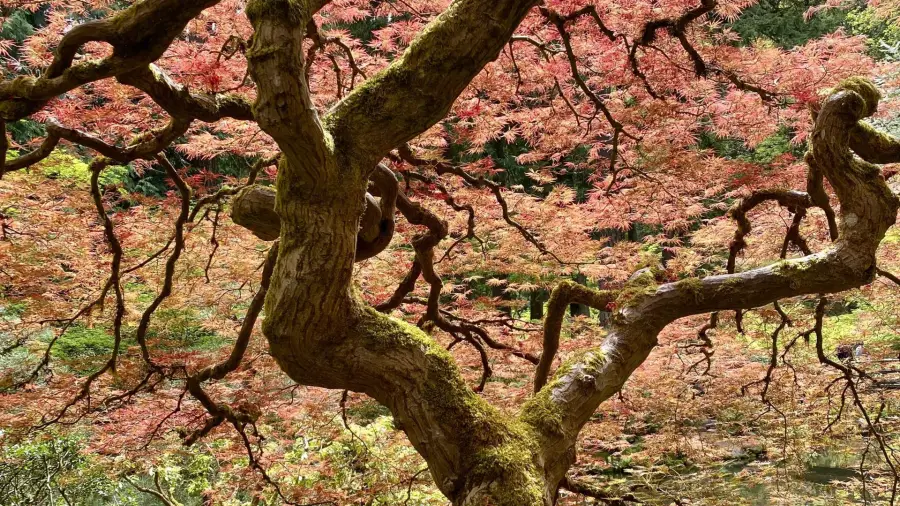
Bonsai is the art of growing miniature trees in small containers, requiring precise pruning and care. Bonsai is an ancient Japanese tradition that has gained worldwide popularity for its beauty and symbolism.

This form of horticulture involves creating miniature versions of full-sized trees, with careful attention given to shaping and maintaining their size and proportions. Bonsai trees are cultivated through regular pruning, wiring, watering, and fertilizing to achieve the desired shape and aesthetic.

The practice of bonsai not only requires technical skill but also a deep appreciation for nature and patience. Bonsai trees can be enjoyed both indoors and outdoors, adding a sense of tranquility and elegance to any space.

Can Bonsai Trees Grow Indoors

Bonsai trees can indeed thrive indoors, as long as they receive adequate light and care. Their small size and intricate beauty make them perfect for adding a touch of nature to any indoor space.

Can Bonsai Trees Grow Indoors?

Bonsai trees, with their intricate shapes and miniature size, have become popular as indoor plants. Many people wonder if these delicate trees can thrive indoors, allowing them to enjoy the beauty of bonsai all year round. Let’s explore whether bonsai trees can grow indoors and what you need to know to care for them in an indoor setting.

Factors To Consider For Indoor Bonsai Growth:

  • Lighting: Bonsai trees require bright, indirect light to thrive. While some species can tolerate lower light levels, providing ample light is essential for proper growth. Consider placing your bonsai tree near a window that receives morning or evening sunlight. Alternatively, you can use artificial grow lights to supplement natural light.
  • Temperature and Humidity: Bonsai trees prefer moderate temperatures, typically between 60°F and 75°F (15°C – 24°C). Avoid placing your bonsai near heating or cooling vents, as extreme temperature fluctuations can harm the tree. Additionally, bonsai trees require slightly higher humidity levels than what is typically found indoors. Regular misting or using a humidity tray can help maintain adequate humidity levels.
  • Air Circulation: Good air circulation is important for bonsai trees, as stagnant air can lead to problems such as mold or pests. Ensure that there is proper ventilation in the room where you keep your bonsai tree.
  • Watering and Drainage: Proper watering is crucial for bonsai trees. Check the moisture level of the soil regularly, and water when the top inch (2.5 cm) feels slightly dry. Avoid overwatering, as it can lead to root rot. Adequate drainage is also essential to prevent waterlogging and maintain a healthy root system.
  • Soil and Potting: Bonsai trees require well-draining soil to prevent waterlogged roots. Opt for a bonsai-specific soil mix, which usually consists of components such as akadama, pumice, and lava rock. Choose an appropriate size and shape of the pot that allows for root growth and provides stability for your bonsai tree.
  • Pruning and Shaping: Regular pruning and shaping are necessary for maintaining the desired size and aesthetics of your bonsai tree. This includes trimming branches, roots, and foliage to maintain the tree’s smaller size and unique form. Consult bonsai-specific resources or seek guidance from experienced bonsai enthusiasts to learn proper pruning techniques.
  • Fertilizing: Bonsai trees require regular fertilization to maintain their health and promote growth. Use a balanced bonsai fertilizer during the growing season, following the package instructions for application rates and frequency.

Remember, bonsai trees require dedication and careful attention to thrive indoors. By providing the necessary light, temperature, humidity, and care, you can successfully grow and enjoy the beauty of bonsai in an indoor environment. With patience and a little practice, your indoor bonsai can become a stunning focal point in your home or office.

( To know about Ficus Bonsai Trees for indoor: https://bonsainurserybd.com/ficus-bonsai-the-green-elegance/ )

Can Bonsai Trees Grow Outdoors

Bonsai trees can thrive outdoors as long as they receive the right care. With proper sunlight, watering, and pruning, these miniature trees can add a captivating touch to any garden or outdoor space.

Can Bonsai Trees Grow Outdoors?

Bonsai trees are known for their compact size and artistic form, making them a popular choice among gardening enthusiasts. While bonsai trees are often associated with indoor cultivation, many people wonder if these miniature wonders can thrive outdoors. In this section, we will explore whether bonsai trees can be grown in open air environments.

Factors To Consider For Outdoor Bonsai Growth:

When it comes to growing bonsai trees in outdoor settings, there are a few important factors to keep in mind:

  • Climate suitability: Bonsai trees need to be compatible with the climate in which they are grown. Not all bonsai varieties can tolerate extreme temperatures or harsh weather conditions. It is crucial to choose bonsai tree species that are well-suited to your local climate.
  • Sunlight requirements: Adequate sunlight is one of the key elements for the healthy growth of bonsai trees. Most bonsai varieties require a good amount of direct sunlight, typically at least 4-6 hours per day. Before placing your bonsai tree outdoors, assess the amount of sunlight your chosen location receives throughout the day.
  • Protection from extreme weather: While bonsai trees can prosper in outdoor environments, they may need protection from extreme weather conditions such as strong winds, heavy rain, or frost. It is essential to provide shelter or move your bonsai tree indoors during severe weather to prevent damage.
  • Pot and soil considerations: Bonsai trees grown outdoors may require larger pots and a different type of soil compared to indoor cultivation. Outdoor bonsai trees generally require pots with good drainage and a soil mix that promotes healthy root development.

The Benefits Of Growing Bonsai Trees Outdoors:

There are several advantages to growing bonsai trees in outdoor settings:

  • Natural environment: Outdoor bonsai trees benefit from the natural elements, including fresh air, natural light, and seasonal changes. This can contribute to their overall health and vigor.
  • Enhanced growth potential: In outdoor environments, bonsai trees have the opportunity to grow more vigorously due to the abundance of natural resources and larger root space.
  • Improved aesthetic appeal: The lush and vibrant outdoor surroundings serve as a beautiful backdrop for bonsai trees, enhancing their natural beauty and artistic allure.
  • Greater flexibility: Outdoor cultivation allows bonsai enthusiasts to explore a wider range of tree species and varieties, as certain species may not thrive as well indoors.

While bonsai trees are commonly grown indoors, they can also flourish in outdoor environments under specific conditions. By considering factors such as climate suitability, sunlight requirements, protection from extreme weather, and suitable pots and soil, you can create an ideal outdoor environment for your bonsai tree to thrive.

Enjoy the beauty and artistry of outdoor bonsai cultivation, and let your miniature masterpiece bring nature’s charm to your garden.

Can Bonsai Trees Grow Fruit

Bonsai trees have the potential to grow fruit, depending on the species and care they receive. With proper cultivation techniques, bonsai enthusiasts can enjoy the beauty of miniature trees bearing tiny fruits.

Bonsai trees, prized for their miniature size and artistic beauty, are a popular choice among gardening enthusiasts. While most people associate bonsai with their distinctive tree shapes and delicate foliage, the idea of these tiny trees bearing fruit may seem unlikely.

However, contrary to popular belief, certain bonsai species can indeed produce fruits when properly cared for.

The Potential For Fruitful Bonsai Trees

When it comes to bonsai trees, not all species have the ability to bear fruit. However, several fruit trees can be trained into bonsai form and can produce fruits if given the right conditions. Some of the fruit-bearing bonsai species include:

  • Citrus bonsai: These miniature citrus trees, such as lemon, orange, or kumquat, are not only visually appealing but can also yield small, delicious fruits.
  • Apple bonsai: The apple tree is known for its ability to adapt to bonsai cultivation. With careful pruning and nurturing, you can enjoy the beautiful blossoms and even mini-apples on your apple bonsai.
  • Fig bonsai: The fig tree, with its attractive foliage and sweet fruits, can make for a stunning bonsai tree. Given the proper care and attention, it can produce small figs that add to the charm of this miniature tree.
  • Olive bonsai: Olive trees are another fruit-bearing species that can be transformed into bonsai form. The bonsai olive tree not only offers visual appeal but also the possibility of harvesting tiny olives.

It’s important to note that not every fruit tree can thrive as a bonsai. However, with meticulous care, specific species can be trained to remain small while still producing fruits. To successfully cultivate fruit-bearing bonsai, there are a few key considerations to keep in mind.

Care And Cultivation Techniques For Fruit-bearing Bonsai

To encourage growth and fruit production in your bonsai tree, follow these essential care tips:

  • Lighting: Fruit trees generally require abundant sunlight for optimal fruiting. Place your bonsai tree in a location where it can receive direct sunlight for several hours a day.
  • Pruning: Regular pruning is crucial to maintaining the shape and size of your bonsai tree and promoting fruit development. Be sure to remove any dead or excess branches and thin out the foliage to allow light to reach the inner parts of the tree.
  • Fertilization: Providing your fruit-bearing bonsai with the proper nutrients is vital. Use a balanced fertilizer during the growing season to help promote healthy growth and fruit production.
  • Watering: Bonsai trees have specific watering needs, and fruit-bearing species are no exception. Ensure that your bonsai receives adequate moisture without becoming waterlogged. Adjust the watering frequency based on the tree’s specific requirements.
  • Temperature and humidity: Different fruit tree species have varying temperature and humidity preferences. Research the specific needs of your bonsai tree to create an environment that mimics its natural habitat.

By implementing these care techniques, you can increase the likelihood of your bonsai tree bearing fruit. Patience and attention to detail are key in the process, as it may take several years for a bonsai tree to reach maturity and produce fruits.

While not all bonsai trees can grow fruit, certain species can be trained and cultivated to produce small, edible treasures. With the right care and cultivation techniques, you can not only enjoy the visual beauty of the bonsai tree but also savor the delight of tasting homegrown fruits from your miniature masterpiece.

So, why not add a fruit-bearing bonsai to your collection and experience the joy of nature’s bounty in a truly enchanting form?

Can Bonsai Trees Grow Big

Bonsai trees can grow big if given the proper care and attention. With regular pruning, adequate sunlight, and proper watering, bonsai trees can flourish and reach a considerable size while still maintaining their unique miniature appearance.

Bonsai trees, with their delicate beauty and unique charm, have captivated the hearts of many. These miniature trees evoke a sense of tranquility and evoke images of ancient forests within a confined space. But can these miniature marvels actually grow big, defying their small stature?

Let’s delve into the world of bonsai trees and explore the possibilities of their growth.

Factors Influencing Bonsai Tree Size:

  • Species Selection: Different species of trees have varying growth patterns, ultimately determining their maximum size. Some species naturally grow taller and wider, while others remain petite and compact. It’s crucial to choose a species suitable for bonsai cultivation if you desire a larger tree.
  • Age: As bonsai trees age, they tend to develop thicker trunks and branches. This gives them a more substantial appearance, even if their overall size doesn’t increase significantly. Time plays a fundamental role in shaping the bonsai tree’s size and aesthetic.
  • Training Techniques: Skilled bonsai enthusiasts employ various training techniques to manipulate the tree’s growth, appearance, and size. Pruning, wiring, and selective trimming are common practices that help control the tree’s size and shape. By carefully managing these techniques, bonsai artists can create the illusion of a mature, full-sized tree within the constraints of a small container.
  • Container Size: The size of the container or pot in which a bonsai tree is planted can also influence its growth potential. A larger container allows the tree’s roots to spread and develop more freely, potentially leading to a larger overall size. However, it is essential to strike the right balance, as an excessively large container can dwarf the tree’s proportions.

A Few Things To Consider:

  • Bonsai trees will never grow to become full-sized trees in nature. Their small stature is a deliberate result of meticulous cultivation and maintenance.
  • While bonsai trees can be trained to give the illusion of maturity and size, they will always maintain their petite dimensions compared to their wild counterparts.
  • Bonsai trees require precise care and maintenance to thrive. It’s crucial to understand and fulfill their specific needs to ensure their health and longevity.
  • The primary focus of bonsai cultivation is capturing the essence and beauty of a fully grown tree within a miniature form. The aim is not to replicate the size of a regular tree but to create a harmonious and visually appealing representation.

Bonsai trees can indeed appear larger than they actually are due to careful cultivation techniques. However, their charm lies in their ability to create an illusion of majestic proportions within a confined space. So, while bonsai trees may not grow big in the traditional sense, their allure and intricate growth patterns continue to captivate enthusiasts worldwide.

(To know more about Bonsai Care: https://en.wikipedia.org/wiki/Bonsai_cultivation_and_care )

Can Bonsai Trees Survive Winter

Bonsai trees can survive winter with proper care, such as sheltering them from extreme weather conditions, providing adequate insulation, and avoiding over-watering. Winter protection measures help these delicate trees withstand the cold and ensure their long-term health and vitality.

Can Bonsai Trees Survive Winter?

Bonsai trees are captivating miniature versions of their larger counterparts that require specialized care and attention. As winter approaches, many bonsai enthusiasts wonder if their precious trees can withstand the harsh conditions. In this section, we will explore the topic of whether bonsai trees can survive the winter and provide you with helpful insights and tips to keep your bonsai thriving during this challenging season.

Factors Affecting Bonsai Tree Survival In Winter:

  • Species: Different bonsai tree species have varying levels of cold tolerance. Some species, like the juniper and pine, are more adaptable to colder temperatures, while others, such as the tropical species, require extra protection.
  • Hardening Off: Properly exposing bonsai trees to cooler temperatures in the fall allows them to naturally adjust and become more cold-hardy, preparing them for the winter months.
  • Winter Protection Techniques: Implementing specific techniques can help protect bonsai trees from extreme cold, freezing temperatures, and harsh winds. These techniques include:
  • Insulation: Wrapping the bonsai’s container in insulating material helps regulate soil temperature and shields the roots from freezing.
  • Sheltering: Placing the bonsai in a sheltered location, such as a greenhouse, cold frame, or protected outdoor space, reduces exposure to biting winds and extreme temperature fluctuations.
  • Mulching: Applying a layer of organic mulch around the base of the bonsai tree insulates the roots and conserves moisture.
  • Watering Considerations: Adjusting the watering frequency and amount during winter is vital. Overwatering can lead to root rot, while neglecting watering can cause the tree to dry out.

Winter Care Tips For Bonsai Trees:

  • Monitor Moisture Levels: Check the soil moisture regularly and ensure it remains slightly moist but not saturated. Adjust watering frequency accordingly to prevent extreme drying or overwatering.
  • Protect from Frost: Cover the bonsai with a frost cloth or place it in a sheltered location during periods of frost or freezing temperatures to safeguard against damage.
  • Minimize Fertilization: Bonsai trees typically require less fertilizer during the dormant winter season. Reduce or suspend fertilization to prevent excessive growth and ensure the tree can focus on maintaining its health.
  • Maintain Adequate Lighting: Although bonsai trees may not require as much light during winter, it’s still crucial to provide them with adequate natural or artificial light to prevent weakening and elongation of the branches.
  • Monitor Temperature and Humidity: Maintain a stable and appropriate environment for your bonsai tree by monitoring temperature and humidity levels, especially when kept indoors or in enclosed spaces.

By understanding the factors that influence bonsai tree survival during winter and implementing proper care techniques, you can give your beloved trees the best chance to thrive even in the coldest of seasons. Remember to adapt your care routine to the specific needs of your bonsai species, ensuring that they receive the necessary protection and attention to endure the winter months successfully.

Can Bonsai Trees Be Outside

Bonsai trees can thrive outdoors when provided with the appropriate care and conditions. With proper attention to light, temperature, and watering, bonsai trees can flourish in outdoor environments.

Can Bonsai Trees Be Outside?

Bonsai trees are known for their beauty and intricate pruning techniques. Many people wonder if these miniature trees can be kept and displayed outside. Let’s explore the possibilities and considerations when it comes to placing bonsai trees in an outdoor environment.

Advantages Of Outdoor Bonsai Trees:

  • Natural Environment: Bonsai trees thrive in their natural habitat, which is outdoors. By keeping them outside, you provide them with the elements they need to grow and develop properly.
  • Sunlight Exposure: Outdoor placement allows bonsai trees to receive adequate sunlight. This exposure promotes healthy growth, photosynthesis, and overall vitality.
  • Seasonal Changes: Placing bonsai trees outside allows them to experience the changing seasons. This variety brings beauty to the tree and adds interest to the overall bonsai display.
  • Fresh Air and Ventilation: The outdoor air circulation helps bonsai trees to avoid stagnant moisture buildup, preventing diseases and promoting better overall health.

Considerations For Outdoor Bonsai Trees:

  • Climate: Different bonsai tree species have varying climate preferences. It is essential to choose a species that is suitable for the local climate conditions to ensure the tree’s survival and well-being.
  • Protection: While bonsai trees can be placed outside, it is crucial to protect them from extreme weather conditions such as strong winds, heavy rains, and frost. Providing proper shelter or covering during harsh weather helps preserve the tree’s health and prevent damage.
  • Watering and Drainage: Outdoor bonsai trees may require different watering routines due to natural rainwater absorption. Adequate drainage is essential to prevent waterlogging and root rot. Monitoring the moisture level and adjusting watering accordingly is important.
  • Pests and Wildlife: Outdoor placement may expose bonsai trees to potential pests and wildlife. Regular inspections and appropriate preventive measures, such as insecticides and physical barriers, can help protect the tree from harm.

It’s important to note that each bonsai tree and its optimal condition may vary. Considering these factors, outdoor placement can be a rewarding and suitable option for bonsai enthusiasts who enjoy incorporating nature’s elements into their artistic display. With proper care and attention, bonsai trees can thrive outdoors, adding a touch of elegance and serenity to any outdoor space.

Can Bonsai Survive Winter

Bonsai trees can survive winter if provided with proper care and protection, such as insulation, limited watering, and placement in a cold but not freezing environment. Taking these precautions will help ensure the survival of bonsai during the colder months.

Bonsai: Can Bonsai Survive Winter?

Bonsai trees are fascinating and delicate creations that require special care throughout the year. While they bring beauty and tranquility to our homes and gardens, many people wonder if bonsai trees can survive the harsh conditions of winter. In this blog post, we will explore the topic of bonsai survival during winter and provide you with essential tips to ensure the health and longevity of your precious miniature tree.

Factors That Impact Bonsai Survival In Winter:

  • Cold Temperature Exposure: Bonsai trees, like their full-sized counterparts, are susceptible to the effects of extremely cold temperatures. Frost and ice can damage the delicate foliage and roots, leading to the demise of your bonsai. Protecting your tree from freezing conditions is crucial for its survival.
  • Watering and Moisture: During winter, it is essential to strike a delicate balance between providing your bonsai with enough moisture and not over-watering it. Over-watering can cause root rot, while insufficient moisture can lead to dehydration. Proper watering techniques will ensure that your bonsai maintains its health throughout the winter months.
  • Lighting Conditions: Bonsai trees rely on adequate sunlight to survive and thrive. However, during winter, the days are shorter and sunlight may be limited. It is crucial to provide your bonsai with sufficient light or consider using artificial lighting to compensate for the reduced natural light.
  • Winter Storage Options: Some bonsai enthusiasts opt to store their trees indoors during winter to provide them with a more controlled environment. Others choose to protect their bonsai by utilizing various outdoor storage options. Understanding the different storage options and their pros and cons will help you make an informed decision about the best method for safeguarding your bonsai during winter.

Tips For Winter Survival:

  • Protective Covering: Shielding your bonsai from extreme cold temperatures is vital for its survival. Consider using protective coverings such as frost blankets, burlap, or specially designed bonsai bags. These coverings will help insulate the tree and protect it from freezing temperatures.
  • Location and Placement: Find the ideal spot for your bonsai during winter. Choose a location that offers protection from harsh winds and extreme cold. Placing your tree near a wall or in a sheltered area can provide added protection against the elements.
  • Watering Techniques: Adjust your watering schedule to accommodate the tree’s changing needs during winter. Check the soil’s moisture levels regularly and water only when necessary. Be cautious not to over-water, as this can lead to stagnant water that will harm the roots.
  • Lighting Solutions: Supplementing natural light with artificial lighting systems can ensure that your bonsai receives adequate light during the darker winter days. LED grow lights are an effective and energy-efficient solution for providing the necessary light intensity and spectrum.
  • Storage Considerations: If you choose to store your bonsai indoors during winter, find a suitable location where it can receive sufficient light and maintain proper humidity levels. Alternatively, outdoor storage options such as cold frames or unheated garages can provide protection while still allowing the tree to experience natural temperature fluctuations.

Bonsai trees are resilient and adaptable, but proper care and protection are crucial to their survival during winter. By understanding the factors that impact their well-being and implementing effective strategies, you can ensure that your bonsai thrives throughout the colder months.

Embrace the challenge of winter care and witness the beauty of your bonsai flourishing all year round. Happy bonsai gardening!

Can Bonsai Survive Indoors

Bonsai can thrive indoors with the right care, providing a unique and beautiful addition to your indoor space. With proper lighting, humidity levels, and watering, you can create an ideal environment for your bonsai to flourish.

Can Bonsai Survive Indoors?

Bonsai trees are beloved for their intricate beauty and the sense of serenity they bring to any space. But can these delicate plants thrive indoors, away from their natural habitat? Let’s explore whether bonsai can truly survive and flourish inside our homes.

The Indoor Environment: A Challenge For Bonsai

Indoor conditions can present a few challenges for bonsai trees, which are inherently outdoor plants. Before bringing a bonsai indoors, it’s important to consider the following factors:

  • Lighting: Bonsai trees require ample sunlight to thrive. However, the intensity of light indoors is considerably lower than what they would receive outdoors. Adequate lighting conditions must be provided to ensure the health and growth of the bonsai.
  • Temperature and Humidity: Bonsai trees typically require specific temperature and humidity levels, which can vary depending on the species. Indoor environments tend to have stable temperatures, but the humidity may be lower than what bonsai trees need. Proper measures must be taken to maintain an optimal microclimate for the bonsai.
  • Air Circulation: Bonsai trees benefit from sufficient air circulation to prevent the growth of mold, fungi, or other harmful organisms. Indoor spaces, especially those lacking proper ventilation, can impede air circulation and potentially harm the bonsai.

Tips For Successfully Growing Bonsai Indoors

With careful attention and proper care, it is possible to cultivate bonsai trees indoors. Consider these tips to ensure the success of your indoor bonsai project:

  • Choose Suitable Species: Some bonsai species fare better indoors than others, primarily due to their adaptability to lower light conditions and average room temperatures. Opt for bonsai varieties that can thrive in indoor environments, such as Ficus, Jade, or Chinese Elm.
  • Provide Ample Light: Bonsai trees require bright, indirect light for at least 5-6 hours a day. Position the bonsai near a south-facing window or invest in artificial grow lights to compensate for the lack of sunlight indoors.
  • Maintain Proper Humidity: Indoor environments are often dry, especially during winter months when heating systems are in use. Increase humidity levels around the bonsai by placing it on a humidity tray, regularly misting the leaves, or using a room humidifier.
  • Monitor Temperature Fluctuations: Keep an eye on temperature variations and protect your indoor bonsai from extreme heat or cold. Avoid placing it near drafts, heating vents, or air conditioning units.
  • Implement Good Drainage: Ensure your bonsai is planted in a well-draining soil mixture to prevent waterlogged roots. Water the tree thoroughly, allowing excess water to drain out completely, and do not let the bonsai sit in standing water.
  • Prune and Shape Regularly: Proper pruning and shaping help maintain the bonsai’s size and aesthetics. Trim back new growth regularly and guide the branches to achieve the desired shape.
  • Protect from Pests: Indoor bonsai is not immune to pests. Inspect the tree regularly for signs of infestation, such as sticky residue or holes in leaves. Treat any pest issues promptly to prevent damage.

Bringing Nature Indoors

While bonsai trees are traditionally grown outdoors, with the right care and attention, they can adapt to indoor environments and bring nature’s beauty into our homes. By providing adequate lighting, appropriate humidity levels, and a suitable temperature, you can create an ideal space for your bonsai to flourish.

Remember to select indoor-friendly bonsai species and implement proper care practices to ensure the long-term health and vibrancy of your indoor bonsai garden.

Can Bonsai Trees Live Outside

Bonsai trees can indeed live outside, as they are specially cultivated to thrive in outdoor environments. With proper care and attention, these miniature marvels can bring a touch of nature and tranquility to any outdoor space.

Can Bonsai Trees Live Outside?

Bonsai trees are beautiful and intricate miniature versions of their larger counterparts. They require special care and attention to thrive, but can you keep them outdoors? Let’s explore if bonsai trees can live outside:

Benefits Of Keeping Bonsai Trees Outside:

  • Exposure to Natural Light: Placing your bonsai tree outside allows it to receive direct sunlight, which is essential for the tree’s healthy growth. Natural light helps in the process of photosynthesis, which provides the necessary nutrients for the tree.
  • Proper Air Circulation: The outdoors provide ample air circulation, which is crucial for bonsai trees. Good airflow helps prevent the build-up of moisture and ensures the tree stays healthy and disease-free.
  • Seasonal Changes: Bonsai trees thrive when they experience the changing seasons. The transition from spring to summer, autumn, and winter plays a vital role in their growth and vitality. The outdoor environment provides the ideal conditions for this natural seasonal progression.
  • Increased Potential for Growth: Outdoor bonsai trees have the opportunity to grow larger and expand their roots. The additional space allows for better nutrient absorption and strengthens the overall structure of the tree.
  • Pest Control: Natural predators and environmental factors present outside can help control pests that may affect the bonsai tree. This can reduce the need for artificial pest control methods and provide a healthier environment for the tree’s growth.

Considerations For Outdoor Bonsai Care:

  • Proper Placement: When keeping bonsai trees outside, it’s crucial to choose an appropriate location based on the specific tree species. Some trees prefer partial shade, while others do well in full sunlight. Understanding the requirements of your bonsai tree will ensure it lives a thriving life outdoors.
  • Watering Needs: Outdoor bonsai trees may require more frequent watering compared to indoor ones. The exposure to wind and sunlight can dry out the soil quickly. Regularly monitor the moisture level and water accordingly to keep the tree adequately hydrated.
  • Protection from Extreme Weather: While bonsai trees appreciate the changing seasons, they may need protection during extreme weather conditions. Provide shelter during heavy rains, strong winds, severe cold, or scorching heat to prevent any damage to your beloved bonsai tree.
  • Repotting and Pruning: Outdoor bonsai trees may have different repotting and pruning schedules compared to indoor ones. Take into account the specific needs of your bonsai tree to ensure it receives the necessary care for its continued growth and development.

Bonsai trees can indeed live outside and benefit from the natural elements. Placing them in an outdoor setting enables them to experience sunlight, fresh air, and seasonal changes, which contribute to their overall well-being. While proper care, specific placement, and protection from extreme weather are vital, keeping bonsai trees outside expands their potential for growth and adds to their beauty.

Can Bonsai Produce Fruit

Bonsai trees have the potential to produce fruit, but it highly depends on the species and the care they receive. Some bonsai varieties, like citrus and apple trees, can bear small fruits when properly nurtured with appropriate conditions for growth.

However, not all bonsai tree species will fruit. Overall, it requires expertise and patience to cultivate a fruit-bearing bonsai tree.

Can Bonsai Produce Fruit?

Bonsai trees are known for their ornamental beauty and miniature size, but can they bear fruit too? Let’s dive into the fascinating world of bonsai and explore whether these enchanting trees can produce fruit.

Bonsai Fruit Production: A Delightful Surprise

  • Yes, some bonsai trees can produce fruit: While not all bonsai trees produce fruit, certain species are capable of bearing small fruits, adding an extra element of delight to their already captivating appearance.
  • Fruit-bearing bonsai species: Some bonsai species commonly known for their fruit production include citrus trees, such as lemon, orange, or kumquat bonsai. Apple and pomegranate bonsai are also popular choices for fruit enthusiasts.
  • Factors that influence fruit production: The following factors play a significant role in determining whether a bonsai tree will bear fruit or not:
  • Age: As bonsai trees mature, they become more capable of producing fruit. Younger trees might take longer to reach fruit-bearing maturity.
  • Environmental conditions: Adequate sunlight, temperature, humidity, and airflow are crucial for fruit production. Bonsai trees grown indoors might face challenges in achieving optimal conditions for fruit-bearing.
  • Proper care and maintenance: Providing the right nutrients, regular pruning, and proper watering techniques are essential for encouraging fruit production in bonsai trees.
  • Enjoying the fruits of your bonsai: When a fruit-bearing bonsai tree bears fruit, it offers a unique and rewarding experience. Imagine harvesting a miniature lemon or apple from your own bonsai tree—a true delight for both the eyes and taste buds!

Cultivating Fruitful Bonsai Trees: Tips And Tricks

As an enthusiast looking to grow a bonsai tree that produces fruit, here are some handy tips to increase your chances of success:

  • Choose a fruit-bearing species: Begin your bonsai journey with a species known for its fruit production, such as citrus, apple, or pomegranate.
  • Select the right cultivar: Not all cultivars of a fruit-bearing species may be suitable for bonsai cultivation. Research and choose a cultivar that is more adaptable to the bonsai form.
  • Provide appropriate growing conditions: Ensure your bonsai has access to sufficient sunlight, as fruit production heavily relies on energy from the sun. Maintain a consistent temperature, humidity, and ventilation level as per the species’ requirements.
  • Implement proper care practices: Regularly prune your bonsai to maintain its shape and encourage fruiting. Follow an appropriate fertilization routine, watering the tree adequately but avoiding overwatering.
  • Be patient: Fruit production in bonsai trees takes time. Be patient, take consistent care, and watch as your miniature tree gradually brings forth its tiny fruits.

Fruitful Bonsai: A Unique Experience Awaits

Discovering a bonsai tree that also produces fruit is a delightful surprise for any bonsai enthusiast. By carefully selecting the right species, providing optimal growing conditions, and practicing proper care techniques, you can cultivate a bonsai tree that not only mesmerizes with its artistic beauty but also offers the charming experience of miniature fruit.

Happy bonsai growing!

Bonsai 101: The Art of Crafting Majestic Miniature Trees

Credit: www.reddit.com

Frequently Asked Questions For Bonsai

How Do You Care For A Bonsai Tree?

Caring for a bonsai tree involves watering it regularly, providing the right amount of sunlight, trimming and pruning branches, and repotting it when necessary. It’s important to create a consistent environment and watch for signs of diseases or pests.

Can Any Tree Be Grown As A Bonsai?

Not all trees are suitable for bonsai cultivation. Ideal bonsai trees are those with small leaves, flexible branches, and a naturally appealing shape. Examples include the Japanese Maple, Juniper, and Pine trees.

How Long Does It Take To Grow A Bonsai Tree?

Growing a bonsai tree can take several years. The exact duration depends on the type of tree, the techniques used, and the desired size of the bonsai. It requires patience and dedication to develop a mature and well-formed bonsai tree.

Conclusion

Bonsai is an ancient art form that requires patience, skill, and dedication. By following the right techniques and providing proper care, anyone can enjoy the beauty and tranquility of these miniature trees. Whether you are a beginner or an experienced enthusiast, bonsai can bring a sense of peace and serenity to your life.

So, immerse yourself in the world of bonsai and create a small piece of nature’s wonder right in your own home.

Bonsai-Trees

The Need for Speed: Which Bonsai Trees Grow the Fastest

Introduction

When it comes to cultivating bonsai trees, patience is often considered a virtue. However, for those eager to witness the beauty of a fully developed bonsai in a shorter timeframe, the question arises: “What bonsai tree grows the fastest?” In this article, we’ll delve into the world of bonsai cultivation and explore some of the swiftest-growing species that can help you achieve your miniature tree dreams more rapidly.

Bonsai-Trees

Understanding Bonsai Growth Rates

Before we dive into specific species, it’s essential to understand the factors that influence the growth rate of bonsai trees. Several variables can impact how quickly a bonsai matures:

1. Species Selection

The type of bonsai tree you choose plays a significant role in its growth rate. Some species naturally grow faster than others.

2. Environmental Factors

Environmental conditions such as light, temperature, humidity, and soil quality can either accelerate or slow down bonsai growth.

3. Pruning and Training

Proper pruning and training techniques can encourage faster development by directing the tree’s energy where you want it to go.

4. Fertilization

Using the right fertilizers and feeding schedules can stimulate growth and enhance overall health.

Fast-Growing Bonsai Species

Now, let’s explore some bonsai species known for their relatively speedy growth:

1. Chinese Elm

The Chinese Elm (Ulmus parvifolia) is a popular choice for bonsai enthusiasts. It exhibits rapid growth and can develop into an impressive bonsai within a few years.

2. Ficus

Ficus trees, particularly the Ficus Retusa and Ficus Microcarpa varieties, are known for their vigorous growth. With proper care, they can become elegant bonsai specimens in a relatively short time.

3. Jade Plant

The Jade Plant (Crassula ovata) is a succulent that grows quickly and is well-suited for bonsai beginners. Its thick trunk and lush foliage make it an attractive choice.

4. Boxwood

Boxwood (Buxus sempervirens) bonsai trees are prized for their dense foliage and fast growth. With frequent pruning and shaping, they can become miniature marvels in a relatively brief period.

5. Brazilian Rain Tree

The Brazilian Rain Tree (Pithecellobium tortum) is renowned for its rapid growth and unique foliage. It can quickly transform into a captivating bonsai specimen.

Cultivating Fast-Growing Bonsai

To harness the full potential of fast-growing bonsai trees, follow these essential steps:

1. Species Selection

Choose a species known for its speedy growth, such as the ones mentioned above.

2. Optimal Environment

Provide the ideal environmental conditions, including adequate sunlight and proper humidity levels.

3. Regular Pruning

Frequent pruning will help shape the bonsai and encourage branching.

4. Balanced Fertilization

Use a balanced fertilizer to ensure the tree receives essential nutrients for rapid growth.

Conclusion

In the world of bonsai cultivation, patience remains a virtue, but for those seeking quicker results, selecting fast-growing species like the Chinese Elm, Ficus, Jade Plant, Boxwood, or Brazilian Rain Tree can make all the difference. With proper care and attention, you can witness your bonsai masterpiece taking shape in a shorter time frame.

FAQs

1. Can any bonsai tree grow quickly?

While some bonsai species are naturally faster growers, the growth rate also depends on environmental factors and care.

2. Are fast-growing bonsai trees suitable for beginners?

Yes, fast-growing species like the Jade Plant and Chinese Elm are excellent choices for beginners due to their resilience and rapid development.

3. How often should I prune my fast-growing bonsai?

Regular pruning, typically every few weeks during the growing season, is essential to shape your bonsai and maintain its rapid growth.

4. Can I speed up bonsai growth with more fertilizer?

While fertilization is essential, over-fertilizing can harm your bonsai. Follow recommended guidelines for balanced growth.

In this article, we’ve explored the world of fast-growing bonsai trees, providing insights into species selection, cultivation techniques, and care tips. By following the advice outlined here, you can embark on a journey to create stunning bonsai trees that flourish in record time.

bonsai-trees

Are Bonsai Trees Hard to Take Care Of? A Comprehensive Guide

Introduction

Bonsai trees are a captivating and elegant addition to any space, bringing a touch of nature’s artistry indoors. The art of cultivating bonsai involves careful and deliberate pruning, shaping, and nurturing of miniature trees. Many enthusiasts, especially beginners, often wonder, “Are bonsai trees hard to take care of?” n this guide, we will explore the realm of taking care of bonsai trees, uncovering both the delights and difficulties inherent in nurturing these miniature marvels.

bonsai-trees

Bonsai Trees: A Miniature Natural Wonder

Bonsai trees are not only ornamental plants; they are living sculptures that require a delicate balance of care and attention. Their unique charm lies in their ability to replicate the grandeur of full-sized trees on a small scale. From the mighty oak to the elegant cherry blossom, bonsai trees encompass a diverse range of species, each with its own specific care requirements.

The Delicate Balance: Bonsai Care Basics

Taking care of bonsai trees involves a blend of art and science. While it’s true that these miniature trees demand specialized care, it’s not an insurmountable task, especially with the right knowledge. Here are some key aspects to consider when caring for bonsai trees:

1. Choosing the Right Species

Selecting the appropriate tree species for your environment and skill level is crucial. Some species are hardier and more forgiving, making them ideal for beginners. Consider species like the Ficus or Juniper, which are known for their resilience.

2. Light and Temperature

Bonsai trees need the right balance of sunlight and shade. Place them near a window with indirect sunlight, as harsh sunlight can scorch their leaves. Additionally, be mindful of temperature fluctuations, as extreme cold or heat can stress the tree.

3. Watering Wisely

Proper watering is essential for bonsai care. The frequency of watering depends on factors such as the species, size of the pot, and weather conditions. It’s best to water thoroughly when the top inch of soil feels dry.

4. Pruning and Shaping

Regular pruning is necessary to maintain the bonsai’s desired shape and size. This helps channel the tree’s energy into growth where needed. Pruning during the dormant period of bonsai trees helps mitigate stress and promote healthy care.

5. Soil and Repotting

Quality soil ensures the proper drainage and aeration required for healthy root growth. Repotting every two to three years helps refresh the soil and prevent root binding.

Common Challenges and How to Overcome Them

While bonsai care can be rewarding, it comes with its share of challenges. Addressing these challenges promptly can contribute to the long-term health and beauty of your bonsai tree:

– Pests and Diseases

Bonsai trees can fall victim to pests and diseases, affecting their vitality. Stay vigilant for prevalent pests such as aphids and spider mites when caring for bonsai trees. Treat infestations promptly using natural or chemical solutions.

– Under or Over-Watering

One of the notable blunders in bonsai trees’ care is incorrect watering. Over-watering can result in root rot, whereas under-watering can induce dehydration. Establish a consistent watering routine and adjust based on the tree’s needs.

– Shaping Struggles

Shaping a bonsai tree requires patience and skill. Beginners might find it challenging to achieve the desired form. Taking a bonsai shaping workshop or seeking guidance from experienced enthusiasts can be immensely helpful.

– Winter Care

Winter can be particularly challenging, as the cold weather and dry indoor air can stress bonsai trees. Consider moving them to a sheltered area or using humidity trays to mitigate the effects of dry air.

Expert Tips for Bonsai Success

Achieving bonsai mastery takes time, but the journey is rewarding. Here are some expert tips to enhance your bonsai care skills:

  1. Study Your Species: Understand the specific needs of your chosen species to tailor your care routine accordingly.
  2. Patience Is Key: Bonsai trees grow slowly, and shaping them takes time. Exercise patience and enjoy the gradual transformation.
  3. Learn from Others: Join bonsai clubs, forums, and workshops to learn from experienced growers and share your experiences.
  4. Consistency Matters: Consistent care routines, from watering to pruning, are crucial for bonsai health.
  5. Adapt and Adjust: As seasons change, adapt your care routine to accommodate the tree’s evolving needs.
bonsai-trees-care-guide

FAQs

Q: Can I keep a bonsai tree indoors?

A: Yes, many bonsai species can thrive indoors, provided they receive adequate light and care.

Q: How often should I fertilize my bonsai?

A: Fertilize your bonsai every two to four weeks during the growing season, using a balanced fertilizer.

Q: Can bonsai trees be grown from seeds?

A: While it’s possible, growing bonsai from seeds requires more time and expertise. Most enthusiasts prefer starting with young plants or pre-bonsai trees.

Q: Is bonsai shaping difficult for beginners?

A: Shaping bonsai requires practice, but with guidance and patience, beginners can achieve pleasing results.

Q: Are bonsai trees expensive to maintain?

A: While there are costs associated with tools, pots, and occasional workshops, bonsai care can be tailored to fit various budgets.

Q: Can I create my own bonsai pot?

A: Crafting bonsai pots requires skill and knowledge of pottery. It’s recommended to start with commercially available pots.

Conclusion

In conclusion, bonsai trees are a delightful endeavor that combines horticulture and artistry. While they do require attention and care, the question “Are bonsai trees hard to take care of?” need not discourage aspiring bonsai enthusiasts. With a genuine passion for these miniature wonders, a willingness to learn, and the expert advice provided in this guide, anyone can master the art of bonsai care. So, roll up your sleeves, gather your tools, and embark on a rewarding journey of nurturing these captivating living sculptures.