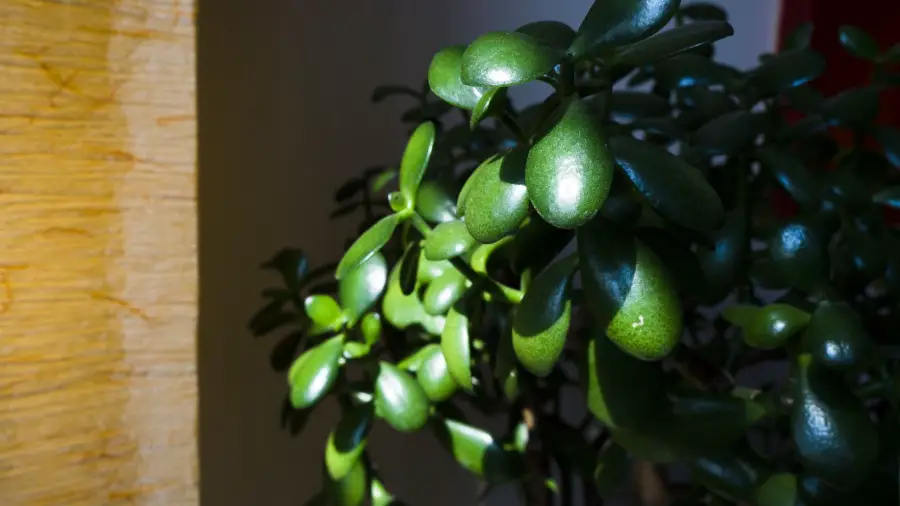
To bonsai a Jade Plant, prune regularly and select a suitable shallow pot. Ensure it receives ample sunlight and proper watering.
Creating a bonsai from a Jade Plant, Crassula ovata, requires both patience and creativity. Begin with a fresh, healthy plant or a well-rooted cutting. The key is diligent pruning to both the foliage and the roots; this miniaturization process demands precision and care.

Adequate light is critical for your bonsai’s development, so position it where it can bask in plenty of indirect sunlight. Choosing the right soil—free-draining and nutrient-rich—is essential. Water sparingly, allowing the soil to dry out between watering sessions to promote strong root growth. Regular wiring can guide the plant into your desired shape, but remember, the robust nature of Jade Plants may call for occasional readjustment. A successful bonsai Jade Plant is a testament to the grower’s effort and dedication, offering a stunning, living piece of art.
Table of Contents
The Allure Of Bonsai: The Jade Plant Edition
The art of bonsai captures nature’s beauty in miniature form. The Jade Plant Edition offers a unique twist on this ancient practice, blending tradition with the sturdy and elegant enchantment of jade plants.
The Ancient Art Meets The Robust Jade
Bonsai, the traditional Japanese craft of growing miniature trees, harmonizes with the jade plant’s resilience. These plants boast thick, luscious leaves and a strong structure, ideal for bonsai.
- Bonsai history dates back over a thousand years.
- Jade plants adapt well to the precise training of bonsai.
- With proper care, they can live for decades, even centuries.
Why Jade Plants Are Bonsai Favorites
Jade plants soar in popularity among bonsai enthusiasts for their low maintenance and aesthetic appeal. Their ease of care makes them perfect for beginners.
| Feature | Benefit |
|---|---|
| Thick Trunk | Mimics aged, woody appearance. |
| Succulent Leaves | Stores water, requiring less frequent watering. |
| Easy Propagation | New bonsais can grow from clippings. |
- Choose a healthy parent plant.
- Trim branches and shape over time.
- Re-pot judiciously to control growth.
Choosing Your Jade Plant
Delving into the world of bonsai, you may feel eager to start with a jade plant. Known for its resilience and beauty, the jade plant makes an excellent choice for beginners. Before you embark on this journey, selecting the right plant lays the foundation for your bonsai success. Let’s explore how to choose the best jade plant for your bonsai endeavors.
Attributes Of A Perfect Bonsai Candidate
Identifying the ideal jade plant for bonsai involves observing several key features:
- Sturdy trunk: A thick, woody stem acts as the backbone for your bonsai.
- Healthy leaves: Lush, green foliage signifies a well-cared-for plant.
- Compact roots: A robust root system supports growth and ease in potting.
- Proportional branches: Well-spaced branches allow for stylized shaping.
- Versatile growth pattern: A naturally upright plant ensures easier training.
Sources For Quality Jade Plants
Where you get your plant matters just as much as the plant itself:
| Source | Benefits |
|---|---|
| Nurseries: | Personal selection and expert advice. |
| Online stores: | Convenience and variety. |
| Bonsai specialists: | Quality specimens and specific expertise. |
| Local gardeners: | Adopting mature plants that are acclimatized. |
Remember, a healthy jade plant is the canvas for your bonsai masterpiece. Pick wisely and your bonsai journey will be filled with growth – quite literally!
Tools Of The Trade
The right tools transform the way you care for your bonsai jade plant. Bonsai enthusiasts cherish precision. This piece highlights two categories crucial for bonsai success. You’ll discover the must-have items that turn your jade into a miniaturized masterpiece.
Essential Bonsai Tools For Pruning And Shaping
To keep your jade bonsai perfectly pruned and shaped, you’ll need specific tools. These instruments are designed for detail and control. Here’s a rundown of what your toolkit should include:
- Bonsai Scissors: Crucial for precise cuts.
- Concave Branch Cutters: Helps heal pruning wounds with minimal scarring.
- Wire Cutters: For adjusting training wires without damaging branches.
- Bonsai Pliers: Twist wires and aids in branch removal.
- Knob Cutters: Create smooth cuts on trunk knobs.
- Root Rake and Tweezers: Maintain soil health and root care.
Supplies To Keep Your Jade Bonsai Thriving
Your jade bonsai needs more than just tools for cutting. Healthy growth stems from proper nourishment and care. Ensure you include these in your bonsai care arsenal:
| Supply | Purpose |
|---|---|
| Bonsai Soil: | Ensures proper drainage and support. |
| Fertilizer: | Feeds your jade bonsai with essential nutrients. |
| Humidity Tray: | Maintains moisture levels around the plant. |
| Watering Can with Fine Nozzle: | Provides gentle watering. |
| Bonsai Pot: | Houses your plant and completes the bonsai aesthetic. |
Cultivating Your Jade Bonsai
Starting your Jade Bonsai journey is an exciting venture. These resilient succulents adapt well to the art of bonsai. Through careful pruning and shaping, the Jade plant can become a stunning miniature tree. Below, we delve into the best practices to ensure your Jade Bonsai thrives, focusing on pruning techniques and shaping strategies.
Pruning Techniques For Balance And Aesthetics
Pruning is vital to maintain a Jade’s bonsai form. Begin by removing any dead or damaged leaves. Focus on creating a balanced look by thinning crowded areas. Always use sharp, clean tools to make precise cuts. Here’s a simple guide:
- Identify primary branches: Look for thicker, stronger branches to define structure.
- Trim secondary branches: Cut back to promote foliage closer to the trunk.
- Pinch off new growth: Encourage bushier growth by pinching tips.
Pruning should happen during active growth periods for the best results. Aim for a symmetrical canopy that mirrors a tree’s natural shape.
Shaping Strategies: Wiring And Trimming
Shaping goes hand in hand with pruning. Wiring helps to direct branch growth. Start with soft copper or aluminum wire. Gently wrap around branches and bend to desired positions. Wiring your Jade Bonsai properly involves:
- Selecting the correct wire diameter. It must support the branch without damage.
- Applying the wire snugly, but allow room for the branch to grow.
- Monitoring the growth, so the wire does not cut into the expanding branches.
Trimming complements wiring by managing foliage. For a natural appearance, trim leaves at varying lengths. Remember to remove wire after a few months. This prevents scarring the plant.
| Task | Tool | Frequency |
|---|---|---|
| Pruning | Bonsai Scissors | As Needed |
| Wiring | Copper/Aluminum Wire | Every Few Months |
| Trimming | Trimming Scissors | Regular Intervals |
Long-term Care For A Healthy Bonsai
Long-Term Care for a Healthy Bonsai is essential to maintain the miniature grandeur of your jade plant. With proper techniques and a touch of patience, your bonsai will flourish. This section unveils key practices for sustaining a robust jade bonsai.
Soil And Repotting: Best Practices
Employing the right soil and repotting routine is crucial. Here’s how:
- Use well-draining soil customized for succulents or cacti.
- Repotting should occur every two to three years to refresh the soil.
- Ensure the new pot is slightly larger than the current one.
- Trim roots carefully during repotting to encourage new growth.
- Post-repotting, wait a week before resuming watering to allow roots to heal.
Watering, Light, And Location: Keeping Your Jade Bonsai Vibrant
To keep your jade bonsai vibrant, give it the right amount of water, light, and a perfect spot.
| Watering | Light | Location |
|---|---|---|
| Water deeply but infrequently, allowing the soil to dry between watering. | Provide bright, indirect light for at least four hours daily. | Choose a stable location with consistent temperature and no drafts. |
Stick to these basics and watch your jade bonsai thrive, gracing your home or office with its timeless beauty.
Advanced Tips And Styling Techniques
Welcome to the deeper world of Bonsai, where your Jade Plant transforms from a simple potted plant into a miniature tree exuding age and wisdom. Advanced techniques can enhance its beauty and health. Let’s explore these artistic and horticultural methods.
Creating A Sense Of Age And Wisdom In Your Bonsai
Give your Bonsai a story to tell. Here’s how:
- Bend and twist the branches. This mimics the windswept trees in nature.
- Create fissures in the bark to suggest enduring years.
- Expose some roots to mirror ancient trees’ struggle for survival.
- Prune leaves and branches to reinforce a weathered silhouette.
Seasonal Care And Overcoming Common Challenges
Every season brings different needs for a Bonsai Jade. Stay prepared with these tips:
| Season | Care Tips | Challenges |
|---|---|---|
| Spring | Prune for growth. Use balanced fertilizer. | Overwatering risks. |
| Summer | Watch soil moisture. Protect from intense sun. | Leaf burn from heat. |
| Fall | Reduce watering. Start dormancy prep. | Fungal infections as moisture increases. |
| Winter | Keep warm and dry. Minimal watering. | Cold damage to roots. |
Proper care ensures your bonsai thrives all year. Tackle pests with neem oil. Balance watering based on the environment. Remember, less is often more with Bonsai. Keep these techniques in mind, and your Jade Bonsai will grow into an emblem of beauty and resilience.
(For more Bonsai Styling Tips : https://bonsainurserybd.com/bonsai-styling-tips/)
Showcasing Your Bonsai Masterpiece
When you’ve poured love and patience into creating a bonsai, it’s time to share it. Your jade bonsai is not just a plant; it’s a living sculpture. In “Showcasing Your Bonsai Masterpiece,” you’ll learn how to give your jade the limelight it deserves.
Display Considerations For Maximum Impact
To ensure your bonsai jade plant truly stands out, consider these elements:
- Lighting: A well-lit space highlights the intricate details of your bonsai.
- Stand: Choose a stand that complements but doesn’t overshadow your jade’s beauty.
- Background: A simple backdrop can make your bonsai pop.
- Angle: Display your plant at an angle that showcases its best features.
Joining The Bonsai Community: Exhibitions And Forums
Engage with fellow enthusiasts to learn and display your masterpiece:
- Find local bonsai exhibitions to enter your jade.
- Participate in online forums for feedback and tips.
- Attend bonsai workshops for direct learning.
- Document your journey on social media to connect with global admirers.
Frequently Asked Questions Of Best Way To Bonsai Jade Plant
What Is A Bonsai Jade Plant?
A Bonsai Jade Plant is a dwarfed Crassula ovata. It is meticulously pruned and trained into a miniature version of a tree, preserving its natural shapes and beauty on a smaller scale.
How To Start A Jade Bonsai?
To start a Jade Bonsai, select a healthy Crassula ovata cutting. Plant it in well-draining soil, provide sufficient light, and begin the training after it has established roots. Consistent watering and pruning are key to its growth.
What Soil Is Best For Jade Bonsai?
A mix of coarse sand, peat, and organic matter works best for Jade Bonsai. This ensures adequate drainage and aeration, which are crucial for preventing root rot and promoting healthy growth.
How Often To Water Jade Bonsai?
Water your Jade Bonsai when the topsoil feels dry, typically once a week. Overwatering can lead to root rot, so ensure the soil dries between watering sessions for optimal health.
Conclusion
Cultivating a bonsai jade plant offers both beauty and satisfaction. Mastering this art takes patience and care, reflecting the rich tradition of bonsai. With the right techniques, your jade can thrive, becoming a conversation piece in your home. Embrace the journey and watch your miniature tree flourish.
Happy bonsai crafting!
(For more Jade Plant Bonsai: https://hookedonbonsai.com/an-extensive-care-guide-for-jade-bonsai-tree/)