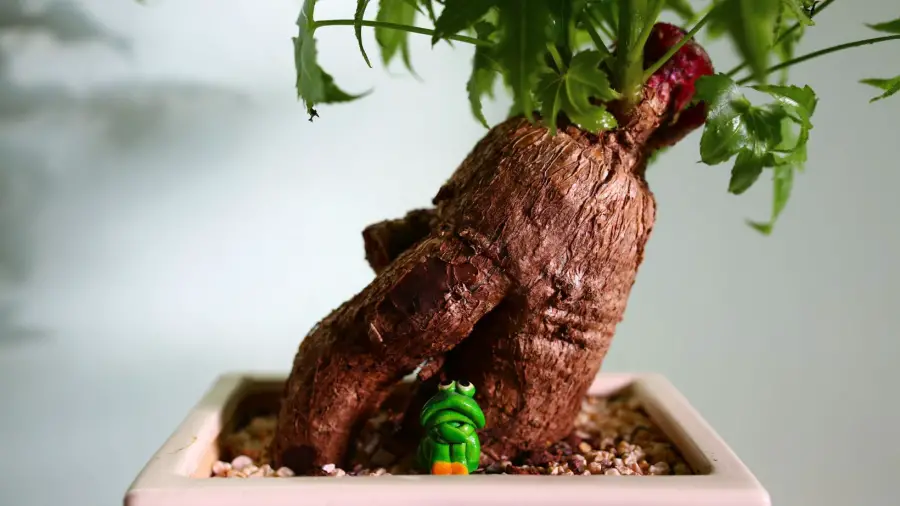
The Siberian Elm and Japanese Maple are excellent bonsai choices for cold climates. These species thrive in lower temperatures and can withstand frost.
Cultivating bonsai trees offers a unique blend of art, horticulture, and patience. As an enthusiast in cooler regions, selecting the right tree is crucial for success. The Siberian Elm, known for its durability, can handle the chill and even survive brief periods of snow.

Bonsai for Cold Climate: Similarly, the Japanese Maple, with its striking foliage, is also well-suited to colder weather and will bring a stunning change of colors with the seasons. These bonsai varieties, when carefully managed, will not only survive but flourish, giving a miniature reflection of nature’s resilience. Their ability to endure harsh winters makes them ideal for cold climate gardens, where other bonsai might falter. By focusing on species adapted to the cold, you can ensure a thriving bonsai display year-round.
Table of Contents
Cold Climate Challenges For Bonsai Enthusiasts
Bonsai enthusiasts in cold climates face unique challenges. Unlike their counterparts in milder regions, cold-weather bonsai cultivators must be diligent and creative to ensure the survival and beauty of these miniature trees.
Temperature Extremes And Bonsai Survival
Bonsai trees, like all plants, have ideal temperature ranges for optimal growth. Cold climates push these limits. The trees experience stress and damage if not protected from freezing temperatures.
- Short growing seasons affect tree development
- Frost can damage roots and foliage
- Insulation techniques are necessary for survival
Adapting Traditional Bonsai Techniques To Cold Weather
Traditional bonsai methods need a twist in cold climates. Adaptation and innovation help bonsai thrive in harsh winter conditions.
| Technique | Adaptation for Cold Weather |
|---|---|
| Watering | Less frequent, only when not frozen |
| Positioning | Sheltered areas to reduce wind chill |
| Winter Care | Use of cold frames or mulch for insulation |
By learning techniques tailored for cold weather, you can grow bonsai trees successfully, even in less-than-ideal climates.
Characteristics Of Hardy Bonsai Species
Bonsai trees evoke a sense of calm and beauty, drawing enthusiasts into the minute worlds they create. Not all bonsai can withstand the fierce chill of colder climates, though. Select species possess unique characteristics making them robust against the biting cold. Understanding these traits is critical for nurturing bonsai that will not only survive but thrive in cooler temperatures.
Identifying Cold-resistant Features
Certain features act as markers for cold hardiness in bonsai species. These include:
- Thick bark for insulation against frost
- Ability to enter dormancy, a sleep-like state during winter
- Flexible branches that resist breaking in snow or ice
- A robust root system that can withstand freezing temperatures
Species such as the Siberian Elm or Scots Pine are exemplary, boasting these essential traits.
Growth Patterns Of Hardy Bonsai Trees
Growth patterns of hardy bonsai play a pivotal role in their survival. These patterns include:
- Slower growth rates, reducing stress on the tree during cold spells
- Shorter internodes, leading to a denser structure that retains heat
- Leaves that can desiccate and fall off to conserve energy
By recognizing these patterns, caretakers can select and maintain bonsai that are well-suited for cold environments, ensuring their resilience throughout the winter season.
Top Hardy Bonsai Trees For Colder Regions
Embracing the beauty of Bonsai in colder climates is truly possible. Certain Bonsai trees not only endure but thrive in chillier regions. Let’s delve into the top hardy Bonsai trees that can weather the cold.
Siberian Elm: A Tough Survivor
The Siberian Elm, known for its robustness, is ideal for cold climates. Below are its notable features:
- Adapts well to freezing temperatures
- Can withstand temperature shifts
- Needs minimal winter care
| Feature | Details |
|---|---|
| Hardiness Zone | 4 to 9 |
| Weather Resistance | Wind, snow, and ice |
This survivor offers year-round interest with its peeling bark and elegant foliage.
Scotts Pine: Emblem Of Resilience
The Scotts Pine stands as a testament to endurance. It boasts the following traits:
- Favors cool environments
- Maintains health during dormancy
- Resists common cold-region pests
| Feature | Details |
|---|---|
| Hardiness Zone | 3 to 7 |
| Soil Preference | Well-drained, sandy |
Scotts Pine’s iconic needle-like leaves offer stunning green hues all year.
Caring For Bonsai In Low-temperature Zones
Bonsai trees bring nature’s splendor into our homes. But cold climates pose unique challenges. Proper care ensures these miniature wonders thrive despite the chill.
Winterizing Your Bonsai: Essential Steps
Cold weather demands special attention for bonsai trees.
Here’s how to keep them safe and healthy:
- Identify the species to know its cold tolerance.
- Gradually expose to lower temps to harden the tree.
- Use mulch to protect the roots from freezing.
- Move bonsai to a sheltered outdoor spot, if possible.
- Wrap pots with insulation to keep roots warm.
- Reduce watering, but prevent the soil from completely drying out.
Managing Light And Humidity Indoors
Winter months bring not just cold, but less light as well. Bonsai trees need adequate light to stay healthy indoors.
- Place your bonsai near a bright window.
- Consider grow lights for additional illumination.
- Humidity trays can increase air moisture around the tree.
- Water judiciously, ensuring no waterlogging.
- Misting the leaves occasionally will help with leaf moisture.
Consistent care makes all the difference for bonsai survival in cold climates.
Keep these tips in mind, and enjoy the beauty of bonsai year-round.
Case Studies
Exploring real-world examples helps us grasp the nuances of growing bonsai in cold climates. Let’s delve into stories of triumph and tales of trials that shed light on cultivating these miniature masterpieces amidst the chilly weather.
Success Stories From Chill Zone Bonsai Cultivators
Passionate bonsai enthusiasts in colder regions have shared their success stories.
- Siberian Elm Triumph: A cultivator in Minnesota aced the art of protecting the Siberian Elm, known for its hardiness.
- Scots Pine Resilience: In Canada, a Scots Pine thrived, showcasing strong adaptability to freezing temperatures.
- Larch Love: A gardener in Maine celebrated the elegant beauty of Larch that endures harsh winters with grace.
Learning From Failed Bonsai Projects In Cold Climates
Mistakes are often the best teachers. Our community has important lessons learned from failed bonsai projects.
- Tropical Trouble: Bonsai lovers learned not all tropical species can adapt well to sudden frosts, leading to loss of such plants.
- Overwintering Woes: Improper overwintering techniques resulted in a frost-damaged root system in several cases.
- Pot Problematics: Inadequate pot insulation sometimes led to soil freezing, proving to be a learning curve for enthusiasts.
Expanding Your Cold Climate Bonsai Collection
Embracing the challenge of growing bonsai in a cold climate can be incredibly rewarding. Those who delve into this hobby know the unique beauty of bonsai lies in their resilience and versatility. An expanded collection of cold-hardy bonsai species not only adds diversity to your personal collection but showcases your skill in cultivating these miniature wonders in less-than-tropical conditions.
Acclimating New Species
Acclimating new bonsai to your cold climate requires patience and attention. Start by introducing them to their new environment gradually. Shelter the bonsai from harsh winds and extreme temperatures at first. Consider using a cold frame or unheated greenhouse for the initial transition period.
Innovative Insulation Techniques For Root Protection
Protecting a bonsai’s root system in frigid weather is crucial. Employ innovative insulation techniques to safeguard these precious roots. Wrapping pots in insulating materials like burlap, utilizing mulch, and even burying pots in the ground can provide that much-needed layer of protection against the cold.
Here are some insulation methods to consider:
- Wrap pots with thermal foil to reflect cold away.
- Use heated mats below pots for consistent warmth.
- Place bonsai in a protected outdoor area, like a shed or garage, during extreme temperatures.
Frequently Asked Questions For Best Bonsai For Cold Climate
What Are The Best Bonsai For Cold Climates?
Cold climates suit hardy bonsai species like the Siberian Elm, Canadian Hemlock, and Norwegian Spruce. These varieties have adapted to lower temperatures and can survive outdoor winter conditions with some protection.
How Do You Care For Bonsai In Winter?
During winter, protect your bonsai by placing it in a cold frame or unheated garage. Ensure it receives light and stays above freezing. Water sparingly, as bonsai require less moisture during their dormancy period.
Can Bonsai Trees Survive Snow And Frost?
Yes, some bonsai trees can survive snow and frost. Species like the Juniper, Ponderosa Pine, and Scots Pine are resilient, but it’s crucial to provide appropriate winter care to prevent root damage.
What Bonsai Varieties Are Easiest To Maintain?
For cold climates, the Juniper, Siberian Elm, and Canadian Hemlock are among the easiest to maintain. They require minimal winter protection and adapt well to cooler temperatures.
Conclusion
Selecting the perfect bonsai for a cold environment can be a delightful challenge. Embrace species like the Siberian Elm or Japanese Maple to ensure resilience against the chill. Cultivate a piece of living art; let these cold-hardy bonsais bring serene beauty to your frosty garden landscape.
Remember, with the right care and choice, even the coldest climates can host these miniature natural wonders.
(To learn more about Bonsai in Different Climate: https://bonsainurserybd.com/bonsai-in-different-climates/)