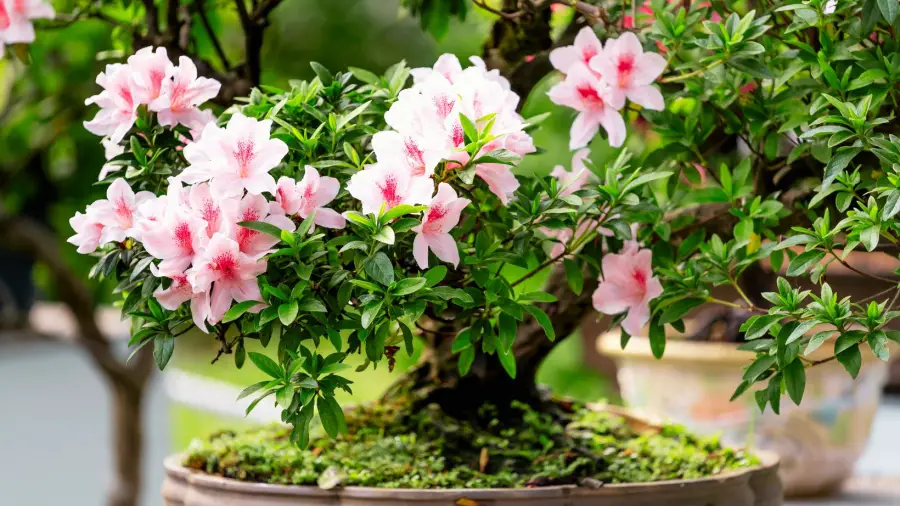
Bonsai artistry involves creating living sculptures by cultivating miniature trees with careful precision and artistic imagination. This ancient Japanese art form allows enthusiasts to harness the beauty and essence of nature in a miniature ecosystem, showcasing the harmony between humans and the natural world.
By meticulously shaping and nurturing these miniature trees, bonsai artists create unique and captivating works of living art that reflect their own creativity and vision. From selecting the right species and potting techniques to meticulous pruning and styling, bonsai artistry is a labor of love that requires patience, skill, and an understanding of the delicate balance between aesthetics and horticulture.
We will explore the fascinating world of bonsai artistry, its rich history, and the techniques involved in creating these magnificent living sculptures.

Exploring Different Tree Species For Bonsai
When it comes to the art of bonsai, the choice of tree species is crucial for creating stunning miniature masterpieces. Each tree species has its own unique characteristics, growth patterns, and requirements, which makes the selection process an exciting journey for bonsai enthusiasts. In this article, we will delve into the world of bonsai trees and explore the different species that are commonly used for bonsai artistry.
Deciduous Trees For Bonsai
Deciduous trees are known for their vibrant foliage and captivating seasonal changes. They shed their leaves in the fall, revealing elegant branches and intricate structures. Some popular deciduous tree species suitable for bonsai include:
- Japanese Maple (Acer palmatum): Renowned for its stunning leaf colors and delicate branch structures, the Japanese Maple is a prime choice for bonsai enthusiasts. Its graceful appearance and ability to tolerate container cultivation make it an excellent candidate for bonsai artistry.
- Chinese Elm (Ulmus parvifolia): The Chinese Elm is a hardy tree with fine leaves and interesting bark texture. It is prized for its adaptability and responsiveness to pruning and training techniques, making it an ideal candidate for beginners in the bonsai world.
- Crabapple (Malus spp.): Known for its charming spring flowers and petite fruits, the Crabapple tree offers a range of varieties suitable for bonsai. Its compact size and ability to develop intricate branch structures make it a favorite among bonsai artists.
Evergreen Trees For Bonsai
Evergreen trees retain their foliage throughout the year, providing a sense of permanence and year-round beauty to bonsai compositions. Some popular evergreen tree species suitable for bonsai include:
- Juniper (Juniperus spp.): Junipers are widely recognized and admired for their distinctive needle-like foliage and rugged, weathered appearance. These trees exhibit excellent tolerance to pruning and shaping, allowing bonsai artists to create dramatic and highly detailed compositions.
- Pine (Pinus spp.): Pines boast long, slender needles and a characteristic rugged bark. They symbolize strength and resilience in the bonsai world and are highly sought after for their striking silhouettes and unique growth patterns.
- Boxwood (Buxus spp.): Known for their small leaves and dense growth, Boxwoods are favored for creating traditional and formal bonsai styles. Their ability to tolerate hard pruning and compacting make them an attractive choice for bonsai artists.
Flowering Trees For Bonsai
Flowering trees add an enchanting touch to bonsai compositions, showcasing bursts of vibrant colors and delicate blossoms. Some popular flowering tree species suitable for bonsai include:
- Cherry Blossom (Prunus serrulata): Cherry Blossoms are celebrated for their graceful flowers that symbolize the arrival of spring. Their ethereal beauty and captivating fragrance make them a cherished choice for bonsai artistry.
- Azalea (Rhododendron spp.): Azaleas offer a wide variety of flower colors and sizes, making them a versatile choice for bonsai arrangements. Their showy blooms and ability to develop dense foliage make them a popular option among bonsai enthusiasts.
- Wisteria (Wisteria spp.): Known for their cascading clusters of fragrant flowers, Wisterias bring a touch of elegance and romance to bonsai compositions. Their graceful appearance and ability to produce long, woody stems make them a favorite among bonsai artists.
Considerations For Indoor Bonsai Trees
Indoor bonsai trees require specific care and attention due to the controlled environment they are grown in. When selecting tree species for indoor cultivation, it is important to consider their adaptability to lower light conditions and their ability to withstand indoor temperatures. Some popular tree species suitable for indoor bonsai include:
- Ficus (Ficus spp.): Ficus trees are renowned for their ability to thrive indoors and their forgiving nature when it comes to cultivation. They feature small leaves and attractive aerial roots, making them a popular choice for indoor bonsai.
- Serissa (Serissa foetida): Serissas are compact and beautiful evergreen shrubs that produce delicate white flowers. They are favored for their versatility indoors and their ability to tolerate lower light levels.
- Chinese Sweet Plum (Sageretia theezans): Also known as the “Fairy Plum,” this tree is loved for its small leaves and delicate white flowers. It adapts well to indoor conditions and is a great option for beginners in indoor bonsai cultivation.
Pruning And Shaping Bonsai Trees
When it comes to the art of bonsai, pruning and shaping are essential techniques that enable growers to transform ordinary trees into living sculptures. By carefully trimming and training the branches and roots, bonsai enthusiasts can create miniature trees that embody elegance, balance, and natural beauty. In this article, we will delve into the principles of pruning for bonsai trees, explore different pruning techniques, and discuss how wiring can be used to shape bonsai trees into desired forms.
Understanding Pruning Principles For Bonsai
Pruning is not simply a matter of randomly cutting branches off a bonsai tree. It requires a deep understanding of the tree’s growth patterns and the specific aesthetic goals the grower wants to achieve. When it comes to pruning principles for bonsai, there are a few key concepts to keep in mind:
- Encouraging Apical Dominance: Apical dominance refers to the phenomenon where the top bud of a branch or tree grows more vigorously compared to the lateral buds. By selectively pruning the dominant bud, bonsai artists can redirect the tree’s growth and promote branching in desired areas.
- Creating Taper: Taper is the gradual decrease in branch and trunk thickness as it extends towards the apex. By pruning back branches selectively, bonsai artists can create taper, which adds visual interest and a sense of harmony to the overall tree design.
- Applying Ergonomics: Bonsai artists need to consider the comfort of their own hand positions while pruning to ensure precision and accuracy. Holding the tools correctly and pruning in an ergonomic manner can help achieve clean cuts and minimize damage to the tree.
Different Pruning Techniques For Bonsai
There are various pruning techniques that bonsai artists employ to shape and refine their trees. These techniques are tailored to achieve different objectives and are chosen based on tree species, growth patterns, and desired aesthetics. Here are some of the commonly used pruning techniques:
- Branch Pruning: This technique involves removing unwanted branches to create a more balanced and refined tree structure. It helps in creating a visually pleasing canopy and allows light to penetrate deeper into the branches, promoting healthy growth.
- Root Pruning: Root pruning is crucial for maintaining the miniature size of bonsai trees and preventing root-bound conditions. By carefully trimming the roots, bonsai artists can preserve the tree’s health and ensure a well-distributed root system within the limited space.
- Leaf Pruning: Pruning leaves is done to maintain the desired scale and proportion of the bonsai tree. It helps in reducing leaf size, increasing ramification, and promoting finer foliage growth.
Shaping Bonsai Through Wiring Techniques
In addition to pruning, wiring is another valuable technique in bonsai artistry that allows growers to shape their trees according to their vision. By wrapping wire around branches and trunks, bonsai artists can influence the tree’s growth direction and position them in aesthetically pleasing shapes. Here are some key considerations when using wiring techniques:
- Choosing the Right Wire: The thickness and flexibility of the wire used in bonsai wiring are crucial considerations. The wire should be strong enough to hold the branches in place but not too thick that it leaves wire marks or damages the bark.
- Proper Application: Applying wire to bonsai trees requires precision and delicacy. The wire should be wrapped in a spiral motion along the branch, ensuring even tension. Care must be taken to avoid damaging the branches or constricting their growth.
- Timing and Removing the Wire: Bonsai artists need to monitor the growth of the tree regularly and remove the wire once it has served its purpose. Leaving wire on for too long can cause it to cut into the bark, harming the tree.
By combining pruning techniques with shaping through wiring, bonsai artists can create stunning living sculptures that beautifully mimic the grandeur of full-sized trees in miniature forms. These techniques require patience, skill, and an eye for artistic detail, but the end result is a living masterpiece that brings nature’s beauty into our homes.
Creating Aesthetic Appeal In Bonsai Art
Bonsai, the ancient art of growing miniature trees in pots, is not just a representation of nature but also an expression of artistry. The meticulous attention to detail and careful cultivation involved in bonsai art result in living sculptures that bring serenity and beauty to any space. In this blog post, we will explore the key principles of bonsai design, the importance of balancing form and proportion, and how to select the right container for bonsai display.
Understanding The Principles Of Bonsai Design
Creating a visually appealing bonsai requires a deep understanding of the principles that govern its design. Bonsai design follows specific guidelines to create harmony between the tree, its pot, and the overall composition. These guidelines include:
- Proper placement of branches, emphasizing asymmetry
- Finding a natural rhythm by following the tree’s growth pattern
- Avoiding overcrowding by removing excess foliage and branches
- Ensuring the root system is in balance with the tree’s proportions
By adhering to these principles, bonsai artists can create visually striking compositions that showcase the tree’s natural beauty.
Balancing Form And Proportion In Bonsai
The balance between form and proportion is crucial in bonsai art. Each component of the bonsai, including the trunk, branches, foliage, and roots, must be in harmony with the overall composition. The trunk should have an appropriate width, taper, and movement to create a sense of stability and aesthetic appeal. Branches should be well-distributed, with varying lengths and angles to create depth and visual interest. Foliage should also be balanced to maintain the tree’s overall proportions and allow the viewer’s eye to flow smoothly from the trunk to the branches. Achieving balance in form and proportion requires careful pruning and training over time.
Selecting The Right Container For Bonsai Display
The container, or pot, plays a significant role in the overall presentation of a bonsai. It not only provides a stable base but also contributes to the aesthetic appeal of the bonsai. When selecting a container, consider the following factors:
- Size: The size of the container should be proportionate to the tree’s overall dimensions, ensuring a harmonious visual balance.
- Material: The material of the container can vary, including ceramic, porcelain, or even natural stone. Each material carries its unique characteristics and can enhance the overall aesthetic of the bonsai.
- Color and Texture: The color and texture of the container should complement the tree, creating a cohesive and visually pleasing display.
- Shape: The shape of the container can enhance certain aspects of the bonsai’s design. Traditional rectangular or oval containers are commonly used, but experimenting with unconventional shapes can add a contemporary touch.
By carefully considering these factors, bonsai enthusiasts can choose the right container that enhances the overall aesthetic appeal of the living sculpture.
Understanding Bonsai Care Basics
When it comes to bonsai artistry, the key to success lies in understanding the basic principles of caring for these delicate miniature trees. Mastering the art of bonsai requires patience, precision, and a deep appreciation for nature’s beauty. In this section, we will explore the essential aspects of bonsai care, including watering techniques, proper placement and lighting, as well as feeding and nutrition for your bonsai trees.
Watering Techniques For Bonsai Trees
Water is the essence of life, and bonsai trees are no exception. To maintain the health and vitality of your living sculpture, it is crucial to master the art of proper watering. Here are a few key watering techniques to keep in mind:
- Ensure that your bonsai tree is potted in well-draining soil to prevent waterlogging. This allows excess water to flow freely and prevents the roots from becoming waterlogged, which can lead to root rot.
- Monitor the moisture levels of the soil by inserting your finger about an inch deep. If it feels slightly dry, it’s time to water your bonsai. However, if it feels damp, withhold watering until the soil dries out a bit.
- When watering your bonsai, avoid drenching the foliage and instead focus on saturating the soil evenly. Slowly pour water across the entire soil surface until it starts to escape through the drainage holes.
- During the warmer months, when the evaporation rate is higher, you may need to water your bonsai more frequently. Conversely, during colder months, the watering frequency may be reduced as the tree’s growth slows down.
Proper Placement And Lighting For Bonsai
The placement and lighting conditions of your bonsai have a significant impact on its overall health and growth. Here are some key factors to consider:
- Select a suitable location for your bonsai that offers the right amount of light. Most bonsai thrive in bright, indirect sunlight. However, different species have specific light requirements. Some prefer partial shade, while others require full sun exposure. Research and understand the lighting needs of your bonsai species to ensure optimal growth.
- Rotate your bonsai regularly to prevent it from leaning towards the light source. By promoting even exposure to sunlight, you can maintain a balanced and symmetrical growth pattern.
- Be mindful of extreme temperature fluctuations. Bonsai trees, like their larger counterparts, have their limits when it comes to temperature tolerance. When placing your bonsai indoors, ensure it is away from drafts, heating vents, and air conditioning units.
- If you plan to keep your bonsai outdoors, be aware of the climate in your region. Some species may need protection from frost or excessive heat. Consider placing them in a sheltered area or using protective covers during extreme weather conditions.
Feeding And Nutrition For Bonsai Trees
Feeding your bonsai trees with the right nutrients is essential for their growth and longevity. Here are some tips to keep in mind:
- Use a balanced, slow-release fertilizer formulated specifically for bonsai. This type of fertilizer provides a gradual release of nutrients over time, ensuring steady and sustained growth.
- Follow the recommended dosage instructions provided by the fertilizer manufacturer. Overfertilizing can lead to root burn and damage, while underfertilizing may result in weak growth and yellowing leaves.
- During the growing season, typically spring to autumn, increase the frequency of fertilizing to support the tree’s increased nutrient requirements. In contrast, reduce or cease fertilization during the winter months when the tree is in its dormant phase.
- Consider supplementing your bonsai’s diet with organic matter such as compost or worm castings. These natural additives enrich the soil with beneficial microorganisms, improving overall soil health and nutrient absorption.
By mastering the art of proper bonsai care, you can ensure the health, beauty, and longevity of your living sculptures. Each aspect, from watering techniques to proper placement and nutrition, contributes to the overall vitality of your bonsai trees. Stick to these basics, and watch your miniature masterpiece thrive and enchant for years to come.
Addressing Common Bonsai Care Challenges
Discover effective solutions to common challenges in bonsai care. Learn how to master the art of creating living sculptures with miniature trees, exploring the intricate world of bonsai artistry.
Addressing Common Bonsai Care Challenges
Bonsai artistry is a true labor of love. The care and attention given to these miniature trees is what sets them apart as living sculptures. However, like any other form of gardening, bonsai enthusiasts encounter common challenges when it comes to caring for their bonsai trees. In this section, we will explore some of the most common bonsai care challenges and provide practical tips on how to address them.
Dealing With Pests And Diseases In Bonsai
Pests and diseases can wreak havoc on bonsai trees if left untreated. To ensure your bonsai trees stay healthy and vibrant, it is important to promptly address any signs of infestation or disease. Here are a few tips to help you deal with pests and diseases in bonsai:
1. Identify the problem: When you notice abnormal growth, discoloration, or pests on your bonsai tree, start by identifying the issue. Look closely at the leaves, branches, and trunk to determine the specific pest or disease affecting your tree.
2. Introduce natural predators: One effective way to control pests in bonsai is by introducing natural predators. Ladybugs, praying mantises, and beneficial nematodes can help keep harmful insects in check, without the need for harsh pesticides.
3. Prune affected areas: If you notice any branches or leaves that are heavily infested or diseased, prune them off. This will not only prevent further spread but will also allow the plant to redirect energy towards healthy growth.
4. Use organic pest control methods: In case the infestation is severe, you can consider using organic pest control methods such as neem oil, insecticidal soaps, or horticultural oils. Always follow the manufacturer’s instructions and be careful not to apply pesticides directly to the bonsai’s soil.
Managing Root Growth In Bonsai
Root growth is a critical aspect of bonsai care. Controlling and managing the growth of roots is essential to maintain the aesthetic appeal and health of the tree. Here are a few tips to help you manage root growth in bonsai:
1. Regular root pruning: Bonsai trees have limited space for root growth, so regular pruning is necessary to keep the roots in check. Carefully prune the roots during the tree’s dormant period, removing any damaged or overly long roots to maintain a healthy root system.
2. Repotting: Repotting is an important technique to control root growth and refresh the soil nutrients. Repotting should be done every 1-2 years, depending on the tree’s growth rate. When repotting, gently remove old soil from the roots, trim them, and replant the tree in fresh bonsai soil.
3. Using root control barriers: Another method to manage root growth is by using root control barriers. These barriers are placed at the bottom of the bonsai pot to prevent root growth beyond a certain point. This allows you to maintain the size and shape of the bonsai tree’s root system.
Preventing Winter Damage To Bonsai Trees
Winter can be a challenging time for bonsai trees, as extreme cold temperatures and frost can cause damage. To ensure your bonsai trees survive the winter season, here are some tips to prevent winter damage:
1. Provide winter protection: Before the first frost, it is essential to protect your bonsai trees from extreme cold. Move them to a sheltered area, such as a greenhouse or an unheated garage, where they can be shielded from harsh winter conditions.
2. Insulate the roots: Insulate the roots of your bonsai tree by adding an extra layer of mulch or wrapping the pot in burlap. This will help protect the roots from freezing temperatures and keep them warm throughout the winter.
3. Reduce watering: During the winter months, bonsai trees enter a dormant phase, and their water requirements decrease. Reduce watering frequency but ensure the soil does not completely dry out. This will prevent root rot and other water-related issues.
4. Avoid pruning: Winter is not the ideal time for pruning bonsai trees. Pruning stimulates new growth, which is vulnerable to freezing temperatures. It is best to wait until spring when the tree is actively growing to prune.
By addressing common challenges like pests and diseases, managing root growth, and preventing winter damage, you can ensure the health and longevity of your bonsai trees. With proper care and attention, your living sculptures will continue to thrive and bring beauty to your living space.
Participating In Bonsai Exhibitions And Competitions
Discover the captivating world of bonsai exhibitions and competitions. Explore the artistry of creating living sculptures with miniature trees, a unique blend of horticulture and artistic creativity. Gain insights into the meticulous techniques and dedication required to master this ancient Japanese art form.
Bonsai exhibitions and competitions are exciting events where bonsai enthusiasts come together to showcase their artistic creations and connect with fellow artists. These events not only provide an opportunity to exhibit your bonsai to a wider audience but also offer a platform to learn, gain inspiration, and receive valuable feedback from experienced judges and visitors.
Preparing Your Bonsai For Display
When preparing your bonsai for display at an exhibition or competition, it is crucial to ensure that your miniature tree is in its best possible condition. Here are some tips to help you get your bonsai ready for the big day:
- Inspect your bonsai thoroughly, checking for any signs of disease, pests, or weak branches. Address any issues promptly to ensure your bonsai looks healthy and vibrant.
- Trim and prune your bonsai to refine its shape and maintain its desired proportions. This will help enhance the overall aesthetic appeal of your creation.
- Ensure that the pot or container of your bonsai is clean and free from any debris. A well-chosen pot can also complement the overall beauty of your bonsai and add to its visual impact.
- Consider adding decorative elements such as accent plants, rocks, or figurines to create a visually pleasing display. However, make sure these elements do not distract from the focal point, which should be your bonsai.
Tips For Presenting Your Bonsai To Judges And Visitors
Presenting your bonsai effectively is key to making a lasting impression on both judges and visitors. Here are some tips to help you showcase your bonsai with confidence:
- Choose a suitable display stand or table that complements the size and style of your bonsai. This will elevate its presentation and make it more eye-catching.
- Ensure that the lighting is suitable to highlight the unique features and intricate details of your bonsai. Soft and diffused lighting can create a pleasant ambiance for the viewer.
- Position your bonsai carefully, considering the angles from which it will be viewed. Showcase its best side and emphasize its unique characteristics and artistic design.
- Provide clear and concise information about your bonsai, including its species, age, and any notable techniques or challenges involved in its creation. This will help judges and visitors appreciate the artistry and effort behind your miniature tree.
Learning From Fellow Bonsai Artists And Enthusiasts
Bonsai exhibitions and competitions offer a wonderful opportunity to learn from experienced bonsai artists and fellow enthusiasts. Interacting with others who share the same passion can be an enriching experience. Here’s how you can make the most of these events:
- Engage in conversations with other bonsai artists and enthusiasts to exchange ideas, techniques, and experiences. These interactions can inspire new approaches and foster creativity.
- Attend workshops, demonstrations, and lectures conducted by experienced bonsai artists. Learning from their expertise and observing their techniques can greatly enhance your own bonsai skills.
- Seek feedback and advice from judges and experts. Their constructive criticism and valuable insights can help you refine your bonsai techniques and improve as an artist.
- Participate in bonsai-related activities such as group discussions, bonsai styling contests, and tree critiques. These activities provide opportunities for growth, networking, and building lasting connections in the bonsai community.
Sharing Your Bonsai Journey: Engaging The Bonsai Community
Engaging with the bonsai community is an essential step in your bonsai journey. By sharing your experiences, learning from experienced enthusiasts, and contributing to the knowledge pool, you can delve deeper into the art of bonsai. In this section, we will explore three ways to actively engage with the bonsai community: joining bonsai clubs and associations, attending bonsai workshops and demonstrations, and contributing to bonsai forums and online communities.
Joining Bonsai Clubs And Associations
One of the best ways to immerse yourself in the bonsai community is by joining bonsai clubs and associations. These organizations provide a support network of fellow enthusiasts who can guide and inspire you along your bonsai journey. Being part of a bonsai club allows you to:
- Connect with like-minded individuals who share your passion for bonsai.
- Participate in bonsai shows and exhibitions to showcase your own creations and learn from others.
- Attend guest lectures and demonstrations by renowned bonsai artists, expanding your knowledge and skills.
- Access a wealth of resources, such as books, magazines, and specialized tools that are typically available exclusively to members.
Attending Bonsai Workshops And Demonstrations
Attending bonsai workshops and demonstrations is an excellent opportunity to learn from experienced bonsai masters. These events are usually conducted by renowned artists and offer hands-on learning experiences. Here’s why attending these workshops can be beneficial:
- You can observe and learn various techniques, including pruning, wiring, and styling, directly from experts.
- You have the chance to ask questions and seek personalized guidance on specific bonsai issues you may be facing.
- You get to interact with fellow participants who may have unique perspectives and insights to share.
- You can witness the creation of bonsai masterpieces and gain inspiration for your own creations.
Contributing To Bonsai Forums And Online Communities
The internet has made it easier than ever to connect with bonsai enthusiasts worldwide. Contributing to bonsai forums and online communities allows you to seek advice, share your knowledge, and learn from the experiences of others. Here’s why participating in these digital platforms can be worthwhile:
- You can post pictures of your bonsai creations and receive feedback from a global community of bonsai enthusiasts.
- You can join discussions on various bonsai topics, such as advanced techniques, species-specific care, and problem-solving.
- You can connect with experienced bonsai practitioners who may offer valuable advice and recommendations.
- You can stay up-to-date with the latest trends and developments in the bonsai world.
By engaging with bonsai clubs, attending workshops, and contributing to online communities, you will not only enhance your bonsai knowledge and skills but also build meaningful relationships with fellow bonsai enthusiasts. Remember, sharing your bonsai journey with the community is a two-way street. The more you contribute, the more you will gain from this incredible art form.
Frequently Asked Questions For “bonsai Artistry: Creating Living Sculptures With Miniature Trees”
Q: What Are The Benefits Of Creating Bonsai Sculptures With Miniature Trees?
A: Creating bonsai sculptures with miniature trees can bring numerous benefits. It allows for artistic expression, cultivates patience and mindfulness, provides stress relief, connects with nature, and enhances one’s horticultural skills.
Q: How Do You Choose The Right Tree For Bonsai Artistry?
A: When choosing a tree for bonsai artistry, consider its species, size, shape, and the overall style you wish to achieve. Opt for trees with small leaves, flexible branches, and interesting trunks. Research the specific needs and preferences of the selected tree species to ensure successful cultivation.
Q: What Are The Key Factors To Consider When Styling A Bonsai Sculpture?
A: Key factors to consider when styling a bonsai sculpture include the tree’s natural shape, balance, branch structure, and proportion. Additionally, analyze the overall aesthetic flow and harmony, considering factors such as branch positioning, apex definition, and negative space.
Q: How Often Should Bonsai Trees Be Watered?
A: The watering frequency for bonsai trees depends on factors such as tree species, pot size, climate, and soil composition. Generally, check the soil moisture level regularly by inserting a finger, and water when the top layer feels slightly dry.
Avoid overwatering or letting the soil dry out completely.
Conclusion
In essence, bonsai artistry offers a unique and fascinating way to create living sculptures through the meticulous care and cultivation of miniature trees. By employing techniques such as pruning, wiring, and shaping, enthusiasts can transform these trees into awe-inspiring creations that reflect their own personal style and vision.
Through the dedication and patience required, bonsai truly becomes an art form that allows one to connect with nature and express their creativity. So why not embark on this artistic journey and create your own captivating bonsai masterpiece? The possibilities are endless!