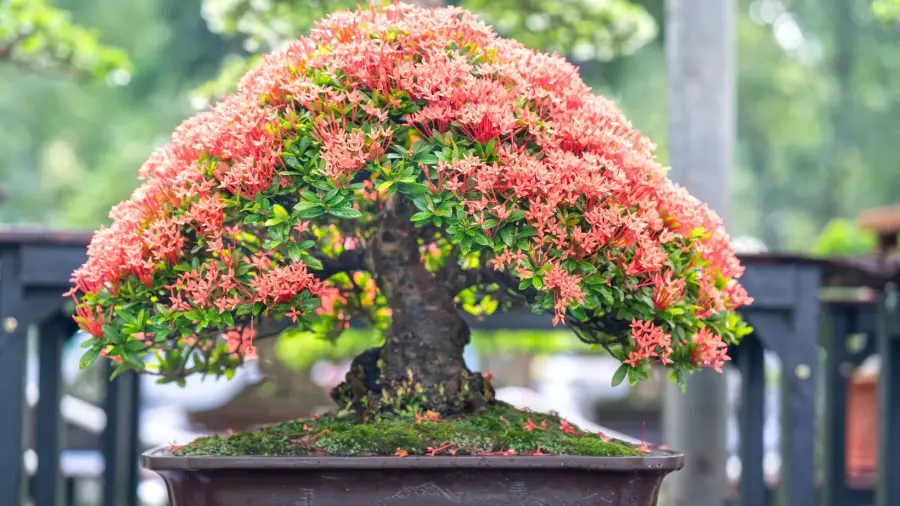
bonsai-trees

Are Bonsai Trees Hard to Take Care Of? A Comprehensive Guide

Introduction

Bonsai trees are a captivating and elegant addition to any space, bringing a touch of nature’s artistry indoors. The art of cultivating bonsai involves careful and deliberate pruning, shaping, and nurturing of miniature trees. Many enthusiasts, especially beginners, often wonder, “Are bonsai trees hard to take care of?” n this guide, we will explore the realm of taking care of bonsai trees, uncovering both the delights and difficulties inherent in nurturing these miniature marvels.

bonsai-trees

Bonsai Trees: A Miniature Natural Wonder

Bonsai trees are not only ornamental plants; they are living sculptures that require a delicate balance of care and attention. Their unique charm lies in their ability to replicate the grandeur of full-sized trees on a small scale. From the mighty oak to the elegant cherry blossom, bonsai trees encompass a diverse range of species, each with its own specific care requirements.

The Delicate Balance: Bonsai Care Basics

Taking care of bonsai trees involves a blend of art and science. While it’s true that these miniature trees demand specialized care, it’s not an insurmountable task, especially with the right knowledge. Here are some key aspects to consider when caring for bonsai trees:

1. Choosing the Right Species

Selecting the appropriate tree species for your environment and skill level is crucial. Some species are hardier and more forgiving, making them ideal for beginners. Consider species like the Ficus or Juniper, which are known for their resilience.

2. Light and Temperature

Bonsai trees need the right balance of sunlight and shade. Place them near a window with indirect sunlight, as harsh sunlight can scorch their leaves. Additionally, be mindful of temperature fluctuations, as extreme cold or heat can stress the tree.

3. Watering Wisely

Proper watering is essential for bonsai care. The frequency of watering depends on factors such as the species, size of the pot, and weather conditions. It’s best to water thoroughly when the top inch of soil feels dry.

4. Pruning and Shaping

Regular pruning is necessary to maintain the bonsai’s desired shape and size. This helps channel the tree’s energy into growth where needed. Pruning during the dormant period of bonsai trees helps mitigate stress and promote healthy care.

5. Soil and Repotting

Quality soil ensures the proper drainage and aeration required for healthy root growth. Repotting every two to three years helps refresh the soil and prevent root binding.

Common Challenges and How to Overcome Them

While bonsai care can be rewarding, it comes with its share of challenges. Addressing these challenges promptly can contribute to the long-term health and beauty of your bonsai tree:

– Pests and Diseases

Bonsai trees can fall victim to pests and diseases, affecting their vitality. Stay vigilant for prevalent pests such as aphids and spider mites when caring for bonsai trees. Treat infestations promptly using natural or chemical solutions.

– Under or Over-Watering

One of the notable blunders in bonsai trees’ care is incorrect watering. Over-watering can result in root rot, whereas under-watering can induce dehydration. Establish a consistent watering routine and adjust based on the tree’s needs.

– Shaping Struggles

Shaping a bonsai tree requires patience and skill. Beginners might find it challenging to achieve the desired form. Taking a bonsai shaping workshop or seeking guidance from experienced enthusiasts can be immensely helpful.

– Winter Care

Winter can be particularly challenging, as the cold weather and dry indoor air can stress bonsai trees. Consider moving them to a sheltered area or using humidity trays to mitigate the effects of dry air.

Expert Tips for Bonsai Success

Achieving bonsai mastery takes time, but the journey is rewarding. Here are some expert tips to enhance your bonsai care skills:

  1. Study Your Species: Understand the specific needs of your chosen species to tailor your care routine accordingly.
  2. Patience Is Key: Bonsai trees grow slowly, and shaping them takes time. Exercise patience and enjoy the gradual transformation.
  3. Learn from Others: Join bonsai clubs, forums, and workshops to learn from experienced growers and share your experiences.
  4. Consistency Matters: Consistent care routines, from watering to pruning, are crucial for bonsai health.
  5. Adapt and Adjust: As seasons change, adapt your care routine to accommodate the tree’s evolving needs.
bonsai-trees-care-guide

FAQs

Q: Can I keep a bonsai tree indoors?

A: Yes, many bonsai species can thrive indoors, provided they receive adequate light and care.

Q: How often should I fertilize my bonsai?

A: Fertilize your bonsai every two to four weeks during the growing season, using a balanced fertilizer.

Q: Can bonsai trees be grown from seeds?

A: While it’s possible, growing bonsai from seeds requires more time and expertise. Most enthusiasts prefer starting with young plants or pre-bonsai trees.

Q: Is bonsai shaping difficult for beginners?

A: Shaping bonsai requires practice, but with guidance and patience, beginners can achieve pleasing results.

Q: Are bonsai trees expensive to maintain?

A: While there are costs associated with tools, pots, and occasional workshops, bonsai care can be tailored to fit various budgets.

Q: Can I create my own bonsai pot?

A: Crafting bonsai pots requires skill and knowledge of pottery. It’s recommended to start with commercially available pots.

Conclusion

In conclusion, bonsai trees are a delightful endeavor that combines horticulture and artistry. While they do require attention and care, the question “Are bonsai trees hard to take care of?” need not discourage aspiring bonsai enthusiasts. With a genuine passion for these miniature wonders, a willingness to learn, and the expert advice provided in this guide, anyone can master the art of bonsai care. So, roll up your sleeves, gather your tools, and embark on a rewarding journey of nurturing these captivating living sculptures.
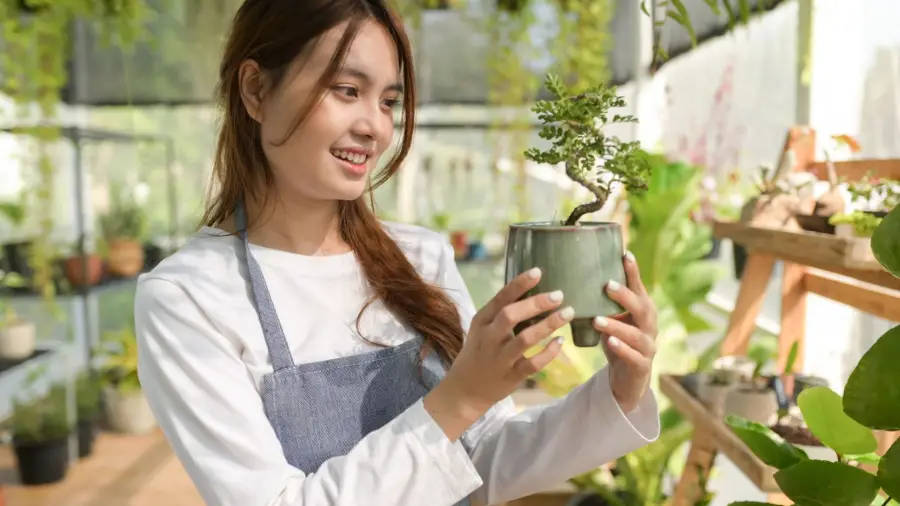
bonsai trees hard to take care of

Are Bonsai Trees Hard to Take Care Of?

Bonsai trees are known for their exquisite beauty and the artistry involved in their cultivation. These miniature trees have captivated the hearts of people around the world, but there is often a lingering question: Are bonsai trees hard to take care of? In this comprehensive guide, we will explore the world of bonsai care and provide you with all the information you need to successfully nurture and maintain these delicate living sculptures.

bonsai trees hard to take care of

Are Bonsai Trees Hard to Take Care Of?

Taking care of bonsai trees requires a certain level of dedication and knowledge. While they may seem challenging to care for, with the right guidance and a little practice, anyone can successfully grow and maintain bonsai trees. It’s important to remember that bonsai care is a continuous process that requires regular attention and care. So, let’s dive into the specifics of bonsai care and discover how you can master the art of nurturing these enchanting trees.

Table of Contents

Understanding Bonsai Trees

Before delving into the details of caring for bonsai trees, it’s essential to understand what exactly they are. Bonsai is a Japanese art form that involves cultivating small trees in containers to mimic the shape and scale of full-sized trees found in nature. The term “bonsai” in Japanese directly translates to “planted in a container”. Bonsai trees are not a specific species but rather a representation of various tree species through careful cultivation and shaping techniques.

The Art of Bonsai Care

Choosing the Right Bonsai Tree

When starting your bonsai journey, selecting the right tree is crucial. Different species of trees have different care requirements, so it’s important to choose a tree that suits your environment and level of expertise. Some popular choices for beginners include the Juniper, Chinese Elm, and Ficus species. These trees are more forgiving and easier to care for, making them ideal for those new to bonsai.

Providing Adequate Lighting

One of the key factors in bonsai care is providing the appropriate amount of light. Bright, indirect sunlight is ideal for the optimal growth and well-being of most bonsai trees. Placing your bonsai near a south-facing window or providing supplemental artificial lighting can ensure they receive the necessary light for healthy growth. However, it’s important to avoid exposing your bonsai to direct sunlight for extended periods, as it can lead to leaf burn.

Watering with Precision

Ensuring proper watering is crucial to maintain the health and vitality of your bonsai tree. The watering needs of bonsai trees can vary depending on factors such as the species, size of the tree, and the climate in which you live. As a general rule, it’s important to check the moisture level of the soil regularly and water your bonsai when the topsoil starts to feel slightly dry. Avoid overwatering, as it can lead to root rot, and underwatering, as it can cause dehydration.

Nurturing the Soil and Fertilizing

The soil composition plays a vital role in the overall health of your bonsai tree. Bonsai trees require a well-draining soil mixture that retains some moisture while allowing excess water to escape. You can create a suitable soil mixture by combining components such as Akadama, pumice, and lava rock. Additionally, fertilizing your bonsai tree at the appropriate times throughout the year will provide it with the necessary nutrients for optimal growth and vitality.

Pruning and Shaping Techniques

Pruning and shaping are integral aspects of bonsai care and are used to maintain the desired form and proportions of the tree. Regular pruning helps to control the growth of the tree and encourages back budding, which leads to the development of new branches. Additionally, wiring techniques can be employed to shape and position the branches and trunk of the bonsai tree, creating the desired aesthetic appeal.

FAQs (Frequently Asked Questions)

Can bonsai trees be kept indoors?

Yes, bonsai trees can be kept indoors, but it’s important to choose species that are suitable for indoor conditions. Trees such as the Ficus or the Chinese Elm can adapt well to indoor environments. However, it’s crucial to provide them with adequate light and maintain proper humidity levels.

How often should I water my bonsai tree?

The watering frequency for bonsai trees depends on various factors such as species, size, and climate. As a general guideline, it’s recommended to water your bonsai tree when the topsoil starts to feel slightly dry. However, it’s essential to monitor the moisture level regularly and adjust your watering routine accordingly.

Do bonsai trees require special soil?

Yes, bonsai trees require a well-draining soil mixture that promotes healthy root development. A typical bonsai soil mixture consists of components like Akadama, pumice, and lava rock. This mixture allows for proper water drainage while retaining some moisture necessary for the tree’s health.

Can I shape my bonsai tree?

Yes, shaping your bonsai tree is an important aspect of bonsai care. Techniques such as pruning, wiring, and clipping can be used to shape the branches and trunk, giving your bonsai tree the desired form and aesthetic appeal.

What is the typical time frame for a bonsai tree to reach maturity?

The time it takes for a bonsai tree to mature depends on various factors, including the species, growth rate, and care provided. Some bonsai trees can take several years to develop the desired characteristics, while others may take decades. Patience is a key virtue when it comes to bonsai cultivation.

Can I repot my bonsai tree?

Yes, repotting is an essential part of bonsai care. Repotting allows for root pruning, replenishing the soil, and ensuring the overall health of the tree. It’s typically done every 2-3 years, depending on the growth of the tree and the condition of the root system.

Conclusion

In conclusion, while bonsai care requires dedication and knowledge, it is not an impossible task. With the right guidance and a commitment to learning, anyone can successfully take care of bonsai trees. Remember to choose the right tree, provide adequate lighting and water, nurture the soil, and utilize pruning and shaping techniques to maintain the desired form. Bonsai trees are living works of art that reward their caretakers with immense beauty and a sense of accomplishment. So, embrace the art of bonsai and let these captivating trees bring joy and tranquility to your life.