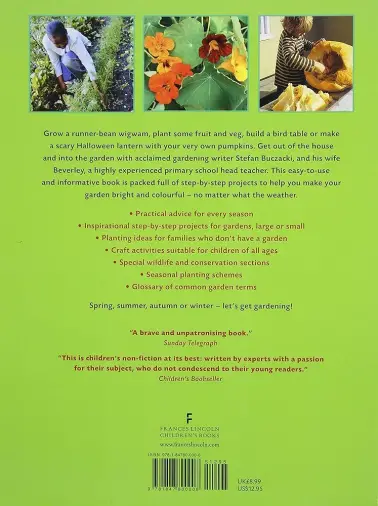
Plant cool-season crops like peas and leafy greens in spring, and heat-loving vegetables such as tomatoes in summer. Opt for root vegetables in fall, and in winter, focus on indoor herbs or planning your next season’s garden.
Creating a bountiful garden requires understanding what to plant throughout the year. Spring’s mild weather is perfect for starting a variety of vegetables and flowers that can tolerate cooler temperatures. Summer’s heat calls for crops that thrive under the sun’s intense rays, making it an ideal time for planting robust vegetables and radiant flowers.
Seasonal Gardening: As the crisp air of fall sets in, it’s time to sow seeds for root vegetables and hearty greens that can withstand the first frosts. Winter might seem like a time of dormancy, but it’s actually an excellent opportunity to grow select herbs indoors or to meticulously plan for the upcoming gardening year. Each season brings its own set of gardening opportunities, and with the right planning, you can enjoy a continuous harvest.
Table of Contents
Introduction To Seasonal Gardening
Seasonal gardening aligns planting with natural weather cycles. This method boosts plant growth and optimizes care. By following the earth’s rhythms, gardeners can maximize yield and health of their plants.
Year-round gardening requires understanding what to plant in each season. It reduces pest issues and improves soil quality. Each season offers unique opportunities and challenges, making gardening a rewarding activity throughout the year.
Credit: gluesticksblog.com
Winter Gardening: Embracing The Cold
Winter Gardening: The cold season demands smart plant choices. Hardy perennials like hellebores or witch hazel withstand frost. Evergreens keep gardens lively. Winter veggies such as kale and Brussels sprouts thrive in cooler temperatures.
Protecting Plants from Frost involves layers for warmth. Use mulch to shield roots. Wrap delicate shrubs in burlap. Greenhouses or cold frames offer the best defense against freezing.
Indoor Gardening brightens homes. Start an herb garden on your windowsill. Houseplants like snake plants or peace lilies purify air. Grow microgreens or chili peppers for a taste of summer.
Spring Planting: Awakening Your Garden
Spring awakens the garden, beckoning a flurry of activity for gardeners. Soil preparation is the first crucial step. Begin by clearing debris and weeding to make way for new plants. Aerate the soil to ensure it’s loose and oxygenated.
Next, incorporate a quality fertilizer rich in nitrogen. This will kick-start plant growth after the cold winter months. Compost also enriches the soil, providing a nutrient boost for spring plantings.
As for planting, spring is ideal for sowing seeds of vegetables like lettuce and radishes. Flowers such as tulips and daffodils also thrive when planted in spring. Start these indoors if frost threatens.
It’s also time to watch for pests and diseases. Regularly inspect plants for signs of trouble. Organic pesticides and fungicides can help protect young sprouts without harming the environment.
:max_bytes(150000):strip_icc()/how-to-start-a-garden-from-scratch-2132778-hero-5f6138784a034bad8bf9607ccb18dbed.jpg)
Summer Maintenance: Managing Growth And Heat
Proper irrigation techniques are vital during hot weather to keep plants thriving. Drip irrigation or soaker hoses offer efficient water delivery. These methods reduce water waste and help roots absorb moisture better. For best results, water early in the morning.
Regular pruning ensures summer crops grow healthy and produce more. Cut off dead or overgrown branches to improve air circulation. This step also helps in managing plant size and shape. Harvesting crops at the right time is key. Pick fruits and veggies when they’re ripe to enjoy the freshest taste.
Summer flower care includes deadheading, which encourages new blooms. Always water flowers at the base to prevent leaf diseases. Use mulch to keep the soil cool and moist. Remember, some flowers need shade to protect them from the harsh sun. Providing partial shade can help them last longer.
Fall Activities: Preparing For The End Of The Growing Season
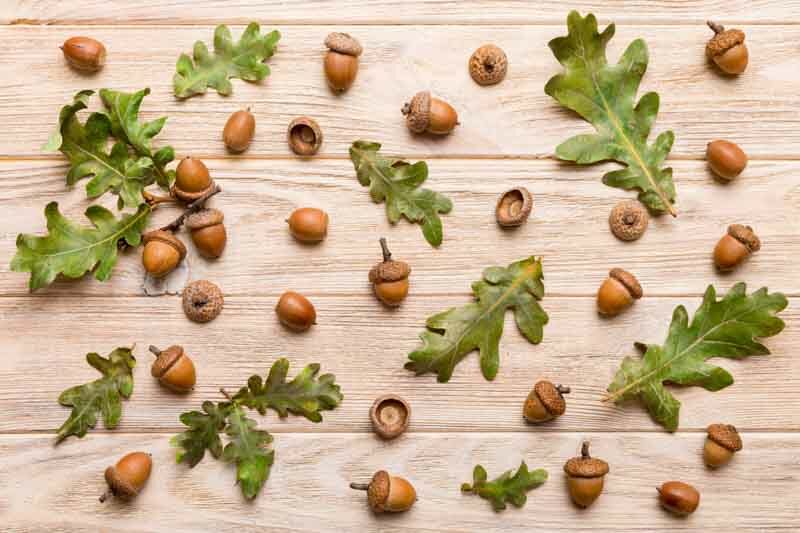
Fall is a busy time in the garden. Autumn crops like kale, spinach, and garlic are ideal for planting. Shorter days mean these plants will grow well.
Getting your garden ready for winter is crucial. Remove dead plants and clear weeds to prevent pests and diseases. Protect soil with a layer of straw or leaves.
Composting turns plant waste into rich soil. Mulching techniques keep moisture in and cold out. Use fallen leaves or straw as a mulch blanket to shield your garden beds.
Credit: www.gardenia.net
Year-round Greenhouse Gardening
Greenhouses offer unique benefits for gardeners. They allow extended growing seasons and protect plants from harsh weather. Consistent temperatures and controlled environment in greenhouses enable year-round cultivation.
Grow a variety of plants in a greenhouse. Vegetables like tomatoes and peppers thrive. Exotic flowers and herbs can also flourish. This controlled setting is ideal for starting seedlings.
For greenhouse upkeep, regular temperature monitoring is essential. Ensure proper ventilation to prevent overheating and humidity issues. Cleaning is vital for preventing disease. Inspect plants often to keep them healthy and happy.
Tools And Equipment Necessary For Seasonal Gardening
Seasonal gardening demands specific tools and equipment to ensure success. Spring requires trowels for planting and pruners for trimming. During summer, invest in watering cans and hoses for hydration. Fall is the time for rakes and compost bins to manage leaves. Lastly, winter preparation involves shovels and covers to protect plants.
Choosing durable, high-quality tools saves money over time. They perform better and last longer. Proper storage shields them from weather damage. Keep them in a dry, clean place. Regular maintenance such as sharpening blades and oiling moving parts is crucial. This care extends the life of your tools, ensuring they’re ready for each season.
Engaging With A Gardening Community
Engaging with a gardening community enriches your planting journey. Learning from experienced gardeners provides a treasure trove of knowledge. These green-thumbed mentors often share insights about the best plants for each season. Gardening tips and successes are swapped among members, creating a vibrant exchange of ideas. Practical advice on what to plant in spring, summer, fall, and winter can be invaluable.
Joining local gardening events allows for hands-on learning and building friendships. Participating in local gardening events also connects you with nearby plant enthusiasts. It’s a chance to see gardening techniques in action. You’ll find events focused on spring planting, summer maintenance, fall harvests, and winter prep. Each event offers unique lessons and fun activities for all ages.
Conclusion: Year-round Gardening As A Sustainable Practice
Seasonal gardening benefits our planet and communities. Spring planting aids in carbon absorption, improving air quality. Summer gardens can reduce urban heat islands. Fall’s harvest contributes to soil health by recycling nutrients. Winter crops protect against soil erosion.
Personal rewards from gardening are immense. It brings joy, physical activity, and a sense of achievement. Sharing produce builds community bonds. Local gardens increase food security and encourage healthy eating.
Gardening is a journey of ongoing education. Each season offers new lessons. Embrace the challenge, and keep your garden growing. Your efforts enrich the environment and strengthen community ties.
Frequently Asked Questions
How To Plant A Garden Step By Step?
1. Choose a sunny location and prepare the soil by tilling and adding compost.
2. Plan your garden layout, considering plant spacing and companion planting.
3. Dig holes and plant seeds or seedlings according to their specific needs.
4. Water regularly, keeping the soil moist but not waterlogged.
5. Monitor for pests and diseases, and use organic methods to control them.
What Do You Plant In The Fall And Harvest In The Spring?
In the fall, you can plant garlic, onions, spinach, and peas to harvest in the spring. These crops thrive over winter and are ready for spring picking.
What Vegetables To Plant In What Month?
Plant cool-season vegetables, like spinach and peas, in early spring or fall. Warm-season crops, such as tomatoes and peppers, thrive when planted after the last frost in spring.
What Is The Best Layout For A Vegetable Garden?
The best vegetable garden layout optimizes sun exposure, has well-drained soil, uses raised beds or rows, includes pathways for access, and rotates crops annually to prevent disease.
Conclusion
Embracing the rhythm of the seasons enhances your garden’s potential. Spring’s awakening, summer’s bounty, fall’s transition, and winter’s rest each offer unique planting opportunities. Remember, timing is key for a thriving garden. By following our seasonal guide, you’ll cultivate a vibrant, ever-changing landscape.
Happy gardening through the year’s cycle!
