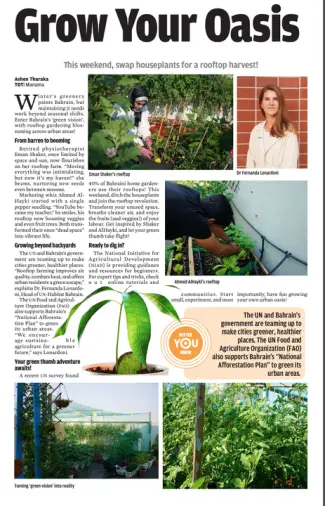
Rooftop gardening offers an innovative way for urban dwellers to embrace green spaces. Beginners can start small with container plants and herbs.
Delving into rooftop gardening transforms barren spaces into lush escapes, maximizing limited urban environments. This sustainable practice not only beautifies cityscapes but also contributes to eco-friendliness and personal well-being. Beginners should consider weight restrictions, access to water, and suitable plant choices to ensure a thriving rooftop oasis.
Rooftop Gardening for Beginners: By incorporating planters, raised beds, and perennials adapted to high altitudes, novices can cultivate a patch of nature against the skyline. With the right approach, anyone can turn their rooftop into a garden sanctuary, providing a haven for pollinators and a source of homegrown produce. The key lies in starting small and expanding as one’s green thumb develops—a journey that promises both challenges and rewards.
Table of Contents
Green Thumbs Up: The Urban Jungle Trend
Rooftop gardening breathes life into the concrete jungle. Urban dwellers are embracing the eco-friendly benefits of cultivating plants above the streets. These sky-high gardens offer a refreshing escape from the bustling city life. Space constraints in urban areas make rooftops valuable for green spaces.
The trend is evident on social media, with countless posts and photos celebrating these verdant oases. Many city residents view rooftop gardening as a way to grow their own food, reducing reliance on transported goods. This gardening style promotes sustainable living by transforming otherwise unused areas into productive spaces. Hands-on experience with nature is now just a few flights of stairs away.

Credit: us.amazon.com
First Steps To Your Sky-high Eden
Embarking on rooftop gardening demands initial groundwork. One should first determine the structural capacity of the building. It’s essential to ensure your roof can support the extra load. Plants, soil, and equipment add significant weight. Safety is also paramount. Adequate barriers and access points are necessary to prevent accidents.
Next, seeking the right approvals is crucial. Many localities require official permits for rooftop modifications. Consult your building codes and homeowners’ association rules. Ignoring this step may lead to legal issues or hefty fines.
| Action | Purpose | Outcome |
|---|---|---|
| Check roof capacity | Ensure safety and feasibility | Green light for garden plan |
| Get permissions | Comply with local laws | Legal clearance for gardening |
Designing Your Rooftop Paradise
Designing your rooftop garden needs a solid plan. Start by measuring your space. Jot down the length and width of your rooftop. Think about the sunlight that hits your space.
Which part gets the most sun? Choose plants that love light for these areas. Shady corners need different plants.
- Draw a layout on paper.
- Think about walkways between plants.
- Pick a theme like tropical or desert.
- Choose colors that make you happy.
- Decide on containers for your plants.
- Remember seating and decorations.

Credit: www.botanicalconceptschicago.com
Choosing Plants For Your Elevation
Embarking on a rooftop gardening journey calls for careful plant selection. Elevations can dramatically affect weather patterns, making it essential to choose plants that can withstand these unique conditions. It’s best to opt for varieties known for their resilience to wind and temperature fluctuations common to rooftop settings.
Understanding sunlight and wind exposure is vital. Certain plants thrive in direct sunlight, while others may need more shade. Consulting with local nurseries or other gardeners can provide valuable insights into what plants will flourish in your particular environment.
- Durable herbs and perennials often work well in high elevations.
- Look for succulents and hardy shrubs that resist drying winds.
- Shorter plants are less likely to suffer from strong gusts.
Soil And Planters: Foundation Matters
Choosing the correct soil mix is crucial for rooftop gardening success. Ensure the mix is lightweight yet rich in nutrients. A blend of peat, compost, and perlite provides good drainage and aeration, key for strong root growth.
Container gardening is versatile and ideal for rooftops. Options range from classic terracotta pots to modern self-watering planters. Consider recycled materials for a sustainable touch. Ensure containers have adequate drainage holes to prevent waterlogging.
| Planter Type | Pros | Cons |
| Clay Pots | Good airflow, natural look | Can break, heavy |
| Plastic Planters | Lightweight, affordable | Less durable, can fade |
| Fabric Pots | Excellent drainage, promotes root pruning | May need more frequent watering |
Watering Techniques Above Ground
Rooftop gardening requires smart watering techniques. For irrigation systems, consider drip or soaker hoses. They save water and target plant roots. Use timers to automate the process, reducing the hassle. For manual watering, choose mornings or evenings. Evening watering reduces evaporation and preps plants for night.
- Collect rainwater to eco-friendly water plants.
- Use watering cans with long spouts for reach.
- Mulch beds to retain moisture longer.
- Check soil moisture before watering to avoid overwatering.
Regular observation helps detect watering needs. Water-stressed plants signal with drooping leaves. Always adapt to your garden’s unique conditions.
Growing Up: Vertical Gardening Tips
Trellises offer support for climbing plants, letting them grow upwards. They save space in small gardens. Set up trellises against walls or fences.
Choose plants like ivy, tomatoes, and cucumbers for trellises. These plants thrive when they climb. They get more air and light this way. Your garden will look lush and full.
Vertical planters and green walls are great for herbs and flowers. Use them to create a living wall. This wall will be full of plants. It’s pretty to look at. It also makes your air cleaner.
You can make a green wall with boxes or felt pockets. Water flows from top to bottom. Your plants stay hydrated. Remember to pick plants that like the same amount of water.
Seasonal Maintenance Strategies
Extreme weather poses threats to rooftop gardens. Preparation is key. Gardeners should inspect plants regularly. Look for signs of stress or damage. Before a storm, secure loose items and shelter delicate plants. Adding protective barriers can shield from high winds.
Routine care is vital for garden health. A weekly check-up schedule can spot issues early. Ensure regular watering to keep plants thriving. Prune dead or overgrown foliage to promote growth. Feed plants with the right nutrients. Clean your garden to prevent pests and diseases. Your garden will reward you with beauty and bounty.
Harvest Time: Reaping The Rooftop Rewards
Timing is crucial for harvesting rooftop garden crops. Pick vegetables at their peak ripeness. Doing so ensures maximum flavor and nutrition. Herbs should be gathered before they flower, as this is when they are most potent. After harvesting, wash produce gently to remove any dirt or insects.
Share your garden’s bounty with friends and family. This can inspire them to start their own rooftop gardens. Your success might encourage community gardening efforts as well. Remember, fresh, homegrown produce can be a gift of health and joy to those around you.

Credit: www.coldwellbanker.com
Common Challenges And Solutions
Beginner rooftop gardeners often face the challenge of pests and diseases. Simple solutions include using natural predators like ladybugs. Regularly checking plants and removing any infested parts prevents the spread of disease. It’s also crucial to choose pest-resistant plants and use organic pesticides when needed.
Weight and wind can also pose problems for rooftop gardens. A well-planned layout plus secure containers help manage these issues. Using lightweight soil and proper drainage materials reduces weight. Windbreaks or trellises offer protection against strong gusts. They help keep your plants safe and your garden thriving.
| Challenge | Solution |
|---|---|
| Pests | Use natural predators, organic pesticides |
| Diseases | Choose resistant plants, remove infected parts |
| Weight | Lightweight soil, proper drainage |
| Wind | Secure containers, windbreaks |
Community And Urban Gardening Impact
Rooftop gardening boosts community and urban areas in big ways. Creating a garden on your rooftop transforms unused spaces into lush, green areas. Neighbors can come together to grow food and flowers. This makes cities more beautiful and friendlier places.
These gardens in the sky also have huge benefits for our environment. They help by cooling down buildings and cities. This means we use less energy for air conditioning. Rooftop plants can also clean the air and provide homes for birds and bees. In big cities, these benefits are very important.
Green roofs help manage rainwater too. They can store water when it rains and then use it to help plants grow. This reduces the risk of flooding in streets. It’s clear that rooftop gardens are great for people and our planet.
Inspirational Rooftop Garden Tours
Rooftop gardens transform urban spaces into green oases. These gardens range from small herb patches to extensive vegetable beds. They provide fresh produce and a place to relax amidst the hustle and bustle of city life.
By touring outstanding rooftop gardens, beginners can gain valuable insights on maximizing limited space. Seeing well-planned gardens shows what’s possible with creativity. Plant selection, layout, and usage of vertical space are key elements to observe.
Expert urban gardeners often share their knowledge through tours or online showcases. They offer tips on sustainable practices, such as water conservation and organic pest control. They also suggest the best plants for different climates and exposures.
Frequently Asked Questions On Rooftop Gardening For Beginners
What Plants Are Best For Rooftop Gardens?
Sedum and grass varieties top the list for rooftop gardens, offering low maintenance and hardy characteristics. Herbs, succulents, and drought-tolerant perennials are also excellent choices, thriving in elevated conditions with limited soil depth.
What Materials Are Needed For Roof Top Gardening?
For rooftop gardening, you'll need waterproofing material, drainage cells, filter fabric, lightweight soil, plants, and containers or raised beds. Regular gardening tools are also essential.
What Are Some Techniques That Can Be Used For Rooftop Gardening?
Use lightweight containers, choose drought-resistant plants, and install a drip irrigation system. Utilize vertical spaces with trellises or hanging baskets. Opt for soil with good drainage and add organic compost for nutrients. Regularly check for pests and disease.
Are Rooftop Gardens A Good Idea?
Rooftop gardens are an excellent idea; they provide urban greenery, improve air quality, and can lower building energy costs. These gardens also create peaceful retreats and potentially boost property values.
Conclusion
Embarking on your rooftop gardening journey enriches your life with greenery and freshness. This guide aimed to arm you with the essentials to begin with confidence. Remember, your dedication shapes your garden’s success. So, nurture your plants, and let your rooftop oasis thrive.
Happy gardening!
