Introduction
In a world facing the dual challenges of food security and climate change, finding sustainable solutions is crucial. Jackfruit, scientifically known as Artocarpus heterophyllus, emerges as a beacon of hope. This tropical fruit, native to South Asia, is gaining global attention due to its numerous benefits for both people and the planet. In this article, we delve into the many facets of Jackfruit and its role in addressing food scarcity while mitigating climate change.

What is Jackfruit?
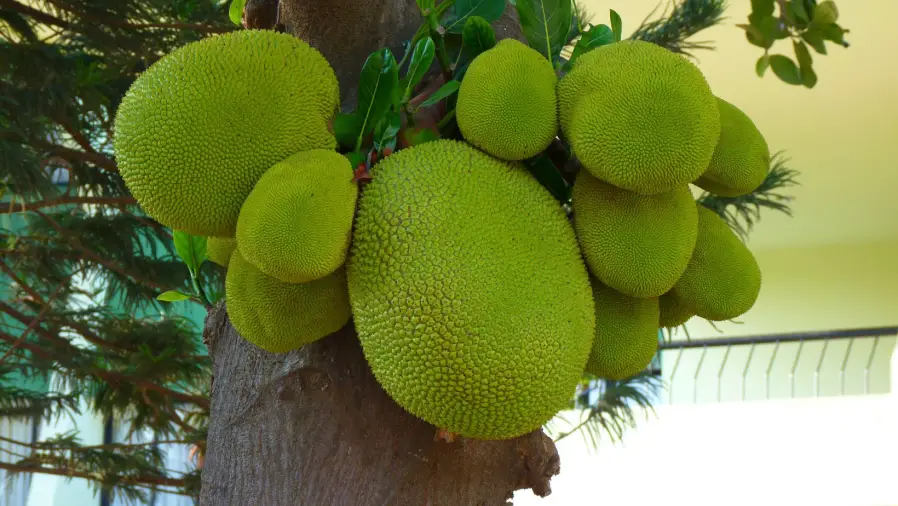
Jackfruit is the largest tree-borne fruit in the world, with some specimens weighing over 80 pounds. Its distinctive green and spiky exterior encloses a treasure trove of golden, fibrous flesh. Native to the rainforests of India, it has been cultivated in various tropical regions worldwide for centuries. The fruit’s unique texture and mild, slightly sweet flavor make it incredibly versatile in culinary applications.
The Nutritional Powerhouse
Jackfruit is not just a delicious fruit; it’s a nutritional powerhouse. Packed with essential vitamins, minerals, and fiber, it offers a host of health benefits. A single cup of raw jackfruit contains ample amounts of vitamin C, potassium, and dietary fiber. Its low-calorie content and absence of cholesterol and unhealthy fats make it an excellent addition to any diet.
Jackfruit and Food Security
As the global population continues to soar, ensuring food security has become a pressing concern. Jackfruit can play a vital role in this regard. Its massive yield per tree and relatively low maintenance requirements make it an efficient crop. Additionally, it is relatively resistant to pests and diseases, reducing the need for chemical interventions. For regions grappling with food scarcity, Jackfruit offers a reliable source of sustenance.
Jackfruit’s Climate Resilience
Climate change poses a significant threat to agriculture, affecting crop yields and overall food production. In this context, Jackfruit stands out as a climate-resilient option. Its deep root system allows it to withstand droughts, and it can thrive in a variety of soil types. As extreme weather events become more frequent, cultivating climate-resistant crops like Jackfruit becomes increasingly important.
Culinary Applications of Jackfruit
Beyond its nutritional value and climate resilience, Jackfruit’s culinary applications have captured the imagination of chefs and food enthusiasts worldwide. Its fibrous texture and neutral taste make it a perfect meat substitute in vegetarian and vegan dishes. When cooked, the flesh takes on a texture akin to pulled pork or chicken, making it a popular choice for plant-based tacos, burgers, curries, and stews.
Jackfruit and Biodiversity Conservation
The cultivation of Jackfruit can also contribute to biodiversity conservation. As it requires minimal intervention and can grow in mixed agroforestry systems, it promotes biodiversity by providing habitats for various plant and animal species. Preserving and promoting the cultivation of Jackfruit can aid in protecting ecosystems and preserving traditional agricultural practices.
Jackfruit in the Circular Economy
As the world embraces the concept of a circular economy, Jackfruit offers an opportunity to minimize waste. The seeds of the fruit, which are often discarded, are edible and nutritious. Jackfruit can be roasted, boiled, or ground into flour for various culinary uses. Utilizing the entire fruit ensures a more sustainable approach to food production and consumption.
Jackfruit and Sustainable Farming Practices
Sustainable farming practices are essential for safeguarding the environment and human health. Jackfruit aligns perfectly with these principles due to its minimal need for chemical inputs, reduced water consumption, and potential for organic cultivation. By integrating Jackfruit into agroecological systems, farmers can move towards a more sustainable and regenerative approach to agriculture.
(For more information about gardening : https://bonsainurserybd.com/why-gardening-is-good-for-the-environment/)
Promoting Jackfruit Consumption: Challenges and Solutions
While the benefits of Jackfruit are evident, promoting its consumption on a global scale presents some challenges. One obstacle is its unfamiliarity to many populations outside its native regions. Education and awareness campaigns can help introduce this nutritious fruit to new markets. Additionally, research on post-harvest techniques and value-added products can enhance its appeal and commercial viability.
Jackfruit as a Source of Economic Empowerment
For many rural communities in developing countries, Jackfruit can offer economic empowerment. Its cultivation provides livelihood opportunities for farmers and laborers. Moreover, the global demand for sustainable and plant-based foods opens up possibilities for agri-entrepreneurs to venture into the Jackfruit industry, fostering economic growth at the grassroots level.
Jackfruit and Global Trade
The international trade of Jackfruit and its products has seen a steady rise. Countries with suitable climatic conditions are recognizing its potential as an export commodity. However, ensuring fair trade practices and maintaining the ecological balance in producing regions is critical. Responsible trade can lead to mutually beneficial partnerships and support sustainable development goals.
The Environmental Impact of Jackfruit
Jackfruit’s environmental impact extends beyond its climate resilience. As a tree crop, it contributes to carbon sequestration, helping offset greenhouse gas emissions. Additionally, it requires fewer resources compared to animal agriculture, reducing pressure on land, water, and energy. Embracing Jackfruit as part of a sustainable diet can contribute to a more eco-friendly food system.
Jackfruit Cultivation Techniques and Best Practices
Successful cultivation of Jackfruit demands knowledge of best practices. This section explores essential techniques for planting, pruning, and pest management. Whether it’s small-scale backyard cultivation or large commercial orchards, following these practices can enhance productivity and fruit quality.
Jackfruit in Traditional Medicine
In addition to its culinary and nutritional value, Jackfruit has a history of use in traditional medicine. Various parts of the tree and fruit have been employed for their medicinal properties in different cultures. While modern research is still exploring these potential health benefits, the traditional use of Jackfruit showcases its multifaceted significance.
Jackfruit: The Versatile Ingredient
Delving further into the culinary aspect, this section explores the versatility of Jackfruit as an ingredient. From savory dishes to sweet treats, its ability to mimic various textures and flavors makes it a valuable addition to any kitchen. Creative recipes and cooking tips demonstrate the vast potential of this fruit.
Jackfruit: A Resilient Tree in Agroforestry
In agroforestry systems, Jackfruit serves as a resilient tree species that complements other crops. Its extensive root system aids in soil stabilization and erosion control. By integrating Jackfruit into agroforestry, farmers can create more sustainable and diverse landscapes.
Jackfruit: A Catalyst for Social Change
Beyond its ecological and economic contributions, Jackfruit can act as a catalyst for social change. Promoting its consumption can encourage healthier dietary choices, leading to improved public health outcomes. Additionally, its cultivation can foster community collaboration and knowledge-sharing, strengthening social bonds.

Frequently Asked Questions (FAQs)
Q: What is the environmental impact of Jackfruit cultivation?
A: Jackfruit cultivation has a positive environmental impact as it contributes to carbon sequestration and requires fewer resources than animal agriculture.
Q: Is Jackfruit a suitable alternative to meat for vegetarians and vegans?
A: Yes, Jackfruit’s fibrous texture and neutral taste make it an excellent meat substitute in vegetarian and vegan dishes.
Q: Can Jackfruit be grown in non-tropical regions?
A: While Jackfruit thrives in tropical regions, it can be grown in subtropical areas with proper care and protection from frost.
Q: How can Jackfruit help in achieving food security?
A: Jackfruit’s high yield per tree and climate resilience make it a reliable source of sustenance in regions facing food scarcity.
Q: Are Jackfruit seeds edible?
A: Yes, Jackfruit seeds are edible and nutritious. Jackfruit can be roasted, boiled, or ground into flour for various culinary uses.
Q: How can I promote the consumption of Jackfruit in my community?
A: You can promote Jackfruit consumption through educational campaigns, cooking demonstrations, and collaborations with local markets.
Conclusion
Jackfruit emerges as a sustainable solution for food security and climate change, with its impressive nutritional profile, climate resilience, and versatile culinary applications. Embracing Jackfruit cultivation and consumption can lead to positive environmental, economic, and social impacts. By harnessing the potential of this remarkable fruit, we take a step towards a more sustainable and secure future.
