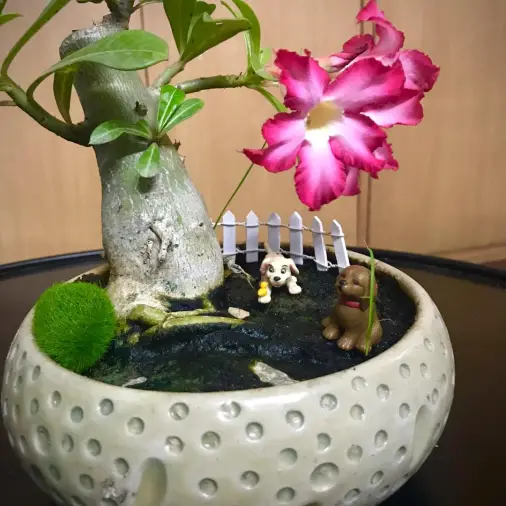
Welcome to our comprehensive guide on caring for Adeniums, commonly known as desert roses. With their vibrant flowers and unique forms, Adeniums have gained popularity among garden enthusiasts worldwide. This guide will equip you with the knowledge and insights necessary to successfully cultivate these stunning desert gems. Whether you’re a seasoned gardener or a beginner, our expert tips will help you nurture healthy and thriving Adeniums that will be the envy of your neighbors.
Adeniums, also known as desert roses, are stunning plants that can thrive in arid conditions. If you’re looking to grow these captivating beauties in your own garden, you’ve come to the right place. In this blog post, we’ll provide you with essential tips and guidelines for caring for Adeniums, ensuring they reach their full potential. Let’s dive in!

Table of Contents
- 1. Choosing the Perfect Location for Your Adeniums
- 2. Understanding Watering Needs: Finding the Right Balance
- 3. Providing Adequate Drainage: Preventing Root Problems
- 4. Fertilizing Adeniums: Nourish for Optimal Growth
- 5. Pruning and Shaping Adeniums: Promote Form and Structure
- 6. Protecting Adeniums from Pests and Diseases
- 7. Propagating Adeniums: Multiplying Your Collection
- Conclusion: Cultivating Beautiful Adeniums
1. Choosing the Perfect Location for Your Adeniums
Before diving into the specifics of Adenium care, it’s crucial to select the ideal spot for your plants. Adeniums require abundant sunlight, at least six hours a day, to flourish. Look for a location with plenty of direct sunlight, such as a south-facing window or a sunny spot in your garden.
Additionally, Adeniums prefer warm temperatures, so ensure the area you choose remains above 60°F (15°C) throughout the year. Remember, proper placement is the first step toward successful Adenium cultivation.
2. Understanding Watering Needs: Finding the Right Balance
Watering is a critical aspect of caring for Adeniums, but finding the right balance is key. These desert roses have adapted to survive in arid conditions, so overwatering can be detrimental.
Follow these watering guidelines to maintain healthy Adeniums:
- Allow the soil to dry out between waterings. Overly moist soil can lead to root rot and other diseases.
- Water deeply and thoroughly when it’s time to hydrate your Adeniums.
- Modify your watering schedule based on the prevailing weather conditions.. Adeniums may require more water during hotter months and less during colder seasons.
Remember, it’s better to underwater than overwater your Adeniums. Keep track of the moisture level in the soil and modify your watering regimen accordingly.

3. Providing Adequate Drainage: Preventing Root Problems
Adeniums dislike standing water, making proper drainage a crucial aspect of their care. Ensure the pots or containers you use for planting have drainage holes to allow excess water to escape. Well-draining soil is equally important to prevent waterlogged conditions.
Consider using a cactus or succulent potting mix, which provides excellent drainage and mimics the natural habitat of Adeniums. This will help prevent root problems and maintain healthy growth.
4. Fertilizing Adeniums: Nourish for Optimal Growth
Adeniums benefit from regular feeding during the growing season to promote vibrant blooms and lush foliage. Choose a balanced fertilizer with an NPK ratio of 10-10-10 or 14-14-14 and apply it according to the package instructions. Here are some essential tips for fertilizing your Adeniums:
- Start fertilizing in early spring when the plant begins active growth.
- Fertilize every two to four weeks throughout the growing season.
- Dilute the fertilizer to half the recommended strength to avoid over-fertilization.
Remember, moderation is key when it comes to fertilizing Adeniums. Overdoing it can lead to excessive foliage growth at the expense of flowering.

5. Pruning and Shaping Adeniums: Promote Form and Structure
Pruning is an essential practice for maintaining the form and structure of Adeniums. Regular pruning helps control the size of the plant and encourages branching, leading to a fuller appearance.
Follow these tips for successful pruning:
- Prune during the dormant season, typically in late winter or early spring, before new growth begins.
- Use clean and sharp pruning shears to make precise cuts.
- Remove dead or diseased branches and any unwanted growth to enhance the plant’s shape.
- Make cuts just above a node or a leaf axil to encourage new growth.
Pruning is an excellent opportunity to shape your Adenium according to your preferences, so don’t be afraid to get creative!
6. Protecting Adeniums from Pests and Diseases
While Adeniums are generally hardy plants, they can still fall prey to pests and diseases. Being vigilant and taking preventive measures is crucial for keeping your plants healthy.
Here are some common pests and diseases that may affect Adeniums:
- Aphids: These tiny insects can cluster on the new growth and suck sap from the plant. Use insecticidal soap or a strong stream of water to control them.
- Spider Mites: These pests can cause leaves to turn yellow and develop webbing. Introduce beneficial predators like ladybugs or use insecticidal soap to eliminate them.
- Fungal Diseases: Overwatering or high humidity can lead to fungal diseases like powdery mildew or root rot. Ensure proper ventilation and avoid wetting the foliage when watering.
By regularly inspecting your Adeniums and promptly addressing any pest or disease issues, you can keep your plants healthy and thriving.
7. Propagating Adeniums: Multiplying Your Collection
If you’re looking to expand your Adenium collection, propagation is an excellent way to do so. There are several methods you can employ to propagate Adeniums:
- Seeds: Collect seeds from mature Adenium pods and plant them in a well-draining seed-starting mix. Maintain adequate soil moisture, and germination should take place within a few weeks.
- Stem Cuttings: Take stem cuttings from healthy Adeniums and allow them to dry for a few days. Plant the cuttings in a well-draining potting mix and provide warmth and indirect sunlight.
Propagation can be a rewarding experience, allowing you to share the beauty of Adeniums with others or expand your own garden oasis.

How often should I water my Adeniums?
Adeniums should be watered deeply whenever the soil has dried out. Aim for once every 7-10 days, but adjust accordingly to the specific needs of your plants.
Can Adeniums tolerate cold temperatures?
Adeniums are sensitive to cold temperatures and can suffer damage below 50°F (10°C). It’s best to protect them or move them indoors when temperatures drop.
How can I encourage Adeniums to bloom?
Adeniums require ample sunlight and proper nutrition to bloom. Ensure they receive at least six hours of direct sunlight and provide balanced fertilizer during the growing season.
Are Adeniums suitable for indoor cultivation?
Adeniums can be grown indoors, provided they receive sufficient sunlight and the right environmental conditions. Place them near a sunny window and ensure adequate ventilation.
Do Adeniums require pruning?
Pruning is beneficial for Adeniums as it helps control their size, promotes branching, and enhances their overall appearance. Prune during the dormant season for the best results.
Can I grow Adeniums from cuttings?
Yes, Adeniums can be propagated from stem cuttings. Allow the cuttings to dry for a few days before planting them in a well-draining potting mix.
Conclusion: Cultivating Beautiful Adeniums
Growing stunning Adeniums is an exciting and rewarding journey. With the right care and attention, you can enjoy the beauty of these desert roses in your own garden or home. Remember the essential tips shared in this guide, from selecting the perfect location to understanding watering needs, pruning, and propagation techniques. By nurturing your Adeniums with love, you’ll witness their stunning blooms and unique forms, turning your space into a captivating oasis.
(For Desert Rose care guide more info: https://bonsainurserybd.com/indoor-plants-guidline/)
