How Often Should You Water Garden in Summer

How Often Should You Water Garden in Summer

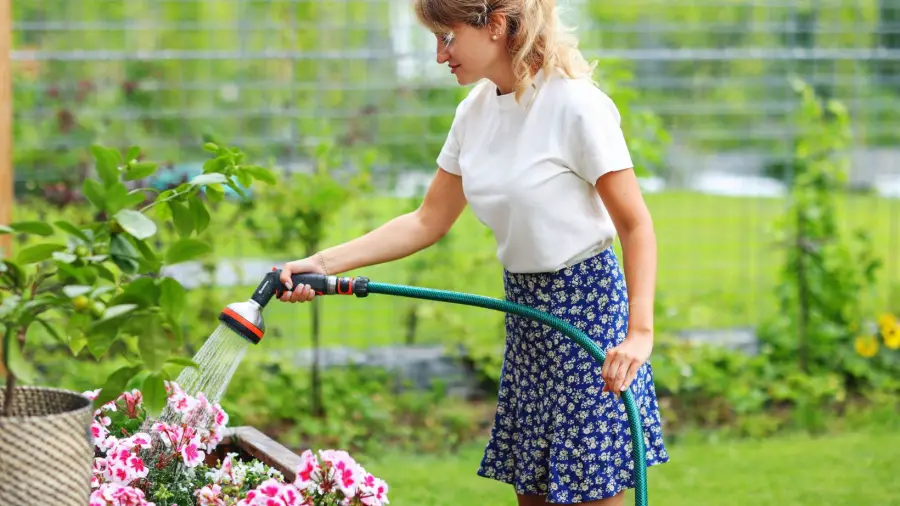
Water your garden 1-3 times per week in summer, giving your plants 1-2 inches of water each time. Adjust based on rainfall, temperature, and plant needs.

Gardening in the summer months can be challenging, with high temperatures and intense sun threatening the vitality of your plants. Effective watering practices are essential to maintain a lush garden. Too little water and your plants could wither under the scorching sun; too much could lead to root rot and fungal diseases.

How Often Should You Water Garden in Summer

Understanding your garden’s specific watering needs while considering the local climate and weather patterns is crucial. To ensure a thriving garden, strike the right balance in your watering frequency and volume, always mindful of conserving water where possible.

The Importance Of Watering Your Garden In Summer

As the sun blazes over our gardens, water becomes a lifeline for our plants. Water is crucial for their survival during the long, hot days. Your garden’s lushness and productivity hinge on the right watering habits.

The Role Of Water In Plant Health

Plants need water to carry out essential life processes. Water helps them make food, grow, and stay strong. Let’s look at why ample water is the backbone of a thriving garden.

  • Photosynthesis: Plants use water to convert sunlight into energy.
  • Nutrient uptake: Roots absorb minerals and nutrients dissolved in water.
  • Temperature regulation: Water evaporates from leaves, cooling the plant.
  • Structural support: Water pressure within cells keeps plants firm.

Challenges Of The Hot Season

Summer heat tests our gardens. Without the right amount of water, plants may wilt, under-produce, or even die. Here’s a glance at these challenges:

Challenge Impact on Garden
Evaporation Soil and plants lose water quickly.
Drought Stress Plants stop growing or produce less.
High Transpiration Plants lose more water through leaves.
Hard Soil Roots struggle to spread in dry dirt.

Recognizing these issues helps in planning proper watering schedules. Your garden stays lush, your harvests rich, and your plants resilient even as the mercury rises.

Recognizing Your Garden’s Water Needs

Summer brings the heat, and with it, your garden’s thirst grows. Not all plants slurp water at the same speed. Some plants, like cacti, sip slowly, while others, like lettuce, drink up fast. It’s important to strike the right balance, tailoring your watering schedule to the unique needs of your garden’s green friends. Let’s dive into how you can keep your plants happy and hydrated all summer long.

Types Of Plants And Their Requirements

Plants come with their own set of needs when it comes to water. Here’s a simple guide to help you understand them better.

Plant Type Water Needs Special Notes
Vegetables 1-2 inches per week More for veggies with large leaves
Flowering Plants Varies widely Check the soil before watering
Succulents & Cacti Minimal Water only when soil is dry
Shrubs & Trees Deep, infrequent waterings Root systems are deeper

Signs Of Under-watering And Over-watering

Picking up on your plants’ SOS signals can save them from drought or drowning. Stay on the lookout for these signs:

  • Wilting leaves often signal your plant is thirsty.
  • Dry, pale soil means it’s time for a drink.
  • Slow growth can indicate not enough water.

Too much water also sends signals:

  • Yellowing leaves may tell you to ease up on watering.
  • Mushy, swollen soil is a red flag for over-watering.
  • Fungus or mold suggests the soil is too wet.

Watering Frequency Guidelines

Understanding Watering Frequency Guidelines is vital for garden health. As summer days get hotter, your garden thirsts for more water. The right amount keeps plants thriving. Let’s explore how often to water your garden in summer.

General Recommendations For Summer Watering

During summer, gardens usually need more water. Plants often require watering once or twice a week. This keeps the soil moist but not soggy. Check the top few inches of soil for dryness. This indicates when water is needed. Remember, your plant’s size and type dictate how much water is necessary.

Plant Type Water Needs
Vegetables Daily or every other day
Flowers Every 2-3 days
Shrubs Weekly
Trees Biweekly
Lawn 2-3 times a week

Note: These are general tips. Your garden’s needs can vary.

Adjusting Watering Schedules According To Weather Patterns

Weather changes mean changing your watering schedule. Rainfall reduces the need for watering. On cooler days, plants need less water. Use a rain gauge to track rainfall. Adjust your watering accordingly. Take note of prolonged hot, dry spells. In these times, increase watering frequency.

  • After rain, check soil moisture before watering.
  • Decrease water on cool, overcast days.
  • Increase water during heat waves or dry spells.

Best Watering Practices For Hot Days

Keeping a garden vibrant and healthy during the hot summer months requires smart watering practices. Too little water can lead to wilted plants and dry soil. Too much can waste valuable resources and cause root rot. Let’s dive into the best watering strategies to ensure your garden thrives in the heat.

Early Morning Vs. Evening: Peak Times For Watering

Watering at the right time of day is crucial. Early morning or evening? It’s a common question among gardeners. Let’s break down the benefits of each timeframe.

  • Early Morning – The best time to water your garden is early in the morning. The water absorbs deep into the soil, reaching the roots before evaporating. Plants get the hydration they need to face the sun.
  • Evening – Evening watering is second best. However, water sitting on leaves overnight can promote fungal growth. Early evening is preferable to late at night.

Deep Watering Techniques For Stronger Roots

For deep, healthy roots, you’ll want to use techniques that encourage water to soak well into the ground. Here’s how:

Technique Description Benefits
Soaker Hoses Deliver water directly to the soil. Minimizes evaporation and water waste.
Drip Irrigation Supplies water at a slow, steady rate. Encourages roots to grow deep and strong.
Cycle Soaking Water in short cycles allowing soil to absorb moisture. Prevents runoff and provides consistent moisture.

Strong roots make for resilient plants that can withstand the stress of summer heat. Implement these practices and watch your garden flourish even on the hottest days!

Conserving Water In Your Summer Garden

Water conservation becomes a crucial practice in your summer garden. Rising temperatures and extended daylight hours can lead to quicker soil moisture evaporation. Understandably, gardens thirst for more water in the heat. Yet, it’s vital to use water smartly. Smart watering keeps plants thriving while ensuring we’re not wasting this valuable resource.

Mulching: A Natural Way To Retain Moisture

Mulching is a gardener’s best friend, especially during summer. It involves placing a layer of material, like straw or wood chips, around your plants. Let’s examine how mulching helps to conserve water:

  • Reduces evaporation: A mulch layer shields soil from the sun, keeping it cool and slowing moisture loss.
  • Limits weed growth: Weeds compete with your plants for water. Mulch helps prevent weeds, so your plants get all the moisture they need.
  • Improves soil health: Over time, organic mulches break down, adding nutrients to the soil and enhancing its ability to hold water.

Drip Irrigation: Efficient Water Use

Embracing drip irrigation is another effective way to conserve water in your summer garden. Drip systems deliver water directly to the plant’s roots. This method reduces water loss from evaporation and runoff. Consider these benefits of drip irrigation:

Benefit Explanation
Targeted watering Plants receive water where they need it most, at their roots.
Reduced water waste Water goes directly to plants, not on pathways or non-garden areas.
Flexibility Systems can be adjusted for different plant needs and weather conditions.

Note: Always check drip systems for leaks to ensure maximum efficiency.

Troubleshooting Common Summer Watering Issues

Summer brings vibrant blooms and lush greenery to your garden, but it also introduces a unique set of watering challenges. Understanding how to navigate these issues ensures your garden remains healthy and hydrated throughout the season.

Dealing With Heatwaves And Droughts

Scorching temperatures and minimal rainfall can stress your garden. Here’s a plan:

  • Water early morning or late afternoon to reduce evaporation.
  • Increase mulch to maintain soil moisture.
  • Use drip irrigation for direct water to roots, limiting waste.
  • Shade sensitive plants during peak heat.
  • Follow local water restrictions for responsible gardening.

Solutions For Waterlogged Soil And Root Rot

Excessive rain or overwatering can lead to waterlogged soil. To protect your garden:

  1. Check drainage; adjust garden layout if necessary.
  2. Improve soil structure with organic matter for better absorption.
  3. Space out watering to allow the soil to dry between sessions.
  4. Plant in raised beds to enhance drainage and prevent rot.

In severe cases, consider consulting a local expert to assess your garden’s specific needs.

Frequently Asked Questions For How Often Should You Water Garden In Summer

How Often To Water Your Garden In Summer?

Watering frequency can vary, but a general guideline is to water your garden once or twice a week during summer. The goal is to moisten the soil to a depth of about 6 inches.

What Time Of Day Is Best To Water Plants?

The best time to water plants in summer is in the early morning. This reduces evaporation and allows water to reach the roots before the heat of the day.

Can You Overwater A Summer Garden?

Yes, overwatering can drown plant roots and encourage fungal growth. Ensure soil drainage is adequate and adjust watering based on rainfall and soil moisture.

Should Watering Frequency Increase In Hot Weather?

In extreme heat, plants may need more frequent watering. Check soil moisture regularly and water if the top inch of soil feels dry to the touch.

Conclusion

Watering your garden appropriately throughout the summer is vital for plant health. Remember, the right frequency hinges on various factors like soil type, weather, and plant species. Aim for a balance to promote deep root growth and prevent water waste.

Monitor your garden’s needs and adjust accordingly for a lush, vibrant outdoor space.

(Check this out to know How to Keep Garden Watered While on Vacation: https://bonsainurserybd.com/how-to-keep-garden-watered-while-on-vacation/)
Water Your Garden Every Day

Are You Supposed to Water Your Garden Every Day

Gardening requires varying watering schedules; daily watering is not necessary for all plants. Factors such as weather, soil, and plant type dictate watering frequency.

Watering your garden is a fundamental task that ensures plant health and vibrant blooms. Understanding the needs of your plants and the role of the environment in your garden’s water requirements is crucial. Overwatering can be as harmful as under-watering, leading to root rot or fungal diseases.

Water Your Garden Every Day

To foster a thriving garden, adopt a watering schedule tailored to your garden’s specific conditions. Remember, the goal is to maintain consistent moisture, not a daily deluge. Observing your plants for signs of distress can help you adjust your watering routine, ensuring your garden remains a lush oasis.

The Truth About Daily Watering

The Truth About Daily Watering: Discover the facts behind watering your garden. Not all gardens need a daily drink. It depends on various factors. Let’s dive into the specific needs that determine your watering schedule.

Evaluating Plant Needs

Every plant has unique water requirements. Some thirst more than others. Consider these key points:

  • Type of plants: Vegetables may need more water compared to succulents.
  • Growth stage: Young seedlings are more delicate and often require more frequent watering.
  • Weather: Hot, sunny days usually call for more water. Cool, cloudy days demand less.

Remember to check each plant. A proper understanding ensures a thriving garden.

Soil Moisture Balance

Soil type plays a role in watering frequency. Certain soils retain moisture differently:

Soil Type Water Retention
Clay High
Sand Low
Loam Moderate

To balance soil moisture, perform a simple test. Feel the soil. If it sticks to your skin, wait to water. If it’s dry and crumbly, it’s time to hydrate.

Correct soil moisture maintains healthy plants. A strategic approach saves water and nurtures your garden.

Factors Influencing Watering Schedules

Understanding when to water your garden isn’t guesswork, but a science. A variety of factors determine whether turning on the sprinkler is necessary, or if your plants could do with a day off. Let’s delve into the specifics and find the right balance for your green oasis.

Climate And Weather Patterns

The skies above play a critical role in watering needs. Sun-drenched gardens may need daily drinks, while overcast conditions can reduce evaporation.

  • High temperatures increase water use.
  • Rainfall lessens the need for manual watering.
  • Humidity can slow down soil drying.
  • Windy conditions often lead to faster water loss.

Plant Species And Their Water Requirements

Different plants have different thirst levels. Drought-tolerant species thrive with less, while others like vegetables or blooms might demand more frequent watering.

Plant Type Water Needs
Cacti and Succulents Sparse
Shade-loving Perennials Moderate
Fruit-bearing Plants Increased during fruiting

Soil Type And Water Retention

Soil acts like a sponge. Certain types hold on to moisture longer than others. Your garden’s soil composition is a major factor in irrigation frequency.

  • Clay soils: Retain water well, longer intervals between watering.
  • Sandy soils: Drain quickly, might require more frequent water.
  • Loamy soils: Balanced moisture retention, ideal for many plants.

Pros And Cons Of Daily Watering

Understanding the balance between too little and too much water is key in gardening. Gardeners often ponder whether their green friends require daily sips of water to thrive. The practice of daily watering comes with both benefits and risks; Identifying them helps maintain a lush and healthy garden.

Potential Benefits To Plants

Regular watering boosts plant health and is vital during certain growth stages.
Here’s why consistent hydration might favor your garden:

  • Encourages Growth: Young plants establish quicker with steady water.
  • Avoids Stress: Plants like predictable routines, avoiding drought-like conditions.
  • Supports Soil Health: Moist soil nurtures beneficial microorganisms.

Risks Of Overwatering

Too much of a good thing can be harmful. Here are reasons to avoid excessive watering:

Risk Explanation
Root Rot: Plants drown if roots can’t breathe.
Fungal Disease: Damp conditions encourage fungi.
Nutrient Leaching: Water washes away vital nutrients.

Alternative Watering Techniques

Watering your garden can seem like a daily chore. Yet, it doesn’t have to be with smart approaches tailored to your plants’ needs. Save time and water with these alternative methods.

Drip Irrigation Systems

delivers water directly to plant roots.

This system consists of a network of tubes that release water slowly. Here’s how drip irrigation stands out:

  • Water efficiency: Reduces evaporation and runoff.
  • Targeted watering: Gets water right where it’s needed.
  • Time-saving: Set it up once and water with ease.

Many gardeners see healthier plants and lower water bills using drip systems.

Deep Watering Methods

Deep watering encourages roots to grow downwards, searching for moisture.

This technique involves soaking the soil thoroughly. The frequency will be less often but here are the benefits:

  1. Roots grow stronger and deeper.
  2. Plants become drought-resistant.
  3. Nutrient uptake improves.

Young plants thrive with deep watering, developing a solid foundation for growth.

Technique Frequency Water Savings
Drip Irrigation Regular intervals High
Deep Watering Less frequent Moderate

Both methods promote a healthier garden with less effort and waste. Tailor them to your garden’s size, plant types, and climate for the best results.


Signs Your Garden Needs Water

Water is vital for your garden, but how do you know when it’s time to quench your plants’ thirst? Recognizing the signs that your garden needs water prevents over or under-watering and keeps your plants healthy. Let’s explore the clues your garden will reveal when it’s in need of hydration.

Visual Cues From Plants

Plants speak to us through their appearance. When they need water, they have a unique way of showing it. Keep an eye out for these important signs:

  • Wilting Leaves: Leaves that droop or curl point to lack of moisture.
  • Dry Edges: Crispy, dry leaf edges are a call for water.
  • Slow Growth: Stunted growth often means they’re not getting enough water.
  • Dull Color: Healthy plants have bright, vibrant colors. Dullness can indicate dehydration.

Using Soil Moisture Meters

To take the guesswork out of watering your garden, consider using a soil moisture meter. These handy tools give you a precise reading of the moisture level in your soil. Here’s how to use them:

  1. Insert the meter into the soil near the plant’s base.
  2. Wait for the reading to stabilize.
  3. Check the moisture level against the recommended range for your plants.

Soil moisture meters eliminate over or under-watering, making them a gardener’s best friend.

Conserving Water In The Garden

Conserving water is not just beneficial for your monthly bills; it’s also crucial for the planet. A common question among gardeners is whether daily watering is a must. The simple answer is no. Smart water practices keep gardens thriving while saving the precious resource. Let’s delve into effective strategies that help retain garden moisture and reduce the need for daily watering.

Mulching And Its Effects On Moisture

Mulching is a gardener’s best friend when it comes to moisture conservation. Not only does it control weed growth, but it also plays a critical role in maintaining soil moisture. Here’s how mulch works its magic:

  • Retains water: Mulch reduces evaporation, keeping the soil damp longer.
  • Regulates soil temperature: It acts as an insulator, keeping roots cool on hot days.
  • Improves soil health: Organic mulches break down over time, enhancing soil quality.

Consider materials like straw, wood chips, or leaves for mulching. A layer 2-4 inches thick is ideal for most gardens.

Implementing Rain Barrels For Natural Irrigation

Embrace rainwater harvesting as an eco-friendly way to water your garden. Rain barrels can easily be installed to collect rainwater, which is great for plants and soil. Benefits include:

  • Reduced water bills: Tap water usage drops as you use collected rainwater.
  • Less strain on resources: It eases the demand on municipal water systems.
  • Plant health: Rainwater is free of chlorine and other chemicals found in tap water.

Place barrels under downspouts for optimal water collection. Remember to cover your barrels to prevent mosquitoes and debris from getting in.

Frequently Asked Questions For Are You Supposed To Water Your Garden Every Day

How Often Should Gardens Be Watered?

Watering frequency depends on various factors like weather, soil type, and plant species. It’s generally best to water deeply a few times a week rather than a little every day, promoting stronger root growth.

Can Daily Watering Damage Garden Plants?

Yes, daily watering can lead to oversaturation, root rot, and fungal diseases. It’s important to allow soil to partly dry between waterings. This ensures that roots get necessary oxygen and avoids waterlogging.

What Time Of Day Is Best For Watering Gardens?

The best time to water gardens is in the early morning. This allows plants to absorb moisture before the heat of the day, reducing evaporation. It also helps leaves dry off, minimizing fungal infections.

Do All Garden Plants Require The Same Amount Of Water?

No, water requirements vary widely between different types of garden plants. Research your specific plants’ needs for watering schedules. Some may need frequent watering, while others prefer drier conditions.

Conclusion

Understanding your garden’s needs is key to its health and vitality. Water with wisdom, not on a strict schedule. Observe your plants and soil closely to determine when to water. This tailored approach ensures a lush, thriving garden. Remember, consistency is less crucial than mindfulness in gardening.

(Check this out to know How To Keep Garden Watered While On Vacation: https://bonsainurserybd.com/how-to-keep-garden-watered-while-on-vacation/)
Garden Watered While on Vacation

How to Keep Garden Watered While on Vacation

To keep your garden hydrated while on vacation, set up an automatic drip irrigation system or a self-watering device. You can also ask neighbors or friends to water your garden regularly.

Ensuring your garden remains vibrant and well-watered while you’re away can be a challenge. Gardeners often worry about their plants drying out, especially in the heat of summer. The key to a thriving garden, even in your absence, is preparation.

Garden Watered While on Vacation

Garden Watered While on Vacation: An automatic drip irrigation system is a reliable solution, delivering water directly to the roots of your plants with minimal waste. For those seeking a simpler option, self-watering devices, such as water globes or DIY bottle irrigators, can provide a steady supply of moisture. Enlisting the help of a neighbor or friend to water your garden may also offer peace of mind. By choosing the right watering strategy, you can enjoy your vacation without neglecting the needs of your green companions.

Introduction To Vacation Watering Dilemmas

Gardening enthusiasts often face a dilemma when they plan a vacation. How to keep their garden hydrated despite being away? This post will shed light on different strategies to ensure your garden remains lush and healthy even when you’re not around to take daily care of it.

The Challenges Of Leaving Your Garden

Gardens need consistent care, and leaving them unattended invites several risks. Plants could wither due to lack of water or be overwhelmed by pests. Identifying reliable solutions is crucial to avoid coming back to a distressed garden.

  • Varied watering needs of different plants
  • Weather unpredictability
  • Risk of over- or under-watering by automatic systems

Importance Of Maintaining Watering Routines

Maintaining a regular watering schedule is vital for plant health. Ideal solutions mimic natural patterns and offer plants the moisture they need without waste. Sustainable watering systems can help your garden thrive and save water.

  1. Incorporate drip irrigation for efficiency
  2. Utilize soaker hoses for deep watering
  3. Set up timers to water plants regularly
  4. Employ self-watering containers for potted plants

Pre-vacation Garden Prep

Preparing your garden before vacation ensures a lush, healthy comeback. With timely preparation, plants can sustain themselves in your absence. Let’s focus on how to set your green oasis for success!

Health Check For Plants

Begin with a thorough inspection of your garden. Look for signs of stress like yellowing leaves or wilting. Address any issues right away. Healthy plants are more resilient. Use the following checklist:

  • Check for pests and diseases
  • Eliminate weeds competing for resources
  • Ensure adequate soil nutrition and moisture

Pruning And Maintenance

Pruning is crucial for plant health. Cut back overgrown foliage and remove dead parts. This encourages growth and airflow. Here’s a quick guide:

Plant Type Action
Flowers Deadhead spent blooms
Vegetables Harvest ripe produce
Shrubs Trim for shape

Mulching To Retain Moisture

Mulching is a saver for moisture retention. A layer of mulch reduces evaporation and keeps soil moist longer. Apply 2-3 inches of organic mulch, such as:

  1. Straw
  2. Wood chips
  3. Leaf mold

Focus on mulching around the base of plants. Avoid mulch contacting plant stems to prevent rot.

Diy Watering Solutions

Heading out of town can leave gardeners anxious about their green spaces. Fear not! DIY watering solutions offer peace of mind. These simple setups keep plants hydrated while you’re away.

Bottle Drip Systems

Bottle drip systems are a quick fix. They provide a slow release of water. Here is a step-by-step guide:

  1. Fill a clean bottle with water.
  2. Make a small hole in the cap.
  3. Turn the bottle upside down.
  4. Bury it slightly in the soil near the plant.

This method suits smaller plants and potted flowers.

Self-watering Spikes

Self-watering spikes work with gravity. These spikes come in terra cotta or plastic. You can make them too. Here’s what to do:

  • Grab a spike or cone-shaped object.
  • Attach it to a water-filled bottle.
  • Invert the assembly.
  • Push it into the soil by your plant.

Consistent moisture is the spike’s promise.

Wicking Methods

The wicking method is great for deep hydration. It uses capillary action. You’ll need:

  • A container filled with water.
  • A cotton rope or strip of fabric.

Place one end in the water. Bury the other end in the plant’s soil. Continuous water flow is guaranteed.

Automated Irrigation Systems

Going on vacation can cast worries about your garden’s health. Automated Irrigation Systems are lifesavers. They keep your plants hydrated while you’re away. This system works like a garden-sitter. Your plants always get their water on time. Let’s explore some high-tech options that guard your green friends.

Timer-based Sprinklers

Set it, forget it—this is the magic of timer-based sprinklers. Here’s what you need to know:

  • Attach timers to your sprinkler system.
  • Program them to turn on and off.
  • Match watering schedules with your garden’s needs.

They ensure regular watering without lifting a finger.

Drip Irrigation Setups

Drip irrigation is the stealthy hydration hero. It’s perfect for:

Feature Benefit
Targeted Watering Lowers water waste
Slow Release Improves plant health
Customizable Layout Fits any garden shape

Just attach a timer and your plants are cared for.

Smart Watering Controllers

Smart controllers are the future of garden care. They:

  1. Connect to Wi-Fi.
  2. Consider weather forecasts.
  3. Adjust watering based on real-time data.

With a smartphone app, you keep tabs on your garden from anywhere. It’s the ultimate peace of mind.

Harnessing Community Support

Heading away doesn’t mean your garden must suffer. Harnessing Community Support is a smart way to keep your greens hydrated. Friends, neighbors, and local green thumbs can keep your garden lively. Let’s explore the ways your community can come to the rescue!

Neighbors And Family Members

Trustworthy neighbors and family often offer the easiest solution:

  • Key Swap: Exchange keys so they can access your garden.
  • Watering Schedule: Create a calendar with specific watering times.
  • Plant Care Guide: Provide instructions for each plant’s needs.

Consider offering a small gift as thanks for their help.

Professional Plant Sitters

Professional plant sitters are another excellent option:

  1. Find a local sitter with good reviews.
  2. Ensure they have experience with garden plants.
  3. Set up a meet-and-greet before leaving to explain specifics.

A paid sitter gives peace of mind with expert care.

Community Gardening Groups

Local community gardening groups are often happy to help:

  • Post a request on community bulletin boards or social media.
  • Join garden swaps where you water their plants while they water yours.
  • Search for local watering collectives or co-ops.

This not only waters your garden but also builds local connections.

Post-vacation Recovery

Returning from vacation means it’s time to revive your garden. A well-deserved break shouldn’t spell doom for your plants. The key lies in assessing, addressing, and adjusting. This phase, Post-Vacation Recovery, helps bring your cherished greens back to their glory.

Assessing Plant Health

First, perform a detailed check on each plant. Look for wilted leaves, dry soil, and evidence of pests or disease. This step gives a clear picture of your garden’s condition.

Addressing Issues Post-absence

Second, tackle immediate concerns. This may include trimming dead foliage, applying pest control, or supplementing nutrients. These actions prevent further damage.

Adjusting Care Based On Plant Needs

  • Water cautiously: Overwatering harms as much as drought. Adjust schedules to prevent root rot.
  • Resume feeding slowly: Gradual fertilizer reintroduction helps plants recover without shock.
  • Shade sensitive plants: Protect recovering plants from harsh sun with a temporary shade.

Frequently Asked Questions On How To Keep Garden Watered While On Vacation

Can Drip Irrigation Systems Water Plants On Vacation?

Drip irrigation is a reliable method. It delivers water directly to the plant roots gradually. This ensures your garden remains hydrated while you’re away, without wasting water.

What Are Self-watering Plant Systems?

Self-watering planters have built-in reservoirs. They allow plants to draw water as needed. It’s a worry-free way to keep your garden thriving during your vacation.

How Effective Are Watering Globes For Vacation Care?

Watering globes release water slowly into the soil. They’re effective for short trips. However, for longer vacations, combine them with other methods for best results.

Are Automated Sprinkler Systems Vacation-friendly?

Automated sprinkler systems can be programmed to water your garden. They work well for keeping your garden watered consistently, even while you’re away on vacation.

Conclusion

Ensuring your garden remains hydrated during your absence is vital. Adopt these tips and come back to a thriving oasis. Trust in smart technology, enlist help from friends, or set up self-watering systems. Peace of mind is possible; enjoy your vacation knowing your green space is cared for.

(Check this out for Aquaponic Vegetable Gardening: https://bonsainurserybd.com/aquaponic-gardening/)

Aquaponic Gardening

Aquaponic Gardening: Raise Fish & Veggies Together Effortlessly

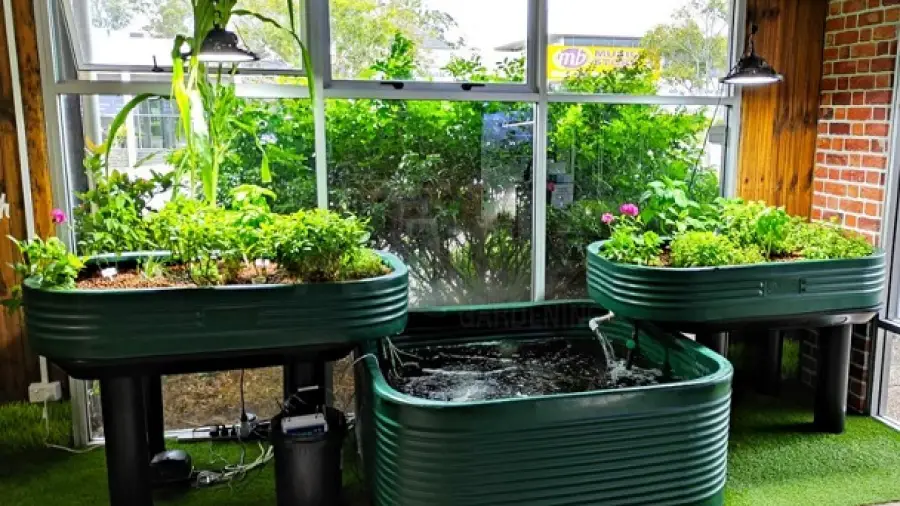
“Aquaponic Gardening” guides individuals on cultivating both vegetables and fish interdependently. The step-by-step guide presents a sustainable method combining aquaculture with hydroponics.

Embracing innovative solutions for growing food, “Aquaponic Gardening” offers a comprehensive exploration of combining fish farming and soilless plant cultivation in one integrated system. This method is gaining popularity among gardeners and farmers who are concerned about space efficiency and sustainability.

The guide provides readers with practical advice on setting up their own aquaponic systems, selecting compatible plants and fish, maintaining a balanced environment, and troubleshooting common issues. Aimed at both beginners and experienced growers, the book simplifies the science of aquaponics into clear, manageable steps. It encourages growers to embrace a self-sustaining ecosystem that produces fresh vegetables and fish, right in their backyard. This environment-friendly approach to agriculture reduces waste, conserves water, and exemplifies cutting-edge food production techniques.

Introduction To Aquaponic Gardening

Welcome to the sustainable world of aquaponic gardening, where the symbiosis between fish and plants provides bountiful harvests. This method combines the best of two worlds: aquaculture (raising fish) and hydroponics (growing plants without soil). Harvest fresh vegetables and raise healthy fish right from your home or backyard.

The Harmony Of Aquaculture And Hydroponics

Aquaponics mirrors the natural water cycle, bridging aquaculture and hydroponics into a single, closed-loop system. Fish waste provides organic nutrients for plants, which in turn clean the water for the fish. It’s a win-win partnership that reduces waste and maximizes efficiency.

Benefits Of Integrating Fish And Plant Cultivation

  • Reduces the need for chemical fertilizers and pesticides
  • Conserves water by recycling it within the system
  • Supports plant growth with rich, natural nutrients
  • Provides the joy of raising both vegetables and fish in harmony
  • Maximizes space, making it ideal for urban environments

Planning Your Aquaponic System

Embarking on aquaponic gardening leads to a harmonious relationship between fish and plants. This guide breaks down the essentials of setting up your own system. Let’s dive into the factors that will create a thriving aquaponic garden.

Key Considerations For System Design

Designing an aquaponic system requires careful thought. The right balance ensures healthy plants and fish. You must consider:

  • System Type: Media-filled beds, Nutrient Film Technique (NFT), or Deep Water Culture (DWC)?
  • Size: How much space can you dedicate to your system?
  • Species: Select fish and plants that thrive together.
  • Water Quality: Test and maintain proper pH, ammonia, nitrates, and nitrites levels.

Choosing The Right Location And Equipment

Where you place your aquaponic system impacts its success. Here are elements to ensure optimal growth:

  • Light: Natural sunlight or artificial grow lights?
  • Temperature: Keep both fish and plants in their comfort zone.
  • Protection: Shields from pests and harsh weather conditions are vital.

Selecting equipment is just as crucial. It includes:

  1. Quality fish tanks and grow beds
  2. Reliable water pump and filtration system
  3. Proper grow media (clay pebbles, gravel)


Selecting Your Aquaponic Fish And Plants

Setting up an aquaponic system is an adventure in itself. But the real excitement lies in selecting the right fish and plants for your garden. Your choice will affect the health and output of your system, so it’s essential to make an informed decision. Let’s dive into the best options for creating a thriving aquaponic ecosystem.

Best Fish Species For Your Aquaponics System

The fish are the powerhouse of your aquaponic system. They provide the nutrients that help your plants grow. Here are the top contenders for your home system:

  • Tilapia – Adaptable and hardy, they are perfect for beginners.
  • Goldfish – Easy to care for and ideal for smaller systems.
  • Catfish – Fast-growing with a strong immune system.
  • Koi – Attractive and can endure various climates.

When choosing fish, consider factors like growth rate, temperature preference, and legal restrictions in your area.

Top Plant Choices And Their Requirements

Plants in an aquaponic system clean the water for fish. Choose plants that match well with the fish environment. Here’s a table listing some top plant choices:

Plant Light Requirements Water Preferences
Lettuce Moderate Cool
Spinach Low to Moderate Cool to Moderate
Tomatoes High Warm
Herbs (Basil, Mint) Moderate Varied

Plants have diverse light and water needs. Match them to your system’s capabilities for best results. Consider growth habits, space requirement, and compatibility with fish.


Managing The Aquaponic Ecosystem

An aquaponic ecosystem is a delicate balance between fish, plants, and bacteria. It mimics natural aquatic ecosystems and requires careful observation and management to thrive. This guide will explore how to maintain optimal water quality and nutrient balance, and the best practices for monitoring the health of both fish and plants.

Water Quality And Nutrient Balance

Maintaining stellar water quality and a balanced nutrient profile is crucial. Testing water parameters regularly is a must. Check for pH, ammonia, nitrite, and nitrate levels. Optimal ranges ensure fish and plants are healthy.

  • pH: 6.5 – 7.5
  • Ammonia: less than 0.25 ppm
  • Nitrite: less than 1 ppm
  • Nitrate: 5 – 150 ppm

Use a water test kit weekly. Adjust levels using natural methods like water changes or by adding calcium carbonate for pH balance.

Fish Health And Plant Growth Monitoring

Regular check-ups are key for fish and plants. Look out for signs of stress or disease in fish. Check their appetite and activity levels. For plants, look for nutrient deficiencies or pest issues. Prune dead leaves and manage pests using organic methods when possible.

Log observations in a journal or database. This helps track progress and notice patterns over time. Balance feeding rates with plant needs.

Checklist Item Description Frequency
Water Testing Measure pH, ammonia, nitrite, and nitrate levels. Weekly
Fish Observation Check for stress, disease, and normal behavior. Daily
Plant Inspection Look for growth issues, pests, and nutrient deficiencies. Daily

In conclusion, active management and regular maintenance are the cornerstones of a successful aquaponic garden.

Harvesting Your Aquaponic Bounty

Delving into the world of aquaponics offers a thrilling adventure from setup to harvest. Gathering the fruits of your labor marks a pivotal point in the aquaponic cycle. It cascades excitement and fulfills the promise of sustainable living. Whether you’re a green thumb or a beginner, harvesting from your own system delivers a unique satisfaction. Let’s explore the art of harvesting both aquaponic plants and fish.

When And How To Harvest Plants And Fish

Timing and technique are crucial in harvesting your aquaponic garden. Here’s a simple guide to help you harvest at the peak of freshness:

  • Plants: Harvest leafy greens when they reach full size, typically 4-6 weeks after planting. Look for firm leaves and deep colors.
  • Fish: Harvest fish such as tilapia when they are plate-sized, usually after 9-12 months of growth.

To harvest plants:

  1. Cut the base of the plants using a sharp knife.
  2. Collect leaves or fruits without disturbing the roots.

To harvest fish:

  1. Lower the water level to concentrate the fish.
  2. Use a net to catch gently.

Maximizing Yield And System Productivity

Optimize your aquaponic system’s output with these tips:

  • Monitor water parameters regularly to maintain plant and fish health.
  • Prune regularly to promote new growth and prevent over-crowding.
  • Feed your fish high-quality food to improve their growth and the system’s nutrients.

Rotate crops and introduce new plants after each harvest to keep the system dynamic and constantly producing.

Harvesting Checklist
Action Details
Check Plant Size 4-6 weeks for leafy greens
Check Fish Size 9-12 months for fish like tilapia
Water Testing Weekly to maintain health


Troubleshooting Common Aquaponic Issues

Running an aquaponic system is a delicate dance between fish and plants. Sometimes, things can go offbeat. Recognizing and resolving issues swiftly will keep your green companions and aquatic friends thriving. Let’s tackle some common glitches you might encounter in your aquaponic journey.

Dealing With Pests And Diseases

Pests and diseases can worry any gardener. In aquaponics, natural solutions work best. Let’s explore how to protect your garden:

  • Monitor regularly for early signs of trouble.
  • Introduce beneficial insects like ladybugs to combat pests.
  • Apply organic neem oil for a safe, effective remedy.
  • Prevent diseases with good airflow and water quality.
  • Quarantine affected plants to stop the spread of diseases.

Maintaining System Balance During Challenges

Keeping your aquaponic system balanced is key. When challenges arise, maintain harmony with these tips:

Challenge Action
High Ammonia Levels Reduce feed and check for overstocking.
pH Fluctuations Test water regularly. Use pH adjusters sparingly.
Plant Nutrient Deficiencies Add minerals like iron or calcium as needed.
Low Oxygen Ensure adequate aeration and water circulation.


Frequently Asked Questions On Aquaponic Gardening A Step-by-step Guide To Raising Vegetables And Fish Together

What Is The Method Of Raising Both Fish And Vegetables?

Aquaponics combines fish rearing (aquaculture) with soilless plant cultivation (hydroponics).

What Types Of Fish And Vegetables Can Be Grown Using Aquaponics?

Common fish grown in aquaponics include tilapia, bass, and carp, while popular vegetables are lettuces, herbs, tomatoes, and peppers.

How Do You Grow Fish And Plants Together?

To grow fish and plants together, use an aquaponic system where fish waste provides nutrients for plants, and plants filter and clean the water for fish. Maintain a balanced environment for both to thrive.

How Many Fish Do You Need Per Plant For Aquaponics?

Generally, you need one fish for every 5 to 10 gallons of water to support plant growth in aquaponics.

Conclusion

Embracing aquaponic gardening means joining a sustainable future in food production. This guide has illuminated the symbiotic power of combining fish and vegetable cultivation. Remember, starting small and expanding as you learn ensures a smoother journey. Whether as a hobby or a step towards self-sufficiency, the know-how you’ve gained sets the stage for a thriving aquaponic system.

Dive in, grow, and relish the harmony between aquaculture and horticulture!

(Check this out for Butterfly Gardening Ideas: https://bonsainurserybd.com/best-practices-for-creating-a-butterfly-garden/)

Garden soil and Potting Soil

What is the difference between Garden soil and Potting Soil

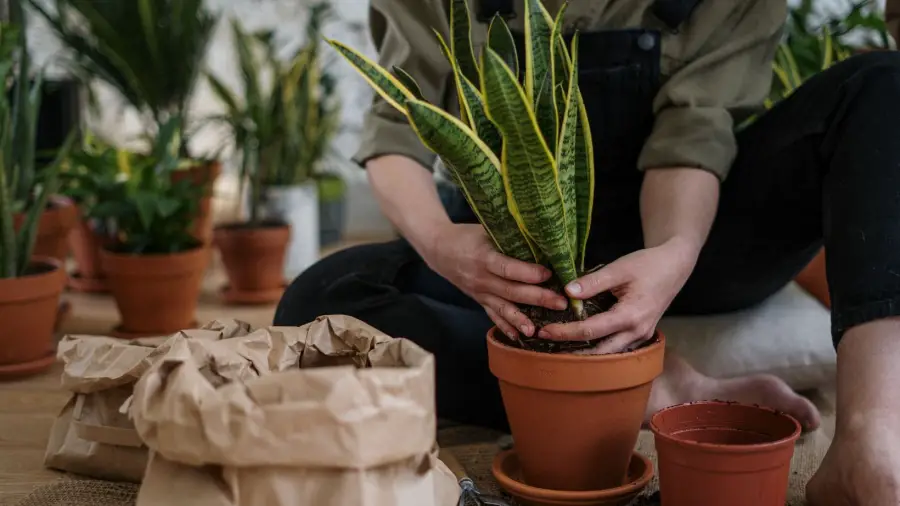
Garden soil is denser and designed for outdoor use, while potting soil is lighter and formulated for containers. Potting soil typically includes materials like peat moss, perlite, and vermiculite to promote aeration and drainage, which are crucial for potted plant health.

Understanding the difference between garden soil and potting soil is essential for any gardening enthusiast or homeowner who wants to ensure the best growth conditions for their plants. Garden soil is meant for in-ground use and can improve the texture and fertility of your yard’s soil composition.

Garden soil and Potting Soil

On the other hand, potting soil is a specialized medium for container gardening, offering a balanced environment that manages moisture and nutrients efficiently. These two soil types are crafted to meet different requirements and shouldn’t be used interchangeably, as doing so can lead to poor plant health and growth issues. Whether you’re cultivating a lush backyard garden or nurturing indoor potted plants, choosing the right type of soil is paramount to your gardening success.

What Makes Them Distinct

Understanding the difference between garden soil and potting soil is crucial for any plant enthusiast. Each has unique characteristics that cater to different needs of plants. Let’s dive into the details of what sets them apart.

Key Components Of Potting Soil

Potting soil is a carefully crafted mix that provides plants with their ideal living environment when they’re not in the ground. It’s lightweight and designed to hold moisture without becoming waterlogged. Here are its key components:

  • Perlite – Enhances aeration, drainage.
  • Vermiculite – Retains water and nutrients.
  • Compost – Rich in organic matter.
  • Peat moss or Coir – Aids in moisture retention.
  • Sand – Improves drainage.

Together, these ingredients create a balanced environment for roots to grow strong and healthy.

Typical Composition Of Garden Soil

Garden soil, on the other hand, is meant for outdoor use. Unlike potting soil, it’s denser because it’s made up of the native soil found in your garden. It includes:

  • Clay, silt, and sand – Provides structure.
  • Decomposed Organic Matter – Offers nutrients.
  • Native microorganisms and worms.

This composition is ideal for outdoor gardens where the soil ecosystem is vast and intricate.

Physical Properties

Understand the physical properties of garden soil and potting soil to make the right choice for your plants. The texture, drainage, and aeration are crucial for root growth and plant health.

Texture And Density

Garden soil is dense, with particles that stick together. It’s made from decomposed plant matter and minerals.

  • Clay: Heavy with a sticky texture when wet.
  • Silt: Smooth texture that retains water.
  • Sand: Coarse granules that drain quickly.

Potting soil, on the other hand, is light and fluffy. It has peat, pine bark, and perlite or vermiculite to stay loose.

Here’s a comparison:

Soil Type Texture Density
Garden Soil Varies (clay, silt, sand) High
Potting Soil Uniform, light Low

Drainage And Aeration

Good drainage and aeration are vital to prevent root diseases. Potting soil ensures excess water drains away fast.

Garden soil may hold water too long and suffocate plant roots. Potting soil allows roots to breathe and absorb nutrients efficiently.

  • Potting Soil:
    • Designed for excellent water flow.
    • Prevents water-logging.
  • Garden Soil:
    • Varies greatly in composition.
    • May compact and restrict airflow.


Nutritional Content And Fertility

Understanding the nutritional content and fertility of soil is vital for any gardener. Each type of soil, garden soil and potting soil, has unique nutritional properties. Let’s dig into the details.

Organic Matter And Nutrients

Garden soil and potting soil vary in organic matter. Garden soil is often rich in organic materials, as it accumulates decaying plant matter and microorganisms over time. This breakdown releases nutrients slowly into the soil, creating a nutrient-rich environment for plants.

  • Garden Soil: Typically has diverse organic matter from its natural setting.
  • Potting Soil: Often contains added composted materials to simulate a rich environment.

Soil Ph And Plant Growth

pH levels play a crucial role in plant growth. They affect the availability of nutrients in the soil. Potting soil is formulated to have a pH that’s ideal for most container plants.

Soil Type pH Level Effect on Plants
Garden Soil Variable May need adjustment for specific plants
Potting Soil Neutral to slightly acidic Optimized for nutrient uptake

Adjusting the pH of garden soil can be laborious. Potting soil is a go-to for consistent growth results in containers.


Appropriate Applications

Different plants thrive in different types of soil. Choosing the right soil is crucial for the health and growth of your garden. Outdoors, plants can spread their roots and seek nutrients in the ground. In pots, plants rely entirely on the soil they’re planted in. Understanding when to use garden soil and potting soil is key to gardening success.


Best Uses For Potting Soil

Potting soil, designed for containers, is rich in nutrients and promotes good drainage and aeration. It often contains a mix of peat moss, perlite, and vermiculite. Here’s where potting soil excels:

  • Indoor plants: It keeps roots healthy.
  • Container gardens: It prevents waterlogging.
  • Seed starting: It’s sterile and promotes germination.
  • Specialty plants: Such as orchids or succulents.


When To Choose Garden Soil

Garden soil is heavier and typically used outdoors. It’s best when combined with native soil. Its benefits are clear in the following applications:

  • Raised beds: Blend with potting soil for a nutrient-dense mix.
  • Landscape planting: It supports robust root development.
  • Vegetable gardens: It enriches the native soil with organic matter.
  • Foundational plants: It provides stability and nutrients for shrubs and trees.


Transformation And Adaptation

Understanding the difference between garden soil and potting soil is crucial for any gardener. Whether tending a vast garden or cultivating indoor plants, soil serves as the foundation of plant life. Yet, not all soils are created equal, and knowing when to use each can significantly impact plant health and growth.
This section dives into the nuances of transforming garden soil into a potting mix and amending soil for specific plant needs.

Converting Garden Soil Into Potting Mix

Garden soil is often too dense for container plants. It can be transformed into a potting mix with the right ingredients. Here’s how:

  1. Start with sterilized garden soil to eliminate pests and diseases.
  2. Mix in porous materials such as perlite, vermiculite, or sand to improve drainage.
  3. Add organic matter like peat moss or composted bark to retain moisture.
  4. Blend thoroughly to create a uniform mix suitable for pots.

Amending Soil For Specific Needs

Plants have individual needs, and tailoring the soil to meet those is key.
Here are steps to amend soil:

  • Determine what your plant needs – more drainage or water retention.
  • Add organic materials like compost to boost nutrient levels.
  • For drainage, incorporate gravel or grit.
  • For moisture, mix in coir or peat moss.

Purchasing And Sustainability

Understanding the difference between garden soil and potting soil is crucial for successful gardening. The ‘Purchasing and Sustainability’ aspect significantly impacts a gardener’s choices. Quality soil promotes healthy plant growth, but the selection process involves weighing environmental considerations.

Selecting Quality Soil Products

Gardeners should prioritize quality when choosing soil products. Not all soils are created equal; the best choices are those tailored to specific plant needs. Garden soil is generally denser and suited for outdoor use, while potting soil is lighter and designed for containers.

  • Check for soil composition – The mixture should include organic matter such as compost or peat moss for nutrients and structure.
  • Confirm soil pH levels – Different plants require different pH levels; choose soil that aligns with your plant’s needs.
  • Look for reputable brands – They often provide consistent quality and are more reliable.

Environmental Considerations And Organic Options

Eco-friendly gardening is becoming a priority. Select environmentally responsible soil products. Here’s what to look for:

  1. Recycled or renewable ingredients – These reduce the environmental impact.
  2. Packaging – Opt for soils in biodegradable or recyclable packaging.
  3. Certifications – Look for organic certifications indicating the soil is free from synthetic chemicals.

Consider making your own mix using locally sourced compost and natural ingredients. This supports sustainability and reduces your carbon footprint.

Frequently Asked Questions For What Is The Difference Between Garden Soil And Potting Soil

Can You Use Garden Soil As Potting Soil?

Garden soil should not be used as potting soil because it is too heavy and may not drain well when used in containers. Potting soil is specifically designed to be porous and provide adequate aeration and moisture retention for potted plants.

Which Is Better Potting Soil Or Garden Soil?

Potting soil is generally better for container gardening due to its lightweight and well-draining properties. Garden soil is best for outdoor use.

How Do I Turn My Garden Soil Into Potting Mix?

To transform garden soil into potting mix, blend equal parts sterilized garden soil, peat moss or coconut coir, and perlite or sand. This creates a well-draining, nutrient-rich medium suitable for potting.

Is Bagged Garden Soil Good?

Bagged garden soil can be beneficial as it’s generally sterilized, weed-free, and formulated for specific gardening needs.

Conclusion

Understanding the nuances between garden soil and potting soil is crucial for successful planting. Select the right soil to provide your plants with optimal growing conditions, whether in-ground or in containers. Remember, garden soil anchors and nurtures your plants directly in the garden, while potting soil offers a specialized environment for container gardening.

Nurture your green thumb by choosing the soil that best fits your gardening needs, and watch your plants thrive.

(To know about Gardening 10 Essential Tools: https://bonsainurserybd.com/10-must-gardening-tools/)

Butterfly Garden

Best Practices for Creating a Butterfly Garden: Tips & Tricks

To create a butterfly garden, integrate native flowering plants and avoid pesticides. Ensure diverse plant selection to offer food and habitat throughout the butterflies’ life cycle.

Creating a butterfly garden is not only a rewarding gardening project but also a delightful way to support local ecosystems. By incorporating a variety of nectar-rich blooms and caterpillar host plants, gardeners can attract an array of butterfly species. The key is choosing the right mixture of plants that will provide continuous blooms throughout the season, catering to the needs of both adult butterflies and their larvae.

Butterfly Garden

Sun exposure, shelter, and pesticide-free maintenance are paramount for a successful butterfly haven. A well-planned butterfly garden not only becomes a hub for these beautiful insects but also brings a dynamic burst of life and color to any outdoor space.

Selecting The Perfect Spot

Creating a butterfly garden is a delightful way to attract these winged beauties to your yard. The right location is critical for a thriving butterfly habitat. Let’s explore how to choose the best spot that offers everything butterflies need to flourish.

Assessing Sunlight And Exposure

Butterflies bask in the sun to warm their wings for flight. Ideal butterfly gardens receive ample sunshine, about six hours daily. Observe potential garden spots and note the hours of direct sunlight. A sunlit area means more butterflies and a greater variety of blooms.

  • Record sunlight hours in different garden areas.
  • Ensure no shade during peak butterfly activity, usually mid-morning to afternoon.
  • Select plants that thrive in full to partial sun.

Considering The Microclimate Conditions

Microclimates affect how plants and butterflies experience your garden. These small-scale climate variations can make a huge difference. Observe your yard’s microclimate by considering the following:

Aspect Factors to Consider
Wind Protection Choose spots shielded from harsh winds that can harm butterflies.
Water Access Include a water feature for butterflies to drink and cool themselves.
Temperature Avoid areas prone to frost which can damage host and nectar plants.

Take notes on these conditions over several days to determine the best site for your butterfly paradise.

Plant Selection Fundamentals

Creating a butterfly garden transforms your space into a vibrant oasis. It brings life, color, and beauty to your backyard. To achieve this paradise, you must understand the fundamentals of plant selection. The right flowers and plants not only attract butterflies but also support their lifecycle. Begin with two key elements: nectar-rich flowers for butterflies and host plants for caterpillars.

Choosing Nectar-rich Flowers

Butterflies need energy to fly and mate. They get this from nectar-rich flowers. These flowers should bloom at different times so butterflies enjoy food all season.

  • Milkweed – Attracts Monarchs and provides nectar.
  • Coneflowers – Available in many colors, loved by numerous butterfly species.
  • Zinnias – Easy to grow with long-lasting blooms.
  • Lantana – Vibrant and drought-resistant.
  • Butterfly Bush – Aptly named, a favorite for many butterflies.

Incorporating Host Plants For Caterpillars

Butterflies start as caterpillars and need specific host plants. These plants are where butterflies lay their eggs.

Butterfly Species Host Plant
Monarch Milkweed varieties
Swallowtail Fennel, Parsley, Dill
Painted Lady Thistles, Hollyhock
Red Admiral Nettles
Viceroys Willow trees

Designing For Diversity And Appeal

A butterfly garden is a canvas of biodiversity, attracting various species with its vibrant palette of flora. To entice these delicate creatures, a garden must cater to their diverse needs and aesthetic preferences. Creating a habitat rich in different plant species not only adds visual appeal but also ensures a steady supply of food for butterflies throughout their life stages. Let’s explore how to design a garden that is both diverse and appealing.

Creating Layers And Heights

Layered planting mimics the natural habitat butterflies thrive in. Each layer serves a unique purpose in their lifecycle, from larvae to full-grown adults.

  • Canopy Layer: Tall trees like Oaks and Willows
  • Understory Layer: Shrubs like Blueberries and Azaleas
  • Herbaceous Layer: Perennials such as Coneflowers and Milkweed
  • Ground Layer: Ground covers like Thyme and Phlox

Each layer is crucial, providing shelters, nectar, and host plants for caterpillars.

Combining Colors And Textures

A fusion of color and texture makes the garden a visual masterpiece as well as a haven for butterflies. Bold, bright flowers draw attention, while varied textures encourage longer visits.

Color Texture Plant Examples
Purples and Blues Spiky Lavender, Salvia
Yellows and Oranges Fuzzy Butterfly Weed, Goldenrod
Reds and Pinks Smooth Bee Balm, Zinnias

Select plants not just for their colors, but also their textures that appeal to the senses of butterflies.

Building A Butterfly Oasis

Building a Butterfly Oasis is about transforming gardens into delightful havens for butterflies. These graceful creatures bring life and color, making every outdoor space a living tableau. To achieve this, certain elements must interplay harmoniously, attracting these winged visitors to your green sanctuary.

Installing Water Features

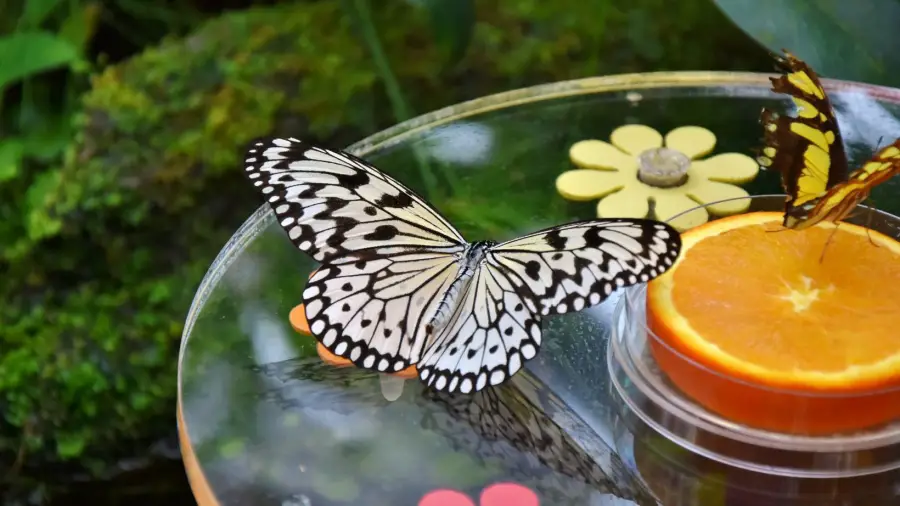
Butterflies need water just like any other living creature. However, their delicate frames require shallow sources to perch on safely. Incorporate watering stations by using dishes or shallow birdbaths. Add a few stones or pebbles for them to land on, ensuring water is always accessible. An occasional misting over foliage gives butterflies a refreshing drink without the risk of drowning.

Providing Resting And Basking Sites

Basking in the sun helps butterflies warm their wings for flight. To assist, arrange flat stones in sunny spots for them to rest. Add benches or garden ornaments where they can pause and soak in the warmth. These spots serve as perfect resting and basking sites for the weary traveler, offering a moment of respite before they flutter on.

Eco-friendly Maintenance Practices

Creating a butterfly garden is not only about planting the right flowers but also about the ongoing care. Sustainable maintenance practices keep your garden healthy for butterflies. Let’s explore how to do this without harming the environment or the delicate ecosystems within your garden.

Avoiding Pesticides And Chemicals

Butterflies are sensitive to chemicals. Chemical-free gardens are vital.

  • Use natural predators to control pests. Ladybugs and birds eat harmful insects.
  • Plant diversity can help. Different plants attract pest-eating insects.
  • Manual intervention, like hand-picking pests, can keep plants healthy.

Promoting A Self-sustaining Habitat

A self-sustaining garden works with nature, not against it. Here’s how to promote balance:

  1. Native plants support the local wildlife and need less care.
  2. Water sources, such as shallow dishes, keep butterflies hydrated.
  3. Layer plants for diversity. This creates shelter and food sources at different levels.


Observation And Adaptation

Observation and adaptation stand as key pillars in nurturing a flourishing butterfly garden. Paying close attention and responding to the unique dynamics of your garden enriches the habitat, enticing more winged visitors. Let’s delve into how tracking visits and adjusting the landscape can create a butterfly haven.

Tracking Butterfly Visits And Preferences

To understand the preferences of your fluttering guests, begin with monitoring their patterns. Observation logs facilitate insights into which flowers and plants they favor. This data becomes an invaluable guide for future enhancements to your garden’s layout.

  • Note down recurring visitors and their favored plants.
  • Monitor the time of day when butterflies are most active.
  • Identify which nectar sources are hotspots for diverse species.
Date Butterfly Species Favored Plant Visit Frequency
April 1 Monarch Milkweed High
April 2 Swallowtail Coneflower Medium


Adjusting The Garden Based On Activity

Your garden should evolve with the findings from your butterfly observations. Make informed decisions to alter your garden’s design and plant selection, catering to the preferred tastes and behaviors of your visitors.

  • Add more of the plants that attract the most butterflies.
  • Introduce new plants to offer a varied diet across species.
  • Reposition plants to maximize exposure to sunlight or shade, as needed.

Implementation could look like the following:

  1. Plant additional milkweed for Monarchs.
  2. Set up a shallow water bath for hydration.
  3. Plant a row of bushes to create a windbreak.


Frequently Asked Questions Of Best Practices For Creating A Butterfly Garden

How Do You Layout A Butterfly Garden?

Select a sunny spot with minimal wind. Include diverse plants that cater to all life stages of butterflies. Incorporate nectar-rich blooms and caterpillar host plants. Offer shelter with shrubs and trees. Ensure a water source like a shallow dish or puddle.

What Are Three Things A Butterfly Garden Should Have?

A butterfly garden should have nectar-rich flowers, host plants for caterpillars, and sunny, sheltered spots.

How Do You Make A Good Butterfly Garden?

Select a sunny location and choose native flowering plants. Include diverse nectar sources for continuous blooms. Provide water with shallow dishes or mud puddles. Avoid pesticides and incorporate host plants for caterpillars.

Where Is The Best Place To Plant A Butterfly Garden?

The best place to plant a butterfly garden is in a sunny area where nectar-rich plants thrive and butterflies can bask and fly with ease.

Conclusion

Embracing the tips outlined, your butterfly garden can become a vibrant habitat. Remember, choosing the right plants and avoiding pesticides are key. Include a water source and shelters for a complete sanctuary. By nurturing these delicate creatures, you contribute to biodiversity.

Your garden will not only be a haven for butterflies but a delight for all who visit. Welcome to a world where beauty takes flight on the wings of butterflies.

Fit Trees and Shrubs Into A Small Garden

How To Fit Trees and Shrubs Into A Small Garden: Space-Saving Tips

To fit trees and shrubs into a small garden, select dwarf varieties and utilize vertical space. Employing creative pruning and container planting can maximize space.

Fit Trees and Shrubs Into A Small Garden

Lush greenery and vibrant flowers aren’t just for sprawling landscapes; even the most compact of gardens can host a variety of trees and shrubs. With the right approach, a small garden space can become a leafy retreat or a floral haven.

Choosing the correct plant species is crucial; dwarf and slow-growing varieties that require less room to spread are ideal. Utilizing vertical space by incorporating climbing plants or tiered planters can add depth and height without overcrowding the ground. Creative pruning can also help to maintain the size of trees and shrubs, ensuring they complement rather than dominate your garden. Thinking outside the box and embracing container gardening can also offer flexibility, allowing you to move plants around as needed to suit your evolving outdoor aesthetic. Tailoring your choices to the scale of your space doesn’t have to curb your garden’s potential—it’s all about strategic selections and inventive layout planning.

The Challenge Of Small Garden Spaces

Small gardens pose a unique challenge for planting trees and shrubs. The key is to choose plants wisely and utilize space effectively. Opt for slow-growing species or those that can be trained upward against walls or fences, such as espalier fruit trees. Integrate multi-functional plants that provide more than just aesthetics, like those offering shade or acting as natural borders. Consider vertical gardening techniques to maximize your limited area.

There’s also a crucial need to consider biodiversity. Introducing a variety of species can encourage local wildlife to visit and thrive. Select plants that offer a range of benefits for different species, for instance, berry-producing shrubs for birds and flowering plants that support pollinators. By thoughtfully planning, your small garden can still contribute significantly to local ecosystems.

Choosing The Right Trees And Shrubs

Choosing the right trees and shrubs for a small garden is crucial. It’s important to consider both size and mature growth.

Smaller gardens benefit significantly from dwarf varieties. These plants stay compact, making them ideal for limited spaces. Dwarf varieties often require less pruning, which means less work for gardeners.

Other benefits of dwarf varieties include:

  • Easier maintenance due to reduced size.
  • They can be planted closer together for a fuller look.
  • Less root competition, which is good for small areas.

Design Strategies For Small Gardens

Vertical gardening is a smart choice for those with limited ground space. Climbing plants like ivy and clematis grow upward, not outward. This means you get a lush garden without eating up square footage. Use trellises, wall-mounted planters, or hanging baskets to start your vertical garden.

Layering techniques add depth and make a garden appear bigger. Plant tall shrubs at the back and shorter flowers in front. Each plant gets seen and the garden looks full. Mix up textures and colors for the best effect. This simple trick fools the eye into seeing more space.

Back Layer Mid Layer Front Layer
Tall Shrubs Medium Plants Low Growing Flowers
Creates Background Adds Fullness Offers Variety

Cultivation Tips For Restricted Areas

Pot culture enables trees and shrubs to thrive in restricted spaces. Use containers that give roots room to grow. Prune roots gently during repotting to encourage healthy development. These steps ensure plant vitality.

Soil for small gardens must be rich in nutrients. It should drain well yet hold moisture. Mix in compost to improve soil quality. Fertilizers maintain nutrient levels, but avoid over-fertilizing. Use organic options to feed your plants safely.

Pot Culture Soil Needs
Containers with growth space Nutrient-rich, well-draining
Root pruning during repot Add compost for quality
Ensures plant vitality Use organic fertilizers

Maintenance And Pruning Practices

Maintaining a small garden requires regular trimming to manage tree and shrub sizes. Pruning should be gentle, as harsh cuts can harm the plants. Gardeners need to ensure appropriate tools are used for clean cuts that promote healthy growth.

Seasonal care is crucial for keeping trees and shrubs vibrant and flourishing. In spring, focus on removing dead or damaged branches. Summer may call for light pruning to shape the plants. During fall, prepare plants for winter by removing any overgrowth. Lastly, winter is the time for major structural pruning when plants are dormant.

Season Care
Spring Clean up, remove dead branches
Summer Shape and maintain form
Fall Pre-winter trim, remove overgrowth
Winter Major pruning, structure focus

Innovative Solutions And Case Studies

Small gardens can flourish with the right tree and shrub choices. Utilizing vertical space is key; think climbing plants on walls. City dwellers often use raised planters for shrubs. Compact species thrive in tight spots, providing greenery and privacy. Living walls are also effective, mingling different plant types vertically. Tables below offer examples and strategies for petite green spaces.

Garden Type Tree/Shrub Strategy
Urban Balcony Dwarf fruit trees in containers
Small Front Yard Columnar or fastigiate shrubs
Tiny Backyard Multi-purpose plants (e.g., privacy & fruit)
Miniature Patio Vertical planters with trailing species

Pocket gardens utilize every available nook. Underplanting beneath trees maximizes greenery. Bonsai techniques help fit larger trees into small plots. Roof gardens are becoming popular in cities. They use lightweight soil for tree health and building safety.

Frequently Asked Questions Of How To Fit Trees And Shrubs Into A Small Garden

What Are Suitable Trees For Small Gardens?

Small gardens benefit from trees like Amelanchier, Japanese Maple, and Crabapple. These species grow vertically with moderate canopies that provide shade without overwhelming the space. Their relatively shallow root systems minimize disruption to nearby structures and plants.

How To Select Shrubs For Limited Space?

Choose dwarf shrub varieties with slow growth rates for minimal maintenance. Look for those that offer multi-season interest, such as flowering in spring or vibrant fall foliage. Assess the shrub’s mature size to ensure it will fit comfortably in your garden without overcrowding.

Can I Grow Fruit Trees In A Small Yard?

Yes, fruit trees can thrive in small yards with proper selection and pruning. Dwarf and columnar fruit trees are ideal, taking up less space while still providing a yield. Regular pruning helps manage their size and promotes healthier fruit production.

What Landscaping Techniques Maximize Small Garden Space?

Vertical gardening, tiered planters, and espaliered trees are key techniques to maximize space. These methods allow you to grow plants upwards, making the most of vertical space. Also, consider using companion planting to efficiently use ground space.

Conclusion

Transforming a small garden space with trees and shrubs is not just possible, it’s a creative journey. Choose the right species, employ vertical planting, and embrace regular pruning for a lush, spacious feel. Your petite garden can boast big character and tranquility.

(To know more, you can check this out too: https://bonsainurserybd.com/grow-your-green-oasis/)

Happy gardening!

Gardening With The Environment In Mind

Why Should I Gardening With The Environment In Mind: Eco-Wise Tips

Gardening with the environment in mind preserves biodiversity and sustains soil health. It reduces pollution and conserves vital resources like water.

Gardening With The Environment In Mind

Gardening holds a special place in the heart of many homeowners and nature enthusiasts. It’s an activity that not only beautifies your home but can also play a pivotal role in supporting local ecosystems. Adopting eco-friendly gardening practices helps in reducing your carbon footprint, limiting the use of harmful chemicals, and supporting pollinators.

By choosing native plant species, employing composting techniques, and using organic pest control, gardeners can create a thriving garden that aligns with the rhythms of the natural world. This approach not only nurtures the environment but can also result in a more resilient and productive garden. As our awareness of ecological concerns grows, so too does the importance of gardening in a way that respects and protects our planet.

Gardening With The Environment In Mind: The Roots Of Eco-friendly Gardening

Eco-friendly gardening restores balance to our planet’s ecosystems. Native plants attract beneficial insects and wildlife. These species support biodiversity and soil health. Eco-gardens conserve water with rain barrels and drought-resistant plants.

Sustainable horticulture is not new. Ancient civilizations practiced crop rotation and composting. These methods enriched the soil without chemicals. They understood the importance of working with nature, not against it. Today, we continue these traditions to protect our environment.

Environmentally Friendly Practice Benefits
Using organic fertilizers Keeps soil and waterways clean
Planting cover crops Prevents erosion and nurtures soil
Encouraging wildlife Promotes natural pest control

Soil Health And Plant Selection

Nurturing soil naturally boosts plant growth and health. Organic matter, like compost, gives soil nutrients and life. It makes the earth rich and fertile.

Choosing native plants means they are perfect for your area. They need less water and fewer chemicals. This choice helps local wildlife, like bees and birds.

Native species thrive with natural soil conditions. Non-native plants might need extra help. They can also hurt the ecosystem.

(Check the link for Soil Mixture in the Garden: https://bonsainurserybd.com/soil-mixture-for-raised-vegetable-garden/)

Water Wisdom In The Garden

Water is precious for both gardens and the planet. Drip irrigation is a key method for conserving this vital resource. Its system sends water slowly to plant roots. Unlike sprinklers, it reduces water loss from evaporation and runoff. Smart gardeners use timers to further control water use. By doing so, they ensure every drop is used wisely. Conservation techniques in gardening are essential for sustainability.

Natural Pest Control

Gardening with the environment in mind means using natural methods. Promoting beneficial insects is key for natural pest control. These friendly bugs eat harmful pests. Ladybugs, bees, and butterflies help keep your garden healthy.

Using organic alternatives to pesticides protects these insects. You can make sprays from garlic, pepper, or soap. These do not harm the good bugs. Your garden stays safe for wildlife and your family.

Eco-friendly Garden Design

Eco-friendly garden design embraces earth-conscious choices. It helps nature thrive right in your backyard. Diverse plants attract different critters. Think about native flowers, shrubs, and trees to welcome birds, bees, and butterflies.

Feature Benefit
Native Plants Support Local Wildlife
Organic Mulch Enrich Soil Health
Water Features Provide Habitats

Plan your green space for the future. Spaces for wildlife are a must. Did you know sustainable landscapes need less work? They save water and invite helpful insects. A well-planned eco-garden brings joy for years. Start with sustainable materials and go organic!

From Garden To Table

Gardening with the environment in mind helps our planet. It cuts down on transport emissions because we don’t have to buy food from far away. Growing your own food means fewer trips to the store. This lowers your carbon footprint.

Eating what you grow is not only fresh, it’s good for the Earth. Plants take in carbon dioxide and give out oxygen. Home gardens can do this too. This process helps fight climate change.

Frequently Asked Questions For Why Should I Garden With The Environment In Mind

What Are Environmental Benefits Of Gardening?

Gardening naturally supports local ecosystems and biodiversity. By choosing native plants, you provide habitats for indigenous wildlife. Composting reduces landfill waste, while avoiding chemicals preserves soil and water quality.

Can Gardening Reduce Carbon Footprint?

Yes, gardening can significantly lower your carbon footprint. Cultivating plants captures carbon dioxide from the atmosphere. Moreover, growing your own food cuts down on the emissions associated with transporting produce.

How Does Water Conservation Relate To Eco-gardening?

Eco-conscious gardening practices include water conservation measures. Using drought-resistant plants, mulching, and rainwater harvesting are ways to reduce water usage and maintain a sustainable garden.

What Is The Importance Of Soil Health In Eco-gardening?

Healthy soil is crucial for sustainable gardening. It supports plant growth, stores carbon and filters water. Utilize organic matter and avoid synthetic fertilizers to uphold soil’s natural fertility and structure.

Conclusion

Embracing eco-friendly gardening nurtures our planet as much as our souls. By choosing sustainable practices, we support biodiversity, conserve resources, and contribute to a healthier environment. Let’s cultivate our gardens mindfully, knowing each plant we sow is a step toward a greener future.

(For more Eco-Friendly Gardening Tips: https://www.greenmatters.com/p/how-to-keep-your-garden-eco-friendly)

Together, our green thumbs make a world of difference.

Dry Shady Spot

What Can I Grow In A Dry Shady Spot: Oasis Gems Unveiled

In dry, shady spots, hostas and ferns can thrive. These plants tolerate low light and dry soil conditions.

Cultivating a garden in areas with dry shade can be challenging, yet several plants adapt well to these conditions. Selecting the right species is crucial for a thriving garden that requires minimal maintenance. Plants like hostas, known for their lush foliage and hardiness, are excellent for such spots.

Dry Shady Spot

Similarly, ferns offer a variety of textures and forms, enhancing the aesthetic of shaded areas while being drought-resistant. Creating an inviting landscape in dry shady areas is possible by choosing the suitable plants that not only survive but flourish under these specific conditions. With a thoughtful approach to planting, even the most challenging garden spots can transform into an oasis of greenery.

Thriving In The Shadows

Dry shade areas pose a unique challenge for gardeners. Many plants thirst for sunlight and moist soil. Yet, certain plants both thrive and bring life to these seemingly inhospitable spaces. These plants have evolved to manage with less water and minimal light. They generally have deeper roots or leaves that require less sunlight. Unlike their sun-loving counterparts, these shade dwellers conserve water. This ability to store water allows them to wait for rare damp moments. Thus, garden success in dry shade hinges on selecting the right species.

Dry Shade Plant Options

Evergreen choices come with a promise of year-round greenery. Japanese Spurge thrives in dry, shady spots. Its lush leaves persist through all seasons. Cast Iron Plant, true to its name, withstands tough conditions. It’s perfect for shaded areas year-round.

Flowering plants also have low light champions. Try the Bigroot Geranium for summer blooms. Despite shade, it flourishes with striking flowers. The Bleeding Heart is another stunner. It blooms even without much light. Gardeners love its heart-shaped pink flowers. They brighten up any shady corner.

Plant Type Characteristics
Japanese Spurge Lush, year-long green
Cast Iron Plant Survives in tough conditions
Bigroot Geranium Blooms in summer, tolerates shade
Bleeding Heart Pink, heart-shaped flowers

Ground Covers: A Dry Shade Solution

Ground covers thrive even in dry, shady areas. These plants conserve soil moisture and prevent erosion. Their dense growth keeps weeds at bay. For areas beneath trees or along the north side of buildings, these resilient plants are ideal.

Ground Cover Plant Features
English Ivy Evergreen with fast growth
Periwinkle Colorful flowers; spreads quickly
Pachysandra Lush foliage; handles dryness well
Hostas Wide variety; easy to grow

These varieties adapt well to low light and sparse water. They make your garden look full and lively. With these ground covers, dry shade becomes a lush, green space.

Ferns And Perennials: The Shade Specialists

Dry shady spots can still burst with life, thanks to certain ferns and perennials. Christmas ferns and maidenhair ferns love the shade. They need little water. Leatherwood ferns are another great pick for dry, shady areas. These plants thrive with minimal care.

Not just ferns, some perennials also don’t need much water. The bigroot geranium and epimedium are perfect. They both bring color and life to any dry, shaded garden spot. Plant once and enjoy for years. Ready for the shade?

Creating Your Shade Garden Oasis

Creating your shade garden oasis might feel challenging, but with the right plants and design, it can become a beautiful retreat. Texture and color are key to design in dry, shady areas. Consider plants with varied leaf sizes and shapes to add interest. Using ferns, hostas, and hellebores can bring lushness and vibrancy. Bleeding hearts and lungwort add pops of color.

Don’t overlook the role of hardscape elements like stone pathways or decorative rocks. These can create structure and contrast. Integrate benches or sculptures to give character to your garden. A shady garden doesn’t have to be dull. It can be a dynamic and serene space to enjoy.

Care Tips For Dry Shade Gardens

Effective watering strategies are key for dry, shady gardens. Drip irrigation or soaker hoses deliver water directly to plant roots, minimizing waste. Grouping plants with similar water needs together helps conserve water. Water early in the morning to reduce evaporation and allow for deep, infrequent waterings that encourages deeper root growth.

Mulch is essential in improving soil and conserving moisture. Use organic mulches like leaf mold or compost to add nutrients. A 2-3 inch layer of mulch helps keep the ground cool and reduces water loss. Over time, it will also improve soil structure and benefit your plants’ health.

Frequently Asked Questions For What Can I Grow In A Dry Shady Spot

What Plants Thrive In Dry Shade?

Dry shade can be challenging for gardening, but certain plants like Hostas, Ferns, and Hellebores adapt well. These species are known for their ability to grow in low-water and low-light conditions. They are excellent choices for these tricky spots in your garden.

Are There Any Colorful Flowers For Dry Shade?

Yes, there are! Bleeding hearts, Lungwort, and certain varieties of Hydrangea bloom well in dry shade. These plants add a splash of color with their vibrant flowers even in the less hospitable areas of your garden.

Can Ground Cover Plants Grow In Shady Areas?

Absolutely. Ground cover plants such as Vinca, Ajuga, and Pachysandra are perfect for dry shady areas. They spread out to form a living mulch, preventing weed growth and providing a lush, green carpet underfoot.

How Do I Prepare Soil For Dry Shade Garden?

Preparing soil in a dry shade garden involves adding organic matter, such as compost or leaf mold, to improve moisture retention. Ensuring it is well-aerated and fertile will help plants establish roots and thrive even in challenging conditions.

Conclusion

Navigating the challenges of dry, shady spots doesn’t mean compromising on a lush garden. With the right plants—like hostas, ferns, and bleeding hearts—these areas can flourish. Embrace this unique corner of your garden as an opportunity for growth. Happy planting and enjoy the transformation!

(For some more idea: https://bonsainurserybd.com/what-to-do-with-a-dark-corner-in-your-garden/)

Garden In Support Of Diabetic

The Habit Of Living A Garden In Support Of Diabetic: Grow Health!

Maintaining a garden can be a therapeutic hobby for people with diabetes, promoting physical activity and healthy eating. Gardening provides fresh produce and the benefit of exercise, which are essential for diabetes management.

Garden In Support Of Diabetic

Garden In Support Of Diabetic is not only a peaceful and productive pastime but also a strategic ally against diabetes. Engaging in this activity has been found to offer numerous health advantages, especially for those managing diabetes. Regular gardening encourages a more active lifestyle, reducing sedentary behavior and helping with blood glucose control, which is critical for diabetic patients.

It also often leads to healthier eating habits, as cultivating one’s own fruits and vegetables can lead to an increased intake of vital nutrients. The mental health benefits, including stress reduction, cannot be overlooked since consistent high stress levels can affect blood sugar control. Additionally, the exposure to sunlight during gardening increases vitamin D levels, further supporting overall health. By incorporating gardening into their routine, individuals with diabetes can enjoy a natural approach to compliment their diabetes management plan.

The Green Connection: Cultivating Gardens For Diabetes Management

Creating a garden can be a powerful tool for those managing diabetes. Gardens act as natural pharmacies, filled with plants that offer health benefits. For instance, vegetables like spinach and kale help regulate blood sugar levels. Herbs such as cinnamon and fenugreek may also aid in diabetes management, according to some studies.

By engaging in gardening, people with diabetes can grow their own remedies. These remedies can influence blood sugar positively. Not only that, but the physical activity of gardening itself promotes a healthy lifestyle. Regular movement helps the body use insulin better, thus balancing blood sugar. Indeed, a garden offers both medicinal ingredients and physical exercise.

Seeds Of Health: Choosing Plants For Glycemic Control

Managing diabetes can be a challenge. Gardens offer natural helpers for blood sugar control. Bitter gourds shine in this battle. Their active compounds aid in lowering glucose levels. Regular consumption of bitter gourd can work wonders.

Leafy greens come packed with benefits too. Abundant in fiber, they slow down sugar absorption. This action helps maintain steady blood sugar levels. Kale, spinach, and Swiss chard are excellent choices. Make them a staple in your diet for better health.

The Therapeutic Rhythms Of Gardening

Gardening serves as a peaceful haven for many, with its steady, predictable patterns nurturing both mind and body. Tending to plants allows for a gentle escape from daily stresses, promoting serenity and a clear headspace.

Regular movement through gardening tasks such as digging and weeding contribute to a healthier lifestyle. This type of physical activity boosts heart health and encourages better insulin response, essential for those managing diabetes. The combination of reduced stress levels and increased exercise found in gardening can significantly help regulate blood sugar levels.

From Soil To Table: A Fresher Approach To Meals

Growing your own vegetables can lead to better health. Each plant offers a wealth of nutrients that are essential for managing diabetes. Vegetables like spinach, carrots, and tomatoes not only taste great but also help regulate blood sugar levels.

Consuming veggies soon after picking ensures you get maximum freshness and flavor. All this without added preservatives or chemicals. By preparing meals with these plants, you’ll enjoy dishes that are both delicious and nutritious. Why not try a spinach salad or fresh tomato soup tonight?

The Blooming Community: Sharing The Harvest, Spreading Knowledge

Joining a community garden offers unforeseen benefits for those managing diabetes. Local gardens create support groups, fostering bonds over shared tasks. This togetherness is vital for emotional well-being.

Educational workshops introduce gardeners to diabetes-friendly foods. They also share knowledge on maintaining a balanced diet. Growing these foods allows easy, fresh access. The hands-on experience reinforces learning.

(Best way to start Gardening Business: https://bonsainurserybd.com/best-way-to-start-gardening-business/

Frequently Asked Questions On The Habit Of Living A Garden In Support Of Diabetic

Can Gardening Improve Diabetes Management?

Absolutely! Gardening can act as a low-impact physical activity, which is essential in managing blood glucose levels. Engaging in gardening tasks helps reduce stress and supports a healthier lifestyle, both beneficial for individuals with diabetes.

What Plants Benefit Diabetic Health In A Garden?

Certain plants like bitter gourd, fenugreek, and okra are known to have blood glucose-lowering properties. Growing these in a garden can provide easy access to foods that support diabetic health.

How Often Should Diabetics Garden For Health Benefits?

Regular gardening, about 30 minutes daily, can be a great way for diabetics to incorporate consistent physical activity into their routine, thereby contributing to better glycemic control and improved overall well-being.

Can Homegrown Foods Reduce The Risk Of Diabetes?

Yes, consuming fresh, homegrown vegetables and fruits ensures lower intake of processed foods, providing essential nutrients and fiber that can help in weight management and reduce diabetes risk.

Conclusion

Embracing the green lifestyle that garden living offers is a stride towards better diabetic health management. It is a dual gift, nourishing both body and soul. Crafting habits around nature’s bounty ensures fresher meals and regular physical activity. Take the step; your wellness path awaits in the tranquility of your garden.

(To gather more knowledge: https://www.healthline.com/health/healthful-benefits-of-gardening#helps-fight-disease