Cactus Wonders

Cactus Wonders: Exploring the Breathtaking Beauty and Healing Powers of Desert Flora 🌅🌵

Introduction: Embracing the Desert’s Beauty and Healing

Cactus Wonders: In the arid landscapes where life seems scarce, a captivating wonder thrives—the cactus. This resilient plant family has captured the imagination of many with its breathtaking beauty and astounding healing properties. In this article, we embark on a journey to uncover the secrets of the desert flora, delving into their stunning aesthetics and the healing powers they possess. Let’s explore the enchanting world of “Cactus Wonders: Exploring the Breathtaking Beauty and Healing Powers of Desert Flora 🌅🌵.”

Cactus Wonders

Cactus Wonders: Exploring the Breathtaking Beauty and Healing Powers of Desert Flora 🌅🌵

The Mesmerizing Variety of Desert Flora

From the towering saguaro cacti to the delicate prickly pears, the desert is adorned with an incredible diversity of cactus species. These plants have evolved remarkable adaptations to survive in harsh environments, resulting in their unique and captivating forms.

Table of Contents

Unveiling the Healing Potentials

Beyond their aesthetic appeal, desert cacti have been revered for their healing properties for centuries. Aloe vera, a succulent cactus, is renowned for its soothing gel that aids in treating burns and skin irritations. Nopal cactus, also known as prickly pear, offers antioxidant-rich fruits that support heart health and blood sugar regulation.

The Role of Cacti in Ecosystems

Cacti play an indispensable role in desert ecosystems. Their intricate root systems prevent soil erosion and create microhabitats for various creatures. Additionally, the fruits, flowers, and nectar of cacti sustain a wide range of animals, including bats and insects.

Cultural Significance and Symbolism

Across cultures, cacti hold symbolic significance. In Native American cultures, the saguaro cactus is a revered symbol of endurance and survival. In Mexican folklore, cacti are associated with protection and good luck. This deep-rooted cultural significance showcases the lasting impact of these plants on human societies.

Sustainable Landscaping with Cacti

As drought-resistant plants, cacti are excellent choices for sustainable landscaping. Their minimal water requirements make them ideal for creating water-wise gardens that conserve resources and thrive in arid climates. Incorporating cacti into landscapes not only conserves water but also adds a touch of natural elegance.

Exploring Cactus Diversity: Shapes and Sizes

The world of cacti boasts an astonishing array of shapes and sizes. From the cylindrical columns of the Organ Pipe cactus to the spherical globes of the Golden Barrel cactus, each species showcases a distinct silhouette that contributes to the allure of desert landscapes.

Cacti as Architectural Accents

In the realm of architecture and design, cacti have transcended their natural habitats to become captivating ornamental elements. Their sculptural forms and resilience make them ideal choices for indoor and outdoor decor, infusing spaces with a touch of desert charm.

A Glimpse into Cactus Conservation

In the face of habitat loss and climate change, the conservation of cactus species has become increasingly crucial. Many cacti are threatened or endangered due to over-harvesting and habitat degradation. Efforts are underway to protect and propagate these plants, ensuring their survival for future generations.

Cactus-Wonders-bonsai

FAQs

Q: Can I grow cacti indoors?

A: Absolutely! Many cactus species can thrive indoors if provided with proper light, soil, and care.

Q: Are all cacti edible?

A: While some cacti produce edible fruits, not all cacti are safe for consumption. It’s essential to identify edible species before consuming them.

Q: How do cacti survive in extreme temperatures?

A: Cacti have evolved specialized adaptations, such as thick waxy coatings and water-storing tissues, to withstand extreme temperatures and conserve water.

Q: Do cacti bloom?

A: Yes, many cactus species produce stunning flowers in various colors and sizes. Some cacti are famous for their spectacular blossoms.

Q: Can cacti be used for medicinal purposes?

A: Yes, several cacti species have medicinal properties. Aloe vera, for example, is renowned for its gel’s soothing and healing effects on the skin.

Q: How can I care for my cactus?

A: Caring for cacti involves providing them with adequate sunlight, well-draining soil, and infrequent watering. Research the specific needs of your cactus species for optimal care.

Conclusion: Embrace the Marvels of Desert Flora

“Cactus Wonders: Exploring the Breathtaking Beauty and Healing Powers of Desert Flora 🌅🌵” has illuminated the remarkable world of cacti. From their astonishing diversity and healing potentials to their cultural significance and conservation efforts, cacti continue to captivate and inspire. Embrace the beauty and wisdom these plants offer, and consider incorporating their unique charm into your life and surroundings.

(For Cactus caring guide : https://bonsainurserybd.com/cactus-care-101/ )
Jackfruit

Jackfruit: The Sustainable Solution for Food Security and Climate Change

Introduction

In a world facing the dual challenges of food security and climate change, finding sustainable solutions is crucial. Jackfruit, scientifically known as Artocarpus heterophyllus, emerges as a beacon of hope. This tropical fruit, native to South Asia, is gaining global attention due to its numerous benefits for both people and the planet. In this article, we delve into the many facets of Jackfruit and its role in addressing food scarcity while mitigating climate change.

Jackfruit

What is Jackfruit?

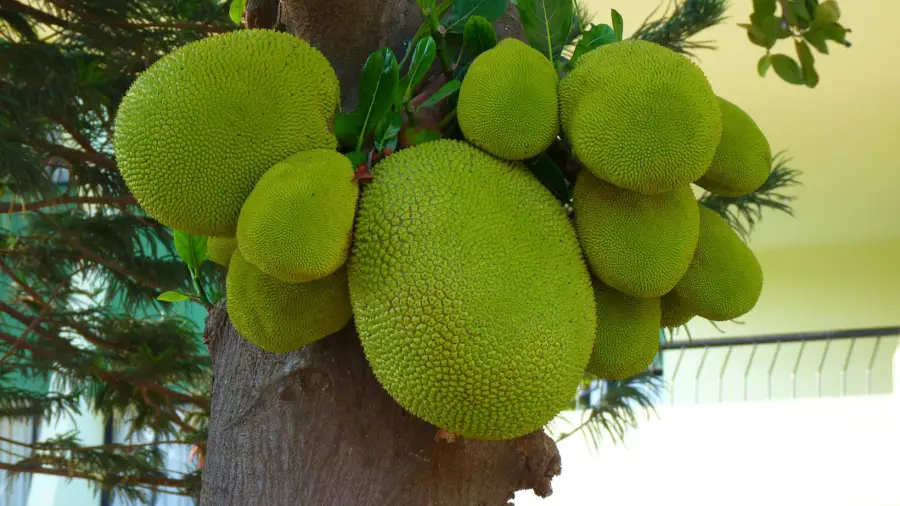
Jackfruit is the largest tree-borne fruit in the world, with some specimens weighing over 80 pounds. Its distinctive green and spiky exterior encloses a treasure trove of golden, fibrous flesh. Native to the rainforests of India, it has been cultivated in various tropical regions worldwide for centuries. The fruit’s unique texture and mild, slightly sweet flavor make it incredibly versatile in culinary applications.

The Nutritional Powerhouse

Jackfruit is not just a delicious fruit; it’s a nutritional powerhouse. Packed with essential vitamins, minerals, and fiber, it offers a host of health benefits. A single cup of raw jackfruit contains ample amounts of vitamin C, potassium, and dietary fiber. Its low-calorie content and absence of cholesterol and unhealthy fats make it an excellent addition to any diet.

Jackfruit and Food Security

As the global population continues to soar, ensuring food security has become a pressing concern. Jackfruit can play a vital role in this regard. Its massive yield per tree and relatively low maintenance requirements make it an efficient crop. Additionally, it is relatively resistant to pests and diseases, reducing the need for chemical interventions. For regions grappling with food scarcity, Jackfruit offers a reliable source of sustenance.

Jackfruit’s Climate Resilience

Climate change poses a significant threat to agriculture, affecting crop yields and overall food production. In this context, Jackfruit stands out as a climate-resilient option. Its deep root system allows it to withstand droughts, and it can thrive in a variety of soil types. As extreme weather events become more frequent, cultivating climate-resistant crops like Jackfruit becomes increasingly important.

Culinary Applications of Jackfruit

Beyond its nutritional value and climate resilience, Jackfruit’s culinary applications have captured the imagination of chefs and food enthusiasts worldwide. Its fibrous texture and neutral taste make it a perfect meat substitute in vegetarian and vegan dishes. When cooked, the flesh takes on a texture akin to pulled pork or chicken, making it a popular choice for plant-based tacos, burgers, curries, and stews.

Jackfruit and Biodiversity Conservation

The cultivation of Jackfruit can also contribute to biodiversity conservation. As it requires minimal intervention and can grow in mixed agroforestry systems, it promotes biodiversity by providing habitats for various plant and animal species. Preserving and promoting the cultivation of Jackfruit can aid in protecting ecosystems and preserving traditional agricultural practices.

Jackfruit in the Circular Economy

As the world embraces the concept of a circular economy, Jackfruit offers an opportunity to minimize waste. The seeds of the fruit, which are often discarded, are edible and nutritious. Jackfruit can be roasted, boiled, or ground into flour for various culinary uses. Utilizing the entire fruit ensures a more sustainable approach to food production and consumption.

Jackfruit and Sustainable Farming Practices

Sustainable farming practices are essential for safeguarding the environment and human health. Jackfruit aligns perfectly with these principles due to its minimal need for chemical inputs, reduced water consumption, and potential for organic cultivation. By integrating Jackfruit into agroecological systems, farmers can move towards a more sustainable and regenerative approach to agriculture.

(For more information about gardening : https://bonsainurserybd.com/why-gardening-is-good-for-the-environment/)

Promoting Jackfruit Consumption: Challenges and Solutions

While the benefits of Jackfruit are evident, promoting its consumption on a global scale presents some challenges. One obstacle is its unfamiliarity to many populations outside its native regions. Education and awareness campaigns can help introduce this nutritious fruit to new markets. Additionally, research on post-harvest techniques and value-added products can enhance its appeal and commercial viability.

Jackfruit as a Source of Economic Empowerment

For many rural communities in developing countries, Jackfruit can offer economic empowerment. Its cultivation provides livelihood opportunities for farmers and laborers. Moreover, the global demand for sustainable and plant-based foods opens up possibilities for agri-entrepreneurs to venture into the Jackfruit industry, fostering economic growth at the grassroots level.

Jackfruit and Global Trade

The international trade of Jackfruit and its products has seen a steady rise. Countries with suitable climatic conditions are recognizing its potential as an export commodity. However, ensuring fair trade practices and maintaining the ecological balance in producing regions is critical. Responsible trade can lead to mutually beneficial partnerships and support sustainable development goals.

The Environmental Impact of Jackfruit

Jackfruit’s environmental impact extends beyond its climate resilience. As a tree crop, it contributes to carbon sequestration, helping offset greenhouse gas emissions. Additionally, it requires fewer resources compared to animal agriculture, reducing pressure on land, water, and energy. Embracing Jackfruit as part of a sustainable diet can contribute to a more eco-friendly food system.

Jackfruit Cultivation Techniques and Best Practices

Successful cultivation of Jackfruit demands knowledge of best practices. This section explores essential techniques for planting, pruning, and pest management. Whether it’s small-scale backyard cultivation or large commercial orchards, following these practices can enhance productivity and fruit quality.

Jackfruit in Traditional Medicine

In addition to its culinary and nutritional value, Jackfruit has a history of use in traditional medicine. Various parts of the tree and fruit have been employed for their medicinal properties in different cultures. While modern research is still exploring these potential health benefits, the traditional use of Jackfruit showcases its multifaceted significance.

Jackfruit: The Versatile Ingredient

Delving further into the culinary aspect, this section explores the versatility of Jackfruit as an ingredient. From savory dishes to sweet treats, its ability to mimic various textures and flavors makes it a valuable addition to any kitchen. Creative recipes and cooking tips demonstrate the vast potential of this fruit.

Jackfruit: A Resilient Tree in Agroforestry

In agroforestry systems, Jackfruit serves as a resilient tree species that complements other crops. Its extensive root system aids in soil stabilization and erosion control. By integrating Jackfruit into agroforestry, farmers can create more sustainable and diverse landscapes.

Jackfruit: A Catalyst for Social Change

Beyond its ecological and economic contributions, Jackfruit can act as a catalyst for social change. Promoting its consumption can encourage healthier dietary choices, leading to improved public health outcomes. Additionally, its cultivation can foster community collaboration and knowledge-sharing, strengthening social bonds.

jackfruits-plantation

Frequently Asked Questions (FAQs)

Q: What is the environmental impact of Jackfruit cultivation?

A: Jackfruit cultivation has a positive environmental impact as it contributes to carbon sequestration and requires fewer resources than animal agriculture.

Q: Is Jackfruit a suitable alternative to meat for vegetarians and vegans?

A: Yes, Jackfruit’s fibrous texture and neutral taste make it an excellent meat substitute in vegetarian and vegan dishes.

Q: Can Jackfruit be grown in non-tropical regions?

A: While Jackfruit thrives in tropical regions, it can be grown in subtropical areas with proper care and protection from frost.

Q: How can Jackfruit help in achieving food security?

A: Jackfruit’s high yield per tree and climate resilience make it a reliable source of sustenance in regions facing food scarcity.

Q: Are Jackfruit seeds edible?

A: Yes, Jackfruit seeds are edible and nutritious. Jackfruit can be roasted, boiled, or ground into flour for various culinary uses.

Q: How can I promote the consumption of Jackfruit in my community?

A: You can promote Jackfruit consumption through educational campaigns, cooking demonstrations, and collaborations with local markets.

Conclusion

Jackfruit emerges as a sustainable solution for food security and climate change, with its impressive nutritional profile, climate resilience, and versatile culinary applications. Embracing Jackfruit cultivation and consumption can lead to positive environmental, economic, and social impacts. By harnessing the potential of this remarkable fruit, we take a step towards a more sustainable and secure future.

Tamarind-Plantation

The Ultimate Guide to Starting Your Own Tamarind Plantation at Home – Grow Delicious and Exotic Fruits in Your Backyard!

Introduction

Welcome to the ultimate guide on how to start your very own tamarind plantation at home. Tamarind (Tamarindus indica) is a beautiful and exotic fruit-bearing tree that not only enhances the aesthetics of your backyard but also provides you with the pleasure of savoring its delicious and tangy fruits. This guide is packed with essential information, tips, and tricks that will help you embark on this exciting journey of growing tamarind right in your own backyard. Let’s dive in and explore the wonderful world of tamarind cultivation!

Tamarind-Plantation

Table of Contents

The Tantalizing Tamarind – A Brief Overview

Before we delve into the nitty-gritty of starting a tamarind plantation, let’s take a moment to understand this incredible fruit. Tamarind, native to tropical regions, is renowned for its distinct sweet and tangy flavor. It is used in various culinary dishes, beverages, and desserts worldwide, making it a highly sought-after fruit.

Selecting the Perfect Location-Tamarind Plantation

Choosing the right location for your tamarind plantation is crucial to ensure its healthy growth and fruitful yield. Tamarind trees thrive in warm and sunny climates, preferably in areas with well-drained soil. Additionally, the location should have sufficient space for the tree to grow freely and receive adequate sunlight throughout the day.

Soil Preparation and Planting-Tamarind Plantation

Proper soil preparation is essential to provide a conducive environment for tamarind trees to flourish. For a successful Tamarind Plantation at Home, ensure the soil is well-draining and rich in organic matter. In this section, we will guide you through the step-by-step process of planting a tamarind sapling and nurturing it during its initial growth phase.

Watering and Irrigation-Tamarind Plantation

To thrive, tamarind trees require adequate watering and irrigation. We’ll cover the best practices for watering your tamarind plantation, including the right frequency and techniques to ensure your trees stay hydrated and healthy.

Pruning and Training-Tamarind Plantation

LSI Keywords: Tamarind tree pruning, tamarind tree training, tree maintenance

Pruning and training are essential for maintaining the shape, size, and overall health of your tamarind trees. Learn the art of pruning to encourage optimal growth and increase the productivity of your tamarind plantation.

Pest and Disease Management-Tamarind Plantation

LSI Keywords: Tamarind pests, tamarind diseases, pest control, organic remedies

Tamarind trees can be susceptible to various pests and diseases. Understanding the common issues and implementing effective pest control measures is vital to protect your plantation and ensure a bountiful harvest. Discover organic remedies to combat pests and diseases without harmful chemicals.

Fertilization and Nutrient Management-Tamarind Plantation

LSI Keywords: Tamarind fertilization, nutrient requirements, organic fertilizers

Fertilization plays a significant role in enhancing the growth and productivity of tamarind trees. Learn about the essential nutrients required for tamarind cultivation and how to provide them using organic fertilizers to ensure the best results.

Harvesting and Yield-Tamarind Plantation

LSI Keywords: Tamarind harvest, fruit picking, yield per tree

The joy of harvesting your homegrown tamarind is unmatched. Understanding the right time to harvest, proper fruit picking techniques, and maximizing yield per tree are crucial aspects that we will explore in this section.

Preserving and Utilizing Tamarind-Tamarind Plantation

LSI Keywords: Tamarind preservation, tamarind usage, culinary applications

Tamarind has a wide range of culinary applications, and preserving this delightful fruit is essential to enjoy its flavor year-round. Discover various methods of preserving tamarind and explore creative ways to use it in your favorite dishes and beverages.

Benefits of Growing Tamarind at Home

Apart from the sheer pleasure of growing tamarind, there are several benefits to cultivating this fruit at home. From promoting sustainable practices to enjoying fresh and chemical-free fruits, learn about the advantages of having your own tamarind plantation.

tamarind-plantation-juice

Frequently Asked Questions (FAQs)

Q: What is the ideal climate for growing tamarind?

A: Tamarind thrives in warm and tropical climates with temperatures between 68°F to 95°F (20°C to 35°C).

Q: Can I grow tamarind in a pot?

A: Yes, you can grow a tamarind tree in a large pot, but it may limit its growth compared to planting it directly in the ground.

Q: How long does it take for a tamarind tree to bear fruit?

A: Tamarind trees typically take 3 to 4 years to start bearing fruits after planting.

Q: Is tamarind a drought-tolerant tree?

A: Yes, tamarind trees are moderately drought-tolerant once established, but they still require regular watering.

Q: Can I use tamarind leaves for culinary purposes?

A: Yes, tamarind leaves are used in some culinary dishes for their unique flavor.

Q: How do I know if my tamarind tree is affected by pests or diseases?

A: Look out for signs of wilting, yellowing leaves, or unusual spots, and consult a horticulturist for proper diagnosis and treatment.

Conclusion

Congratulations! You are now equipped with the knowledge and expertise to embark on your journey of starting your very own tamarind plantation at home. The joy of watching your trees grow, bloom, and bear fruits will undoubtedly be a rewarding experience. Remember, patience, care, and dedication are key to a successful tamarind plantation. So, roll up your sleeves, get your gardening tools ready, and create a lush oasis of delicious and exotic fruits in your backyard!

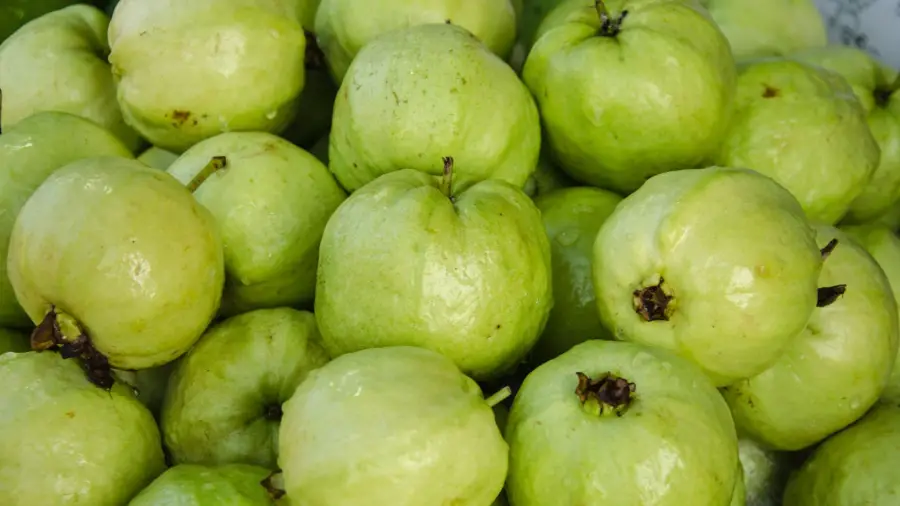
guava-plantation

Guava Plantation at Home: A Complete Guide to Growing Delicious Guavas in Your Backyard

Introduction: Embrace the Joy of Guava Plantation at Home

Welcome to the exciting world of guava plantation at home! If you’re a fan of tropical fruits and want to experience the satisfaction of growing your own, then guava is an excellent choice. Guava trees are relatively easy to cultivate, making them perfect for home gardeners of all levels. In this comprehensive guide, we will take you through every step of the process, from selecting the right location to harvesting ripe guavas. So, let’s get started and turn your backyard into a delightful guava paradise!

guava-plantation

Table of Contents

Why Choose Guava Plantation at Home?

Before we delve into the details of guava cultivation, let’s explore why growing guavas at home is an excellent decision.

1. Freshness and Flavor Unmatched

Guava fruits, when picked fresh from your own tree, offer an unparalleled burst of flavor and freshness. Store-bought fruits can’t compete with the juiciness and aroma of homegrown guavas.

2. Nutritional Richness

Guavas are packed with essential nutrients like Vitamin C, Vitamin A, dietary fiber, and antioxidants. By growing them at home, you ensure that you and your family enjoy the maximum nutritional benefits.

3. Sustainable and Eco-Friendly

Home gardening promotes sustainability by reducing your carbon footprint and supporting local biodiversity. Guava trees are relatively low-maintenance, making them a sustainable choice for fruit cultivation.

4. Aesthetic Appeal

Guava trees are not only fruit-bearing wonders but also add beauty to your garden. Their lush green foliage and fragrant white flowers make them an attractive addition to any landscape.

Selecting the Right Guava Variety

Before you start planting, it’s essential to choose the right guava variety suited for your region and preferences.

1. Common Guava (Psidium guajava)

The common guava is the most widely grown variety, known for its sweet and aromatic fruits. It thrives in tropical and subtropical climates, making it suitable for many regions.

2. Strawberry Guava (Psidium littorale)

Strawberry guava, also known as Cattley guava, is prized for its small, red, and incredibly flavorful fruits. It is more cold-tolerant than common guava and can be grown in slightly cooler climates.

3. Pineapple Guava (Feijoa sellowiana)

Though not a true guava, pineapple guava is popular for its exotic taste and versatility. It produces unique green fruits with a pineapple-like flavor.

Preparing the Planting Site

Now that you’ve chosen the perfect guava variety, it’s time to prepare the planting site for your guava trees.

1. Sunlight Requirements

Guavas thrive in full sunlight, so select a location in your garden that receives at least 6 to 8 hours of direct sunlight daily.

2. Soil Conditions

Guavas prefer well-draining soil with a slightly acidic to neutral pH. Conduct a soil test to check the soil’s pH and amend it accordingly.

3. Spacing

Guava trees can grow quite large, so ensure you space them at least 10 to 15 feet apart to allow ample room for growth.

4. Planting Process

Dig a hole twice the size of the root ball, place the guava plant gently, and backfill with soil. Water thoroughly after planting.

Nurturing Your Guava Trees

Once your guava trees are in the ground, they require proper care to thrive and bear abundant fruits.

1. Watering

Young guava trees need regular watering to establish their roots. Once established, water them deeply but infrequently.

2. Fertilizing

Fertilize your guava trees with a balanced fertilizer every 2 to 3 months during the growing season to promote healthy growth.

3. Mulching

Apply a layer of organic mulch around the base of your guava trees to retain moisture, control weeds, and provide nutrients.

4. Pruning

Prune your guava trees to shape them and remove any dead or diseased branches. Pruning also encourages better fruit production.

Guava Pest and Disease Management

Like all plants, guava trees are susceptible to pests and diseases. However, with proper care and monitoring, you can keep these issues under control.

1. Common Pests

Keep an eye out for common pests like fruit flies, scale insects, and mealybugs. Use natural insecticides or neem oil to manage infestations.

2. Diseases

Guavas can suffer from fungal diseases like anthracnose and rust. As a preventive measure in guava plantation, apply appropriate fungicides.

3. Eco-Friendly Solutions

In guava plantation, foster the presence of natural predators like ladybugs and lacewings to control pests. Additionally, maintaining good hygiene in your garden helps prevent diseases.

Guava Harvesting and Storage

One of the most rewarding moments in guava plantation at home is the harvest. Let’s learn how to pick and store guavas properly.

1. Harvesting Time

Guavas are ready for harvest when they turn fully ripe and develop a strong aroma. Pick them gently to avoid damaging the fruits.

2. Post-Harvest Handling

Handle guavas with care to prevent bruising. Use ripe guavas promptly, and store unripe ones in a cool, dry place to ripen.

Guava Cuisine: Recipes to Savor

Once you have a bountiful harvest, explore these delightful guava recipes.

1. Guava Smoothie

Blend ripe guavas with yogurt, honey, and ice for a refreshing and nutritious smoothie.

2. Guava Chutney

Create a tangy chutney by simmering guavas with spices, vinegar, and sugar.

3. Guava Dessert

Make a luscious guava dessert by combining pureed guavas with whipped cream and gelatin.

guava-plantation-home

FAQs About Guava Plantation at Home

Q: In guava plantation, how long does it take for a guava tree to bear fruit?

A: Guava trees typically start bearing fruit within 2 to 4 years after planting.

Q: Can I grow guava trees in containers?

A: Yes, you can grow guava trees in large containers, but ensure they have sufficient space and sunlight.

Q: How often should I prune my guava tree?

A: Prune your guava tree annually during the dormant season to maintain its shape and remove dead wood.

Q: Is it possible to grow guavas in colder climates?

A: While common guava is more suited for warm climates, strawberry guava and pineapple guava can tolerate colder temperatures.

Q: Are guava leaves edible?

A: Yes, guava leaves are edible and often used in herbal teas for their medicinal properties.

Q: Do guava trees attract bees?

A: Guava flowers are pollinated by bees, making them essential for fruit development.

Conclusion: Grow Your Guava Paradise

Congratulations! You are now equipped with all the knowledge needed for a successful guava plantation at home. From selecting the right variety to nurturing your trees and enjoying the bountiful harvest, you can now embark on this exciting journey. Remember to provide your guava trees with love, care, and attention, and they will reward you with delicious and nutritious fruits. So, get your gardening gloves on and turn your backyard into a tropical paradise with your very own guava plantation!

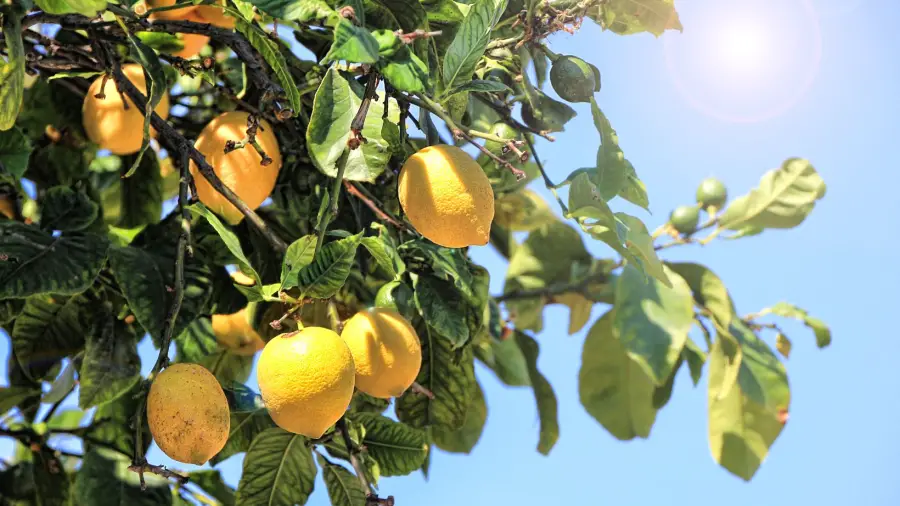
lemons Galore

Lemons Galore: The Ultimate DIY Guide to Creating a Bountiful Lemon Plantation at Home!

Welcome to the ultimate guide on creating a bountiful lemon plantation at home! Whether you’re a seasoned gardener or a first-timer, cultivating your own lemon trees is a rewarding and satisfying experience. Not only will you have access to fresh, juicy lemons for various culinary delights, but the lush green lemon trees will also add beauty and fragrance to your backyard. In this comprehensive DIY guide, we’ll walk you through everything you need to know to successfully grow and maintain a flourishing lemon plantation right in your backyard.

lemons Galore

Table of Contents

Lemons Galore: The Ultimate DIY Guide to Creating a Bountiful Lemon Plantation at Home!

In this section, we’ll dive into the core aspects of creating your own bountiful lemon plantation. From choosing the right lemon tree variety to preparing the soil and nurturing your trees, we’ve got you covered!

1. Selecting the Perfect Lemon Tree Variety

To start your lemon plantation, the first and most crucial step is choosing the right lemon tree variety. There are several types of lemons, each with unique characteristics. Some popular lemon varieties include Eureka, Lisbon, Meyer, and Ponderosa. Consider factors such as climate, space availability, and your preferences in taste and fruit size when making your selection.

2. Finding the Ideal Location

Lemons thrive in sunny, well-drained locations, so choose a spot in your backyard that receives full sunlight for at least 8 hours a day. Avoid areas with waterlogged soil or excessive shade, as these conditions can hinder the growth of your lemon trees.

3. Preparing the Soil for Plantation

The success of your lemon plantation greatly depends on the quality of the soil. Lemons prefer slightly acidic soil with a pH range of 5.5 to 6.5. Conduct a soil test to determine its pH level and amend it with organic matter if necessary. Ensure good drainage to prevent waterlogging.

4. Planting Your Lemon Trees

Once you have selected the right location and prepared the soil, it’s time to plant your lemon trees. For a Lemons Galore plantation, dig a hole that is twice as wide and deep as the root ball of the tree. Carefully remove the lemon tree from its container, position it in the hole, and backfill with soil. Water thoroughly after planting.

5. Providing Proper Care and Maintenance

Like any other plant, lemon trees need care and attention to thrive. Regular watering, fertilizing, and pruning are essential for healthy growth and fruit production. Use organic fertilizers and follow a consistent watering schedule to ensure optimal growth.

6. Protecting Your Lemon Trees from Pests and Diseases

Pests and diseases can pose a threat to your lemon trees. Keep a close eye on your trees for any signs of infestations or diseases. Use natural remedies or organic pesticides to protect your lemon trees while minimizing harm to the environment.

7. Harvesting Juicy Lemons

The most rewarding part of your lemon plantation journey is harvesting ripe, juicy lemons! In a Lemons Galore plantation, the ripening time of lemons can vary depending on the variety and may take several months. Wait until the lemons are fully yellow and slightly soft to the touch before harvesting. Use pruning shears to gently remove the fruit from the tree.

8. Preserving and Using Lemons

With a bountiful lemon harvest, you’ll have plenty of lemons to use in various culinary delights. From making lemonade to baking lemon-infused desserts, the possibilities are endless. Additionally, learn how to preserve lemons for later use by freezing or dehydrating them.

lemons-Galore-guide

Frequently Asked Questions (FAQs)

Can I grow lemon trees in pots?

Yes, you can grow lemon trees in pots if you have limited space or live in colder regions. Choose a dwarf lemon variety, use well-draining potting mix, and ensure the pot receives sufficient sunlight.

How often should I water my lemon trees?

Water your lemon trees deeply once a week during the growing season. For a Lemons Galore plantation, make adjustments to the watering frequency based on weather conditions and the moisture level of the soil.

For a Lemons Galore plantation, what is the ideal time to plant lemon trees?

The best time to plant lemon trees is in spring or early summer when the soil is warm and the risk of frost has passed.

In a Lemons Galore plantation, how much time does it take for lemons to ripen on the tree?

Lemons can take anywhere from 4 to 12 months to ripen, depending on the variety and growing conditions.

How do I know if my lemon tree is getting enough nutrients?

Signs of nutrient deficiency in lemon trees include yellowing leaves, stunted growth, and reduced fruit production. Conduct a soil test to identify any nutrient deficiencies and adjust your fertilization accordingly.

Can I use lemon seeds to grow my lemon trees?

While it is possible to grow lemon trees from seeds, keep in mind that the resulting tree may not produce the same quality of fruit as the parent tree. It’s best to use grafted lemon trees for consistent fruit production.

Conclusion

Congratulations! You’ve now learned how to create a bountiful lemon plantation at home like a pro. By following the steps in this ultimate DIY guide, you’ll be able to grow healthy lemon trees and enjoy a plentiful harvest of delicious lemons. Remember to provide proper care and maintenance to your lemon trees, and they will reward you with juicy fruits for years to come. So, roll up your sleeves, get your gardening tools ready, and let Lemons Galore: The Ultimate DIY Guide to Creating a Bountiful Lemon Plantation at Home be your companion on this exciting journey!

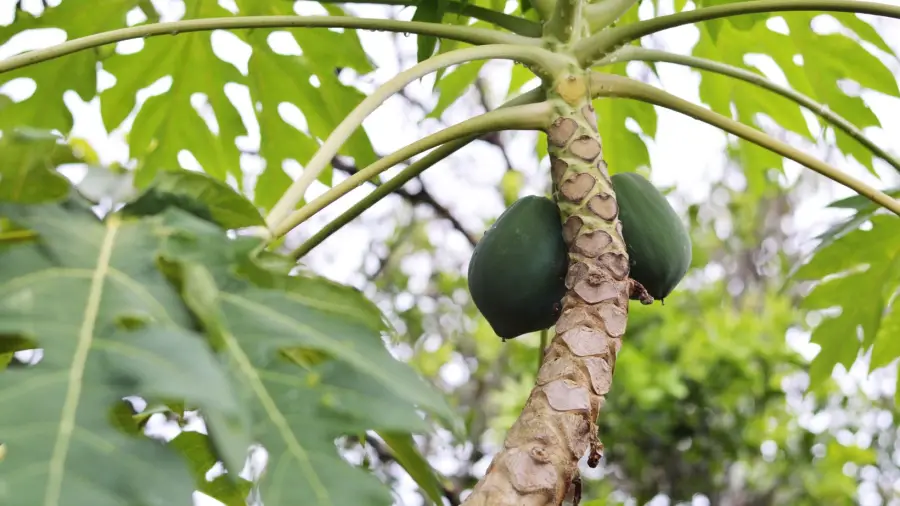
              Papaya-leaves

              Dengue Defense: Unlocking the Healing Power of Papaya Leaves

              Introduction

              Dengue fever is a mosquito-borne viral infection that affects millions worldwide, leading to severe flu-like symptoms and, in extreme cases, life-threatening complications. In the quest for effective remedies, scientists and herbal experts have uncovered the remarkable healing potential of papaya leaves. In this article, we delve into the numerous health benefits of papaya leaves in the fight against dengue fever and how they can strengthen your immune system. With firsthand knowledge and credible sources, we present you with a comprehensive guide on Dengue Defense: Unlocking the Healing Power of Papaya Leaves.

              Papaya-leaves

              The Miraculous Papaya Leaves

              Papaya leaves, often overlooked, contain a wealth of nutrients and powerful enzymes that can aid in dengue fever treatment and prevention. Let’s explore the incredible elements that make papaya leaves a potent natural remedy:

              1. Papain – Nature’s Healing Enzyme: Papaya leaves are rich in papain, a proteolytic enzyme known for its anti-inflammatory properties. Papain helps reduce inflammation in the body, easing the discomfort caused by dengue fever.
              2. Carpaine – The Antiviral Agent: Carpaine is another valuable component found in papaya leaves. It exhibits strong antiviral properties, making it effective in inhibiting the replication of the dengue virus.
              3. Rich in Vitamins and Minerals: Papaya leaves are a treasure trove of essential vitamins and minerals, including vitamin C, vitamin A, iron, calcium, and magnesium. These nutrients play a crucial role in boosting the immune system and promoting faster recovery.

              The Science Behind Papaya Leaves and Dengue Defense

              The healing power of papaya leaves is not mere folklore; it is backed by scientific research. Several studies have been conducted to understand the efficacy of papaya leaves in combating dengue fever:

              1. A Study by the Journal of Medicinal Food: This study revealed that papaya leaf extract significantly increased platelet count in dengue-infected patients, aiding in clotting and reducing bleeding risk.
              2. Research by the Asian Pacific Journal of Tropical Biomedicine: The research demonstrated that papaya leaf extract possesses immunomodulatory properties, helping the immune system respond effectively to the dengue virus.
              3. A Clinical Trial by the National Institutes of Health (NIH): The NIH conducted a clinical trial that showed the potential of papaya leaf extract in alleviating symptoms such as fever and body pain in dengue-infected patients.

              How to Use Papaya Leaves for Dengue Defense?

              Now that we understand the science behind papaya leaves’ effectiveness let’s explore how to use them to unlock their healing power:

              1. Papaya Leaf Juice: One of the most popular methods is preparing fresh papaya leaf juice. Take a few mature papaya leaves, wash them thoroughly, remove the stems, and blend them with a little water. Strain the mixture to obtain the juice and consume it twice a day.
              2. Papaya Leaf Capsules: For those who find the taste of the juice unpleasant, papaya leaf capsules or supplements are available in the market. Ensure to follow the recommended dosage as per the product instructions.
              3. Papaya Leaf Tea: Papaya leaf tea is another soothing option. Steep dried or fresh papaya leaves in hot water for 10-15 minutes and drink it warm.
              papaya-leaves-dengue-medicine

              Frequently Asked Questions (FAQs)

              Are Papaya Leaves Safe for Everyone?

              Yes, papaya leaves are generally safe for consumption. However, pregnant or breastfeeding women should avoid using them without consulting a healthcare professional. Additionally, individuals with a history of latex allergy or papain sensitivity should exercise caution.

              Can Papaya Leaves Prevent Dengue Fever?

              While papaya leaves have shown promise in helping combat dengue fever, they are not a guaranteed preventive measure. It’s essential to take other precautions, such as using mosquito nets and repellents, to minimize the risk of dengue infection.

              How Long Does It Take to See Results?

              The time it takes for papaya leaves to show results may vary from person to person. Some individuals experience relief from symptoms within a few days, while others may take longer. Consistency in usage is vital for the best results.

              Can I Consume Papaya Leaves Daily?

              Regular consumption of papaya leaves is generally safe, but it’s advisable to take breaks. Consider consuming them for a few weeks, then take a break before resuming.

              Are There Any Side Effects of Papaya Leaves?

              In some cases, excessive consumption of papaya leaves or its products may lead to mild stomach upset. To avoid any adverse effects, stick to the recommended dosage of papaya leaves.

              Is Papaya Leaf Extract Commercially Available?

              Yes, papaya leaf extract is available in health food stores and online retailers. Ensure to choose products from reputable brands with good reviews.

              Conclusion

              Papaya leaves have emerged as a remarkable natural remedy for combating dengue fever and boosting the immune system. Their rich nutrient profile and potent enzymes, such as papain and carpaine, make them an effective ally in the battle against the dengue virus. Scientific research supports the efficacy of papaya leaves, and their usage has garnered positive results in dengue-infected patients.

              Remember to consult your healthcare provider before incorporating papaya leaves into your dengue defense strategy, especially if you have existing medical conditions or are on medication. Embrace the healing power of papaya leaves and take charge of your well-being.

              (To have some idea about vegetable gardening : https://bonsainurserybd.com/10-game-changing-vegetable-gardening/)

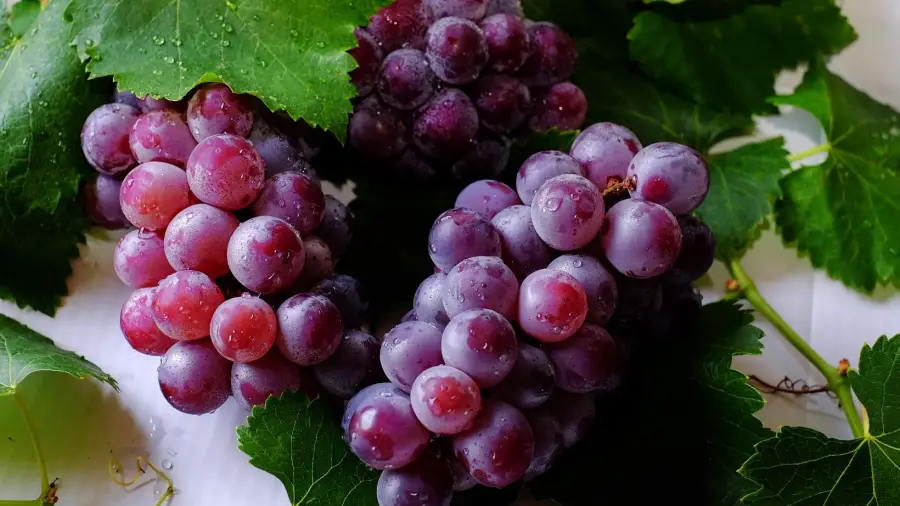
              Grape

              Grape Plantation at Home: A Step-by-Step Guide to Growing Your Own Vineyard!

              Introduction

              Dreaming of owning a lush vineyard and producing your own delicious grapes at home? Look no further! Grape Plantation at Home is an exciting and rewarding venture that allows you to connect with nature and savor the fruits of your labor. In this step-by-step guide, we’ll walk you through the entire process, from choosing the right grape varieties to nurturing and harvesting your vineyard. Whether you’re a seasoned gardener or a novice, our detailed instructions, coupled with personal experiences and credible sources, will empower you to grow your own vineyard and enjoy the sweet success of homegrown grapes.

              Grape

              Table of Contents

              Selecting the Perfect Location for Your Vineyard

              The key to a thriving grape plantation starts with choosing the ideal location. Following are some essential factors to consider:

              1. Sunlight Exposure: Grapes love sunlight! Select a spot with full sun exposure for at least 6 to 8 hours a day to ensure healthy growth and ripening of the fruits.
              2. Soil Quality: Grapes flourish in well-draining soil with a slightly acidic to neutral pH level. Perform a soil test to assess the soil’s fertility and make necessary amendments.
              3. Air Circulation: Good air circulation prevents the development of diseases. Avoid planting grapes in areas prone to frost or stagnant air.
              4. Water Drainage: Adequate drainage is crucial to prevent waterlogged roots. Avoid low-lying areas that retain water.

              Choosing the Right Grape Varieties

              The success of your vineyard depends on selecting grape varieties suited to your climate and preferences. Consider these popular choices:

              1. Concord: A popular American grape variety known for its sweetness and versatility. Concord grapes are ideal for eating fresh, making juice, and producing jellies.
              2. Cabernet Sauvignon: A classic red wine grape, Cabernet Sauvignon produces rich and complex wines with bold flavors.
              3. Chardonnay: This green-skinned grape variety is famous for producing exquisite white wines with notes of apple, pear, and citrus.
              4. Muscat: Also known as Moscato, Muscat grapes are sweet and aromatic, perfect for making dessert wines.

              Preparing the Soil and Planting Grapes

              With the location and grape varieties chosen, it’s time to prepare the soil and get planting:

              1. Soil Preparation: Clear the area of any weeds or debris and perform necessary soil amendments based on the soil test results. Tilling the soil to a depth of 12-18 inches helps with aeration.
              2. Building Trellis Systems: Grapevines need support to grow, and a trellis system is essential for training them. Construct sturdy trellises according to the number of grapevines you plan to grow.
              3. Planting Grapevines: Dig holes deep enough to accommodate the roots of the grapevines. Place the plants in the holes and cover them with soil, ensuring the root crown is at ground level.
              4. Watering and Mulching: Water the newly planted grapevines thoroughly and add a layer of organic mulch to retain moisture and suppress weed growth.

              Nurturing Your Vineyard

              Now that your grapevines are in the ground, it’s time to nurture them to ensure healthy growth and bountiful harvests:

              1. Pruning: Proper pruning is essential for the development of strong and productive grapevines. Prune during the dormant season to remove dead or weak growth and shape the vines.
              2. Training the Vines: Train the young vines to follow the trellis system carefully. As they grow, gently guide the main shoots along the trellis wires.
              3. Fertilizing: Grapevines benefit from balanced fertilizers. Apply fertilizers during the growing season to provide essential nutrients.
              4. Pest and Disease Management: Regularly inspect the vineyard for pests and signs of diseases. Use natural methods or appropriate treatments to protect your vines.

              Blossoms to Bunches: Grape Development and Care

              As the grapevines mature and bloom, it’s crucial to take care of them to ensure abundant fruit production:

              1. Flowering and Pollination: Grapevines produce delicate flowers that require successful pollination to set fruit. Encourage pollinators in your garden to aid this process.
              2. Thinning the Bunches: To improve grape quality, thin out crowded bunches, leaving only the healthiest grapes to ripen.
              3. Watering Schedule: Proper irrigation is crucial during the fruiting season. Maintain a consistent watering schedule to avoid stress on the vines.
              4. Bird Netting: As the grapes ripen, protect them from hungry birds by using bird netting.

              Harvesting and Enjoying Your Homegrown Grapes

              The moment of truth has arrived! It’s time to harvest your luscious grapes and relish the rewards of your hard work:

              1. Harvesting Time: Grapes are ready for harvesting when they reach their full color and flavor. Gently handpick the clusters to avoid damaging the vines.
              2. Storing Grapes: Store freshly picked grapes in a cool, humid environment to maintain their freshness and extend their shelf life.
              3. Wine Making: If you’ve planted wine grape varieties, you can embark on the delightful journey of making your own wine. Research the winemaking process or join a local winemaking club for guidance.
              4. Savoring the Fruits of Your Labor: Enjoy the taste of your homegrown grapes in various culinary delights, from fresh fruit salads to homemade grape jams and pies.
              Grape-plantations

              FAQs about Grape Plantation at Home

              Can I grow grapes in containers?

              Yes, you can grow certain grape varieties in containers, but ensure the containers are large enough to accommodate the roots and use well-draining soil.

              How long does it take for grapevines to bear fruit?

              It typically takes 2 to 3 years for grapevines to mature and produce their first crop.

              Are grapevines high-maintenance?

              While grapevines require attention and care, they are relatively low-maintenance compared to some other fruit crops.

              Do grapes need a lot of water?

              Grapes prefer moderate water levels, especially during the fruiting season. Overwatering can lead to diluted flavors in the grapes.

              What is the best time to prune grapevines?

              Prune grapevines during the dormant season, usually in late winter or early spring.

              Can I grow grapes in colder climates?

              Yes, certain grape varieties are cold-hardy and can thrive in colder climates with proper protection

              Conclusion

              Embarking on a Grape Plantation at Home journey can be an incredibly rewarding experience. From selecting the right grape varieties to nurturing your vineyard through each stage of growth, the joy of harvesting and savoring your homegrown grapes is unmatched. Remember to be patient and attentive, as growing grapes requires time and care. With this step-by-step guide and the passion to succeed, you’ll soon become a proud vineyard owner, enjoying the delightful fruits of your labor and the beauty of nature right in your backyard.

              banana-bonanja

              Banana Bonanza: Turn Your Home into a Fruitful Haven with a DIY Banana Plantation!

              Introduction

              Welcome to the world of “Banana Bonanza” where we will explore the delightful journey of turning your home into a fruitful haven with a DIY banana plantation! Imagine waking up every morning to the sight of lush green banana plants bearing delicious, ripe fruits. With the right knowledge, a bit of effort, and a touch of nature’s magic, you can transform your garden into a tropical paradise.

              Whether you’re a seasoned gardener or a novice with a green thumb, this comprehensive guide will provide all the information you need to cultivate and nurture your very own banana plantation. From choosing the right banana variety to dealing with potential challenges, we’ve got you covered.

              So, let’s embark on this exciting adventure of growing bananas and filling your home with their sweet abundance!

              (For more knowledge about fruits gardening : https://bonsainurserybd.com/rooftop-fruit-plantation/)

              Banana

              Table of Contents

              Banana Bonanza: Turn Your Home into a Fruitful Haven with a DIY Banana Plantation!

              Bananas, often referred to as the “fruit of paradise,” are not only delicious but also packed with essential nutrients. They are a great source of potassium, vitamin C, vitamin B6, and dietary fiber, making them an excellent addition to any diet.

              1. Benefits of Growing Your Own Banana Plantation

              • A Sustainable Food Source: Having your banana plantation means you can enjoy a constant supply of fresh, organic bananas without relying on external sources.
              • Cost-Effective: Growing your bananas saves money in the long run as store-bought organic bananas can be expensive.
              • Eco-Friendly: By cultivating your bananas, you contribute to environmental conservation by reducing carbon emissions associated with transportation.
              • Health Benefits: Consuming home-grown bananas ensures that you and your family consume pesticide-free, healthy fruits.
              • Landscaping Aesthetics: Banana plants add a lush, tropical touch to your garden, enhancing its beauty.

              2. Selecting the Right Banana Variety

              Choosing the appropriate banana variety is crucial to a successful plantation. Different varieties have unique flavors, growth habits, and adaptability to specific climates. Some popular varieties include:

              • Cavendish Bananas: Known for their sweetness and commercial popularity.
              • Dwarf Cavendish Bananas: Ideal for smaller spaces and container gardening.
              • Lady Finger Bananas: A gourmet delight with small, slender fruits.
              • Red Banana: A visually appealing variety with a sweet and tangy taste.
              • Plantain: Often used for cooking due to its starchy nature.

              3. Creating the Perfect Growing Conditions

              Bananas thrive in warm, tropical climates, but they can be grown in various regions with some care. Here are the essential growing conditions:

              • Sunlight: Banana plants require at least 10 hours of bright sunlight daily.
              • Soil: Well-draining, nutrient-rich soil with a pH between 5.5 and 7.0 is ideal.
              • Watering: Bananas need regular watering to keep the soil moist.
              • Temperature: Optimal growth occurs in temperatures between 75°F to 85°F (24°C to 29°C).

              4. Preparing the Soil and Planting

              • Soil Preparation: Clear the planting area and enrich the soil with organic matter.
              • Planting: Dig holes and plant the banana suckers or rhizomes about 4-8 feet apart.
              • Mulching: Add a layer of organic mulch to retain soil moisture and control weeds.

              5. Proper Care and Maintenance

              Banana plants require regular attention to ensure healthy growth and abundant fruiting.

              • Watering: Maintain consistent soil moisture without overwatering.
              • Fertilizing: Feed your banana plants with balanced fertilizer regularly.
              • Pruning: Remove old and dead leaves to encourage new growth.
              • Pest and Disease Control: Monitor for pests and diseases and take necessary measures.

              6. Dealing with Common Challenges

              • Cold Weather Protection: Protect your banana plants from cold temperatures using frost cloth or straw.
              • Pests: Keep an eye out for aphids, spider mites, and banana weevils.
              • Diseases: Look out for black leaf streak and Panama disease, and take preventive measures.

              7. Harvesting and Ripening Bananas

              Harvesting bananas at the right time is essential to enjoy their full flavor.

              • Harvesting: Cut the bunches when the fruit reaches the desired maturity stage.
              • Ripening: Bananas can be ripened off the plant by placing them in a paper bag.

              8. Recipes and Culinary Delights

              When it comes to culinary delights, the versatile banana takes center stage, offering a plethora of delectable recipes to tantalize your taste buds. From the classic banana bread that fills your home with its irresistible aroma to creamy banana smoothies that provide a refreshing treat on a warm day, this fruit never fails to impress. Indulge in mouthwatering banana pancakes for a delightful breakfast or savor the sweetness of caramelized bananas as a luscious dessert topping. For those seeking a savory twist, try incorporating bananas into tropical-inspired salads or curries for a unique and flavorful experience. The options are endless, and the charm of bananas lies in their ability to add natural sweetness and creaminess to a wide array of dishes, making them a culinary treasure worth exploring. So, grab your apron and let the banana-inspired culinary adventure begin!

              9. Sustainable Gardening Practices

              In the realm of banana cultivation, embracing sustainable gardening practices is not just an option but a responsibility towards the environment. By adopting eco-friendly techniques, you not only ensure the health and vitality of your banana plants but also contribute to the preservation of our planet. Composting kitchen scraps to create nutrient-rich organic fertilizers for your banana plants minimizes waste and reduces the need for harmful chemicals. Implementing water-saving strategies, such as using mulch to retain soil moisture and collecting rainwater, not only conserves water but also benefits your banana plantation in the long run. Embrace the concept of companion planting by intercropping your banana plants with complementary herbs or vegetables to promote biodiversity and natural pest control. Sustainable gardening practices not only protect your cherished banana plants from harm but also foster a harmonious ecosystem that nurtures and sustains life. So, let your banana plantation become a beacon of sustainable gardening, leaving a positive impact on both your home and the planet.

              banana-bonanja

              Frequently Asked Questions (FAQs)

              Can I grow bananas in a non-tropical climate?

              Yes, you can grow bananas in non-tropical climates by creating suitable microclimates and using cold protection during winters.

              How long does it take for a banana to bear fruit?

              Banana plants usually take 9 to 12 months to bear fruit, depending on the variety and growing conditions.

              What is the best time to fertilize banana plants?

              Fertilize your banana plants every two to three months during the growing season.

              Can I grow bananas in pots?

              Yes, certain dwarf banana varieties can be grown in large pots or containers.

              How do I prevent banana plants from toppling over in strong winds?

              Providing adequate support to the plant with stakes or tying it to a sturdy structure can prevent toppling.

              Do banana plants require a lot of water?

              Yes, banana plants require regular watering, especially during dry periods.

              Conclusion

              Congratulations! You are now equipped with the knowledge and insights to turn your home into a fruitful haven with your very own DIY banana plantation. From selecting the right banana variety to harvesting and caring for your plants, the journey to growing delicious bananas is a rewarding one.

              Embrace sustainable gardening practices, unleash your creativity in the kitchen with banana recipes, and relish the joy of nurturing nature’s gifts. Let “Banana Bonanza” fill your home with sweetness, joy, and the tropical ambiance of a thriving banana plantation.

              So, roll up your sleeves, get your gardening tools ready, and let the Banana Bonanza begin!

              Mango

              Gardening Mango at Home: A Guide to Growing Your Own Tropical Delight

              Introduction

              Imagine stepping into your own backyard, feeling the soft grass beneath your feet, and being greeted by the sight of ripe, golden mangoes hanging from your very own mango tree. The thought of growing mangoes at home might seem like a distant dream, but with the right knowledge and a bit of effort, you can turn that dream into a reality. In this guide, we will take you through the journey of gardening mangoes in your home. So, let’s get started on this exciting tropical adventure!

              Mango

              Selecting the Right Mango Variety

              Before you start gardening mangoes at home, it’s crucial to choose the right mango variety that suits your climate and preferences. Some popular mango varieties for home gardening include:

              • Dwarf Varieties: Ideal for small gardens or containers, dwarf mango trees are compact and produce smaller fruits.
              • Keitt: A large and robust mango tree with delicious, non-fibrous fruit. It’s well-suited for warm climates.
              • Palmer: This variety is known for its disease resistance and sweet, juicy mangoes.
              • Tommy Atkins: A widely grown variety with beautiful red and green skin and a sweet-tangy taste.

              Finding the Perfect Spot

              Mango trees thrive in warm, tropical climates with full sun exposure. When choosing the perfect spot for your mango tree, consider the following factors:

              • Sunlight: Ensure that your mango tree receives at least 6 to 8 hours of sunlight daily for optimal growth and fruit production.
              • Soil: Mango trees prefer well-draining soil with a slightly acidic to neutral pH level.
              • Protection from Frost: Mango trees are sensitive to frost, so plant them in an area protected from cold winds and frost.

              (To get some idea about fruit plantations : https://bonsainurserybd.com/rooftop-fruit-plantation/)

              Planting Your Mango Tree

              Once you’ve selected the right variety and location, it’s time to plant your mango tree. Follow these steps for successful planting:

              1. Prepare the Soil: Dig a hole that is twice the size of the root ball and mix organic compost into the soil.
              2. Remove the Tree from the Container: Gently remove the mango tree from its container, taking care not to damage the roots.
              3. Plant the Tree: Place the mango tree in the center of the hole and fill it with soil, pressing it down firmly to eliminate air pockets.
              4. Watering: Water the newly planted tree thoroughly to help it establish its roots.

              Caring for Your Mango Tree

              Caring for your mango tree is essential to ensure healthy growth and a bountiful harvest. Following are some tips for proper care:

              • Watering: Mango trees require regular watering, especially during dry spells. When cultivating mango trees, it is essential to avoid overwatering, as excessive moisture can lead to root rot.
              • Fertilization: Feed your mango tree with a balanced fertilizer high in potassium, phosphorus, and micronutrients during the growing season.
              • Pruning: Prune your mango tree to remove dead or diseased branches and promote airflow within the canopy.
              • Pest and Disease Control: Keep a close eye on your mango tree for signs of pests or diseases and take appropriate measures to control them.
              • Mango Mulching: Apply a layer of organic mulch around the base of the tree to retain moisture and suppress weed growth.

              Harvesting Your Homegrown Mangoes

              The most rewarding part of gardening mangoes at home is the harvest season! Mangoes generally take several months to ripen, depending on the variety and climate. To determine if your mangoes are ready for harvest:

              • Color: Look for a change in color. Depending on the variety, ripe mangoes may exhibit shades of yellow, orange, or red.
              • Firmness: For mango ripeness, gently squeeze the fruit; it should yield slightly under gentle pressure.
              • Aroma: Ripe mangoes emit a sweet, fruity aroma around the stem.
              • Drop Test: If you gently tug a mango and it easily comes off the tree, it’s ready to be harvested.
              mango-plantation

              Frequently Asked Questions (FAQs)

              Q: Can I grow mangoes in containers?

              A: Yes, you can grow dwarf mango varieties in containers, making them suitable for small spaces and patios.

              Q: How long does it take for mango trees to bear fruit?

              A: Mango trees typically take 2 to 4 years to bear fruit, depending on the variety and growing conditions.

              Q: Can I grow mangoes in cooler climates?

              A: Mangoes thrive in warm, tropical climates and are not well-suited for cooler regions with frost.

              Q: How do I protect my mango tree from pests?

              A: Regularly inspect your mango tree for pests and use organic pest control methods or insecticidal soap to address infestations.

              Q: Do mango trees require a lot of maintenance?

              A: While mango trees need regular care, they are relatively low-maintenance once established.

              Q: Can I prune my mango tree during any season?

              A: The best time to prune a mango tree is during the dormant winter months to stimulate new growth in the spring.

              Conclusion

              Gardening mango at home can be a rewarding and enjoyable experience. With the right variety selection, proper care, and a little patience, you can relish the satisfaction of harvesting your very own homegrown mangoes. Whether you have a spacious backyard or a cozy patio, mango trees can be accommodated in various settings, allowing you to savor the taste of tropical sweetness right at home. So, roll up your sleeves, get your gardening tools ready, and embark on this fruitful journey of growing your own mango tree!

              Herbal Gardens

              The Healing Power of Herbal Gardens: Growing Medicinal Plants at Home

              Introduction

              In today’s fast-paced world, where stress and health issues are prevalent, many individuals are turning to natural remedies and alternative medicine for healing and wellness. One of the most effective ways to access the healing power of nature is by cultivating a herbal garden at home. The Healing Power of Herbal Gardens: Growing Medicinal Plants at Home not only offers a bountiful collection of therapeutic plants but also creates a serene space to unwind and connect with nature.

              Herbal Gardens

              The Healing Power of Herbal Gardens: Growing Medicinal Plants at Home

              A well-designed herbal garden can be a sanctuary of health and tranquility, providing abundant medicinal plants with various healing properties. Let’s explore the steps to create your own herbal garden and unlock the potential of these natural wonders.

              Table of Contents

              1. Selecting the Right Location

              Choosing the perfect spot for your herbal garden is crucial. Make sure your Herbal Garden receives ample sunlight throughout the day. Most medicinal plants thrive in sunlight, making a sunny windowsill or a south-facing balcony an ideal choice.

              (To get some idea of gardening at home : https://bonsainurserybd.com/5-small-space-rooftop-garden-ideas/)

              2. Preparing the Soil

              Healthy soil is the foundation for a flourishing herbal garden. Opt for well-draining soil with a balanced pH level. Incorporate organic compost to enrich the soil with essential nutrients.

              3. Curating Medicinal Plants

              Diversify your herbal garden with a selection of medicinal plants that complement each other. Some popular options include:

              • Lavender (Lavandula angustifolia): Known for its calming properties, lavender helps with stress relief and improves sleep quality.
              • Peppermint (Mentha × piperita): A potent digestive aid, peppermint can soothe upset stomachs and alleviate headaches.
              • Aloe Vera (Aloe barbadensis miller): Valued for its healing gel, aloe vera is excellent for treating skin conditions and promoting wound healing.
              • Chamomile (Matricaria chamomilla): Renowned for its relaxing effects, chamomile tea aids in reducing anxiety and inducing better sleep.
              • Echinacea (Echinacea purpurea): Boost your immune system with echinacea, which is believed to ward off colds and infections.

              4. Designing Your Herbal Garden

              Create a visually appealing garden layout to enhance its healing ambiance. Consider using a mix of raised beds, containers, and borders to organize your medicinal plants strategically.

              5. Proper Watering and Care

              Regular watering is essential for the health of your medicinal plants. In your Herbal Gardens, be mindful not to overwater or underwater the plants. Each plant may have specific watering requirements, so research their individual needs.

              6. Harvesting Medicinal Plants

              Timing is critical when harvesting medicinal plants. The best time is usually early in the morning when the concentration of essential oils is at its peak. Proper drying and storage methods will preserve their potency.

              7. Making Herbal Remedies

              Harness the full potential of your herbal garden by learning to make various herbal remedies. From teas and tinctures to salves and ointments, these natural preparations can address a range of health concerns.

              8. Safety Precautions

              While herbal remedies offer numerous benefits, it’s essential to use them responsibly. Consult with a healthcare professional before trying new remedies, especially if you are pregnant, nursing, or taking medications.

              9. Attracting Beneficial Insects

              Invite beneficial insects like bees and butterflies into your herbal garden. They play a vital role in pollination, which promotes plant growth and ensures a thriving ecosystem.

              10. Embracing Sustainable Practices

              Incorporate sustainable practices into your gardening routine. Utilize rainwater harvesting, composting, and natural pest control methods to minimize the environmental impact.

              11. The Healing Power of Herbal Gardens: Growing Medicinal Plants at Home and Mental Wellness

              Beyond physical health, herbal gardens can significantly impact mental wellness. Spending time in a calming green space can reduce stress, anxiety, and depression, fostering a positive outlook on life.

              12. Companionship of Herbal Gardens

              Herbal gardens provide more than medicinal benefits; they offer a sense of companionship. Caring for and nurturing plants can be therapeutic and fulfilling, promoting a sense of purpose and responsibility.

              13. The Art of Herbal Tea Blending

              Experiment with blending different herbal teas from your garden’s harvest. Unleash your creativity and craft unique flavors while enjoying the numerous health benefits of herbal infusions.

              14. Herbal Gardens for Urban Dwellers

              Living in a bustling city shouldn’t deter you from creating an herbal garden. Urban dwellers can use vertical gardening techniques, balcony planters, or community gardens to cultivate medicinal plants.

              15. Cultural Heritage of Medicinal Plants

              Medicinal plants have been an integral part of various cultures throughout history. Explore the rich cultural heritage and traditional uses of herbs from different regions of the world.

              16. From Garden to Kitchen: Culinary Herbs

              Many medicinal plants are also culinary herbs. Discover the dual benefits of growing herbs that not only add flavor to your dishes but also promote well-being.

              17. The Healing Power of Herbal Gardens: Growing Medicinal Plants at Home for Children

              Teach children about the wonders of nature and the importance of sustainability by involving them in planting and caring for a herbal garden. It’s a valuable educational and bonding experience.

              18. Overcoming Common Gardening Challenges

              Gardening may come with its share of challenges. Learn how to identify and address issues such as pests, diseases, and environmental factors to ensure your herbal garden thrives.

              19. Herbs for Stress Relief and Relaxation

              Combat the stresses of daily life by cultivating herbs that specifically target stress relief and relaxation. Learn to make soothing herbal preparations to unwind and rejuvenate.

              20. Herbal Gardens in Traditional Medicine

              Discover the historical significance of herbal gardens in traditional medicine systems like Ayurveda, Traditional Chinese Medicine, and Native American healing practices.

              21. Perennial vs. Annual Medicinal Plants

              Differentiate between perennial and annual medicinal plants and how they fit into your herbal garden. Perennials offer long-lasting benefits, while annuals provide diverse options each year.

              22. Herbal Gardens for Immune Support

              Boost your immune system by growing herbs that enhance immunity. These plants can aid in preventing illnesses and maintaining overall well-being.

              23. Aromatic Herbs for Aromatherapy

              Explore the world of aromatherapy with aromatic herbs from your garden. Enjoy the calming scents and therapeutic benefits of essential oils.

              24. Herbal Gardens for Natural Skincare

              Craft your own natural skincare products using herbs from your garden. Experience the beauty-enhancing properties of herbal-infused skincare routines.

              25. Sharing the Bounty of Your Herbal Garden

              Spread the joy and benefits of herbal gardens by sharing your harvest with friends, family, and community members. Encourage others to embark on their healing journey with medicinal plants.

              Herbal-Gardens-Home

              Frequently Asked Questions (FAQs)

              Q: Can I grow medicinal plants indoors?

              A: Absolutely! Many medicinal plants can thrive indoors if they receive sufficient sunlight and proper care.

              Q: In Herbal Gardens, how long does it take for medicinal plants to mature?

              A: The time it takes for medicinal plants to mature varies depending on the plant. Some may be ready for harvest within a few months, while others might take a year or more.

              Q: Are there any medicinal plants that are easy to grow for beginners?

              A: Yes, several medicinal plants are beginner-friendly, such as chamomile, peppermint, and lemon balm.

              Q: In Herbal Gardens, can I use herbal remedies alongside conventional medications?

              A: It’s essential to consult with a healthcare professional before combining herbal remedies with conventional medications to avoid any potential interactions.

              Q: What is the best time of day to harvest medicinal plants?

              A: Early morning is the ideal time to harvest medicinal plants when their essential oil content is highest.

              Q: How can I preserve the freshness and potency of my harvested herbs?

              A: Drying and storing your harvested herbs properly is key to preserving their freshness and potency. In Herbal Gardens, store them in airtight containers in a cool, dark place.

              Conclusion

              The Healing Power of Herbal Gardens: Growing Medicinal Plants at Home opens a gateway to a world of natural healing and well-being. Cultivating your own herbal garden allows you to connect with nature, learn the art of herbal remedies, and promote a healthier lifestyle. Embrace the wonders of medicinal plants and experience the transformative effects they can have on your physical and mental health.