Green-Oasis

Grow Your Green Oasis: Discover Unique Garden Plants

Create your own green oasis with unique plants that bring life and beauty to your garden.

Green-Oasis

Benefits Of Adding Unique Plants To Your Garden

Your garden is not just a collection of plants; it is a space where you can unleash your creativity, embrace nature, and create a tranquil haven. While the familiar plants bring a sense of comfort and nostalgia, adding unique plants to your garden can take its beauty to a whole new level. Here are some compelling reasons why you should consider incorporating unique plants into your garden:

Enhancing The Aesthetic Appeal Of Your Garden

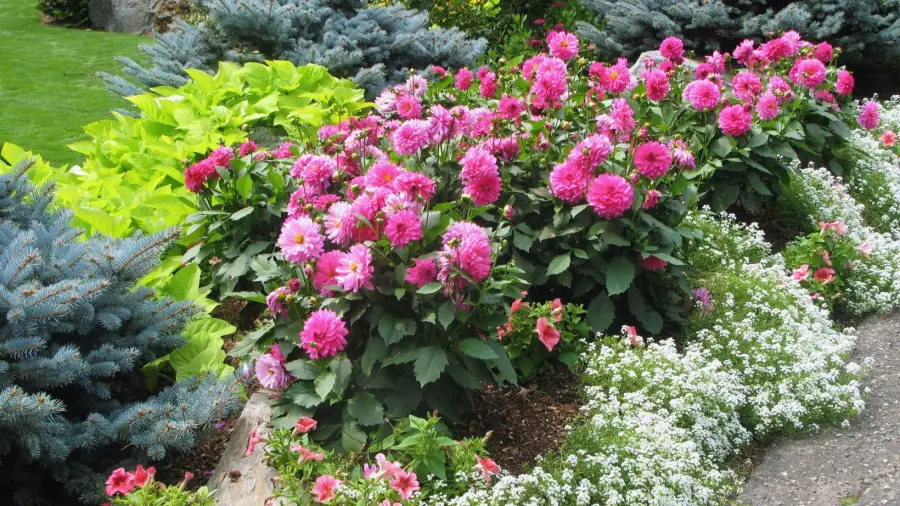
When it comes to creating a visually stunning garden, unique plants are the key. These distinctive and eye-catching plants come in all shapes, sizes, and colors, offering a refreshing break from the ordinary. Whether it’s an exotic flower with vibrant hues, a rare succulent with intricate patterns, or an unusual tree with twisted branches, these plants add visual interest and drama to your garden. They create focal points and serve as conversation starters, making your garden a truly unique and captivating outdoor space.

Creating A Unique And Personalized Outdoor Space

Your garden is an extension of your personality, and unique plants allow you to showcase your individuality. By cultivating uncommon plants, you can create a one-of-a-kind garden that reflects your personal taste and style. Whether you prefer a tropical paradise, a zen-inspired retreat, or a whimsical fairyland, unique plants can help you achieve the desired ambiance. With numerous options to choose from, you can mix and match different plants to create a garden that is distinctly yours.

Attracting Pollinators And Beneficial Insects

Unique plants are often highly attractive to pollinators and beneficial insects. Their distinct scent, nectar-rich flowers, and unique structures can lure butterflies, bees, hummingbirds, and other beneficial insects into your garden. By including these plants, you not only provide a source of food and habitat for these creatures but also contribute to the overall health of the ecosystem. The buzzing and fluttering of pollinators add life and vitality to your garden, making it a buzzing oasis of biodiversity.

Boosting Biodiversity In Your Garden

Each plant species plays a crucial role in the delicate balance of the ecosystem. By adding unique plants to your garden, you contribute to biodiversity conservation. These rare and distinctive plants may have unique adaptations that can support a variety of specialized insects, birds, and animals. As the diversity of life increases in your garden, you create a harmonious environment where different species coexist and thrive. This not only enhances the ecological value of your garden but also provides opportunities for you to observe and connect with nature in meaningful ways.

Types Of Unique Garden Plants

When it comes to creating a beautiful and vibrant garden, incorporating unique plants can truly transform your outdoor space into a green oasis. In this section, we will explore different types of unique garden plants that can add a touch of exoticism, showcase the beauty of native species, bring a desert-like charm, or even introduce you to the fascinating world of carnivorous plants.

Exotic Tropical Plants

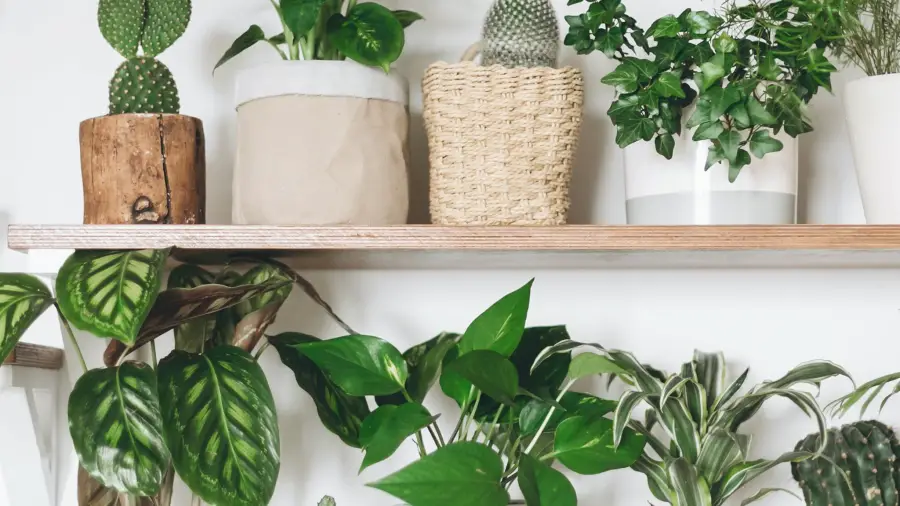
Exploring rare and unusual tropical plants can transport you to a whole new world of lush and vibrant greenery. These plants are known for their vibrant colors, intricate foliage, and the feeling of being in a tropical paradise. Some popular examples of exotic tropical plants include the Anthurium, Bird of Paradise, and the majestic Philodendron Monstera.

Caring For Exotic Tropical Plants In Your Garden

When caring for exotic tropical plants in your garden, it’s crucial to create an environment that mimics their natural habitat. Here are a few important care tips to ensure the health and vibrancy of your exotic beauties:

  1. Provide ample moisture: Tropical plants thrive in humid conditions, so misting them regularly or placing a humidifier nearby can help maintain their moisture needs.
  2. Optimal temperature and sunlight: Most exotic tropical plants prefer warm temperatures between 65-85°F (18-29°C) and bright but indirect sunlight.
  3. Fertilize regularly: Feed your tropical plants with a balanced fertilizer during the growing season to support their lush growth.
  4. Well-drained soil: Use a well-draining potting mix that retains moisture without becoming waterlogged.

Native Plants

Discovering unique native plants for your region can not only enhance the biodiversity and ecological balance of your garden but also create a strong connection to the local environment. Native plants are naturally adapted to the specific soil, climate, and wildlife of the region, making them resilient and low-maintenance choices.

Incorporating Native Plants In Your Garden Design

The key to incorporating native plants in your garden design lies in selecting species that are well-suited to your region’s climate and soil conditions. Here are a few tips to help you seamlessly incorporate native plants into your garden:

  • Research and consult local gardening resources to identify native plants that thrive in your area.
  • Create a diverse planting scheme by combining different native plant species that bloom at different times of the year, ensuring year-round interest.
  • Create a habitat: Native plants provide food and shelter for local wildlife, so consider incorporating features like birdhouses, butterfly feeders, or small ponds to attract and support local fauna.
  • Maintain a balance: While native plants are generally low-maintenance, regular pruning and weeding will help keep your garden tidy and in harmony with nature.

Succulents And Cacti

Uncovering the beauty of desert plants, succulents, and cacti can bring a unique and dramatic touch to your garden. These water-wise plants are known for their ability to store water in their leaves or stems, making them incredibly resilient and perfect for arid climates or those who wish to conserve water.

Choosing The Right Succulents And Cacti For Your Climate

When selecting succulents and cacti for your garden, it’s important to consider your climate to ensure their successful growth. Here are a few factors to consider:

  1. Temperature tolerance: Some succulents and cacti are more cold-hardy, while others thrive in warmer climates.
  2. Light requirements: While most succulents and cacti appreciate bright sunlight, some varieties can adapt to lower light conditions.
  3. Watering needs: While succulents and cacti are drought-tolerant, different species have specific water requirements, so make sure to choose plants that align with your watering habits.
  4. Soil preferences: Most succulents and cacti require well-draining soil to prevent root rot, so opt for a specialized succulent/cactus mix or amend your soil accordingly.

Carnivorous Plants

Understanding the fascinating world of carnivorous plants opens up a whole new realm of gardening. These plants have evolved to thrive in nutrient-poor environments by capturing and digesting insects or small animals. Examples of carnivorous plants include the Venus Flytrap, Pitcher Plant, and the Sundew.

Installing A Carnivorous Plant Habitat In Your Garden

To successfully grow carnivorous plants in your garden, it’s important to create a suitable habitat that mimics their natural environment. Here are a few tips to help you get started:

  • Select the right container: Carnivorous plants often require a container with good drainage, such as a shallow dish or a container with holes.
  • Choose the appropriate soil: Carnivorous plants typically thrive in a mix of sphagnum moss and perlite to maintain the acidic and well-drained conditions they need.
  • Provide adequate water: Most carnivorous plants require a consistent supply of distilled or rainwater, as tap water can contain minerals that are harmful to them.
  • Offer ample light: While there are variations among carnivorous plants, most of them prefer bright but indirect sunlight or partially shaded areas.

Cultivating Unique Garden Plants

Welcome to our blog post on cultivating unique garden plants! If you’re a gardening enthusiast looking to fill your green oasis with one-of-a-kind plants, you’ve come to the right place. In this section, we’ll explore the various planting and propagation techniques, soil and water requirements, as well as the light and temperature needs for these special plants.

Planting And Propagation Techniques

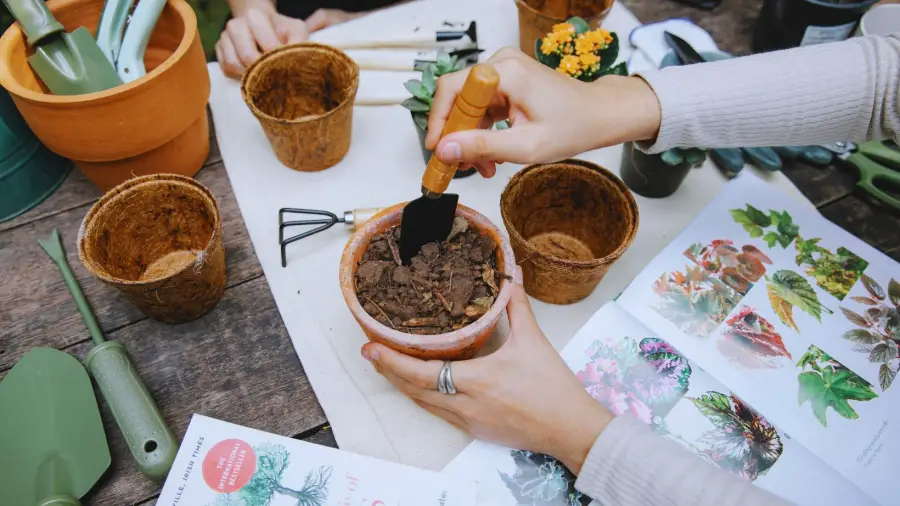
When it comes to cultivating unique garden plants, understanding the planting and propagation techniques is essential to ensure their healthy growth. Here are two common methods:

Sowing seeds for unique plants

Start by selecting high-quality seeds from reliable sources. Follow the instructions on the seed packet for optimal sowing conditions. Ensure the soil is well-drained and amend it with organic matter if needed. Create furrows or small holes and sow the seeds at the recommended depth. Lightly cover the seeds with soil and gently water them. Maintain a consistent level of moisture while they germinate, providing adequate light for their growth.

Propagating unique plants through cuttings or division

Another way to propagate unique plants is through cuttings or division. Take cuttings from healthy parent plants, making sure they have at least two sets of leaves. Remove any lower leaves from the cutting and dip the cut end into a rooting hormone. Plant the cutting in a well-draining soil mix and keep it in a warm, humid environment. Ensure the soil remains lightly moist. For dividing plants, carefully separate the root ball into smaller sections and replant them using the appropriate soil and water conditions.

Soil And Water Requirements

The soil composition and watering practices play a vital role in ensuring the proper growth and development of unique plants. Here’s how you can provide the ideal conditions:

Providing the ideal soil conditions for unique plants

Unique plants often have specific soil requirements. Before planting, research the soil preferences of each species and make the necessary amendments. Some plants thrive in well-drained sandy soil, while others prefer loamy or clay soils. Add organic matter, such as compost or aged manure, to improve soil structure and fertility. Regularly monitor the pH levels to ensure they are within the optimal range for your plants.

Effectively watering and draining unique plants

Watering practices should be tailored according to the unique plants’ needs. Overwatering can lead to root rot, while underwatering can result in stunted growth. Consider the plant’s specific requirements and adjust watering frequency accordingly. Ensure the plants receive enough water to reach the root zone while avoiding excessive moisture. Utilize proper drainage techniques to prevent waterlogged soil, which can harm the plants.

Light And Temperature Needs

Light and temperature are crucial factors that influence the health and vigor of unique garden plants. Take the following steps to meet their requirements:

Determining the optimal light levels for different unique plants

Thoroughly research the light requirements of each unique plant species. Some plants thrive in full sunlight, while others prefer partial or even full shade. Provide ample light by strategically placing them in appropriate locations in your garden. Consider factors such as nearby trees, buildings, or walls that may cast shade during certain times of the day.

Protecting unique plants from extreme temperatures

Extreme temperatures can be detrimental to the growth of unique plants. Shield them from harsh cold or scorching heat by using protective measures. Install shade cloths, row covers, or use suitable mulching techniques to regulate the temperature and protect the plants from sudden climate changes. Additionally, consider bringing potted plants indoors during extreme weather conditions.

Maintenance Tips For Unique Garden Plants

Discover helpful maintenance tips for unique garden plants to keep your green oasis thriving. From proper watering techniques to regular pruning, learn how to care for these special plants and create a vibrant garden sanctuary.

Pruning And Trimming

One of the key maintenance tasks for unique garden plants is pruning and trimming. This helps to shape and maintain the health of these plants, ensuring they thrive in your green oasis.

Trimming back overgrown foliage and branches
Over time, foliage and branches of unique garden plants may become overgrown, which can impact their overall appearance and health. To maintain the desired shape and promote healthy growth, it is essential to trim back any excess foliage and branches. This can be done using sharp and clean pruning shears or secateurs. Trim away any dead or damaged parts of the plant to encourage new growth.

Pruning unique plants to maintain their shape and health
Pruning is important for unique plants as it helps to maintain their shape and overall health. Regular pruning promotes proper air circulation and sunlight penetration, which are vital for the plant’s well-being. Remove any dead or diseased branches, as well as any branches that are crossing or rubbing against each other. Make sure to prune during the appropriate time of year for each specific plant, as different plants have different pruning requirements.

Pest And Disease Control

Unique garden plants are not exempt from pests and diseases. It is important to be vigilant and address these issues to ensure the health and vitality of your plants.

Identifying common pests and diseases of unique plants
Each type of unique garden plant may be susceptible to different pests and diseases. It is crucial to properly identify the specific pest or disease affecting your plant in order to implement effective control measures. Common pests include aphids, mealybugs, and spider mites, while diseases like powdery mildew and fungal infections can also occur. Regularly inspect your plants for any signs of infestation or disease, such as leaves with holes, discoloration, or wilting.

Implementing organic pest control methods
While there are chemical pesticides available, it is beneficial to opt for organic pest control methods to ensure the safety of your plants and the environment. These methods involve using natural remedies and deterrents to control pests. Some effective organic pest control methods include introducing beneficial insects, like ladybugs and lacewings, using neem oil or insecticidal soap, and practicing proper sanitation by removing and disposing of any affected plant parts.

Fertilization And Feeding

In order to keep unique garden plants healthy and thriving, proper fertilization and feeding are essential.

Choosing the right fertilizer for unique plants
Different plants have different nutritional requirements, so it is crucial to choose the right fertilizer for your unique garden plants. Consider factors such as the plant’s specific needs, the soil type, and the time of year to determine the appropriate fertilizer. Organic options, such as compost or seaweed-based fertilizers, are generally recommended as they provide slow-release nutrients and promote soil health.

Feeding unique plants to promote healthy growth
Regular feeding is necessary to promote healthy growth and vibrant blooms in unique garden plants. Follow the recommended feeding schedule for each specific plant, and ensure you are providing the right nutrients in the proper amounts. Always water the plants thoroughly before and after fertilizing to prevent root burn. Monitor the plant’s response and adjust the feeding regimen if necessary.

Overall, proper maintenance, including pruning and trimming, pest and disease control, and fertilization and feeding, is essential to keep your unique garden plants thriving. By implementing these tips, you can ensure your green oasis is a flourishing haven of beauty and serenity.

Showcasing Your Unique Garden Plants

Transform your garden into a green oasis with unique plants that will make it stand out. Discover a wide range of stunning and rare plant varieties that will showcase your love for gardening. Boost your curb appeal with these one-of-a-kind additions to your outdoor space.

Creative Display Ideas

Showcasing your unique garden plants in creative and eye-catching ways is a wonderful opportunity to add personality and charm to your green oasis. By incorporating creative display ideas, you can create a visually stunning garden that is sure to impress your friends and neighbors.

One creative idea for displaying your unique plants is to create themed plant arrangements. For example, you can group together plants with similar colors or textures to create a cohesive and visually pleasing display. This arrangement can be done in a variety of containers such as pots, hanging baskets, or even repurposed items like teacups or boots.

Incorporating Unique Plants Into Vertical Gardens

Vertical gardens are an excellent way to utilize space efficiently and showcase your unique plants. By growing plants vertically, you can create a stunning living wall that not only adds beauty to your garden but also improves air quality and provides insulation.

When incorporating unique plants into vertical gardens, consider their growth habits and light requirements. Choose plants that will thrive in vertical spaces and have interesting foliage or flowers. Some great choices for vertical gardens include trailing succulents, colorful bromeliads, and vining plants like the pothos or philodendron.

Photography Tips For Garden Plants

Photographing your unique garden plants allows you to capture their beauty and share it with others. Whether you are a seasoned photographer or an amateur enthusiast, these photography tips will help you showcase your garden plants in the best possible light.

Firstly, make sure to capture your garden plants in optimal lighting conditions. Soft, diffused light in the early morning or late afternoon provides a flattering glow and minimizes harsh shadows. Avoid shooting in harsh midday sunlight, as it can wash out colors and create unflattering contrasts.

Secondly, experiment with different angles and perspectives to highlight the unique features of your plants. Get up close and capture details like the texture of leaves or the intricate patterns of a flower. Use a shallow depth of field to create a blurred background and make your subject pop.

Showcasing Your Garden On Social Media Platforms

In the digital age, social media has become a powerful tool for sharing and showcasing your unique garden. By sharing your garden on platforms like Instagram or Pinterest, you can inspire others and connect with fellow gardening enthusiasts.

When showcasing your garden on social media, pay attention to composition and aesthetics. Take time to curate your feed and create a visually cohesive and appealing look. Consider using consistent filters or color schemes to create a signature style for your garden.

Engage with your audience by sharing behind-the-scenes photos, plant care tips, or even hosting Q&A sessions. Building a community around your garden not only allows you to connect with like-minded individuals but also provides an opportunity for learning and inspiration.

Frequently Asked Questions On “grow Your Green Oasis: Unique Plants For Your Garden”

What Are Some Unique Plants To Add To Your Garden?

Adding unique plants to your garden can bring a touch of novelty and visual interest. Consider plants like the Ponytail Palm, Swiss Cheese Plant, or Bird of Paradise for something unique and eye-catching.

How Do I Care For Rare And Unusual Plants?

Caring for rare and unusual plants requires special attention. Ensure they receive the right amount of light, water, and nutrients. Research their specific care instructions and provide the ideal conditions, such as humidity and temperature, to ensure their health and longevity.

Can Unique Plants Thrive In Different Climates?

Many unique plants have adapted to various climates and can thrive in different conditions. However, it’s important to research the specific requirements of each plant and choose ones that are suitable for your local climate. Consider native plants or those known to be adaptable for a successful garden.

Conclusion

Incorporating unique plants into your garden can truly transform it into a green oasis. From vibrant flowers to exotic foliage, these plants add an element of intrigue and beauty to your space. By stepping outside of the traditional options and exploring unique varieties, you can create a garden that stands out and brings a sense of wonder.

So, get ready to embark on a journey of discovery and growth as you explore the world of unique plants for your garden. Let your imagination run wild, and watch your green oasis thrive with these extraordinary additions.

(To get Landscaping Gardening Tips : https://bonsainurserybd.com/landscaping-gardening-tips-designing/ )

Landscaping-gardening

Landscaping Gardening Tips: Designing Your Outdoor Paradise

Landscaping gardening involves transforming outdoor spaces by designing, planting, and maintaining gardens and landscapes. Landscaping gardening is the art and science of designing and maintaining outdoor spaces to create beautiful and functional landscapes.


It involves the use of various elements such as plants, trees, shrubs, flowers, hardscape features, and other materials to enhance the aesthetic appeal of a property while providing practical benefits. With careful planning and implementation, landscaping gardening can improve the curb appeal of a home or commercial space, create inviting outdoor living areas, and enhance the overall value of the property.


Whether it’s a small backyard garden or a large-scale landscaping project, skilled gardeners and landscapers have the knowledge and expertise to transform any outdoor space into a beautiful and sustainable landscape for everyone to enjoy.

Landscaping-gardening

The Basics Of Landscaping Gardening

Understanding the fundamentals of landscaping gardening

  • Landscaping gardening is an art form that involves transforming an outdoor space into a beautiful and functional area. To successfully create a stunning landscape, it is important to understand the fundamentals of landscaping gardening.

  • One of the key aspects of landscaping gardening is the careful selection and arrangement of plants, trees, and shrubs. By considering factors such as color, texture, and height, you can create a visually appealing garden that complements the overall design of your outdoor space.

  • It is also essential to pay attention to the layout and structure of your garden. By incorporating elements such as pathways, seating areas, and water features, you can create a harmonious balance between hardscape and softscape.

Creating a harmonious balance between hardscape and softscape

One of the fundamental aspects of landscaping gardening is creating a harmonious balance between hardscape and softscape. Hardscape refers to the non-living elements in your outdoor space, such as patios, decks, and fences, while softscape encompasses all the living elements, such as plants, trees, and flowers. Achieving a balance between these two elements is crucial to creating a visually appealing and functional garden.

When designing your landscape, consider incorporating hardscape features that complement the softscape elements. For example, a stone pathway can lead the eye through a garden and provide a seamless transition between different areas. Similarly, a pergola or arbor can enhance the overall aesthetic while providing shade and support for climbing plants.

Remember to also consider the practical aspect of hardscape elements. Ensure that walkways and seating areas are strategically placed to maximize the use of the space.

Recognizing the importance of soil preparation and drainage

Soil preparation and drainage are essential steps in landscaping gardening that are often overlooked. A healthy and well-prepared soil is the foundation for a thriving garden, as it provides the necessary nutrients and support for plant growth.

To prepare the soil, start by removing any weeds, rocks, or debris. Loosen the soil using a garden fork or tiller to improve its texture and allow for better drainage. Adding organic matter, such as compost or peat moss, can also enrich the soil and improve its fertility.

Proper drainage is equally important to prevent waterlogging and ensure the health of your plants. Consider the natural slope of your landscape and make necessary adjustments to redirect excess water away from plants. Installing drainage systems, such as French drains or rain gardens, can be effective solutions for areas with poor drainage.

By recognizing the importance of soil preparation and drainage, you can create an optimal growing environment for your plants and prevent potential issues down the line.

Designing Eye-catching Landscapes

Designing eye-catching landscapes is the key to creating a stunning outdoor space that captivates and delights the senses. Whether you have a small backyard or a sprawling garden, the principles of creative design can turn an ordinary space into a masterpiece. By incorporating color, texture, focal points, paths, and structures, you can transform your landscape into a visual feast that is both functional and aesthetically pleasing.

Harnessing Creative Design Principles For Stunning Landscapes

When it comes to designing breathtaking landscapes, harnessing creative design principles is essential. By understanding the basic elements of design and how they interact with each other, you can create a harmonious and visually appealing outdoor space. Here are a few key design principles to consider:

  1. Balance: Achieving a sense of balance in your landscape design is crucial. Whether it’s through symmetrical or asymmetrical arrangements, balance creates harmony and stability.
  2. Rhythm: Incorporating rhythm in your landscape design adds a sense of movement and flow. It can be achieved through repeating patterns, such as using the same plant or color in different areas.
  3. Proportion and scale: Choosing the right proportion and scale of elements ensures that your landscape feels balanced and visually appealing. This can be achieved by carefully selecting plants, structures, and decorative features that complement each other.
  4. Unity: Creating unity in your landscape design brings all the elements together to form a cohesive whole. It involves using similar colors, textures, and materials throughout the space.

Incorporating Color, Texture, And Focal Points To Create Visual Interest

Color, texture, and focal points are vital in creating visual interest in your landscape design. Here’s how you can incorporate them:

  1. Color: Choose a color scheme that suits your personal style and complements the surrounding environment. Whether you opt for vibrant and bold colors or soft and muted tones, the right color palette can bring life to your landscape.
  2. Texture: Incorporating different textures adds depth and visual appeal to your outdoor space. Combine plants with varying leaf textures, use gravel or mulch to create contrasting surfaces, and incorporate different materials such as wood, stone, and metal for a more diverse and interesting landscape.
  3. Focal points: Focal points are elements that draw the eye and create a focal point. This could be a statue, a water feature, a unique plant, or a beautifully designed structure. By strategically placing focal points, you can direct attention and create a visually captivating landscape.

Utilizing Different Elements, Such As Paths And Structures, For Functional And Aesthetic Purposes

In addition to the basic design principles and visual elements, utilizing different elements in your landscape design is key to both functional and aesthetic purposes. Here are a few examples:

  • Paths: Well-designed paths not only provide functionality and ease of navigation but can also add charm and visual interest to your landscape. Choose materials that complement your overall design, such as stepping stones, brick pavers, or gravel.
  • Structures: Incorporating structures, such as pergolas, gazebos, or arbors, can provide visual focal points and create designated areas within your landscape. They can also offer shade, privacy, and a sense of ambiance.
  • Plant selection: Carefully selecting plants that are suitable for your climate, maintenance level, and design vision ensures that your landscape thrives and looks stunning. Consider factors such as height, color, bloom time, and foliage to create a varied and visually appealing garden.

By harnessing creative design principles, incorporating color, texture, and focal points, and utilizing different elements, you can create an eye-catching landscape that will leave a lasting impression. So go ahead, let your creativity soar and transform your outdoor space into a stunning sanctuary.

Selecting The Right Plants For Your Garden

Creating a beautiful and thriving garden starts with selecting the right plants that are well-suited to your specific climate, maintenance requirements, and longevity. By exploring the diverse range of plants available, you can choose the perfect combination of plant types to create a cohesive and thriving garden ecosystem.

When it comes to selecting plants for your garden, it’s important to choose those that are well-adapted to your specific climate. By understanding the unique environmental conditions of your area, such as sunlight exposure, soil type, and average temperature, you can identify plants that will thrive and flourish.

Consider researching local plant nurseries, botanical gardens, or consulting with a gardening expert to gather valuable insights and recommendations. Take into account the Hardiness Zone of your region, which indicates the minimum temperatures that plants can withstand, ensuring you select plants that are well-suited for your climate.

Each plant has its own maintenance requirements, so it’s essential to choose plants that align with the amount of time and effort you’re willing to invest in your garden. If you have a busy schedule or prefer low-maintenance plants, opt for species that require minimal watering, pruning, and fertilizing.

Additionally, consider the longevity of the plants you select. Some plants offer year-round beauty and require little to no maintenance, while others may require regular pruning or have a shorter lifespan. By choosing a mix of plants with different maintenance requirements and lifespans, you can ensure a diverse and visually appealing garden throughout the seasons.

Creating a thriving garden ecosystem involves combining different plant types that complement each other and contribute to the overall health and beauty of your outdoor space. Consider mixing various types of plants, such as perennials, annuals, shrubs, and trees to add texture, color, and height to your garden.

Aim to create a balance between plants that provide shade, shelter, and food for wildlife, as well as those that attract pollinators like bees and butterflies. This biodiverse approach not only enhances the aesthetics of your garden but also promotes a healthy and sustainable environment for the plants and creatures within it.

By selecting the right plants for your garden, considering the specific climate, maintenance requirements, and the diverse range of plant types available, you can create a stunning and thriving garden that brings joy and beauty year-round.

Sustainable Landscaping Practices

Implementing environmentally friendly approaches to landscaping gardening is essential in today’s world, where sustainability and conservation are increasingly important. By adopting sustainable practices, you not only contribute to the well-being of the environment but also create a healthier and more beautiful space for yourself and your community. In this article, we will explore some of the key sustainable landscaping practices that you can implement to make a positive impact.

Implementing Environmentally Friendly Approaches To Landscaping Gardening

When it comes to sustainable landscaping practices, it’s crucial to prioritize environmentally friendly approaches. This means reducing the use of harmful chemicals, minimizing waste, and embracing organic methods. By opting for eco-friendly alternatives, such as natural fertilizers and pest control products, you can maintain a thriving garden without harming the ecosystem.

Conserving Water Through Efficient Irrigation Systems And Drought-resistant Plants

Water conservation is a critical aspect of sustainable landscaping. By implementing efficient irrigation systems, such as drip irrigation or smart controllers, you can significantly reduce water waste. These systems deliver water directly to the roots of plants, minimizing evaporation and ensuring that every drop counts. Additionally, choosing drought-resistant plants that are well-suited to your region’s climate can save water and reduce the overall maintenance requirements of your garden.

Incorporating Native Plants And Attracting Beneficial Wildlife To Promote Biodiversity

One of the key principles of sustainable landscaping is promoting biodiversity. By incorporating native plants into your garden, you can provide a habitat for local wildlife and support the natural ecosystem. Native plants are adapted to the local environment, requiring less water, fertilizer, and pesticides. They also attract beneficial insects, birds, and other wildlife that play a crucial role in pollination and pest control. Creating a balanced ecosystem in your garden not only enhances its beauty but also helps restore the natural balance in your area.

Maintaining And Caring For Your Landscape

Once you’ve designed and created your dream garden, the work doesn’t stop there. Maintaining and caring for your landscape is essential to keep it looking beautiful and thriving all year round. In this section, we will explore how to develop a regular maintenance routine, the importance of pruning, fertilizing, and combating common pests and diseases, and how to protect your landscape during extreme weather conditions.

Developing A Regular Maintenance Routine For A Healthy Garden

Maintaining a healthy garden requires consistent effort and attention. By developing a regular maintenance routine, you can ensure that your garden thrives and remains visually appealing.

Here are a few steps to help you develop an effective routine:

  1. Start by assessing your garden’s needs and identify specific tasks that need to be done regularly.
  2. Create a schedule that includes tasks such as watering, weeding, and mowing.
  3. Assign specific days or times for each task to stay organized.
  4. Make sure to allocate time for tasks such as pruning, fertilizing, and inspecting for pests and diseases.
  5. Regularly monitor the growth and health of your plants and make adjustments to your routine as needed.

Pruning, Fertilizing, And Combating Common Pests And Diseases

Pruning, fertilizing, and dealing with pests and diseases are crucial aspects of landscape maintenance. These tasks help maintain the health and vitality of your plants and ensure they reach their full potential.

  • Pruning: Regularly prune your plants to remove dead or damaged branches, encourage growth, and shape them. Pruning also allows for better airflow, reducing the risk of diseases.
  • Fertilizing: Feed your plants with the appropriate fertilizer to provide them with essential nutrients. Consult with a horticulturist to determine the best fertilizer type and schedule for your landscape.
  • Combating pests and diseases: Regularly inspect your plants for signs of pests or diseases. If detected, promptly take action by applying organic or chemical treatments to prevent further damage.

Protecting Your Landscape During Extreme Weather Conditions

Extreme weather conditions can pose significant risks to your landscape. By taking appropriate precautions, you can protect your plants from damage and ensure their longevity.

Here are some tips for safeguarding your landscape:

  1. Watering: During hot and dry periods, ensure your plants receive sufficient water. Consider using irrigation systems or water-saving techniques to prevent dehydration.
  2. Sheltering: In severe weather, protect delicate plants by covering them or moving them to a sheltered area. This includes using frost covers, windbreaks, or temporary structures.
  3. Monitoring: Keep an eye on weather forecasts and be prepared to take action when extreme weather is expected. This could involve moving potted plants indoors or securing lightweight structures.
  4. Recovery: After a storm or extreme weather event, assess your landscape for any damage. Prune broken or damaged branches and replenish mulch or soil as needed to aid recovery.

(To know more about Landscaping Idea : https://bonsainurserybd.com/botanic-gardens-where-natures-beauty-blooms/

Frequently Asked Questions On Landscaping Gardening

Is Landscaping The Same As Gardening?

Landscaping and gardening are not the same. Landscaping involves the design, planning, and maintenance of outdoor areas, while gardening focuses on the cultivation and care of plants.

What Are The 7 Principles Of Landscape Design?

The 7 principles of landscape design include unity, balance, proportion, focalization, transition, rhythm, and simplicity. These principles help create a harmonious and aesthetically pleasing outdoor space.

How Do I Start Landscaping From Scratch?

To start landscaping from scratch, follow these steps:
1. Evaluate your space, considering factors like sunlight, soil, and drainage.
2. Create a design plan, incorporating elements like plants, hardscaping, and seating areas.
3. Clear the area and prepare the soil by removing weeds and debris.
4. Install any necessary irrigation systems or groundwork for hardscaping.
5. Finally, plant your chosen greenery, add mulch, and maintain the landscape regularly for optimal growth.

How Do I Prepare My Backyard For Landscaping?

To prepare your backyard for landscaping, follow these steps:
1. Clear the area of debris and unwanted plants.
2. Plan and design your landscape by considering your preferences and the available space.
3. Prepare the soil by removing weeds, tilling, and adding compost or fertilizers.
4. Install any necessary hardscape elements like paths or patios.
5. Finally, plant your desired plants and maintain them regularly.

Conclusion

Landscaping gardening is more than just enhancing the aesthetics of your outdoor space. By carefully selecting plants, creating functional designs, and maintaining the area, you can create a harmonious and inviting environment. Whether you want to add value to your property or simply enjoy nature’s beauty, landscaping gardening allows you to fully embrace the benefits of the outdoors.


So, start transforming your yard today and reap the rewards of a well-designed landscape.

Indoor Gardening: Greenery and Fresh Air Inside Your Home

Indoor Gardening: Greenery and Fresh Air Inside Your Home

Gardening is the practice of cultivating and tending to plants and flowers. It involves various tasks like planting, watering, weeding, and pruning to maintain a healthy and beautiful garden.


Indoor Gardening brings joy and connection with the natural world, while also providing numerous benefits for individuals and the environment. Whether you have a large backyard or a small balcony, gardening can be adapted to suit any space. It offers an opportunity to grow your own food, create a peaceful and relaxing outdoor sanctuary, and enhance the aesthetic appeal of your surroundings.


In addition to the physical and mental health advantages, gardening also contributes to the preservation of biodiversity, improvement of air quality, and promotion of sustainability. By choosing native plants, implementing organic practices, and conserving water, gardeners can play a vital role in creating a greener and more eco-friendly world. So, grab your gardening tools, get your hands dirty, and start reaping the many rewards of this fulfilling and enriching activity.

(To know about Rooftop Garden Ideas : https://bonsainurserybd.com/5-small-space-rooftop-garden-ideas/ )


Essential Tools For Successful Gardening

Gardening is a fulfilling and rewarding activity that allows you to connect with nature and create a beautiful outdoor space. Having the right tools is crucial for ensuring successful gardening. With the right tools, you can easily perform various tasks, maintain your garden, and keep your plants healthy and flourishing. In this article, we will explore the essential tools every gardener should have and how to choose, maintain, and clean them.

Choosing The Right Tools

Choosing the right tools is the first step towards successful gardening. It is important to select tools that suit your specific gardening needs and preferences. Here are some factors to consider when choosing your gardening tools:

  1. Comfort and Ergonomics: Look for tools with comfortable and ergonomic handles that reduce strain on your hands and wrists.
  2. Durability: Invest in high-quality tools that are built to last. They may cost a bit more upfront, but they will save you money in the long run.
  3. Size and Weight: Consider the weight and size of the tools. Ensure they are lightweight and easy to handle, especially if you have a small or limited space for storage.

By considering these factors, you can choose tools that will make your gardening experience more enjoyable and efficient.

Maintaining And Cleaning Tools

Maintaining and cleaning your gardening tools is essential for their longevity and effectiveness. Regular maintenance ensures that your tools remain sharp, free from rust, and in good working condition. Here are some tips to maintain and clean your gardening tools:

  1. Regularly clean dirt and debris off your tools after each use using a brush or damp cloth.
  2. Sharpen blades and edges of cutting tools using a sharpening stone or file to maintain their effectiveness.
  3. Apply a light coat of oil to prevent rusting, especially on metal parts.
  4. Store your tools in a dry and secure place to prevent damage.

By following these maintenance tips, you can ensure that your gardening tools are always ready for use and will serve you for years to come.

Must-have Tools For Different Gardening Tasks

Now, let’s take a look at some must-have tools for different gardening tasks:

Task Must-Have Tools
Planting and Transplanting Trowel, Transplanting Spade
Pruning and Trimming Pruning Shears, Hedge Trimmers
Weeding Hand Weeder, Hoe
Watering Watering Can, Hose with Spray Nozzle
Soil Preparation Garden Fork, Rake

These are just a few examples of the essential tools you may need for various gardening tasks. Depending on your specific gardening needs, you can always add more tools to your collection.

Remember, having the right tools not only makes your gardening tasks easier but also enhances the overall experience. So, choose your tools wisely, maintain them regularly, and enjoy the beauty and rewards that gardening brings.

Indoor Gardening: Soil Preparation And Fertilization Tips

Gardening enthusiasts know that the key to vibrant and healthy plants lies in proper soil preparation and fertilization. Whether you’re a newbie gardener or have been tending to your plants for years, understanding the importance of soil types, pH levels, and fertilizers will greatly enhance the success of your gardening endeavors. In this article, we’ll explore these essential aspects and provide you with valuable tips to ensure your plants thrive. Read on to discover the secrets of soil preparation and fertilization.

Understanding Different Soil Types

Before you get your hands dirty, it’s crucial to understand the different soil types. Soils can be classified into three main categories: sandy, clay, and loamy. Sandy soil is composed of large particles that drain quickly and have poor water retention. On the other hand, clay soil has tiny particles that hold onto moisture and can become compacted easily. Loamy soil is a balanced mix of sand, silt, and clay, offering good drainage, moisture retention, and nutrient availability. To determine your soil type, perform a simple soil test by following the steps below.

Testing Soil Ph Levels

Testing the pH level of your soil is essential to ensure optimal plant growth. The pH level indicates the acidity or alkalinity of the soil and affects nutrient availability. Most plants prefer a slightly acidic to neutral soil, with a pH range of 6 to 7.5. To test your soil’s pH, you can utilize a DIY soil testing kit or send a sample to a local agricultural extension office for professional analysis. Once you have determined the pH level, you’ll be able to make any necessary adjustments and provide your plants with the ideal growing conditions.

Organic And Inorganic Fertilizers: Pros And Cons

Fertilizers play a vital role in providing essential nutrients to your plants. There are two main types of fertilizers: organic and inorganic. Organic fertilizers are derived from natural sources, such as animal manure, compost, and bone meal. They release nutrients slowly, enrich the soil, and improve overall soil structure. On the other hand, inorganic fertilizers, also known as synthetic or chemical fertilizers, are manufactured artificially. They provide immediate nutrient availability but can lead to nutrient imbalances and potentially harm beneficial soil microorganisms. Choosing between organic and inorganic fertilizers depends on your gardening goals, soil conditions, and personal preferences.

Composting And Its Benefits

One effective way to improve soil fertility and structure is through composting. Composting involves the decomposition of organic matter, such as vegetable scraps, leaves, and grass clippings. This organic matter breaks down over time, creating a nutrient-rich humus that can be added to your garden beds. Compost helps retain moisture, promotes beneficial microbial activity, enhances soil structure, and reduces the need for synthetic fertilizers. By incorporating compost into your gardening routine, you’ll not only nurture your plants but also contribute to sustainable and eco-friendly practices.

Now armed with the knowledge of different soil types, understanding soil pH levels, and the pros and cons of organic and inorganic fertilizers, you’re well-equipped to prepare your garden beds and nourish your plants. By implementing these soil preparation and fertilization tips, you’ll create an optimal environment for your gardening endeavors, resulting in vibrant and thriving plants that will bring joy and beauty to your outdoor space.

Planting And Maintenance Guide For Various Plants

Gardening is a rewarding hobby that allows you to connect with nature and create a beautiful outdoor space. Whether you have a green thumb or are just getting started, a planting and maintenance guide is essential for successful gardening. In this guide, we will explore the planting and maintenance tips for various plants, including annuals, perennials, biennials, flowering plants, vegetable gardening, and fruit trees and shrubs. Let’s dive in and discover the secrets to a thriving garden!

Annuuals

Annuuals are plants that complete their life cycle within one growing season. They provide a burst of vibrant colors to your garden and are perfect for adding seasonal interest. Here are some tips for planting and maintaining annuals:

  • Choose the Right Location: Annuals thrive in areas with full sun or partial shade, so select a planting spot based on the specific needs of the plant.
  • Prepare the Soil: Before planting, ensure the soil is well-drained and has been enriched with organic matter.
  • Watering: Water your annuals regularly, keeping the soil moist but not waterlogged.
  • Deadheading: To promote continuous blooms, remove faded flowers by pinching them off or cutting them back.
  • Fertilizing: Apply a balanced liquid fertilizer every two to three weeks to provide essential nutrients.
  • Pest and Disease Control: Keep an eye out for common pests and diseases, such as aphids and powdery mildew. Treat as needed to ensure the health of your plants.

Perennials

Perennials are plants that come back year after year, adding beauty and structure to your garden. Here’s a handy guide for planting and maintaining perennials:

  • Site Selection: Choose a location that matches the sunlight requirements of the specific perennial. Some prefer full sun, while others thrive in partial shade.
  • Soil Preparation: Prepare the soil by removing weeds, loosening it with a garden fork, and incorporating organic matter, such as compost.
  • Planting: Dig a hole slightly larger than the size of the perennial’s root ball. Place it in the hole, ensuring the crown is level with or slightly above the soil surface.
  • Watering: Water your perennials deeply after planting and continue to provide supplemental water during dry periods.
  • Mulching: Apply a layer of organic mulch around the base of your perennials to conserve moisture, suppress weeds, and regulate soil temperature.
  • Dividing: Every few years, divide your perennials to rejuvenate them and maintain their health and vigor.

Biennials

Biennials are plants that complete their life cycle in two years. They provide a diverse range of flowers and foliage to your garden. Follow these tips when planting and maintaining biennials:

  • Timing: Plant biennials in early spring or late summer, depending on the specific variety.
  • Soil Preparation: Prepare the soil by removing weeds and amending it with organic matter to ensure good drainage and nutrient availability.
  • Planting: Sow the seeds directly in the garden bed, following the recommended spacing and depth for the specific biennial.
  • Thinning: Once the seedlings have grown, thin them out to provide adequate space for proper growth and development.
  • Watering: Keep the soil evenly moist while the biennials establish themselves and throughout their growing season.
  • Support: Some taller biennials may require support, such as stakes or cages, to prevent them from flopping over.
  • Deadheading and Self-Seeding: Remove spent flowers to encourage prolonged blooming. Biennials often self-seed, allowing them to return year after year.

Flowering Plants: Sun Vs. Shade Requirements

When selecting flowering plants for your garden, it’s essential to consider their sun and shade requirements. Here’s a breakdown of what you need to know:

Flowering Plants for Sun Flowering Plants for Shade
Begonias Impatiens
Marigolds Hostas
Zinnias Astilbes
Petunias Fuchsias
Sunflowers Bleeding Hearts

Remember to consider the specific light conditions in your garden and choose flowering plants accordingly. This will ensure they thrive and produce an abundance of blooms.

Vegetable Gardening: Tips For Successful Harvests

Vegetable gardening is a popular endeavor for many gardeners, providing fresh and nutritious produce. Here are some tips to help you achieve successful harvests:

  1. Planning: Determine the vegetables you want to grow and create a garden plan that accounts for their spacing and sunlight requirements.
  2. Soil Preparation: Prepare the soil by removing weeds, breaking up clumps, and incorporating compost or organic matter.
  3. Seed Starting: Start seeds indoors or sow them directly into the garden, following the recommended planting depth and spacing.
  4. Watering: Water your vegetable garden deeply and consistently to promote healthy root growth and prevent stress.
  5. Weeding: Regularly remove weeds to reduce competition for nutrients and water.
  6. Fertilizing: Apply organic or slow-release fertilizer according to the specific needs of your vegetables.
  7. Pest and Disease Management: Monitor your plants for signs of pests or diseases, and take appropriate action to limit their impact.
  8. Harvesting: Harvest your vegetables at the peak of ripeness for the best flavor and nutritional value.
  9. Succession Planting: To extend your harvest, plant new vegetables in intervals, staggering the maturity dates.

Fruit Trees And Shrubs: Pruning And Seasonal Care

Pruning and proper care are vital for the health and productivity of fruit trees and shrubs. Here are some essential tips to keep in mind:

  • Pruning: Prune fruit trees and shrubs during their dormant season to remove dead or diseased wood, improve airflow, and shape the plant.
  • Fruit Thinning: Thin excess fruit to promote larger, healthier fruits and prevent branches from breaking under the weight.
  • Watering: Provide deep and consistent watering, especially during dry spells, to ensure proper fruit development.
  • Fertilizing: Apply a balanced fertilizer in early spring and again after fruiting to provide essential nutrients.
  • Pest and Disease Control: Regularly inspect your fruit trees and shrubs for signs of pests or diseases, and take appropriate action to mitigate the damage.
  • Winter Protection: Protect your fruit trees and shrubs from extreme winter conditions by mulching the base and wrapping the trunk in burlap.
  • Monitoring and Harvest: Keep an eye on your plants throughout the growing season, monitoring for ripeness and harvesting at the optimal time.

Pest Control Methods For A Healthy Garden

A flourishing garden is every gardener’s dream, but the presence of pests can quickly turn this dream into a nightmare. To maintain a healthy garden, it is essential to have effective pest control methods in place. Identifying common garden pests, implementing natural remedies, and utilizing integrated pest management techniques can help you keep your garden pest-free. In this article, we will explore these pest control methods in detail.

Identifying Common Garden Pests

Before you can combat garden pests, it’s crucial to know what you’re up against. Identifying common pests enables you to develop targeted strategies to eliminate or control them. Here are some commonly found garden pests:

Pest Description
Aphids Small insects that suck sap from plants, causing stunted growth and deformed leaves.
Slugs and Snails These slimy creatures feast on plant leaves and stems, leaving behind holes and silvery trails.
Caterpillars The larvae of butterflies and moths, which devour leaves and can quickly defoliate an entire plant.
Whiteflies Small, winged insects that feed on plant sap and leave behind a sticky residue, known as honeydew.

Natural Ways To Control Garden Pests

When it comes to pest control, many gardeners prefer using natural methods that are safe for both plants and the environment. Here are some effective natural remedies to control garden pests:

  • Introduce Beneficial Insects: Encourage the presence of natural predators like ladybugs, lacewings, and praying mantises, which feed on common garden pests.
  • Homemade Pest Repellents: Create natural repellents using ingredients like garlic, neem oil, or pepper spray to deter pests from your plants.
  • Companion Planting: Planting certain flowers, herbs, or vegetables alongside susceptible plants can repel pests or attract beneficial insects.
  • Physical Barriers: Use physical barriers like netting or row covers to protect your plants from pests.

Integrated Pest Management Techniques

Integrated Pest Management (IPM) is a holistic approach that combines multiple strategies to control pests. It focuses on minimizing the use of pesticides while maintaining beneficial insects and overall plant health. Here are some key components of an effective IPM strategy:

  1. Monitoring: Regularly inspect your garden for signs of pests and consider traps or sticky cards to catch and identify them.
  2. Cultural Practices: Adopt practices like crop rotation, proper watering, and maintaining healthy soil to reduce pest problems.
  3. Biological Control: Introduce beneficial insects or nematodes to control pest populations.
  4. Mechanical Control: Use physical removal methods like handpicking pests or using barriers to prevent infestation.
  5. Chemical Control (if necessary): As a last resort, use pesticides sparingly and selectively to minimize harm to non-target organisms.

Implementing a combination of these strategies in your garden will help maintain a healthy balance and keep pests at bay, minimizing the need for harsh chemicals.

Seasonal Gardening Tips And Maintenance Calendar

Having a well-planned maintenance calendar and understanding the different tasks to be done for each season is crucial for successful gardening. Each season comes with unique challenges and opportunities for your garden, and knowing the right gardening tips and techniques can help you achieve a beautiful and thriving garden all year round. In this blog post, we will explore the essential seasonal gardening tips for each season – Spring, Summer, Fall, and Winter – and provide you with a handy maintenance calendar to keep your garden in perfect shape throughout the year.

Spring Gardening Tips: Cleaning And Preparations

As the weather begins to warm up and nature awakens, it’s time to prepare your garden for the upcoming growing season. During spring, proper cleaning and preparations are essential to rejuvenate your garden. Here are some tips to get you started:

  1. Clear out any debris, fallen leaves, and dead plants from winter.
  2. Prune any damaged or dead branches from trees and shrubs.
  3. Prepare the soil by removing weeds and adding organic compost.
  4. Inspect your gardening tools and clean or replace them if necessary.
  5. Plan and start planting cool-season vegetables, such as lettuce, peas, and radishes.
  6. Inspect your irrigation system and ensure proper functioning.
  7. Apply mulch to help retain soil moisture and suppress weed growth.

Summer Gardening: Watering And Weed Control

With the hot temperatures of summer, your garden will require extra care and attention. Here are some tips for maintaining a thriving garden during the summer months:

  1. Water your plants deeply and less frequently to encourage strong root growth.
  2. Monitor the moisture level of the soil regularly to avoid over or under watering.
  3. Apply a layer of organic mulch to conserve soil moisture and prevent weed growth.
  4. Regularly remove weeds to prevent competition for nutrients and water.
  5. Protect your plants from intense sunlight and extreme heat by providing shade.
  6. Deadhead flowers to promote continuous blooming.
  7. Harvest ripe fruits and vegetables regularly to encourage further production.

Fall Gardening: Planting Bulbs And Preparing For Winter

As the summer turns into fall, it’s time to prepare your garden for the colder months ahead and start planning for next spring. Here are some tasks to focus on during the fall season:

  1. Plant spring-flowering bulbs, such as tulips and daffodils, for a burst of color next year.
  2. Divide and transplant any overcrowded perennials.
  3. Clear out and compost any plant debris from the summer.
  4. Continue watering your plants until the ground freezes.
  5. Protect your delicate plants from frost with frost covers or blankets.
  6. Apply a layer of mulch to insulate the soil and protect plant roots.
  7. Clean and store your gardening tools properly to prevent rust and damage.

Winter Gardening: Protecting Plants From Cold

Even in the winter, there are tasks you can do to protect your plants and prepare for the upcoming spring. Here are some important winter gardening tips:

  1. Continue watering your potted plants as needed, but be mindful of overwatering.
  2. Remove any heavy snow from the branches of trees and shrubs to prevent breakage.
  3. Protect delicate plants from freezing temperatures with burlap or frost covers.
  4. Apply a thick layer of mulch to insulate the soil and protect plant roots.
  5. Check for signs of pests or diseases and take appropriate actions.
  6. Maintain a clean and organized garden area to prevent the spread of diseases.
  7. Use winter as a time to plan and research for the upcoming gardening season.

Frequently Asked Questions For Gardening

What Defines Gardening?

Gardening is the practice of cultivating and growing plants in outdoor spaces. It involves activities such as planting, pruning, and watering to nurture and maintain the health and beauty of plants. Gardening allows individuals to create and design their own green spaces for aesthetic, recreational, and environmental purposes.

What Are The Basic Rules Of Gardening?

The basic rules of gardening are: – Choose the right plants for your location and climate. – Provide adequate sunlight, water, and nutrients to your plants. – Remove weeds regularly to prevent competition.
– Prune and trim plants as needed for healthy growth.
– Monitor and manage pests and diseases to maintain plant health.

How Do I Learn To Garden?

To learn gardening: 1. Start with small plants and herbs. 2. Research basic plant care. 3. Experiment with different soil types and watering techniques. 4. Join gardening communities for tips and advice. 5. Practice regularly and learn from your experiences.

How Difficult Is Gardening?

Gardening can be as easy or difficult as you make it. It requires time, effort, and knowledge, but with the right techniques, anyone can enjoy gardening. From choosing the right plants to watering and caring for them, it’s a rewarding and fulfilling activity for all.


Conclusion


Gardening is a delightful and rewarding hobby that allows you to reconnect with nature. By cultivating your own plants and flowers, you can create a beautiful and peaceful oasis right in your backyard. Whether you have a small balcony or a sprawling yard, gardening offers numerous benefits for your physical and mental well-being.


From improving air quality to reducing stress, the joys of gardening are endless. So, grab your gardening tools and start digging into this fulfilling pastime today. Happy gardening!

Aloe-Vera-Hair

Aloe Vera: Nature’s Miracle Plant for Beautiful Hair – Tips and Tricks

In the pursuit of healthy and luscious locks, many people turn to the wonders of nature. Among the various natural remedies, Aloe Vera stands out as a true miracle plant for achieving beautiful hair. Its versatile benefits have been cherished for centuries, and in this article, we will explore the numerous tips and tricks for harnessing the power of Aloe Vera to transform your hair. So, let’s delve into the world of this remarkable succulent and uncover the secrets of vibrant, gorgeous hair.

Aloe-Vera

Introduction to Aloe Vera

Aloe Vera, also known as the “Plant of Immortality,” has been revered for its health and beauty benefits for centuries. Its succulent leaves are filled with a gel-like substance that is packed with essential nutrients, vitamins, minerals, and enzymes. Aloe Vera is celebrated for its moisturizing, healing, and nourishing properties, making it an ideal natural remedy for hair care.

The Nutritional Powerhouse

Aloe Vera is a nutritional powerhouse for your hair. It contains a rich blend of vitamins A, C, and E, which are known for their antioxidant properties that combat free radicals and promote healthy hair growth. Additionally, it houses vitamin B12 and folic acid, essential for preventing hair loss and stimulating hair follicles.

Aloe Vera for Hair Growth

Promoting Scalp Health

One of the key aspects of healthy hair growth is a healthy scalp. Aloe Vera’s anti-inflammatory properties soothe an irritated scalp and reduce dandruff, creating an optimal environment for hair to flourish.

Strengthening Hair Strands

Aloe Vera is rich in amino acids, which strengthen hair strands from the roots, reducing breakage and hair loss. Regular application can lead to thicker and more robust hair.

Aloe Vera for Hair Moisture

Natural Hair Conditioner

Aloe Vera’s gel acts as a natural conditioner, deeply hydrating the hair without leaving it greasy. It locks in moisture, leaving your hair soft, shiny, and manageable.

Combatting Dryness and Frizz

For those struggling with dry, frizzy hair, Aloe Vera can work wonders. It helps balance the hair’s pH level, sealing moisture in and reducing frizz, making your hair look sleek and well-nourished.

Aloe Vera for Hair Repair

Healing Damaged Hair

Whether it’s due to heat styling or chemical treatments, damaged hair needs extra care. Aloe Vera’s enzymes promote hair repair by revitalizing damaged strands and preventing further harm.

Preventing Split Ends

Regular use of Aloe Vera can also prevent split ends, giving your hair a healthier appearance and reducing the need for frequent trims.

Aloe Vera Hair Masks and Treatments

DIY Aloe Vera Hair Mask

Creating your own Aloe Vera hair mask is simple and effective. Mix Aloe Vera gel with honey and coconut oil for a deep conditioning treatment that revitalizes your hair.

Aloe Vera and Coconut Oil Treatment

Combining Aloe Vera with coconut oil creates a powerful hair treatment that promotes growth, adds shine, and improves overall hair health.

Incorporating Aloe Vera into Your Haircare Routine

To reap the full benefits of Aloe Vera, consider using Aloe Vera-infused shampoos, conditioners, and serums in your daily haircare routine. These products are readily available and provide a convenient way to integrate this natural remedy into your regimen.

Aloe-Vera-Hair

Tips for Growing Aloe Vera at Home

If you’re interested in having a constant supply of fresh Aloe Vera gel, consider growing an Aloe Vera plant at home. It’s easy to cultivate and requires minimal maintenance. Just a small potted plant can provide you with a lifetime supply of this miracle ingredient.

( To know more about home Aloe-Vera Gardening idea : https://bonsainurserybd.com/5-small-space-rooftop-garden-ideas/ )

Conclusion

Aloe Vera is indeed nature’s miracle plant for beautiful hair. Its multifaceted benefits, including promoting hair growth, providing moisture, and repairing damage, make it a must-have in your haircare arsenal. So, why wait? Start incorporating Aloe Vera into your haircare routine and enjoy the transformation of your hair into a luscious, vibrant mane.

FAQs

Is Aloe Vera suitable for all hair types?

Yes, Aloe Vera is suitable for all hair types, from oily to dry and everything in between. It can be especially beneficial for those with scalp issues or dry, frizzy hair.

How often should I apply Aloe Vera to my hair?

You can apply Aloe Vera to your hair 1-2 times a week, depending on your hair’s condition. Experiment to find the frequency that works best for you.

Can Aloe Vera help with dandruff?

Absolutely! Aloe Vera’s anti-inflammatory properties can help soothe an irritated scalp and reduce dandruff.

Are there any side effects of using Aloe Vera on hair?

Aloe Vera is generally safe for hair and skin. However, some individuals may be sensitive to it. It’s advisable to do a patch test before applying it extensively.

Can I use store-bought Aloe Vera gel for my hair?

Yes, store-bought Aloe Vera gel can be used for your hair. Ensure that it is pure Aloe Vera gel without added chemicals or fragrances for the best results.

Pumpkin

The Ultimate Pumpkin Gardener’s Handbook: Tips, Tricks, and Treasures

Introduction

Welcome to “The Ultimate Pumpkin Gardener’s Handbook: Tips, Tricks, and Treasures.” If you’re passionate about growing the most incredible pumpkins in your garden, you’ve come to the right place. In this comprehensive guide, we will share essential tips, innovative tricks, and hidden treasures of pumpkin gardening. Whether you’re a novice or a seasoned gardener, you’ll find valuable insights to take your pumpkin cultivation to the next level.

Pumpkin

The Ultimate Pumpkin Gardener’s Handbook: Tips, Tricks, and Treasures

Table of Contents

Planning Your Pumpkin Garden

In this section, we’ll delve into the crucial aspects of planning your pumpkin garden. From selecting the right location to soil preparation and choosing the perfect pumpkin varieties, we’ve got you covered.

Soil Selection and Preparation

Healthy pumpkins start with the soil. Learn how to choose the ideal soil type, pH levels, and the importance of proper soil preparation.

Pumpkin Varieties and Selection

Discover a wide array of pumpkin varieties, from the classic Jack-o’-lantern to the exotic Cinderella pumpkin. We’ll guide you on selecting the best pumpkins for your garden.

Planting and Germination

Get step-by-step guidance on planting pumpkin seeds or seedlings and ensuring successful germination.

Nurturing Your Pumpkin Plants

Once your pumpkin plants are growing, it’s time to nurture them for robust growth. Explore tips on watering, fertilizing, and pest control.

Pumpkin Care and Maintenance

Learn how to maintain healthy pumpkin plants throughout the growing season, including pruning, weeding, and disease prevention.

Maximizing Pumpkin Growth

Unlock the secrets to maximizing pumpkin growth, including techniques for growing giant pumpkins.

Harvesting Perfect Pumpkins

Discover when and how to harvest your pumpkins for the best flavor and longevity.

Pumpkin Storage Tips

Get insights into proper pumpkin storage to keep your harvest fresh for longer.

Pumpkin Recipes and Culinary Delights

Explore delicious recipes and creative ways to enjoy your pumpkin harvest, from pies to soups and more.

Pumpkin Decorating Ideas

When the fall season arrives, it’s time to get creative with your pumpkins. Decorating pumpkins is not just about carving scary faces for Halloween; it’s a wonderful way to express your artistic flair and bring a touch of autumn charm to your home. Here are some fantastic pumpkin decorating ideas to inspire your inner artist:

1. Painted Pumpkin Masterpieces

Instead of carving, consider painting your pumpkins. Acrylic paints or even spray paint can transform ordinary pumpkins into vibrant works of art. From elegant patterns to whimsical designs, the possibilities are endless. You can even paint a pumpkin to resemble your favorite animal or character.

2. Glitter and Glam

For a touch of glamour, coat your pumpkins in glitter. Glitter pumpkins add a touch of magic to any fall decor. You can go for a full glittery look or create intricate glitter patterns. These sparkly creations are sure to catch the sunlight and make your home shine.

3. Mosaic Magic

If you love mosaic art, why not create a mosaic pumpkin? Break old, colorful dishes into pieces and arrange them in a stunning mosaic pattern on your pumpkin’s surface. Once grouted and polished, your mosaic pumpkin will be a showstopper.

4. Decoupage Delights

Decoupage is a technique that involves decorating with paper cutouts. Select fall-themed or patterned napkins, cut out the designs, and adhere them to your pumpkins with decoupage glue. Finish with a clear sealant for a polished look.

5. Nature’s Bounty

Embrace the beauty of nature by decorating your pumpkins with natural materials. Twigs, leaves, acorns, and pinecones can be glued onto your pumpkins to create rustic, woodland-themed decorations. These pumpkins blend seamlessly with the autumn landscape.

6. Carved Creations

Traditional pumpkin carving remains a beloved pastime, and for good reason. Carved pumpkins are perfect for spooky Halloween decorations. You can opt for classic jack-o’-lantern faces or get intricate with detailed designs.

7. Pumpkin Family Portraits

For a heartwarming touch, transform pumpkins into a family of characters. Paint or carve pumpkins to resemble your family members, complete with outfits and accessories. It’s a delightful way to celebrate togetherness.

8. Message Pumpkins

Spread positivity and inspiration by painting or writing uplifting messages on your pumpkins. These pumpkins make excellent centerpieces and can brighten anyone’s day.

Whichever decorating idea you choose, remember to have fun and let your imagination run wild. Pumpkin decorating is a delightful fall tradition that allows you to add a personal touch to your seasonal decor and create lasting memories with loved ones.

FAQs (Frequently Asked Questions)

How do I choose the right pumpkin variety for my garden?

Select a pumpkin variety based on your climate, available space, and intended use. For pies, go for sugar pumpkins, while larger varieties are ideal for carving.

What is the best soil pH for growing pumpkins?

Pumpkins thrive in slightly acidic to neutral soil with a pH range of 6.0 to 7.0.

How often should I water my pumpkin plants?

Water deeply once a week, ensuring the soil remains consistently moist but not waterlogged.

What can I do to prevent pumpkin diseases?

Practice crop rotation, use disease-resistant varieties, and maintain good garden hygiene to prevent pumpkin diseases.

When is the right time to harvest pumpkins?

Pumpkins are ready for harvest when their skin hardens and they have a deep, consistent color. Typically, this is in late September to early October.

Can I eat all parts of the pumpkin?

Yes, you can eat the flesh, seeds, and even the flowers of a pumpkin. Each part offers unique culinary possibilities.

Conclusion

“The Ultimate Pumpkin Gardener’s Handbook: Tips, Tricks, and Treasures” has equipped you with the knowledge and insights needed to become a pumpkin gardening expert. Whether you’re aiming for prize-worthy pumpkins or simply want to enjoy the fruits of your labor, this handbook is your go-to resource. Start your pumpkin gardening journey today and watch your garden flourish with bountiful, beautiful pumpkins.

( To know more about Organic Gardening: https://bonsainurserybd.com/organic-gardening-101/ )

Ginger

Grow Your Own Ginger Oasis: A Step-by-Step Guide to Successful Home Ginger Plantation

Ginger is a fantastic spice. It adds flavor to your meals and offers various health benefits. But what if we told you that you can easily grow your own ginger at home? Yes, you can create your very own ginger oasis right in your backyard or even indoors. In this step-by-step guide, we’ll break down the process in simple terms, so even if you’re new to gardening, you can enjoy the satisfaction of growing your own ginger.

Ginger

What is Ginger?

Before we dive into growing ginger, let’s understand what ginger is. Ginger is a tropical plant known for its spicy, aromatic rhizomes, which we commonly use as a spice in cooking. It’s also famous for its medicinal properties, like soothing upset stomachs and reducing inflammation.

Table of Contents

Step 1: Getting Started

What You’ll Need:

  • Ginger Rhizomes: These are ginger’s underground stems, which you’ll plant to grow new ginger.
  • A Suitable Location: Whether you have a garden or just a sunny windowsill, you can grow ginger. Choose a spot with indirect sunlight.
  • Well-Draining Soil: Ginger likes soil that doesn’t hold too much water, so make sure it drains well.
  • A Container (if you’re growing indoors): If you’re short on outdoor space, you can grow ginger in a pot or container.

( To know more about Container Gardening : https://bonsainurserybd.com/unlock-the-secrets-of-container-gardening/ )

Step 2: Choosing the Right Ginger Rhizomes

When you’re picking out ginger rhizomes, look for ones that are plump and have ‘eyes’ or small buds. These buds are where new ginger shoots will sprout from. If your ginger rhizomes look wrinkled or moldy, it’s best to choose others.

Step 3: Preparing the Soil

Ginger prefers a slightly acidic to neutral soil pH. If that sounds complicated, don’t worry. You can get a soil testing kit from your local garden center to check your soil’s pH. If it’s not in the right range, you can adjust it with a bit of lime (for acidic soil) or sulfur (for alkaline soil).

Step 4: Planting Your Ginger

Now, it’s time to plant your ginger. If you’re using a container, fill it with your well-draining soil. For outdoor planting, create shallow trenches in the soil, about 8 inches apart. Place your ginger rhizomes in the trenches with the buds facing upwards, and cover them with about 1-2 inches of soil.

Step 5: Watering and Moisture Control

Ginger loves moisture, but it doesn’t like to be waterlogged. Water your ginger when the top inch of soil feels dry to the touch. To help retain moisture, you can add a layer of mulch on top of the soil. This also helps regulate the soil temperature.

Step 6: Fertilizing Your Ginger

Ginger benefits from a balanced, slow-release fertilizer. You’ll want to apply it when the ginger shoots start appearing and continue every 6-8 weeks during the growing season. Be careful not to over-fertilize, as this can lead to excessive leaf growth at the expense of the ginger rhizomes.

Step 7: Managing Pests and Diseases

Just like any plant, ginger can have its share of pests and diseases. Common culprits include aphids and spider mites. You can use neem oil or insecticidal soap to keep these pests in check. Also, make sure your ginger plants have good air circulation and drainage to prevent fungal diseases.

Step 8: Pruning and Thinning

As your ginger plants grow, you might notice some shoots are stronger than others. It’s a good idea to thin out the weaker ones to give the stronger shoots more space to grow. Also, prune any dead or yellowing leaves to keep your ginger healthy.

Step 9: Harvesting Ginger

Your patience will pay off in about 8-10 months when your ginger is ready to harvest. You’ll know it’s time when the leaves start turning yellow and withering away. Gently dig up the ginger rhizomes, being careful not to damage them. You can harvest just a portion of the rhizome, leaving the rest to continue growing.

Step 10: Storing Fresh Ginger

Once you’ve harvested your ginger, you can store it in a cool, dry place. If you have more ginger than you can use right away, you can freeze it or dry it for later use.

Step 11: Using Your Homegrown Ginger

Now comes the fun part – using your very own homegrown ginger! You can grate it into stir-fries, make a soothing cup of ginger tea, or even brew your own ginger ale. The possibilities are endless, and the taste is unbeatable.

Ginger-Plantation

Common Mistakes to Avoid

Here are a few common mistakes to watch out for:

  • Overwatering: Ginger doesn’t like to sit in waterlogged soil, so avoid overwatering.
  • Crowding: Plant your ginger rhizomes with enough space to grow.
  • Neglecting Pest Control: Keep an eye out for pests and diseases and address them promptly.

Ginger Varieties to Explore

Did you know that there are different types of ginger? Besides the common culinary ginger, you can explore ornamental and medicinal varieties. Experimenting with different types can add diversity and beauty to your garden.

Troubleshooting Tips

If you encounter issues like yellowing leaves or slow growth, don’t worry. Check our troubleshooting section for solutions to common ginger-growing problems.

Conclusion

Growing your own ginger can be a rewarding experience. You don’t need to be an expert gardener to do it – just a bit of patience and care. Once you taste the difference between store-bought and homegrown ginger, you’ll never want to go back. So, start your ginger plantation today and enjoy the flavors and benefits of your very own ginger oasis.

FAQs

1. How long does it take to grow ginger at home?

Growing ginger at home takes about 8-10 months from planting to harvest.

2. Can I grow ginger indoors in a colder climate?

Yes, you can! Just make sure it gets enough sunlight.

3. What are the health benefits of ginger?

Ginger is known for aiding digestion, reducing inflammation, and soothing nausea.

4. Can I use ginger from the grocery store to grow my own?

Yes, you can use store-bought ginger rhizomes to grow your own ginger plants.

5. Are there any plants that go well with ginger in my garden?

Plants like turmeric, basil, and lemongrass make great companions for ginger and can help deter pests.

Container-gardening

Unlock the Secrets of Bountiful Blooms: Container Gardening Made Easy

Introduction

Container gardening is a delightful and rewarding way to cultivate a lush garden even if you have limited space. In this guide, we will unlock the secrets to achieving bountiful blooms and a thriving garden with ease. From choosing the right containers to selecting the perfect plants, we’ve got you covered. So, let’s dive in and discover the art of container gardening.

Container-gardening

Unlock the Secrets of Bountiful Blooms: Container Gardening Made Easy

Container gardening is a versatile and accessible method for anyone to nurture beautiful plants and flowers. Whether you’re a gardening novice or a seasoned pro, these insider tips will help you make your garden flourish.

Getting Started

Choosing the Right Containers

Selecting the appropriate containers is crucial for successful container gardening.

Container gardening starts with choosing the right pots. Opt for containers made of materials such as ceramic, terracotta, or plastic. Ensure they have proper drainage holes to prevent overwatering. The size of the container should correspond to the plant’s mature size. This ensures ample space for root growth.

Ideal Soil Mix

The right soil mix is essential for container gardening.

Use high-quality potting soil enriched with organic matter. You can further enhance it with compost or perlite for improved aeration. Don’t forget to add slow-release fertilizer to provide essential nutrients to your plants throughout the growing season.

Choosing the Perfect Plants

Selecting the right plants is key to a vibrant container garden.

Consider the amount of sunlight your garden receives when choosing plants. Some popular container plant options include vibrant petunias, fragrant herbs like basil and rosemary, or even cherry tomatoes for a tasty treat. Mix and match for a visually appealing garden.

Care and Maintenance

Watering Wisely

Proper watering is vital for container gardening success.

Establish a regular watering schedule and adjust it based on the weather. Self-watering containers can be a great help, but always monitor soil moisture. Stick your finger into the soil; if it feels dry, it’s time to water.

Pruning and Deadheading

Pruning and deadheading are essential tasks for a neat and flourishing garden.

Regularly remove dead or wilted leaves and spent flowers. This not only keeps your garden looking tidy but also encourages new growth and more blooms.

Pest and Disease Management

Protecting your plants from pests and diseases is crucial.

Monitor your plants for signs of pests or diseases. Use organic remedies like neem oil or garlic spray to deter pests. Quarantine affected plants to prevent the spread of diseases.

Seasonal Considerations

Seasonal Transitions

Container gardens require seasonal adjustments.

In colder climates, move your containers indoors or provide insulation during winter. In spring, refresh your garden with new plants and fresh soil.

Blooms All Year Round

Achieving year-round blooms is possible with strategic planting.

Choose a mix of perennial and annual plants to ensure continuous blooms throughout the year. Plants like daffodils in spring and mums in fall can keep your garden lively.

( For more small space Gardening Idea: https://bonsainurserybd.com/5-small-space-rooftop-garden-ideas/ )

FAQs

How often should I water my container garden?

Watering frequency depends on several factors, including the type of plant, container size, and weather conditions. Generally, water when the top inch of soil feels dry.

Can I grow vegetables in containers?

Absolutely! Many vegetables, such as tomatoes, peppers, and lettuce, thrive in containers. Just ensure they receive adequate sunlight and nutrients.

What is the best location for my container garden?

Choose a spot that receives at least 6-8 hours of sunlight daily. South or west-facing balconies or patios are ideal.

How do I prevent over-fertilizing my plants?

Over-fertilizing can harm your plants. Follow the recommended dosage on the fertilizer label, and avoid excessive applications.

What are some low-maintenance container plants for beginners?

For beginners, try hardy plants like succulents, marigolds, or mint. They require minimal care and still offer beautiful results.

How do I protect my container garden from pests naturally?

Use natural remedies like garlic spray or introduce beneficial insects like ladybugs to keep pests at bay.

Conclusion

Container gardening is a delightful and rewarding hobby that anyone can enjoy. By following these tips and secrets, you can create a lush and thriving garden in the confines of your own space. So, start unlocking the secrets of bountiful blooms through container gardening today and watch your garden flourish.

Pineapple-Gardening

Unlock the Secrets of Pineapple Gardening: Your Path to Homegrown Tropical Bliss

Are you a pineapple enthusiast, dreaming of harvesting sweet, juicy pineapples from your own garden? Well, get ready for a tropical adventure! Pineapple gardening may appear daunting at first, but fear not—with the right guidance, you can cultivate your very own tropical delight. In this comprehensive guide, we will take you through the step-by-step process of pineapple gardening, sharing expert insights to ensure your success.

Pineapple

1. Pineapple Gardening: A Tropical Delight at Your Fingertips

Pineapple gardening is an immensely rewarding pursuit, allowing you to relish the exotic flavors of this tropical fruit right in the comfort of your home. Whether you possess a spacious garden or a petite balcony, you can grow your own pineapples with a bit of knowledge and dedication.

2. Choosing the Perfect Pineapple Variety

Embarking on your pineapple gardening journey necessitates the selection of the ideal pineapple plants. For most home gardeners, the “Smooth Cayenne” variety takes center stage due to its delectable taste and manageable size. If space is limited, consider the dwarf pineapple variety, perfect for container gardening.

3. Crafting the Optimal Garden Bed

Pineapples thrive in well-draining soil. Prepare a garden bed featuring sandy loam soil, ensuring efficient water passage. To prevent waterlogged roots, which pineapples abhor, promote proper drainage. Alternatively, opt for large containers filled with suitable potting mix for your pineapple-growing venture.

4. Initiating Pineapple Growth from Tops

One of the distinctive aspects of pineapple cultivation is the ability to start from the tops of store-bought pineapples. To do this, excise the crown of a ripe pineapple, leaving about an inch of fruit attached. Allow the crown to air dry for a day to minimize the risk of rot.

5. Nurturing Young Pineapple Plants

5.1. Sunshine and Temperature Essentials

Young pineapple plants crave ample sunlight for their well-being. Ideally, they should bask in 6-8 hours of direct sunlight daily. Position them in a sunny locale, such as a south-facing window or a sun-drenched corner of your garden. Pineapples also favor a warm, humid atmosphere, with temperatures ranging from 65°F to 95°F (18°C to 35°C). Safeguard them against cold drafts and frost.

5.2. Watering Wisely

Regularly hydrate your pineapple plants to maintain consistent soil moisture, avoiding waterlogging. Pineapples are sensitive to overwatering, so permit the top inch of soil to dry between watering. Rainwater or distilled water proves ideal for irrigation, sidestepping mineral deposit buildup.

5.3. Soil Composition and Fertilization

Preserve well-draining soil with a slightly acidic pH level between 5.5 and 6.5. During the growing season (spring and summer), administer a balanced, slow-release fertilizer to your pineapple plants every 6-8 weeks. Exercise caution with nitrogen, as excessive use can spur excessive foliage growth at the expense of fruit production.

5.4. Vigilant Pest and Disease Management

Maintain a watchful eye on your pineapple plants for pest indications, such as mealybugs and scale insects. Address these issues by wiping them off with a damp cloth or employing organic pest control methods like neem oil or insecticidal soap. While pineapples are generally hardy against diseases, scrupulous care and hygiene are your allies in prevention.

6. Transplanting Young Pineapple Seedlings

As your pineapple plants flourish, they will outgrow their containers or seedling pots. When they reach a height of approximately 8-12 inches and boast a robust root system, it’s time for their transition into larger containers or your garden bed. Handle the fledgling plants with gentleness to avoid harming their delicate roots.

7. Sustaining Mature Pineapple Plants

7.1. Prudent Pruning

Pruning stands as a vital practice to promote healthy growth and thwart the spread of disease. Routinely eliminate dead or yellowing leaves to maintain a clean, disease-free canopy. Employ sharp pruning shears for precise cuts, ensuring sterilization between plants to prevent disease transmission.

7.2. Harness the Power of Mulch

Mulching around the base of your pineapple plants aids in moisture retention, temperature regulation, and weed suppression. Spread a layer of organic mulch, like straw or wood chips, ensuring it avoids direct contact with the plant’s base to prevent rot.

7.3. Providing Adequate Support

As your pineapples progress in their fruiting journey, they may become top-heavy and susceptible to toppling. Counter this by offering support through bamboo sticks or other robust supports. This practice safeguards both the plant and its burgeoning pineapples.

8. Harvesting Pineapples with Precision

Pineapples are ripe for harvesting when their color transitions to a lustrous golden yellow. A gentle squeeze should yield slightly, and a sweet, pineapple fragrance should emanate from the fruit. To harvest, utilize a sharp knife to sever the pineapple from the plant, leaving a small portion of the stem attached to the fruit.

9. Unlocking Pineapple Sweetness

Following harvest, position the pineapples in a warm, sunlit location for a few days to elevate their sweetness. This process, known as “curing,” empowers the fruit to attain its full flavor potential.

10. Savor the Fruits of Your Labor

Few pleasures rival the satisfaction of relishing a pineapple grown with your own hands. Revel in your homegrown tropical delight by incorporating it into various culinary creations, from refreshing fruit salads to pineapple-infused cocktails. Pineapples also lend themselves to savory dishes, such as grilled pineapple salsa or pineapple-glazed chicken.

11. Tackling Common Pineapple Growing Hurdles

Encountering challenges like stunted growth, yellowing leaves, or pest invasions? Consult our troubleshooting section for comprehensive solutions to common pineapple gardening issues. Armed with knowledge and proper care, you can triumph over these obstacles and secure a bountiful pineapple harvest.

Pineapple-Gardening

Frequently Asked Queries

How long does it take for a pineapple to grow?

Pineapples typically take approximately 18-24 months to mature and produce fruit. Patience is key when growing pineapples, but the reward is well worth the wait.

Can I grow pineapples indoors?

Yes, you can grow pineapples indoors with sufficient sunlight and proper care. Ensure they receive the right conditions, including bright light and consistent temperatures.

What is the best time to plant pineapples?

Spring or early summer is the optimal time to plant pineapple tops. This timing allows them to establish strong roots and grow during the warmer months.

Do pineapples require a lot of water?

Pineapples prefer slightly moist conditions but should not be waterlogged. Overwatering can lead to root rot, so it’s crucial to strike the right balance in watering.

Can I plant pineapple crowns directly in the ground?

Yes, you can plant pineapple crowns directly in well-draining soil. However, ensure that the soil is prepared with good drainage to prevent waterlogging, which can harm the plants.

In conclusion, embarking on the journey of growing your own pineapples promises a delightful and fulfilling experience. Armed with the right guidance and a dash of patience, you’re on the cusp of savoring the tropical sweetness of homegrown pineapples. Roll up your sleeves, delve into the realm of pineapple gardening, and prepare to reap the rewards of your very own tropical paradise!

Watermelon

Mastering Watermelon Farming: Your Step-by-Step Guide

Introduction

Watermelons, the quintessential summer delight, grace picnics and backyard barbecues with their juicy sweetness. To embark on your journey from seed to slice, gaining expertise in watermelon farming is the first and most crucial step. In this comprehensive guide, we will delve into every aspect of watermelon cultivation, equipping you with valuable insights and actionable tips to cultivate the perfect watermelons.

Watermelon

Table of Contents

Chapter 1: The Beginning

1.1 Picking the Perfect Spot

The foundation of successful watermelon farming is selecting the right location. Watermelons thrive in well-drained soil with a pH level between 6.0 to 6.8. They demand ample sunlight, ideally basking in 6-8 hours of sunshine daily, with temperatures ranging from 70°F to 90°F (21°C to 32°C). Adequate water sources are non-negotiable due to their high water needs.

1.2 Varietal Versatility

Watermelons come in diverse sizes, flavors, and characteristics. Options include the sweet and seedless “Sugar Baby” and the classic, sizable “Crimson Sweet.” When choosing a variety, factor in disease resistance, yield potential, and the suitability of your local climate.

1.3 Sourcing Superior Seeds

The cornerstone of a bountiful harvest lies in high-quality watermelon seeds. You can procure them from local suppliers, agricultural stores, or reputable seed companies. Ensure your seeds are fresh, disease-free, and boast a high germination rate to optimize your results.

Chapter 2: Soil Preparation

2.1 The Soil Spectrum

Before planting, ascertain your soil’s nutrient content and pH level through a soil test. If necessary, adjust the pH to fall within the ideal range of 6.0 to 6.8. Correct nutrient deficiencies by incorporating suitable fertilizers or organic matter, such as compost.

2.2 Cultivating the Earth

Proper soil preparation is paramount for watermelon cultivation. Begin by tilling the soil to a depth of at least 8 inches, enhancing aeration and root penetration. Enrich the soil with organic matter and compost to bolster fertility, moisture retention, and overall quality.

Chapter 3: Planting Watermelon Seeds

3.1 Nurturing Seedlings

Kickstart your journey by germinating watermelon seeds indoors in seedling trays or pots. This process typically spans 7-10 days. Once your seedlings reach an optimal size, transplant them into your meticulously prepared garden or field, ensuring the threat of frost has passed.

3.2 Spacing and Arrangement

Prudent plant spacing is key to robust watermelon growth. Depending on the variety, allocate 3-4 feet of space between each plant and maintain 6-8 feet between rows. For vining varieties, explore trellising or support structures to economize space and boost air circulation.

Chapter 4: Nurturing Your Watermelon Crop

4.1 Hydration Strategy

Watermelons have an unquenchable thirst, especially during scorching, arid spells. Maintain consistent moisture levels, striving for soil that remains damp but not waterlogged. Drip irrigation or soaker hoses offer efficient watering solutions.

4.2 Nutrient Enrichment

Watermelon plants crave essential nutrients such as nitrogen, phosphorus, and potassium. Administer a balanced fertilizer based on your soil test findings and the plant’s growth stage. Exercise caution with nitrogen, as overindulgence can lead to excessive foliage at the expense of fruit development.

4.3 Warding off Pests and Diseases

Aphids, cucumber beetles, and spider mites are common watermelon foes. Implement pest management strategies like introducing beneficial insects or deploying organic insecticides when necessary. Vigilantly monitor for diseases like powdery mildew and take prompt measures to curtail their impact.

watermelon-farming

Chapter 5: Pruning and Training Techniques

5.1 Precision Vine Pruning

Trimming watermelon vines is a strategic move to regulate growth and channel energy toward fruit production. Eliminate surplus lateral vines and leaves to enhance air circulation and ensure adequate sunlight reaches developing fruit. Employ sharp pruners for precision.

5.2 Elevate with Trellises and Supports

For vining watermelon varieties, trellising or providing sturdy supports is a game-changer. Elevating fruit prevents ground contact, reducing the risk of spoilage and pest infestation. Train vines to ascend trellises or employ slings to cradle hefty fruit.

Chapter 6: The Art of Pollination

6.1 Unveiling Watermelon Pollination

Watermelon development hinges on successful pollination. While bees are primary pollinators, you can also take matters into your own hands. Transfer pollen from male to female flowers using a small brush or cotton swab to ensure fruitful results.

Chapter 7: Harvesting Mastery

7.1 Recognizing Ripeness

The key to exquisite flavor and texture lies in harvesting watermelons at the right moment. Keep an eye out for signs such as a dull skin hue, a textured fruit surface, and a resonant thud when tapped. Additionally, the tendril near the stem should be dry or transitioning to a brown hue.

7.2 The Harvesting Ritual

Employ a sharp knife or pruning shears to sever watermelons from the vine, leaving a short stem intact. Handle these treasures with care during harvesting and transportation to prevent bruising or damage.

Chapter 8: Preservation and Delight

8.1 Savvy Storage Solutions

Post-harvest, safeguard your watermelons in a cool, dry locale or within the refrigerator to extend their shelf life. Adequate ventilation is key to thwart moisture buildup. For optimal taste and quality, consume within a week.

8.2 Culinary Watermelon Adventures

Watermelons dazzle in the culinary realm, offering endless possibilities. Experiment with refreshing watermelon salads, invigorating smoothies, or delectable sorbets to relish the sweet, juicy essence of your homegrown bounty.

Frequently Asked Questions:

What is the best time to plant watermelon seeds?

Watermelon seeds should be planted when the soil temperature reaches at least 70°F (21°C), which typically corresponds to the late spring or early summer months. Ensure that the threat of frost has passed before transplanting seedlings outdoors.

How do I prevent common pests from damaging my watermelon crop?

To deter pests like aphids, cucumber beetles, and spider mites, consider introducing beneficial insects like ladybugs or using organic insecticides. Maintaining good garden hygiene, such as removing debris and weeds, can also help reduce pest populations.

Can I grow watermelons in containers or small spaces?

Yes, you can cultivate watermelons in containers or small spaces. Opt for compact or bush-type watermelon varieties and use trellises or vertical supports to save space. Ensure the containers are sufficiently large and provide proper drainage for successful growth.

How can I tell if a watermelon is ripe for harvesting?

Several indicators signal the readiness of a watermelon for harvest. Look for a dull skin color, a rough texture on the fruit’s surface, and a hollow sound when tapping it. Additionally, the tendril near the stem should be dry or turning brown.

What are some common issues that can affect watermelon plants, and how can I address them?

Watermelon plants may encounter problems like powdery mildew, nutrient deficiencies, or overwatering. To address these issues, implement proper watering practices, apply suitable fertilizers based on soil tests, and monitor your plants for signs of disease, taking prompt action if needed, such as applying fungicides for mildew control.

Conclusion

Armed with this meticulous guide, you’re now poised to master the art of watermelon farming, from pinpointing the ideal spot and selecting the finest seeds to nurturing your crop and indulging in the harvest. Cultivating watermelons is a rewarding endeavor, and with the knowledge bestowed here, you’re well-equipped to cultivate succulent watermelons from seed to slice. Happy farming and even happier savoring!

( To get idea about Rooftop Fruits Gardening: https://bonsainurserybd.com/rooftop-fruit-plantation/ )

Lemon-and-Coffee-weight-loose

Exploring the Incredible Synergy of Lemon and Coffee for Swift Weight Loss

When you’re on a mission to shed those extra pounds swiftly, it can often feel like solving a complex puzzle. However, a captivating strategy that has been gaining traction is the fusion of lemon and coffee. Individually, these ingredients offer unique benefits for weight loss, but when combined, their potential seems to soar. In this article, we will delve deep into the dynamic partnership between lemon and coffee and how it can accelerate your weight loss journey.

Lemon and Coffee

Introduction

Many individuals are in pursuit of rapid weight loss, a journey often filled with challenges. One intriguing concept that has captured attention is the combination of lemon and coffee. This blend has garnered popularity due to its perceived effectiveness in aiding weight loss.

Table of Contents

Unveiling the Power of Lemon and Coffee

1. The Marvel of Lemon

Lemons are like miniature powerhouses of health. Packed with vitamin C, they provide significant benefits to your body. Lemons are also renowned for their capacity to rebalance your body’s internal chemistry, enhancing its overall functionality. Furthermore, they have a reputation for promoting digestion and detoxification, facilitating food processing and toxin elimination within your body.

2. The Merits of Coffee

Coffee is celebrated for its caffeine content, a natural energy booster. Caffeine has the remarkable ability to rev up your metabolism, causing your body to burn calories at an accelerated rate.

Synergizing Lemon to Elevate Coffee’s Effects

3.1 Alkalizing Properties of Lemons

Lemons boast natural alkalizing properties that counteract the acidity of coffee. This harmonizes the coffee’s impact on your stomach, minimizing the likelihood of discomfort.

3.2 Detoxification and Enhanced Digestion

Lemon plays a pivotal role in the detoxification process, aiding your body in the removal of harmful substances. Additionally, it promotes efficient digestion, synergizing with coffee’s metabolism-boosting capabilities.

Coffee’s Role in Facilitating Weight Loss

4.1 Supercharging Metabolism

Caffeine, a key component of coffee, acts as a turbocharger for your metabolism, elevating the rate at which your body burns calories, even during periods of rest.

4.2 Appetite Suppression

Coffee possesses the remarkable ability to curb your appetite, resulting in reduced calorie intake. This can significantly contribute to your weight loss endeavors.

Embracing the Lemon and Coffee Weight Loss Routine

5.1 Crafting the Perfect Lemon Coffee Blend

Discover the art of preparing this unique concoction for maximum effectiveness in your weight loss journey.

5.2 Timing and Consumption Guidelines

Learn about the ideal moments and methods to incorporate lemon coffee into your daily routine to achieve optimal results.

Potential Considerations and Side Effects

6.1 Monitoring Caffeine Sensitivity

For some individuals, excessive caffeine intake can lead to sensitivity issues. We’ll discuss the importance of monitoring your caffeine consumption and making necessary adjustments.

6.2 Safeguarding Dental Health

While enjoying lemon coffee, it’s crucial to be mindful of its potential to stain your teeth. We’ll provide guidance on preserving your dental health.

Real Success Stories and Testimonials

Explore inspiring real-life accounts of individuals who have successfully integrated lemon coffee into their weight loss journeys. Their experiences can serve as a wellspring of motivation and inspiration.

Tips for Seamlessly Incorporating Lemon Coffee

Gain practical insights into seamlessly integrating lemon coffee into your daily life, making it a sustainable component of your weight loss strategy.

Dispelling Myths Surrounding Lemon Coffee

9.1 Lemon Coffee as a Magical Solution

We will debunk the misconception that lemon coffee alone is a miraculous remedy for weight loss. Setting realistic expectations is key to achieving your goals.

9.2 Sustainability and Long-Term Success

We’ll emphasize the significance of establishing achievable long-term goals for enduring success on your weight loss journey.

Seeking Professional Guidance

10.1 Consult a Nutritionist or Dietitian

Consider seeking guidance from nutrition experts who can devise a personalized plan tailored to your unique needs and objectives.

10.2 Medical Advice

If you have underlying health conditions, consulting a healthcare professional is imperative to ensure that your weight loss approach is both safe and appropriate.

Conclusion

In conclusion, the fusion of lemon and coffee offers an exciting avenue for those seeking swift weight loss. However, it is essential to approach this regimen thoughtfully, taking into account your individual requirements and seeking professional guidance when necessary.

Lemon-and-Coffee-weight-loose

Frequently Asked Questions

Is it Safe to Consume Lemon Coffee Daily?

In general, daily consumption is safe, but monitoring your body’s response is crucial. If you have concerns, consult a healthcare provider.

Can I Opt for Decaffeinated Coffee?

Decaffeinated coffee is a viable option for those sensitive to caffeine, although its weight loss effects may be less pronounced.

Are Specific Lemon Varieties Recommended?

Any fresh lemon will suffice; there is no need for a particular type.

Can I Sweeten My Lemon Coffee?

It’s acceptable to add a touch of natural sweetness, but exercise caution with added sugars.

When Can I Expect to Witness Results?

Results may vary, but maintaining consistency and adhering to a balanced diet are fundamental to achieving success.

Unlocking the secrets of lemon and coffee synergy for rapid weight loss is an exhilarating journey that demands careful consideration and unwavering dedication.

( To explore Lemon Gardening in home : https://bonsainurserybd.com/lemons-galore-the-ultimate-diy-guide/ )