Gardening-Hobby

About Gardening Hobby

Gardening is a fulfilling hobby that connects individuals with nature. It enhances both mental and physical well-being through creative and physical activity.

Engaging in gardening offers a multitude of benefits; it serves as a tranquil retreat from the hectic pace of life, providing a sense of accomplishment as one nurtures plants from seedlings to full bloom. This hobby suits anyone looking for a relaxing, yet engaging pastime, irrespective of age or skill level.

Gardening-Hobby

Dedicated gardeners find joy in the evolving beauty of their gardens and often share their passion with a community of like-minded individuals. Whether tending to a vast backyard or managing a modest balcony garden, the act of growing and cultivating plants is a rewarding experience. Nurturing a little slice of nature at home can lead to a healthier lifestyle, offering both physical exercise and a peaceful mental escape.

The Joy Of Gardening

Gardening is more than just a pastime; it is a source of immense pleasure and a deep-seated hobby that connects us with the vibrant tapestry of nature. For those who till the soil, prune the bushes, and nurture the seedlings, the act of gardening is a form of artistry—an expression of creativity that yields both visible and invisible rewards. The joy of watching a garden come to life is incomparable, as each plant and flower represents a personal achievement and a living brushstroke on nature’s canvas.

Personal Connection To Nature

Gardening offers a unique, hands-on experience that fosters a deep bond with the environment. As gardeners engage in activities such as sowing seeds and transplanting saplings, they develop an intimate understanding of the cycles of growth and the ecosystems at play. This connection is not just about the physical presence in the garden; it’s about becoming part of the larger natural world, the rhythm of the seasons, and the harmony of life that burgeons within a garden’s confines.

Health And Wellness Benefits

Aside from the emotional fulfillment and sensory delights it provides, gardening is also known for its substantial health and wellness benefits. Consider the following advantages:

  • Physical Exercise: Digging, planting, watering, and weeding offer moderate physical activity that engages multiple muscle groups.
  • Stress Reduction: The tranquil setting of a garden provides a perfect backdrop for mindfulness and stress relief. Cultivating a garden requires focus, which can help divert attention from daily pressures and anxieties.
  • Nutritional Gain: For those who grow edibles, access to fresh, organic produce is right at their fingertips—a tasty reward for their labor.
  • Mental Health: Regular gardening can improve mood, boost self-esteem, and even serve as a therapeutic outlet for individuals coping with mental health conditions.
Activity Physical Benefit Mental Benefit
Digging Muscle Strengthening Focus and Presence
Planting Hand-Eye Coordination Nurturing Growth Mindset
Weeding Flexibility and Stamina Sense of Accomplishment

Through the nurturing of plants, a gardener tends to their well-being, finding in the loam and leaves a sanctuary for both body and soul. The garden becomes a therapeutic haven, offering a wealth of healthful activities and the sheer joy that comes from a personal connection with the living earth.

Getting Started With Gardening

Welcome to the invigorating world of gardening, where the thrill of nurturing life is coupled with the joys of outdoor activity. Whether you have a sprawling backyard or a modest balcony space, getting started with gardening can be a rewarding venture. With patience and a bit of know-how, you’ll soon cultivate not only plants but also a lifelong passion. Let’s dig into the essentials to get your green journey underway.

Selecting The Right Plants

Selecting the right plants lies at the heart of gardening success. Begin by assessing your environment and the level of commitment you’re willing to invest. Are you drawn to the vibrant hues of annual blooms, or are perennial plants with their recurring show more your style? Consider native species for resilience and local wildlife support. Ease into gardening with low-maintenance options, building confidence as your green thumb develops.

Understanding Soil And Sunlight Needs

Every plant has unique needs, and two critical factors that cannot be overlooked are soil and sunlight. Testing your soil’s pH and nutrient levels lays the groundwork for a flourishing garden. Match your plants with the soil type, or improve the existing conditions with amendments like compost. Sunlight criteria range from full sun to shade; choose your plants accordingly to ensure they bask in the right amount of natural light for optimal growth.

Essential Gardening Tools

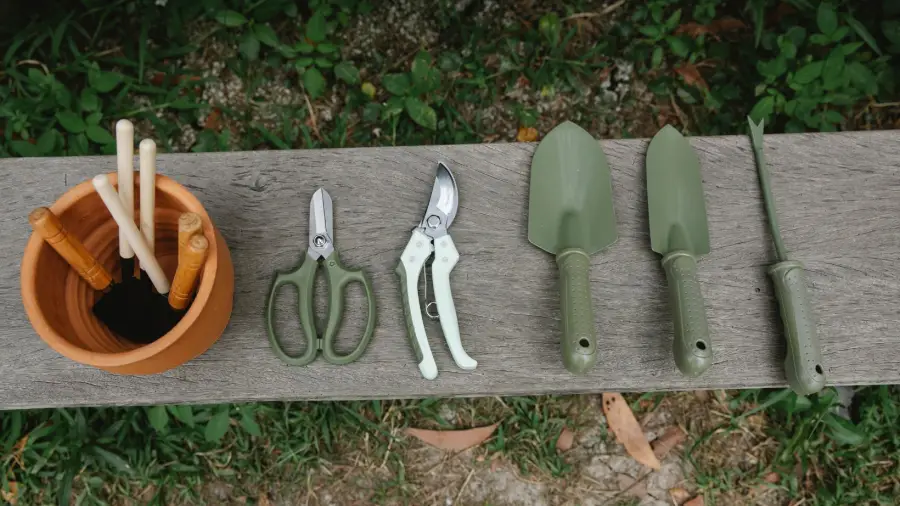
Equipped with the right tools, gardening becomes efficient and more enjoyable. Start building your toolkit with these gardening essentials:

  • Spade: For digging and turning the soil.
  • Pruners: Ideal for trimming and shaping plants.
  • Gardening Gloves: Protects hands from thorns and soil.
  • Watering Can or Hose: Keeps your plants hydrated.
  • Rake: Gathers leaves and debris, helps in soil leveling.

Consider investing in quality tools that will withstand the test of time and make your gardening journey smoother.

Cultivating A Thriving Garden

Embarking on the journey of gardening transforms outdoor spaces into a vibrant tableau of colors, textures, and life. It’s not merely planting and watching things grow; it’s about nurturing nature and creating a sanctuary that thrives. To help your garden flourish, mastering a few key techniques is essential. From understanding the watering and fertilizing dance to outsmarting pests and diseases, to adapting to the whims of the seasons, each plays a crucial role in cultivating a robust garden.

Watering And Fertilizing Techniques

Regular and appropriate watering keeps your plants hydrated and healthy. Move beyond guesswork—utilize a soil moisture meter for accuracy. Consider drip irrigation systems for efficiency and environmental consciousness. Fertilization is the food your garden craves. Utilize organic or slow-release fertilizers to provide steady nutrition. Here’s a table summarizing ideal practices for both:

Technique Benefits Frequency
Soil Moisture Monitoring Ensures optimal hydration levels Check weekly
Drip Irrigation Reduces water waste Adjust seasonally
Organic Fertilizers Improves soil health Apply in growing season

Pest Control And Disease Prevention

Gardens are ecosystems prone to pests and diseases. Prevention is crucial. Use neem oil or insecticidal soaps as eco-friendly options to deter harmful insects. Encouraging beneficial insects, like ladybugs, aids in natural pest control. For disease prevention, focus on plant spacing for adequate airflow and consider fungicides for prevalent issues. Remember to clean your tools to prevent the spread of pathogens.

  • Regular inspections for early detection
  • Introduce beneficial predators for natural pest control
  • Space plants for circulation and reduce fungal risks

Maintenance Tips For Seasonal Changes

A thriving garden adapts to the ebb and flow of the seasons. As temperatures shift, so should your maintenance strategies. Pruning dead or overgrown foliage during the dormant season encourages new growth when spring arrives. Mulching not only retains moisture but also protects roots from extreme temperatures. Be attentive to frost warnings and employ covers or greenhouses to shield sensitive plants.

  1. Prune in late winter to promote spring growth
  2. Apply mulch in autumn for winter protection
  3. Monitor weather and provide cover if frost is forecasted

Creative Gardening Projects

Gardening is not just about planting and watching your garden grow. It’s a way to express creativity, to craft a space that’s uniquely yours, and to engage with nature in an intimate way. Creative Gardening Projects can transform your outdoor area into an oasis of tranquility, a hub of sustainability, and a reservoir of charm. With just a few innovative ideas, you can embark on an exciting journey to design a garden that’s not only visually appealing but also a reflection of your personal style and ethos.

Designing A Tranquil Garden Space

Creating a serene retreat in your backyard begins with thoughtful design. Start by selecting a palette of calming colors, such as soft greens, blues, and pastels, to set the tone for relaxation. Integrate elements of water, like a small fountain or bird bath, to bring a soothing ambience and attract wildlife. Arrange seating strategically to enjoy different views of your garden and consider adding wind chimes or a hammock for an extra level of serenity. Plan pathways that meander, inviting leisurely strolls rather than direct routes, and use natural materials like stone or mulch to blend seamlessly with the surroundings.

Diy Planting Containers

Custom planting containers are a delightful way to showcase your plants and add personality to your garden. Get creative by repurposing items like old tires, pallets, or even colorful ceramic bowls. Ensure they have proper drainage to keep your plants healthy. Embellish them with paint, mosaics, or decoupage for a personal touch. This not only recycles materials but also creates eye-catching points of interest throughout your garden space.

Incorporating Edible Plants In The Garden

Incorporating edible plants into your garden serves multiple purposes—it’s aesthetic, practical, and sustainable. Start with herbs like basil, rosemary, and mint, which are both ornamental and useful in the kitchen. Intersperse vegetables like kale, carrots, and tomatoes among your flowers for a pop of color and texture. Edible plants can be just as decorative as traditional ornamentals and offer the satisfying benefit of homegrown produce. To add structure and height, consider trellises for climbing plants such as beans, peas, or even grapevines.

Sharing The Gardening Passion

Embracing the verdant world of plants and flowers, gardeners know the pure joy that tending to their little patches of earth brings. Not only is gardening a peaceful and productive hobby, but it also offers a plethora of opportunities for community engagement and educational experiences. By sharing the gardening passion, enthusiasts of all ages come together, bridging the gap between generations and nurturing a love for nature in the hearts of many.

Community Gardening Initiatives

Community gardens are flourishing hubs where individuals learn, collaborate, and share their gardening endeavours. These initiatives are more than just a collection of plants; they serve as communal canvases for environmental stewardship and social interaction. Here are a few key features:

  • Education Workshops: Seasoned gardeners lead classes on sustainable practices, composting, and plant care.
  • Plot Adoption: Members can tend to individual plots while contributing to common areas.
  • Local Food Production: Fresh produce is often shared with community food banks or sold at local farmers’ markets.

Teaching Children The Joys Of Gardening

The garden is a fantastic classroom for young minds. Engaging children in gardening activities instills a sense of responsibility and an appreciation for the environment. Here are ways to make gardening exciting for kids:

Activity Skills Developed
Planting Seeds Patience, Attention to Detail
Crafting Plant Markers Creativity, Organization
Garden Scavenger Hunts Observation, Problem-Solving

Incorporating storytelling with lessons about plant life cycles and ecosystems makes the experience enriching. As children watch their plants grow, they learn the value of nurturing and perseverance.

Frequently Asked Questions Of About Gardening Hobby

What Are Benefits Of Gardening As A Hobby?

Gardening offers numerous benefits, including stress relief, physical exercise, and the joy of growing your own food. It can improve mental health by providing a sense of accomplishment and mindfulness.

How To Start A Gardening Hobby?

Begin with easy-to-grow plants and basic tools. Choose a suitable space with enough sunlight, learn about the soil type, and start with seedlings or small plants. Gradually expand your garden as you gain experience.

What Are The Best Plants For Beginner Gardeners?

Herbs like basil, mint, and chives are great for beginners due to their hardiness and easy care requirements. Vegetables such as tomatoes, peppers, and lettuce also offer a rewarding start for new gardeners.

How Much Time Does Gardening Hobby Require?

The time spent on gardening can vary, but a general recommendation is to spend at least an hour a week maintaining a small garden. As your garden grows, so will the time commitment required.

Conclusion

Embracing the world of gardening can transform your daily routine into a tapestry of growth and vitality. It’s a journey enriching both your environment and your soul. As you cultivate your green oasis, remember that every seed planted is a step towards a greener planet.

Let your garden thrive and share the joys of your horticultural hobby with the world. Keep growing, keep blooming, and let your love for gardening flourish.

(To learn about Rooftop Fruits Gardening : https://bonsainurserybd.com/rooftop-fruit-plantation/

Indoor-Plants-for-Oxygen

Best Indoor Plants for Oxygen

The best indoor plants for oxygen include the Snake Plant and the Areca Palm. These plants are known for their exceptional air-purifying abilities.

Filling your living space with plants can do more than just beautify your home—it can improve the air quality and enhance your health. Among the vast array of indoor flora, certain species stand out for their oxygen-releasing capabilities. Keeping Snake Plants (Sansevieria) not only adds a modern aesthetic to any room, but also works as a natural air purifier, emitting oxygen mainly at night.

Indoor-Plants-for-Oxygen

On the other hand, the Areca Palm (Dypsis lutescens) serves as a living humidifier, releasing copious amounts of moisture and oxygen into the air during daytime. Both plants are low-maintenance, making them ideal for busy individuals who want to enjoy greener living with minimal effort. Selecting such oxygen-rich plants is an easy step towards a healthier, more refreshing indoor environment.

Benefits Of Indoor Plants For Oxygen Production

Delving into the world of botany within the confines of your home not only embellishes your living spaces but significantly enhances the oxygen levels. The benefits of indoor plants for oxygen production are numerous, offering a breath of fresh air, quite literally, to inhabitants. Embracing greenery indoors translates to health benefits, improved concentration and wellbeing, and a constant, natural air purification system.

Importance Of Indoor Plants For Air Quality

Indoor air quality is a critical component of a healthy home environment. Everyday activities introduce pollutants like benzene, formaldehyde, and trichloroethylene into the air. Indoor plants act as natural air filters, absorbing these harmful chemicals and integrating them into the soil, where root microbes convert them into food for the plant. Cleaner air means fewer airborne diseases and a healthier living space. Here are some key points spotlighting the importance of indoor plants:

  • Reduction of pollutant levels: Plants absorb gases through their leaves, filtering and removing toxins from the air.
  • Humidity regulation: Through the process of transpiration, indoor plants release moisture into the air, maintaining optimum humidity levels.
  • Enhanced cognitive function: Studies show that indoor plants improve concentration, memory, and productivity by up to 15%.

How Indoor Plants Contribute To Oxygen Levels

Photosynthesis is the process by which plants convert light into energy, producing oxygen as a by-product. Indoor plants improve overall oxygen levels which aid in better breathing and can lead to increased alertness and reduced stress levels. A list of popular oxygen-boosting plants includes but is not limited to:

Plant Name Oxygen Output Additional Benefits
Aloe Vera High Clears formaldehyde and benzene
Snake Plant High Converts CO2 to O2 at night
Spider Plant Moderate to High Combats carbon monoxide and xylene
Peace Lily Moderate Neutralizes toxic gases like ammonia

Featuring one or more of these plants in your home can contribute significantly to the oxygen levels and air quality, turning your home into a healthier habitat for all its occupants.

Best Indoor Plants For Oxygen And Air Purification


Transforming your living space into a fresh and vivacious sanctuary doesn’t just require aesthetic touches; it also calls for augmenting oxygen levels and improving air quality. Delving into the world of floriculture unveils plants that are not just attractive but formidable allies against indoor pollutants. Nature offers a plethora of options that can flourish indoors and act as natural air purifiers.

Let us introduce you to some botanical powerhouses that are renowned for their ability to elevate oxygen levels and filter out toxins from the air, creating a healthier and more vibrant home environment.

Snake Plant (sansevieria)

Robust and nearly indestructible, the Snake Plant, also known as Mother-in-Law’s Tongue, is a top contender for oxygen production. This hardy plant not only provides a steady stream of oxygen throughout the night but also eliminates airborne toxins such as formaldehyde and benzene. A perfect bedroom companion, Snake Plants require minimal care and can thrive in low light conditions.

Aloe Vera

Praised for its healing properties, Aloe Vera is another champion in the world of oxygen-giving indoor plants. It absorbs carbon dioxide and converts it into oxygen, while also purging the air of pollutants like benzene and formaldehyde, commonly found in household varnishes and detergents. With its easy-to-care-for nature and succulent leaves, Aloe Vera is as practical as it is purifying.

Peace Lily (spathiphyllum)

The elegant Peace Lily boasts luxurious white blooms and dark green foliage, yet its beauty is matched by its purifying strength. As a powerhouse for removing air contaminants such as ammonia, trichloroethylene, and formaldehyde, the Peace Lily also amplifies indoor oxygen levels. The bonus? This plant thrives in shady areas, making it an ideal pick for less sunny spaces.

Spider Plant (chlorophytum Comosum)

With its striking variegated leaves and cascading growth, the Spider Plant is a compelling addition to any indoor setting. This low-maintenance botanical friend is renowned for its capability to battle toxins such as xylene and carbon monoxide. Beyond its air-purifying qualities, it effortlessly spawns “pups” that can be replanted, multiplying your oxygen-boosting greenery.

Areca Palm (dypsis Lutescens)

Embrace the tropical vibe with the luscious Areca Palm, a verdant gem that stands tall in the league of oxygen generators. Known for its lush fronds and impressive size, this palm not only adds a touch of the exotics to your decor but also significantly improves indoor air quality. The Areca Palm filters out harmful toxins like formaldehyde and is particularly effective in moistening indoor air during drier seasons.

Tip: Pair these plants with regular ventilation to enhance their effectiveness in purifying your home’s air. Even though these green wonders work tirelessly to improve your indoor environment, nothing replaces the benefits of fresh outdoor air circulating through your living space.


Care Tips For Oxygen-boosting Indoor Plants

Inviting indoor plants into your home isn’t just about adding a splash of green to your interior décor. These natural oxygen factories enhance your living space by purifying the air and uplifting your mood. To get the most out of your oxygen-boosting green friends, it’s essential to understand the gearwork of their care. Follow these essential tips to ensure your leafy companions are not just surviving but thriving, thus maximizing their air-purifying capabilities.

Proper Watering Techniques

Correct watering is vital for the health of indoor plants. Oxygen-boosting plants need consistent moisture, but overwatering can lead to root rot, a common pitfall for many indoor gardeners. To avoid this:

  • Use pots with drainage holes to allow excess water to escape.
  • Check the top inch of soil before watering—if it’s dry, it’s time to water.
  • Employ a watering schedule but be flexible; adjust based on the plant’s needs, which can change with the seasons.
  • Consider the use of self-watering planters for consistent moisture levels and to reduce the guesswork in watering.

Sunlight And Placement

Your green allies thrive with the right amount of sunshine. Placing them in an ideal spot ensures they get the light they require for photosynthesis, which directly correlates with oxygen production:

Plant Type Sunlight Needs Recommended Placement
Low Light Plants Indirect, shady locations North-facing windows or interior rooms
Medium Light Plants Filtered sunlight East or West-facing windows
High Light Plants Direct sun exposure South-facing windows

Remember to rotate your plants periodically to ensure even growth and prevent leaning towards the light source.

Soil Requirements

The foundation of any plant’s health is in its soil. Oxygen-boosting indoor plants benefit from a well-aerated mix that drains well. When selecting soil:

  1. Aim for a blend that is specific to the plant’s type; cacti and succulents require more sandy soil, while tropical plants prefer loamy soil.
  2. Include peat, perlite, or vermiculite to improve drainage and aeration.
  3. Change the soil every couple of years or when the plant outgrows its pot to replenish nutrients and improve the health of the root system.

Remember, the healthier the soil, the more efficiently your plants can process air, offering you a fresher and more oxygen-rich environment inside your home.

Styling Tips For Oxygen-boosting Indoor Plants

Introducing lush greenery into your living space doesn’t just add aesthetic value; it’s a great way to enhance the oxygen levels in your home. Oxygen-boosting indoor plants can purify the air, create a serene environment, and revitalize any room. Here, discover the art of seamlessly styling these natural wonders in your décor while enjoying their breath of fresh air.

Incorporating Plants Into Home Decor

Seamlessly integrate indoor plants into your existing décor by focusing on locations that benefit the most from a touch of greenery. Utilize bookshelves, mantles, or windowsills to exhibit small oxygenic plants like Ficus or Spider Plant. Improve air quality and aesthetics by choosing spots with ample natural light, ensuring your plants thrive while they beautify your space.

Indoor Plant Arrangement Ideas

For a dynamic and attractive arrangement, mix various plant types with differing heights and foliage textures. Place taller plants like the Snake Plant or Peace Lily behind smaller, bushier varieties, creating a tiered effect. Use hanging planters for trailing species like English Ivy to add vertical interest and maximize the oxygenation of your home environment.

  • Group plants in clusters for a lush, mini-indoor garden feel.
  • Balance the room by placing plants on opposite sides of the space.
  • Stagger plants on a plant stand or shelf for architectural interest.

Best Planters For Oxygen-boosting Plants

Choosing the right planter is critical for both the health of your plants and the cohesiveness of your room’s design. Opt for materials like terra cotta or ceramic, which allow the soil to breathe and thus support the roots in supplying optimal oxygen. Below is a table with ideal planter options:

Plant Planter Type Benefits
Aloe Vera Terra Cotta Prevents water logging, enhances oxygen exchange
Bamboo Palm Ceramic Heavy enough to support tall plants, porous
Gerbera Daisy Recycled Plastic Eco-friendly, lightweight, suitable for tabletops

Select planters with drainage to prevent overwatering, and consider self-watering planters for consistency in moisture levels, essential for healthy growth. Complement your décor by choosing planter colors and finishes that gel with your room’s color scheme, creating a cohesive look.

Creating A Healthy Environment With Oxygen-boosting Indoor Plants

Transform your indoor space into a verdant sanctuary that’s not just visually pleasing, but also a powerhouse for oxygen production. Sourcing the best indoor plants for oxygen not only elevates the aesthetic appeal of your home or office but fosters a healthier, more vibrant environment. Embrace the power of greenery to enhance your surroundings with elements that purify air, boost oxygen levels, and promote well-being.

Enlisting the help of green comrades is a strategic move towards establishing a living space that brims with vitality. Selecting the right indoor plants can dramatically improve the air quality and oxygen levels inside your home or workplace.

Impact On Health And Well-being

Indoor air quality directly influences human health, and oxygen-boosting plants play a significant role in mitigating pollutants. These natural air purifiers can help reduce levels of carbon dioxide and increase overall oxygen, which is essential for optimal bodily function and mental performance.

  • Areca Palm: Excels in removing CO2 and converting it into oxygen.
  • Snake Plant: Known for its ability to produce oxygen even at night.
  • Spider Plant: Great at filtering out common household air toxins.

Psychological Benefits Of Indoor Plants

Oxygenating indoor plants do more than purify the air—they also positively impact our psychological state. The presence of plants in indoor settings has been shown to reduce stress, increase creativity, and enhance focus, thus improving overall happiness and productivity.

Plant Benefit
Aloe Vera Promotes relaxation and improves sleep quality.
Rubber Plant Elevates mood and aesthetic value to the space.

Maintaining A Balanced Indoor Ecosystem

A balance of plant life within indoor environments is vital for establishing a sustainable ecosystem. This harmony not only provides consistent oxygen flow but also maintains humidity levels and temperature, leading to a more comfortable living space.

  1. Consistency: Keep a regular watering and care schedule for your plants.
  2. Variety: Cultivate a diverse array of plants to cover all aspects of environmental balance.
  3. Synergy: Pair plants that complement each other’s growth patterns and benefits.

Frequently Asked Questions On Best Indoor Plants For Oxygen

Which Indoor Plants Produce The Most Oxygen?

Indoor plants like the Areca Palm, Snake Plant, and Money Plant are known champions at producing oxygen. These plants not only improve air quality but also enhance the ambiance of your space.

Are Indoor Plants Effective For Air Purification?

Yes, indoor plants can effectively purify air. Species such as the Spider Plant, Peace Lily, and Boston Fern have been proven to remove toxins and improve air quality, making them beneficial for indoor environments.

Can Indoor Plants Improve Sleep Quality?

Certain indoor plants like the Snake Plant and Aloe Vera release oxygen at night, which can improve air quality and potentially aid in better sleep. Placing them in bedrooms might contribute to a more restful sleep.

How Much Light Do Oxygen-rich Indoor Plants Need?

Most oxygen-rich indoor plants require bright, indirect light to thrive. The intensity of light needed might differ slightly between species, but generally, a well-lit room without direct sunlight is ideal.

Conclusion

Embracing indoor plants revolutionizes air quality and enhances home ambiance. Our selection of oxygen-boosting greens promises to invigorate any living space. Consider integrating these natural purifiers for a breath of fresh air. Let’s transform our indoor environments with these verdant, oxygen-emitting companions.

Your lungs and decor will thank you.

(To know more about Indoor Plants Guidelines: https://bonsainurserybd.com/indoor-plants-guidline/

Rooftop-Gardening

Advantages And Disadvantages of Rooftop Gardening

Rooftop gardening offers environmental benefits and space efficiency but can pose structural and maintenance challenges. It enhances green spaces in urban settings but requires careful planning and investment.

Rooftop gardens embody a blend of aesthetics and functionality, transforming barren urban rooftops into vibrant, green oases. These ecosystems atop buildings offer a respite from the concrete cityscape, encouraging biodiversity and providing residents with an opportunity to engage in gardening.

Rooftop-Gardening

By growing plants, vegetables, and flowers, rooftop gardens contribute to improved air quality and reduction in the urban heat island effect. They can also serve as a social space for community interaction and promote a sustainable lifestyle. Nevertheless, setting up such a garden demands a sturdy infrastructure to support the extra weight and a dedicated budget for soil, plants, and regular upkeep. Watering systems and root barriers are crucial components that must be factored into the planning process. A rooftop garden is more than just an aesthetic addition; it’s an investment in environmental sustainability and personal well-being amidst urban sprawl.

Introduction To Rooftop Gardening

Welcome to the verdant world of urban agriculture where concrete jungles bloom with life – welcome to rooftop gardening. This innovative practice transforms barren rooftops into vibrant ecosystems, redefining our interaction with urban spaces. Here, we unearth the layers of rooftop gardening, exploring its definition, history, and growing popularity.

Definition Of Rooftop Gardening

Rooftop gardening is the cultivation of a vegetable garden or plant habitat on the top of a building. This green endeavor can range from simple container gardens with herbs and flowers to complex, integrated systems that feature shrubs, trees, and even water features. Rooftop gardens exploit the underused vertical spaces in urban settings, often providing ecological benefits, improving building insulation, and offering a serene sanctuary for residents and wildlife alike.

Brief History And Growing Popularity

The concept of rooftop gardening is far from a modern innovation. Historical accounts reveal the existence of rooftop gardens in ancient Mesopotamia, most famously the Hanging Gardens of Babylon. Fast-forward to the present, the practice has gained significant traction as a sustainable solution for urban environments. Cities like New York, Singapore, and Tokyo showcase pioneering projects that juxtapose the grey of the city with vibrant greenery.

  • Growth driven by environmental awareness and urban aesthetic enhancement
  • Increasing need for food security and local sourcing in cities
  • Policies and incentives by municipal bodies to combat climate change effects

Factors Impacting Rooftop Gardening

Embarking on the journey of rooftop gardening brings with it a unique set of factors that can significantly impact its success. These considerations are essential for both enthusiastic beginners and seasoned green thumbs. To help navigate these complexities, let’s dive into some of the critical elements that determine the viability of a rooftop garden.

Climate And Weather Considerations

The local climate is a decisive factor in rooftop gardening. Extreme conditions—whether sweltering heat or freezing cold—can pose challenges to plant survival. Gardeners must select plant species that are resilient and well-suited to their region’s weather patterns. In addition, unexpected weather events, such as storms or prolonged rainy seasons, may require additional measures like proper drainage systems or windbreaks to protect the garden.

  • Air temperature: Rooftop gardens often experience higher temperatures due to their direct exposure to the sun.
  • Wind: Sturdy barriers or wind-resistant plants can help mitigate the effects of strong winds.
  • Precipitation: Adequate drainage ensures that excess water does not accumulate and damage the root systems or the roof itself.

Structural And Safety Considerations

The structural integrity of the building is paramount when planning a rooftop garden. It’s crucial to consult with a structural engineer to determine if the roof can support the additional weight of soil, plants, and equipment.

Consideration Details
Weight capacity The ability of the rooftop to bear the weight of heavy planters and wet soil must be assessed.
Accessibility Safe and convenient access for maintenance and enjoyment of the garden is essential.
Building codes Compliance with local building codes and regulations ensures the safety of the garden structure.

Access To Sunlight And Water

Successful rooftop gardens rely heavily on consistent access to sunlight and water. Plants require adequate sunlight to thrive, and too much shade can be detrimental to their growth. Mapping the path of the sun during the day will help in planning the layout of the garden to maximize light exposure.

Water availability is another critical aspect. Since rooftops are not naturally designed for gardening, installing a reliable water system for irrigation is necessary. Utilizing rainwater harvesting systems can be an efficient and eco-friendly solution.

  1. Determine the amount of daily sunlight hours needed for the chosen plants.
  2. Install an efficient irrigation system while considering water drainage to prevent roof damage.
  3. Use lightweight containers and soil substitutes to minimize stress on the roof.

Advantages Of Rooftop Gardening

Rooftop gardening is an innovative and eco-friendly approach to modern urban living that brings a slice of nature to the concrete jungles we reside in. As cities expand, green spaces become rarities, making rooftop gardens not just aesthetically pleasing, but also essential for sustainable living. From environmental benefits to health advantages, these green havens stand tall, transforming vacant roof spaces into vibrant ecosystems.

Environmental Benefits

Rooftop gardens act as natural insulation for buildings, reducing the need for artificial heating and cooling, thus lowering energy consumption. They also improve air quality by trapping dust and pollutants, creating a healthier environment for everyone.

Reduction Of Urban Heat Island Effect

The urban heat island effect, a phenomenon where urban areas are significantly warmer than their rural surroundings, is combated through rooftop gardens. The plants absorb sunlight and, through the process of evapotranspiration, help cool the surrounding air, making cities more temperate and comfortable.

Mitigation Of Carbon Footprint

By absorbing carbon dioxide and producing oxygen, rooftop gardens are a natural ally in the fight against climate change. They play a crucial role in reducing the overall carbon footprint of urban areas, contributing to a greener planet.

Health Benefits

  • Access to fresh produce: One of the most immediate benefits of rooftop gardening is the ability to grow your own fruits, vegetables, and herbs. This not only ensures that you have access to fresh, pesticide-free produce but can also contribute to a balanced and nutritious diet.
  • Stress reduction and mental well-being: Rooftop gardens offer an oasis of tranquility in the hustle and bustle of city life. Engaging in gardening activities can significantly reduce stress levels, enhancing mental well-being and providing a mindful escape from daily pressures.

Community And Social Advantages

Rooftop gardens often become communal spaces that foster interaction and co-operation among residents. They serve as:

Building Community Cohesion

Gardens can act as communal hubs where people come together, leading to stronger community bonds and a sense of shared purpose. They can be instrumental in creating a feeling of community cohesion among residents of urban areas.

Educational Opportunities

Rooftop gardens provide unique, hands-on learning experiences for individuals of all ages. They can be utilized for teaching valuable life skills, sustainability practices, and the importance of preserving the environment, thus nurturing a generation that is aware of and committed to ecological responsibilities.

Disadvantages Of Rooftop Gardening

While rooftop gardening offers an urban oasis and a green retreat, it also presents several drawbacks that must not be ignored. From structural implications to the diverse maintenance demands, rooftop gardens come with their unique set of challenges that may deter some enthusiasts or require additional consideration before embarking on such an endeavor.

Structural Challenges

One of the primary concerns with rooftop gardening is the structural integrity of the building. Not all roofs are designed to accommodate the additional load of a garden, which includes the weight of soil, plants, and often, people. It necessitates a thorough structural assessment by a professional to ensure the building can withstand the added stress.

Weight-bearing Limitations

Limits on weight capacity can significantly restrict the scale and scope of a rooftop garden. This directly impacts the type of soil and the size and quantity of planters and vegetation that can be safely used without compromising the safety and integrity of the building.

Potential Damage To The Building

Rooftop gardens may lead to water leakage and structural damage if not correctly installed. Proper waterproofing and drainage systems are crucial to prevent potential issues that may result in costly repairs.

Maintenance And Costs

Maintaining a rooftop garden is not only labor-intensive but also comes with a financial burden. Regular garden care, irrigation, and repairs contribute to ongoing expenditures that need consideration.

Regular Upkeep Requirements

Constant attention is vital for a thriving rooftop garden. This includes tasks such as weeding, pruning, harvesting, and pest control, which demand time and effort from the garden keeper.

Initial Setup And Ongoing Expenses

The initial cost of setting up a rooftop garden can be steep, considering the need for structural evaluations, high-quality materials for planters, soil, and suitable plants. Additionally, the expenses continue with regular upkeep and unforeseen repairs.

Limitations On Crop Diversity

Soil depth restrictions and varying microclimates prevalent in rooftop settings can limit the variety of crops that can be grown successfully. This often results in reduced crop diversity and affects how gardeners plan their plant selections.

Impact On Plant Choice And Yield

Limited soil depth not only affects plant choice but also influences the yield of certain crops. Many vegetables and flowers demand deep soil to develop robust root systems, which is a challenge on many rooftops. Hence, this limitation is central in deciding what can be grown in a rooftop setting.

Safety And Regulatory Considerations

Rooftop gardening is an innovative way to transform unused urban spaces into lush, green oases. But it’s not a simple endeavor; it comes with unique safety and regulatory considerations. As garden enthusiasts or property managers, understanding these aspects is crucial to maintaining a garden that is not only sustainable but also secure and compliant with local laws. Let’s explore the essentials of risk assessment, adherence to building codes, and the implementation of best practices for rooftop gardening safety.

Risk Assessment And Safety Measures

Conducting a thorough risk assessment is the first step in ensuring the safety of a rooftop gardening project. This assessment should identify any potential hazards, such as:

  • Falls from heights due to inadequate railings or barriers
  • Structural overloading, where the roof may not support the garden’s weight
  • Water damage resulting from improper waterproofing and drainage
  • Fire risks associated with certain plants or materials

Once the risks are known, appropriate safety measures can be implemented, which may include:

  1. Installing safety railings and access restrictions where necessary
  2. Structural reinforcement to manage the garden’s load
  3. Waterproofing and efficient drainage systems to prevent leaks
  4. Selection of fire-resistant materials and plants

Compliance With Building Codes And Regulations

Every rooftop garden must comply with local building codes and zoning regulations. These codes are designed to protect the safety of inhabitants and the community. Compliance typically involves:

  • Obtaining necessary permits and approvals before commencing the project
  • Ensuring garden design meets structural load requirements
  • Adhering to fire codes and egress standards
  • Accessibility in accordance with the Americans with Disabilities Act (ADA) or similar standards

Working with qualified architects or engineers to review and approve the plans can help ensure the garden meets all legal requirements.

Best Practices For Ensuring Safety

Adopting best practices is essential for maintaining a safe rooftop garden over time. These include:

  • Regular inspections to ensure ongoing structural integrity and safety
  • Implementing a garden maintenance plan to keep plants and installations in check
  • Training staff or volunteers on safety protocols and emergency procedures
  • Using non-toxic, sustainable materials to promote environmental health

Guidance from experts, such as landscape architects or horticulturists, can also be invaluable in developing and implementing these best practices effectively.

Conclusion And Future Outlook

As we have navigated through the various facets of rooftop gardening, it’s essential to crystallize our understanding by considering the broader implications and expected developments in this green innovation. Rooftop gardens are more than just a trend; they represent a growing movement towards sustainable urban living. Exploring the balance of their benefits and challenges, alongside the emerging trends, will help us envision the transformative role they may play in the future of urban environments.

Summary Of The Advantages And Disadvantages

Understanding the pros and cons of rooftop gardening is crucial for those considering this agricultural practice:

Advantages Disadvantages
  • Counteracts Urban Heat Island effect
  • Reduces energy consumption
  • Provides fresh, local produce
  • Creates habitats for wildlife
  • Enhances property aesthetics and value
  • Structural weight concerns
  • High initial investment
  • Complexity in water management
  • Maintenance and accessibility issues
  • Potential pest problems

The balance between these elements often determines the suitability and success of a rooftop garden in an urban setting.

Emerging Trends And Innovations In Rooftop Gardening

The field of rooftop gardening is burgeoning with innovative technologies and practices:

  • Hydroponics – soil-less growing methods consuming less water and space
  • Aquaponics systems – combine fish farming with plant cultivation
  • Green roof technology – integrates vegetation with building systems
  • Modular planters – offers flexibility in design and expansion
  • Smart gardening – utilizes sensors and IoT for precision farming

Collectively, these trends are streamlining rooftop gardening practices, making them more accessible and efficient for urban dwellers.

Potential Future Impact Of Rooftop Gardening On Urban Landscapes

The integration of rooftop gardens within urban planning holds potential for significant impacts:

  1. Rooftop gardens could become standardized in new building designs, promoting sustainability.
  2. They may serve as community hubs, enhancing social cohesion in cities.
  3. They could significantly contribute to local food systems, reducing the carbon footprint associated with food transport.
  4. Rooftop green spaces may influence urban biodiversity, attracting a variety of species and promoting ecological balance.

As cities confront issues like climate change and population growth, rooftop gardens offer a vision of resilience and harmony with nature.

Frequently Asked Questions On Advantages And Disadvantages Of Rooftop Gardening

What Are Rooftop Gardens?

Rooftop gardens are green spaces on the roofs of buildings. They offer a place to grow plants, relax, and enjoy nature. They’re often used in urban areas where ground space is limited.

How Does Rooftop Gardening Benefit The Environment?

Rooftop gardens help the environment by reducing urban heat islands. They absorb rainfall, provide insulation, and support biodiversity. Plus, they contribute to cleaner air in dense cities.

Can Rooftop Gardens Increase Property Value?

Yes, rooftop gardens can increase property value. They enhance building aesthetics and provide additional usable outdoor space. This can make properties more attractive to buyers and renters.

What Challenges Do Rooftop Gardens Face?

Rooftop gardens face challenges like weight restrictions, wind exposure, and water access. Maintenance can be more demanding compared to regular gardens. Initial setup costs can also be higher.

Conclusion

Rooftop gardens are more than just urban greenery. They offer a personal oasis and can mitigate some environmental concerns. On the flip side, installation challenges and upkeep are noteworthy. Nevertheless, for city dwellers longing for nature, the rewards often surpass the drawbacks of crafting a sky-high sanctuary.

Embrace the balance and transform your roof into a thriving garden.

(To know about Rooftop Gardening Ideas : https://bonsainurserybd.com/5-small-space-rooftop-garden-ideas/)

Bonsai Vs. Houseplants

Bonsai Vs. Houseplants: Which Is Right for You? Make an Informed Choice

Bonsai vs. Houseplants: Which is right for you? Find out which option suits your preferences and needs.

Bonsai trees offer a unique and artistic appeal, with their miniature size and intricate designs. They require careful maintenance and attention to detail. On the other hand, houseplants bring life and beauty to indoor spaces and are relatively easier to care for.

Bonsai Vs. Houseplants

Consider factors such as your level of commitment, available space, and desired aesthetic when deciding between bonsai or houseplants.

Importance Of Choosing The Right Indoor Plant

Choosing the right indoor plant is essential for creating a harmonious and balanced living environment. When it comes to selecting between bonsai and houseplants, it’s important to consider your personal preferences and the care requirements of each plant.

When it comes to indoor plants, choosing the right one is essential for creating a harmonious and beneficial environment in your home. Indoor plants not only add a touch of nature to your living space but also offer a wide range of benefits. From improving air quality to boosting productivity and enhancing mood, the right indoor plant can make a significant difference in your overall well-being.

The Impact Of Indoor Plants On Air Quality

Indoor air quality is a major concern as we spend a considerable amount of time indoors. However, the presence of certain indoor plants can help improve air quality by removing harmful toxins and pollutants. Plants such as the Snake Plant, Peace Lily, and Spider Plant have been found to be particularly effective in purifying the air by absorbing chemicals like formaldehyde, benzene, and xylene.

These common indoor plants release oxygen and increase humidity, creating a healthier environment for you and your family. By reducing the levels of indoor air pollutants, they can alleviate respiratory issues, allergies, and even boost your immune system.

Increased Productivity And Mood Enhancement

Having indoor plants in your living or workspace can significantly impact your productivity and mood. Numerous studies have shown that being close to nature, even in the form of indoor plants, can improve concentration, creativity, and cognitive function.

Plants help reduce stress and anxiety by creating a calm and relaxing atmosphere. The sight of greenery and natural elements has a soothing effect on our minds, leading to increased focus and productivity. In addition, indoor plants release moisture into the air, which can help combat dryness and fatigue, promoting a more comfortable and positive environment.

Aesthetically Pleasing And Natural Decor

Aside from their health benefits, indoor plants also serve as beautiful and natural decor for your home. They add a touch of greenery, freshness, and elegance to any room, instantly enhancing its aesthetic appeal.

Whether you choose a vibrant flowering plant or a sophisticated bonsai tree, indoor plants can complement any interior style and add a natural element to your decor. They create a sense of harmony and balance, connecting you to nature and creating a peaceful ambiance.

Moreover, indoor plants have the ability to soften harsh lines and spaces, making the atmosphere more inviting and welcoming. They can be used as a focal point, displayed as a centerpiece, or placed strategically to highlight certain areas of your home.

(To know more about Indoor Gardening: https://bonsainurserybd.com/indoor-gardening-greenery-inside-your-home/)

Understanding Bonsai

Discovering the perfect match for your home: “Bonsai Vs. Houseplants: Which Is Right for You? ” Delve into the world of bonsai and explore the unique characteristics that make it a potential choice, or consider the versatility and ease of houseplants.

Choose the option that harmonizes with your lifestyle and aesthetic preferences.


Origins And History Of Bonsai

Bonsai, a Japanese art form that involves cultivating small trees in containers, has a rich historical background. Its origins can be traced back to ancient China around 700 AD, where it was known as “penzai.” The practice then spread to Japan, where it developed into the unique and revered art form we know today.

The art of bonsai gained popularity in Japan during the Kamakura period (1185-1333) when monks began cultivating small trees as a way to capture the beauty and essence of nature in a portable form. Over the centuries, bonsai techniques and styles evolved, reflecting cultural influences and artistic interpretations.

The Art Of Shaping And Pruning Bonsai Trees

One of the key aspects of bonsai is the art of shaping and pruning the trees to create miniature versions of their natural counterparts. This process requires skill, patience, and an understanding of the tree’s growth patterns and characteristics.

Bonsai artists carefully sculpt their trees using techniques such as wiring, trimming, and defoliation. By manipulating the branches and foliage, they create the desired shape and aesthetic appeal. The goal is to create a balanced and harmonious composition, reflecting the beauty of mature trees in nature.

Unique Characteristics And Requirements Of Bonsai

Bonsai trees have distinct characteristics and requirements that set them apart from traditional houseplants. Understanding these characteristics is crucial for successful bonsai cultivation.

Bonsai trees are typically grown in small containers, restricting their root growth. This plays a vital role in controlling the overall size and shape of the tree. Regular repotting is necessary to maintain the health and vitality of the tree.

Moreover, bonsai trees have intricate watering and fertilization requirements. The moist but well-draining soil is essential to prevent root rot, while the proper balance of nutrients ensures the tree’s growth and development.

Furthermore, maintaining a bonsai tree requires continuous vigilance in terms of pruning and shaping. Regular pruning helps to control the size and shape, while shaping allows the artist to capture the desired aesthetic appeal.

Lastly, adequate exposure to sunlight is crucial for the health and growth of bonsai trees. Most bonsai trees thrive in bright, indirect light, but the specific lighting requirements may vary depending on species.

In conclusion, bonsai trees offer a unique and artistic approach to cultivating plants. They require meticulous care, attention to detail, and an understanding of their distinct characteristics. With proper care and patience, bonsai trees can bring beauty and tranquility into any indoor space.

(To know more about Bonsai: https://bonsainurserybd.com/bonsai-species-bonsai-collection/)


Houseplants: A Versatile Option


Houseplants are a fantastic option for adding beauty and natural elements to your living space. They come in a wide variety of shapes, sizes, and colors, making it easy to find the perfect plant to complement your home decor. In addition to their aesthetic appeal, houseplants offer numerous benefits that make them a versatile choice for any individual.

Different Types Of Houseplants And Their Benefits

Houseplants come in various types, each with its unique set of benefits. Here are a few popular types of houseplants and the advantages they bring:

Type Benefits
Snake Plant Produces oxygen at night, improving indoor air quality
Spider Plant Filters toxins from the air, such as formaldehyde and benzene
Aloe Vera Aids in soothing skin irritations and purifies the air

Easy To Care For And Low Maintenance

One of the most significant advantages of houseplants is their ease of care and low maintenance requirements. Unlike bonsai, houseplants do not require regular pruning and shaping. They thrive in a variety of light conditions and can withstand a certain degree of neglect, making them perfect for individuals with busy lifestyles or those new to plant care.

Choosing The Right Houseplant For Your Space And Lifestyle

Selecting the appropriate houseplant for your space and lifestyle is crucial to ensure its proper growth and longevity. Consider the following factors when choosing a houseplant:

  • Light: Determine the light conditions in your home and select a plant that can thrive in that environment. Some houseplants prefer bright, indirect light, while others can tolerate lower light levels.
  • Watering: Different houseplants have different watering needs. Make sure to choose one that matches your watering routine and the humidity levels of your home.
  • Size: Consider the available space in your home and choose a houseplant that fits well. If you have limited space, opt for smaller varieties or plants that can be placed on shelves or countertops.
  • Maintenance: Evaluate your ability to care for plants regularly. If you have limited time for plant care, choose low-maintenance houseplants that don’t require frequent watering or attention.

By considering these factors, you can find the perfect houseplant that suits your space and lifestyle, adding a touch of greenery to your home without overwhelming your schedule.


Factors To Consider: Bonsai Or Houseplants?

When deciding between bonsai and houseplants, there are several factors to consider. Each option comes with its own unique characteristics and requirements. By taking into account your time commitment, available space and lighting conditions, as well as your desire for a long-term project or immediate results, you can determine whether bonsai or houseplants are the better choice for you.

Time Commitment And Maintenance Level

Bonsai trees require regular care and attention. They need to be pruned, shaped, and watered consistently to maintain their desired form. The time commitment for bonsai enthusiasts can be significant, especially when it comes to training and styling the tree over time.

On the other hand, houseplants are generally easier to care for and require less maintenance. While they still need regular watering, occasional fertilizing, and repotting as needed, they generally do not require the same level of daily attention as bonsai trees.

Available Space And Lighting Conditions

Bonsai trees thrive in outdoor environments where they can receive ample sunlight and fresh air. If you have access to a garden or balcony, bonsai may be a suitable choice for you. However, if you live in a small apartment or lack outdoor space, it may be more challenging to provide the necessary conditions for bonsai to thrive.

Houseplants, on the other hand, can adapt to a wide range of indoor lighting conditions. From low-light corners to bright, sunlit spots, there are houseplants available for every type of space. They can be placed on windowsills, shelves, or even hang from the ceiling, making them a versatile option for those with limited space.

Desire For A Long-term Project Or Immediate Results

Bonsai is a long-term project that requires patience and dedication. It can take years, even decades, to achieve the desired aesthetic and maturity of a bonsai tree. If you enjoy the process of nurturing and shaping a tree over time, bonsai can be a rewarding and fulfilling endeavor.

On the other hand, houseplants offer more immediate results. They can be purchased in various stages of growth, from small seedlings to mature plants, allowing you to instantly add life and beauty to your space. This makes houseplants a great option for those who want to quickly transform their environment.

Ultimately, the choice between bonsai and houseplants depends on your individual preferences, available time and space, and desired level of commitment. Both options offer unique benefits and can bring joy and beauty into your life. Consider these factors carefully to determine which option is the right fit for you.

Making An Informed Choice


When it comes to choosing between bonsai and houseplants, it’s important to make an informed decision based on your personal preferences and priorities. Evaluating these factors will help you determine which option is the best fit for you.

Evaluating Personal Preferences And Priorities

One of the first steps in making a decision is to consider your personal preferences. Do you enjoy the art of shaping and pruning a bonsai tree, or do you prefer the simplicity of caring for a houseplant? Think about how much time and effort you are willing to dedicate to your green companion, as bonsai trees require more careful and precise maintenance compared to houseplants.

Additionally, consider your living space and available resources. Bonsai trees are typically displayed indoors and require adequate sunlight and humidity, which may not be suitable for all living environments. Houseplants, on the other hand, come in a variety of species that can thrive in different levels of light and humidity. Consider factors such as space constraints, temperature, and accessibility when determining which option aligns with your living conditions.

Seeking Expert Advice And Guidance

If you’re unsure about which option is right for you, it’s always beneficial to seek expert advice and guidance. Consult with horticulturists, bonsai enthusiasts, or local garden centers to gather insights and recommendations. They can provide information on the specific care requirements of bonsai trees and houseplants, as well as help you select species that align with your lifestyle and preferences.

By gathering expert opinions, you can make a more informed decision and ensure that you are equipped with the necessary knowledge to care for your chosen green companion effectively.

Considering The Benefits And Challenges Of Both Options

Each option presents its own set of benefits and challenges. Bonsai trees are not only beautiful decorative pieces but also carry symbolism and spiritual meaning for many individuals. They require skillful pruning and shaping, which can be seen as a meditative and therapeutic activity. Bonsai trees also have air purifying properties, improving the overall air quality in your living space.

On the other hand, houseplants are often more forgiving in terms of care requirements. They come in a wide variety of species, each with unique aesthetics and benefits. Houseplants can enhance the atmosphere and ambiance of any room and provide a sense of tranquility and well-being.

  • Benefits of bonsai trees:
    • Aesthetically pleasing decorative pieces
    • Symbolic and spiritual meaning
    • Air purifying properties
  • Benefits of houseplants:
    • Wide variety of species and aesthetics
    • Enhances atmosphere and ambiance
    • Adds a sense of tranquility and well-being

It’s important to consider the challenges as well. Bonsai trees require regular pruning, watering, and careful monitoring of sunlight and humidity levels. Additionally, they may be more susceptible to diseases and pests due to their intricate shapes and small pot size. Houseplants, although generally easier to care for, still require attention to watering, light, and fertilization to thrive.

By weighing the benefits and challenges of both options, you can make an informed decision that aligns with your lifestyle and preferences.


Frequently Asked Questions On “bonsai Vs. Houseplants: Which Is Right For You?”

Is It True You Can Bonsai Any Tree?

Yes, any tree can be turned into a bonsai. Any plant with a permanent wood-like structure, like a cactus or shrub, is a candidate for bonsai.

Is Bonsai A Spiritual Plant?

Bonsai trees are associated with harmony, balance, and positivity, often used as living ornaments. They can also have spiritual meaning for some. Additionally, bonsai gardening can reduce stress and purify the air, benefiting health. Bonsai trees are often given as gifts to symbolize friendship, loyalty, love, and respect.

Do Bonsai Trees Have Benefits?

Bonsai trees have many benefits. They help purify the air, reduce colds and allergies, and lower stress levels. They also symbolize peace, balance, harmony, and luck when given as gifts. Bonsai can be grown indoors and make unique and beautiful houseplants.

Should Bonsai Be Gifted?

Bonsai trees make great gifts due to their symbolism of peace, balance, harmony, and luck. They can represent friendship, loyalty, love, and respect. Receiving a bonsai tree as a gift brings double fortune.

Conclusion

When choosing between bonsai and houseplants, it ultimately comes down to personal preference and lifestyle. Bonsai trees offer a unique and artistic element to home decor, with the added benefits of purifying the air and reducing stress. On the other hand, houseplants provide a wide variety of options to suit different levels of gardening experience.

Whichever option you choose, both bonsai and houseplants can bring beauty and nature into your home. So, go ahead and explore the world of greenery and find the perfect companion for your space.

Aromatherapy-Plants

Aromatherapy Plants: Transform Your Home with Gardening Bliss

Gardening Bliss introduces you to a variety of aromatherapy plants that are perfect for your home. These plants not only add beauty and greenery to your space but also emit delightful fragrances that can uplift your mood and promote relaxation.

From lavender to rosemary, scented geraniums to jasmine, the options are endless. Incorporating these plants into your home can create a soothing and refreshing environment that brings a sense of tranquility. So why not surround yourself with these natural scents and enhance your well-being?

Aromatherapy-Plants

Explore the world of aromatherapy plants and discover the bliss they can bring to your life.

The Power Of Aromatherapy Plants

Discover the power of aromatherapy plants for your home with “Gardening Bliss: Aromatherapy Plants for Your Home. ” Transform your space with plants like lavender, rosemary, and jasmine, known for their soothing and calming scents. Create a tranquil environment and uplift your mood naturally.

Introduction To The Benefits Of Aromatherapy Plants In The Home

Imagine walking into your home after a long day at work and being instantly enveloped in a calming, soothing scent. The power of aromatherapy plants is undeniable when it comes to creating an atmosphere of relaxation and bliss right in your own space. Incorporating these plants into your home not only adds a touch of natural beauty but also brings a multitude of health benefits.

How Scent Can Influence Mood And Emotions

  • Scents have the remarkable ability to evoke emotions and trigger memories. Whether it’s the aroma of freshly brewed coffee in the morning or the sweet scent of jasmine on a warm summer evening, certain smells can instantly transport us to a specific time and place.
  • The connection between scent and emotions is deeply rooted in our brain. When we inhale certain aromas, they stimulate the limbic system, which is responsible for regulating our emotions, memories, and stress responses.
  • Aromatherapy plants, with their natural fragrances, have the potential to positively influence our mood and emotional well-being. The scent of lavender, for example, is known to promote relaxation and reduce anxiety, while citrus scents like lemon and orange can uplift and invigorate the mind.

The Connection Between Plants And Well-being

Plants have been used for centuries for their medicinal and therapeutic properties. Their ability to enhance our well-being goes beyond their aesthetic appeal. When it comes to aromatherapy plants, their fragrances have a profound impact on our physical and mental health.

  • The essential oils found in many aromatherapy plants contain natural compounds that possess various healing properties. These compounds, when released into the air through the plants, can be inhaled and absorbed by our body, offering a wide range of benefits.
  • Aromatherapy plants can help purify the air by removing toxins and releasing oxygen. Improved air quality has been linked to better respiratory health, increased focus, and improved overall well-being.
  • Additionally, the act of caring for plants can be therapeutic in itself. The gentle process of watering, pruning, and tending to your aromatherapy plants can provide a sense of mindfulness and tranquility, allowing you to disconnect from the stresses of daily life and connect with nature.

Incorporating aromatherapy plants into your home is an excellent way to create a serene and peaceful environment while reaping the many health benefits they offer. From the calming scent of lavender to the invigorating aroma of eucalyptus, there are countless options to choose from based on your preferences and needs. So why not surround yourself with nature’s powerful scents and embrace the bliss that aromatherapy plants can bring?

Choosing The Right Aromatherapy Plants For Your Home

Aromatherapy plants can add a touch of bliss to your home, filling the air with soothing scents that promote relaxation, reduce stress, and enhance mental clarity. But how do you choose the right plants for your home? Here are some factors to consider when selecting aromatherapy plants:

Factors To Consider When Selecting Aromatherapy Plants

  • Light requirements: Different plants have varying light requirements, so it’s essential to choose plants that will thrive in the available light conditions of your home. For example, lavender prefers bright, indirect sunlight, while eucalyptus can tolerate lower light levels.
  • Space availability: Some aromatherapy plants, such as jasmine, can grow as vines and require trellises or support structures. Consider the space available in your home and choose plants that fit well within your existing decor.
  • Watering needs: Each plant has its own watering requirements, so it’s important to select plants that align with your watering habits. Overwatering or underwatering can lead to unhealthy plants.
  • Indoor air quality benefits: In addition to their aromatic properties, some plants also have air-purifying qualities. Look for plants like geraniums, which can help improve indoor air quality by removing toxins from the air.

Popular Aromatherapy Plants And Their Scents

Now that you know what factors to consider, let’s explore some popular aromatherapy plants and the scents they offer:

Plant Scent
Lavender The ultimate relaxation scent, lavender promotes calmness and serenity.
Jasmine A natural stress-reliever, jasmine has a sweet and floral aroma that uplifts the mood.
Rosemary Known for its woody scent, rosemary enhances mental clarity and focus.
Eucalyptus With its refreshing and invigorating aroma, eucalyptus promotes a sense of rejuvenation.
Geranium Geraniums have a balancing and uplifting scent that can help stabilize mood and emotions.

Tips For Caring For Aromatherapy Plants

Once you’ve chosen your aromatherapy plants, it’s important to care for them properly to ensure their health and longevity. Here are some tips to help you care for your plants:

  1. Provide adequate light based on the plant’s requirements. Use natural or artificial light sources to supplement any deficiencies.
  2. Water your plants regularly, taking care not to overwater or underwater. Stick to a consistent watering schedule and monitor the moisture levels in the soil.
  3. Prune your plants to maintain their shape and promote healthy growth. Remove any dead or yellowing leaves to prevent diseases or pests.
  4. Fertilize your plants periodically to provide the necessary nutrients. Use a balanced fertilizer suitable for indoor plants according to the instructions.
  5. Monitor the humidity levels in your home. Some aromatherapy plants, like jasmine, thrive in higher humidity, while others, like rosemary, prefer drier conditions.

By considering these factors, selecting the right aromatherapy plants, and providing proper care, you can create a serene and aromatic atmosphere in your home. Enjoy the blissful scents and the benefits they bring to your well-being.

Creating A Soothing Atmosphere With Aromatherapy Plants


Gardening Bliss: Aromatherapy Plants for Your Home

Introducing aromatherapy plants into your home can have a powerful impact on your overall well-being. These natural wonders not only add beauty to your space but also emit soothing scents that enhance relaxation, promote concentration, and create a spa-like experience. By strategically placing and arranging these plants in different rooms, you can transform your home into a tranquil oasis. Read on to discover how to create the perfect soothing atmosphere with aromatherapy plants.

Bedroom: Promoting Restful Sleep And Relaxation

Your bedroom should be a sanctuary, a place where you can unwind and recharge. By incorporating aromatherapy plants with calming scents, you can enhance your sleep quality and promote relaxation. Some ideal plants for your bedroom include:

  • Lavender
  • Jasmine
  • English Ivy
  • Peace Lily

Living Room: Creating An Inviting And Calming Environment

The living room is often the heart of a home, where families gather and guests are entertained. To create a warm and calming atmosphere, consider placing the following aromatherapy plants in your living room:

  • Rosemary
  • Lemon Balm
  • Geranium
  • Snake Plant

Bathroom: Enhancing The Spa-like Experience

The bathroom is a place for relaxation and self-care rituals. Introducing aromatherapy plants can elevate your bathing experience and create a spa-like ambiance. Consider adding these plants to your bathroom:

  • Eucalyptus
  • Aloe Vera
  • Mint
  • Orchids

Home Office: Boosting Productivity And Concentration

For those working from home, a well-designed home office is essential for productivity and focus. Aromatherapy plants can help create a conducive environment by reducing stress and boosting concentration. Consider these plants for your home office:

  • Peppermint
  • Rosemary
  • Lemon Verbena
  • Spider Plant

Integrating aromatherapy plants into your existing decor is easy. You can place them on windowsills, shelves, or use decorative planters to complement your interior design. Remember to provide adequate sunlight and water each plant according to its specific needs. Explore the world of aromatherapy plants and create a soothing atmosphere in every room of your home.

Diy Aromatherapy Projects With Plants

Experience the tranquility of DIY aromatherapy projects with plants from “Gardening Bliss: Aromatherapy Plants for Your Home. ” Discover the diverse aromas of scented geraniums, lavender, gardenia, rosemary, and more, and create a calming atmosphere in your home.

Making Your Own Essential Oils And Room Sprays

One of the most rewarding aspects of having aromatherapy plants in your home is the ability to make your own essential oils and room sprays. With just a few simple ingredients and some basic knowledge, you can create your own personalized blends that suit your preferences and needs.

To make your own essential oils, you can start by harvesting the aromatic parts of the plants, such as the leaves and flowers. Once harvested, you can extract the essential oils using different methods, such as steam distillation or cold-press extraction.

If you prefer to make room sprays, you can easily infuse the plants into a liquid base, such as water or alcohol. By adding a few drops of essential oil to the infusion and transferring it into a spray bottle, you can enjoy the soothing scents throughout your home.

Infusing Oils And Scents For Bath Products

Another way to incorporate aromatherapy plants into your DIY projects is by infusing oils and scents for bath products. By infusing carrier oils, such as jojoba or almond oil, with aromatic plants, you can create luxurious and aromatic massage oils, body scrubs, and bath salts.

To infuse oils, simply add your chosen plants to a jar and cover them with the carrier oil. Seal the jar and let it sit in a cool, dark place for a few weeks. During this time, the carrier oil will soak up the scents and properties of the plants, resulting in a fragrant oil that can be used in various bath products.

Using Fresh Herbs In Cooking And Baking For Aromatic Delights

Don’t limit the use of your aromatherapy plants to just oils and sprays – you can also incorporate them into your cooking and baking for aromatic delights. Fresh herbs, such as rosemary, lavender, or mint, can add a burst of flavor and fragrance to your dishes.

Imagine the aroma of fresh lavender scones or a rosemary-infused roast chicken filling your kitchen. By using herbs directly from your garden, you can enhance the sensory experience of your meals and create unforgettable culinary creations.

Whether you’re making a savory dish or indulging in some sweet treats, herbs from your aromatherapy garden can elevate the flavors and provide a delightful sensory experience.

The Future Of Aromatherapy Plants In Home Decor

Enhance your home decor with the future of aromatherapy plants. Transform your space into a blissful oasis with a variety of fragrant plants, such as lavender, rosemary, and jasmine, that not only add beauty but also promote relaxation and calmness.

Discover the power of aromatherapy and create a soothing ambiance in your home.

Trends And Innovations In Incorporating Aromatherapy Plants Into Interior Design

The future of aromatherapy plants in home decor is looking brighter than ever, with a range of trends and innovations emerging in the world of interior design. Homeowners are now seeking to create spaces that not only look beautiful, but also promote wellness and relaxation. Aromatherapy plants have become a popular choice as they not only add a touch of greenery to the interiors but also bring the benefits of natural scents and essential oils.

The Rise Of Green Walls And Living Installations

One of the major trends in incorporating aromatherapy plants into interior design is the rise of green walls and living installations. These vertical gardens not only serve as a stunning focal point but also provide a multitude of benefits. Green walls not only improve air quality by filtering out pollutants but also create a calming and soothing environment. Incorporating aromatherapy plants into these green walls allows homeowners to enjoy the serene scents and therapeutic effects of essential oils throughout their living space.

Professional Aromatherapy Plant Consultation And Design Services

To ensure that homeowners can seamlessly incorporate aromatherapy plants into their interior design, professional consultation and design services are gaining popularity. These services provide expertise in selecting the right plants that align with the homeowners’ preferences and the specific needs of their space. With the guidance of professionals, homeowners can create curated and aesthetically pleasing arrangements that not only beautify their homes but also enhance the overall well-being of the occupants.

When it comes to incorporating aromatherapy plants into home decor, there is no one-size-fits-all approach. Each space and individual’s preferences are unique, requiring tailored solutions. Professional consultation and design services offer the expertise and knowledge needed to create personalized and harmonious spaces that promote tranquility and healing.

In conclusion, the future of aromatherapy plants in home decor is becoming an integral part of interior design trends. The rise of green walls and living installations, along with the availability of professional consultation and design services, opens up endless possibilities for homeowners to create spaces that not only look beautiful but also contribute to their overall well-being. By embracing the therapeutic scents and benefits of aromatherapy plants, homeowners can create a blissful environment that nurtures both the mind and body.

Frequently Asked Questions On “gardening Bliss: Aromatherapy Plants For Your Home”

What Plants Make Your Bedroom Smell Good?

Some plants that make your bedroom smell good are hyacinth, freesia, rose, peony, sweet pea, lily, lavender, lavender, gardenia, wax flower, potted citrus tree, bay laurel, orange jasmine, seasonal bulbs, and stephanotis.

What Plant Has The Strongest Scent?

The plant with the strongest scent is the Hyacinth. Its flowers have a sweet, robust, and earthy fragrance. Other highly fragrant plants include Freesia, Rose, Peony, Sweet Pea, Lily, and Lavender. Lavender is also known for its calming properties.

Which Indoor Plant Smells The Best?

The best smelling indoor plant is lavender. Other options include gardenia, wax flower or Hoya, potted citrus tree, bay laurel or sweet laurel, orange jasmine, seasonal bulbs, and Stephanotis. These plants add a pleasant aroma to your home.

Is There A Plant That Makes You Happy?

Yes, Lily of the Valley is a plant that can make you happy. Its fragrant blooms are associated with happy memories.

Conclusion

Transform your home into a fragrant oasis with these aromatherapy plants. Lavender, rosemary, jasmine, and citrus trees are just a few options that will infuse your space with delightful scents and promote a sense of calm and tranquility. Embrace the power of nature and enhance your well-being with these aromatic plants.

Say goodbye to artificial air fresheners and hello to garden bliss. Revitalize your senses and create a serene atmosphere in your home with these natural wonders.

(To know about Indoor Gardening Ideas: https://bonsainurserybd.com/indoor-gardening-greenery-inside-your-home/ )

Gardening-Tools

10 Essential Gardening Tools Every Green Thumb Needs

For green thumbs, having the right gardening tools is key. Here are the 10 essential tools you need.

A beautiful and thriving garden requires more than just a green thumb; it also requires the right set of tools. Whether you are an experienced gardener or just starting out, having the proper gardening tools is essential for maintaining and growing a healthy garden.

Gardening-Tools

From digging and planting to pruning and watering, each task requires a specific tool designed to make the job easier and more efficient. We will explore the 10 must-have gardening tools that every green thumb should have in their arsenal. These tools not only simplify your gardening tasks but also help you achieve the best results in maintaining your garden’s health and beauty. So, let’s dive in and discover the essential tools for all green thumbs.

1. Hand Trowel: A Must-have Tool For Planting And Transplanting

A green thumb knows the importance of having the right tools for a successful garden. And when it comes to planting and transplanting, a hand trowel is an absolute must-have. This versatile tool helps you dig, scoop, and move soil efficiently, making it an essential companion for any gardener.

Features And Benefits Of Hand Trowel

A hand trowel is a compact gardening tool with a wide, flat blade and a handle. This simple yet effective design offers plenty of features and benefits that make it indispensable for your gardening endeavors:

  • High-Quality Construction: A hand trowel is typically made of sturdy materials like stainless steel or high-carbon steel. This ensures durability and longevity, allowing you to use it for multiple seasons.
  • Comfortable Grip: The handle of a hand trowel is ergonomically designed to provide a comfortable grip. This reduces hand fatigue, allowing you to work for extended periods without discomfort.
  • Compact and Portable: Hand trowels are lightweight and compact, making them easy to carry around in your gardening toolkit. Their portable nature ensures that you can take them wherever you go in your garden.
  • Versatile Functionality: From digging small holes for seedlings to transplanting delicate plants, a hand trowel offers versatile functionality. It allows you to work with precision and control, ensuring that your plants’ roots are handled gently.
  • Easy to Clean: A hand trowel is designed to be easy to clean after use. Its smooth surface prevents soil from sticking, allowing you to quickly wipe it off and keep it in pristine condition.

How To Use A Hand Trowel Effectively

Using a hand trowel effectively requires proper technique and attention to detail. Here are the steps to ensure you make the most out of this handy tool:

  1. Select the Right Spot: Identify the area where you want to plant or transplant your green companions.
  2. Prepare the Soil: Use your hand trowel to loosen the soil in the designated spot. Break up clumps and remove any debris or rocks that may hinder the root growth.
  3. Dig a Hole: With your hand trowel, dig a hole deep enough to accommodate the plant’s root ball. Make sure the hole is wide and deep to provide ample space for the roots to spread.
  4. Transplant the Plant: Gently remove the plant from its container and place it into the hole, ensuring the root ball is positioned at the appropriate depth.
  5. Backfill and Tamp: Use your hand trowel to backfill the hole with soil. Gently press the soil around the plant to eliminate air pockets and provide stability.
  6. Water and Mulch: After planting or transplanting, water the plant thoroughly and apply a layer of organic mulch around it. This helps retain moisture and protect the roots.

By using a hand trowel effectively, you can enhance your gardening experience and give your plants the best start possible.

2. Pruning Shears: Keeping Your Plants Healthy And Well-groomed

Pruning shears are an essential tool for gardeners with green thumbs, allowing them to keep their plants healthy and well-groomed. With these must-have gardening tools, you’ll be able to maintain the beauty of your garden with ease.

Why Pruning Shears Are Essential For Garden Maintenance

When it comes to garden maintenance, pruning shears are an absolute must-have tool for any green thumb. These versatile gardening tools are designed to keep your plants healthy and well-groomed by allowing you to trim and shape them with precision. Pruning shears are not just for aesthetics, they also promote plant health by removing dead or diseased branches, improving air circulation, and stimulating new growth. With the right pruning shears in your arsenal, you’ll be able to tackle any pruning task with ease, keeping your garden looking its best.

Different Types Of Pruning Shears And Their Uses

If you’re in the market for pruning shears, you’ll quickly realize that there are different types available. Each type of pruning shear is designed with a specific purpose in mind, so it’s important to choose the right one for your needs. Here are some common types of pruning shears and their uses:

Type Uses
Hand Pruners Perfect for cutting smaller branches and stems. They provide precision and control, making them ideal for intricate pruning tasks.
Loppers Designed for cutting thicker branches that hand pruners can’t handle. Loppers have long handles for increased leverage and cutting power.
Pole Pruners When you need to prune tall trees or shrubs, pole pruners come in handy. They have an extendable handle and a pruning saw or bypass pruner at the end.
Hedge Shears Specifically designed for trimming hedges and bushes. They have long blades that allow you to shape and sculpt your plants with precision.

Choosing the right type of pruning shear depends on the size of your plants, the thickness of the branches you’ll be cutting, and the specific pruning tasks you need to accomplish. It’s important to consider these factors before making a purchase to ensure you have the right tool for the job.

In conclusion, pruning shears are an essential tool for any gardener who wants to keep their plants healthy and well-groomed. They provide the precision and control needed to trim and shape your plants with ease. By choosing the appropriate type of pruning shear for your needs, you’ll be able to tackle any pruning task and maintain a beautiful garden.

3. Garden Gloves: Protecting Your Hands And Ensuring Comfort

Garden gloves are a crucial tool for avid gardeners, providing protection and comfort while working with plants and soil. Ensure your hands remain safe and cozy with these must-have gardening gloves.

Importance Of Wearing Garden Gloves

Gardening is a rewarding activity that allows you to connect with nature and create beautiful landscapes. However, it can also be quite strenuous, with tasks ranging from planting to pruning. This is where garden gloves come in – they are essential tools for any green thumb. Not only do they protect your hands from sharp thorns, rough surfaces, and harmful chemicals, but they also ensure your comfort while working.

Choosing The Right Garden Gloves For Different Tasks

When it comes to choosing the right garden gloves for different tasks, it’s important to consider the specific requirements of each activity. Here are a few factors to keep in mind:

1. Material:

There are various materials available for garden gloves, each offering different benefits. For tasks that require puncture resistance, such as handling thorny plants, opt for gloves made from leather or synthetic materials like nylon or rubber. For lighter tasks like weeding or planting, breathable cotton or bamboo gloves are great choices.

2. Fit:

Having the right fit is crucial for optimum hand protection and comfort. Gloves that are too tight can restrict movement and cause discomfort, while gloves that are too loose may not provide adequate grip or dexterity. Look for gloves that offer different sizes or adjustable closures to ensure a snug fit.

3. Durability:

Gardening can be rough on gloves, so it’s important to choose a pair that is durable and long-lasting. Reinforced fingertips and double-stitched seams are indicators of a well-made glove that can withstand the rigors of gardening tasks.

4. Grip:

A strong grip is essential for handling tools and plants with ease. Look for gloves that have textured or rubberized palms for enhanced grip and control. This will prevent tools from slipping out of your hands and reduce the risk of accidents or injuries.

5. Waterproofing:

For tasks that involve water, such as watering plants or working in wet soil, it’s important to choose gloves that are waterproof or water-resistant. This will keep your hands dry and prevent discomfort, as well as protect your gloves from getting soaked and potentially losing their effectiveness.

6. Extra Features:

Some garden gloves come with extra features that can enhance your gardening experience. Look for gloves with adjustable wrist closures to prevent dirt and debris from entering, or gloves with touch screen compatibility if you need to use your smartphone or tablet while gardening.

By considering these factors, you can choose the right garden gloves that provide optimal protection and comfort for your specific gardening tasks. Remember, investing in high-quality gloves is a small price to pay for the safety and enjoyment of your gardening experience.

4. Weed Puller: Taking Care Of Pesky Weeds With Ease

When it comes to maintaining a thriving garden, keeping those pesky weeds at bay is a never-ending battle. That’s where a weed puller becomes an indispensable tool for every gardener. With its ability to make weed removal a breeze, a weed puller is a must-have addition to your gardening arsenal. In this section, we’ll explore why a weed puller is a necessity, different types available, and how to use them effectively.

Why Weed Puller Is A Necessity For Every Gardener

Dealing with weeds can be a daunting task, but a weed puller simplifies the process significantly. Here’s why every gardener should have one:

  • Efficiency: The weed puller eliminates the need for bending or kneeling, saving you from potential backaches and knee strains.
  • Precision: Unlike manual pulling, a weed puller allows you to target the weed’s root system, ensuring complete removal.
  • Minimal Soil Disturbance: With a weed puller, you can extract weeds without disturbing the surrounding plants or garden bed.
  • Time-Saving: By efficiently removing weeds, a weed puller helps you maintain a weed-free garden in less time, giving you more opportunities to focus on other gardening tasks.

Different Types Of Weed Pullers And How To Use Them

There are several types of weed pullers available, each offering unique advantages. Let’s take a look at the most common ones:

Type Description
Forked Weed Puller This type features two or three prongs that grip around the weed’s root, allowing you to pull it out from the ground effortlessly.
Stand-up Weed Puller Equipped with a long handle, this type saves your back and knees by providing a comfortable standing position while removing weeds.
Pincer Weed Puller Similar to a pair of pincers, this tool clamps onto the weed’s stem and root, enabling you to remove it with a simple squeezing motion.

When using a weed puller, follow these steps to ensure effective weed removal:

  1. Identify the weeds you want to remove.
  2. Position the weed puller around the weed’s base, ensuring a firm grip.
  3. Apply gentle pressure and twist the weed puller to loosen the weed.
  4. Lift the weed puller, along with the weed, out of the ground.
  5. Dispose of the weed properly to prevent reseeding.

Remember, using a weed puller is not only efficient but also environmentally friendly, as it reduces the need for chemical weed killers. With the right weed puller, you can keep your garden weed-free and your plants healthy without breaking a sweat!

5. Watering Can: Properly Hydrating Your Plants For Growth

A watering can is an essential tool for green thumbs, allowing you to properly hydrate your plants for optimal growth. With its easy-to-use design, you can ensure that your plants receive the right amount of water they need to thrive.

The Importance Of Watering Cans In Gardening

A watering can is an essential tool for any gardener. Proper hydration is vital for the growth and overall health of your plants. Using a watering can allows you to control the amount of water you provide, ensuring that each plant receives the necessary hydration without causing damage.

Tips For Efficient Watering With A Watering Can

To ensure efficient watering with a watering can, here are some useful tips:

  • Choose the Right Size: Consider the size of your garden and the number of plants you have. Select a watering can that can hold enough water to avoid constant refills.
  • Water at the Base: Direct the water flow towards the base of the plants to prevent wetting the leaves excessively. This helps minimize the risk of fungal diseases.
  • Watering in the Morning: It is best to water your plants in the morning when the temperature is cooler. This allows the plants to absorb the moisture before the sun evaporates it.
  • Slow and Steady: Avoid pouring water too quickly, as it may lead to soil erosion or water wastage. Pour the water slowly and evenly to ensure it penetrates the root zone.
  • Watering Regularly: Consistency is key when it comes to watering. Ensure that you water your plants regularly, especially during dry periods, to maintain adequate hydration levels.
  • Consider Plant Needs: Different plants have varying water requirements. Research and understand the specific needs of each plant in your garden to avoid over or under watering.
  • Inspect Soil Moisture: Before watering, check the soil moisture to avoid unnecessary watering. Stick your finger about an inch into the ground to feel for moisture. If it feels dry, it’s time to water.
  • Avoid Overwatering: Overwatering can be detrimental to plant health, leading to root rot and other issues. Ensure that the soil is well-drained and allow the top layer to dry out slightly between waterings.
  • Clean and Maintain: Regularly clean your watering can to avoid contaminating your plants. Remove any debris or residue that may accumulate to prevent clogging of the spout.
  • Store Properly: After use, store your watering can in a shaded area to prevent the build-up of algae or deterioration from prolonged sun exposure.

By following these tips, you can efficiently hydrate your plants using a watering can, promoting healthy growth and beautiful blooms in your garden.

Frequently Asked Questions Of “10 Must-have Gardening Tools For Green Thumbs”

What Are The Essential Gardening Tools For Beginners?

Having the right gardening tools is crucial for beginners. Some essential tools to start with include a hand trowel, pruners, gloves, a garden fork, and a watering can. These tools will help you dig, prune, protect your hands, cultivate soil, and water plants effectively.

Conclusion

To sum it up, having the right gardening tools is essential for any green thumb. From basic essentials like a shovel and gloves to specialized tools like pruners and watering cans, each tool serves a unique purpose in helping your garden thrive.

By investing in these must-have gardening tools, you’ll be equipped to tackle any gardening task with ease and achieve beautiful, flourishing plants. So, gear up with these tools and get ready to unleash your gardening prowess! Happy gardening!

(To know more about Gardening Tools & Essentials: https://bonsainurserybd.com/gardening-tools-and-essentials/)

Can Gardening Be a Workout

Can Gardening Be a Workout: Unleashing the Power Within

Yes, gardening can be a workout, providing physical activity and exercise for the body. Gardening involves various movements and tasks that engage muscles and burn calories, making it a beneficial form of exercise.


Gardening not only nurtures plants but also nurtures our physical well-being, as it can be an excellent workout. The physical exertion involved in gardening tasks such as digging, planting, weeding, and watering can provide a full-body workout, engaging different muscle groups and burning calories.

Can Gardening Be a Workout


Gardening can be a workout and can be great alternative or addition to traditional forms of exercise, allowing individuals to enjoy being outdoors while improving their physical fitness. This article explores the various ways gardening can be an effective workout and highlights its benefits for maintaining a healthy and active lifestyle. So, grab your gardening tools and get ready to break a sweat while cultivating your own little piece of paradise.


The Physical Benefits Of Gardening

Gardening is not just a hobby; it can actually be a great workout that offers numerous physical benefits. By engaging in regular gardening activities, you can burn calories, strengthen your muscles, and improve your overall physical fitness.

Gardening involves various physical movements such as digging, planting, weeding, and carrying heavy equipment or materials. These activities require effort and can help you maintain an active lifestyle. Gardening can be considered as a moderate-intensity exercise that engages multiple muscle groups and promotes flexibility and coordination.

Gardening not only beautifies your surroundings but also helps you shed some extra calories. Activities like raking leaves, pulling weeds, or mowing the lawn can burn around 200-400 calories per hour, depending on factors such as your weight and the intensity of the task. So, spending a few hours in your garden can contribute to your daily calorie burn and support weight management.

Engaging in gardening tasks can provide a natural way to strengthen various muscle groups in your body. Digging, lifting heavy objects, and using gardening tools can help build strength in your arms, shoulders, core, and legs. Regular gardening can also improve your grip strength and promote better balance and coordination.

Mental Health Benefits Of Gardening

Gardening goes far beyond simply growing flowers and plants – it can be a fulfilling workout for both the body and mind. One of the mental health benefits of gardening is its ability to provide stress relief. Engaging in this therapeutic activity allows individuals to connect with nature and create a sense of tranquility. Gardening provides a break from our busy, technology-driven lives and allows us to disconnect from the chaos and focus on the present moment. The act of nurturing and watching plants grow can be incredibly rewarding and uplifting for our mental well-being. Research has shown that engaging in gardening can reduce stress levels, improve mood, and promote a sense of calm and peace. So, next time you feel overwhelmed, consider stepping outside and getting your hands dirty in the garden – you may be surprised at how revitalized you feel.

Creating An Effective Gardening Workout

Many people enjoy gardening as a leisurely hobby, but it can also be a great form of exercise. Gardening involves various physical activities that can effectively contribute to overall fitness. Incorporating cardiovascular exercises into gardening is an excellent way to elevate the heart rate and improve cardiovascular health. Activities such as brisk walking while pushing a wheelbarrow or digging vigorously can get the heart pumping. Additionally, engaging in strength training exercises can help build muscle and improve endurance. Lifting heavy pots, pushing and pulling lawn equipment, and carrying bags of soil are all examples of strength training exercises that gardening offers. Stretching and flexibility exercises are also important to prevent injuries and improve mobility. Incorporating stretching routines before and after gardening can help increase flexibility and reduce muscle strains. Whether you have a small garden or a large backyard, gardening can provide a challenging and rewarding workout that benefits both the body and mind.

Frequently Asked Questions Of Can Gardening Be A Workout


Does Gardening Count As A Workout?


Yes, gardening can count as a workout because it involves physical activity like digging, planting, and pruning. It can help you burn calories, build strength, improve flexibility, and increase heart rate.


Can You Get In Shape From Doing Yard Work?


Yes, doing yard work can help you get in shape as it involves physical exertion, such as lifting, bending, and walking. This helps burn calories and build muscle strength, contributing to overall fitness. So, get active in your yard and enjoy the benefits of a healthier body.


What Intensity Of Exercise Is Gardening?


Gardening is a moderate-intensity exercise that can help with muscle strength, flexibility, and cardiovascular health. It involves activities like digging, planting, and weeding, which burn calories and engage various muscle groups.


Does Farming Count As Exercise?


Farming can count as exercise as it involves physical activities like lifting, digging, and walking, which can help improve fitness. However, the intensity and duration of the farming tasks determine its effectiveness as exercise.


Conclusion


To sum up, gardening can indeed be a great workout for both the body and mind. By engaging in various gardening activities such as digging, planting, weeding, and watering, you can burn calories, strengthen muscles, and improve flexibility. Gardening also offers benefits beyond mere physical exercise, promoting mental relaxation and stress reduction.


So, next time you grab your gardening tools, remember that you are not only beautifying your surroundings but also working towards a healthier and happier you.

(To know about Indoor Gardening Ideas: https://bonsainurserybd.com/indoor-gardening-greenery-inside-your-home/

Seed-to-Splendor

From Seed to Splendor: Embark on Your Plant Journey

Embark on a journey from seed to splendor and learn how to start your plant journey. In this guide, we will explore the process of planting seeds, from making shallow indentations to moving seedlings to a well-lit area.

Discover the stages of plant growth, from seed to sprout, vegetative, budding, flowering, and ripening stages. Find out the steps of planting a seed and learn how to properly handle roots when planting flowers. Starting a garden is an exciting and rewarding experience that allows you to transform a barren patch of land into a thriving oasis.

Seed-to-Splendor

So, let’s dive into the art of growing plants and unleash your gardening potential.

Understanding The Life Cycle Of A Plant

Embarking on the journey of creating a flourishing garden is both exciting and rewarding. As a home gardener, it’s essential to understand the life cycle of a plant and the different stages it goes through. This knowledge will help you make informed decisions about caring for your plants and ensure their overall success. In this article, we will dive into the stages of plant growth, explore the changes plants go through in each stage, and understand the importance of each stage in the plant’s journey.

The Stages Of Plant Growth: Seed, Sprout, Vegetative, Budding, Flowering, Ripening

Plants’ lives may be as short as a few weeks or months, but they go through distinct changes as they grow, just as people do. Understanding the stages of plant growth is crucial for any garden enthusiast. Let’s take a closer look at each stage:

  1. Seed: The journey begins with a seed. Seeds are the dormant form of a plant and contain all the genetic information needed for growth. They require specific environmental conditions, such as appropriate moisture and temperature levels, to germinate and begin their transformation.
  2. Sprout: Once a seed germinates, it develops into a sprout. This stage is characterized by the emergence of the plant’s first leaves and roots. The sprout starts absorbing nutrients from the soil and begins its upward growth.
  3. Vegetative: In the vegetative stage, the plant focuses on building its structure and growing its leaves, stems, and roots. This stage is essential for establishing a strong foundation for the plant’s future growth.
  4. Budding: As the plant matures further, it enters the budding stage. During this phase, small buds start forming at the tips of the stems. These buds will eventually develop into flowers or other reproductive structures.
  5. Flowering: The flowering stage is one of the most visually appealing stages in a plant’s life cycle. The buds open up into colorful flowers, attracting pollinators like bees and butterflies. This stage is crucial for successful pollination and the production of fruits or seeds.
  6. Ripening: Lastly, the plant reaches the ripening stage. This stage is characterized by the maturation of fruits or seeds. Fruits become fully developed, and seeds are ready for dispersal, ensuring the continuation of the plant’s life cycle.

Exploring The Changes Plants Go Through In Each Stage

Understanding the changes plants go through in each stage of their growth is vital for providing the right care and support. In the seed stage, for example, the plant is entirely dependent on the surrounding conditions for germination. As it progresses to the sprout stage, the plant starts to generate its own energy through photosynthesis, enabling it to grow and develop.

During the vegetative stage, the plant focuses on expanding its leaf surface area, allowing it to capture more sunlight for photosynthesis. This stage lays the foundation for a healthy and robust plant. Moving on to the budding stage, the plant starts gearing up for reproduction and redirects its energy towards the development of flowers or reproductive structures.

In the flowering stage, the plant’s primary goal is successful pollination. It invests resources in producing brightly colored petals and attracting pollinators to facilitate the transfer of pollen. Finally, in the ripening stage, the plant shifts its energy towards the development and maturation of fruits or seeds.

Understanding The Importance Of Each Stage In The Plant’s Overall Journey

Each stage of a plant’s growth serves a purpose in its overall journey. From the seed stage, where the plant begins its life, to the sprout stage, where it establishes its foundation, and the vegetative stage, where it grows and expands its structure.

The budding and flowering stages are crucial for reproduction and ensuring the survival of the species. Without pollination and the production of fruits or seeds, the plant’s journey would come to an abrupt end. Finally, the ripening stage completes the cycle by allowing the plant to disperse its seeds, ensuring new generations of plants.

By understanding the importance of each stage, you can better appreciate the intricate journey plants go through and make informed decisions to support their growth and development.

Now that we have explored the life cycle of a plant and the significance of each stage, you are equipped with the knowledge to start your plant journey. Whether you are a seasoned gardener or just starting, understanding these stages will help you nurture your plants and witness their splendor as they thrive and blossom.

Starting Your Plant Journey: Planting From Seeds

Embarking on the journey of creating a flourishing garden is both exciting and rewarding. One of the most fundamental steps in this journey is starting your plants from seeds. Planting from seeds allows you to witness the entire life cycle of a plant, from a tiny seed to a thriving splendor. In this section, we will explore the essential techniques for successfully planting seeds and nurturing their growth. So, let’s dive in and learn how to bring your garden to life!

Preparing The Soil For Seed Planting

The first step in planting seeds is to prepare the soil. Properly preparing the soil sets the foundation for healthy seedling development. Here are the key steps to follow:

  1. Clear any debris or weeds from the planting area.
  2. Loosen the soil with a garden fork or tiller to ensure good drainage and aeration.
  3. Add organic matter, such as compost or well-rotted manure, to enrich the soil with nutrients.
  4. Level the soil surface with a rake to create a smooth bed for seed planting.

Making Shallow Indentations And Sowing The Seeds Evenly

Once the soil is prepared, it’s time to make shallow indentations and sow the seeds evenly. Follow these steps:

  1. Using your finger or a small tool, create shallow indentations in the soil according to the recommended planting depth for the specific seed.
  2. Place the seeds in the indentations, ensuring they are evenly spaced apart.
  3. Cover the seeds with a thin layer of soil or vermiculite, following the recommended planting depth.

Proper Watering Techniques For Seed Germination

Watering plays a crucial role in seed germination. Adequate moisture is essential for seeds to sprout and establish roots. Here are the proper watering techniques to follow:

  • After sowing the seeds, lightly water the soil surface to moisten it.
  • Avoid overwatering, as it can lead to waterlogged soil and rotting seeds.
  • Monitor the soil moisture levels regularly and water when the top inch of soil feels dry.
  • Use a watering can with a fine nozzle or a misting spray bottle to prevent displacing the seeds or compacting the soil.

Providing The Right Conditions For Seedlings’ Growth

As the seeds germinate and seedlings emerge, it’s important to provide the right conditions for their growth. Follow these steps:

  1. Place the seedlings in a well-lit area, such as under fluorescent lights or in a sunny window.
  2. Maintain a consistent temperature between 65-75°F (18-24°C) to promote healthy growth.
  3. Adjust the light source’s height to ensure the seedlings receive proper light intensity without becoming leggy.
  4. Rotate the containers regularly to prevent the seedlings from leaning towards the light source.

By following these techniques for planting seeds and nurturing their growth, you are on your way to witnessing the transformation from tiny seeds to magnificent plants. Stay tuned for the next sections where we will explore the various stages of plant growth and other essential tips for a successful garden.

Nurturing Your Seedlings: Care And Maintenance

Once your seeds have sprouted and the seedlings have emerged, it’s time to shift your focus to nurturing their growth through proper care and maintenance. This crucial stage sets the foundation for the future health and productivity of your plants, so it’s important to pay attention to their needs. Here are the key aspects to consider:

Transferring Seedlings To A Well-lit Area For Optimal Growth

As your seedlings grow, they require sufficient light to develop strong stems and healthy leaves. Transferring them to a well-lit area is essential for their optimal growth. Place your seedlings in a spot where they can receive direct light, such as near a south-facing window or under fluorescent lights. This will help them establish a sturdy structure and prepare them for the final transplant.

Managing Water And Nutrient Requirements Of Young Plants

Watering your seedlings appropriately is crucial for their survival. Keep the soil consistently moist but avoid overwatering, as it can lead to root rot and other issues. Check the soil moisture regularly by inserting your finger about an inch deep and water when it feels dry. Additionally, provide your seedlings with a balanced liquid fertilizer to ensure they receive the necessary nutrients for healthy growth. Follow the instructions on the fertilizer package for proper dosage and application.

Protecting Seedlings From Pests And Diseases

Pests and diseases can wreak havoc on your delicate seedlings, so it’s crucial to take preventive measures to keep them safe. First, practice good hygiene by regularly cleaning your gardening tools to avoid spreading diseases. You can also use physical barriers like row covers or netting to protect your seedlings from pests such as insects and birds. Lastly, consider using organic pest control methods like neem oil or insecticidal soap to control any infestations that may occur.

Tips For Thinning And Transplanting Seedlings

Thinning your seedlings is an important step to ensure proper airflow, light penetration, and healthy root development. Once your seedlings have grown a few inches tall, thin them out by removing the weaker or overcrowded ones. This will give the remaining seedlings enough space to grow and prevent competition for resources. When it comes to transplanting, handle the seedlings gently to avoid damaging their delicate root system. Dig a hole in the prepared soil, carefully transfer the seedling, and water it thoroughly to help it establish in its new location.

Cultivating Plants: From Vegetative To Flowering Stage

Embarking on the journey of creating a flourishing garden is both exciting and rewarding. Whether you’re a seasoned gardener or just starting out, understanding the different stages of plant growth is essential in ensuring the success of your plants. From seed to sprout, then through vegetative, budding, flowering, and ripening stages, each phase requires specific care and attention. In this article, we will focus on the transition from vegetative to flowering stage, discussing how to create ideal conditions for vegetative growth, how to recognize signs of plant readiness for flowering, how to promote flower development through proper care and maintenance, and how to deal with common issues that may arise during this crucial phase. So let’s delve into the fascinating world of plant cultivation and unlock the secrets to turning your garden into a breathtaking display of splendor.

Creating Ideal Conditions For Vegetative Growth

During the vegetative stage, plants prioritize developing strong roots and lush foliage. To support this growth, providing the ideal conditions is crucial:

  • Provide ample sunlight or artificial grow lights, ensuring plants receive at least 14-16 hours of light per day.
  • Maintain a consistent temperature range of 70-80°F (21-27°C) to promote optimal metabolism and photosynthesis.
  • Ensure proper air circulation by placing fans or vents near the plants, preventing the formation of mold or mildew.
  • Balanced nutrition is essential, so use a well-formulated organic fertilizer with a ratio of nitrogen (N), phosphorus (P), and potassium (K) suitable for vegetative growth.

By creating these ideal conditions, you will provide your plants with the best foundation for healthy vegetative growth.

Understanding The Signs Of Plant Readiness For The Flowering Stage

As your plants progress through the vegetative stage, they will eventually show signs of readiness to transition to the flowering stage. Here’s what to look for:

  • Height growth slows down or stops completely.
  • Branches start to stretch and develop multiple nodes.
  • Pre-flowers, identifiable by their tiny pistils or calyx shapes, begin to appear at the nodes.
  • Leaves may start changing shape, color, or texture, indicating hormonal changes in preparation for flowering.

By closely observing these signs, you can determine the perfect timing to initiate the flowering stage and maximize your plant’s potential.

Promoting Flower Development Through Proper Care And Maintenance

Once your plants have entered the flowering stage, it’s crucial to provide tailored care to support flower development. Follow these guidelines to promote robust and abundant blooms:

  • Adjust the light cycle to 12 hours of uninterrupted darkness and 12 hours of intense light to trigger flowering hormones.
  • Monitor humidity levels, keeping them around 40-50% to avoid mold or bud rot.
  • Continue providing balanced nutrition, but switch to a fertilizer with a higher ratio of phosphorus (P) to encourage flower formation.
  • Regularly inspect and prune your plants to remove any dead or damaged foliage, ensuring optimal airflow around the flowers.

By implementing these care and maintenance practices, you can enhance the flowering process and achieve beautiful, vibrant blossoms.

Dealing With Common Issues During The Transition Phase

Transitioning from the vegetative to flowering stage can sometimes come with challenges. Understanding and addressing these common issues will help ensure a smooth transition:

Issue Solution
Nutrient deficiencies Regularly monitor nutrient levels and adjust fertilization accordingly. Use organic amendments or foliar sprays to supplement any deficiencies.
Excessive stretching or sparse foliage Adjust lighting distance and intensity to prevent stretching. Consider pruning or training techniques to promote bushier growth.
Pests and diseases Implement preventive measures such as regular inspection, proper sanitation, and using organic pest control methods. Act quickly at the first signs of infestation or disease.

By promptly addressing these issues, you can mitigate potential setbacks and keep your plants thriving during this critical phase.

Reaping The Fruits Of Your Labor: Harvesting And Beyond

Unlock the secrets of successful plant growth with “From Seed to Splendor: Starting Your Plant Journey. ” Discover how to sow seeds, nurture seedlings, and guide plants through their growth stages to achieve a flourishing garden. This comprehensive guide will help you embark on a rewarding journey towards transforming a barren patch of land into a thriving oasis.

Identifying The Right Time For Harvest

When it comes to harvesting your plants, timing is everything. Harvesting at the right moment ensures that you enjoy the maximum flavor, aroma, and nutritional value. A good rule of thumb is to closely observe your plants and look for specific signs that indicate they are ready for harvest. Here are a few tips to help you identify the right time:

  1. Color: Notice the color changes in fruits and vegetables. Most vegetables are ready to be harvested when they reach their characteristic color, such as bright red tomatoes or vibrant green broccoli florets.
  2. Texture: Pay attention to the firmness or softness of your produce. For example, cucumbers should be firm and crisp, while avocados should yield slightly to gentle pressure.
  3. Size: Some plants, like zucchini or cucumbers, are at their peak when they are still small and tender. On the other hand, certain fruits, like apples or melons, should reach their full size before harvest.
  4. Smell: Fragrance can be a great indicator for harvest readiness. Some fruits, like peaches or strawberries, emit a strong and sweet aroma when they are ripe.
  5. Taste: Finally, the taste test is crucial. Sampling a small portion of your produce will tell you if it has reached optimal flavor.

Harvesting Techniques For Different Types Of Plants

Each plant has its own unique requirements and preferred harvesting methods. Here are some specific techniques for different plant types:

Plant Type Harvesting Technique
Leafy Greens (lettuce, spinach, kale) Harvest by picking individual leaves or cutting the outer leaves, allowing the inner leaves to continue growing.
Root Vegetables (carrots, beets, radishes) Carefully loosen the soil around the base of the plant and gently pull out the root vegetables.
Fruits (tomatoes, peppers, berries) Use a sharp pair of scissors or shears to cut the fruits from the plant, leaving a small stem attached.
Herbs (basil, mint, parsley) Harvest herbs by cutting the stems just above a set of healthy leaves, promoting new growth.

Post-harvest Care And Storage Recommendations

To ensure the longevity and quality of your harvest, proper post-harvest care and storage are essential. Here are some recommendations to keep in mind:

  • Remove any damaged or diseased produce before storage to prevent the spread of pathogens.
  • Clean your fruits and vegetables gently using water or a mild vegetable wash to remove dirt and debris.
  • Dry them thoroughly before placing them in storage to reduce moisture and minimize the risk of rot.
  • Store different types of produce separately, as some fruits release ethylene gas that can accelerate the ripening process in others.
  • Use appropriate storage containers, such as breathable bags or containers with ventilation, to maintain optimal humidity levels.
  • Store perishable produce, like leafy greens or berries, in the refrigerator to extend their shelf life.
  • For long-term storage, consider techniques like canning, freezing, or dehydrating to preserve your harvest.

Reflecting On The Joys And Lessons Of Your Plant Journey

As you savor the bounty of your harvest, take a moment to reflect on the joys and the lessons learned during your plant journey. Growing your own plants not only provides fresh and nutritious food but also offers countless rewards. You have witnessed the miracle of life from seed to splendor, nurturing tiny seeds into flourishing plants. You have learned patience, perseverance, and the value of caretaking. Celebrate the successes and learn from the challenges, knowing that each season presents new opportunities for growth. Your plant journey is an ongoing source of fulfillment and connection to nature, reminding you of the remarkable power of nurturing and cultivation.

Frequently Asked Questions On “from Seed To Splendor: Starting Your Plant Journey”

How Do You Start A Plant From A Seed?

To start a plant from a seed, make shallow indentations in the soil and sow the seed evenly. Lightly water the surface and keep the container in a warm area. As the seeds germinate, move them to a well-lit area.

What Are The Stages Of Plant Growth?

The stages of plant growth are seed, sprout, vegetative, budding, flowering, and ripening. Plants go through these changes as they grow.

What Are The Steps Of Planting A Seed?

To plant a seed, make shallow indentations in the soil, sow the seed evenly, lightly water the surface, and place the container in a warm area. Once the seeds germinate, move the seedlings to a well-lit area.

Do You Need To Break Up Roots When Planting Flowers?

When planting flowers, it is not necessary to break up every root. However, it is recommended to separate as many roots as possible and lightly prune any excessively long roots to fit in the planting hole. Teasing the root ball promotes better growth.

Conclusion

Embarking on the journey of starting your own plant collection is a fulfilling and rewarding experience. By understanding the process of starting from seeds, nurturing them through various growth stages, and providing the right conditions, you can witness the transformation from tiny seeds to splendid plants.

Remember to plant with care, provide proper lighting, and give them the attention they deserve. With patience and dedication, you can create a beautiful garden filled with lush greenery and vibrant blossoms. Start your plant journey today and watch your garden flourish into a captivating oasis.

(To get some Rooftop Gardening Ideas: https://bonsainurserybd.com/5-small-space-rooftop-garden-ideas/)

Strawberry-Gardening

Strawberry Gardening: A Blooming Symphony

Strawberry gardening is a rewarding and enjoyable activity that can be done in limited spaces. With proper care, you can grow delicious strawberries at home.


Strawberries are not just a delight for the taste buds but also a joy to grow in your own garden. Whether you have a small backyard or a tiny balcony, strawberry gardening allows you to experience the thrill of cultivating these luscious fruits.

Strawberry-Gardening


With their vibrant red color and sweet flavor, strawberries are a favorite among many gardeners. The best part is that they can be easily grown in containers, beds, or hanging baskets, making them accessible to everyone, even those with limited space. In this guide, we will explore the ins and outs of strawberry gardening, from preparing the soil to caring for the plants and finally enjoying a bountiful harvest. Let’s dig in and discover the secrets to growing juicy and scrumptious strawberries in your very own garden.


The Joy Of Growing Your Own Strawberries


Growing your own strawberries brings immense joy as you witness the fruits of your labor sprouting and ripening in your very own garden. Experience the satisfaction of harvesting fresh, juicy strawberries that are bursting with flavor right at your doorstep.

There is nothing quite like the joy of growing your own strawberries. Whether you have a sprawling backyard or a small balcony, strawberry gardening is a rewarding and enjoyable experience. Not only do you get to witness the magical transformation of a tiny seed into a luscious fruit, but you also get to taste the sweetness of your labor. In this blog post, we will explore the benefits of strawberry gardening and the health benefits of eating homegrown strawberries. Get ready to indulge in the satisfaction of growing your own food!

( 5 small-space rooftop Strawberry Gardening Ideas: https://bonsainurserybd.com/5-small-space-rooftop-garden-ideas/

Benefits Of Strawberry Gardening

Gardening in general has numerous benefits for our mental, emotional, and physical well-being. When it comes to strawberry gardening, these benefits are even more pronounced. Let’s take a look at some of the advantages:

  1. Convenience: Having your own strawberry garden means you have an abundant supply of fresh, plump strawberries just a few steps away. No need to make a trip to the grocery store; simply step outside and harvest the ripe berries whenever you desire.
  2. Cost-effective: Growing your own strawberries can save you money in the long run. The initial investment in seeds or seedlings and gardening supplies is minimal compared to the cost of buying strawberries regularly. Plus, you can propagate new plants from runners, further reducing expenses.
  3. Taste and quality: Nothing compares to the flavor of sun-ripened, homegrown strawberries. Mass-produced strawberries are often picked before they are fully ripe, resulting in a lack of sweetness and flavor. When you grow your own strawberries, you can let them fully ripen on the plant, ensuring maximum taste and quality.

Health Benefits Of Eating Homegrown Strawberries

Not only are homegrown strawberries delicious, but they also offer a range of health benefits. Here are some reasons to savor these juicy delights:

  • Rich in vitamins and antioxidants: Strawberries are packed with essential vitamins, such as vitamin C, which boosts your immune system and promotes healthy skin. They are also rich in antioxidants, which help protect your body from harmful free radicals.
  • Heart-healthy: The natural compounds found in strawberries, such as flavonoids, have been shown to reduce the risk of heart disease. Regular consumption of strawberries can help maintain a healthy cardiovascular system.
  • Good for digestion: Strawberries are a great source of dietary fiber, which aids in healthy digestion and prevents constipation. Including homegrown strawberries in your diet can help improve overall digestive health.

The Satisfaction Of Growing Your Own Food

In addition to the numerous benefits mentioned above, one of the most rewarding aspects of strawberry gardening is the satisfaction of growing your own food. From witnessing the first sprout to nurturing the plants through each growth stage, every step brings a sense of accomplishment. There is something special about knowing that you are providing nourishment for yourself and your loved ones straight from your own backyard or balcony.

Beyond the physical rewards, strawberry gardening also offers a chance to connect with nature and enjoy some peaceful time outdoors. Gardening has been shown to reduce stress and improve overall well-being. So, lace up your gardening gloves, find the perfect spot for your strawberry plants, and let the joy of growing your own strawberries begin!

Step-by-step Guide To Successful Strawberry Gardening

Growing your own strawberries can be a rewarding and delicious experience. With the right planning and care, you can enjoy plump and juicy strawberries straight from your garden. In this step-by-step guide, we will walk you through the process of strawberry gardening, from choosing the right variety to protecting your plants from pests and diseases. So let’s get started!

Choosing The Right Strawberry Variety

When it comes to selecting the right strawberry variety for your garden, there are a few important factors to consider. Firstly, assess whether your climate is suitable for growing strawberries. Some varieties thrive in cooler regions, while others are better suited for warmer climates.

Another factor to consider is the type of strawberry plant you want to grow. There are three main types: June-bearing, everbearing, and day-neutral. June-bearing varieties produce one large harvest in early summer, while everbearing varieties produce two smaller harvests in summer and fall. Day-neutral varieties produce smaller harvests continuously throughout the growing season.

Consider the flavor profile of each variety as well, ranging from sweet to tart. Choose a variety that suits your taste preferences, and research the disease resistance of each variety to ensure a healthy and resilient garden.

Preparing The Soil For Planting Strawberries

Before planting your strawberry plants, it’s essential to prepare the soil properly. Strawberries prefer well-draining soil with a slightly acidic pH level between 5.5 and 6.5. Start by removing any weeds or grass from the area, as they can compete with the strawberry plants for nutrients and water.

Loosen the soil with a garden fork or tiller, breaking up any compacted areas. Incorporate organic matter, such as compost or well-rotted manure, to improve soil fertility and drainage. Additionally, you can add a slow-release fertilizer to provide essential nutrients for the strawberry plants.

Planting And Caring For Strawberry Plants

Now that your soil is ready, it’s time to plant your strawberry plants. Space them about 12 to 18 inches apart, allowing enough room for the plants to spread and produce runners. Ensure that the crown of the plant is level with the soil surface.

After planting, water the strawberries thoroughly to help them settle into their new home. Continue to water regularly, keeping the soil evenly moist but not waterlogged. Mulching around the plants can help conserve moisture and prevent weeds from growing.

Regularly monitor your strawberry plants for pests and diseases. Weed the area around the plants to reduce competition and remove any damaged leaves or fruits promptly. Apply organic insecticides or fungicides if needed, following the instructions carefully.

Tips For Watering And Fertilizing Strawberries

When it comes to watering strawberries, consistency is key. Water deeply once or twice a week, depending on your climate and the rainfall. Avoid overhead watering, as wet leaves can promote disease. Instead, water at the base of the plants to keep the leaves dry.

Fertilize your strawberry plants regularly to ensure optimal growth and fruit production. Use a balanced organic fertilizer, following the recommended application rates. Apply the fertilizer in early spring, just after planting, and again in early summer to supplement the nutrient needs of the plants.

Protecting Your Strawberry Plants From Pests And Diseases

Unfortunately, strawberries can be susceptible to pests and diseases. To protect your plants, monitor them closely for signs of trouble. Common pests include aphids, slugs, and snails. Inspect the leaves and fruits regularly, and take immediate action if you spot any pests.

Use organic pest control methods, such as insecticidal soaps or diatomaceous earth, to deter pests. Additionally, practicing good garden hygiene by removing fallen leaves and fruits can help prevent the spread of diseases.

Consider covering your strawberry plants with row covers or netting to protect them from birds and small mammals that may be tempted to feast on the fruits. This extra layer of protection can make a significant difference in preserving your harvest.

By following this step-by-step guide, you’ll be well on your way to successful strawberry gardening. With careful planning and maintenance, you can enjoy a bountiful harvest of delicious strawberries to savor throughout the growing season. Happy gardening!

Extending The Strawberry Gardening Season

Growing strawberries can be an immensely rewarding experience. The bright red fruit, bursting with sweet flavor, is a summertime delight. But what if you could extend the strawberry gardening season and enjoy these delectable berries for longer?

Growing Strawberries In Containers

One way to extend your strawberry gardening season is by growing strawberries in containers. Containers provide flexibility in terms of where you can place your plants and allow you to easily move them around as needed. Plus, they offer better control over soil conditions and reduce the risk of soil-borne diseases.

Growing strawberries in containers is relatively simple. Choose a container with adequate drainage, such as a hanging basket or a large pot. Fill it with a well-draining potting mix enriched with compost. Then, plant your strawberry runners or bare-root plants, ensuring they are properly spaced. Remember to water your container-grown strawberries regularly and provide them with ample sunlight to ensure proper growth.

Creating A Strawberry Pyramid Or Raised Bed

If you have limited space in your garden or prefer a more organized approach, creating a strawberry pyramid or raised bed can be an excellent option. This method allows you to maximize your strawberry yield while keeping the plants organized and easily accessible.

A strawberry pyramid is a three-dimensional structure that resembles a pyramid. It consists of stacked tiers, with each tier accommodating a certain number of strawberry plants. This design not only saves space but also allows for better air circulation and drainage.

Alternatively, you can opt for a raised bed specifically dedicated to strawberry cultivation. Raised beds offer better control over soil quality, improved drainage, and easier weed management. Make sure to prepare the soil properly, incorporating organic matter like compost, before planting your strawberry runners or bare-root plants.

Using Season Extension Techniques Like Row Covers

To extend the strawberry gardening season even further, you can employ season extension techniques, such as using row covers. Row covers are lightweight, permeable fabrics that provide a protective barrier against cold temperatures, wind, and pests.

By covering your strawberry plants with row covers, you can create a microclimate that promotes earlier growth and protects the plants from frost damage. Row covers also help to retain moisture and provide a shield against insects and birds.

It’s important to properly secure the row covers to ensure they don’t blow away in strong winds. Additionally, remember to remove the covers on sunny days to allow for pollination and proper air circulation.

Growing Everbearing Or Day-neutral Strawberries

If you’re looking to extend the strawberry gardening season significantly, consider growing everbearing or day-neutral varieties. Unlike the traditional June-bearing strawberries that produce fruit for a few weeks, everbearing and day-neutral strawberries continuously produce berries throughout the growing season, from spring to fall.

Everbearing strawberries typically produce two main harvests, one in spring and another in late summer or fall. Day-neutral strawberries, on the other hand, produce fruit consistently as long as the temperatures range between 35°F and 85°F (1.7°C to 29.4°C).

These varieties allow you to enjoy fresh strawberries for a more extended period, providing a continuous supply of luscious berries to savor.

Overwintering Strawberry Plants

Finally, to truly maximize the strawberry gardening season, you can overwinter your strawberry plants. Overwintering involves protecting your plants during the cold winter months so they can continue producing fruit in the following season.

One common method of overwintering is to cover your strawberry plants with a thick layer of mulch. This mulch acts as insulation, regulating soil temperature and protecting the plants’ crowns from freezing. Straw, pine needles, or even shredded leaves can be used as mulch.

The mulch layer should be applied after the first heavy frost, typically in late fall or early winter. It should be about 4-6 inches deep. Remember to gently remove the mulch in early spring, allowing the plants to emerge and resume growth.

Overwintering your strawberry plants ensures their vitality, allowing them to produce abundant fruit in the upcoming season and extending your strawberry gardening season even further.

Harvesting And Enjoying The Fruits Of Your Labor

After patiently tending to your strawberry garden, the time has finally come to reap the rewards of your hard work. Harvesting ripe strawberries is a milestone moment, and knowing when and how to pick them can make a world of difference in their flavor and quality. Once you’ve gathered your bountiful harvest, it’s time to indulge in the delicious taste of fresh strawberries and find creative ways to enjoy them. Whether you choose to preserve some for later or share the abundance with loved ones, the joy of strawberry gardening extends beyond the act of growing to the satisfaction of savoring the fruits of your labor.

Knowing When To Harvest Ripe Strawberries

Timing is crucial when it comes to harvesting strawberries. Waiting for the perfect moment ensures you’ll enjoy a sweet and juicy flavor. So, how can you tell when your strawberries are ripe and ready to be picked? Look for these telltale signs:

  • The berries will have turned vibrant red, indicating full ripeness.
  • They should be firm but not overly firm, with a slight give when gently squeezed.
  • Check the color of the seeds on the outside of the berry. If they have turned dark, it’s a good indication that the strawberries are fully ripe.
  • Fragrance is another clue – a sweet, enticing aroma means the strawberries are at their peak.

Proper Techniques For Picking Strawberries

Picking strawberries may seem like a simple task, but it’s important to handle them with care to avoid any damages. Here are some proper techniques to follow:

  1. Avoid pulling or tugging the berries, as this can damage the plant. Instead, use a pair of pruning shears or scissors to cut the stem about half an inch above the berry.
  2. Grasp the stem gently between your thumb and forefinger, taking care not to squeeze the fruit.
  3. Inspect each strawberry carefully before picking to ensure it is free from pests or signs of rot.
  4. Keep a shallow basket or tray nearby to collect your freshly picked strawberries gently.

Delicious Ways To Enjoy Fresh Strawberries

Now that you have a basket full of ripe, succulent strawberries, it’s time to tantalize your taste buds with their delightful flavor. Here are some delicious ways to enjoy fresh strawberries:

  • Add them to a refreshing fruit salad, a colorful and healthy option for a quick summer snack.
  • Create a mouthwatering strawberry shortcake by layering freshly sliced strawberries, whipped cream, and a light, buttery biscuit or sponge cake.
  • Blend them into a creamy smoothie or milkshake for a cool treat on a hot day.
  • Top your morning cereal or oatmeal with a handful of sliced strawberries for a burst of freshness.

Preserving Strawberries For Later Use

While enjoying freshly picked strawberries is an absolute delight, preserving them allows you to extend the pleasure throughout the year. Here are a few methods for preserving strawberries:

Method Description
Freezing Wash, hull, and dry the strawberries thoroughly. Place them in a single layer on a baking sheet and freeze. Once frozen, transfer them to a freezer bag or an airtight container. Frozen strawberries can be used in smoothies, jams, or pies.
Jam-making Cook strawberries with sugar over low heat until the mixture thickens. Pour the jam into sterilized jars, seal tightly, and store in a cool, dark place. Homemade strawberry jam adds a burst of flavor to toast, pancakes, and pastries.
Dehydrating Thinly slice the strawberries and place them on a baking sheet lined with parchment paper. Bake at a low temperature until the slices become dry and crisp. Store the dehydrated strawberries in an airtight container for a crunchy snack or to use as a topping for desserts.

Sharing The Bounty With Friends And Family

Strawberries are a delightful gift from nature, and sharing your bounty with friends and family is a wonderful way to spread joy and appreciation. A basket of fresh, homegrown strawberries is sure to bring smiles to their faces. Additionally, you can inspire others to try their hand at growing strawberries by sharing your gardening knowledge and experiences.

By sharing the fruits of your labor, you not only deepen your connections but also foster a sense of community and nurture a love for nature and gardening.

Troubleshooting Common Issues In Strawberry Gardening

Strawberries are a delightful addition to any garden, providing juicy and sweet fruit that can be enjoyed on their own or in a wide range of dishes. However, like any other plant, strawberry plants can face common issues that may hamper their growth and productivity. In this section, we will explore some of the most common problems that gardeners encounter when growing strawberries, and provide practical solutions to overcome them.

Dealing With Pests And Diseases In Strawberry Plants

Unfortunately, strawberries can fall victim to a variety of pests and diseases that can impact their health and yield. Here are some of the most troublesome ones:

Pests Diseases
  • Aphids
  • Slugs and snails
  • Spider mites
  • Thrips
  • Gray mold (Botrytis fruit rot)
  • Leaf spot
  • Powdery mildew
  • Verticillium wilt

To deal with these pests, it is essential to regularly inspect your strawberry plants and take necessary action. Introduce beneficial insects like ladybugs to tackle aphids, and use organic slug and snail control methods such as beer traps or copper tape. For diseases, prevention is key. Avoid overwatering, ensure good air circulation, and remove any diseased foliage or fruits promptly.

Preventing And Treating Fungal Diseases

Fungal diseases are one of the most common issues faced by strawberry gardeners, as they thrive in warm and humid conditions. Here are a few strategies to prevent and treat common fungal diseases:

  1. Make sure to provide adequate spacing between plants to promote airflow.
  2. Water the plants at the base to prevent water splashing on the foliage.
  3. Apply a layer of organic mulch to suppress weeds and reduce soil-borne diseases.
  4. Use a fungicide specifically formulated for strawberries, following the instructions carefully.

Managing Weeds In Strawberry Beds

Weeds not only compete with strawberry plants for nutrients, but they can also provide shelter for pests and diseases. To manage weeds effectively:

  • Hand-pull weeds regularly, especially when they are small.
  • Apply mulch around the plants to suppress weed growth.
  • Consider using a pre-emergent herbicide to prevent weed seeds from germinating.

Troubleshooting Issues With Fruit Production

If your strawberry plants are not producing an abundance of fruits, consider the following factors:

  • Ensure your plants receive adequate sunlight for at least 6 hours per day.
  • Check the soil pH and make sure it falls within the optimal range of 5.5 to 6.5.
  • Fertilize the plants with a balanced organic fertilizer to promote healthy growth.
  • Hand-pollinate the flowers using a soft brush or cotton swab if pollinators are scarce in your area.

Reviving Struggling Strawberry Plants

If you notice that your strawberry plants are struggling or showing signs of distress, it’s essential to act quickly to revive them. Here are a few steps to take:

  1. Check the plant’s watering needs and make sure it is receiving an adequate amount of water.
  2. Inspect the plant for signs of pest or disease infestation and take appropriate measures to control them.
  3. Remove any dead or damaged foliage to promote new growth.
  4. Consider applying a diluted fish emulsion or seaweed fertilizer to provide a nutrient boost.

By troubleshooting these common issues, you can ensure that your strawberry plants thrive and reward you with an abundance of delicious fruit. Remember to monitor your plants closely, take proactive measures for prevention, and address any problems promptly to maintain a healthy strawberry garden.

Frequently Asked Questions For Strawberry Gardening


How Do You Plant Strawberries In A Garden?


To plant strawberries in a garden, choose a sunny location with well-drained soil. Dig small holes about 12 inches apart and place the strawberry plants in the holes, making sure to cover the roots with soil. Water the plants regularly and provide them with fertilizer during the growing season.


When Is The Best Time To Plant Strawberry Plants?


The best time to plant strawberry plants is in the early spring or fall. This allows the plants to establish their roots before the hot summer or cold winter weather sets in. It is important to choose a time when the soil is workable and not frozen.


What Are The Best Practices For Growing Strawberries In A Garden?


To successfully grow strawberries in a garden, provide them with plenty of sunlight, well-drained soil, and regular watering. Mulching around the plants can help control weeds and maintain soil moisture. Additionally, it’s important to regularly remove any diseased or dead leaves to prevent the spread of pests or diseases.


Conclusion


Strawberry gardening is a delightful and rewarding hobby that can be enjoyed by people of all skill levels. By following these simple steps and tips, anyone can successfully grow their own delicious strawberries at home. From selecting the right variety to providing proper care and maintenance, strawberry gardening offers a bountiful harvest and a sense of accomplishment.


So why not give it a try and start enjoying the sweet taste of homegrown strawberries right in your own backyard?

Innovative-Tools

Revolutionize Your Garden With Innovative Tools: A Game-Changing Approach

Revolutionize your garden with innovative tools by using gloves, pruning shears, loppers, garden forks, hand trowels, spades, rakes, and hoes. These essential tools will help maintain and improve your garden effectively.

Visit trusted gardening websites and blogs to learn about the most effective gardening tools and equipment that can enhance your gardening experience. Seek local advice, choose a good location, ensure proper moisture and drainage, build healthy soil, use mulch, and plant the right plants at the right time for a successful garden.

Innovative-Tools

Explore various examples of garden tools, such as hatchets, axes, sickles, scythes, pitchforks, and shovels, that have evolved throughout history. Embrace innovative gardening tools and systems like the Edyn Garden Sensor and smart gardens to elevate your gardening experience.

The Power Of Ergonomic Designs


In order to revolutionize your garden and improve your gardening experience, it is important to harness the power of ergonomic designs. Ergonomic garden tools are designed with the comfort and efficiency of the user in mind. These tools are not only comfortable to use but also help reduce strain and fatigue, allowing you to work in your garden for longer periods without discomfort.

How Ergonomic Garden Tools Improve Efficiency

Ergonomic garden tools are designed to fit the natural movements of the human body, reducing the risk of musculoskeletal injuries and increasing efficiency. The design of these tools allows you to maintain a natural and comfortable posture while performing various gardening tasks. By reducing the strain on your body, ergonomic tools enable you to work more efficiently and effectively.

Features Of Ergonomic Tools

Ergonomic garden tools come with several features that contribute to their superior performance. Some of the key features include:

  • Comfortable grip: Ergonomic tools have handles that are specially designed to provide a comfortable and secure grip. This reduces hand fatigue and allows for better control and precision during use.
  • Adjustable handles: Many ergonomic tools come with adjustable handles that can be customized to fit your preferred working height. This flexibility ensures that you can work in a comfortable position, reducing strain on your back and joints.
  • Weight distribution: Ergonomic tools are designed with optimal weight distribution, making them easier to handle and maneuver. This prevents excessive strain on your muscles and reduces the risk of repetitive motion injuries.
  • Shock absorption: Some ergonomic tools feature shock-absorbing mechanisms that reduce the impact on your hands and arms when working with hard surfaces or hitting obstacles. This helps prevent injuries and improves overall comfort.

Examples Of Innovative Ergonomic Garden Tools

There are various innovative ergonomic garden tools available in the market that can revolutionize your gardening experience. Here are a few examples:

Tool Description
Fiskars PowerGear2 Pruner A pruner with a patented gear mechanism that increases cutting power and reduces strain on your hand and wrist.
Razor-Back 14-Tine Bow Rake A rake with an ergonomic handle designed to reduce fatigue and improve grip, making it easier to rake leaves and debris.
Burpee Ultimate Seed Sower A seed sower with an ergonomic design that allows for precise control, ensuring accurate seed placement while minimizing hand and wrist strain.

These are just a few examples, but there are many more innovative ergonomic garden tools available that can transform your gardening experience.

By embracing ergonomic designs and incorporating innovative tools into your gardening routine, you can revolutionize your garden and enjoy a more efficient and enjoyable gardening experience. These tools not only enhance productivity but also help promote the long-term health and well-being of your body.


The Future Of Smart Gardening


The Future of Smart Gardening

Gardening has always been a labor of love, but what if you could take it to the next level? With the introduction of smart gardening tools, you can now revolutionize the way you care for your garden. These innovative tools combine technology and gardening expertise to create a seamless and efficient gardening experience. Whether you’re a seasoned green thumb or just starting out, smart tools have something to offer for everyone.

Smart gardening tools offer a multitude of benefits that can transform your garden into a thriving oasis. Here are some key advantages:

  • Time-saving: Smart tools automate various tasks, such as watering and fertilizing, allowing you to spend less time on manual labor and more time enjoying your garden.
  • Efficiency: These tools are designed to optimize resource allocation, ensuring that your plants receive the right amount of water, sunlight, and nutrients, leading to healthier and more productive plants.
  • Remote access: Many smart tools can be controlled remotely through smartphone apps, allowing you to monitor and adjust settings even when you’re away from home.
  • Data-driven insights: Smart gardening tools often come with built-in sensors that collect data on soil moisture, temperature, and other important factors. This data can help you make informed decisions about plant care and optimize your garden’s performance.

Here are some examples of innovative smart gardening tools and the features they offer:

Tool Features
Smart Irrigation System Automated watering based on soil moisture levels, weather forecasts, and plant requirements.
Smart Plant Monitor Real-time monitoring of plant health, including light levels, temperature, humidity, and nutrient levels. Sends notifications if any parameters are outside the optimal range.
Smart Garden Camera Allows you to monitor your garden remotely. Capture time-lapse videos, detect pests or intruders, and receive alerts on your smartphone.
Smart Garden Assistant Provides personalized plant care recommendations based on plant type, location, and growing conditions. Offers reminders for watering, fertilizing, and pruning.

By incorporating these smart tools into your gardening routine, you can revolutionize your garden and take your gardening skills to new heights. With the power of technology and automation, you’ll create a garden that thrives and flourishes, all while saving time and effort.


Harnessing The Power Of Automation

Revolutionize Your Garden With Innovative Tools by harnessing the power of automation. Discover new ways to make your gardening experience easier and more efficient with cutting-edge tools that will transform your garden into a thriving oasis. Say goodbye to traditional gardening methods and embrace the future of automated gardening technology.


Introduction To Automated Gardening Tools

Gardening has come a long way from traditional methods. With the advent of technology, we can now harness the power of automation to transform our gardens into efficient and thriving landscapes. Automated gardening tools have revolutionized the way we care for our plants, making gardening not only easier but also more enjoyable. These tools have simplified various tasks, allowing us to save time, minimize effort, and maximize the beauty of our gardens.

Advantages Of Using Automated Tools

Using automated tools in your garden comes with numerous advantages. Let’s explore some of the key benefits:

  • Time-saving: Automated tools can handle repetitive tasks such as watering, fertilizing, and weeding, saving you valuable time that can be invested in other aspects of gardening.
  • Efficiency: These tools are designed to optimize the way your garden functions. From programmable irrigation systems to robotic mowers, automation ensures that your plants receive the right amount of care and attention.
  • Precision: Automated tools provide precise measurements, ensuring the right amount of water, nutrients, and light are delivered to your plants, helping them grow healthier and stronger.
  • Convenience: With automated tools, you can monitor and control your garden from anywhere using smartphone apps. Adjust settings, receive alerts, and keep an eye on your plants’ progress with ease.

Examples Of Automated Tools And Their Functions

There are various automated tools available in the market that cater to different aspects of gardening. Here are a few examples:

Tool Function
Smart Irrigation System Automatically waters plants based on soil moisture levels, preventing over or under-watering.
Robotic Lawn Mower Cuts grass independently, maintaining a perfectly manicured lawn without any effort.
Automated Fertilizer Dispenser Distributes the right amount of nutrients to plants at optimal times for healthy growth.
Smart Outdoor Lighting Adjusts lighting levels based on dusk and dawn, creating an ambiance and enhancing the beauty of your garden.

These are just a few examples of how automated tools can enhance your garden. With advancements in technology, there are even more innovative solutions available to cater to specific gardening needs.


Sustainable Gardening With Innovative Tools


Gardening is not just about beautifying your surroundings or growing fresh produce; it also plays a vital role in promoting sustainability. As the world grapples with environmental challenges, it becomes crucial to adopt eco-friendly practices in all aspects of life, including gardening. Sustainable gardening focuses on preserving natural resources, minimizing waste, and reducing the environmental impact of gardening activities.

To revolutionize your garden and embrace sustainable gardening, innovative tools are your go-to solution. These tools are designed with a focus on functionality, efficiency, and eco-friendliness. They not only make gardening tasks easier and more efficient but also minimize the use of harmful chemicals and reduce waste. Let’s take a look at some of these innovative tools:

  • Smart Irrigation Systems: These systems use advanced technology to deliver water precisely to plants, avoiding water waste and ensuring optimal irrigation.
  • Compost Bins: Composting is an essential aspect of sustainable gardening. Innovative compost bins help speed up the decomposition process and provide nutrient-rich compost for your garden.
  • Solar-Powered Garden Lights: Conventional garden lights consume a significant amount of energy. Switching to solar-powered lights reduces electricity consumption and utilizes renewable energy sources.
  • Bio-Based Pots and Planters: Traditional plastic pots contribute to landfill waste. Bio-based pots and planters are made from sustainable materials such as bamboo or biodegradable plastics, reducing environmental impact.

These innovative tools not only promote sustainable gardening practices but also contribute to environmental conservation. By adopting these tools in your garden, you can:

  1. Conserve Water: Smart irrigation systems ensure efficient water usage, preventing water wastage and reducing the strain on water resources.
  2. Reduce Chemical Usage: Eco-friendly tools help minimize the need for harmful pesticides and fertilizers, reducing chemical runoff and its adverse effects on the environment.
  3. Minimize Waste: Compost bins enable you to recycle organic waste into valuable compost, reducing the amount of waste sent to landfills.
  4. Utilize Renewable Energy: Solar-powered garden lights harness the power of the sun, reducing reliance on non-renewable energy sources and lowering carbon emissions.
  5. Support Sustainable Material Usage: Choosing bio-based pots and planters promotes the use of sustainable materials, reducing plastic waste and supporting a circular economy.

By incorporating these innovative tools into your gardening routine, you can actively contribute to environmental conservation while enjoying the benefits of a beautiful and sustainable garden.


Frequently Asked Questions Of “revolutionize Your Garden With Innovative Tools”

What Are The Most Essential Tools For Any Garden?

The most essential tools for any garden include gloves, pruning shears, loppers, a garden fork, a hand trowel, a spade, a rake, and a hoe. These tools are crucial for maintaining a garden and ensuring successful gardening.

What Gardening Tools And Equipment Do You Find Most Effective?

The most effective gardening tools and equipment include gloves, pruning shears, loppers, garden fork, hand trowel, spade, rake, and hoe. These tools help with various tasks like digging, pruning, and cleaning. Seek local advice, find a good location, ensure moisture and drainage, build healthy soil, use mulch, plant right plant at the right time, monitor for problems, and control pests and disease for a successful garden.

Examples of garden tools are hatchet, axe, sickle, scythe, pitchfork, spade, shovel, trowel, hoe, fork, and rake. Tools like Edyn Garden Sensor and smart gardens revolutionize gardening by providing real-time information and automated plant care.

How Do You Make A Successful Garden?

To make a successful garden, follow these steps:

1. Seek local advice for guidance.

2. Find a good location with adequate moisture and drainage.

3. Build healthy soil and use mulch.

4. Plant the right plants at the right time.

5. Monitor for problems and control pests and disease.

What Is An Example Of Garden Tool?

A garden tool example is gloves, pruning shears, loppers, garden fork, hand trowel, spade, rake, and hoe.

Conclusion

Innovative tools can truly revolutionize your garden, making gardening a more efficient and enjoyable experience. From gardening gloves to pruning shears and hand trowels, having the right tools is essential for success. Seek local advice, find a good location, and ensure adequate moisture and drainage to make your garden thrive.

Building healthy soil, using mulch, and monitoring for problems are also key steps. With the right tools and techniques, you can create a beautiful and productive garden. So, why wait? Start revolutionizing your garden today!

(To know more about Bonsai Tools : https://bonsainurserybd.com/bonsai-tools-and-supplies-essentials/ )