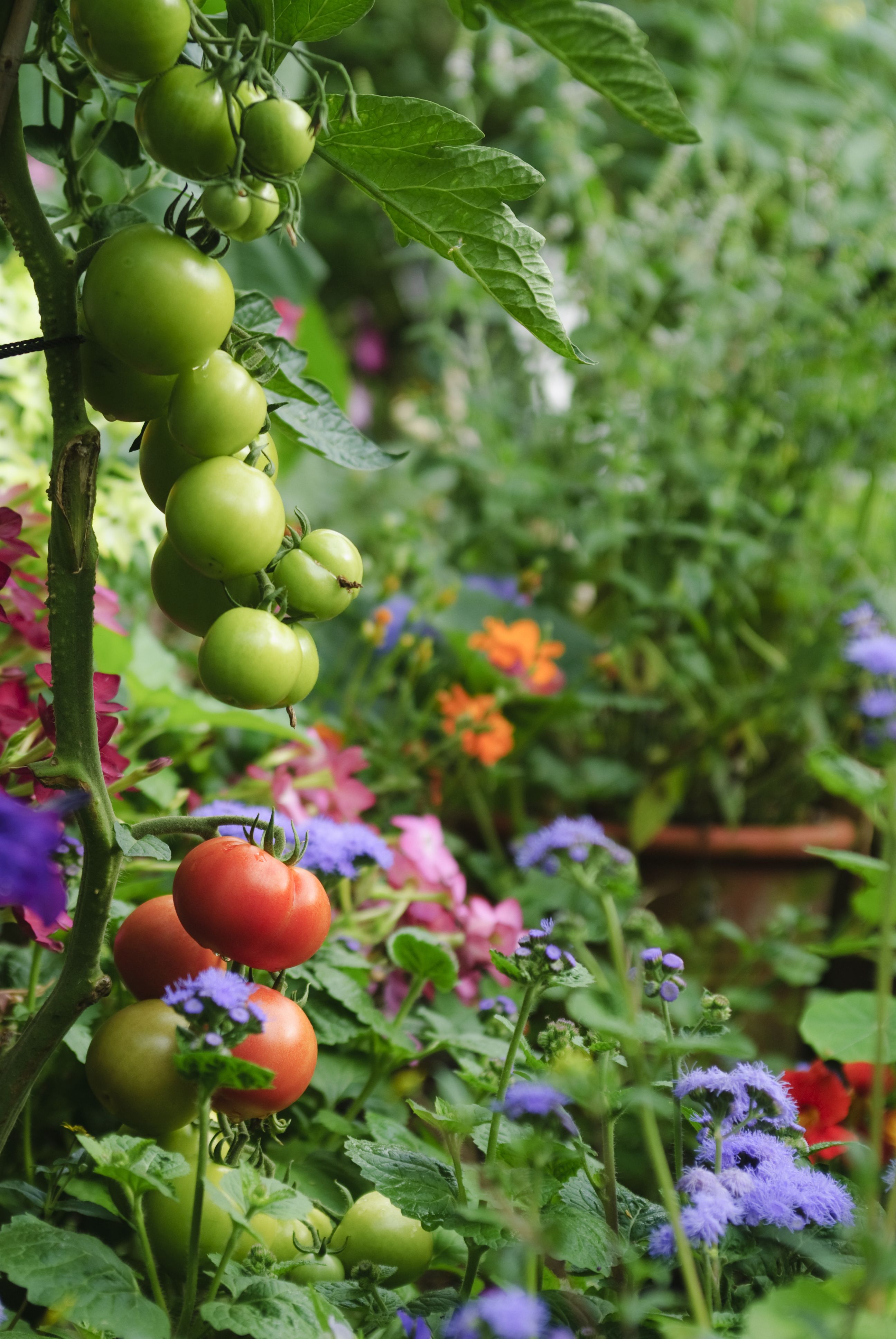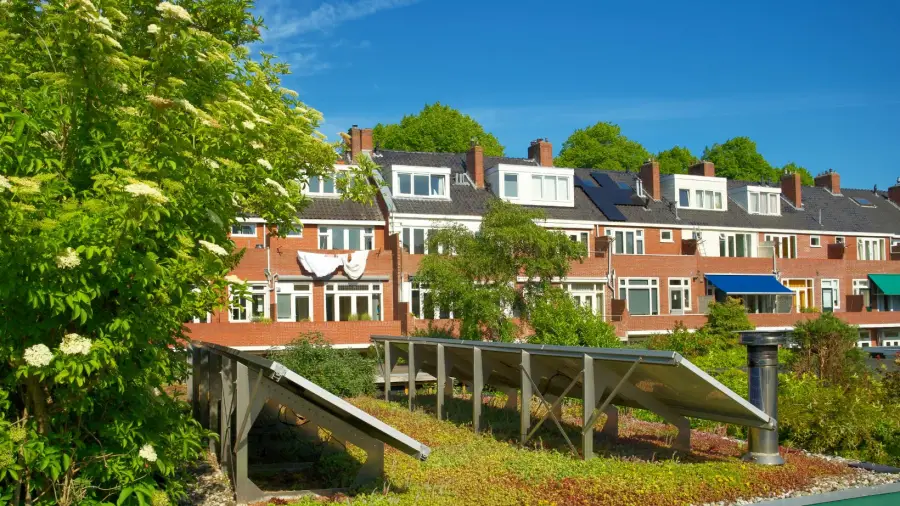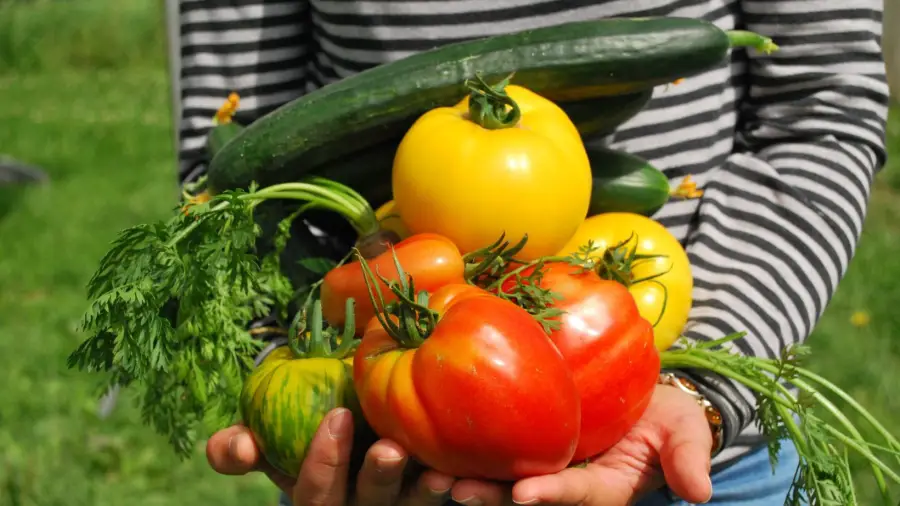
Vegetable Gardening

Benefits of Vegetable Gardening: Grow Health & Happiness

Vegetable gardening offers significant health and environmental benefits. It provides access to fresh produce and reduces reliance on commercial agriculture.

Incorporating vegetable gardening into your daily life isn’t just a rewarding hobby; it’s a powerful step towards sustainability and health. Planting your own vegetables cuts down on the emissions produced by transporting food, makes for an engaging form of exercise, and gives the satisfaction of nurturing something from seed to plate.

Freshly picked produce from your garden is packed with nutrients often lost in store-bought vegetables that have traveled and sat on shelves. Not only will you savor the taste of freshly harvested greens, but you’ll also have the peace of mind knowing they’re grown without the use of potential harmful chemicals. Engage in this eco-friendly pastime and watch as your backyard becomes a sanctuary for pollinators, cultivating biodiversity and fostering a connection with the natural world around you. Start your vegetable garden today and embrace the multifaceted advantages it brings to your plate and the planet.

Introduction To Vegetable Gardening

Gardening enthusiasts often find themselves drawn to the enchanting realm of growing their own vegetables. It’s a world where one can witness the miracle of life from a tiny seed to a bountiful harvest. Vegetable gardening is not just a pleasurable pastime but a gateway to sustainable living and healthier food choices. Whether you’re equipped with sprawling backyard space or just a cozy balcony, the joys of planting, nurturing, and harvesting your very own greens can be experienced by all. Let’s delve deeper into the irresistible allure of homegrown produce and the profound environmental impact of gardening.

The Allure Of Homegrown Produce

Homegrown vegetables beam with pride in a garden. There’s a special delight in consuming produce that you have planted and watched grow. These are a few of the myriad advantages of cultivating your own vegetables:

  • Fresher, more flavorful meals right from your garden
  • Nutrient-rich produce at its peak
  • The satisfaction of self-reliance
  • Less reliance on commercial agriculture and supply chains
  • A fascinating educational experience for the entire family

Home gardens encourage a lifestyle of health and sustainability, with every crisp bite of a vegetable offering the taste of accomplishment and the whisper of nature’s bounty.

Understanding The Environmental Impact Of Gardening

Gardening is not just about aesthetics or taste; it is deeply intertwined with environmental stewardship. The environmental benefits of nurturing your own vegetable garden are substantial and multifaceted:

  1. Reduction of carbon footprint through decreased transportation needs
  2. Improved local air quality thanks to the plants’ ability to absorb toxins and produce oxygen
  3. Enhanced soil conditions via organic practices such as composting
  4. Conservation of water resources through efficient watering methods
  5. Promotion of biodiversity by attracting various beneficial insects and birds

By choosing to garden, you not only contribute to your personal health but also play a role in cultivating a greener and more sustainable environment for future generations.

“`
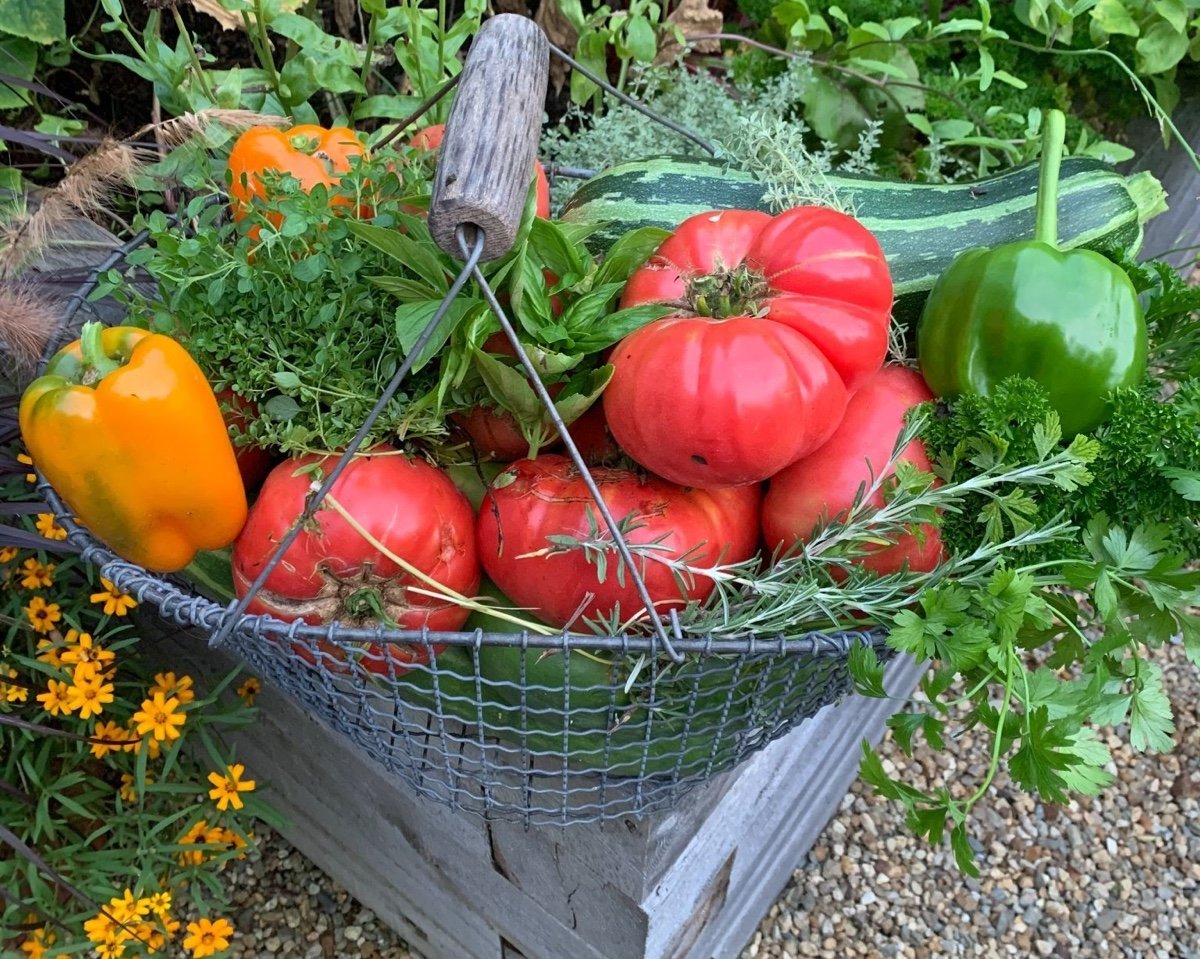
 

Benefits of Vegetable Gardening: Grow Health & Happiness

Credit: http://www.thegardencontinuum.com

Nutritional Advantages Of Homegrown Vegetables

Embarking on a home gardening journey doesn’t just beautify your space—it’s a direct investment in your health. Homegrown vegetables offer unparalleled nutritional benefits, ensuring that every meal is packed with the freshest, most beneficial ingredients. Let’s dive into the specifics of how cultivating your own produce can elevate your diet.


Higher Nutrient Content In Fresh Produce

Vegetables freshly picked from your garden are often more nutrient-dense than their store-bought counterparts. The reason is simple—the time from soil to plate is dramatically reduced, preserving vitamins, minerals, and antioxidants that are lost during transport and storage of commercial produce. Here are some key points:

  • Vitamin C, which is vital for immune function, declines rapidly in stored fruits and vegetables.
  • Leafy greens like spinach and lettuce retain more folate when eaten fresh from the garden.
  • Cruciferous vegetables such as broccoli and kale are richer in sulforaphane, a cancer-fighting compound, when fresh.


Diverse Varieties For A Balanced Diet

One of the joys of home gardening is the ability to grow a diversity of crops that you may not find in your local grocery store. This variety is key to a well-rounded diet. A range of vegetables provides a spectrum of nutrients—here’s a sampling:

Vegetable Key Nutrient
Carrots Beta-carotene
Tomatoes Lycopene
Eggplants Nasunin

By cultivating different species and varieties, gardeners can enjoy a wealth of nutritional benefits and protect biodiversity.


Organic Gardening For Chemical-free Food

Organic gardening means food without synthetic pesticides or fertilizers, which translates to healthier meals. By managing your garden organically, you control what goes into the soil and onto your plants. Here are some of the advantages:

  1. Eliminating exposure to potentially harmful chemicals found in conventional agriculture.
  2. Contributing to a healthier ecosystem by avoiding pollutants.
  3. Supporting beneficial soil organisms that contribute to plant growth and health.

In closing, cultivating a vegetable garden is not just a satisfying hobby—it’s a step towards a sustainable lifestyle and optimal nutrition.


Psychological And Physical Health Benefits


Venturing into vegetable gardening can yield much more than fresh produce on your table; it can foster a profound connection with nature, contributing to both psychological and physical wellness. From the calming rhythms of nurturing plants to the triumphs of a bountiful harvest, gardening is a holistic activity that engages the body, mind, and soul.

Therapeutic Effects Of Gardening

The methodical nature of gardening can significantly decrease stress and improve mood. Activities such as planting, weeding, and watering are meditative, offering an escape from the high-paced digital world. This calming practice can lead to a state of relaxation akin to the effects of therapy, hence the term “horticultural therapy”. These soothing rituals of care involved in vegetable gardening have proven to boost mental health.

Physical Exercise Involved In Gardening

You might not think of gardening as a workout, but it is a form of physical exercise that can be equated to a moderate cardiovascular workout. From digging beds to carrying soil and compost, gardening involves various activities that increase heart rate and provide a full-body workout. These activities help to:

  • Improve hand strength and dexterity
  • Promote flexibility
  • Build endurance
  • Burn calories

Gardening tasks, done regularly, contribute to maintaining a healthy weight, lowering blood pressure, and strengthening the body, making it a practical and enjoyable way to exercise.

The Joy Of Harvesting Your Own Produce

There is a unique satisfaction in seeing your labor turn into luscious fruits and vegetables. Harvesting your own produce is not just an activity; it’s a reward. Beyond the joy of picking fresh vegetables directly from your garden, it enables a deeper appreciation for food. The pride of nurturing plants from seed to harvest is a fulfilling experience unmatched by store-bought alternatives. Eating self-grown produce often tastes better due to its freshness, offering a sensory delight and a sense of achievement with every bite.


Economic And Environmental Impacts

Exploring the realms of vegetable gardening reveals not only a bounty of fresh, nutrient-rich produce but also significant economic and environmental benefits. This shift towards self-sufficiency can have a profound impact on both personal finances and the planet’s health. Embedded in the practice of home vegetable gardening are ways to save money, reduce the carbon footprint, and foster a more robust ecosystem right in one’s own backyard.

Saving Money With A Vegetable Garden

Gardening enthusiasts often find that starting a vegetable garden can lead to substantial savings. The costs associated with buying fresh produce at the grocery store can add up, especially when opting for organic products. Here are some of the ways a vegetable garden can bolster your finances:

  • Reduced grocery bills: By growing your own vegetables, you can cut costs on your weekly grocery trips.
  • Less food waste: You can pick only what you need, which leads to minimal food waste and more savings.
  • Preserving the surplus: Any excess harvest can be canned, frozen, or dried, providing year-round access to your produce.

Reducing Carbon Footprint And Waste

Homegrown vegetables mean less packaging, reduced transportation emissions, and a smaller carbon footprint. Key environmental impacts from your garden include:

  1. Lower greenhouse gases: With no need for transportation from farm to store to home, your produce’s carbon footprint shrinks dramatically.
  2. Organic practices: By avoiding synthetic pesticides and fertilizers, you reduce harmful runoff and soil contamination.
  3. Composting: Utilizing kitchen and garden waste for compost not only reduces landfill contributions but also enriches the soil.

Promoting Biodiversity In Your Own Backyard

Biodiversity is crucial for a healthy environment. A diverse vegetable garden attracts beneficial insects, birds, and other wildlife. It can also improve soil health and reduce pests naturally. Here’s how a garden can become a hub of biodiversity:

Benefit Description
Pollinator attraction Flowering vegetables and companion plants invite bees, butterflies, and other pollinators.
Natural pest control Encouraging a variety of insects can help maintain a balance and reduce the reliance on pesticides.
Soil diversification Cultivating a range of plant species enhances soil quality and plant health.


Social And Educational Perks

Vegetable gardening extends beyond the simple act of growing food; it cultivates relationships and nourishes minds. Those entwined in the practice often discover bountiful social and educational benefits that enrich their lives and the lives of those around them.

Fostering Community Through Shared Gardens

Gardening has long been a catalyst for community development. Shared gardens are hotbeds of collaboration, where seasoned green thumbs and budding novices come together. By participating in a community garden, individuals:

  • Share knowledge and gardening tips
  • Create bonds over shared interests and tasks
  • Promote biodiversity and ecological awareness
  • Support local food security initiatives

Teaching Children The Value Of Food And Nature

Introducing children to vegetable gardening is an investment in their future. Through hands-on learning, they gain a deeper understanding and respect for:

  1. The labor and resources involved in producing food
  2. The importance of healthy eating habits and nutrition
  3. Conservation efforts and the delicate balance of ecosystems

Activities such as planting seeds, monitoring growth, and harvesting produce provide moments ripe for teaching sustainability and science concepts.

Creating A Space For Social Interaction And Learning

Gardens are not only places to cultivate plants but also vibrant community hubs. They offer:

  • A place for social interaction among neighbors
  • Educational workshops, from composting techniques to organic pest control
  • Opportunities for individuals to learn new skills and hobbies
  • A peaceful retreat for reflection and mindfulness practices

Gardens often serve as outdoor classrooms where knowledge is sown and ideas sprout, leading to enriched community life and cooperative learning.
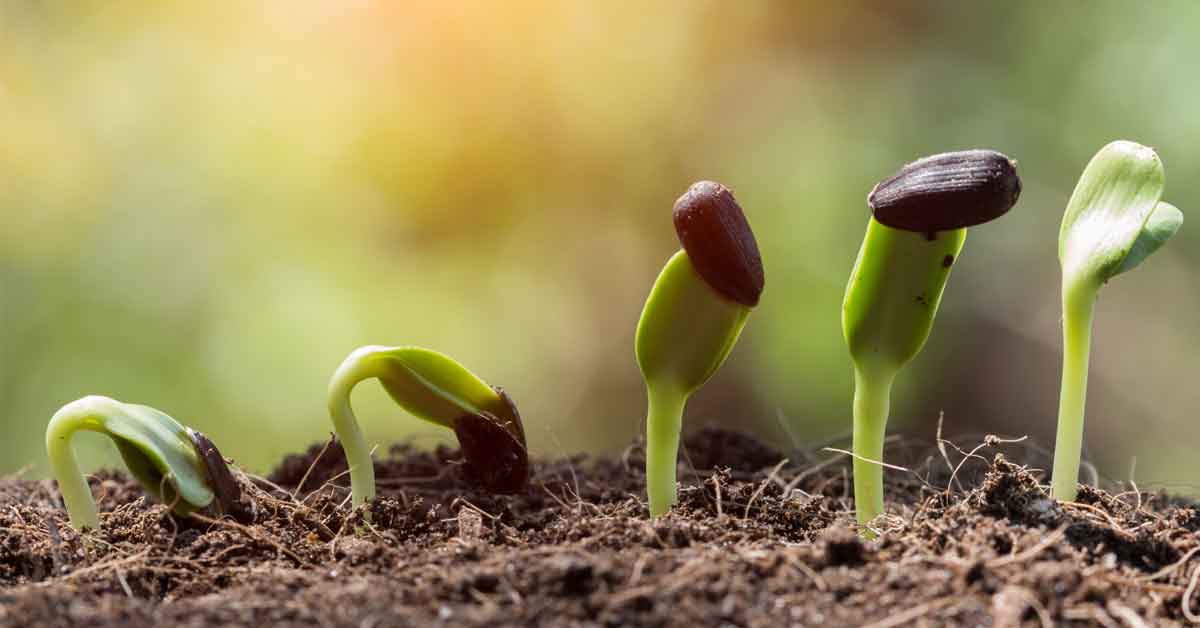
 

Benefits of Vegetable Gardening: Grow Health & Happiness

Credit: http://www.gardentech.com

Sustainable Living And Self-sufficiency

Embracing a lifestyle rooted in vegetable gardening goes beyond mere hobby—it’s a step towards sustainable living and self-sufficiency. The integration of homegrown produce into daily life does wonders for the environment, personal health, and the overall sense of independence. Engaging with the earth to cultivate sustenance transforms backyards into havens of productivity, providing nutrient-rich foods straight from the garden while simultaneously reducing carbon footprints.

The Importance Of Self-reliance

Self-reliance is the bedrock of a resilient lifestyle. Cultivating your own vegetables fosters a deep understanding of what it takes to produce food. This knowledge can be powerful in uncertain times, offering not just security but a profound connection with the natural cycles of growing and harvesting. Having control over your food sources minimizes reliance on complex supply chains and contributes to community resilience as well.

Planning A Sustainable Vegetable Garden

Initiating a vegetable garden requires thoughtful planning to ensure sustainability. Key steps include selecting a site with adequate sunlight, considering water conservation techniques, and choosing appropriate plant varieties for your climate. Building rich, healthy soil through composting and natural fertilizers reduces the need for chemical inputs, creating a sustainable environment for plants to thrive.

  • Site selection – maximize sun exposure and ensure good drainage
  • Water conservation – install rain barrels, consider drip irrigation
  • Soil health – use organic compost, avoid synthetic fertilizers
  • Plant selection – choose native species, practice crop rotation

Long-term Benefits Of Adapting To A Garden-to-table Lifestyle

Adopting a garden-to-table lifestyle is an investment in the future. Regular consumption of homegrown produce ensures a steady intake of essential nutrients, leading to improved health and well-being. Additionally, the mental and physical activity involved in gardening provides exercise and stress relief. Beyond personal benefits, this practice supports the larger picture of environmental stewardship by reducing food miles and packaging waste, contributing to a cleaner, healthier planet for generations to come.

  1. Fresher, more nutritious produce
  2. Reduced environmental impact – less packaging and food transport
  3. Enhanced well-being – health benefits of gardening and consuming fresh foods
  4. Educational value – learns growing cycles and the importance of biodiversity
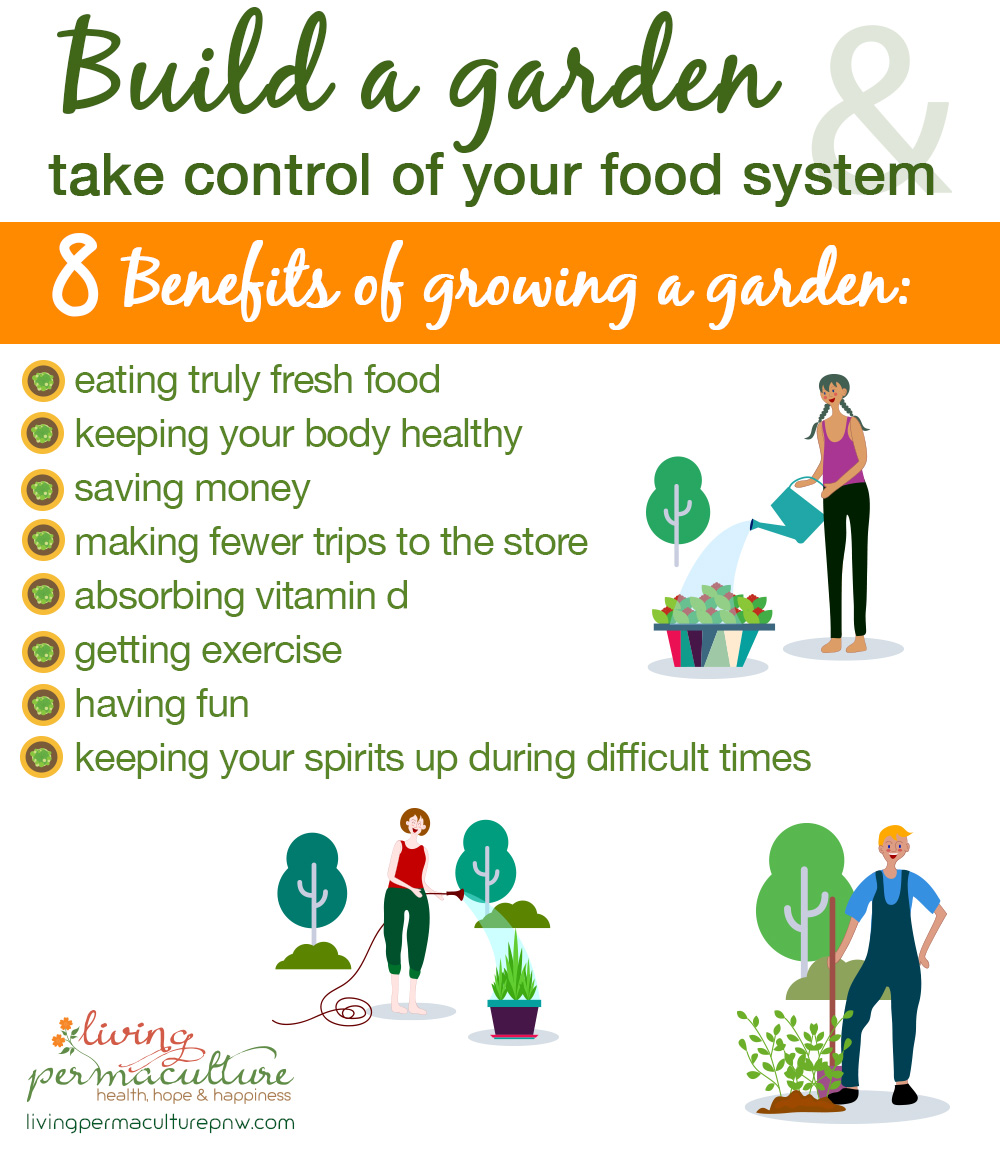
Benefits of Vegetable Gardening: Grow Health & Happiness

Credit: http://livingpermaculturepnw.com

Frequently Asked Questions Of Benefits Of Vegetables Gardening

Why Is Growing Vegetables Important?

Growing vegetables enhances food security, reduces grocery costs, and improves dietary health with fresh, nutrient-rich produce.

Why Are Homegrown Vegetables Better For You?

Homegrown vegetables are fresher, often more nutritious, and free from harmful pesticides, ensuring a healthier diet. They also reduce food miles, benefiting the environment.

Is Vegetable Gardening Good For The Environment?

Yes, vegetable gardening is environmentally beneficial. It reduces carbon footprints, conserves water, minimizes soil erosion, and decreases pollution.

What Are The Benefits Of Vegetables?

Vegetables are nutrient-rich, support heart health, and may reduce cancer risk. They promote good digestion and help regulate blood sugar.

Conclusion

Embracing vegetable gardening rewards us with health, savings, and environmental benefits. Cultivating your own produce ensures a supply of fresh, nutrient-rich foods right at your doorstep. It also cuts down on food miles, supports local biodiversity, and can provide therapeutic relaxation.

Whether you’re a seasoned green thumb or a curious newcomer, the advantages of growing your own vegetables are clear. So, it’s time to don those gloves, prep your soil, and enjoy the fruitful bounty that your garden promises. Let the seeds of your labor sprout into a greener lifestyle and a happier, healthier you.

(To learn about Rooftop Fruits Plantations : https://bonsainurserybd.com/rooftop-fruit-plantation/)
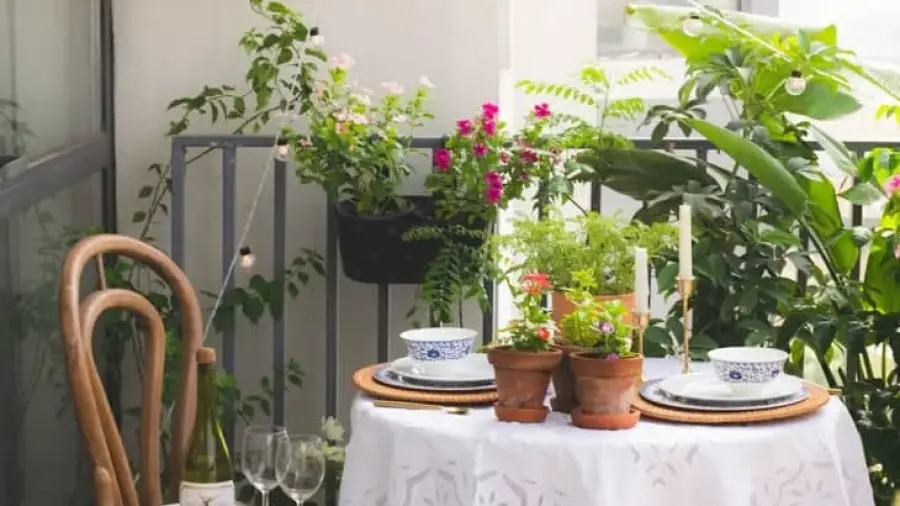
Apartment Balcony Gardening for Beginners

Apartment Balcony Gardening for Beginners: 5 Easy Tips

Apartment balcony gardening allows beginners to cultivate plants in limited space effectively. This practice entails selecting suitable containers, plants, and soil to create a thriving garden oasis.

Creating a garden on your apartment balcony can transform your outdoor space into a lush, green retreat. It’s an excellent way to grow fresh produce and ornamental plants, even in a small area. Balcony gardening offers the joy of nurturing nature and the satisfaction of harvest, all from the comfort of your home.

Whether you’re planting herbs, vegetables, or flowers, starting a garden on your balcony is an easy and rewarding endeavor for beginners. With the right approach, you can maximize your space, ensure adequate sunlight exposure, and select varieties that will flourish in pots and containers. Turn your balcony into a vibrant extension of your living area with some planning and care.

Apartment Balcony Gardening for Beginners: 5 Easy Tips

Credit: http://www.applegreencottage.com

Introduction To Balcony Gardening


Discover the joys of balcony gardening, a creative outlet for green thumbs living in apartments or with limited outdoor space. Transform your balcony into a productive and peaceful oasis with the right approach and know-how. Whether looking to cultivate a colorful array of flowers, a selection of culinary herbs, or fresh vegetables, balcony gardening offers a delightful way to connect with nature. Let’s embark on this journey to creating your very own urban garden, a step-by-step guide for beginners to help you turn that dreamy garden into reality.


Understanding Balcony Gardening Essentials

Balcony gardening comes with its unique set of considerations. To ensure your garden thrives, it’s essential to assess the space and understand the basics. This includes evaluating sunlight exposure, choosing containers and planters, understanding watering needs, and considering weight limits on your balcony. Select plants that match your environment and are suited to container living. Here’s a quick checklist for balcony gardening essentials:

  • Assessment of light and shadow patterns
  • Choosing the right soil mix for containers
  • Proper drainage system for plant health
  • Structural limitations and weight concerns
  • Seasonal care for your plants


Benefits Of Growing Your Own Balcony Garden

Thriving amidst the bustle of city life, your balcony garden is more than just an aesthetic addition to your apartment. It is a source of fresh produce, improved air quality, and a habitat for pollinators. Among the multitude of advantages, here are some key benefits:

Benefit Description
Health and Wellness Gardening is a therapeutic activity that can reduce stress and improve mental well-being.
Eco-Friendly Contributes to a greener environment by cleaning the air and providing a haven for beneficial insects.
Freshness and Flavor Harvesting home-grown herbs, vegetables, or fruits ensures peak freshness and unmatched flavor.
Educational Learn about plant life cycles, nurturing, and the environment through hands-on involvement.
Space Efficiency Make efficient use of limited outdoor space to grow a variety of plants, adding vibrant life to your living area.

Begin your journey into balcony gardening today, and join a community of urban gardeners finding joy and fulfillment in growing their oasis.


Planning Your Balcony Garden

Embarking on apartment balcony gardening presents a unique set of challenges and rewards. Transforming a limited space into a thriving sanctuary of flora not only enhances the aesthetics of your urban living space but also offers a satisfying hobby full of growth and harvest. It all begins with a well-thought-out plan. Here’s how to start shaping your green oasis above the city streets.

Evaluating Space And Sunlight Availability

The first step in cultivating your balcony garden is to assess the space you have at your disposal. Begin by measuring your balcony to understand how much room you can dedicate to your garden. Consider not just the floor area, but also the vertical space for hanging planters or shelves. Balancing function with comfort is key—you’ll want to ensure there’s still ample room to move around and enjoy your outdoor area.

Understanding the sunlight your balcony receives throughout the day is crucial for the success of your plants. Track the hours of direct sunlight and note the intensity and heat associated with those hours. Use this information to align with the needs of potential plants, ensuring they’ll thrive in the conditions you can provide. Balconies facing south usually receive the most sunlight, while north-facing ones may be in partial or full shade, influencing your choice of plants significantly.

Selecting Suitable Plants For Balcony Conditions

  • Determine your balcony’s sun exposure and select plants that match. Full-sun plants require at least six hours of direct sunlight, while shade-tolerant varieties can thrive with less.
  • Consider the local climate and weather patterns. Windy conditions may necessitate sturdier plants or windbreaks to protect more delicate vegetation.
  • Think about the maintenance levels you’re willing to commit to. Some plants demand more care and attention than others.

For beginners, starting with herbs and leafy greens can be a rewarding choice, as they are relatively easy to grow and maintain. Consider the following:

Plant Type Sunlight Needs Maintenance Level
Herbs (Basil, Mint, Thyme) Full to partial sun Low to moderate
Leafy Greens (Lettuce, Spinach) Partial sun to shade Low

Container Choices: Pots, Planters, And Window Boxes

Selecting the right containers is just as important as choosing the plants themselves. When it comes to balcony gardening, flexibility and efficient use of space are the names of the game. Pots, planters, and window boxes offer various options for optimizing your limited area.

Pots come in a myriad of sizes and materials. Clay and terracotta pots are porous, which allows for better air and water flow, but they can dry out quickly in full sun. Plastic and resin versions are lightweight and retain moisture well, but may not breathe as easily as other materials. Consider your plant’s needs before deciding.

Planters, including larger containers and raised beds, can hold a substantial amount of soil that retains moisture for longer periods, making them suitable for larger plants or multiple plantings. They can be made of wood, metal, or synthetic materials, each offering unique aesthetics and functional benefits.

Window boxes are perfect for making use of railing and wall space. They add a charming visual element and can be ideal for herbs, small flowers, and succulents. Be sure to secure them properly to handle the weight of the soil and plant material.

Whichever container you choose, ensure it has adequate drainage to prevent waterlogging and root rot. Additionally, account for the weight of your containers once filled—this is particularly important for balcony gardens where structural integrity is a consideration.

Getting Started With Your Balcony Garden


Embarking on the verdant journey of apartment balcony gardening can transform your outdoor space into a serene sanctuary, rich with life and color. Whether you’re craving homegrown herbs for your culinary creations or colorful flowers for aesthetic appeal, getting started is easier than you might think. This beginner’s guide will walk you through the initial steps to cultivate a thriving garden right on your balcony.


Step-by-step Guide To Setting Up Your Garden

  1. Evaluate your space: Measure your balcony and note the amount of sunlight it receives.
  2. Choose your plants: Decide on the plants that will thrive in your balcony’s conditions.
  3. Select containers: Pick pots and planters that fit your space and accommodate your plants’ growth.
  4. Arrange your garden: Organize the plants for optimal sunlight exposure and aesthetics.
  5. Assemble tools: Gather basic gardening tools such as gloves, a trowel, and a watering can.


Soil And Compost: The Foundation Of Plant Health

The success of your garden hinges on the quality of your soil and compost. Nutrient-rich soil supports healthy plant growth, while compost adds vital organic matter. Use high-quality potting mix tailored to your plants’ needs. Incorporate compost to nourish your plants and promote robust root systems.


Watering Strategies For Balcony Gardens

Consistent and appropriate watering is crucial for any garden, especially in the confined space of a balcony. Develop a watering schedule that aligns with your plants’ specific needs, factoring in climate and exposure. Utilize water-saving methods like self-watering planters or drip irrigation to maintain moisture without overwatering. In cases of limited drainage, be mindful to avoid root rot by allowing soil to dry between watering sessions.


Apartment Balcony Gardening for Beginners: 5 Easy Tips

Credit: http://www.apartmenttherapy.com

Maintaining Your Balcony Garden

Welcome to the green oasis of your balcony garden! Now that you’ve journeyed through the basics of setting up your vibrant little eden, it’s crucial to focus on nurturing these botanical companions. Maintaining a healthy balcony garden requires attention and care, but fear not, it doesn’t have to be a herculean task. Let’s dive into the essential care practices that will ensure your plants don’t just survive, but thrive in their high-rise haven.

Routine Care Tips For Thriving Plants

Providing consistent care forms the backbone of a flourishing balcony garden. Here are some routine care tips to keep your plants in tip-top shape:

  • Watering: Plants in containers tend to dry out faster. Water your plants regularly, ideally during the cooler parts of the day to reduce evaporation.
  • Feeding: A balanced, water-soluble fertilizer will provide essential nutrients. Administer every few weeks according to the product’s instructions.
  • Pruning: Snipping off dead or yellowing leaves promotes healthy growth and can prevent the spread of disease.
  • Monitoring: Daily observation helps spot issues early. If a plant appears stressed, investigate and adjust care as necessary.

Pest Control And Disease Prevention

One of the biggest challenges in balcony gardening is combating pests and disease. Here’s how to protect your cherished plants:

  1. Inspection: Regularly check the undersides of leaves and between joints for signs of pests.
  2. Natural remedies: Opt for organic solutions like neem oil or insecticidal soap to tackle infestations.
  3. Quarantine: Isolate new plants before introducing them to your garden to prevent the spread of pests and disease.
  4. Sanitation: Remove diseased foliage promptly and disinfect tools regularly to prevent cross-contamination.

Seasonal Adjustments And Plant Rotation

As the seasons change, so do the needs of balcony garden plants. Seasonal adjustments and plant rotation are necessary for a year-round vibrant display:

Season Adjustments Plant Rotation
Spring Introduce more sunlight as daylight increases. Start seedlings for summer. Rotate evergreens and introduce new spring bloomers.
Summer Provide shade during peak hours to avoid scorching. Increase watering frequency. Add vibrant, heat-loving annuals.
Fall Begin to reduce watering. Prepare plants for cooler temperatures. Transition to autumnal plants that appreciate lower light.
Winter Shield plants from harsh conditions. Consider bringing tender plants indoors. Rotate in winter-hardy varieties or seasonal evergreens.

Remember, the key to any successful garden, balcony or otherwise, spans beyond the setup—it’s the ongoing care that brings life to your space. Embrace these maintenance practices and watch as your balcony transforms into a flourishing refuge!

Maximizing Your Balcony Garden’s Potential

Transforming an apartment balcony into a flourishing garden provides not only a splash of greenery but a source of fresh produce and a serene retreat from the hustle of city life. Gardening in a smaller space requires creativity and strategy to maximize potential. Balcony gardens can be incredibly productive with the right approach. Below we’ll explore innovative techniques to get the most out of your limited space.

Creative Space Utilization: Vertical Gardening And Hanging Planters

Vertical gardening is a game-changer for those with limited floor space. Utilizing the vertical planes of your balcony will not only enhance its aesthetics but also increase your gardening area.

  • Trellises: Equip your balcony with trellises for climbing plants like peas, beans, and some vine varieties of tomatoes.
  • Wall-mounted planters: These free up floor space and can be used for a variety of herbs and smaller vegetable plants.
  • Hanging planters: Perfect for trailing plants, they can be suspended from ceilings or walls, optimizing unused airspace.

Remember to consider the weight and water drainage in these planters to ensure a safe and sustainable garden environment.

Companion Planting And Maximizing Yield

Companion planting is a valuable technique that involves positioning plants together that benefit each other. This can result in healthier growth and higher yields.

  1. Marigolds can deter pests and are great companions for tomatoes.
  2. Basil enhances the flavor of peppers and tomatoes and can also repel insects.
  3. Lettuce can be grown in the shadow of taller plants to utilize space efficiently.

Planning is crucial; prioritize plants that can grow well together and utilize every inch of your balcony space to maximize your garden’s potential.

Enjoying The Harvest: Fresher, More Sustainable Eating

Savoring the vegetables and herbs from your balcony garden is not only rewarding but also contributes to a sustainable lifestyle. By growing your own produce, you reduce your carbon footprint and enjoy fresher, pesticide-free foods.

  • Harvest leafy greens regularly to encourage new growth.
  • Pick ripe vegetables promptly to stimulate further production throughout the season.
  • Infuse everyday cooking with herbs picked straight from your garden for the freshest flavors.

Balcony gardening is an enriching endeavor that optimizes your living space, provides fresh produce, and offers a green refuge in the urban jungle. Start small, be creative, and watch your garden thrive.

Apartment Balcony Gardening for Beginners: 5 Easy Tips

Credit: http://savvygardening.com

Frequently Asked Questions Of Apartment Balcony Gardening For Beginners

What Are The Easiest Vegetables To Grow On Apartment Balcony?

The easiest vegetables to grow on an apartment balcony are lettuce, cherry tomatoes, spinach, radishes, and herbs like basil and cilantro.

Can You Grow Plants On Apartment Balcony?

Yes, you can grow plants on an apartment balcony. Choose suitable containers and plants that match the light conditions.

How Do You Start A Garden On A Balcony?

To start a garden on a balcony, choose lightweight containers and ensure proper drainage. Select plants suited to the balcony’s sunlight exposure. Use high-quality potting soil and plan for water access. Regularly maintain plants by pruning and fertilizing as needed.

How Do You Arrange Plants On A Balcony?

Arrange plants on a balcony by height, with taller ones at the back. Use vertical space with hanging pots and wall planters. Select suitable plants for the balcony’s light conditions. Ensure containers drain well to avoid waterlogging. Group plants with similar water and sunlight needs together.

Conclusion

Transforming your apartment balcony into a flourishing garden may seem daunting at first, but it needn’t be. Start small, choose suitable plants, and use space wisely. Embrace vertical gardening, opt for containers fitting your style and space, and most importantly, enjoy the process.

With patience, care, and a bit of creativity, even the coziest balconies can blossom into a green sanctuary. So grab your gloves, and let’s get those thumbs green—your urban oasis awaits!

(To know more about Small Space Rooftop Gardening Ideas : https://bonsainurserybd.com/5-small-space-rooftop-garden-ideas/)

Bougainvillea Apartments

Bougainvillea Apartments: Luxe Living in Vibrant Blooms

Bougainvillea Apartments offer comfortable living spaces amidst tropical gardens. These units feature affordability and convenience in various locations, including Austin, Texas.

Nestled in lush settings, residents enjoy beauty and tranquility without sacrificing accessibility to city amenities. Bougainvillea Apartment Homes in Vista, California, and other locations like Phoenix, Arizona, and Denham Springs, Louisiana, provide ample features such as air conditioning, free WiFi, and easy access to local attractions.

These apartments are ideal for both short-term stays and long-term residences, catering to diverse needs with options ranging from one-bedroom to upscale multi-bedroom units. Living in a Bougainvillea property means embracing a lifestyle surrounded by nature and comfort, whether it’s for rental or a more permanent home base. With Bougainvillea Apartments, accommodation concerns transform into delightful experiences as every aspect is designed with the resident’s contentment in mind.

Introduction To Bougainvillea Apartments


Bougainvillea Apartments: An Oasis of Serenity and Opulence


Welcome to Bougainvillea Apartments, a perfect combination of tranquility and lavishness enveloped in the warmth of tropical gardens. Each property is a testament to the allure of nature alongside modern comforts, offering residents a unique living experience. From the picturesque landscapes to the high-end amenities, Bougainvillea Apartments are designed for those seeking a life wrapped in luxury and natural beauty.

The Allure Of Tropical Garden Settings

Imagine stepping out of your door to a vibrant tapestry of blooming bougainvillea, lush greenery, and the soft, symphonious sounds of nature. Bougainvillea Apartments are sanctuaries rooted in tropical garden settings that stimulate the senses and provide a restful escape from the urban hustle. The meticulous landscaping ensures a refreshing environment that celebrates outdoor living and leisure.

Diverse Locations With A Unified Theme Of Luxury

With properties situated in prime locations, Bougainvillea Apartments seamlessly blend the relaxed vibe of tropical gardens with the dynamic essence of city life. Each apartment reflects a theme of luxury that does not compromise on sophistication or convenience, ensuring residents indulge in a consistent, upscale lifestyle regardless of their chosen locale.


Bougainvillea Apartments: Luxe Living in Vibrant Blooms

Credit: http://www.freepik.com

Luxe Amenities And Features


Welcome to Bougainvillea Apartments, where luxury is ingrained in every aspect of the living experience. Our residents enjoy an array of premium amenities and features that elevate their lifestyle to new heights. Let’s explore what sets us apart as the epitome of modern living.


State-of-the-art Living Spaces

Bougainvillea Apartments take pride in offering state-of-the-art living spaces designed with the modern resident in mind. Every unit boasts high-quality finishes, large windows allowing ample natural light, and ingenious layouts providing both style and functionality. Our apartments feature:

  • Modern kitchens with stainless steel appliances and granite countertops.
  • Energy-efficient heating and cooling systems for year-round comfort.
  • Spacious walk-in closets and in-unit washers and dryers for convenience.


Resort-style Extras For Upscale Living

The delights of a luxury resort come to you, right at home. Bougainvillea Apartments offers a selection of resort-style extras that ensure every moment spent here is a treat. Our community features:

  1. A sparkling swimming pool with a sun deck and lounging chairs.
  2. A state-of-the-art fitness center that caters to all your workout needs.
  3. An enticing outdoor fireplace and grilling area perfect for social gatherings.


Tastefully Designed Outdoor Common Areas

The allure of Bougainvillea Apartments extends beyond the confines of the private living spaces. Our outdoor common areas are not just an afterthought; they are central to the community’s charm. Residents can enjoy:

Feature Description
Lush Landscaping Beautiful gardens with vibrant bougainvillea, tranquil water features, and cozy nooks.
Recreational Spaces Multipurpose courts and green spaces for sports and leisure activities.
Pet-Friendly Areas Dedicated zones for four-legged friends to play and explore.


The Bougainvillea Experience

Nestled in a picturesque corner of the city, the Bougainvillea Apartments offer more than just a place to stay; they offer a vibrant lifestyle, replete with comfort and community spirit. If you seek the sweet spot where luxury meets coziness, look no further. ‘The Bougainvillea Experience’ is designed to deliver an exceptional living space that feels like home, infused with a sense of belonging and enriched with amenities to satisfy your every need. So, let’s dive into what makes the Bougainvillea Apartments stand out from the crowd.

Customer Reviews And Testimonies

Nothing speaks more truthfully about an experience than the words of those who have lived it. Resident testimonies highlight the exceptional service, meticulous maintenance, and friendly staff at Bougainvillea Apartments:

  • The staff make you feel at home from the moment you walk in. Never have I felt so welcomed in an apartment community,” – Jane D.
  • My apartment is my sanctuary. It’s spacious, comfortable, and has everything I need,” – Alex T.
  • Great value for the money! I love the pool and the gym facilities,” – Chris P.

Comparative Analysis With Local Alternatives

When choosing your next apartment, it’s essential to weigh your options. Here’s why Bougainvillea Apartments rise above the rest:

Feature Bougainvillea Apartments Local Alternatives
Amenities Fully-equipped gym, swimming pool, communal lounges Basic fitness centers, small pools
Community Events Monthly social gatherings and holiday celebrations Rarely organized events
Customer Service 24/7 on-site management and concierge services Standard business hour services

The Community And Social Atmosphere

The true essence of the Bougainvillea Experience lies in its community-led spirit. This warm, inclusive ambiance is fostered by:

  1. Regularly organized community events that bring together residents.
  2. A policy of fostering connections amongst neighbors for a friendly and supportive environment.
  3. Communal spaces designed for relaxation and interaction, promoting a strong social fabric.

Bougainvillea Apartments don’t just offer a place to live, but a place where life happens, friendships blossom, and every day brings a slice of delight.

Bougainvillea Apartments: Luxe Living in Vibrant Blooms

Credit: http://www.travelandleisure.com

Accessibility And Convenience


Bougainvillea Apartments: Embrace Urban Living with Supreme Accessibility

Positioned to perfect your city living experience, Bougainvillea Apartments not only boast aesthetically pleasing architecture and lush landscapes, but they also shine in offering unparalleled accessibility and convenience. Residents enjoy the ease with which they can navigate their bustling surroundings, making these dwellings more than a home—they’re a strategic launchpad to an enriched urban lifestyle.

Strategic Locations Near Vibrant City Centers

Bougainvillea Apartments are intentionally located within arm’s reach of dynamic city centers, ensuring residents are always at the heart of action. Whether you’re a professional seeking proximity to business hubs, a student needing easy access to educational institutions, or a social butterfly wanting a slice of the city’s nightlife, these apartments serve as your ideal base.

Transportation And Ease Of Access

With major transportation networks just steps away, the hassle of commuting is a thing of the past. Residents benefit from a wide range of transport options, from buses and trains to bike-sharing programs. This connectivity not only saves time but also enhances the overall quality of daily life by making travel seamless and stress-free.

Proximity To Amenities And Services

Embracing convenience at its finest, Bougainvillea Apartments are surrounded by a wealth of amenities and services. From grocery stores to healthcare facilities, and from educational centers to entertainment venues, everything you need is just around the corner.

  • Supermarkets and shopping centers for all your retail needs
  • High-quality restaurants and cafes for culinary adventures
  • Fitness and wellness facilities to stay in shape
  • Reliable banks and financial services for smooth transactions
  • Parks and recreational spaces for relaxation


Navigating the Rental Process can seem daunting whether you’re a seasoned renter or a first-time apartment hunter. At Bougainvillea Apartments, the journey from searching for the perfect place to calling it home can be both exciting and straightforward. Let’s walk through the key steps and tips to make your rental experience as smooth as possible.

Understanding The Pricing And Value Proposition

Deciphering the cost and benefits of an apartment rental is crucial in making an informed decision. Bougainvillea Apartments offer competitive pricing coupled with a high-value living experience. Here’s what to consider:

  • Amenities: From on-site fitness centers to community pools, the amenities can greatly enhance your living experience.
  • Location: Proximity to work, public transportation, and local attractions can be worth the price premium.
  • Size and Layout: Square footage and functional space planning allow for comfort and personalization.

Assessing this balance will ensure you receive the most for your monthly rent.

Guidelines For Securing A Rental

Securing your desired apartment at Bougainvillea Apartments requires preparation and prompt action. Follow these guidelines:

  1. Gather essential documents such as identification, pay stubs, and references in advance.
  2. Check your credit score, as landlords often use this as part of their screening process.
  3. Act quickly when you find the right place by submitting your rental application and fees without delay.

These steps will place you in a strong position to win over the landlord and secure your new home.

The Role Of Digital Platforms In Apartment Hunting

In today’s digital age, online platforms have transformed the way we find apartments. For Bougainvillea Apartments, these tools are essential:

Platform Usefulness
Zillow Shows detailed listings with high-quality images and comprehensive filters.
Airbnb Ideal for short-term rentals with user reviews to gauge experience.
Booking.com Allows for easy comparison of features, prices, and availability.

Utilizing these platforms can simplify the search process and provide invaluable insights into your future home at Bougainvillea Apartments.


Bougainvillea Apartments: Luxe Living in Vibrant Blooms

Credit: http://www.amazon.com

Future And Growth

The future is unfolding with vibrant colors at Bougainvillea Apartments—a haven where growth and enrichment flourish. Positioned at the cusp of urban development and serene landscapes, these opulent living spaces are anticipatory of the evolving needs of its residents. The expansion of Bougainvillea Apartments is not merely physical but encompasses the broadening of community connections, sustainability efforts, and investment potential.

Expansion Plans And Upcoming Developments

Embracing the future, Bougainvillea Apartments is gearing up for a transformative expansion. The roadmap includes state-of-the-art amenities, additional spacious apartment units, and communal spaces that encourage interaction and leisure. Forthcoming developments promise to enhance the living experience with innovation at the helm.

  • New building complexes with advanced technology
  • Luxury features such as smart home systems
  • Expansive green spaces for residents to unwind

Sustainability And Community Engagement

In the spirit of growth, our commitment to sustainability and community engagement remains unwavering. Bougainvillea Apartments aims to be synonymous with eco-friendly living where residents can foster a sense of togetherness. Sustainable initiatives will be at the forefront of our mission to provide a living space that cares for the environment and the people within it.

Initiative Description Impact
Eco-Park Development A dedicated area featuring indigenous flora and promoting biodiversity. Enhanced ecological balance and recreational space for residents.
Green Building Standards Adherence to high standards in energy efficiency and sustainable construction practices. Reduced carbon footprint and lower utility costs.
Community Programs Regular events that enable networking and support local talents and businesses. Strengthened community bonds and support for local economy.

Investment Opportunities In Luxury Apartment Living

Beyond a residence, Bougainvillea Apartments represent an attractive investment opportunity. Investors looking for a stake in luxury apartment living will find a portfolio that combines elegance with profitability. Enjoy competitive returns and long-term value appreciation in one of the most sought-after apartment complexes.

  1. Rising demand for luxury apartments in prime locations
  2. Attractive rental yields and property value escalation
  3. Exclusive perks for investors, such as early-bird pricing and customization options

Frequently Asked Questions On Bougainvillea Apartments

What Amenities Do Bougainvillea Apartments Offer?

Bougainvillea Apartments typically feature amenities like a tropical garden setting, furnished units with air conditioning, and complimentary WiFi. They provide comfort and convenience in beautiful surroundings.

Are Bougainvillea Apartments Pet-friendly?

Pet policies vary by location, so it’s best to contact the specific Bougainvillea Apartments directly. Some may welcome pets with open arms, while others might have restrictions.

How Close Are Bougainvillea Apartments To Local Attractions?

Many Bougainvillea Apartment locations are conveniently situated a short walk or drive from local attractions. Check the specific apartment’s proximity to beaches, shopping, and entertainment.

Do Bougainvillea Apartments Include Parking Facilities?

Most Bougainvillea Apartments provide parking for residents. However, it’s advisable to inquire about the availability and any potential additional costs directly with the apartment complex.

Conclusion

Embracing the charm and comfort of Bougainvillea Apartments is a smart choice for those seeking a serene retreat. These homes blend beauty, convenience, and affordability seamlessly. With lush gardens and all necessary amenities, residents enjoy a vibrant, community-oriented lifestyle. Discover your haven at Bougainvillea Apartments – where every day feels like a tropical getaway.

Join us and make your living experience a delightful journey.

(To learn about Bougainvillea Plant: https://bonsainurserybd.com/best-time-to-plant-bougainvillea/)

Best Vegetables for Small Container Gardening

Best Vegetables for Small Container Gardening: Top Picks!

The best vegetables for small container gardening include tomatoes, peppers, radishes, lettuce, and spinach. These plants thrive in confined spaces and offer generous yields.

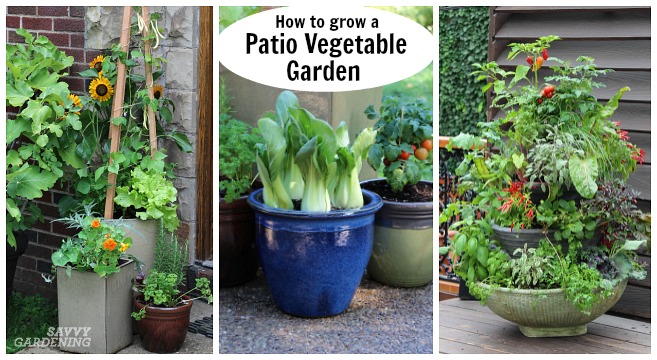
Embarking on a small container garden journey reveals the joy of urban agriculture and the satisfaction of homegrown produce. Container gardening allows flexibility for those with limited outdoor space, be it a balcony, small patio, or even a sunny window.

Choosing vegetables that are known to perform well in pots and planters is essential for a successful harvest, especially in space-constrained environments such as city apartments. As people seek sustainable and healthy lifestyles, container gardening provides a way to cultivate fresh vegetables without the need for a traditional garden plot. These vegetables not only promise a bounty of fresh produce with minimal space but also add a lush green aesthetic to any urban dwelling, creating an oasis amongst the concrete.

Best Vegetables for Small Container Gardening: Top Picks!

Credit: http://www.swansonsnursery.com

Introduction To Container Gardening

Container gardening is an innovative way to bring splashes of greenery into compact living spaces, urban environments, and homes where traditional gardening is a challenge. This gardening method involves growing plants, including a diverse array of vegetables, in containers instead of planting them in the ground. It’s a flexible, space-saving, and potentially aesthetically pleasing option for gardeners of all skill levels.

Defining Small Container Gardening

Small container gardening refers to the practice of cultivating plants in containers that can range from traditional pots to more creative vessels like repurposed barrels or window boxes. These containers should fit within limited space while still providing enough room for the plants to grow. This type of gardening is particularly suitable for herbs, greens, and dwarf vegetable varieties that thrive with less room for root growth.

Benefits Of Growing Vegetables In Containers

  • Flexibility: Containers can be moved to take advantage of the best sunlight or shelter during extreme weather.
  • Control over Soil Quality: Gardeners have the ability to customize the soil mix to the specific needs of each vegetable, leading to healthier plants.
  • Reduced Pest Issues: Elevated containers can deter some pests, making it easier to manage your vegetable garden.
  • Accessibility: For those with mobility issues, container gardens can be placed at a comfortable height.

Selecting The Right Containers For Your Garden Space

When choosing containers for your garden, consider the following:

  1. Size: Ensure the container is large enough to accommodate the plant’s root system.
  2. Material: Materials like terra-cotta, plastic, and wood all have different benefits and considerations in terms of weight, insulation, and moisture retention.
  3. Drainage: Adequate drainage holes are crucial to prevent waterlogging and root diseases.

It’s also important to take into account the aesthetics of your containers to ensure they complement your living space and personal style.

Best Vegetables for Small Container Gardening: Top Picks!

Credit: http://www.gardeners.com

Top Vegetable Picks For Small Containers

Gardening enthusiasts rejoice! Small container gardening offers numerous benefits, from convenient space-saving options to the sheer pleasure of growing your own food. Even with limited space, you can cultivate a vibrant, edible garden. All you need are the right vegetables that thrive in compact environments. Let’s explore some of the best vegetables to grow in small containers, ensuring a harvest that is as bountiful as it is delicious.

Leafy Greens: Lettuce, Spinach, And Swiss Chard

Leafy greens are a great starting point for container gardeners. They have shallow root systems, making them ideal for containers with limited depth. Here are the go-to greens:

  • Lettuce: With its quick growth and continuous harvest, lettuce is a garden gem. Simply trim the leaves you need, and it will keep producing more.
  • Spinach: This nutrient-packed favorite is not only hardy but also capable of growing in partial shade.
  • Swiss Chard: A colorful addition to any garden, Swiss chard is as ornamental as it is tasty, plus it’s highly resilient to temperature changes.

Root Vegetables: Radishes And Carrots

Don’t shy away from growing root vegetables in containers. Choose short and round varieties for best results. Take a look at these two:

  • Radishes: Perhaps the quickest reward for your gardening efforts, radishes can be harvested just weeks after planting!
  • Carrots: Opt for “Parisian” or “Chantenay” types that adapt to shallower soils and flourish in pots with ease.

Vining Plants: Beans, Peas, And Tomatoes

Vining plants thrive vertically, thus saving horizontal space in your garden. They will need support structures, but the upward growth pattern makes them perfect for containers. Favorites include:

  • Beans: Dwarf or “bush” bean varieties fit well in containers and don’t require trellising.
  • Peas: Not only are they easy to grow, but the tendrils add beauty to your balcony or patio setup.
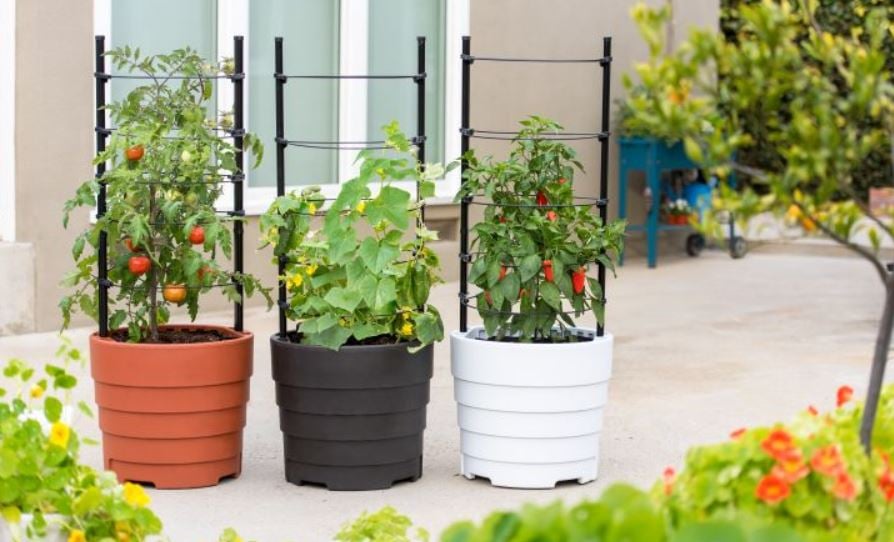
  • Tomatoes: Dwarf or “patio” varieties are specifically bred for container growth, ensuring lush fruit without sprawling vines.

Cruciferous Vegetables: Brussels Sprouts And Cabbage

While larger in size, cruciferous vegetables like Brussels sprouts and cabbage can still find a home in your container garden. They do best in larger and deeper containers that accommodate their growth habits. Explore these:

  • Brussels Sprouts: A single plant can provide a prolific harvest in a deep, sizeable container.
  • Cabbage: Compact varieties are container-friendly and yield a satisfying crunch in your homegrown salads.

Herbs And Small Fruits: Basil, Peppers, And Cherry Tomatoes

Herbs and small fruits bring flavor and variety to your culinary creations. They are container gardener’s darlings because they adapt well to confined spaces. Some top picks include:

  • Basil: An aromatic must-have herb that’s easy to trim and proliferates throughout the growing season.
  • Peppers: From sweet to spicy, peppers come in compact forms perfect for pots and deliver a kick to your dishes.
  • Cherry Tomatoes: Always popular, cherry tomatoes grow well in hanging baskets or tall containers, producing clusters of sweet, bite-sized fruits.

Container Gardening Success Tips


Welcome to the vibrant world of small container gardening, where even the tiniest of spaces can burst to life with lush vegetables! Whether you have a petite patio, a small balcony, or just a windowsill, these tips will help you cultivate a thriving veggie haven. Achieving success in container gardening involves more than just planting seeds; let’s explore key elements that will elevate your gardening game.

Soil and Fertilization: Maintaining Nutrient-Rich Soil

Soil And Fertilization: Maintaining Nutrient-rich Soil

Starting with high-quality potting mix is crucial for healthy plant growth. Unlike garden soil, potting mix is formulated to provide optimum drainage and aeration, essential for container gardening. To ensure your vegetables receive all the nutrients they need, incorporate a slow-release fertilizer into the mix or use compost for organic gardening. Throughout the growing season, monitor your plants and replenish nutrients with additional feedings if required.


Watering Techniques: Ensuring Adequate Hydration

Containers dry out faster than traditional gardens, so consistent watering is key to preventing stress on plants. Techniques to maintain adequate moisture include:

  • Using self-watering containers
  • Applying a layer of mulch to minimize evaporation
  • Checking soil moisture daily, especially in warm climates

Container size and material, along with the weather, influence watering frequency. Adjust your schedule as needed to ensure your plants are neither waterlogged nor parched.


Sunlight And Placement: Maximizing Photosynthesis

Veggies need plenty of sunlight to thrive – usually six to eight hours of direct sun per day. Choose a sunny location and rotate the containers regularly to prevent plants from leaning towards the light source. Lightweight containers offer the flexibility to move plants around, capitalizing on the best available sunlight during different parts of the day.


Companion Planting: Understanding Favorable Combinations

Companion planting can improve the growth and flavor of your vegetables, while also deterring pests. Some favorable combinations include:

Vegetable Companion
Tomatoes Basil, Marigold
Carrots Chives, Lettuce
Beans Marigolds, Rosemary

Be mindful of plant compatibility when planning your container garden to enjoy a harmonious and productive mix of veggies.


Seasonal Considerations: Adapting To Changing Weather

As seasons change, so do the needs of your container garden. In summer, provide additional shading during heatwaves to protect plants. As cooler temperatures arrive, extending the growing season might require moving containers indoors or using plant covers to guard against frost. Planning for the seasonal needs of your vegetables will help ensure a bountiful harvest year-round.


“`


Best Vegetables for Small Container Gardening: Top Picks!

Credit: http://www.thespruce.com

Troubleshooting Common Issues


Best Vegetables for Small Container Gardening

Small container gardening presents a delightful opportunity for those with limited space to enjoy fresh homegrown vegetables. Despite the convenience and aesthetic appeal, certain obstacles can arise that may compromise the health and productivity of your mini garden. Let’s delve into the common troubleshooting issues every urban grower might face. By understanding the nuances of pest control, disease management, and space optimization, you can ensure that your pint-sized garden thrives.

Pest Control: Organic Methods To Protect Your Vegetables

Battling bugs in a confined space requires strategic moves. Here are some organic methods to keep pests at bay:

  • Neem oil: A natural pesticide that deters a wide range of pests while being safe for beneficial insects.
  • Companion planting: Pair your veggies with plants like marigolds or basil, which can repel unwanted insects.
  • Manual removal: Regularly inspect plants and remove pests by hand, when possible, to prevent infestations.

Disease Management: Preventing And Treating Common Illnesses

Protect your garden’s yield by preventing and treating common sicknesses that might affect your plants. Implement these strategies:

  1. Avoid overwatering to prevent root rot and create an environment less hospitable to diseases.
  2. Use sterile potting mix to reduce the risk of soil-borne diseases.
  3. Remove affected foliage and dispose of it in the trash to contain the spread of diseases.

Space Optimization: Techniques For Maximizing Yield

Space is a premium in container gardening. Make every inch count with these techniques:

  • Vertical gardening: Use trellises or stacking planters to grow upwards, not outwards.
  • Choose compact varieties: Pick vegetable breeds known for compact growth habits suitable for containers.
  • Interplanting: Plant fast-growing crops alongside longer-growing varieties to make the most of your space.


Advanced Container Gardening Strategies


Gardening in small spaces brings its own joys and challenges, and to maximize your harvest, employing advanced container gardening strategies is key. By tweaking your approach to space utilization, planting schedules, and plant selection, you can remarkably increase the productivity of your mini garden. These expert tips will empower you to get more out of your container gardening, even when space is at a premium. Let’s delve into the dynamic world of vertical gardening, succession planting, and selecting hybrid varieties specifically suitable for containers.

Vertical Gardening: Economizing Space With Vertical Structures

Vertical gardening is a revolutionary approach that uses upward space to grow vegetables. It’s particularly effective for small container gardens where horizontal space is limited. This strategy involves implementing structures like trellises, shelves, and stacking planters.

  • Trellises: Great for climbing plants like cucumbers and pole beans.
  • Wall planters: Utilize unused vertical surfaces for growing herbs and lettuces.
  • Stackable pots: Increase growing area without expanding your garden’s footprint.

With these structures, sunlight and air circulate better, plants are less prone to diseases, and harvesting becomes a breeze.

Succession Planting: Continuous Harvest Strategies

Succession planting keeps your container garden productive all season long. By staggering the planting of crops, you can ensure a continuous supply of vegetables. This strategy requires a bit of planning:

  1. Choose fast-growing varieties that can be harvested quickly.
  2. Replant immediately after one crop is harvested.
  3. Maintain soil fertility with regular additions of compost or fertilizer.

Succession planting optimizes your garden’s output, so you’re never without fresh veggies on your table.

Hybrid Varieties: Selecting The Best Plants For Container Success

Selecting hybrid varieties that are bred for their compact size and disease resistance can greatly enhance your container gardening success. They are designed to thrive in confined spaces and still produce abundant yields. Look for these qualities in hybrid varieties:

Characteristic Benefit
Dwarf size Perfect fit for small containers
Disease resistance Lesser need for chemical treatments
High yield More produce per plant

Opt for plant varieties like ‘Bush Champion’ cucumber or ‘Patio Princess’ tomato, which are tailored for container growth and will maximize your urban green space.


Frequently Asked Questions For Best Vegetables For Small Container Gardening

What Vegetables Do Well In Small Pots?

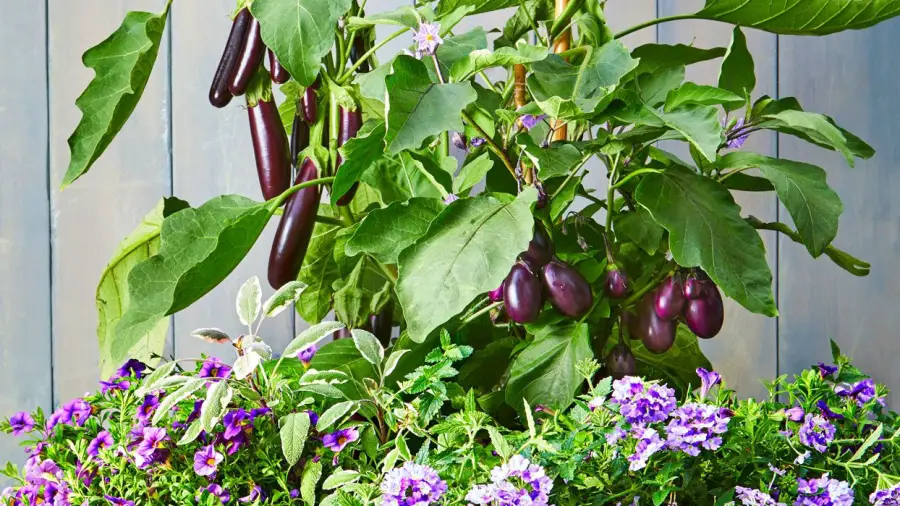
Many vegetables thrive in small pots, including lettuce, spinach, radishes, herbs, cherry tomatoes, peppers, and dwarf varieties of eggplants and carrots.

What Vegetables Grow Well Together In A Container?

Some great vegetable pairings for container gardening include tomatoes with basil, lettuce with herbs, and carrots with beans.

What Vegetables Can I Grow In 2 Gallon Pots?

In 2-gallon pots, you can successfully grow radishes, lettuce, spinach, chard, small herbs, and some dwarf tomato varieties.

What Vegetables Can Grow In 4 Inches Of Soil?

Vegetables like lettuces, radishes, spinach, and herbs can grow in 4 inches of soil, suitable for shallow container gardening.

Conclusion

Embarking on a small container garden adventure brings both joy and bounty. Remember, the key to lush, flavorful vegetables is choosing the right varieties. Tomatoes, lettuce, peppers, and herbs top the list for compact spaces. Embrace these gems of the gardening world and watch your balcony or patio transform into a cornucopia of fresh, home-grown produce.

Nourish your plants and your palate, and start sowing the seeds of your very own veggie oasis today!

(To know more about 10 Game-Changing Vegetables Gardening Hacks : https://bonsainurserybd.com/10-game-changing-vegetable-gardening/ )

Best Fruits And Vegetables for Container Gardening

Best Fruits And Vegetables for Container Gardening: Top Picks!

Tomatoes, peppers, lettuce, and strawberries rank as top choices for container gardening. Herbs like basil and chives also thrive in pots with limited space.

Container gardening is an incredibly versatile and convenient way to grow fresh produce, especially in urban settings or where garden space is limited. The simplicity of maintaining a container garden makes it a popular choice for both beginners and experienced gardeners alike.

Fruits And Vegetables for Container Gardening: It allows for control over soil quality and reduces the risk of soil-borne diseases. With the right container, proper care, and adequate sunlight, gardeners can cultivate a bountiful harvest on patios, balconies, or windowsills. Choose vegetables with smaller root systems and fruits that can be easily supported or trellised for the best success in limited spaces.

Best Fruits And Vegetables for Container Gardening: Top Picks!

Credit: http://gardenerspath.com

Introduction To Container Gardening

The concept of container gardening has taken urban and small-space living to vibrant new heights. This practice allows garden enthusiasts to cultivate a variety of fruits and vegetables regardless of limited ground space. A practice esteemed for its versatility and accessibility, container gardening offers the pleasure of homegrown freshness even in the most compact of spaces.

Understanding The Basics Of Container Gardening

Container gardening involves growing plants, including edible varieties, in pots or containers instead of traditional garden beds. Selection of appropriate containers, soil composition, and plant choices are the bedrock of this gardening method. It offers a unique approach to managing space, soil, and environment for a variety of plant species.

Advantages Of Growing Fruits And Vegetables In Containers

  • Space Efficiency: Perfect for balconies, patios, or rooftops.
  • Control Over Environment: Ability to move plants to optimize light exposure and temperature.
  • Reduced Pest Problems: Elevated and isolated settings can deter pests and diseases.
  • Accessibility: Ideal for individuals with mobility issues, as it reduces the need for bending or stooping.
  • Customized Soil Mix: Provides plants with the ideal soil composition without the constraints of the native ground soil.

General Tips For Successful Container Gardening

  1. Choose the right containers that provide adequate space for root growth and have proper drainage holes.
  2. Utilize high-quality potting mix specifically formulated for container plants.
  3. Ensure plants receive the appropriate amount of sunlight based on their specific needs.
  4. Regularly water your plants, as containers can dry out faster than in-ground gardens.
  5. Fertilize periodically to replenish nutrients that are frequently washed out due to frequent watering.
  6. Be mindful of plant compatibility when pairing species in the same containers.

“`

Top Picks For Container-grown Vegetables


Container gardening opens up a world of opportunity for those lacking traditional garden space. It’s an ideal way to cultivate fresh produce on balconies, patios, or even sunny windowsills. With the right selection of plants, you can enjoy an abundant harvest. Let’s explore some of the best vegetables that thrive in containers.

Tomatoes: Versatile And Flavorful

Tomatoes are a favorite for many gardeners and are perfectly suited to container gardening. Varieties range from cherry tomatoes to full-sized heirlooms. When grown in pots, tomatoes require staking or cages for support, but the payoff is a generous supply of delicious fruits. Choose self-pollinating varieties to ensure a good yield, even without bees.

Leafy Greens: Spinach, Kale, And Lettuce Varieties

Leafy greens like spinach, kale, and lettuce are excellent for containers due to their shallow roots and compact growth. These plants prefer cooler temperatures, making them perfect for spring and fall gardening. An array of types and flavors can easily be harvested on a cut-and-come-again basis, providing a steady supply throughout the season.

Root Vegetables: Carrots, Radishes, And Potatoes

Many root vegetables adapt well to containers, especially when selected for short or spherical root growth. Carrots and radishes can be grown in deep pots with loose, well-draining soil. Potatoes can be cultivated using the “layering” method, which involves adding more soil as the plants grow, yielding a substantial harvest within a compact space.

Cucurbits: Squash, Cucumbers, And Zucchini

Despite their sprawling nature, cucurbits like squash, cucumbers, and zucchini can succeed in containers. Choosing bush or dwarf varieties is essential, and providing a trellis can minimize the space required. These vigorous growers offer an impressive bounty as long as they receive ample sunlight and consistent watering.

Legumes: Peas And Beans For Vertical Growing

Legumes such as peas and beans are perfect for vertical container gardening. They can climb up supports, saving valuable horizontal space. Dwarf or bush varieties are an excellent choice for container environments, and they fix nitrogen in the soil, improving the health of your container garden.

Alliums: Onions, Garlic, And Chives

Alliums like onions, garlic, and chives are well-suited to container gardening due to their compact root systems. These flavorful additions to your garden are also relatively low-maintenance, needing modest watering and full sun. Doubly productive, they offer both flavorful bulbs and edible foliage.

Companion Planting In Containers: Maximizing Space And Compatibility

Companion planting involves grouping plants together that can benefit each other when grown in close proximity. This practice can lead to better growth, reduced pests, and maximized use of space. For instance, planting basil near tomatoes can help repel pests, while combining leafy greens with root vegetables can promote fuller use of available space and sunlight.

Companion Planting Examples for Container Gardens
Main Crop Companion Plant Benefits
Tomatoes Basil, Marigolds Repels pests; enhances flavor
Cucumbers Nasturtiums, Peas Pest control; soil nitrogen boost
Leafy Greens Chives, Radishes Pest deterrent; space maximization


Favorite Fruits For Container Gardening

Transform your urban living space into a bountiful oasis with container gardening. Even the smallest patios and balconies can become a haven for fresh, juicy fruits ready to be plucked right outside your door. Container gardening offers an accessible path to homegrown sweetness and vibrant flavors, and certain fruits thrive in this compact environment. Let’s discover some of the favorite fruits you can cultivate in pots and planters.

Berries Galore: Strawberries, Blueberries, And Raspberries

Berries not only burst with flavor, but they also adapt well to container living. Strawberries are a popular choice, with varieties designed for hanging baskets that cascade with ripe, red fruit. Blueberries require a bit more attention to soil acidity but reward growers with sweet, summer berries. Meanwhile, raspberries can be grown in larger pots with support for their canes. Here’s how to get started:

  • Strawberries: Opt for June-bearing or everbearing varieties depending on your desired harvest time.
  • Blueberries: Ensure a mix of peat and pine bark in the soil for a pH between 4.5 and 5.5.
  • Raspberries: Choose a spacious pot and a sunny spot; don’t forget a stake or trellis for support.

Citrus Delights: Lemons, Limes, And Oranges

Enjoy the zest of citrus trees right from your balcony! Dwarf varieties of lemons, limes, and oranges are perfectly suited for container gardening. They offer not just fruit but also a delightful, fresh aroma and an ornamental touch to your outdoor space.

  • Lemons: ‘Meyer’ and ‘Eureka’ varieties adapt well to pots.
  • Limes: ‘Key lime’ and ‘Persian lime’ trees stay compact, ideal for containers.
  • Oranges: Dwarf varieties such as ‘Calamondin’ or ‘Dwarf Washington’ are excellent selections.

Exotic Tastes: Figs, Pineapple, And Dwarf Apple Trees

Elevate your container garden with exotic fruit trees. Figs are well-suited for warmer climates and can produce delectable fruits yearly. Pineapple plants create a tropical ambiance and can flourish indoors or out. And, believe it or not, dwarf apple trees can be grown in tubs, providing beautiful blossoms followed by full-sized apples.

  • Figs: Varieties like ‘Brown Turkey’ or ‘Celeste’ perform well in pots.
  • Pineapple: Start with a top cutting and enjoy its ornate presence and eventual fruit.
  • Apple Trees: Look for rootstocks labeled as dwarfing, perfect for containers.

Herbs As Fruitful Companions: Basil, Chives, And More

Herbs make companion planting in container gardens a breeze. They can enhance fruit growth and fend off pests. Basil, with its vigourous aroma, is a great neighbor to tomatoes and peppers, while chives can deter insects and enhance the flavor of salads. They require minimal space, making them perfect for pairing with your fruit plants.

  • Basil: Plant alongside tomato containers for a beneficial partnership and convenient, flavorful harvests.
  • Chives: Easy to grow and manage, they pair well with almost all fruits and vegetables.
  • Mint: Beware it can take over pots, so keep it separate to avoid a mint monopoly.

Maintenance And Care For Container Fruit Plants

While container gardening has its conveniences, it also demands special care. Fruits in pots rely on you for nourishment and hydration. Regular feeding with balanced fertilizers ensures plants have the energy to produce luscious fruits. Watering needs are critical; pots dry out faster than garden soil, so consistent monitoring is key. Also, make sure that containers have adequate drainage to prevent root rot. Sunlight is a fruit’s best friend, so position your containers where they’ll receive plenty of it.

Best Fruits And Vegetables for Container Gardening: Top Picks!

Credit: http://ctgrown.org

Container Gardening Practical Tips

Container Gardening Practical Tips unlock the joy of homegrown produce even in the smallest of spaces. Whether you have a balcony, rooftop, or patio, container gardening allows for ample flexibility and creativity. Implement these expert tips to cultivate a thriving container garden filled with lush fruits and vegetables, irrespective of your outdoor space.

Choosing The Right Containers For Different Plants

Container selection is the cornerstone of successful container gardening. Opt for containers that complement the root size of the plants you intend to grow:

  • Shallow-rooted plants like lettuce and herbs thrive in containers with a depth of 6-12 inches.
  • Medium-rooted plants such as peppers and strawberries need 12-18 inches of depth.
  • Deep-rooted plants like tomatoes and carrots require containers that are deeper than 18 inches.

Ensure all containers have adequate drainage holes to prevent waterlogging.

Soil Mix And Fertilization For Optimum Growth

Choosing the right soil mix and providing regular fertilization are pivotal for optimum plant growth in containers. Use a lightweight, nutrient-rich potting mix designed for container gardening. This medium should offer excellent drainage and aeration.

Fertilize your container plants with a balanced, all-purpose fertilizer, following the recommended dosage on the product label. Over-fertilization can be as detrimental as under-fertilization.

Watering Techniques And Managing Sunlight Exposure

Accurate watering and sunlight exposure are vital for the prosperity of container plants:

  • Water your plants when the top inch of soil feels dry. Use a drip tray to avoid overwatering.
  • Containers may dry out faster; hence, regular monitoring is essential.
  • Most vegetables require 6-8 hours of direct sunlight daily. Position the containers accordingly and consider moving them if needed to ensure adequate light exposure.

Pruning And Harvesting Best Practices For Container Plants

Pruning encourages healthy growth and increases yields. Remove dead or diseased foliage promptly. When harvesting, use a clean cut to avoid damaging the plant. Regular harvesting often stimulates further production for many plants.

Pest Control And Disease Prevention In Small-scale Gardens

Container gardens can also fall prey to pests and diseases, albeit on a smaller scale. Implement the following for pest control and disease prevention:

  • Inspect regularly for signs of pests and diseases.
  • Practice preventive measures like crop rotation, even in containers, to avoid disease build-up.
  • Use organic pesticides and fungicides when intervention is necessary, adhering to the recommended application guidelines.

Best Fruits And Vegetables for Container Gardening: Top Picks!

Credit: http://gardenerspath.com

Frequently Asked Questions On Best Fruits And Vegetables For Container Gardening

What Fruits And Vegetables Grow Well In Containers?

Tomatoes, peppers, lettuce, carrots, and strawberries thrive in container gardens with suitable pot sizes and care.

What Are The Top 10 Vegetables Grown In Containers?

The top 10 vegetables for container gardening are tomatoes, peppers, lettuce, carrots, radishes, spinach, peas, green beans, kale, and eggplant.

What Are The Easiest Fruits And Vegetables To Grow?

Some of the easiest fruits and vegetables to grow include tomatoes, radishes, lettuce, beans, peas, strawberries, and bell peppers.

What Vegetables Can I Plant In The Same Container?

Combine lettuce, radishes, and herbs or tomatoes, basil, and onions in the same container for successful growth.

Conclusion

Container gardening unlocks a world of lush bounty, even in the smallest of spaces. Embrace the versatility of strawberries, peppers, and tomatoes. Revel in the ease of spinach, lettuce, and herbs. These picks assure a fresh, vibrant harvest. Step into the world of container growing and taste the fruits of your labor!

(To learn more about Vegetables and Flowers Gardening: https://bonsainurserybd.com/companion-gardening-flowers-and-vegetables/ )

Balcony Gardening Vegetables

Balcony Gardening Vegetables: Top Urban Harvest Tips

Balcony gardening allows you to grow vegetables in a limited space. Many vegetables thrive in pots and containers on balconies.

Embracing balcony gardening can transform your outdoor space into a thriving vegetable oasis, even within the bustling cities like Austin, Texas. It’s a delightful way to cultivate fresh produce from the comfort of your home. This form of urban agriculture is both rewarding and practical, offering a chance to enjoy homegrown flavors and engage in sustainable living.

Balcony Gardening Vegetables: With the right vegetable choices, such as tomatoes, peppers, leafy greens, and herbs, even the smallest balconies can become productive gardens. Optimal use of vertical space and container gardening can maximize yields and variety. Proper plant selection is crucial, focusing on those that suit a balcony’s microclimate, from sunlight exposure to wind patterns. Understanding container sizes, soil types, and watering needs are key to balcony gardening success, ensuring a lush, edible bounty just steps away from your living area.

Balcony Gardening Vegetables: Top Urban Harvest Tips

Credit: http://www.countryliving.com

Introduction To Balcony Vegetable Gardening

Transforming a balcony into a lush vegetable garden is an inspiring way to bring farm-to-table living right into the heart of the city. Balcony vegetable gardening empowers urban dwellers to cultivate a variety of vegetables, regardless of the size of their outdoor space. This urban agricultural endeavor not only enhances the aesthetics of a balcony but also contributes to a more sustainable lifestyle. Fresh, homegrown produce is both rewarding and possible, even on the smallest balconies.

Understanding The Basics Of Urban Agriculture

Urban agriculture is the practice of cultivating, processing, and distributing food in or around urban areas. Balcony gardening is a form of urban agriculture that optimizes limited space in densely populated settings. It involves selecting appropriate containers, choosing the right plants, understanding sunlight patterns, and managing water and nutrients effectively. Here are the essential elements for starting your balcony garden:

  • Container selection: Opt for pots with good drainage.
  • Soil quality: Use a high-quality potting mix.
  • Watering system: Ensure regular and adequate watering.
  • Sunlight: Map out areas with the best light exposure.
  • Plant choices: Select varieties that thrive in container gardens.

Benefits Of Growing Vegetables On Your Balcony

The advantages of cultivating your own balcony vegetable garden are plentiful. Not only does it serve as a peaceful retreat from the hustle and bustle of city living, but it also offers numerous health, environmental, and psychological benefits:

Benefit Description
Freshness Eat the freshest vegetables, harvested at their nutritional peak.
Flavor Homegrown veggies are tastier than store-bought alternatives.
Environmental Impact Reduce your carbon footprint with less reliance on packaged goods.
Mental Health Gardening activities are known to alleviate stress and promote relaxation.
Physical Activity Engage in light physical exercise through daily gardening tasks.

“`


Balcony Gardening Vegetables: Top Urban Harvest Tips

Credit: http://www.amazon.com

Getting Started: Planning Your Balcony Garden


Planning Your Balcony Garden for Vegetables


Embarking on a balcony gardening journey opens a world of fresh vegetables right at your doorstep. It’s a creative venture that transforms your outdoor space into a lush, productive area, despite the smaller footprint. Let’s dig into the initial steps of crafting a high-yield balcony garden that brims with life and taste.

Assessing Your Balcony’s Climate And Sunlight Exposure

Understanding your balcony’s microclimate is pivotal to the success of your garden. Observe the pattern of sunlight throughout the day—how many hours of direct sun does your space receive? Does it face north with limited sun, or south with a bountiful supply? Take note of shaded areas and wind patterns as well. This information dictates the types of vegetables that will thrive in your personal environment.

Selecting Suitable Containers And Soil For Vegetable Gardening

Container selection impacts rooting space, moisture retention, and overall plant health. Opt for containers with adequate drainage and enough room for roots to grow. Lightweight pots make repositioning easier, while terra cotta pots offer better aeration.

Choosing the right soil is equally crucial. A high-quality, well-draining potting mix, possibly enriched with compost, ensures your vegetables have the best foundation for growth. Avoid using garden soil as it can be too dense and may contain pathogens harmful to container plants.

Choosing The Right Vegetables For Your Balcony Conditions

Not all vegetables are suitable for balcony conditions; some thrive better than others. Prioritize choosing dwarf or bush varieties that require less space. Consider growth patterns: leafy greens like lettuce might prefer shadier spots, while tomatoes seek out the sun.

Sunlight Exposure Recommended Vegetables
Full Sun (6+ hrs/day) Tomatoes, Peppers, Eggplants, Cucumbers
Partial Sun (4-6 hrs/day) Radishes, Carrots, Beets, Herbs
Shade (<4 hrs/day) Lettuce, Spinach, Swiss Chard, Kale

Utilize companion planting principles to maximize space and enhance growth. With proper planning and the right vegetable selection, even a small balcony can yield a bountiful harvest.


Best Practices For Cultivating Vegetables On A Balcony

Transforming a balcony into a verdant garden is a rewarding endeavor for any urban dwellers yearning for a slice of nature. While limited space can pose a challenge, the right techniques and management can lead to a bountiful harvest. This section delves into the art of balcony vegetable gardening, emphasizing essential practices for thriving plants.

Watering And Nutrient Management For Container Vegetables

The confined space of containers must provide everything your vegetables need, from water to nutrients. A consistent watering schedule is vital to avoid the extremes of drought and waterlogging. Vegetables in containers dry out faster than those in traditional gardens and require frequent monitoring.

  • Check soil moisture levels regularly and water when the top inch feels dry.
  • Use a watering can or hose attachment that simulates rain for a gentle soak.
  • Opt for self-watering containers to maintain a steady moisture level.

Nutrient management is equally important. Container vegetables are notorious for their high nutrient demands as frequent watering can leach nutrients away.

  1. Feed with a well-balanced, water-soluble fertilizer every two weeks during the growing season.
  2. Compost or worm castings can provide a slow-release organic option.

Maximizing Space With Vertical Gardening Techniques

Vertical gardening is a game-changer for balcony growers. It amplifies the growing area without expanding the footprint. Get creative with climbing plants like beans or cucumbers that scale trellises or railings with ease. Utilize hanging baskets for small crops like herbs and strawberries.

Vertical Element Vegetable Examples Benefits
Trellises and supports Tomatoes, Climbing Beans Optimizes space usage, promotes healthy growth.
Wall planters Lettuce, Herbs Increases accessible growing areas, decorative.
Hanging baskets Strawberries, Cherry Tomatoes Utilizes overhead space, convenient harvesting.

Protecting Plants From Pests And Weather Extremes

Despite a balcony’s elevation, vegetables are not immune to pests and harsh conditions. Regular inspections can catch infestations early. Consider companion planting to repel pests naturally. Herbs, such as basil and mint, can act as deterrents when mixed with your vegetables.

  • Install physical barriers, like nets or fleece, to offer protection against insects and birds.
  • Shield your garden from strong winds and intense sun with a lattice or shade cloth.
  • During unexpected cold snaps, blankets or burlap can insulate against frost.
Balcony Gardening Vegetables: Top Urban Harvest Tips

Credit: http://www.quarto.com

Harvesting And Maintaining Your Balcony Vegetable Garden

Welcome to the lush world of balcony gardening, where fresh, flavorful vegetables are just an arm’s reach away. As city dwellers cultivate their green thumbs, balcony gardens are becoming a ‘go-to’ for fresh produce. To ensure that your garden continues to flourish and provides bountiful harvests, it’s crucial to understand the nuances of harvesting and garden maintenance. With these tips and strategies, gardeners can enjoy a continuous supply of home-grown vegetables throughout the seasons.

Tips For Successful Harvesting Of Balcony-grown Vegetables

Harvesting vegetables from your balcony garden can be immensely satisfying, but it’s important to pick your produce at the right time. Here’s how to guarantee you do just that:

  • Harvest in the morning: Vegetables are crisper and cooler after a night’s rest.
  • Use the right tools: Sharp scissors or pruners can help avoid damage to the plants.
  • Regular checks: Keep an eye on your plants to gauge their peak ripeness.
  • Gentle handling: Care for your produce right from the moment you pick it to maintain quality.

Seasonal Maintenance And Crop Rotation Strategies

Maintaining your balcony garden through the seasons requires flexibility and a bit of planning:

  1. Clean up at the end of each season to prevent disease and pests.
  2. Rotate crops to reduce the risk of soil-borne diseases and nutrient depletion.
  3. Seasonal planting: Adjust your plant selections based on the time of year.

Expanding Your Urban Garden: Introducing Herbs And Fruit Trees

Enhance your vegetable balcony garden by integrating herbs and dwarf fruit trees. These not only add diversity but also attract beneficial pollinators. Consider the following table for suitable additions:

Plant Type Suitable Varieties
Herbs Basil, Mint, Rosemary, Thyme
Dwarf Fruit Trees Dwarf Lemon, Dwarf Apple, Dwarf Pear

Utilize vertical space with hanging pots or trellises, and enjoy the expanded harvest of zesty herbs and sweet fruit alongside your vegetables.

“`


Overcoming Challenges In Balcony Gardening


Overcoming Challenges in Balcony Gardening

Fresh, home-grown vegetables can be a delight to any gardener, especially those with limited outdoor space. But when it comes to balcony gardening, the delight comes mingled with its fair share of challenges. From space constraints to inadequate sunlight, these difficulties can at times seem overwhelming. Fear not, as the joy of harvesting your balcony-grown cucumbers, tomatoes, or herbs is still within reach. This segment delves into practical solutions for common gardening hurdles every balcony gardener might face.

Troubleshooting Common Issues With Balcony Vegetable Plants

When it comes to balcony gardening, a variety of problems can arise—pest infestations, nutrient deficiencies, or water management issues, to name a few. Tackling pests can be done through natural deterrents or organic insecticides, while proper nutrient management often requires a balanced fertilization routine. For water-related problems, ensure good drainage and consider a drip irrigation system. Regularly inspect your plants and take immediate action to promote a healthy and flourishing vegetable patch on your balcony.

Adapting To Small Spaces And Limited Natural Light

Balcony spaces are notoriously tight, but with creativity, they can be transformed into efficient gardens. Using vertical gardening techniques and hanging planters can significantly increase your growing area. For balconies that suffer from limited sunlight, select shade-tolerant vegetables like lettuce or spinach. If natural light is minimal, reflect what sunlight there is with mirrors or invest in grow lights which can simulate the full spectrum of sunlight, ensuring your plants thrive.

Innovative Ideas For Year-round Balcony Gardening

Balcony gardening need not be a seasonal activity. With innovative approaches, you can enjoy a green space all year round. Utilize season extenders such as cold frames or mini greenhouses to protect sensitive plants during colder months. Experiment with hardier vegetables that can withstand cooler temperatures. Another exciting option is to try hydroponic systems, which allow you to grow vegetables in a water-based environment. This method is particularly beneficial for those with limited outdoor space and can be set up indoors if the balcony is too cold.


Thriving With An Urban Harvest

As cityscapes continuously expand vertically, balcony gardening has become an essential avenue for urbanites to cultivate fresh produce. Embracing the joy of balcony gardening is not only about nourishing the body with homegrown vegetables, but also about reaping the plethora of rewards associated with tending to a personal urban oasis.

The Rewards Of Balcony Gardening For Urban Dwellers

Balcony gardening unlocks a treasure trove of benefits for city residents. It’s a gateway to self-sufficiency and contributes to healthier lifestyles by providing access to fresh, organic produce. It also serves as a natural stress reliever, with the act of gardening being a tranquil escape from the fast-paced urban environment. Some particular triumphs of balcony gardening include:

  • Improved air quality through the natural filtration provided by plants.
  • Reduction in the urban heat island effect as vegetation absorbs heat.
  • Tangible health and nutritional benefits from consuming vegetables free of pesticides and harmful chemicals.

Community And Social Aspects Of Urban Agriculture

Community dynamics are transformed with the integration of balcony gardens into urban living spaces. These green spaces foster social interactions amongst neighbors, leading to a shared sense of community. Gardens can stimulate conversation, encourage the exchange of gardening tips and tricks, and can even involve communal gardening activities. Such interactions not only deepen bonds but also promote:

  1. Information sharing about sustainable living practices.
  2. Cultural exchange through diverse planting techniques and vegetables specific to different ethnic cuisines.
  3. Engagement in community initiatives like seed swaps and garden clubs.

Future Trends And Sustainable Practices In Balcony Gardening

The future of balcony gardening shines brightly, with a clear shift towards more sustainable and regenerative practices. Innovations in urban agriculture technology are making it easier to grow produce efficiently with fewer resources. Furthermore,

Emerging Trend Description Benefits
Vertical Gardening Maximizing space by growing upwards rather than outwards. Saves space, can increase yield.
Hydroponics Soil-less gardening using nutrient-rich water solutions. Reduces water usage, minimizes pests and diseases.
Composting Turning kitchen scraps into nutrient-dense soil amendments. Reduces waste, enhances soil quality.

With these methods, urban gardeners can optimize their limited space while contributing to a greener planet. Balcony gardening is not just a trend, but a sustainable lifestyle choice that promises an enriching and bountiful urban harvest for years to come.

Frequently Asked Questions On Balcony Gardening Vegetables

What Vegetables Are Good To Grow On A Balcony?

Good vegetables for balcony gardening include tomatoes, peppers, radishes, lettuce, spinach, and herbs. They thrive in containers and enjoy sunny spaces.

What Can You Grow In A Balcony Garden?

A balcony garden can accommodate herbs, vegetables like tomatoes, peppers, green onions, and leafy greens, as well as small fruit plants and flowers.

What Vegetables Can I Grow On My Patio?

On your patio, you can grow vegetables like tomatoes, peppers, green beans, radishes, carrots, kale, and herbs such as basil and chives.

How Do I Turn My Balcony Into A Garden?

Assess your balcony’s light and space to select suitable plants. Install planters and choose soil appropriate for your chosen vegetables and herbs. Utilize vertical space with hanging baskets and wall-mounted shelves. Ensure proper drainage in pots to prevent waterlogging. Regularly water and maintain your garden for best results.

Conclusion

Embracing balcony gardening brings fresh, homegrown veggies to your fingertips. Whether you’re in a bustling city or a tranquil suburb, your balcony can be a mini farm. It’s about choosing the right vegetables for your space and climate. With a bit of care, even a small balcony can yield a bountiful harvest.

(To know about Rooftop Fruits Plantation Tips : https://bonsainurserybd.com/rooftop-fruit-plantation/)
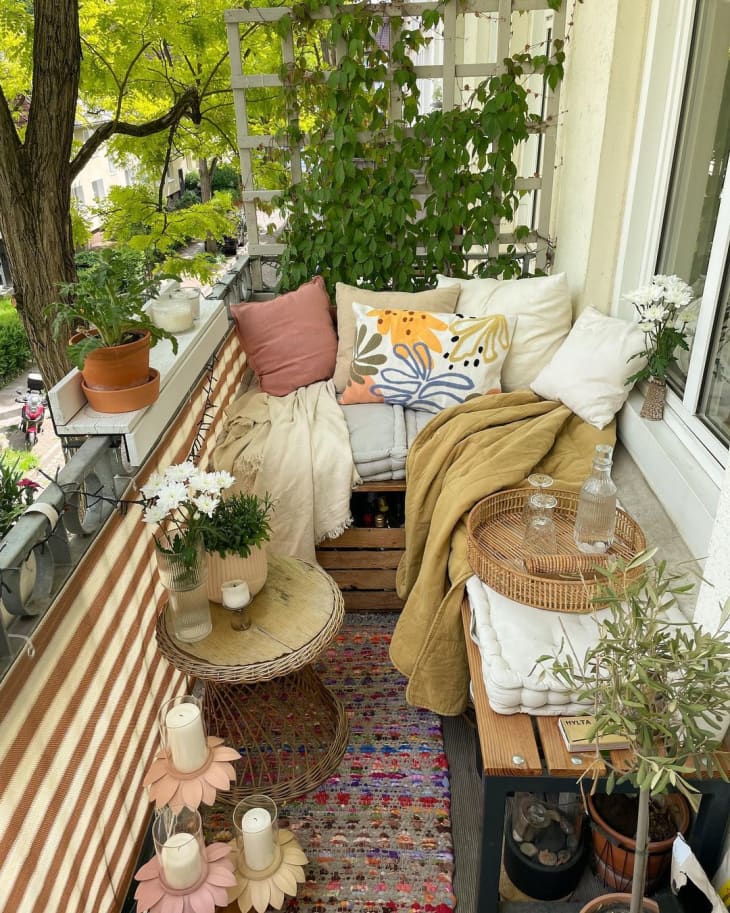
So grab your pots and seeds – a lush vegetable oasis awaits you just outside your door! Happy gardening!

Plant Bougainvillea

Best Time to Plant Bougainvillea: Thrive & Flourish Tips

The best time to plant bougainvillea is during the spring or summer. These seasons provide optimal conditions for root establishment and growth.

Bougainvillea thrives when the weather begins to warm, making the transition from late spring to early summer an ideal planting window. Gardeners in temperate zones take advantage of this period to ensure that bougainvillea plants develop a strong root system before cooler weather sets in.

These vibrant, climbing plants prefer sunny locations and require adequate drainage to flourish. Planting them in this timeframe allows for a burst of color and vitality in gardens and landscapes. Careful timing in planting bougainvillea can result in lush foliage and an impressive display of flowers, maximizing their potential as a stunning addition to any outdoor space.

Best Time to Plant Bougainvillea: Thrive & Flourish Tips

Credit: www.nola.com

Introduction To Bougainvillea Planting

The vibrant cascades of color that characterize bougainvillea plants are not only a visual delight but also a testament to their adaptability in warm climates. An iconic plant known for its dazzling bracts and lush green foliage, bougainvillea serves as both an enchanting standalone feature and a mesmerizing complement to any garden ensemble. Planning the best time to plant bougainvillea is crucial for ensuring a breathtaking display of its full potential.

Understanding Bougainvillea Varieties

Selecting the right variety of bougainvillea is key to aligning your garden’s aesthetic and climate with the plant’s needs. Bougainvilleas come in several varieties, each with unique characteristics such as growth habit, color, and size:

  • Bougainvillea glabra – Often known for its smoother leaves and thorny branches.
  • Bougainvillea spectabilis – Recognized by its larger leaves and bracts, and hearty thorns.
  • Bougainvillea peruviana – Renowned for its smaller but more vibrant bracts and higher tolerance to dry conditions.
  • Bougainvillea x buttiana – A hybrid known for its striking, color-rich bracts and versatility.

Depending on your region and gardening goals, one variety might suit your needs better than others. Optimal planting times may vary slightly between these types, but late winter to early spring is generally ideal, as the risk of frost has passed and warmer temperatures stimulate growth.

Benefits Of Growing Bougainvillea In Your Garden

Embracing bougainvillea in your garden comes with a myriad of benefits:

  1. Dramatic Color: Bougainvillea’s vibrant bracts add a splash of color to any landscape.
  2. Versatility: Whether grown as a shrub, ground cover, or trained along a trellis, bougainvillea shapes itself to your design preference.
  3. Drought Tolerance: Once established, bougainvillea plants are quite hardy and can withstand periods without water.
  4. Privacy and Security: The plant’s thorny branches can deter unwanted visitors and create a natural barrier when grown along fences.

Gardeners treasure bougainvillea for its low maintenance needs and long blooming season, offering a riot of color through much of the year. With proper planting and care, these plants reward gardeners with a spectacular show that truly makes the effort worth it.

Optimal Planting Time For Bougainvillea


Best Time to Plant Bougainvillea

Bougainvillea, a vibrant and lush vine known for its breathtaking florals, thrives when planted at the right time. The timing is crucial to ensure a robust establishment and a cascade of color in your garden. This section will discuss the ideal planting periods, taking into account seasonal influences and regional climates specific to Texas, California, and Arizona. Additionally, we will explore the nuances of planting Bougainvillea in pots versus in-ground, ensuring that your plants get the best start possible.

Ideal Seasons For Planting Bougainvillea

Bougainvillea plants prefer the warmth of spring and early summer for planting. The warm temperatures and longer daylight hours during these seasons offer the perfect conditions for root establishment and growth. It’s essential to plant Bougainvillea after the threat of frost has passed, and steady warm weather sets in. In general, planting between March and June, depending on your local climate, will give your Bougainvillea the best chance to thrive.

Regional Considerations: Texas, California, And Arizona

Each region has unique climatic conditions that influence the optimal planting times for Bougainvillea. Let’s break it down:

  • Texas: The best time to plant Bougainvillea in Texas is typically in late spring, as the weather begins to warm. However, areas that experience milder winters may allow for earlier planting.
  • California: With its generally mild climate, California gardeners can plant Bougainvillea in either spring or fall. Coastal areas enjoy a more extensive planting window due to fewer temperature extremes.
  • Arizona: Given its desert climate, planting in Arizona should occur during the early spring months or late fall to avoid extreme summer heat that can stress young plants.

Planting Bougainvillea In Pots Vs. In The Ground

Whether to plant Bougainvillea in pots or directly in the ground depends on several factors, including climate, space, and personal preference.

Planting Method Advantages Considerations
In Pots Portability, better control over soil quality, and drainage; ideal for colder regions as plants can be moved indoors. May need more frequent watering and fertilizing; choose pots that provide adequate space for root growth to ensure the plant’s health.
In the Ground Natural insulation from the soil, requires less frequent watering; better integration into garden landscapes. May need winter protection in colder regions; requires well-draining soil to prevent root rot.

In summary, planting Bougainvillea at the correct time of year and in the appropriate manner can greatly influence the health and beauty of your plants. Tailoring your approach to your specific regional conditions and considering the advantages of pot versus ground planting will maximize bloom potential and overall plant vitality.


Cultivation Tips For Bougainvillea Success


When it comes to infusing your garden with vibrant colors, few plants can rival the exuberant beauty of bougainvillea. These lush climbers are beloved for their showy flowers and hardy nature, flourishing with the right mix of care and conditions. Let’s delve into the cultivation tips for bougainvillea success, ensuring your garden is awash with their spectacular hues season after season.

Soil Preparation & Drainage Essentials

To set the foundation for thriving bougainvillea, start with soil preparation and drainage. Proper drainage is crucial, as waterlogged roots can lead to root rot. Opt for well-draining soil and consider raising planting beds or using containers if your soil is heavy or clay-like. Amending the soil with organic matter can improve nutrient content and drainage capabilities.

  • Choose well-draining soil or amend with perlite or gravel.
  • Ensure pots have adequate drainage holes if growing bougainvillea in containers.
  • Consider raised beds to enhance drainage in heavy soils.

Sunlight And Location Requirements

Bougainvillea thrives in locations blessed with ample sunlight. These plants require at least 6 hours of direct sunlight per day to produce their best blooms. Choose a sunny spot, preferably against a south-facing wall or fence for added warmth and protection.

  1. Select a spot that receives full sun for most of the day.
  2. Use reflective surfaces to enhance light exposure if needed.
  3. Avoid shaded areas that can impede flowering.

Watering Protocols To Prevent Overwatering

While bougainvillea is drought-tolerant, careful watering is key to prevent overwatering. Allow the soil to dry slightly between watering; a deep, infrequent watering approach promotes a robust root system. Be particularly cautious with potted bougainvillea, where overwatering is more common and can be detrimental to plant health.

  • Water deeply, then wait for the top inch of soil to dry out before watering again.
  • Reduce watering frequency during cooler months.
  • Ensure pots have proper drainage to avoid standing water.

Fertilizer Use For Healthy Growth

For optimal growth, feeding your bougainvillea is essential. Utilize a high-phosphorus fertilizer during the growing season to encourage blooming and healthy development. Be judicious with feeding, as too much can promote foliage at the expense of flowers.

Time of Year Fertilizer Type Frequency
Spring High-phosphorus Every 4-6 weeks
Summer High-phosphorus Every 4-6 weeks
Fall/Winter Reduce or stop fertilizing N/A


Pruning Methods For Optimal Flowering

Pruning not only shapes your bougainvillea but also encourages prolific flowering. Regular pruning after each bloom cycle stimulates new growth where flowers appear. Time pruning to avoid cutting off new buds, ensuring a bounty of blossoms.

  • Prune after flowering, typically in late winter or early spring.
  • Remove any dead wood and crowded branches to maintain plant health and shape.
  • Pinch tips periodically to encourage bushiness.


Understanding Bougainvillea’s Life Cycle And Blooming

Understanding the life cycle of bougainvillea plays a critical role in its care. These plants typically have a blooming period followed by rest. Bougainvillea flowers on new growth, so facilitating this cycle through proper pruning, watering, and fertilizing is central to achieving a garden alive with color.

  • Expect blooms from early summer through fall, with proper care.
  • Reduce watering and fertilizing in winter as the plant enters a rest period.
  • Remember, blooming is most prolific on new, mature growth.


Best Time to Plant Bougainvillea: Thrive & Flourish Tips

Credit: www.myneworleans.com

Troubleshooting Common Bougainvillea Issues

Bougainvillea, with their vibrant hues and lush growth, are a sight to behold but can sometimes perplex gardeners when they run into issues. Whether it’s a lack of blossoms or an unexpected pest invasion, these issues can put a damper on the visual splendor of these plants. In this section, we’ll tackle some of the most common bougainvillea challenges and provide guidance to ensure your plant thrives.

Managing Pests And Disease In Bougainvillea

Bougainvilleas can fall prey to pests such as aphids, spider mites, and caterpillars. Diseases like root rot and fungal infections can also occur. The key to managing these issues is early detection and treatment. Regularly inspect your plants for signs of distress, such as discoloration, wilting, and leaf drop.

  • For aphids and mites, use a strong water jet or introduce natural predators like ladybugs. In severe cases, apply horticultural oils or insecticidal soaps.
  • Prune affected areas to control the spread of disease and improve air circulation.
  • Ensure adequate drainage to prevent root rot, and avoid overwatering to discourage fungal growth.

Addressing Poor Flowering Or Color Display

A common concern with bougainvillea is when they produce few or no flowers. Often, this can be due to excessive nitrogen, lack of sunlight, or improper pruning. To enhance flowering:

  1. Position your bougainvillea in a location where it will receive full sun for most of the day.
  2. Minimize nitrogen-rich fertilizers, which promote leaf growth at the expense of blooms.
  3. Prune at the correct time—after a bloom cycle—to encourage new growth and flowering.

Fertilize with a formulation high in phosphorus to promote vibrant flowers. Be patient, as bougainvilleas have a unique flowering cycle and may burst into color when the conditions are right.

Transplanting And Root Care For Established Plants

Transplanting established bougainvillea plants requires careful handling to prevent shock and root damage. If a plant becomes root-bound or is outgrowing its current space, consider repotting or transplanting to a larger area.

Follow these steps:

  1. Water the plant well before attempting to move it, as this helps reduce stress.
  2. Carefully remove the plant from its current container to maintain the root ball’s integrity.
  3. Place the plant in a new pot or location that is only slightly larger to encourage blooming.
  4. Ensure the planting soil is well-aerated and well-draining to prevent root diseases.

Bougainvilleas prefer to be slightly root-bound, so avoid overly large pots. Monitor your plant after transplanting and provide stable conditions to help it establish.

Advanced Bougainvillea Care Techniques


Advanced Bougainvillea Care Techniques

Mastering the art of Advanced Bougainvillea Care Techniques ensures your vibrant flowering vines thrive throughout the season. Tailoring your approach to the specific needs of Bougainvillea can yield stunning blooms and lush foliage. Let’s dive into the advanced methods for optimizing soil, fertilizing effectively, and adjusting care with the changing seasons.

Customizing Soil Blends For Bougainvillea

Bougainvillea prospers in well-draining soil that can support its rapid growth. Creating a custom soil mix enhances drainage while providing necessary nutrients. Combine two parts soil, one part perlite, and one part compost for a blend that promotes robust root health.

  • Two parts potting soil – Acts as the foundational medium
  • One part perlite – Enhances aeration and drainage
  • One part compost – Infuses organic nutrients

Crafting The Right Fertilizer Schedule

Proper nutrition is essential for bright and bountiful Bougainvillea blooms. A strategic fertilizer schedule during the growing season encourages flowering. Opt for a high-phosphorus blend to boost blooms, applying it every four to six weeks in the spring and summer.

Month Fertilizer Type Application Frequency
March – August High-phosphorus fertilizer Every 4-6 weeks
September – February Minimal or none

Seasonal Adjustments In Bougainvillea Care

As seasons shift, so too should your Bougainvillea care routine. Monitor temperature fluctuations closely, especially during the cool months. Ensure your Bougainvillea is shielded from frost which can damage delicate foliage and flowers. In hotter months, increase watering to combat the intense heat and maintain vibrant growth.

  1. Protect from frost during winter months
  2. Increase watering frequency during hot seasons
  3. Prune after the blooming cycle to encourage new growth


Final Thoughts On Bougainvillea Planting

As we come to the end of our vibrant journey through the colorful world of bougainvillea planting, we reflect on the horticultural practices that can help these hardy yet enchanting plants thrive. Knowing when and how to plant bougainvillea is key to maximizing their blooming potential and ensuring their health for years to come.

Recap Of Best Practices For Bougainvillea Planting

  • Timing: Spring or early autumn is ideal, avoiding the harshness of winter frost and extreme summer heat.
  • Location: Choose a sunny spot with well-drained soil.
  • Soil Preparation: Amend with organic matter to enhance drainage and nutrient content.
  • Watering: Keep consistently moist after planting, then reduce to minimal once established.
  • Pruning: Prune after the blooming cycle to maintain shape and encourage further flowering.
  • Fertilizing: A balanced, slow-release fertilizer will promote vibrant blooms.

Continued Education And Resources

Gardeners passionate about these floral wonders are encouraged to dive deeper into the world of bougainvillea care. Various resources such as gardening books, online forums, and local gardening clubs offer a treasury of knowledge. Learning from experienced gardeners and horticulturists can provide invaluable insights into tailor-made care for your specific climate and environment.

Joining social media groups dedicated to bougainvillea enthusiasts or subscribing to channels offering gardening tips can be a great way to stay informed. Virtual workshops or local extension services may also have programs focusing on bougainvillea care, offering up-to-date information and advanced techniques for gardening aficionados.

In essence, while the initial planting period is crucial, the ongoing education and accumulation of resources will ensure that your bougainvillea continues to captivate with its abundant beauty. Keep your curiosity in bloom and your green thumb ever-ready for the delightful challenges and rewards that come with nurturing these magnificent plants.

Best Time to Plant Bougainvillea: Thrive & Flourish Tips

Credit: medium.com

Frequently Asked Questions For Best Time To Plant Bougainvillea

Is Bougainvillea Better In Pots Or Ground?

Bougainvillea thrives in pots as root confinement can promote more abundant blooming.

What Is The Secret To Growing Bougainvillea?

The secret to growing bougainvillea involves full sun exposure, well-drained soil, minimal watering, regular pruning, and occasional fertilization for vibrant blooms.

Do Bougainvillea Like Sun Or Shade?

Bougainvilleas thrive in full sun and do not fare well in dense shade. They require ample sunlight to bloom vibrantly.

Do Bougainvillea Come Back Every Year?

Yes, bougainvillea comes back every year as they are perennial plants in suitable climates.

Conclusion

Planting bougainvillea at the optimal time can truly enhance your garden’s vibrancy. Spring or early summer sets the stage for robust growth. This timing allows roots to establish before cooler weather. Remember, full sun and good drainage are key. Embrace this season to infuse your space with their dazzling colors.

Happy gardening!

(To learn more about Bougainvillea Plantation Tips : https://bonsainurserybd.com/bougainvillea-plant-how-to-care-for-your-bougainvillea-plant-tips-and-tricks/)

Prune Bougainvillea

Best Time to Prune Bougainvillea: Vital Growth Secrets!

The best time to prune bougainvillea is late winter or early spring after it has bloomed. This promotes vigorous growth and abundant flowering in the next season.

Bougainvilleas captivate with their lush, vibrant colors and are a dynamic addition to any garden. Pruning is an essential part of bougainvillea care, encouraging healthier plants and more profuse blooms. Understanding the optimal pruning window is key for any gardener looking to maintain these flamboyant plants.

Late winter to early spring pruning aligns with the plant’s natural growth cycle, setting the stage for a spectacular display. It’s during this time that gardeners should shape their bougainvilleas, remove any dead or diseased wood, and make strategic cuts to foster a full, desirable form. With proper timing, the pruning process not only enhances the plant’s aesthetic but also boosts its overall vitality.

Best Time to Prune Bougainvillea: Vital Growth Secrets!

Credit: www.homefortheharvest.com

Introduction To Bougainvillea Pruning


Best Time to Prune Bougainvillea

Vibrant and colorful, Bougainvillea plants are a beautiful addition to any garden, but to maintain their brimming beauty, knowing when and how to prune them is crucial. Pruning is not just about maintaining the shape of your Bougainvillea; it’s about encouraging growth, flowers, and keeping the plant healthy. Join us as we delve into the art of Bougainvillea pruning and uncover the secrets to getting those mesmerizing blooms year after year.

Understanding The Essentials Of Bougainvillea Care

Caring for a Bougainvillea plant goes beyond watering and positioning it in the sun. Essential practices such as the right soil type, proper watering, fertilization, and pest management play a significant role in the plant’s overall health. For Bougainvillea, particularly, a well-draining soil and ample sunlight are the pillars of vibrant blooms.

  • Right Soil: Ensure that the soil is light, well-draining, and rich in nutrients.
  • Watering: Water the plant regularly but allow the soil to dry out between watering to prevent root rot.
  • Fertilization: Use a high-phosphorus fertilizer to promote blooming.
  • Pest Management: Inspect regularly for signs of pests and treat them accordingly.

The Importance Of Pruning For Bougainvillea Health And Aesthetics

Pruning not only shapes the plant but also promotes new growth and bountiful blooms. It is a crucial step in the care routine of Bougainvillea. Removing the old growth helps to prevent disease and pests, and it stimulates the growth of new flowering shoots. Moreover, regular pruning ensures the Bougainvillea doesn’t become overgrown and invasive, disrupting structures or other plants in your garden.

  1. Removal of dead or diseased branches helps maintain plant health.
  2. Targeted cuts can encourage growth patterns for a more aesthetically pleasing shape.
  3. Encourages consistent flowering by stimulating the development of new buds.


Timing Your Pruning Efforts For Maximum Impact


Best Time to Prune Bougainvillea

Pruning bougainvillea is an art form that marries horticultural precision with aesthetic flair. To maximize the health and flowering of your vibrant bougainvillea, timing your pruning efforts is key. Understanding when to prune not only stimulates robust growth but ensures a riot of color. Let’s focus on the optimal periods within the year to make those strategic cuts for maximum impact.

Late Winter To Early Spring: Post-flowering Pruning

When the chill of winter begins to thaw, and hints of spring emerge, bougainvillea enters a period of post-flowering. This is the ideal time for pruning. As the plant transitions out of its dormant phase, pruning can invigorate its growth, priming it for the season ahead. Trimming back the excess, spent blooms and overgrowth during this window optimizes the plant’s energy for fresh, vigorous growth.

Mid-summer: Encouraging A Second Bloom

Approaching the height of summer, gardeners have a unique opportunity to encourage a second glorious display of bougainvillea blooms. A careful pruning session in mid-summer can not only maintain the shape of the plant but can also stimulate another bloom cycle. This mid-season touch-up should be lighter than the post-flowering pruning, focusing on snipping wayward shoots and deadheading faded flowers.

Regional Considerations: When To Prune In Different Climatic Zones

Different climates can shift the optimal pruning times. Use this table to guide your regional pruning schedule:

Region Best Pruning Time
Mediterranean Late winter as temperatures warm
Tropical Just before the rainy season starts
Temperate Early spring or after the last frost
Desert Late winter, avoiding peak summer heat

Exceptions To The Rule: Circumstances Warranting Off-schedule Trims

In certain circumstances, off-schedule trims become necessary. Aside from the regular pruning seasons, bougainvillea may require attention under the following conditions:

  • Disease Control: At the first signs of disease, prune away affected areas to prevent spread.
  • Damage Repair: After storms or accidental breaks, prune for plant health and safety.
  • Size Management: If the bougainvillea outgrows its space, trim lightly as needed.

Always ensure that your pruning tools are clean and sharp to prevent introducing pathogens to the plant and make precise cuts.


Practical Pruning Techniques For Bougainvillea


Practical Pruning Techniques for Bougainvillea

Bougainvilleas burst with vibrant color, making them a breathtaking addition to any garden. However, to ensure they showcase their full potential, appropriate pruning techniques are essential. Embracing timely and effective pruning practices not only promotes healthy growth but also supports a stunning floral display. Let’s unlock the secrets behind practical pruning techniques for bougainvillea—a flourish of flowers awaits your green thumbs!

Tools And Safety: Preparing To Prune

Before starting, gather the right tools for an efficient and safe pruning session. Ensure your pruning shears are sharp and clean to avoid damaging the branches and spreading diseases. For larger, woody stems, a saw may be necessary. Always wear gloves to protect your hands from thorns and use goggles if you are trimming overhead. Personal safety is paramount when gardening!

Identifying Which Branches To Cut: Dead, Diseased, Or Overgrown

Inspect your bougainvillea to determine which branches need attention. Look for:

  • Dead branches—These will not produce new growth and can be cut back to the base.
  • Diseased sections—Remove these promptly to prevent the spread of illness.
  • Overgrown branches—Trimming these will enhance air circulation and light penetration.

Shaping The Bougainvillea: A Step-by-step Guide

  1. Start by removing any dead or diseased wood.
  2. Reduce the length of overextended branches to maintain the desired size and shape.
  3. Prune just above leaf nodes to encourage new flowering branches.
  4. Thin out dense areas to allow more sunlight to reach the inner sections.

Maintenance Trimming: Encouraging Healthy Growth Throughout The Season

Throughout the growing season, perform maintenance trimming. This process includes lightly snipping the tips of the bougainvillea to promote bushier growth and more flowers. Always remember to make your cuts just above a leaf node or junction, as this is where new growth will flourish.

Aftercare: Fertilization And Watering Post-pruning

After pruning, it’s crucial to provide the right nutrients and water to support recovery and robust growth. A balanced fertilizer can encourage bougainvillea to produce lush foliage and vibrant blooms. However, avoid overfertilization, which can lead to more leaves and fewer flowers. As for watering, maintain consistent moisture but don’t overwater—bougainvillea thrives with a “less is more” approach to hydration.


Best Time to Prune Bougainvillea: Vital Growth Secrets!

Credit: www.houzz.com

The Science Behind Pruning: Encouraging Vigorous Growth

Discovering the optimal time to prune your bougainvillea can be the secret to unlocking its full potential for growth and blooming. Pruning isn’t just about shaping plants; it’s a strategic approach grounded in science to encourage vigorous growth and enhance flowering. Let’s delve deeply into understanding how pruning can stimulate the exuberant display of color that bougainvilleas are renowned for.

How Pruning Influences Flowering And Growth Patterns

Pruning bougainvillea plays a pivotal role in directing the plant’s energy towards producing stunning blooms. The trick lies in knowing that bougainvillea flowers on new growth. By removing old and overgrown branches, pruning stimulates the plant to produce fresh, vigorous growth, which in turn bears the colorful bracts that make this plant so attractive. The outcome is not just more blooms, but also a more controlled and aesthetically pleasing growth pattern.

The Relationship Between Pruning And Bougainvillea Rooting Success

Pruning is not only about what happens above the ground. In fact, successful root development below the surface can also be enhanced through strategic pruning. Cutting back the bougainvillea during its peak growth phase encourages stronger and healthier roots. This is crucial for sustainability, as well-developed roots aid in water and nutrient absorption, contributing to the overall vitality of the plant.

Understanding The Growth Rate Post-pruning

One of the most common concerns gardeners have is understanding the plant’s growth rate after pruning. While it may appear that pruning sets the plant back, bougainvillea has a rapid growth rate post-pruning. Provided the plant was healthy before pruning, it will use its reserved energy to rapidly produce new growth. This resurgence is not only fast but can also be lush and vigorous, resulting in a lusher plant with more blooms in the flowering season to follow.

Regional Insights And Additional Tips

Understanding regional climate variations is crucial for the optimal pruning of Bougainvillea, a vibrant and versatile plant. While this flamboyant bloomer graces many gardens with its rich, papery blooms, region-specific insight will ensure a spectacle of color and a healthy plant year-round. Pruning techniques differ based on location-specific weather patterns and seasonal changes—a consideration every Bougainvillea enthusiast must heed.

Adapting Pruning Techniques For Different Locations

To maintain the stunning display of Bougainvillea’s bracts, gardeners must tailor their approach to the plant’s environment:

  • Cooler Climates: Limit heavy pruning to times when the plant is dormant, typically in late winter or early spring, to prevent frost damage to new growth.
  • Warmer Climates: Pruning can occur more frequently, even after each flowering cycle, to encourage new blooms and control growth.

It’s vital to consider local frost dates and adjust your pruning schedule accordingly.

Potential Pruning Pitfalls And How To Avoid Them

Pruning mistakes can hinder the vibrancy and health of your Bougainvillea. Here are some common pitfalls and ways to steer clear of them:

  • Over-pruning: Avoid cutting more than one-third of the plant at a time to prevent stress.
  • Improper Timing: Prune after blooming to ensure the plant’s energy is focused on healing and new growth, rather than flower production.
  • Using Dull Tools: Always use sharp, clean pruning shears to make precise cuts and reduce the risk of disease.

Case Studies: Pruning Bougainvillea In California Vs. Florida Vs. Arizona

Region Best Pruning Time Additional Tips
California Late winter to spring Coastal areas may require less frequent pruning due to mild temperatures.
Florida Late winter, after the last frost High humidity areas need good air circulation to prevent fungal diseases; prune accordingly.
Arizona Early spring In the desert climate, protect the plant from sunburn after pruning by providing some shade.

Each state presents unique challenges to Bougainvillea care. In California, the risk of frost is lower, allowing for a more flexible pruning schedule. Florida’s humid conditions necessitate careful attention to pruning for disease prevention. Arizona, with its intense sun, requires shielding the delicate post-pruned foliage from potential sun damage.

(To know more about Caring of Bougainvillea: https://bonsainurserybd.com/bougainvillea-plant-how-to-care-for-your-bougainvillea-plant-tips-and-tricks/

Conclusion: Summing Up Bougainvillea Pruning Practices

Understanding the appropriate techniques and timings for pruning bougainvillea is essential for maintaining these vibrant, flowering vines. An effective pruning routine not only shapes these colorful plants but also encourages more blooms and a healthier growth. To ensure you have the necessary knowledge to care for your bougainvillea, let’s quickly recap the key takeaways from our discussion.

Recap Of Key Pruning Times And Methods

  • Pruning Time: The best time to prune is after the blooming cycle has finished, typically in late winter or early spring, to prepare for new growth.
  • Pruning Technique: Use clean, sharp tools to make precise cuts that promote healing and prevent disease. Focus on removing dead wood, thinning out dense growth, and shaping the plant.
  • Maintenance Pruning: Conduct light trimming throughout the growing season to encourage branching and more flowers.

Final Thoughts On Bougainvillea Care For Optimal Growth

Consistent care beyond pruning is crucial for bougainvilleas. A regular feeding schedule, adequate water, and plenty of sunlight are all important factors in achieving a lush, floriferous display. Remember to balance this care with your regional climate and the specific needs of your plant.

Additional Resources And Guides For Bougainvillea Enthusiasts

The journey of nurturing a bougainvillea is a rewarding one, but can be rife with questions and challenges. For those eager to deepen their understanding, an array of resources exists. From books tailored to gardening in your micro-climate to online forums of fellow enthusiasts, there is a wealth of information at your fingertips. Explore these comprehensive guides to further refine your green thumb and foster the healthiest, most vibrant bougainvillea possible.

Prune Bougainvillea

Frequently Asked Questions Of Best Time To Prune Bougainvillea

How Do You Prune A Bougainvillea For Maximum Bloom?

Prune bougainvilleas after flowering to shape and remove dead wood; cut just above leaf nodes. Trim tips regularly to encourage blooming. Wear gloves for thorns.

How Far Back Can You Cut Bougainvillea?

You can cut bougainvillea back to 2-3 inches from the main stems or trunk.

Does Pruning Bougainvillea Promote Growth?

Yes, pruning bougainvillea encourages new growth and promotes more abundant flowering.

Which Time Is Best For Bougainvillea Cutting?

The best time for bougainvillea cutting is late winter or early spring after flowering.

Conclusion

Pruning bougainvillea at the right time ensures a burst of color and healthy growth. Aim for late winter or early spring, post-flowering, to prep your plant for vibrant blooms. Remember, a little care goes a long way in maintaining this stunning spectacle.

Happy gardening!

(To learn more about Prune Bougainvillea: https://plantura.garden/uk/trees-shrubs/bougainvillea/bougainvillea-care)  

Companion Gardening Flowers And Vegetables

Companion Gardening Flowers And Vegetables: Boost Your Yield

Companion gardening pairs flowers with vegetables to enhance growth and deter pests. Marigolds and petunias, for example, provide natural pest control around tomatoes and other garden staples.

Gardening enthusiasts often find that incorporating flowers into their vegetable plots not only increases biodiversity but also helps in managing pests and improving pollination. By choosing the right combinations, gardeners create a symbiotic relationship where flowers can repel harmful insects while attracting beneficial ones.

Companion Gardening Flowers And Vegetables: This natural method reduces the need for chemical pesticides and fosters a healthier garden ecosystem. Marigolds are renowned for their ability to discourage nematodes and pests like cabbage worms, making them excellent neighbors for a variety of vegetable crops. Petunias serve as a useful ally in protecting beans and squash from pests. Understanding these dynamics is crucial for gardeners looking to optimize their harvests and cultivate a flourishing and sustainable garden that brings joy as well as bounty.

Companion Gardening Flowers And Vegetables: Boost Your Yield

Credit: gardentherapy.ca

The Fundamentals Of Companion Gardening

Companion gardening, an age-old agricultural practice, is experiencing a resurgence among gardeners who seek a sustainable, productive approach to cultivating their gardens. This technique involves strategically placing flowers and vegetables together, creating a diverse ecosystem that reaps a multitude of benefits. Whether you have sprawling garden beds or modest containers, the fundamentals of companion gardening can boost the health and yield of your plants.

Understanding Companion Gardening

At its core, companion gardening is about relationships. Certain plants, when grown in proximity, can provide mutual advantages such as pest control, improved pollination, and better use of space. In understanding which plants thrive together, gardeners can design a garden that is more self-sustaining and harmonious.

Essential Principles Of Companion Flowers And Vegetables

  • Attracting Beneficial Insects: Flowers such as marigolds and calendula draw in insects that prey on pests.
  • Deterring Pests: Certain flowers can ward off unwanted insects, minimizing the need for chemical pesticides.
  • Providing Shade or Support: Taller plants offer shade to sun-sensitive vegetables or can act as natural trellises for climbing plants like peas.
  • Improving Soil Health: Some plants, such as legumes, fix nitrogen in the soil, benefiting their neighbors.

While designing your garden, consider each plant’s characteristics and how they might complement or hinder one another. Such strategic placement ensures the most favorable growth conditions.

Benefits Of Integrating Flowers In The Vegetable Garden

The inclusion of flowers in your vegetable garden brings an array of advantages. They enhance biodiversity, leading to a more resilient garden ecosystem. Here are a few significant benefits:

  1. Increased Pollinator Activity: Flowers attract bees, butterflies, and other pollinators swiftly, improving the pollination of vegetables.
  2. Improved Pest Management: By attracting beneficial insects and repelling pests, flowers can reduce the incidence of pest-related damages to vegetables.
  3. Aesthetic Appeal: Flowers add color, texture, and beauty to the garden, creating an inviting space for gardeners and visitors alike.
Companion Gardening Flowers And Vegetables: Boost Your Yield

Credit: http://www.goodhousekeeping.com

Optimizing Your Garden: Best Companion Choices


Essential HTML Meta Tags for SEO


Gardening is not just about planting seeds and hoping they grow; it’s about creating a harmonious space where plants support each other to thrive. Enter companion planting, a method that aligns with nature’s patterns to bring out the best in your garden. The principle is simple: some plant combinations can deter pests, improve soil health, and even enhance flavor. Get ready to discover the top flower companions for key vegetable crops, as well as which combinations to avoid for a flourishing garden.

Top Flower Companions For Key Vegetable Crops

Integrating flowers into your vegetable garden can be a game-changer. Not only do they add a splash of color and beauty, but they also attract beneficial insects and repel pests. Here are some of the best flower companions for popular veggies:

  • Marigolds: Ideal with tomatoes, peppers, and eggplants, as they deter root-knot nematodes.
  • Nasturtiums: Plant alongside cucumbers and zucchini to ward off aphids and beetles.
  • Calendula: A friend to brassicas like broccoli and kale, attracting pollinators and deterring pests.

Avoiding Detrimental Combinations In Your Garden

Just as there are allies in the plant kingdom, there are foes. Understanding which plants do not work well together is crucial for a thriving garden. Some combinations can inhibit growth or attract the same pests, leading to competition and imbalances. For example:

  • Avoid planting dill near carrots as they can cross-pollinate and produce undesirable seeds.
  • Keep fennel away from most vegetables; its allelopathic nature can hamper the growth of other plants.

Companion Planting Chart Overview And Practical Tips

For a quick reference to companion planting, a chart can be incredibly helpful. Here’s a simplified overview with practical tips to get you started:

Vegetable Companion Flowers Comments
Tomatoes Marigolds, Borage Boosts growth and deters pests.
Cucumbers Nasturtiums, Sunflowers Attracts pollinators, repels aphids.
Peas Roses, Sweet Alyssum Roses can deter pea aphids; Alyssum attracts beneficial insects.


Remember, when introducing flowers to your vegetable garden, consider light, water, and nutrient needs to ensure compatibility. Happy planting!


Advanced Strategies For A Flourishing Garden


Advanced Strategies for a Flourishing Garden

Companion gardening is an age-old practice with numerous benefits for your vegetable plots. By pairing flowers and vegetables thoughtfully, gardeners can create a symbiotic ecosystem that not only yields abundant harvests but also nurtures a healthy garden environment. Let’s delve into advanced strategies that go beyond basic companion planting, ensuring your garden is not only surviving but thriving.

Leveraging Plant Synergies For Pest Control

Pest control can be a significant challenge in gardening, but employing the strategy of companion planting can be a game-changer. Certain plant combinations produce natural substances that repel harmful pests or attract predator insects that prey on them. This reduces the need for chemical pesticides and maintains an organic, balanced habitat for your vegetables. For instance, marigolds emit a substance from their roots that can deter nematodes, while nasturtiums attract aphids away from more vulnerable plants.

Maximizing Pollination And Plant Health With Floral Allies

Incorporating flowers such as lavender, borage, and cosmos into your vegetable garden can encourage pollinator visits. These flowers are not only attractive to human eyes but are also irresistible to bees, butterflies, and other pollinating insects. By having a diverse range of floral allies nearby, you improve the chances of your vegetables being pollinated, leading to a more substantial and consistent harvest.

Case Studies: Success Stories In Companion Planting

The proof of companion planting’s effectiveness is evident in numerous success stories from gardeners around the world. For example, a gardener in Austin, Texas reported that after introducing bee-friendly flowers adjacent to her cucumber plants, she observed a noticeable improvement in the quantity and quality of her cucumber harvest. Another gardener shared that by strategically planting garlic near his roses, he was able to reduce the incidence of rose pests without resorting to harsh chemicals.


Companion Gardening Flowers And Vegetables: Boost Your Yield

Credit: www.bhg.com

Frequently Asked Questions For Companion Gardening Flowers And Vegetables

What Vegetables And Flowers To Plant Together?

Plant marigolds with tomatoes to deter pests and nasturtiums with cucumbers for improved growth. Roses thrive with garlic, and zinnias attract pollinators beneficial to vegetable gardens.

What Flowers Should Not Be Planted With Vegetables?

Avoid planting oleander, foxglove, and gladiolus with vegetables; they are toxic and may hinder growth.

What Should You Not Plant Next To Each Other In A Vegetable Garden?

Avoid planting beans near onions and garlic. Keep brassicas like broccoli away from nightshades such as tomatoes. Don’t plant fennel near most other vegetables.

What Plants Grow Well Together Chart?

A companion planting chart suggests favorable plant pairings, like tomatoes with basil, carrots with onions, and marigolds with many vegetables to deter pests.

Conclusion

Embrace the beauty and diversity of companion gardening by integrating flowers with vegetables. This harmonious approach not only enhances your garden’s visual appeal but also fortifies plant health and productivity. By thoughtfully pairing the right flowers with your veggies, you reap the rewards of natural pest control, pollination, and vigor.

As our exploration concludes, remember that each plant you choose has a role to play in creating a flourishing and balanced garden ecosystem. Tend to your garden with this knowledge, and watch as it thrives in abundance and color.

(To learn about Organic Gardening : https://bonsainurserybd.com/organic-gardening-101/)

Rooftop-Gardens

How Do Rooftop Gardens Help the Environment

Rooftop gardens mitigate urban heat island effect and enhance biodiversity. They help with stormwater management by absorbing rainfall.

Rooftop gardens represent a transformative solution for urban environments striving towards sustainability. By converting unused roof spaces into green areas, cities can combat the heat island effect, which often results in higher temperatures in urban areas compared to their rural counterparts.

Rooftop-Gardens

These elevated oases support local ecosystems and provide habitat for a variety of pollinators and birds, boosting urban biodiversity. They act as natural sponges, reducing runoff during storms and lowering the risk of flooding. Furthermore, rooftop gardens can improve air quality by filtering pollutants and produce oxygen, contributing to a healthier urban atmosphere. Embracing vertical greening systems not only delivers environmental benefits but also can enhance the aesthetic appeal and potentially the property value of urban structures.

The Benefits Of Rooftop Gardens


Urban rooftops, often stark and unused, are increasingly transforming into lush, green oases, offering a breath of fresh air to city dwellers and the environment. Rooftop gardens bring a kaleidoscope of benefits, not only beautifying otherwise barren spaces but also serving as key players in urban ecological systems. Let’s delve into how these verdant spaces contribute significantly to environmental welfare.

Cooling Effect Of Rooftop Gardens

Rooftop gardens have a natural cooling effect, significantly lowering the temperature of the roof surface and the surrounding air. Through the process of evapotranspiration, plants release moisture into the atmosphere, helping to cool urban heat zones.

Reduction Of Urban Heat Island Effect

Rooftop gardens counter the urban heat island effect. Concrete and asphalt absorb and radiate heat, raising city temperatures. Rooftop greenery absorbs less heat, leading to cooler urban environments.

Energy Conservation And Reduced Air Conditioning Usage

Energy efficiency soars with rooftop gardens. The added insulation means buildings retain heat during winter and stay cool in summer, lowering dependence on heating and cooling systems, which curtails energy consumption and costs.

Improved Air Quality

Plants in rooftop gardens are natural air purifiers, absorbing pollutants and releasing oxygen. This significantly improves urban air quality, contributing to healthier cities.

Carbon Sequestration And Reduction Of Greenhouse Gases

By absorbing carbon dioxide, rooftop gardens play a crucial role in mitigating climate change. Plants sequester carbon from the atmosphere, reducing the concentration of greenhouse gases.

Filtration Of Airborne Pollutants

Rooftop gardens serve as a natural filter for airborne pollutants. They capture dust particles and other contaminants, leading to cleaner air and a healthier environment.

Biodiversity And Habitat Preservation

Urban biodiversity thrives with rooftop gardens, which provide habitats for a variety of insects, birds, and even small mammals, preserving ecosystems in the urban sprawl.

Creation Of Urban Wildlife Habitats

The addition of a rooftop garden creates invaluable habitats for urban wildlife, offering food, shelter, and breeding grounds to sustain diverse species.

Promotion Of Native Plant Species

Fostering native plant species, rooftop gardens support local flora and provide a connection to nature amidst the concrete jungle.

Stormwater Management

Rooftop gardens excel in managing stormwater by absorbing rainfall, reducing the burden on sewer systems, and minimizing the risk of flooding.

Reduction Of Runoff And Water Pollution

Through natural filtration, rooftop gardens reduce water runoff and filter pollutants, decreasing water pollution and preserving water quality.

Mitigation Of Urban Flooding

With their impressive water retention abilities, rooftop gardens mitigate the risks associated with urban flooding, serving as a sustainable solution during heavy rainfall events.

Community Well-being And Social Integration Through Green Spaces

Rooftop gardens contribute to community well-being, offering serene green spaces that foster social interaction and integration, while promoting mental and physical health benefits.


Frequently Asked Questions On How Do Rooftop Gardens Help The Environment

How Do Rooftop Gardens Reduce Pollution?

Rooftop gardens play a significant role in reducing urban air pollution. They absorb harmful pollutants and carbon dioxide, transforming them into oxygen. This natural filtration contributes to cleaner city air.

Can Rooftop Gardens Improve Biodiversity?

Yes, rooftop gardens create habitats for various species, fostering urban biodiversity. They attract birds, bees, and butterflies, which are crucial for pollination and maintaining ecological balance in city environments.

What Are The Thermal Benefits Of Rooftop Gardens?

Rooftop gardens provide thermal insulation for buildings. They help regulate indoor temperatures by absorbing sunlight and heat during summer, reducing the need for air conditioning, and insulating against cold in winter, lowering heating costs.

Do Rooftop Gardens Effectively Manage Rainwater?

Rooftop gardens are excellent for rainwater management. They absorb and retain rainfall, reducing runoff and lowering the risk of urban flooding. This stored water can also be used for irrigation, promoting water conservation.

Conclusion

Rooftop gardens are not just aesthetic enhancements. They’re a powerful tool against urban heat islands, air pollution, and biodiversity loss. They also boost building efficiency and lower energy costs. Embracing green roofs could be a game-changer for sustainable urban living.

Let’s cultivate these spaces for a greener future.

(To learn more about Small Rooftop Gardening Ideas : https://bonsainurserybd.com/5-small-space-rooftop-garden-ideas/