Best Soil for Container Gardening Vegetables

Best Soil for Container Gardening Vegetables: Lush Bounties Await!

The best soil for container gardening vegetables is a well-draining, nutrient-rich potting mix. It should ideally contain a blend of peat, compost, vermiculite, and perlite.

Container gardening presents a unique opportunity for green thumbs to showcase their passion for growing vegetables, despite limited space. Selecting the right soil is crucial for the health and yield of plants grown in pots or containers. A premium potting mix caters to the distinct needs of vegetables, ensuring they receive the right balance of air, nutrients, and moisture.

Gardeners can create an optimal growing environment that mimics the natural soil conditions vegetables crave, promoting growth and minimizing disease. Cultivating a vegetable garden in containers allows for greater control over soil quality, leading to a successful and bountiful harvest right from the balcony, patio, or rooftop.

Best Soil for Container Gardening Vegetables: Lush Bounties Await!

Credit: http://www.amazon.com

Introduction To Container Gardening With Vegetables

Embrace the joy of growing your own vegetables in the comfort of your home with container gardening. Without the need for expansive garden spaces, urban dwellers and those with limited outdoor areas have turned to this innovative method to cultivate fresh produce right on their balconies, patios, or windowsills. Whether you’re a seasoned green thumb or starting your first plant, understanding the essentials of container vegetable gardening paves the way for a thriving and productive garden.


Understanding Container Gardening

Container gardening is a versatile and accessible form of gardening that involves growing plants in various containers. From small herb pots to large vegetable containers, the options are endless and can accommodate gardening aspirations of all scales. It’s an ideal solution for those with limited space or soil issues, allowing for control over the growing environment including soil type, moisture, sunlight, and pest management.

  • Accessibility: Grow vegetables anywhere with sunlight.
  • Control: Manage your soil and water needs effectively.
  • Variety: Choose from a range of vegetables suited for containers.


The Importance Of Choosing The Right Soil

Selecting the appropriate soil is critical for the success of your vegetable container garden. The right soil provides essential nutrients, proper drainage, and retains moisture to ensure healthy plant growth. Unlike traditional garden soil, which might compact and hinder root growth, soil for container gardening is specifically formulated to prevent these issues. In container gardening, your soil acts as the foundational support system for your vegetables, ultimately determining the vigor and yield of your harvest.

Characteristics of good container gardening soil:

Characteristic Benefit
Rich in Organic Matter Nourishes plants and supports microorganism health
Well-Draining Prevents root rot and overwatering
Moisture Retentive Keeps roots hydrated without constant watering
Loose and Friable Ensures proper root growth and aeration


Best Soil for Container Gardening Vegetables: Lush Bounties Await!

Credit: http://www.goodreads.com

Components Of The Perfect Container Soil Mix

Container gardening offers a flexible and accessible way to grow a variety of vegetables, but success heavily depends on using the right soil. The perfect container soil mix balances drainage, water retention, and nutrient availability while maintaining an appropriate pH level. Every ingredient serves a purpose, ensuring plants thrive throughout the growing season. Let’s explore the vital components for the ideal soil mix for your container vegetable garden.

Balancing Drainage And Water Retention

A prime consideration for container soil is the equilibrium between drainage and water retention. Vegetables need consistent moisture without waterlogging their roots. A mix containing peat moss or coconut coir provides excellent moisture retention, while perlite or vermiculite ensures proper drainage. Combining these components helps prevent soil compaction, dynamic crucial for healthy root growth.

Nutrient Composition And Ph Balance

The nutrient composition of container soil is paramount for vegetable growth. A blend of compost, worm castings, or well-decomposed manure enriches the soil with vital organic matter, offering a slow-release of nutrients. Pairing these with a balanced N-P-K (Nitrogen-Phosphorus-Potassium) fertilizer ensures vegetables receive the sustenance they need. Keeping soil pH between 6.0 and 7.0 allows plants to optimally absorb these nutrients.

  • PH Testing: Regularly test the soil’s pH and adjust with lime or sulfur as necessary.
  • Compost: Adds microorganisms beneficial for plant health and nutrient absorption.

Organic Vs. Non-organic Soil Mixes

Choosing between organic and non-organic soil mixes can impact your garden’s sustainability and your vegetables’ health. Organic mixes, composed of natural materials, support eco-friendly practices and enhance soil life. Non-organic options may offer a more controlled nutrient mix but can contain synthetic additives. Depending on your gardening philosophy, either can be tailored to achieve the right balance for your container-grown vegetables.

  1. Organic Soil Mix: Typically includes compost, peat moss, and other natural ingredients.
  2. Non-Organic Soil Mix: Often fortified with chemical fertilizers and wetting agents.


Selecting Soil For Different Types Of Vegetables

Understanding the soil requirements for different vegetable types is crucial for container gardening success. Each vegetable has its unique preferences for soil composition, pH levels, and nutrient content. By selecting the appropriate soil for your vegetable containers, you ensure healthy growth and bountiful harvests. Let’s explore how to tailor your soil choice for leafy greens, root vegetables, and fruiting vegetables.

Leafy Greens: Soil Requirements And Recommendations

Leafy greens like lettuce, spinach, and kale demand soil that retains moisture but also drains well. Rich in organic matter, this soil should provide a neutral to slightly acidic pH environment. Here’s what works best for them:

  • Soil Composition: A mix containing peat moss or coconut coir, vermiculite, and compost.
  • pH Level: Ideally between 6.0 and 7.0.
  • Additional Nutrients: Fortify with a balanced slow-release fertilizer.

Root Vegetables: Creating The Ideal Underground Environment

Root vegetables such as carrots, beets, and radishes require a deep container with soil that allows their roots to penetrate effortlessly. The soil composition should not compact over time, ensuring that these underground treasures can expand unimpeded.

Component Purpose
Sandy or Loamy Soil Mix Provides excellent drainage and easy root growth.
Perlite or Sand Increases aeration in the soil.
Compost Enriches the soil with necessary nutrients.

Fruiting Vegetables: What They Need To Thrive

Fruiting vegetables like tomatoes, peppers, and eggplants have rigorous nutritional needs and thrive in soil with ample organic content. Ensuring a proper balance of drainage and water retention is essential for these plants:

  1. Analyze the potting mix to confirm it is high in compost and contains peat moss or coconut coir to maintain moisture.
  2. Ensure the presence of perlite or vermiculite to facilitate proper drainage and prevent waterlogged roots.
  3. Consider adding a granular or liquid fertilizer high in phosphorus and potassium to encourage fruit development.

Diy Versus Store-bought Soil Mixes

Welcome to the essential debate every container gardener faces: DIY versus Store-Bought Soil Mixes. Container gardening offers the flexibility to grow a variety of vegetables regardless of your garden space, but a crucial component that determines the success of your green endeavors is the soil mix you choose. This section dives into the nitty-gritty of creating your own soil mix, evaluating commercial options, and fine-tuning your mix to complement the size and material of your containers.

How To Create Your Own Soil Mix For Container Vegetables

Creating a DIY soil mix for container gardening allows you to control the quality and composition of the medium in which your vegetables will grow. To construct a balanced soil mix, consider the following recipe:

  • 1 part peat moss or coconut coir: to retain moisture and provide structure
  • 1 part compost: for a nutrient-rich component that promotes growth
  • 1 part perlite or vermiculite: to improve aeration and drainage

Mix these ingredients thoroughly to ensure even distribution of materials and nutrients. Optionally, add slow-release organic fertilizers or worm castings for an additional nutrient boost.

Comparing Popular Commercial Soil Mixes

Commercial soil mixes like Miracle-Gro Performance Organics and FoxFarm Ocean Forest Potting Soil are designed for convenience but come with varying qualities and price points. When comparing them, consider these factors:

Brand Features Price Range
Miracle-Gro Organic, all-purpose, includes fertilizers $7 – $11
FoxFarm Rich in nutrients, contains forest humus, sandy loam, and peat moss $24 – $36

While these mixes are convenient, always review the ingredient list to make sure they align with your gardening goals and practices.

Adapting Soil Mixes To Container Size And Material

The size and material of your container can impact the moisture retention and breathability of the soil. Here’s a guide to adapting your soil mix:

  1. For small containers, increase perlite to improve drainage and reduce the risk of waterlogging.
  2. In larger containers, consider adding more compost to maintain moisture for an extended period and to provide a steady nutrient supply.
  3. For material considerations:
    • Plastic pots retain moisture well so focus on drainage.
    • Clay pots are porous and dry out faster; choose a mix with higher peat moss content.
    • Metal containers can get very hot; choose a moisture-retentive mix to combat evaporation.

Tailoring your soil mix to your specific container provides your vegetables with the optimal environment to thrive.

Maintaining Soil Quality Throughout The Growing Season

The key to a bountiful container garden lies in the meticulous care and consistent improvement of the soil throughout the growing season. Soil quality is the bedrock upon which healthy vegetables thrive; thus, understanding how to nurture and sustain this fundamental resource ensures your container-grown vegetables reach their full potential.

Fertilizing Your Container Garden

As vegetables grow, they extract nutrients from the soil, necessitating regular fertilizer applications to replenish these vital resources. Use a balanced, water-soluble fertilizer tailored for vegetables, applying according to the manufacturer’s instructions. For the best results:

  • Conduct a soil test to better understand nutrient needs.
  • Apply fertilizer early in the morning or late afternoon to reduce leaf burn and nutrient loss.
  • Consider organic fertilizers like fish emulsion or seaweed extract for steady growth and soil health.

Amending Soil With Compost And Other Additives

Supplementing your container garden with compost enhances soil structure, encourages beneficial microbial activity, and provides an ongoing nutrient supply. Every few weeks:

  1. Integrate compost into the top layer of soil.
  2. Look into additives such as perlite for increased aeration or vermiculite for better water retention.
  3. Include slow-release granular organic fertilizers to maintain long-term soil fertility.

Monitoring And Adjusting Soil Moisture

Diligent monitoring of soil moisture levels is crucial in container gardening. Vegetables need consistent watering for optimal growth, yet over-watering can lead to root diseases. Follow these practices for maintaining ideal soil moisture:

Moisture Level Action Required
Too Dry Increase watering frequency; consider adding a mulch layer to retain moisture.
Adequate Maintain current watering schedule; monitor weather changes.
Too Wet Decrease watering; inspect for proper drainage or root issues.

Employ self-watering containers or drip irrigation systems for consistent delivery and create a weekly watering schedule tailored to your climate, the size of the container, and the type of vegetable.
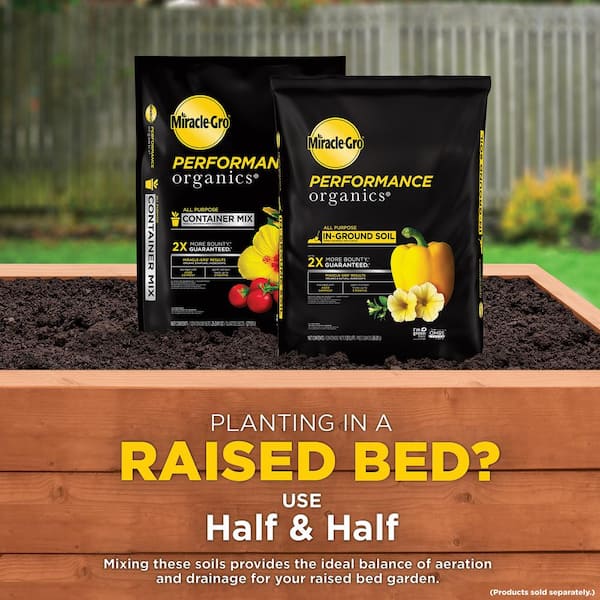
Best Soil for Container Gardening Vegetables: Lush Bounties Await!

Credit: http://www.homedepot.com

Common Challenges And Solutions In Container Garden Soils

Gardening with containers brings unique benefits, like maximizing limited space and controlling soil conditions. Yet, those who dive into this rewarding practice soon encounter distinct challenges that typical garden soil does not present. Understanding these challenges is paramount for a bountiful harvest. This section will delve into the obstacles gardeners face with container garden soils and provide actionable solutions.

Pest And Disease Management In Container Soils

While containers naturally limit the spread of pests and diseases, the confined soil environment can sometimes exacerbate these problems. Vigilance and early intervention are key to preventing infestations and infections. Here are steps to manage pests and diseases effectively:

  • Inspect new plants before introducing them to your container.
  • Utilize sterilized potting mix to avoid introducing pathogens.
  • Apply organic pesticides or insecticidal soap when early signs of pests are detected.
  • Avoid overwatering to prevent the growth of fungus and root rot.
  • Implement crop rotation even in containers to prevent disease build-up.

Managing Ph And Nutrient Imbalances

The restricted volume of soil in containers can lead to pH fluctuations and nutrient deficiencies. Maintaining a balanced environment ensures vegetables thrive:

  1. Monitor pH levels with a soil testing kit and adjust accordingly.
  2. Enrich the soil periodically with balanced, slow-release fertilizers.
  3. Incorporate compost to improve soil structure and nutrient content.
  4. Regularly refresh or replace the soil to counteract nutrient depletion.

Overcoming Space Limitations With Smart Soil Choices

Maximizing productivity in a limited space is essential in container gardening. Selecting the right soil mix can make a significant difference:

Soil Type Benefit
Peat-based Mixes Retain moisture well; good for thirsty plants.
Coir-based Mixes Sustainable and improve water retention.
Perlite or Vermiculite Enhanced Mixes Improve aeration and drainage.
Sand-enriched Mixes Beneficial for root vegetables requiring loose soil.
Custom Blends Tailored to plant-specific needs; can mix in nutrients and pH stabilizers.

Smart soil choices tailored to the needs of your plants and the constraints of container gardening are crucial. Take into account not only the plants’ requirements but also the weight and density of the soil, which can impact the portability of your containers.

Resources And Tips From The Pros

Gardening aficionados rejoice, for the quest for lush, thriving vegetables in your container garden just got easier. Tap into the wisdom of experts and harness the collective knowledge from seasoned green thumbs with this curated guide on the best soil for container gardening vegetables. Let’s dive into resources and tips from seasoned professionals to elevate your gardening game to the next level.

Expert Recommendations For Container Gardening

Choosing the right soil is critical for the success of your container vegetables. Professionals often suggest a mix of peat moss, perlite, and compost to provide a light, nutrient-rich medium ideal for root growth. Here are some top tips from seasoned gardeners:

  • Drainage: Ensure your mix allows for adequate water flow.
  • Water Retention: Balancing moisture is key—materials like coconut coir help retain the right amount.
  • Nutrient Content: Opt for soil with a healthy mix of essential nutrients or enhance your soil using organic fertilizers.

Video Tutorials And Online Communities

Gaining insights from online tutorials can make all the difference. Platforms like YouTube host a plethora of expert guides, covering topics from soil selection to plant maintenance. Communities on Reddit and gardening forums also offer a space to exchange tips with fellow enthusiasts. Popular channels such as The Rusted Garden deliver comprehensive advice and practical demonstrations for container gardening.

Product Reviews: Finding The Best Soil On The Market

With myriad products available, pinpointing the best soil for your container garden can be overwhelming. Checking product reviews is invaluable. Organic options like FoxFarm Ocean Forest Potting Soil come highly recommended for their balanced nutrient mix and excellent structure for root growth. Cross-reference reviews on gardening blogs and e-commerce sites to make an informed choice tailored to your veggies’ needs.

Product Price Volume User Rating
FoxFarm Ocean Forest Potting Soil $23.99 12 qt 4.7/5
Miracle-Gro Performance Organics Container Mix $6.98 6 qt 4.5/5
Kellogg Garden Organics All Natural $8.97 1 cu ft 4.6/5


Conclusion: Ensuring A Lush Bounty From Your Container Garden

Ensuring a lush bounty from your container garden isn’t just a matter of planting seeds and waiting for them to grow; it’s a culmination of choosing the right soil, understanding the plants’ needs, and adapting your strategies to meet the challenges of container gardening. As we wrap up our discussion on the best soil for container gardening vegetables, let’s recap the essential takeaways, emphasize the importance of ongoing learning, and encourage the spirit of experimentation that can lead to your most successful vegetable harvests yet.

Key Takeaways For Optimal Soil Selection

  • Drainage and Aeration: Opt for soil that provides excellent drainage and aeration, key factors in preventing root rot and creating an ideal environment for vegetable growth.
  • Nutrient-Rich Composition: Ensure your soil is rich in organic matter—it’s the cornerstone of nutrient availability for your plants.
  • pH Balance: Monitor and maintain an appropriate pH level suited to your specific vegetables, to enhance nutrient uptake.
  • Mulching: Incorporate mulch to retain moisture, regulate soil temperature, and minimize weed growth.

Continual Learning For Container Garden Mastery

The pursuit of a thriving container garden is a journey of ongoing education. Stay updated with the latest gardening methods, be proactive about understanding your plants’ evolving needs, and take advantage of resources like gardening blogs, online forums, and local workshops. This continual learning will empower you to make informed decisions about soil amendments and plant care, which are critical to achieving a bountiful harvest.

Embracing Experimentation In Your Vegetable Growing Journey

Finally, remember that every garden is unique. Conditions such as sunlight, temperature, and humidity can vary dramatically, influencing how plants interact with their soil medium. There’s no one-size-fits-all approach to container gardening. So, embrace experimentation. Try different soil mixtures, assess their impact on your plants, and don’t be afraid to tweak your approach. Learning from successes and setbacks transforms a gardener from novice to expert, and it’s this process that can make container gardening incredibly rewarding.

Frequently Asked Questions For Best Soil For Container Gardening Vegetables

What Is The Best Soil Mix For Container Vegetable Garden?

The best soil mix for a container vegetable garden is a well-draining mix with equal parts potting soil, compost, and perlite or vermiculite.

What Type Of Soil Is Best For Vegetable Garden?

Loamy soil is ideal for vegetable gardens due to its balanced texture and good drainage, fostering healthy plant growth.

What Is The Best Potting Soil For Container Plants?

The best potting soil for container plants is a well-draining mix containing peat moss, pine bark, and perlite or vermiculite.

What Is The Best Material For Growing Vegetables In Pots?

The best material for growing vegetables in pots is a high-quality potting mix designed for container gardening.

Conclusion

Choosing the right soil is crucial for a flourishing container vegetable garden. Opt for quality, nutrient-rich mixes that retain moisture without becoming waterlogged. Remember, the best soil tends to be a mix of peat, pine bark, and perlite or vermiculite.

Amend it as needed to suit the veggies you’re growing. With the perfect soil selection, your container vegetables will thrive, yielding a bountiful and healthy harvest right from your patio or balcony. Happy gardening!

(To learn about Balcony Vegetable Gardening : https://bonsainurserybd.com/balcony-gardening-vegetables/)
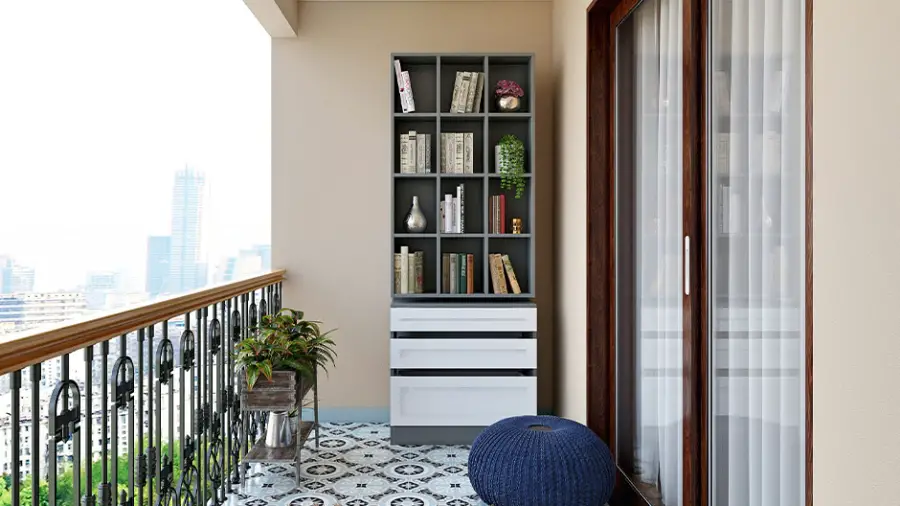
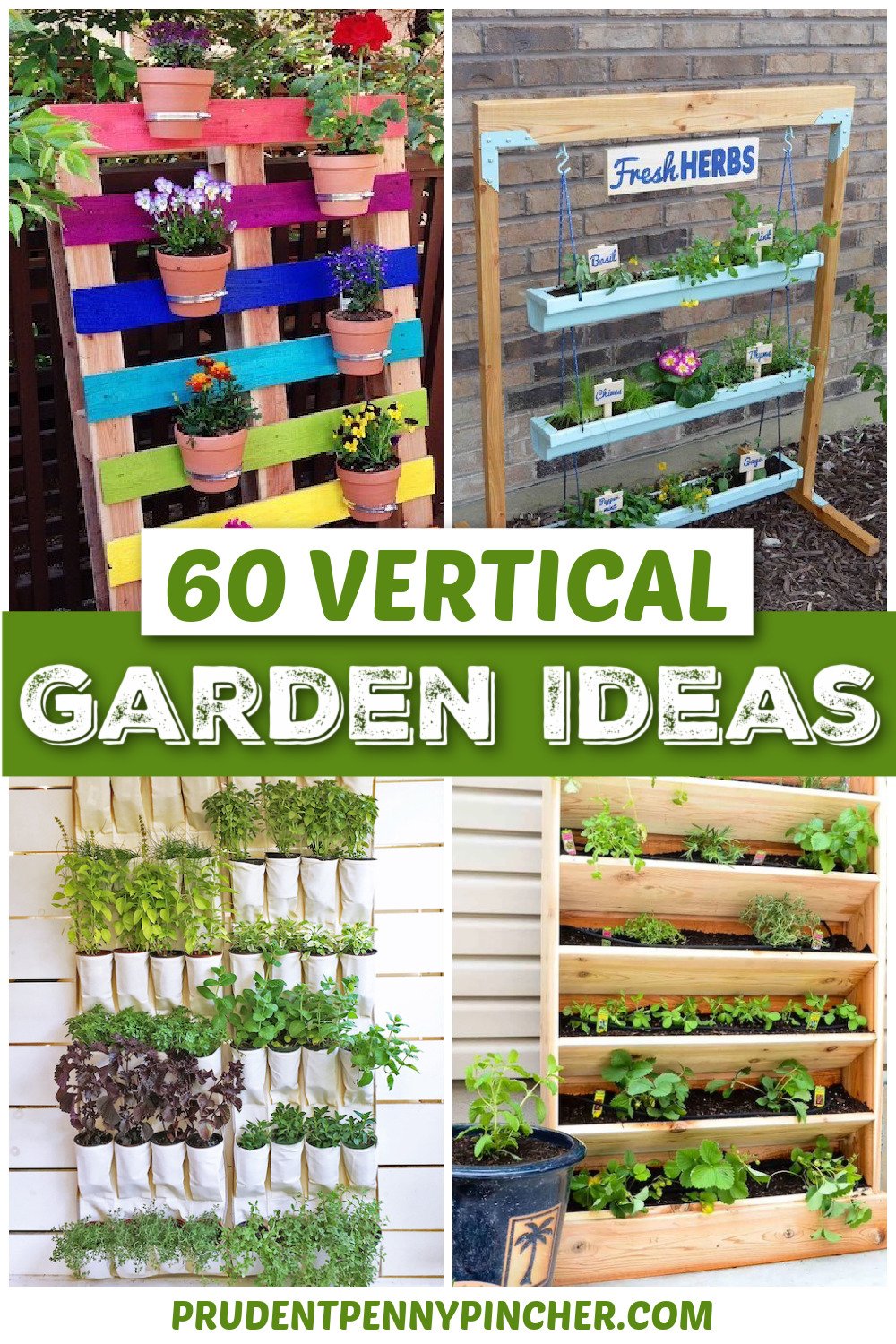
Balcony Gardening Tools

Balcony Gardening Tools: Maximize Your Green Space!

Essential balcony gardening tools include hand trowels, pruning shears, watering cans, and gloves. These tools facilitate plant care in limited spaces such as balconies.

Balcony gardening in urban areas like Austin, Texas, is gaining popularity among residents seeking to add greenery to their living spaces. A few square feet of outdoor space can be transformed into a lush oasis with the right tools and some creativity.

High-quality balcony gardening tools not only make the process of planting and maintaining your garden more efficient, but they also ensure the longevity and health of your plants. Whether you’re a seasoned gardener downsizing to a balcony space or a beginner looking to start your gardening journey, having these tools at hand is the first step towards creating your urban green haven.

Introduction To Balcony Gardening

Balcony gardening brings the verdant beauty of nature to urban dwellings. With limited space becoming the norm in bustling cities, innovative green enthusiasts are transforming their balconies into lush escapes. This introductory guide will explore why these gardens capture our imaginations and explain the benefits they offer to urban gardeners.

Understanding The Appeal Of Balcony Gardens

The allure of balcony gardens is undeniable. As a sanctuary above the city, your balcony can be a personal retreat where greenery thrives, and stress dissipates. Ideal for modern lifestyles, these miniature landscapes provide a unique opportunity to engage with nature despite living in a concrete jungle.

Benefits Of Cultivating Your Own Small Green Space

  • Enhanced Well-being: Surrounding yourself with plants can boost your mood and improve air quality.
  • Educational: Gardening teaches patience, care, and the cycle of life, no matter the age of the gardener.
  • Food Source: Grow your own herbs, vegetables, or fruits; a rewarding and organic option for your kitchen.
  • Eco-friendly: Contributing to the ecosystem, balcony gardens help reduce your carbon footprint.

Essential Considerations Before Starting A Balcony Garden

  1. Space Assessment: Determine the size and weight capacity of your balcony to select appropriate plants and tools.
  2. Sunlight Exposure: Understand the sunlight your balcony receives to pick suitable plants for your environment.
  3. Climate: Choose plants that can thrive in your city’s weather conditions.
  4. Local Restrictions: Be aware of any building regulations or policies that could affect your gardening plans.
Balcony Gardening Tools: Maximize Your Green Space!

Credit: http://www.prudentpennypincher.com

Must-have Tools For Balcony Gardeners

Transforming a balcony into a lush green sanctuary requires not just dedication and passion but also the right set of tools. A successful balcony garden hinges on efficiency, especially when it comes to space constraints. With the essential tools in hand, even the smallest of spaces can yield an abundant harvest and a blooming oasis. Let’s delve into the quintessential toolkit every balcony gardener should possess.

The Ultimate Tool Checklist For Balcony Garden Success

    1. Trowel: For planting and moving soil.
    2. Pruning Shears: Essential for trimming and shaping plants.
    3. Watering Can with Long Spout: Offers precision in watering with minimal spillage.
    4. Gloves: To protect hands from thorns and soil-borne bacteria.
    5. Hand Rake: Helps in aerating the soil and removing debris.

Additional tool items can be included as needed

Now that you have your basic list, let’s focus on ergonomic and space-conscious options that are perfect for a balcony setting.

Ergonomic And Space-saving Tool Recommendations

  • Foldable Seats/Cushions: Save space while providing comfort during gardening tasks.
  • Collapsible Watering Cans: They flatten for easy storage when not in use.
  • Stackable Pots: Optimize vertical space for more greenery without crowding the balcony.
  • Multi-tool Sets: Look for tools that can serve multiple functions to reduce clutter.

With comfort and practicality addressed, look into the specialized tools designed for container and small-space gardening.

Specialized Tools For Container And Small-space Gardening

Tool Use
Soil Test Kits Measure soil pH, moisture, and nutrients to manage plant health in containers.
Drip Irrigation Kits Ensure consistent watering for your plants, especially vital in confined growing areas.
Hand-held Mini Cultivator Makes tilling in small containers easier and prevents root damage to neighboring plants.
Telescopic Pruners Allow you to reach farther and cut with precision without the need for bulky tools.

Armed with these essential tools, balcony gardeners are well-equipped to nurture a thriving green space that brings both bounty and beauty to urban living.


Maximizing Your Balcony Garden

Maximizing Your Balcony Garden starts with the right approach and essential tools. A balcony garden can be a lush and vibrant oasis, even with limited space. With thoughtful planning and appropriate techniques, it’s possible to transform your balcony into a productive green space filled with flowers, herbs, and even vegetables. Knowing how to leverage every inch of available space and choosing the correct species that thrive in your environment can change the game. Let’s take a deep dive into creating a bountiful garden on your balcony.

Space Optimization Techniques For Balcony Gardens

Space can be a premium on balconies, but with creative space optimization techniques, you can maximize your gardening potential. Utilize vertical spaces by installing hanging planters, tiered shelves, or trellises. A practical approach involves using stackable containers or railing planters that don’t consume valuable floor area. Modular furniture with built-in planting areas can serve double duty, providing both seating and space for greenery. Integrating a fold-down table or adjustable shelving offers flexibility and utility while adapting to your balcony’s specific dimensions.

Selecting Plants And Vegetables Suitable For Balconies

  • Choose dwarf or compact plant varieties that require less room to grow.
  • Opt for plants that can tolerate your balcony’s microclimate, considering temperature, wind, and exposure.
  • Incorporate a mix of perennial and annual plants for year-round interest.
  • Research container-friendly vegetables like cherry tomatoes, radishes, and lettuce.

Selecting the right plants and vegetables is not only about beautifying the space but also about ensuring their survival and success. Opt for species known for their adaptability and those that can flourish in confined spaces. Consider the weight of the soil and containers to make sure they are appropriate for your balcony’s load capacity.

A Guide To Proper Soil And Container Usage

Choosing the right soil and containers is paramount for balcony gardening. Ensure good drainage by picking pots with holes at the bottom or by adding a layer of pebbles before the soil layer. The soil should be a well-draining mix, appropriate for container gardening, to prevent waterlogging. Lightweight pots are ideal for balconies to reduce structural stress. Containers should suit the size and growth habit of the plant, with enough room for roots to expand.

Water Management And Drainage Basics

Efficient water management is essential to prevent overwatering and under-watering. Use a watering can with a long spout for precision and ease. Consider self-watering containers with reservoirs, which can be a boon for busy gardeners needing a more manageable watering schedule. Additionally, ensure that your containers have proper drainage to prevent root rot. A moisture meter can be a useful tool for checking soil humidity before watering.

The Role Of Sunlight And Microclimate Considerations

Your balcony’s exposure to sunlight will significantly influence the types of plants you can cultivate. Make no mistake: understanding the microclimate is critical. Assess the amount of direct sunlight your balcony receives daily and choose plants accordingly. Use reflective surfaces to increase light in shadier areas if needed. Additionally, take into account factors like wind, precipitation, and temperature fluctuations typical for your area, and plan your garden features to protect your plants from adverse weather.

Balcony Gardening Tools: Maximize Your Green Space!

Credit: http://www.extraspace.com

Decorative Touches And Practical Additions

Transforming a balcony into a flourishing garden brings together the beauty of nature with the comfort of home, but striking that harmonious blend of aesthetic appeal and functionality doesn’t happen by chance. This segues perfectly into the strategic selection of decorative touches and practical additions for your balcony garden. From innovative gadgets that maximize space to handcrafted ornaments that express personality, we’ll uncover the essential tools to elevate both the utility and allure of your pint-sized paradise.

Functional Décor: Balancing Aesthetics With Utility

Functional décor breathes life into a balcony garden, marrying form with function to create an enchanting, yet effective, space. Consider these elements:

  • Plant stands that stack vertically allow for more greenery without cluttering the floor.
  • Potted plants with built-in LED lights not only illuminate your space but also promote plant growth.
  • Decorative watering cans that serve as both a tool and a focal piece when not in use.
  • Customizable trellises and supports that are as aesthetically pleasing as they are essential for climbing plants.

Innovative Balcony Garden Accessories To Enhance Your Green Space

Seeking gadgets that amplify the charm and productivity of your balcony? Look no further:

  • Self-watering planters keep your plants hydrated with minimal upkeep.
  • Weather-resistant garden art complements the plants while withstanding the elements.
  • Compact compost bins turn kitchen scraps into nutrient-rich plant food.
  • A digital pH meter ensures your soil is perfectly balanced for your balcony botanicals.

Diy Upgrades And Homemade Tool Ideas For The Budget-conscious Gardener

Embarking on a DIY journey equips gardeners with custom tools without breaking the bank. Try these simple yet effective projects:

  • Transform old bottles into drip irrigation systems for consistent soil moisture.
  • Create hanging baskets from woven materials for a rustic touch.
  • Repurpose wooden pallets into planters or display shelves, saving space and money.
  • Use colorful twine to secure plants to supports, adding a bright pop to the greenery.

Maintaining And Expanding Your Balcony Garden

A blossoming balcony garden is a source of pride and joy. But like any garden, it requires attention and the right tools to thrive. Whether you’ve created a vibrant space brimming with potted plants, herbs, and flowers, or you’re just starting out, mastering the art of balcony gardening is an ongoing journey. Below are essential tips and strategies for maintaining and expanding your green haven that dances in the sky.

Routine Care And Maintenance Tips For Healthy Plants

Maintaining the lushness of balcony greenery hinges on regular care:

  • Inspect plants weekly for signs of pests or diseases.
  • Ensure adequate watering based on each plant’s needs; consider investing in a watering schedule app or a self-watering system to simplify this task.
  • Prune and deadhead flowers as needed to encourage new growth.
  • Utilize high-quality soil and fertilizers to provide essential nutrients.

Seasonal Adjustments And Protecting Plants From Elements

The changing seasons require a responsive approach to plant care:

  1. During extreme temperatures, protect plants with covers or bring them indoors if portable.
  2. Prioritize shade or sunlight adjustments to match the plants’ requirements.
  3. Wind protection is crucial; secure your plants and use breakers if necessary.
  4. Adapt water levels and fertilization schedules according to seasonal needs.

Growth Strategies: When To Scale Up Your Balcony Garden

Expanding your garden should align with its current success and your capacity to maintain additional plants:

  • Consider scaling up when existing plants are healthy and stable.
  • Ensure you have the right tools and containers to support new additions.
  • Space planning is key; avoid overcrowding to prevent resource competition among your plants.
  • Opt for complementary plants that thrive in similar conditions for a seamless addition.


Appendix

The Appendix serves as a treasure trove of additional information and inspiration for your balcony gardening journey. This comprehensive section offers insights from around the globe, essential resources, and solutions to common gardening hurdles—all tailored for small-space cultivators looking to maximize their green thumbs.

Case Studies: Successful Balcony Gardens Around The World

Discover the secrets behind thriving gardens perched in urban spaces. These case studies highlight the innovative techniques and personal stories of balcony gardeners who have transformed their limited outdoor areas into lush sanctuaries. Be it a high-rise haven in Singapore, a blooming oasis in Barcelona, or a vegetable patch in Vancouver, each story is a testament to the potential of a small space.

Resource List For Balcony Gardening Enthusiasts

If you’re keen on cultivating your very own balcony garden, this comprehensive resource list is indispensable. It includes:

  • Books: Curated list of books brimming with ideas and advice.
  • Online courses: Links to expert-led tutorials to guide you every step of the way.
  • Local gardening clubs: Community groups that offer support and share wisdom.
  • Apps: Digital tools to monitor plant health and growth.

Troubleshooting Common Balcony Garden Issues

Got a problem with your balcony garden? This vital section is stocked with practical advice to tackle challenges that may arise. From pest invasions to poor soil quality, discover actionable strategies to keep your urban greenery in top condition.

  • Pest control: Safe and effective methods to manage unwanted visitors.
  • Weather protection: Solutions to shield your plants from extreme conditions.
  • Space optimization: Innovative ways to use every inch of your balcony.
  • Watering systems: Various techniques to maintain adequate hydration for your plants.

Balcony Gardening Tools: Maximize Your Green Space!

Credit: http://www.amazon.com

Frequently Asked Questions For Balcony Gardening Tools

How Do I Maximize My Balcony Garden?

To maximize your balcony garden, choose space-saving vertical planters. Select plants suited for your climate and sunlight exposure. Utilize high-quality soil and regular fertilizer to boost growth. Implement a consistent watering routine. Lastly, optimize your layout for accessibility and aesthetics.

How Do I Make My Balcony Like A Garden?

To turn your balcony into a garden, start by selecting suitable planters and soil mix. Choose a variety of plants that grow well in your climate. Incorporate a watering system and ensure adequate sunlight exposure. Utilize vertical space with hanging pots or shelves.

Add personal touches with decorations and seating.

What Do You Put In A Balcony Planter?

In a balcony planter, include a mix of flowering plants, herbs, small vegetables, and trailing plants for visual interest and utility. Use potting soil and ensure proper drainage.

How Do I Keep Plants On My Balcony?

Choose planters with drainage holes to prevent waterlogging. Select appropriate plants for your balcony’s sun exposure. Water regularly but avoid overwatering. Fertilize plants based on their specific needs. Secure planters against strong winds.

Conclusion

Embracing the essence of urban greenery starts right on your balcony. With the right gardening tools, your small outdoor space transforms into a vibrant oasis. Your toolkit, from ergonomic trowels to pruning shears, is your ticket to a thriving garden high above the streets.

Happy planting, and watch as your balcony becomes a sanctuary for both you and nature’s beauty!

(To learn about Balcony Vegetable Gardening : https://bonsainurserybd.com/balcony-gardening-vegetables/)
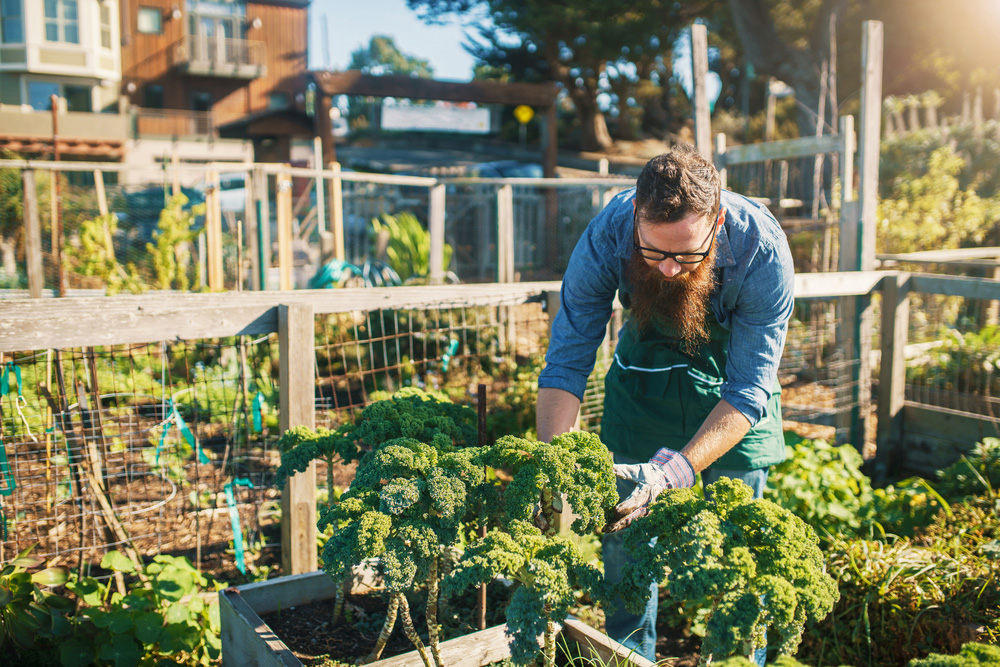
Beginners Guide to Gardening Vegetables

Beginners Guide to Gardening Vegetables: Easy Harvest Tips

Starting a vegetable garden requires simple steps: choose a location and prepare the soil. A sustainable and enjoyable vegetable garden begins with choosing the right crops and proper planning.

Embarking on a vegetable gardening journey can transform your outdoor space into a thriving source of fresh produce. As a beginner, a manageable garden size is key; a 10′ x 10′ plot is ample space to start. Begin with vegetables that are less demanding and known to be beginner-friendly, such as lettuce, tomatoes, carrots, and beans.

Gardening vegetables, focus on creating rich, fertile soil as this is the foundation for healthy plants. Remember that good sunlight, regular watering, and vigilance against pests are indispensable for your garden’s success. With the right approach, your first venture into gardening can yield rewarding results and ignite a lifelong passion for home-grown food. The joy found in harvesting your own vegetables is unmatched, providing not only sustenance for the table but also a sense of accomplishment.

Beginners Guide to Gardening Vegetables: Easy Harvest Tips

Credit: http://www.nikkisplate.com

Choosing The Perfect Spot For Your Vegetable Garden

Welcome to your journey into the world of vegetable gardening! As a beginner, one of the most crucial steps in establishing your garden is Choosing the Perfect Spot for Your Vegetable Garden. This decision sets the stage for the bountiful harvests to come. Factors like sunlight, soil quality, and space can dramatically affect your garden’s productivity. Let’s explore these elements to ensure your veggies thrive!

Evaluating Sunlight And Shade Requirements

Vegetables crave sunlight to flourish, and discerning the balance between light and shade is vital. Most vegetables prosper in at least 6 to 8 hours of direct sunlight per day. Take time to observe the potential spots in your yard throughout the day. Note where the sun graces the earth and where shadows linger. Short on sun? Leafy greens and root vegetables can tolerate more shade but even they need some sunshine to produce.

Understanding Soil Quality And Drainage

Soil quality is the foundation of your garden’s health. Rich, nutrient-dense soil bolsters growth and yields. Test your soil to determine its type — sandy, clay, or loamy — as each has distinct properties and nutrient profiles. Drainage is another cornerstone; excess water can drown roots, causing plants to rot. Conduct a simple percolation test by digging a hole, filling it with water, and watching how quickly it drains. Amend poor-draining soils with organic matter to improve texture and nutrient content.

Selecting The Right Size For Your Garden Space

When it comes to garden size, bigger isn’t always better. Start modestly to avoid feeling overwhelmed. A 10×10 feet space is ample for a variety of crops without being unmanageable. Align beds north to south to maximize sun exposure, and leave pathways to access your plants easily. Remember, your garden should complement your lifestyle, fitting into your available time and energy.

Preparing For A Successful Vegetable Harvest

Welcome to the world of vegetable gardening! Embarking on this journey promises not only a bounty of homegrown produce but also the satisfaction that comes with nurturing life from the soil. Before you ‘reap what you sow’, let’s delve into the key steps to secure a successful veggie harvest. Roll up your sleeves, and let’s transform that patch of ground into a verdant treasury of fresh vegetables!

Building And Filling Raised Garden Beds

Raised garden beds offer excellent drainage, pest resistance, and are easier on your back. Build your garden bed with non-toxic materials such as cedar or redwood for longevity. Then, fill them with a mixture of:

  • Topsoil – the foundation of your garden bed.
  • Compost – to add vital organic matter and nutrients.
  • Coarse sand – for improved drainage.

Amending Soil For Optimal Plant Health

To ensure your vegetables thrive, soil amendment is crucial. Provide a balanced mix of N-P-K (nitrogen, phosphorus, potassium) along with micronutrients for optimal plant health. Test your soil and consider adding:

  • Organic fertilizer – to feed your plants.
  • Lime or sulfur – to adjust pH levels, if necessary.
  • Compost – to continually enrich the soil.

Planting Schedules: Timing Your Vegetable Growth

Understanding planting schedules is fundamental to harvest success. Vegetables have specific growing seasons, and timing your planting ensures a fruitful yield. Consider the following:

Vegetable Planting Season Harvest Time
Tomatoes Spring Late Summer
Carrots Early Spring Summer
Lettuce Spring & Fall Late Spring & Early Fall

Choosing Beginner-friendly Vegetables To Grow

Begin with vegetables that are easy to grow and less prone to disease. Your starter list includes:

  1. Salad Greens – such as lettuce and spinach, which offer quick results.
  2. Radishes – a fast-growing crop that’s gratifying for novice gardeners.
  3. Bush Beans – they don’t need staking and produce bountifully.

Creating An Efficient Watering System

Regular and even watering is essential for a thriving vegetable garden. Invest in a drip irrigation system for water efficiency and to minimize disease. Automate with a timer to ensure consistent watering, especially in the warmer months.

Maintenance And Harvesting Tips

Gardening can be an incredibly rewarding hobby, but like any fruitful venture, it requires attention and care. Once your vegetable garden is planted, the real work begins. Keeping your garden thriving involves routine maintenance and knowing the right time to harvest. Let’s explore how to keep your garden in top shape and make the most of your bountiful harvest.

Daily And Weekly Garden Maintenance Checklists

Maintain your garden’s health with these simple checklists:

Daily:

  • Monitor plants for signs of stress.
  • Check soil moisture and water as needed, preferably in the morning.
  • Inspect for pests and diseases.

Weekly:

  • Weed to prevent competition for nutrients and water.
  • Prune or pinch off dead or yellowing leaves.
  • Tie up plants that may be too heavy with produce, like tomatoes, to prevent breakage.
  • Fertilize as needed, following the feed schedule for each vegetable type.

Controlling Pests And Diseases Naturally

Using natural methods to tackle pests and diseases not only keeps your vegetables safe for consumption but also protects the environment. Consider implementing these strategies:

  1. Encourage beneficial insects, such as ladybugs and lacewings, which consume harmful pests.
  2. Apply neem oil or make a homemade garlic or chili pepper spray to deter pests.
  3. Practice crop rotation to prevent soil-borne diseases from taking hold.
  4. Keep your garden clean by removing any diseased or infested plants promptly.
  5. Use barriers like row covers to protect plants from insects and wildlife.

Harvesting Your Vegetables For Peak Freshness

Picking your vegetables at the right time is key to flavor and nutrition. Follow these tips to harvest at peak freshness:

  • Harvest in the morning when the plants are most hydrated.
  • Understand the signs of ripeness for each vegetable, such as color change or a characteristic size.
  • Use the right tools, like pruners or a sharp knife, to avoid damaging the plant or fruit.
  • Store properly to maintain freshness. Most vegetables keep best in a cool, humid environment.

Succession Planting And Crop Rotation Strategies

Maximize your garden’s productivity and minimize pest and disease issues with these approaches:

Succession Planting: Stagger your plantings by seeding new crops every few weeks. This ensures a continual harvest and optimizes space and resources.

Crop Rotation: Avoid planting the same family of vegetables in the same location year after year. Crop rotation helps to reduce the buildup of pests and diseases and promotes a healthy soil structure and nutrient balance.

Implementing a planned approach with these maintenance and harvesting tips puts you on the path to a thriving and productive vegetable garden. Enthusiasm, paired with knowledge, makes gardening not just a hobby but a sustainable lifestyle choice.

Beginners Guide to Gardening Vegetables: Easy Harvest Tips

Credit: http://www.almanac.com

Beginners Guide to Gardening Vegetables: Easy Harvest Tips

Credit: http://www.superseeds.com

Frequently Asked Questions For Beginners Guide To Gardening Vegetables

How Do You Start A Vegetable Garden For Beginners?

Choose a sunny spot for your garden and ensure the soil is well-drained. Start small to manage it easily. Select vegetables you enjoy eating for a rewarding harvest. Prepare the soil with organic matter. Water consistently and watch for pests.

What Vegetables Should I Grow As A Beginner?

Beginner-friendly vegetables to grow include lettuce, radishes, tomatoes, bell peppers, and green beans. These plants are easy to care for and yield quickly.

What Order Should I Plant My Vegetable Garden?

Arrange tall vegetables at the back, mid-sized in the middle, and smaller plants in front.

What Is A Good Size Vegetable Garden For A Beginner?

A good starter vegetable garden size is 10 feet by 10 feet.

Conclusion

Embracing the joy of vegetable gardening can ignite a passion for the earth’s natural processes. As our guide has outlined, each step is crucial—from selecting the right location to understanding the needs of various vegetables. Remember, patience and learning fuel success.

Your journey to a thriving garden begins with a seed of curiosity, sown today into the soil of dedication. Happy gardening, and may your vegetable patch flourish abundantly!

(To learn about Balcony Vegetables Gardening : https://bonsainurserybd.com/balcony-gardening-vegetables/)

Best Gardening Vegetables

Best Gardening Vegetables: Top Picks for Your Patch!

The best vegetables to grow in a garden include tomatoes, lettuce, carrots, and green beans. These choices are popular due to their simplicity and adaptability to various climates, including Austin, Texas.

Embarking on a gardening journey can be both rewarding and sustainable, especially when incorporating the top vegetables for home cultivation. Imagine the convenience of picking fresh produce from your backyard! Growing your own vegetables not only offers health benefits but also reduces grocery bills.

Tomatoes, with their variety and ease of growth, consistently rank as garden favorites. Leafy greens like lettuce provide quick harvests and are perfect for continuous sowing. Root vegetables such as carrots are low-maintenance and offer substantial yields. Lastly, green beans are versatile, productive, and require minimal space, making them ideal for gardeners with limited areas. Carefully chosen for their resilience and productivity, these vegetables are suited for beginners and experienced gardeners alike, ensuring a flourishing garden full of fresh, home-grown produce.

Best Gardening Vegetables: Top Picks for Your Patch!

Credit: http://www.creativevegetablegardener.com

Introduction To Vegetable Gardening

Gardening enthusiasts and eco-conscious foodies alike are embracing the joy of vegetable gardening. Transforming a patch of land into a flourishing garden provides a sense of achievement and an opportunity to control the quality and variety of the vegetables you consume. Whether you’re keen on reducing your carbon footprint or simply yearning for the taste of home-grown tomatoes, starting a vegetable garden is a step towards a healthier lifestyle. This segment will delve into the fundamentals of vegetable gardening – preparing the groundwork for a verdant and productive space.

  • Freshness and Flavor: Home-grown veggies are unmatched in their freshness and taste.
  • Healthier Choices: Cultivating your garden encourages a more nutritious diet, free from harmful pesticides.
  • Economic Savings: Save on grocery bills by growing vegetables that can often be costly to purchase.
  • Eco-Friendly: Reduce your environmental impact by cutting down on food miles and packaging.
  • Exercise and Wellbeing: Gardening is a rewarding hobby that promotes physical activity and mental health.
  • Educational Experience: Learn more about where your food comes from and how it grows.
  • Customization and Variety: Grow unique and heirloom varieties not commonly found in stores.

Selecting the right location and preparing your soil are pivotal steps in embarking on your vegetable gardening journey. Here’s a straightforward checklist to ensure you’re on track:

  1. Assess the amount of sunlight your garden area receives daily.
  2. Choose a spot with good drainage and access to water.
  3. Test the soil pH and nutrient levels and amend accordingly.
  4. Decide on the size of your garden based on time and resources.
  5. Consider the types of vegetables that thrive in your regional climate.
  6. Plan for crop rotation and companion planting to promote a healthy garden.
  7. Prepare your soil by tilling and adding organic matter.
  8. Start with easy-to-grow vegetables if you’re a beginner.
  9. Equip yourself with the necessary tools and knowledge.


Best Vegetables To Grow For Beginners

Embarking on your first gardening adventure can be both exciting and daunting. Choosing the right vegetables for a bountiful harvest can make all the difference. This section will guide beginners through the must-have vegetables that are not just easy to grow but are also nutrient-rich and versatile, ensuring a rewarding gardening experience.

Lettuce: The Leafy Staple

Lettuce is a fast-growing crop making it an ideal choice for those eager to see quick results. This leafy green can be harvested repeatedly and grows well in both cool and warm weather. Here’s how to start:

  • Sow seeds directly into the soil or start in containers.
  • Keep the soil moist but not water-logged.
  • Harvest leaves as needed, encouraging new growth.

Tomatoes: Versatile And Popular

Tomatoes are a staple in many kitchens, and nothing compares to homegrown flavors. This versatile plant thrives in full sunlight and regular watering. To get started:

  1. Choose a sunny spot for planting.
  2. Use stakes or cages to support the growing plant.
  3. Water consistently at the base to avoid leaf diseases.

Carrots: Rooted In Simplicity

For gardeners looking for a low-maintenance vegetable, carrots are perfect. They grow best in loose, sandy soil that allows for straight growth. Here are simple steps to grow carrots:

  • Sow seeds directly into the ground at a shallow depth.
  • Thin seedlings to prevent overcrowding.
  • Water evenly to maintain soil moisture.

Green Beans: The Climbing Crop

Green beans are both easy to grow and productive. They come in two varieties: bush and pole. Pole beans need climbing support, while bush beans spread out on the ground. To cultivate green beans:

  • Plant in well-draining soil after the threat of frost has passed.
  • Provide a trellis for pole varieties.
  • Harvest regularly to promote new pods to form.


Maximizing Small Spaces For Your Vegetable Garden

Limited outdoor space doesn’t mean you have to sacrifice your dream of a lush vegetable garden. In fact, with creative arrangements and the selection of the right crops, even the smallest of balconies, patios, or urban backyards can transform into a bountiful oasis. Explore how to combat space constraints and grow a thriving variety of vegetables right where you are.

Vertical Gardening With Pole Beans And Tomatoes

Take advantage of vertical real estate by growing plants that naturally reach for the sky. Pole beans and tomatoes are prime candidates for vertical gardening, requiring only a trellis or support system to climb. Utilizing these techniques not only saves space but also promotes air circulation and reduces the likelihood of disease.

  • Pole Beans: Install a sturdy trellis and watch your beans soar. Select a sunny spot and ensure your soil is rich in organic matter.
  • Tomatoes: Opt for indeterminate varieties that continue to grow throughout the season. Provide tomato cages or stakes for support.

Optimal Layouts For Square Foot Gardening

Square foot gardening is a boon for space-saving enthusiasts. The method encourages the division of the garden area into small square sections, making it easier to manage and minimizing wasted space.

  1. Plan Your Space: Create a grid of 1×1 foot squares on your growing area.
  2. Maximize Each Square: Plant vegetables based on their size at maturity to avoid overcrowding.

Container Gardening: Vegetables That Thrive In Pots

If in-ground planting isn’t an option, container gardening can be just as effective. Many vegetables will thrive in pots, given the right conditions. Ensure adequate drainage and choose containers sizable enough to accommodate the root growth of your chosen vegetables.

Vegetable Container Size
Peppers 2-gallon
Salad Greens 1-gallon

Choosing Dwarf Or Bush Varieties For Compact Areas

When space is at a premium, choosing dwarf or bush plant varieties can make a significant difference. These plants occupy less space while still providing an ample harvest. They are perfect for small garden plots or raised beds, ensuring you get the most out of your precious garden space.

  • Dwarf Peas
  • Bush Beans
  • Dwarf Tomatoes


Best Gardening Vegetables: Top Picks for Your Patch!

Credit: http://www.thisoldhouse.com

Seasonal And Continuous Harvests

Gardening enthusiasts often strive for both variety and continuous bounty in their vegetable plots. Understanding the rhythm of seasonal and continuous harvests can transform your gardening experience. Seasonal veggies provide abundant yields at specific times, while continuous harvests allow you to enjoy fresh produce throughout the growing season. Here’s how to cultivate a garden that offers the best of both worlds.

Fast-growing Picks: Radishes And Lettuce

Fast-growing vegetables like radishes and lettuce are perfect for those looking for a quick yield. Radishes can be ready to harvest in as little as four weeks, while lettuce leaves can be snipped for salads within a month as well. Let’s break down why these two are powerhouses in the fast-growing category:

  • Radishes are easy to cultivate, grow well in cooler temperatures, and can be interplanted among slower-growing veggies to maximize space.
  • Lettuce, with its shallow roots, is ideal for containers and small spaces, and its multiple variants ensure a diverse and tasty harvest.

Succession Planting For Constant Supply

Succession planting is an effective technique for keeping your vegetable garden productive. By planting new seeds at regular intervals, you ensure a continuous supply of fresh produce. Here’s an easy strategy:

Start by planting a batch of seeds, such as carrots or beets, and follow up with another planting a few weeks later. By repeating this process throughout the growing season, you’ll have a steady stream of vegetables maturing at different times.

Fall Vegetables: Planning For The Cooler Months

As summer wanes, it’s time to turn your attention to fall vegetables. Hardy options like kale, brussel sprouts, and collards can sustain lower temperatures. These crops often develop better flavor after a frost, making them perfect for autumn harvesting. A well-planned fall garden allows you to extend your gardening season and enjoy the fruits of your labor well into the cooler months.

Fall Vegetable Sowing Time Harvest Time
Kale Mid-summer Late fall
Brussel Sprouts Early summer After first frost


Advanced Vegetable Gardening

Taking your gardening game to the next level, Advanced Vegetable Gardening unlocks a new realm of diversity and productivity for your backyard plot. From the rich tapestry of heirloom varieties that have been passed down through generations to the modern marvels of hybrid vegetables, embracing these options offers the adventurous gardener a chance to cultivate a truly unique and bountiful garden. Additionally, learning to incorporate perennials like asparagus and rhubarb not only adds to the visual appeal but also to the long-term sustainability of your vegetable garden.

Heirloom Varieties For Unique Gardens

Heirloom vegetables are like the family jewels of the garden, each with its own story and distinctive flavor. Planting heirlooms ensures genetic diversity and preserves the cultural heritage of gardening. Here are some standout heirloom varieties:

  • Brandywine Tomato: Renowned for its rich, full flavor, this tomato is a must-have in any heirloom garden.
  • Moon and Stars Watermelon: Aptly named for its celestial-patterned rind, it’s as delicious to eat as it is beautiful to behold.
  • Dragon Carrot: Add a splash of color with these purple-hued carrots, known for their spicy-sweet taste.

Hybrid Vegetables For Increased Yield

Disease resistance, greater productivity, and uniformity are just a few of the advantages that hybrid vegetables bring to the table. Hybrids are bred to enhance specific traits which can make your garden not only more bountiful but also easier to manage. Below are a few hybrids that could revolutionize your garden:

  1. Big Beef Tomato: Offers fantastic disease tolerance and an abundance of large, flavorful fruits.
  2. Better Boy Pepper: A vigorous plant known for its large and tasty bell peppers.
  3. Gold Rush Zucchini: A high-yielding summer squash with a delightful taste and texture.

Incorporating Perennial Vegetables Like Asparagus And Rhubarb

Perennial vegetables are the gifts that keep on giving, year after year. Unlike annuals, these hardy staples require planting only once, reducing garden labor and providing a consistent supply of produce. For example:

Vegetable Planting Tips Harvest Time
Asparagus Plant crowns in early spring in well-drained soil. Harvest spears in the second spring after planting.
Rhubarb For best results, plant rhizomes in early spring. Pick stalks once they reach 12 to 18 inches long.

Integrating perennials into your garden not only enhances productivity but also contributes to soil health and biodiversity.


Best Gardening Vegetables: Top Picks for Your Patch!

Credit: http://gardenerspath.com

Caring For Your Vegetable Patch

Cultivating a bountiful vegetable garden requires more than just planting seeds and waiting for a harvest. To ensure a plentiful supply of fresh and mouth-watering vegetables, gardeners must dive into the art of nurturing their patches. With proper care, your garden can thrive, producing vibrant veggies that not only grace your dinner table but also bring joy and a sense of accomplishment. Let’s explore some essential tips for maintaining a healthy and productive vegetable patch.

Watering And Feeding Your Plants

Consistent watering and timely feeding are crucial to the success of your vegetable garden. Vegetables need a steady supply of moisture to grow properly, which may mean watering daily during hot or dry spells. Employing a drip irrigation system or soaker hoses can provide deep watering that encourages robust root growth without wasting water.

Feeding your vegetables ensures they receive the nutrients necessary to develop. A balanced, organic fertilizer applied every few weeks can support healthy growth, but always follow package instructions regarding quantity and frequency to prevent over-feeding.

  • To conserve water, consider mulching around your plants to retain moisture.
  • Pay attention to the specific watering needs of each vegetable; some may require more or less.
  • Perform a soil test to determine nutrient needs and adjust your feeding schedule accordingly.

Managing Pests And Diseases Organically

Organic pest and disease management begins with prevention. Healthy, vigorous plants are less susceptible to issues. Encourage beneficial insects like ladybugs and lacewings that prey on common garden pests by planting flowers they love.

For specific problems, turn to organic solutions like neem oil, insecticidal soap, or DIY remedies such as garlic and chili sprays. Regularly check your plants for signs of trouble and act promptly to prevent spread.

Practice good hygiene by removing diseased foliage immediately and sterilizing gardening tools to avoid cross-contamination.

Companion Planting To Boost Health And Productivity

Companion planting is a time-tested method that enhances the health and yield of your vegetable patch. This practice involves grouping plants that offer mutual benefits, such as pest control or improved pollination.

Vegetable Good Companions Benefits
Tomatoes Basil, Marigold, Garlic Repels pests, improves flavor
Carrots Chives, Rosemary, Sage Deters carrot fly, enhance growth
Peppers Basil, Spinach, Parsley Increase vitality, attract beneficials

Consider diversity in your garden as a strategy to create a balanced ecosystem, which can reduce the likelihood of outbreaks. Plus, you might find your vegetables taste even better!

Harvesting And Enjoying Your Bounty

The moment has arrived. You’ve nurtured your garden with care, and now it’s time to reap the rewards. Harvesting your vegetables is just as crucial as the planting and growing stages. Let’s explore how to harvest your bounty at the pinnacle of freshness, store your vegetables to maximize longevity, and transform your harvest into creative and delicious meals.

Tips For Harvesting Vegetables At Peak Freshness

  • Learn the signs of maturity: Each vegetable has unique indicators such as color, size, and firmness that signal the perfect time for picking.
  • Use the right tools: Keep tools like pruning shears and garden knives clean and sharp to make clean cuts that won’t harm the plants.
  • Harvest in the morning: Vegetables are often the crispest and juiciest in the cool morning hours.
  • Handle with care: Be gentle to avoid bruising your vegetables, preserving their quality and shelf life.

Storing Your Harvest For Longevity

Preservation is key to ensuring your vegetables stay fresh and flavorful after harvesting. Here are several methods to extend the life of your homegrown produce:

Vegetable Storage Method Expected Shelf Life
Leafy Greens Refrigerate in a plastic bag with a paper towel 1-2 weeks
Root Vegetables Store in a cool, dark place Several months
Tomatoes Keep at room temperature away from sunlight 1 week

Creative Recipes To Savor Your Homegrown Vegetables

Get innovative in the kitchen by trying new recipes that highlight the flavors of your garden vegetables. Here are some recipe ideas to get you started:

  1. Stuffed Bell Peppers with quinoa, black beans, and corn for a hearty meal
  2. Fresh Cucumber Salad tossed with dill, yogurt, and lemon for a refreshing side
  3. Zucchini Noodles served with homemade tomato sauce for a light twist on pasta night

As you savor each bite, you’ll not only enjoy the fruits of your labor but also the connection to your food that only comes from growing it yourself.


Frequently Asked Questions On Best Gardening Vegetables

What Are The Best Vegetables To Grow In A Garden?

The best vegetables for garden growing include tomatoes, carrots, lettuce, green beans, peppers, cucumbers, and spinach.

What Are The 10 Easiest Vegetables To Grow?

The 10 easiest vegetables to grow include lettuce, radishes, carrots, peas, spinach, green beans, cucumbers, zucchini, cherry tomatoes, and bell peppers.

What Garden Vegetables Produce The Most?

Tomatoes, cucumbers, and leafy greens like lettuce and spinach often yield abundant harvests in home gardens.

What Is A Good Layout For A Vegetable Garden?

A good vegetable garden layout places tall plants at the back, mid-sized in the middle, with short or border plants at the front. Intersperse with pollinator attractors for a healthy, productive space.

Conclusion

Embracing the joy of gardening brings a bounty of benefits, and choosing the right vegetables makes all the difference. From the robust flavors of homegrown tomatoes to the crisp freshness of lettuce, each plant adds its unique charm to your table.

Remember to select varieties that thrive in your climate and to enjoy the process; your garden will reward you with a cornucopia of produce. Happy gardening and enjoy the fruits—or vegetables—of your labor!

(To learn about Vegetables & Fruits Container Gardening : https://bonsainurserybd.com/fruits-and-vegetables-for-container-gardening/

Fertilizer for Bougainvillea

Best Fertilizer for Bougainvillea: Bloom Boosting Secrets!

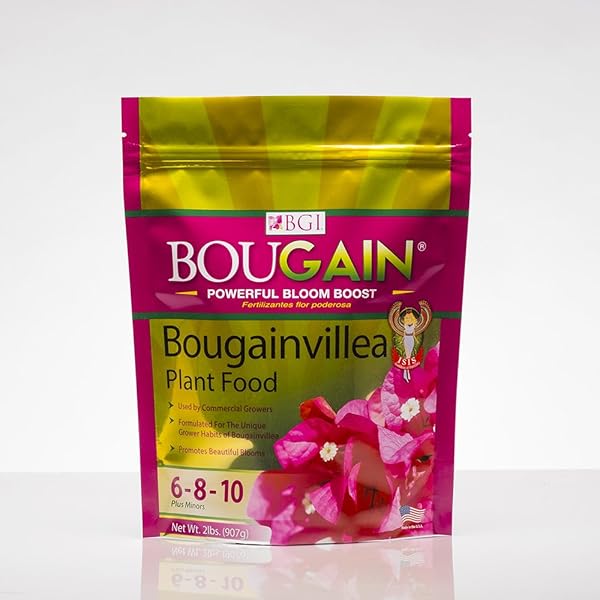
The best fertilizer for bougainvillea is a high-phosphorus, low-nitrogen formula. Granular, slow-release fertilizers with a balance like NPK 6-8-10 encourage vibrant blooms and healthy growth.

Bougainvillea, known for its lush foliage and vivid flowers, thrives when nourished correctly. Gardeners often seek the ideal fertilizer to enhance the plant’s bright bracts, commonly mistaken for flowers. To ensure a spectacular display of color, selecting a fertilizer that promotes flowering while maintaining plant health is key.

With the correct feeding regimen, these hardy plants can become the highlight of any outdoor space. The right fertilizer will support a bougainvillea’s growth requirements, ensuring it remains a showstopper throughout its blooming season.

Best Fertilizer for Bougainvillea: Bloom Boosting Secrets!

Credit: http://www.amazon.com

Introduction To Bougainvillea Care

Bougainvilleas, known for their breathtaking blooms and vigorous growth, are a staple in landscapes and gardens that thrive on warmth and sun. To achieve the full impact of their cascading, vibrant colors, understanding the care specifics of these hardy climbers is essential. Our guide to Bougainvillea care highlights not just their preference for sunny locations and well-draining soil, but also the intricacies of their nutritional needs, a factor as crucial as the very sunlight that fuels their display.

Understanding Bougainvillea Nutritional Needs

Achieving a profusion of flowers means more than simply planting and watering your Bougainvillea. These plants require a balanced diet rich in micro and macronutrients. Additionally, understanding their growth cycle is key to providing the right nutrients at the right time. Regular feedings with the correct fertilizer composition will promote vigorous growth and an explosion of blooms.

Importance Of Bloom Boosting For Vibrant Flowers

Bougainvillea’s most captivating feature is its colorful bracts that surround the actual small, delicate flowers. To encourage abundant and continuous flowering, incorporating a bloom booster into your feeding regimen can make all the difference. These bloom boosters are high in phosphorus, a nutrient that facilitates energy transfer within the plant, playing a pivotal role in flower formation and ensuring your Bougainvilleas maintain their stunning, showy display throughout their blooming season.

Overview Of Fertilizer Types And Their Effects On Bougainvillea

When it comes to nourishing your Bougainvillea, not all fertilizers are created equal. There are organic and synthetic options, each with benefits and considerations. Organic fertilizers, such as compost and manure, release nutrients slowly and improve soil health over time. Conversely, synthetic fertilizers provide an immediate supply of nutrients, showing quicker results. Further, specific Bougainvillea fertilizers are formulated to promote bloom over foliage, perfect for those seeking a garden full of color


Best Fertilizer for Bougainvillea: Bloom Boosting Secrets!

Credit: http://katosnursery.com

Selecting The Right Fertilizer

Bougainvillea’s vibrant blooms are a sight to behold, but achieving that explosion of color requires the right nutrition. Fertilizers are not one-size-fits-all, and for bright and abundant bougainvillea blossoms, understanding and selecting the best fertilizer is a must.

Chemical Vs. Organic Fertilizers For Bougainvillea

Chemical fertilizers are known for their quick-release properties, providing nutrients rapidly to support fast growth. However, they can be harsh on the environment and may lead to nutrient runoff. Organic fertilizers, on the other hand, release nutrients slowly, improve soil structure, and are environmentally friendly. Bougainvillea benefits from organic options, as they provide a steady supply of nutrients without the risk of chemical burn.

The Role Of Phosphorus In Bougainvillea Bloom Enhancement

Phosphorus plays a pivotal role in root development, plant maturation, and most importantly, flower production. A higher phosphorus level in fertilizer encourages lush bougainvillea flowering. When choosing a fertilizer, one with a higher middle number in the N-P-K ratio—which indicates the percentage of phosphorus—will promote the desired prolific bloom.

Why Low Nitrogen And High Phosphorus Fertilizers Are Preferred

While nitrogen is essential for plant growth, excessive nitrogen leads to leafy growth at the expense of flowers. For optimal bougainvillea blossoms, select a fertilizer with low nitrogen and high phosphorus content. This balance ensures the plant invests more energy in blooming rather than foliage production. Ideal fertilizers often have an N-P-K ratio resembling 6-8-10, complementing bougainvillea’s specific needs.

Commercial Bloom Boosters: Reviews And Recommendations

Finding a high-quality bloom booster can be the key to magnificent bougainvillea blooms. Here are top picks based on effectiveness and gardener reviews:

  • BGI Select – Specially formulated for bougainvillea, this blend has been praised for its consistent bloom enhancement.
  • Dr. Earth Flower Girl – An organic choice, preferred for its long-lasting impact and support of soil health.
  • Miracle-Gro Bloom Booster – A popular choice for gardeners looking for an easily accessible, immediate boost.

Each product has its merits, but personal garden conditions and preference will determine the ideal choice for your bougainvillea.

Application Tips And Best Practices

Application Tips and Best Practices for fertilizing bougainvillea are crucial to ensure your vibrant flowering plant receives the nutrients it needs without being overburdened. Proper fertilization will not only contribute to the lush foliage of your bougainvillea, but more importantly, it encourages a spectacular bloom display. Follow these guidelines to optimize the plant’s health and flower production.

How And When To Apply Fertilizer To Bougainvillea

Timing is everything when it comes to fertilizing bougainvillea. The best time to fertilize is in the spring as the growing season begins and then every 4 to 6 weeks until early autumn. Refrain from fertilizing in late fall and winter when the plant is not actively growing. Use a balanced, slow-release fertilizer with an equal ratio of nitrogen, phosphorus, and potassium (N-P-K) or a bloom booster formula with a higher phosphorus content to encourage flowering. Lightly scatter the recommended amount of granular fertilizer around the base of the plant, avoiding direct contact with the stem, and water thoroughly to help distribute nutrients.

Fertilizing Bougainvillea In Pots Vs. In-ground

Bougainvilleas in pots require a different fertilizing approach compared to those planted in the ground. Potted plants have limited soil resources and can benefit from more frequent, but lighter feedings with a liquid fertilizer to prevent nutrient build-up. Use half the strength recommended on the product label every two to three weeks during the active growth period. In-ground bougainvilleas have more extensive root systems and can be fertilized less frequently, which also minimizes the risk of run-off into groundwater.

Balancing Fertilization With Proper Watering Techniques

Successful fertilization of bougainvillea also requires adequate watering. Water helps integrate the fertilizer into the soil, making it accessible to the plant’s roots. However, over-watering can lead to root rot and diminished flowering. Ensure the soil is slightly moist before fertilizing and provide deep but infrequent watering to establish strong root growth. This balance of nutrition and hydration creates the ideal conditions for bougainvillea to thrive and bloom profusely.

Additional Tips For Encouraging Bougainvillea Blooms

  • Choose the right location: Plant bougainvillea in a full-sun area as it needs at least 6 hours of sunlight to produce ample blooms.
  • Avoid excess nitrogen: High nitrogen levels can lead to lush foliage at the expense of blooms. Opt for a lower-nitrogen fertilizer if you notice excessive green growth.
  • Prune strategically: Light pruning helps promote new growth where blooms are more likely to occur. Prune after a flush of blooms has started to fade.
  • Monitor pH levels: Bougainvilleas prefer slightly acidic soil. Use a soil test kit and if necessary, adjust the pH to between 5.5 and 6.0.
Best Fertilizer for Bougainvillea: Bloom Boosting Secrets!

Credit: http://www.amazon.com

Frequently Asked Questions Of Best Fertilizer For Bougainvillea

What Is Good Fertilizer For Bougainvillea?

A good fertilizer for bougainvillea is one with high phosphorus content, such as a balanced 10-10-10 or 20-20-20 formula, to promote vibrant blooms. Consider slow-release or bloom-boosting formulations.

Do Bougainvillea Like Miracle Grow?

Yes, bougainvillea plants can benefit from Miracle-Gro, a well-balanced fertilizer, to support their growth and flowering.

What Is The Best Bloom Booster For Bougainvillea?

The best bloom booster for bougainvillea is a high-phosphorus, low-nitrogen fertilizer.

Is 10-10-10 Good For Bougainvillea?

Yes, a balanced 10-10-10 fertilizer is suitable for bougainvillea to support overall plant health.

Conclusion

Choosing the right fertilizer is key to vibrant, flourishing bougainvillea. With the options we’ve discussed, thriving blooms are within reach. Remember to balance nutrients, aiming for high phosphorus and low nitrogen, and consider your bougainvillea’s specific needs. Optimal feeding, coupled with proper care, will ensure a stunning display of color in your garden.

Happy gardening, and watch your bougainvillea burst into life!

(To know more about Bougainvillea Care Tips : https://bonsainurserybd.com/bougainvillea-plant-how-to-care-for-your-bougainvillea-plant-tips-and-tricks/)

Soil-for-Bougainvillea

Best Soil for Bougainvillea: Thrive with the Perfect Mix!

Bougainvillea thrives in well-drained, slightly acidic soil with good drainage. Use a potting mix rich in organic matter suited for cacti or palms.

Bougainvillea is a vibrant, hardy plant that dazzles with its colorful floral displays and lush growth. Known for its drought tolerance and preference for sunny locations, providing the right soil conditions is crucial for the plant’s success. Gardeners often opt for a loamy or sandy soil blend, ensuring it’s not too heavy or moisture-retentive, as the roots are prone to rot if waterlogged.

By creating an environment that mimics its native habitat, you can enjoy the full splendor of bougainvillea in your garden or patio. It’s essential to select a planting medium that allows for quick water passage while still retaining the necessary nutrients to fuel this plant’s vigorous growth.

Best Soil for Bougainvillea: Thrive with the Perfect Mix!

Credit:http://www.hgtv.com

Introduction To Bougainvillea: Understanding The Basics

An explosion of color that cascades in a vibrant spectacle, bougainvillea plants bring life and beauty to any garden space. Understanding the basics of these lush, tropical climbers is essential for both novice and expert gardeners looking to revel in their grand display. Let’s delve into the world of bougainvilleas—starting with their captivating nature and what they fundamentally require to flourish.

The Nature And Beauty Of Bougainvillea

Bougainvillea plants are known for their striking flower-like spring leaves around tiny, white flowers. These hardy climbers can often be found sprawling over walls and fences, or adding colorful accents to garden trellises. They come in a variety of hues, including pink, purple, orange, yellow, and white, which can transform any landscape into a tropical paradise.

The Essential Requirements For Optimal Growth

To achieve the best display of lush foliage and vibrant blooms, bougainvillea requires certain conditions:

  • Well-draining soil: Prevents root rot and is fundamental for overall plant health.
  • Sufficient sunlight: Bougainvilleas thrive with at least 5-6 hours of full sun daily.
  • Mild temperatures: These plants prefer the warmth, ideally between 60-100°F (15-37°C).
  • Controlled watering: Overwatering can harm the plants, so it’s important to let the soil dry out between sessions.
  • Specific soil pH: A slightly acidic to neutral soil pH, from 5.5 to 7.0, is optimal.

The Ideal Soil Composition For Bougainvillea

Thriving in warm climates, bougainvillea plants adorn many gardens with their vibrant colors and lush growth. Essential to their success is the soil in which they’re planted. The optimal composition of bougainvillea soil ensures these hearty climbers receive adequate nutrients and water drainage, preventing common issues such as root rot while promoting vigorous flowering.

Characteristics Of The Perfect Bougainvillea Soil Mix

A well-draining and aerated soil that mimics their native environment is key for bougainvillea. Here are the essential characteristics:

  • Texture: Coarse and loosely packed for air passage
  • Composition: A mix of peat, pine bark, and coarse sand or perlite
  • Drainage: Excellent to prevent waterlogging
  • Nutrient content: Rich in essential nutrients but not overly fertile, as too much nitrogen can impede flowering

The Role Of Drainage In Preventing Root Rot

Bougainvillea’s roots are sensitive to excess moisture. Poor drainage can lead to root rot, a condition that can severely damage or kill the plant. A soil mix with good drainage allows water to pass through quickly, preventing the roots from sitting in dampness. Consider incorporating materials like perlite or gravel to enhance soil porosity and ensure optimal water flow.

Adjusting Soil Ph For Bougainvillea Health

Bougainvillea prefers a slightly acidic pH between 5.5 and 6.5. Soil that is too alkaline can hinder nutrient absorption, causing deficiencies and inhibiting growth. Test the soil pH regularly and, if necessary, amend it using soil acidifiers or organic mulches like pine needles to maintain the ideal range.

Organic Vs. Inorganic Components: Striking The Right Balance

Finding the right mix of organic and inorganic elements in the soil is crucial for bougainvillea. Organic materials like compost or peat moss contribute to the soil’s nutrient content and water retention. In contrast, inorganic additives like vermiculite or perlite improve drainage and aeration. Balance these components to create an environment that supports healthy root growth and vibrant blooms.


Best Practices For Planting And Maintaining Bougainvillea

To ensure your Bougainvillea flourishes, understanding the optimum soil composition and care practices is essential. The right soil and maintenance routine can make the difference between a vibrant display of color and a lackluster plant.

Preparation And Planting Techniques In Pots

Getting Bougainvillea off to a strong start begins with proper planting techniques. For pots:

  • Select a container with ample drainage holes to prevent waterlogging.
  • Choose a high-quality potting mix that ensures good aeration and drainage.
  • Plant at the same depth the bougainvillea was growing in its nursery pot to avoid root suffocation.
  • Make sure to position the pot in a location where the plant will receive full sun for most of the day.

Incorporating The Right Soil Amendments

Soil amendments play a crucial role in the health of your Bougainvillea. These include:

  1. Perlite or sand to improve drainage.
  2. Organic compost to provide essential nutrients.
  3. Soil acidifiers such as sulfur if your native soil is too alkaline.

Amend the potting mix thoroughly before planting to create the ideal environment for root growth.

Frequency And Depth Of Watering For Optimal Growth

For bougainvilleas, watering correctly is pivotal for optimal growth:

  • Water when the top inch of soil feels dry.
  • Avoid overwatering, which can lead to root rot.
  • Ensure deep water penetration to encourage a robust root system.

Adjust the frequency based on the season; less in winter when the plant is not actively growing, and more in the hot summer months.

Repotting Tips: When And How To Do It Effectively

Repotting your Bougainvillea provides fresh nutrients and room to grow. Follow these tips:

  • Choose the right time: Early spring is ideal, before a new growth spurt.
  • Upgrade to a pot that’s one size larger to prevent shock.
  • Handle roots with care to avoid damage, as this can affect the plant’s health.
  • After repotting, water thoroughly to settle the soil around the roots.

With attention to these practices, your bougainvillea will continue to thrive and impress with its bountiful blooms.

Additional Tips For Thriving Bougainvillea

Bougainvillea dazzle with their vibrant colors and lush growth, making them a stunning addition to any garden. For these tropical beauties to truly flourish, the right conditions are essential—beyond just choosing the best soil. Here are some additional tips to ensure your bougainvillea thrives.

Choosing The Right Pot And Trellis For Support

Selecting the correct pot and trellis will provide the support your bougainvillea needs to grow robust and healthy. A well-drained pot is critical to prevent root rot and other water-related issues. Look for pots with multiple drainage holes and consider using terra cotta or similar breathable materials.

  • Size of the pot: Large enough to accommodate growth but not so big that the roots stay soggy.
  • Material of the trellis: Durable materials like wood or metal that can withstand the weight of a mature plant.

Employ a trellis that compliments the size of your plant and allows for suitable training of the vines, ensuring sunlight exposure is maximized for all parts of the plant.

Fertilization Strategies For Vibrant Blooms

Bougainvilleas are heavy feeders and require consistent fertilization to produce their signature blooms. Use a high-phosphorus fertilizer to encourage blooming and vibrant colors. Balanced feeding throughout the growing season supports robust foliage and flowering.

  1. Apply a slow-release fertilizer during the planting stage and at the beginning of the growing season.
  2. During peak blooming periods, switch to a water-soluble fertilizer, applied bi-weekly.

Maintain a regular fertilization schedule but be careful not to over-fertilize, as this can be detrimental to plant health.

Common Mistakes To Avoid With Bougainvillea Care

Ensure the longevity and beauty of your bougainvillea by steering clear of these common care mistakes:

  • Overwatering: Bougainvillea prefer dry soil; allow the top layer to dry out before watering again.
  • Excessive pruning: Only prune after a bloom cycle has completed to avoid cutting off new buds.
  • Neglecting light requirements: These plants need full sun to thrive; insufficient light can limit blooming.

Troubleshooting: Addressing Common Soil And Plant Health Issues

Sometimes, despite our best efforts, issues may arise. Here’s how to troubleshoot some common problems:

Issue Possible Cause Solution
Lack of Blooms Poor soil fertility or inadequate sunlight Improve nutrient levels with a suitable fertilizer and ensure full sun exposure
Yellowing Leaves Waterlogging or over-fertilization Adjust watering habits and review fertilizer application rates
Fungal Diseases High humidity or excess moisture Improve air circulation and reduce watering frequency

Monitor your bougainvillea’s health regularly and adjust your care practices as necessary to maintain the optimal balance of moisture, nutrition, and sunlight.


Region-specific Advice For Bougainvillea Cultivation

When it comes to cultivating bougainvillea, one size does not fit all—especially with regard to soil composition. The beauty and health of this vibrant plant can vary dramatically based on the local environment. In the following sections, we’ll delve into how to adapt your soil mix to different climate conditions, the wisdom gleaned from expert gardeners and educational institutions, and inspiring case studies of bougainvillea that thrived across diverse regions.

Adapting The Soil Mix To Local Climate Conditions

Bougainvillea prospers in well-drained soil that can support its vibrant growth. Local climate conditions, such as humidity, rainfall, and temperature, play a crucial role in determining the ideal soil mix for your bougainvillea. Here are some tailored tips for different climates:

  • Arid Regions: Mix in sand or perlite to enhance drainage and mimic the plant’s natural habitat.
  • Humid Regions: Incorporate coarse materials like pine bark to prevent waterlogging.
  • Cooler Climates: Warmer soils promote growth; consider a darker-colored mulch to increase soil temperature.

Expert Advice From Gardening Communities And Universities

Reaching out to local gardening communities and nearby universities can provide invaluable insights into what works best for bougainvillea in your area. Many universities with agricultural departments offer free advisories and soil testing that can help you understand what your bougainvillea might need:

Resource Type of Advice Contact
Local Gardening Clubs Personalized tips, plant swaps Check community boards
Agricultural Extensions Soil testing, tailored recommendations Visit university websites

Case Studies: Successful Bougainvillea Growth In Various Regions

Learn from the successes of other bougainvillea gardeners across a spectrum of climates. Case studies illustrate how gardeners have overcome regional challenges to cultivate thriving plants. Below are some success stories:

  1. Desert Oasis: Discover how one Arizona gardener incorporated local cacti mix to create the perfect desert bougainvillea paradise.
  2. Coastal Flourish: Read about the California coast’s specific challenges and how gardeners there use custom soil enhancements to foster growth.
  3. Tropical Beauty: Explore how Floridians deal with humidity and frequent rains when growing bougainvillea in a subtropical climate.
Best Soil for Bougainvillea: Thrive with the Perfect Mix!

Credit: http://www.joyusgarden.com

Best Soil for Bougainvillea: Thrive with the Perfect Mix!

Credit: http://www.searlesgardening.com.au

Frequently Asked Questions Of Best Soil For Bougainvillea

What Soil Do I Need For A Bougainvillea?

Bougainvilleas flourish in well-drained, slightly acidic to neutral soil with good aeration. Use a potting mix designed for cactus or palms for optimal growth.

What Is The Potting Mix For Bougainvillea?

The best potting mix for bougainvillea is well-draining and slightly acidic. Use a mix designed for cacti or palms with minimal peat moss to prevent root rot.

What Type Of Trellis Is Best For Bougainvillea?

A sturdy wall trellis is the best option for supporting a bougainvillea’s growth.

How Do You Repot Bougainvillea?

Choose a well-draining soil mix, preferably for cactus or palms. Select a new pot slightly larger than the current one with drainage holes. Carefully remove the bougainvillea, avoiding root damage. Place it in the new pot and fill with soil, then water lightly.

Conclusion

Choosing the right soil is crucial for vibrant bougainvillea blooms. Remember, well-draining, slightly acidic soil ensures healthy growth. A loamy mix with sand, perlite, or compost works wonders. Regular checks for soil moisture balance support thriving plants. Let these tips guide your gardening passion, ensuring your bougainvillea remains a stunning showpiece.

Keep nurturing, and enjoy the colorful cascade of blooms that follow!

(To know more about Bougainvillea Care: https://bonsainurserybd.com/bougainvillea-plant-how-to-care-for-your-bougainvillea-plant-tips-and-tricks/

Best Vegetables for Indoor Gardening

Best Vegetables for Indoor Gardening: Thrive at Home!

The best vegetables for indoor gardening are leafy greens, herbs, and dwarf varieties of tomatoes and peppers. These plants thrive in limited space and can be easily managed indoors.

Indoor gardening opens up a world of fresh, pesticide-free produce, regardless of outdoor space constraints or climate challenges. Embracing this controlled environment, gardeners can cultivate a variety of nutritious vegetables all year round. This approach to gardening is not only space-efficient but also allows for consistent harvests.

By choosing the right vegetables and providing adequate light, water, and care, even those with limited experience can enjoy the rewards of a thriving indoor garden. Starting with these adaptable plants ensures a successful venture into the world of indoor horticulture.

Introduction To Indoor Vegetable Gardening


Indoor vegetable gardening brings the bounty of the outdoors into the comfort of your own home. It’s an innovative solution for urban dwellers, those with limited outdoor space, or anyone wanting to enjoy fresh, organic vegetables year-round. Indoor gardening promises not only a constant supply of fresh greens but also a delightful green space within your four walls.

Benefits Of Growing Vegetables Indoors

Growing vegetables indoors comes with a multitude of benefits:

  • Fresh Produce at Your Fingertips: Enjoy vegetables at peak freshness without leaving the house.
  • Year-Round Harvest: Unaffected by seasons, grow your favorite vegetables any time of the year.
  • Space Efficiency: A small corner or window sill can be enough to support an indoor garden.
  • Controlled Environment: Indoor gardening reduces the risk of pests and diseases commonly found outdoors.
  • Educational: A perfect hands-on learning opportunity for children and adults alike.


Essential Requirements For A Successful Indoor Vegetable Garden

Key elements needed for indoor gardening success include:

  1. Proper Lighting: Vegetables require adequate light, which can be provided by natural sunlight or artificial grow lights.
  2. Suitable Temperature: Most vegetables thrive in temperatures ranging from 65-75 degrees Fahrenheit.
  3. Humidity Control: Maintaining proper humidity levels is crucial for preventing plant disease.
  4. Air Circulation: Good airflow strengthens plant stems and wards off pests.
  5. Quality Soil: Nutrient-rich, well-draining soil forms the foundation of any successful vegetable garden.
  6. Correct Containers: Choosing the right size and type of container is important for root development and overall plant health.


Overview: What Makes A Vegetable Suitable For Indoor Cultivation?

Not all vegetables are ideal for indoor cultivation. Suitable vegetables tend to have certain characteristics:

  • Compact Size: Smaller varieties or dwarf versions of plants are better suited for indoor spaces.
  • Shorter Growth Period: Plants with quicker harvest times allow for more frequent replanting and yield.
  • Low Maintenance: Varieties that require less pruning or training are ideal for beginners.
  • Pollination: Vegetables that self-pollinate or do not require pollination will thrive indoors.

Some of the best vegetables that meet these criteria include lettuce, spinach, herbs, radishes, and cherry tomatoes.


Best Vegetables for Indoor Gardening: Thrive at Home!

Credit: http://www.marthastewart.com

Selecting The Right Vegetables For Your Indoor Garden

Selecting the Right Vegetables for Your Indoor Garden is key to enjoying a lush, productive mini-farm right in your own home. With limited space, it’s important to choose vegetables that are adaptable and thrive in indoor conditions. From leafy greens to herbs, the right selection can ensure a bountiful harvest. Ready to dig in? Here’s a guide to the best vegetables for indoor gardening success:

Leafy Greens: Lettuce, Spinach, And Microgreens

  • Lettuce – With a quick turnaround from seed to salad bowl, lettuce is perfect for indoor cultivation. Easy to harvest and offering a variety of types, it’s a beginner-friendly choice.
  • Spinach – Rich in nutrients, spinach can be harvested as tender baby leaves or allowed to mature for fuller bunches. A cooler temperature favours its growth.
  • Microgreens – A superfood powerhouse, microgreens are the quick-growing versions of familiar vegetables. They’re packed with flavor and nutrients and can be harvested within one to three weeks.

Root Vegetables: Carrots And Radishes

  • Carrots – Mini or round varieties are best for pots and containers. Their growth can be fascinating to observe, especially for young gardeners.
  • Radishes – Known for their speed and ease, radishes can be sown and harvested multiple times across the indoor gardening season.

Herbs And Aromatics: Basil, Oregano, And Green Onions

  • Basil – A staple in many kitchens, basil loves warmth and plenty of light. It’s also easy to prune and propagate for an endless supply.
  • Oregano – This hardy herb brings Mediterranean zing to dishes and thrives with minimal care.
  • Green Onions – Continuously productive, they can be grown from scraps and offer a mild, versatile flavor for countless dishes.

Vining And Sturdy Plants: Tomatoes, Peppers, And Beans

Vegetable Requirements Harvest Time
Tomatoes Bright light, support for vining varieties 60-80 days after planting
Peppers Warmth, consistent moisture 60-90 days after planting
Beans Support for climbing types, ample light 50-60 days after planting

Best Practices For Indoor Vegetable Gardening

Discovering the joy of indoor vegetable gardening can transform your approach to fresh food all year round. Embrace these best practices to ensure a thriving garden within the comfort of your home. Understanding the importance of ideal conditions and care for plant health, lighting, watering, and climate will greatly improve your success with indoor vegetables. Let’s delve into the key aspects.

The Ideal Soil Mix For Potting And Plant Health

The cornerstone of a healthy indoor vegetable garden lies in the potting mix. Not just any soil will do; vegetables require a balance of nutrients, aeration, and moisture retention to flourish. Create the perfect potting blend using these components:

  • Peat moss or coconut coir for water retention
  • Perlite or vermiculite to improve aeration
  • Compost for a nutrient-rich base
  • Worm castings to enhance soil fertility and structure

Lighting Considerations: Natural Vs. Artificial Light Options

Adequate lighting is crucial for photosynthesis and the overall growth of indoor vegetables. Understand the pros and cons of natural and artificial light to make an informed decision:

Natural Light Artificial Light
Free and full-spectrum but limited by season and window placement Controlled and consistent, with options like LED or fluorescent lighting

In many cases, supplementing natural light with artificial options helps maintain optimal light exposure for your indoor vegetables.

Watering Techniques For Different Types Of Indoor Vegetables

Watering indoor vegetables is not one-size-fits-all. Use these guidelines:

  1. Leafy greens like lettuce or spinach thrive with moist soil, but never soggy.
  2. Root vegetables, such as carrots, need deep watering to encourage growth below the soil surface.
  3. Fruiting plants like tomatoes require consistent, even watering, especially during fruit set.

Remember to allow the soil surface to dry between waterings to prevent root rot.

Temperature And Humidity Control For Optimal Growth Conditions

Vegetables need stable temperatures and humidity levels to grow properly. Here’s how to manage the climate indoors:

  • Maintain temperature between 65°F and 75°F during the day and not below 60°F at night.
  • Boost humidity levels for tropical vegetables, using humidifiers or water trays.
  • Ensure good air circulation with fans or by regularly opening windows if the outdoor air is suitable.

By controlling these environmental factors, you give your indoor vegetable garden the best chance for success.

Best Vegetables for Indoor Gardening: Thrive at Home!

Credit: http://www.thespruce.com

Advanced Indoor Gardening Techniques

Embarking on an indoor vegetable garden not only enhances your culinary options but can also serve as a year-round sanctuary of fresh, organic produce. Adapting advanced indoor gardening techniques allows you to transcend traditional constraints, transforming any small space into a verdant oasis. Explore the wonders of hydroponics, optimize with vertical gardening, make informed choices on containers, and employ strategic pest management to sustain a thriving indoor garden.

Hydroponics: Soil-less Farming Inside Your Home

Hydroponics has revolutionized the concept of indoor gardening. Encompassing a variety of methods where plants grow in nutrient-rich water instead of soil, these systems can be as simple or complex as desired. Ideal veggies for hydroponics include lettuce, spinach, and various herbs that thrive in water environments. By gauging the correct nutrient balance and employing proper lighting, growers can achieve remarkable harvests.

Vertical Gardening: Maximizing Space And Efficiency

Maximize your gardening real estate with vertical gardening. This approach not only saves space but can also exponentially increase your yield. Climbing vegetables like tomatoes, peas, and beans are perfect candidates for vertical systems. Utilizing trellises, hanging baskets, or specialized vertical gardening kits, you can create a vibrant wall of greenery that also serves as a living piece of art.

Container Choices: Selecting The Best Planters For Your Vegetables

Selecting the right containers for your vegetables is crucial for their success. Consider material, size, and drainage when choosing planters. For root vegetables, go for deeper pots, while herbs can flourish in smaller, shallower ones. Materials like fabric pots encourage good aeration and prevent overwatering. Always ensure that your containers have adequate drainage to stave off root rot.

Pest Management: Keeping Your Indoor Garden Healthy

Even indoor gardens are not immune to pests. Integrated Pest Management (IPM) offers a sustainable approach to keeping plants healthy. Regularly inspect your plants for signs of pests. Use natural predators, like ladybugs for aphid control. Neem oil and insecticidal soaps can also serve as gentle yet effective treatments. A clean garden is a less inviting place for pests, so keep your indoor garden tidy and well-maintained.


Maximizing Your Harvest: Tips And Tricks

Indoor gardening opens up a world of fresh, succulent vegetables all year round, right from the comfort of your home. With the right tactics, you can greatly enhance your garden’s productivity. This section offers seasoned advice to help you cultivate a bountiful indoor garden. Whether you’re a novice or an experienced green thumb, the following tips and tricks are your guide to maximizing yields.

Pruning And Training For Higher Yields

Pruning is not just a maintenance task – it’s a strategic move to boost your indoor vegetable output. By removing dead or overgrown branches, you ensure that nutrients and light reach the parts of the plant that produce the most. Training plants such as tomatoes and peppers by using supports and ties can encourage vertical growth, leading to a more productive use of space and light. Here’s how to make the cut for a better harvest:

  • Identify non-productive or overcrowded branches
  • Use a clean, sharp pair of pruning shears
  • Make cuts just above leaf nodes to encourage new growth
  • Regularly inspect plants and train them as they grow

Fertilizing: Organic Vs. Synthetic Nutrients

Fertilization is crucial for the health and productivity of your indoor garden. But should you go organic or synthetic? Organic nutrients, derived from natural sources, improve soil texture and microbiology. Synthetic fertilizers, on the other hand, offer quick-release nutrients that can be beneficial in the short term. Evaluate your plants’ needs and choose accordingly:

Organic Nutrients Synthetic Nutrients
  • Release slowly over time
  • Improve soil health
  • Encourage beneficial microorganisms
  • Immediate nutrient availability
  • Consistent composition
  • Precise control over feeding

Seasonal Considerations: Growing Vegetables Year-round

To enjoy fresh veggies throughout the year, understand the seasonal needs of each plant. Consider these factors to maintain a productive indoor vegetable garden:

  1. Controlled environment: Use grow lights, heaters, and humidifiers to mimic seasonal conditions.
  2. Seasonal crops: Plant cool-season vegetables like lettuce and spinach in colder months, and warm-season veggies such as tomatoes and peppers when temperatures rise.
  3. Timely planting: Schedule your planting calendar to align with each vegetable’s optimal growing period.

Troubleshooting Common Problems In Indoor Gardens

Even the most carefully maintained indoor garden can face challenges. Here’s how to diagnose and resolve common issues:

Pest Infestations:
Use natural predators or organic insecticides to control pests.
Nutrient Deficiencies:
Yellow leaves or stunted growth? Adjust your fertilization routine.
Overwatering:
Let soil dry out slightly between watering to prevent root rot.
Inadequate Lighting:
Invest in quality grow lights and place them close enough to your plants.


Best Vegetables for Indoor Gardening: Thrive at Home!

Credit: http://www.hgtv.com

Conclusion: Sustainability And Economic Benefits

At the heart of any indoor gardening endeavor lies the dual promise of sustainability and economic benefits. Transitioning to the cultivation of your own vegetables indoors is more than a hobby—it’s a step towards a greener, more economical future. In this segment, we delve into the cost-efficiency of maintaining an indoor garden, explore its environmental implications, and unpack the long-term rewards that come with nurturing your very own urban green space.


Calculating Cost-efficiency: Is An Indoor Garden Worth The Investment?

Determining the financial prudence of an indoor garden necessitates a glance at initial setup costs against ongoing expenses and yield. A table of common indoor gardening setups juxtaposed with store-bought vegetable prices can reveal substantial savings over time. Variables such as equipment efficiency, vegetable selection, and market rates must be considered for an accurate assessment.

Item Initial Cost Estimated Yield Value (Year 1) Break-Even Point
LED Grow Lights $150 $75 2 Years
Seeds and Soil $30 $45 <1 Year
Containers and Tools $70 $50 1.5 Years

The Environmental Impact Of Indoor Gardening

Indoor gardening stands as a beacon of sustainability. It promotes a reduction in food transportation, curtailing greenhouse gas emissions linked to shipping produce across the world. Additionally, indoor gardens offer better control over resources like water and nutrients, often leading to less waste. By evading the need for pesticides and herbicides, these gardens also contribute to a reduction in chemical runoff, preserving water quality.

Long-term Rewards Of Growing Your Own Vegetables Indoors

  • Healthier Eating: Access to fresh produce year-round encourages a nutritious diet.
  • Stress Reduction: The act of gardening is proven to reduce stress and improve mental well-being.
  • Educational Benefits: A practical way for children and adults alike to learn about botany and nutrition.
  • Food Security: Home gardening strengthens one’s self-sufficiency and lessens the impact of market fluctuations on food accessibility.

Ultimately, the practice of raising vegetables indoors heralds a formidable blend of ecological responsibility and personal thrift. Over time, the minimal space and resource requirements can produce a bounty of fresh, organic nourishment while instilling an ethos of ecological stewardship.

Frequently Asked Questions On Best Vegetables For Indoor Gardening

What Are The Best Vegetables To Start Indoors?

The best vegetables to start indoors are tomatoes, peppers, eggplant, broccoli, and lettuce. These crops benefit from a controlled environment for early growth.

Is It Cheaper To Grow Your Own Vegetables Indoors?

Growing vegetables indoors can be more expensive initially due to costs for lights, soil, and containers, but may save money over time.

Is An Indoor Vegetable Garden Worth It?

An indoor vegetable garden is worth it for fresh, homegrown produce and year-round gardening, regardless of outdoor weather conditions.

What Are The Nine Easiest Vegetables To Grow At Home?

The nine easiest vegetables to grow at home are: 1. Tomatoes 2. Carrots 3. Radishes 4. Cucumbers 5. Green Onions/Scallions 6. Hot Peppers 7. Leafy Salad Greens 8. Microgreens 9. Potatoes.

Conclusion

Embarking on an indoor gardening journey brings freshness to your home and plate. We’ve delved into the best vegetables that thrive indoors, from leafy greens to tangy herbs. Cultivating these plants can transform your culinary experience and green your living space.

Embrace the simplicity of indoor gardening; it’s rewarding, sustainable, and delightful. Happy planting, as you nurture health and vitality right in your abode!

(To learn about Balcony Vegetable Gardening : https://bonsainurserybd.com/balcony-gardening-vegetables/)

Best Place to Plant Bougainvillea

Best Place to Plant Bougainvillea: Thriving & Flourishing Tips

The best place to plant bougainvillea is in a sunny, well-draining location. Full sun exposure and warm temperatures optimize the plant’s blooming potential.

Bougainvillea thrives in regions with hot and dry climate conditions, making locations like Southern California, Florida, and Texas ideal for outdoor planting. It’s crucial to select a site where this vibrant plant can receive more than six hours of direct sunlight daily to ensure a spectacular display of its colorful bracts.

Caring for bougainvillea involves understanding its preferences for sunlight and soil conditions. Despite being drought-tolerant once established, a bougainvillea’s initial growth period requires regular watering until its roots have spread out. Typically found in Mediterranean or tropical environments, this hardy plant can also flourish in pots when space or climate restricts outdoor planting. With proper support structures such as trellises or fences, bougainvillea can be trained to climb, enhancing its ornamental appeal.

Best Place to Plant Bougainvillea: Thriving & Flourishing Tips

Credit: http://www.telegraphindia.com

Introduction To Bougainvillea


Bougainvillea, a genus of thorny ornamental vines, bushes, and trees, is the quintessential climber known for its vibrant displays of color and lush foliage. Originating from South America, this plant has gained popularity across the globe for its ease of care and stunning floral arrangements. Ideal for adding a splash of color to any landscape, bougainvillea thrives in locations where it can soak up the warmth and brilliance of the sun.

Understanding The Bougainvillea Plant

The key to a healthy bougainvillea starts with a comprehensive understanding of the plant’s needs. Bougainvillea is a sun-lover and requires at least 6 hours of sunlight daily to flourish. It’s also known for its preference for well-drained soil, which helps prevent root rot. When planting bougainvillea, ensuring enough space is crucial, as these plants can grow quite large and require room to spread their vibrant bracts, which are often mistaken for flowers.

Typically, bougainvilleas bloom in cycles and are evergreen in warmer climates, making them a year-round source of beauty. However, in cooler climates, they may lose leaves but can rebound when warmer temperatures return.

The Aesthetic And Environmental Benefits Of Bougainvillea

Beyond its obvious visual appeal, planting bougainvillea comes with numerous environmental benefits. These plants can provide natural cooling for homes by shading walls from intense sun. Furthermore, bougainvilleas can also improve air quality and offer habitat and food for pollinators like bees and hummingbirds.

  • Visual Vibrancy: Bright bracts in shades of pink, red, orange, purple, and white.
  • Natural Cooling: Planting alongside buildings to reduce heat absorption.
  • Air Quality Improvement: Absorption of carbon dioxide and release of oxygen.
  • Wildlife Support: Provides nectar and shelter for beneficial pollinators.


Optimal Conditions For Bougainvillea Growth

Bougainvillea, a vibrant cascade of color that can turn any garden into a tropical paradise, thrives when planted in conditions that mimic its native habitat of South America. Understanding the optimal conditions for Bougainvillea growth is essential to enjoy its lavish, plentiful blossoms and vigorous growth. These conditions include ample sunlight, a compatible climate, and soil that offers proper drainage to meet the plant’s unique requirements.

Sunlight Requirements For Maximum Blooming

To achieve the most spectacular show of blooms, planting Bougainvillea in a location that receives full sun is critical. At least six hours of direct sunlight per day is the baseline to encourage the prolific flowering for which this plant is famed. A south-facing wall or trellis provides an ideal backdrop to both support the vine and maximize its sun exposure.

Ideal Climatic Conditions: Heat And Humidity

Bougainvillea’s preference for heat and moderate humidity levels makes them perfect for certain climates. Regions with warm temperatures year-round are best, as bougainvillea can endure high heat but not frost. Protecting plants from cold drafts and freezing temperatures is pivotal for survival and bloom production. Although they can tolerate a range of humidity levels, too much moisture can be detrimental, leading to fungal diseases.

Soil Preferences And Drainage Needs

The right soil mix and proper drainage are fundamental to Bougainvillea care. This plant prospers in well-draining soil, as too much water retention can cause root rot and weaken the plant. The ideal soil should be acidic to slightly alkaline (pH 5.5 to 6.5) with good aeration. Amending garden soil with perlite or coarse sand can improve drainage capabilities, creating an environment where Bougainvillea can truly flourish.


Planting Bougainvillea For Success

Vibrant and vigorous, bougainvillea bursts with sensational colors, bringing life to any garden. Selecting the ideal location and understanding the preferences of these flamboyant plants are crucial for a show-stopping display. Planting bougainvillea for success hinges on a few key considerations: where to plant, the container versus ground debate, and the timing of planting, each of which can influence the health and flowering prowess of your bougainvillea.

Choosing The Best Planting Locations

Bougainvillea thrives in sun-drenched areas that mimic its native tropical and subtropical habitats. Aim for a spot where the plant will receive at least 6 hours of direct sunlight daily. Adequate exposure to the sun encourages prolific blooms and helps plants maintain vibrant leaf coloration. Planting near a south-facing wall or fence not only provides the necessary sunlight but also shields the bougainvillea from cold winds, which can be detrimental. Here are some ideal locations:

  • Against a warm, sunny wall
  • On south-facing slopes or raised ground
  • Near patios or pathways, where they can be admired

Always ensure the site has well-draining soil to prevent root rot, a common issue with bougainvillea. If drainage is a concern, consider raising the planting area or adding grit to the soil mix.

The Pros And Cons Of Planting In Pots Versus Ground

Planting bougainvillea in containers offers flexibility in positioning and can enhance patios or balconies. Potted plants tend to bloom more as crowded roots encourage flowering. However, they also require more frequent watering and can be more susceptible to temperatures that drop below freezing. On the other hand, planting in the ground allows plants to grow larger and requires less maintenance. Consider the following advantages and drawbacks:

In Pots In Ground
Increased bloom due to root constriction Greater potential for plant size and spread
More susceptible to frost Better cold resistance in the ground
Easier to manage and relocate Requires more space and permanent location

Seasonal Considerations: When To Plant Bougainvillea

The timing of planting can greatly impact the success of establishing bougainvillea. Planting should coincide with the onset of the warm season. In most regions, this falls between late spring and early summer, after the threat of frost has passed. This timing allows the plant to establish its roots before facing the stress of winter. Here are some timely tips:

  1. Plant after the last frost date for your region
  2. Avoid planting during peak summer to prevent heat stress
  3. Water well after planting, then minimize watering to encourage strong root growth
Best Place to Plant Bougainvillea: Thriving & Flourishing Tips

Credit: http://www.billyheromans.com

Special Care For Thriving Bougainvillea

Bougainvilleas are vibrant and versatile plants known for their showy paper-like blooms and lush growth. While they can provide a stunning visual impact in any garden, special care is crucial to ensure that these eye-catching plants reach their full potential. From strategic watering to the nuances of pruning, fertilization, and pest control, this section details the essential methods to foster flourishing bougainvilleas.

Watering Strategies: Balancing Needs And Over-water Risks

Bougainvilleas have specific watering needs that, if met with precision, can significantly enhance their vibrancy. The key is to balance adequate hydration without the peril of over-watering, which can lead to root rot. A deep watering once every few weeks is generally sufficient, but this may vary depending on climate conditions.

  • Let the soil dry out before watering again.
  • Reduce watering in cooler months to prevent excess moisture.
  • Ensure proper drainage to avoid water logging.

Offering the right amount of water encourages healthier and more abundant blooms.

Pruning And Training Techniques For Shapely Growth

Pruning serves a dual purpose for bougainvilleas: maintaining shape and encouraging new growth. By carefully pruning your plant, you can guide its form and ensure a more appealing aesthetic while also stimulating it to produce more of its striking flowers.

  • Trim after the flowering cycle to shape and promote blooming.
  • Use clean, sharp tools to make precise cuts.
  • Consider using supports, like trellises, for climbing varieties.

Training bougainvilleas when they’re young helps establish a strong structure for future growth.

Fertilization And Pest Control For Healthy Plants

Like all plants, bougainvilleas benefit from the right nutrients to support their vibrant displays and vigorous growth. A balanced fertilizer, applied during the growing season, will keep your plants robust and flowering profusely. It’s vital to be on the lookout for pests that can potentially harm your plants.

  • Apply a high-potassium fertilizer every four to six weeks during the growing season.
  • Avoid high-nitrogen fertilizers, which can promote foliage at the expense of blooms.
  • Inspect regularly for signs of pests like aphids, whiteflies, or spider mites and treat accordingly.

Effective pest management and proper fertilization lead to healthier, more resilient bougainvilleas.

Troubleshooting Common Issues

Despite bougainvillea’s reputation for being relatively low-maintenance, gardeners occasionally face challenges that prevent these vibrant vines from showing off their full potential. Addressing common issues proactively can keep your bougainvilleas blooming marvelously. This section highlights some of the typical problems and offers practical solutions to ensure your plants thrive in their environment.

Addressing Lack Of Blooms: Tips To Encourage Flowering

Bougainvillea’s most sought-after feature is its captivating blossoms. If your plant isn’t flowering as expected, consider these solutions:

  • Light Exposure: Ensure the plant is getting enough sunlight—ideally more than 6 hours of direct sun daily.
  • Proper Pruning: Prune at the right time, after a flowering cycle, to foster new growth that can produce blooms.
  • Fertilization: Use a high-phosphate fertilizer to promote blooming while being careful not to over-fertilize.
  • Watering Practices: Allow the soil to dry out between watering sessions to mimic the bougainvillea’s natural dry conditions.

Protecting Bougainvillea From Frost And Extreme Cold

To safeguard your bougainvillea against cold damage:

  1. Plant Placement: Choose a warm, sheltered location if possible.
  2. Frost Protection: When frost is forecasted, cover your plant with burlap or frost cloth.
  3. Potted Plants: Move container-grown bougainvilleas indoors during the coldest months.

Combatting Diseases And Pests Specific To Bougainvillea

Bougainvillea may encounter diseases and pests, such as root rot or aphids. Address these issues promptly:

  • Disease Prevention: Plant in well-draining soil and water sparingly to prevent root rot.
  • Regular Inspection: Frequently check leaves for signs of pests or disease.
  • Natural Predators: Encourage beneficial insects like ladybugs that prey on common pests.
  • Appropriate Pesticides: Use insecticidal soaps or neem oil treatments to address infestations without harming the plant.
Best Place to Plant Bougainvillea: Thriving & Flourishing Tips

Credit: http://www.southernliving.com

Creative Uses And Inspirations

The vibrant hues of bougainvillea are not only a testament to nature’s beauty but also a versatile tool in the hands of a creative gardener. With its lush, cascading vines and brilliant bracts, bougainvillea offers endless inspiration for transforming spaces. Here, we explore inventive ways to incorporate bougainvillea into various gardening and landscaping projects.


Architectural And Landscaping Ideas With Bougainvillea

Integrating bougainvillea into architecture and landscapes can create stunning visual interest and add a Mediterranean charm to the surroundings. Bougainvillea’s ability to climb makes it ideal for softening hard lines of buildings or concealing garden walls. Explore these innovations:

  • Arbors and Pergolas: Train bougainvillea over arbors for a natural sun filter or use it to create a colorful pergola roof.
  • Privacy Screens: Dense bougainvillea vines can be a natural barrier, providing privacy while adding beauty.
  • Trellis Accents: A standalone trellis covered in bougainvillea can be a focal point in gardens.
  • Facade Enhancement: Bougainvillea can bring life to a dull exterior when trained to climb along the siding of homes or garden sheds.


Bougainvillea In Container Gardening And Bonsai

Container gardening is a fantastic way to showcase the versatility of bougainvillea. When grown in pots, bougainvillea can thrive on patios, balconies, and indoors. Its adaptability also lends itself well to the art of bonsai. Below are a few tips:

  1. Choose a container that complements the vibrant color of your bougainvillea.
  2. Ensure your container has a good drainage system to prevent root rot.
  3. Consider smaller bougainvillea varieties for a perfect bonsai project.

Remember, container-bound bougainvilleas require more frequent watering compared to those planted in the ground.


Inspirational Garden Themes And Color Combinations

Bougainvillea is available in shades ranging from pink to magenta, purple to red, or even orange and yellow. Pairing different colors can create specific ambiances or highlight garden themes:

Theme Color Combinations
Tropical Paradise Magenta and orange bracts interspersed with lush green foliage.
Romantic Retreat Soft pinks and purples with touches of white for a delicate balance.
Desert Oasis Intense red bougainvilleas against cacti and warm-toned rocks.

Choose shades that resonate with your desired theme or use a monochrome approach for a bold, modern effect. Either way, bougainvillea’s color palette is sure to enlighten and energize any garden it graces.


Frequently Asked Questions On Best Place To Plant Bougainvillea

Is Bougainvillea Better In Pots Or Ground?

Bougainvillea thrives in pots where root confinement can lead to more abundant blooming.

Where Should You Not Plant Bougainvillea?

Avoid planting bougainvillea in shady areas, as they require full sun to bloom brightly.

What Is The Secret To Growing Bougainvillea?

Choose a sunny spot, ensure good drainage, and water sparingly. Fertilize periodically for vibrant blooms, and prune after flowering to maintain shape.

Does Bougainvillea Need A Trellis?

Bougainvillea can climb a trellis but doesn’t necessarily require one; it grows well on various supports or even without support.

Conclusion

Selecting the perfect spot for planting bougainvillea ensures a vibrant display of color. A sunny, well-drained location is key. Frequent watering is less crucial than ample sunlight. Remember, proper planting boosts root health and bloom vitality. This ends our journey on finding the best bougainvillea planting location.

May your garden radiate with its lively hues!

(To learn about Bougainvillea Pruning: https://bonsainurserybd.com/best-time-to-prune-bougainvillea/)

Fertilizer for Bougainvillea

Best Fertilizer for Bougainvillea in Pots: Lush Blooms!

The best fertilizer for bougainvillea in pots is one with a high phosphorus content to encourage blooms and low nitrogen to prevent excessive foliage growth. A balanced, water-soluble fertilizer with micronutrients, tailored for flowering plants, yields the best results for potted bougainvilleas.

Cultivating bougainvillea in containers requires a special approach to fertilization to ensure a spectacular display of blooms. These vibrant plants are known for their lush flowers and thrive when given the proper nutrients. Providing them with the right fertilizer not only promotes flowering but also supports their overall health and vigor.

When grown in pots, bougainvilleas have limited access to nutrients compared to when they’re planted in the ground, making the choice of fertilizer even more critical. Regular feeding during the blooming season can make a significant difference in the plant’s performance. A targeted, quality fertilizer can help your potted bougainvillea reach its full potential, showcasing a stunning array of color on your patio or balcony.

Best Fertilizer for Bougainvillea in Pots: Lush Blooms!

Credit: http://www.azplantlady.com

Understanding Bougainvillea Nutritional Needs

To ensure your potted Bougainvillea not only survives but thrives, understanding the specific nutritional requirements is key. These vibrant plants flourish when their unique dietary needs are met. Balanced feeding promotes vigorous growth and a spectacular display of blooms. In this section, we delve into what makes the perfect fertilizer blend for Bougainvillea in pots.

The Importance Of Phosphorus For Flowering

Phosphorus is crucial for Bougainvillea plants, as it directly influences their ability to produce stunning, vivid blooms. A fertilizer with a higher phosphorus content is essential to encourage plentiful flowering. Opt for a fertilizer ratio that emphasizes phosphorus to ensure your Bougainvillea’s blossoms are its standout feature.

Assessing Nitrogen Levels To Avoid Excessive Vegetative Growth

While nitrogen is vital for foliage development, an excess can lead to all leaves and no flowers. To find the sweet spot, a balance must be struck. A lower nitrogen level in fertilizer ensures that vegetative growth does not overshadow the bloom production. Maintain a moderate nitrogen feed to support healthy leaves without compromising the spectacular floral display.

The Role Of Potassium And Micro-nutrients In Plant Health

Potassium is another key nutrient, supporting overall plant health and resistance to stress. It aids in the function of photosynthesis, water uptake, and disease resistance. Moreover, a bouquet of essential micro-nutrients like magnesium, iron, and calcium further fortifies Bougainvillea, reinforcing its vigor. A balanced fertilizer will contain all these elements in the right proportions, paving the way for a robust Bougainvillea with stunning color and vitality.


Best Fertilizer for Bougainvillea in Pots: Lush Blooms!

Credit: http://www.amazon.com

Selecting The Perfect Fertilizer For Potted Bougainvilleas

Selecting the Perfect Fertilizer for Potted Bougainvilleas means understanding the delicate balance between nourishment and blooming potential. These vibrant plants are not only known for their bright, paper-like bracts but also for their sensitivity to the type and quantity of fertilizer used. The right choice can lead to a stunning display of colors, while the wrong one may result in lackluster growth – or worse, damage to the plant.


Comparing Organic Vs. Synthetic Fertilizers

When faced with the choice between organic and synthetic fertilizers for bougainvillea, discerning gardeners should consider several factors. Organic fertilizers contain natural materials, typically from plant or animal waste, while synthetic fertilizers are manufactured chemically.

Organic Fertilizers Synthetic Fertilizers
Release nutrients slowly Quick nutrient release
Improve soil structure Potential soil damage with overuse
Eco-friendly option Greater risk of environmental impact

Reviewing Top Fertilizer Brands And Formulations

Popular brands such as Dr. Earth, Scotts, and FoxFarm offer formulations that could be the key to flourishing bougainvillea. Some brands have specialized blends with high phosphorous content to boost blooming while maintaining lower nitrogen levels to avoid excessive foliage without flowers.

  • Dr. Earth Flower Girl Organic Bud & Bloom Booster – A favored organic choice.
  • Scotts Super Bloom Water Soluble Plant Food – Known for its fast-acting formula.
  • FoxFarm Liquid Fertilizer Line – Offers choices like Big Bloom and Tiger Bloom, tailored for flowering plants.

The Pros And Cons Of Slow-release Versus Water-soluble Fertilizers

Opting between slow-release and water-soluble fertilizers affects how bougainvillea in pots receive their nutrients. Slow-release fertilizers, often granular, provide a steady supply of nutrients over time, beneficial for consistent feeding without frequent application. On the contrary, water-soluble fertilizers dissolve in water, making nutrients immediately available to the plant – ideal for a quick boost during the growing season.

  1. Slow-Release Fertilizers:
  2. Pros:
    • Uniform nutrition over months
    • Less risk of over-fertilization
    • Improve long-term soil health
  3. Cons:
    • Higher initial cost
    • Slower response to nutrient deficiencies
  4. Water-Soluble Fertilizers:
  5. Pros:
    • Immediate nutrient delivery
    • Easy to apply during regular watering
    • Adjustable strength for different growth stages
  6. Cons:
    • Requires more frequent application
    • Potential for nutrient runoff
    • Greater risk of over-fertilization if not applied carefully

Application Tips For Optimal Bloom

Bright, vibrant and bursting with color, Bougainvillea is a showstopper in any garden. Yet, when confined to a pot, it demands careful nurturing to maintain its explosive color patterns. Mastering the application of fertilizer plays a pivotal role in ensuring that your potted Bougainvilleas reach their full flowering potential.

Best Practices For Fertilizing Bougainvillea In Pots

Right Fertilizer Equals Lush Blooms. Select a fertilizer with a higher phosphorus content relative to nitrogen to encourage lavish blooms over foliage growth. For Bougainvillea, a balanced or slightly phosphorus-heavy NPK ratio, such as 10-10-10 or 6-8-10, works well.

  • Consider the Soil First: Check your soil’s pH and nutrient levels before you fertilize. A pH between 5.5 and 6.0 is ideal for Bougainvilleas.
  • Well-Draining Pot: Make sure your container allows for adequate drainage to prevent fertilizer salt build-up that can harm your plant.
  • Slow-Release for Ease: Slow-release granular fertilizers promote a consistent nutrient release, aiding in sustained growth.
  • Liquid Boost: Complement with liquid fertilizers for rapid nutrient uptake during the peak growing season.
  • Mind the Roots: When applying, avoid direct contact with the roots to prevent burn.

When And How Often To Apply Fertilizer

Bougainvillea’s blooming season is the perfect time to ramp up fertilizing efforts. Aim for a consistent routine, applying every four to six weeks during active growth in spring and summer. In the non-blooming season, reduce to once every two to three months to avoid overfeeding.

  1. Early Morning Best: Apply fertilizer in the early morning or late afternoon to avoid the hot sun affecting the absorption.
  2. Dilute Wisely: If using liquid fertilizer, dilute as per instructions to prevent root damage from concentrated nutrients.
  3. Fertilize After Watering: Water your plant before applying fertilizer to ensure that it reaches the root zone and doesn’t cling to dry soil or foliage.

Adjusting Fertilizer Routines For Different Seasons

Season Fertilizing Routine
Spring to Summer Balanced, regular feeding every four to six weeks to support blooming.
Fall to Winter Minimize fertilizing to once every two to three months, as growth slows.

Remember, Bougainvillea is a light feeder during its off-season, particularly in colder months. Overfeeding can lead to salt accumulation, which can damage or kill the plant.

To adapt to the shift in seasons, start reducing fertilizer application as daylight hours become shorter in the fall. As growth and blooming taper, so should your fertilizing regime. Conversely, gradually increase fertilization as the days lengthen in spring, aligning with your plant’s natural growth cycle for optimal bloom.

Best Fertilizer for Bougainvillea in Pots: Lush Blooms!

Credit: http://m.facebook.com

Additional Care Tips For Lush Bougainvillea Blooms

Nurturing bougainvillea in containers is much more than just selecting the right fertilizer. To ensure your bougainvillea thrives and showers your garden with vibrant blooms, a few additional care practices are crucial. Follow these complementary care tips and witness a remarkable transformation in your potted bougainvilleas as they radiate health and exuberant color.

Sunlight And Placement: Ensuring Adequate Light For Flowering

Bougainvilleas crave sunlight – it’s the cornerstone of their blooming prowess. To maximize flower production, place your pots in a location where they will receive at least 6 hours of direct sunlight daily. Consider the following to enhance light exposure:

  • Position the pots on a sunny patio or balcony that faces south or west.
  • During the shorter days of winter, supplement with grow lights if necessary.

Pruning Techniques To Promote Blooming

Pruning is not just about keeping your bougainvillea well-shaped; it’s a strategic move to encourage more blooms. Apply these pruning techniques:

  1. Trim away old or dead growth to redirect energy to new blossoms.
  2. Pinch tips of young plants to promote bushier growth and more flowering sites.
  3. Always prune after a bloom cycle is complete to avoid cutting off new buds.

Watering Strategies For Bougainvilleas In Containers

Bougainvilleas are drought-tolerant, but potted plants need careful watering to avoid stress. Embrace these watering strategies:

  • Allow the top layer of soil to dry out before watering again.
  • Water deeply to encourage a strong root system, but ensure proper drainage to prevent root rot.
  • Incorporate mulch to help retain soil moisture and regulate temperature.

Note: Overwatering can lead to a lack of flowers and potential diseases.


Frequently Asked Questions Of Best Fertilizer For Bougainvillea In Pots

What Fertilizer Is Best For Bougainvillea?

A high-phosphorus, low-nitrogen fertilizer is best for bougainvillea to encourage blooms and discourage excessive foliage.

Can I Use Miracle Grow On Bougainvillea?

Yes, you can use Miracle-Gro on bougainvillea. Apply according to package instructions for optimal growth and blooms.

How Do You Keep A Potted Bougainvillea Blooming?

Ensure your potted bougainvillea gets at least 6 hours of direct sunlight daily. Use high-phosphorus, low-nitrogen fertilizer biweekly during the flowering season. Keep soil slightly dry between waterings, and never overwater. Regularly prune for shape and remove dead blooms to encourage new flowers.

How Do You Make Bougainvillea Bloom Faster In Pots?

Ensure your potted bougainvillea gets full sun for maximum bloom. Use high-phosphorus, low-nitrogen fertilizer to promote flowering. Maintain consistent watering and good drainage. Prune to encourage growth. Keep the pot root-bound for stress-induced blooming.

Conclusion

Selecting the best fertilizer for your potted bougainvillea can transform your plant’s health and bloom vibrancy. This guide aimed to demystify the fertilization process, ensuring your bougainvillea thrives with glowing colors. Remember, balanced nutrition tailored to this plant’s specific needs is key.

Treat your bougainvillea right, and it will reward you with a stunning floral display that’s hard to overlook. Now, go forth and watch those blooms flourish!

(To know more about Bougainvillea Plantations: https://bonsainurserybd.com/best-time-to-plant-bougainvillea/)

Bougainvillea Evergreen

Are Bougainvillea Evergreen?: Vivid Truths Unveiled

Bougainvillea plants are technically evergreen in warm climates. They retain their leaves throughout the year in frost-free regions.

Bougainvilleas charm with their vibrant flowers and versatility, thriving particularly well in warmer climates. Their lush, green foliage and brilliant bracts can transform any garden into a vivid showcase. Native to South America, these hardy plants can climb, sprawl, or burst from hanging baskets with their stunning colors.

Bougainvillea Evergreen: Optimized for growth and blooms, they require adequate sunlight, well-drained soil, and minimal watering. Bougainvillea’s resilience makes it a popular choice for outdoor landscapes, while also suitable for indoor environments if their lighting and temperature needs are met. As drought-resistant vines, they are an excellent selection for gardeners looking to add year-round color with low maintenance.

Are Bougainvillea Evergreen?: Vivid Truths Unveiled

Credit: http://www.caringcardinals.com

Introduction To Bougainvillea

Welcome to the vibrant world of Bougainvillea, the colorful centerpiece to many gardens and warm climates around the globe. These hardy plants capture the imagination with their lush, variably-hued bracts and their versatile ability to adorn landscapes as climbers, hedges, or striking potted specimens.

Defining Characteristics And Origins

Native to South America, the Bougainvillea plant is synonymous with tropical beauty and is named after the French explorer Louis Antoine de Bougainville. Known for its distinctive colorful bracts, which many mistake for flowers, its actual flowers are quite small and usually white.

  • Bracts: The bright and vibrant part often mistaken for petals
  • Flowers: Tiny white flowers nestled within the bracts
  • Thorns: Bougainvillea plants typically have sharp thorns along their woody vines

Bougainvillea’s ability to withstand heat and its preference for well-drained soil make it an ideal candidate for a variety of climates, particularly those mimicking its native tropical habitat.

Bougainvillea As An Evergreen: A General Understanding

Whether Bougainvillea is considered evergreen can depend on where it is grown. In its ideal climates – typically USDA hardiness zones 9 to 11 – Bougainvillea retains its foliage throughout the year, showcasing a lively array of colors that persist across seasons.

Climate Evergreen Status
Tropical/Subtropical Year-round foliage
Temperate Zones Deciduous or semi-evergreen

Nevertheless, in cooler areas where frost is more common, Bougainvillea may shed its leaves and enter a dormant state, only to revive and re-sprout with the return of warmer weather.


Are Bougainvillea Evergreen?: Vivid Truths Unveiled

Credit: http://www.instagram.com

Bougainvillea Through The Seasons


Bougainvilleas captivate with their vibrant colors, offering a lush display wherever they’re planted. But how do these stunning plants fare through the changing seasons? Let’s explore the year-round behavior of bougainvillea and understand what to expect from this popular ornamental plant from Florida to California and beyond.

Bougainvillea In Different Climates: From Florida To California

The resilience and adaptability of bougainvillea are on full display as we traverse from the humid subtropical climate of Florida to the Mediterranean-like environment of California. Here’s how bougainvillea thrives in these diverse settings:

  • Florida: Bougainvilleas flourish, enjoying year-round lush foliage and vibrant colors.
  • California: They capitalize on the state’s dry summers to bloom profusely, and maintain healthy growth with minimal watering.

Seasonal Changes: Spring Bloom To Winter Dormancy

Seasons significantly influence the life cycle of bougainvillea:

  1. Spring: The plant awakens from its dormant state, leafing out and eventually bursting into a kaleidoscope of color.
  2. Summer: Bougainvillea hits its peak, with prolonged flowering that stands out against the lush green foliage.
  3. Fall: Flowers may diminish, but the leaves often remain, depending on the local climate.
  4. Winter: A period of dormancy is common, with leaf loss in cooler climates.

Surviving The Cold: How Bougainvillea Copes With Freezing Temperatures

In areas that face freezing temperatures, bougainvillea showcases its survival tactics:

Temperature Range Plant Response
Above Freezing Plant may shed some leaves but remains alive, often staying green in sheltered locations.
At or Below Freezing Bougainvillea enters survival mode, potentially losing leaves and flowers but clinging to life with proper care.

To help bougainvillea survive the cold, consider bringing potted plants indoors or providing adequate protection for those grown outdoors. With mindful attention, bougainvilleas can emerge from winter’s chill ready for another season of splendor.


Plant Care And Maintenance

Bougainvilleas are renowned for their vibrant colors and lush displays, often confusing enthusiasts about their evergreen nature. Whether these plants retain their verdant allure year-round depends on the climate they inhabit. For regions with mild winters, Bougainvillea can indeed be an evergreen delight. Understanding the optimal conditions, pruning needs, and protection strategies is essential to maintaining their evergreen vigor.

Optimal Conditions For Evergreen Vigor

To ensure that Bougainvillea remains an evergreen spectacle, several conditions must be met. These tropical plants thrive in a full sun environment, where they can bask in at least six hours of sunlight each day. The soil needs to be well-draining to prevent root rot, and they favor a slightly acidic to neutral pH. Adequate irrigation during the growing season, coupled with reduced watering in winter, promotes health and prevents leaf drop.

  • Full sun exposure: Minimum of 6 hours daily
  • Well-draining soil to prevent root diseases
  • Soil pH: Slightly acidic to neutral
  • Watering: Regular in growth period, reduced in winter

Pruning And Care: Ensuring Year-round Beauty

Pruning is a critical aspect of Bougainvillea care that supports its evergreen nature. Ideal pruning time is after the blooming cycle as this encourages new growth and flowering. It’s vital to remove any dead or diseased wood and to shape the plant to allow for ample airflow and sunlight penetration.

  1. Prune after flowering to encourage new growth.
  2. Remove dead or diseased branches to maintain plant health.
  3. Shape the plant for optimal light and air circulation.

Protection Strategies: Overwintering Bougainvillea Successfully

In cooler climates, special measures must be taken to sustain Bougainvillea’s evergreen characteristics. The key is to protect the plant from frost, which can cause leaf drop and stem damage. Overwintering indoors or in a protected area is recommended when temperatures drop below freezing.

Winter Action Details
Temperature Control Maintain above freezing, ideally between 50-60°F (10-15°C).
Light Requirements Provide ample light, even when indoors, to simulate outdoor conditions.
Watering Reduce watering, keep soil slightly moist but not wet.


Special Considerations

When considering the vibrant Bougainvillea for your garden, there are special considerations to keep in mind. From color selection to understanding growth habits, these details are pivotal to ensure that your landscape remains as breathtakingly beautiful as you envision. Below, explore how Bougainvillea might fit within your green space, acknowledge its varied growth forms, and delve into the evergreen debate that surrounds this flamboyant plant.

Landscaping With Bougainvillea: Color And Drought Resistance

Landscaping with Bougainvillea offers a dynamic palette of color options and the added bonus of drought resistance. These features make it an eco-friendly and eye-catching choice for gardens in arid or drought-prone regions.

  • Striking Colors: Ranging from purple, magenta, pink, to orange, there’s a Bougainvillea to complement any landscape design.
  • Drought-Tolerant: Once established, these plants require minimal water, reducing the need for frequent irrigation.

Bougainvillea Varieties And Their Growth Habits

Bougainvillea comes in a myriad of varieties, each with its own unique growth habits. Understanding these differences is key to selecting the right type for your space.

Variety Growth Form
B. spectabilis Vigorous, can reach up to 30 feet
B. glabra Smaller, more controlled spread
B. peruviana Compact, suitable for containers

Knowing your variety ensures that you’re prepared for its spread and able to manage it appropriately within your landscape.

The Evergreen Debate: Regional Differences And Expert Perspectives

Whether or not Bougainvillea is evergreen is a topic of discussion among experts, with answers varying largely based on regional climates.

  • In tropical regions, Bougainvillea retains its foliage year-round, generally classifying it as an evergreen.
  • In cooler climates, these plants may lose leaves during winter, challenging the evergreen classification.
  • Expert horticulturists often share that Bougainvillea’s evergreen nature is conditional, subject to environmental factors.

Different regions will experience varying degrees of leaf retention and vigor, a key factor to consider before planting.

https://www.youtube.com/watch?v=

Are Bougainvillea Evergreen?: Vivid Truths Unveiled

Credit: http://opensea.io

Frequently Asked Questions For Are Bougainvillea Evergreen

Do Bougainvillea Lose Their Leaves In The Winter?

Bougainvillea may lose leaves during winter if temperatures drop, but they typically remain alive.

Does Bougainvillea Stay Green All Year?

Bougainvillea remains green year-round in warm climates but may lose leaves in colder temperatures.

Will Bougainvillea Survive A Freeze?

Bougainvillea may not survive a hard freeze; they are cold-sensitive and prefer warmer climates.

How Do You Protect Bougainvillea In The Winter?

Protect bougainvillea in winter by bringing it indoors to a frost-free place with sufficient light and minimal watering. Mulch and cover outdoor plants to insulate from cold.

Conclusion

As we reach the end of our exploration, remember that bougainvillea’s evergreen status can vary. In warmer climates, these vibrant plants stay lush year-round. In cooler regions, they may lose leaves but spring back with warmth. Whether adding a splash of color or enhancing a garden, bougainvillea promises a breathtaking display.

Keep them thriving with proper care, and enjoy their perennial beauty.

(To know more about Bougainvillea Plantation : https://bonsainurserybd.com/best-time-to-plant-bougainvillea/)