How Does Gardening Help The Environment

How Does Gardening Help The Environment

Gardening reduces carbon footprints and supports biodiversity. It also aids in soil health and water conservation.


Engaging in gardening practices is not just a rewarding hobby but a significant contributor to environmental health. By planting trees, shrubs, and other plants, gardeners help to absorb carbon dioxide, a key greenhouse gas. This action assists in the mitigation of climate change by reducing the amount of carbon in the atmosphere.


Furthermore, creating a garden habitat attracts and sustains a variety of wildlife, from bees to birds, thus promoting biodiversity. The roots of plants also play a crucial role in preventing soil erosion, maintaining fertile land for future cultivation. Collectively, these benefits underscore the importance of gardening as an eco-friendly practice that fosters a healthier, more sustainable planet.


The Role Of Gardening In Ecosystem Balance

Gardening plays a crucial role in maintaining the balance of ecosystems. By fostering various forms of life, gardens act as mini reserves for plants, insects, and microorganisms. This harmonious array contributes to environmental health and stability. Let’s dig into how gardens serve this vital function.

Promoting Biodiversity

A diverse garden is a cradle of life, boasting a rich variety of plants, insects, and wildlife. Biodiversity strengthens the resilience of ecosystems, enabling them to withstand and recover from various disturbances.

  • Native plants attract local wildlife.
  • Varying plant species provide habitats for numerous organisms.
  • Plant diversity results in a more robust and adaptable garden.

Supporting Pollinators

Gardens provide crucial support for pollinators. These tiny garden visitors play a significant role in the reproduction of many plant species. Healthy pollinator populations equate to thriving ecosystems.

Pollinator Plants Supported
Bees Flowering plants and crops
Butterflies Native flowers
Birds Various seeds and berries
  • Providing nectar-rich flowers fosters pollinator health.
  • Conservation of habitat for nesting and protection.
  • Use of non-toxic pesticides keeps pollinators safe.

Gardening And Carbon Sequestration

Many people embrace gardening for its ability to beautify spaces and provide fresh produce. Yet, a lesser-known benefit lies in its power to combat climate change. Through carbon sequestration, gardens play a vital role in absorbing carbon dioxide, a greenhouse gas contributing to global warming.

Plants As Carbon Sinks

Gardens act as living carbon sinks. This means plants capture carbon dioxide from the atmosphere during photosynthesis. They convert it into sugars to grow, effectively locking carbon into leaves, stems, and roots.

  • Deciduous trees are especially good at sequestering carbon.
  • Perennial plants store carbon year-round, enhancing their impact.

Soil Management And Carbon Storage

Healthy soil is also a significant carbon storehouse. Techniques like composting and mulching enrich soil, improve its carbon storage capacity, and minimize the need for chemical fertilizers.

  • Organic matter from compost feeds soil microorganisms that help store carbon.
  • Cover crops protect the soil, preventing carbon release and erosion.

By choosing the right plants and managing soil health, gardeners reinforce the earth’s natural defense against carbon-induced climate change.

Water Conservation And Gardening

The relationship between gardening and water conservation is vital to creating a sustainable environment. Thoughtful gardening practices can significantly reduce water usage and help conserve this precious resource. There are a number of ways to design your garden that minimize water waste, from collecting rainwater to selecting the right plants.

Rainwater Harvesting Techniques

Gathering rainwater is an efficient way to reduce dependence on municipal water supplies. Here are methods to collect and use rainwater in your garden:

  • Barrels and Tanks: Attach these to downspouts for simple rainwater collection.
  • Rain Chains: They guide water into containers for later use in gardening.
  • Rain Gardens: These are designed to absorb runoff from roofs, driveways, and walkways.
  • Green Roofs: Planting vegetation on your roof can capture rainfall before it becomes runoff.

Drought-resistant Landscaping

Using plants that require less water is key to conserving water in your garden. This approach is known as xeriscaping. Here are the main components:

  1. Plant Selection: Choose native plants adapted to dry conditions.
  2. Efficient Irrigation: Use drip systems that deliver water directly to roots.
  3. Mulching: Apply mulch to reduce evaporation and keep soil moist.
  4. Soil Improvement: Add compost to help soil retain moisture.

Reducing Environmental Footprints

Gardens do more than beautify spaces. They play a vital role in reducing our environmental footprints. Growing plants in our own backyards cuts down on the resources needed to maintain and transport food from far-away places.

Local Produce And Lower Transportation Emissions

By cultivating a garden, we minimize the distance food travels from farm to table. Shorter trips mean fewer gases pollute the air. Gardening encourages local consumption, reducing the need for transportation that emits harmful substances.

  • No need for long-haul truck or plane transport
  • Less fuel consumption
  • Fewer carbon emissions

Decreased Reliance On Harmful Chemicals

Large farms often use chemicals to grow food quickly. Home gardens reduce this need. Growing our own fruits and vegetables means we can avoid using pesticides and fertilizers that harm the environment. This benefits the soil and local wildlife.

  • Benefits of organic growth
  • Natural pest control methods
  • Healthier soil without chemicals

Community And Urban Benefits

Urban and community gardens transform cities and neighborhoods. They make spaces greener. They bring people together. Above all, they create a cleaner environment.

Green Spaces And Mental Health

Green spaces offer a breath of fresh air. Trees and plants fill the surroundings with peace. The presence of gardens in urban areas provides a vital escape. They offer tranquility. They combat stress. People find a place to unwind.

  • Community gardens become oases in concrete jungles.
  • They support well-being for all age groups.
  • Children play, adults relax, and elders socialize in these green spaces.

Regular interaction with nature improves mood. It can even decrease depression. These green spaces play a huge role in mental health.

Urban Heat Island Mitigation

Cities often suffer from higher temperatures. This phenomenon is known as the Urban Heat Island effect. Gardens can cool cities. They absorb heat. They decrease the need for air conditioning.

Plants provide shade. They release moisture into the air. This process is called evapotranspiration. It naturally cools the environment.

  • Gardens reduce urban temperatures.
  • They lower energy consumption in buildings.
  • They reduce heat-related health issues.

Sustainable Gardening Practices

Sustainable gardening embraces methods that are harmonious with nature. These practices nurture biodiversity, conserve resources, and minimize waste. Embracing such techniques not only supports a healthier planet but also results in a more vibrant and resilient garden.

Composting And Organic Waste Recycling

Composting is transforming kitchen scraps and yard waste into nutrient-rich soil. This cycle returns valuable nutrients to the earth and improves soil health. By recycling organic matter, gardeners reduce landfill waste and chemical fertilizer use.

  • Reduces methane emissions from landfills.
  • Promotes a cycle of growth and renewal in the garden.
  • Conserves natural resources by lessening the need for water, fertilizers, and pesticides.

Integrated Pest Management

Integrated Pest Management (IPM) is a balanced approach to dealing with garden pests. IPM minimizes harm to beneficial insects and the ecosystem. This practice encourages natural pest control methods instead of chemical pesticides.

IPM Strategy Benefits
Biological Control Uses natural predators to manage harmful pests.
Cultural Control Promotes growing healthy plants that resist disease.
Mechanical Control Involves hands-on tactics like trapping or weeding.
Chemical Control Employs pesticides as a last resort, focusing on products with lower environmental impact.

Using these IPM strategies not only protects the garden but also preserves the local wildlife and their habitats.

(You can check the link for Govt Tax Deductibility by Gardening : https://bonsainurserybd.com/are-gardening-expenses-tax-deductible/)   

Frequently Asked Questions On How Does Gardening Help The Environment


What Are The Environmental Benefits Of Gardening?


Gardening reduces carbon footprints, promotes biodiversity, and controls urban heat. It improves air and soil quality and supports water conservation. Through photosynthesis, plants in gardens absorb carbon dioxide, reducing greenhouse gases. Gardening also offers habitats for beneficial wildlife and insects, contributing to ecosystem health.


What Are 3 Benefits Of Gardening?


Gardening reduces stress, promotes physical health, and improves environmental quality. It boosts mood through exposure to sunlight and fresh air. Cultivating plants also encourages healthy eating by providing fresh, organic produce.


How Is Gardening Beneficial To Earth?


Gardening reduces carbon footprint, encourages pollination, and enhances soil health. It also promotes biodiversity and aids in temperature regulation.


How Does Growing Plants Help The Environment?


Growing plants absorb carbon dioxide, reduce air pollution, and provide oxygen. They stabilize soil and support diverse ecosystems, aiding climate regulation.


Conclusion


Embracing gardening reaps bountiful rewards for our planet. It nurtures biodiversity, purifies air, and reduces your carbon footprint. By cultivating a green space, you actively combat climate change and endorse sustainability. Let’s sow seeds for a healthier Earth, starting in our backyards.


The time for action is now; let’s dig in for the environment.

(To know more about How Does Gardening Help The Environment: https://www.greenmatters.com/p/how-gardening-helps-environment)


How Long Can Flowers Go Without Water

How Long Can Flowers Go Without Water

Most cut flowers can survive without water for a few hours. Some hardy varieties may last up to 24 hours.


Cut flowers add a burst of color and fragrance to any space, bringing a hint of nature indoors. Whether you’ve received a beautiful bouquet or have cut fresh flowers from your garden, preserving their beauty for as long as possible is often a priority.


The longevity of flowers without water can vary significantly depending on the type. Delicate blossoms might wilt rapidly, while more resilient varieties maintain their vigor for a full day. Ensuring your floral arrangements remain hydrated is key to extending their life and maintaining their aesthetic appeal. From floral foam to quick water dips, there are various methods to sustain your blooms. By understanding the needs of your specific flowers, you can maximize their vibrancy and enjoy their natural splendor for an extended period.


The Vital Role Of Water For Flower Survival

Water is crucial for flowers to live and look their best. Without it, a beautiful bouquet or a blooming garden can quickly wilt and lose its charm. Understanding how long flowers can sustain without water needs an insight into the vital role water plays in their survival. Let’s dive into the biological functions of water in plants, and how it affects their health and longevity.

Biological Functions Of Water In Plants

Plants depend on water to perform essential tasks. Water acts as a carrier, distributing nutrients from soil to plant cells. It is also involved in photosynthesis, where light energy turns into chemical energy. Additionally, water helps to maintain the plant structure, keeping cells turgid for an upright stance. Here are key functions:

  • Transport of nutrients and minerals from roots to shoots
  • Photosynthesis to create food for the plant
  • Maintaining cell pressure for the plant’s shape and strength
  • Cooling the plant through evaporation

Water’s Impact On Flower Health And Longevity

Flowers need water just like we do. A flower without enough water becomes dry and shriveled. The life span of flowers heavily depends on regular water intake. When flowers have adequate water, there are observable benefits:

With Enough Water Without Enough Water
Bright, full petals Dull, drooping petals
Strong stems Weak, bending stems
Longer bloom time Shorter bloom time

Lack of water leads to wilting, a process reducing the flower’s attractiveness and market value. Regular water supply extends a flower’s life and supports its health. Keep flowers well-watered to enjoy their vibrant colors and vitality for as long as possible.

Factors Affecting Flowers’ Water Needs

Understanding why some flowers can survive days without water while others wilt within hours is crucial for any florist or enthusiast. Several factors come into play. They range from intrinsic species traits to external environmental conditions. A closer look at these factors helps in creating the best care strategy for different types of flowers. Let’s explore these vital aspects that influence a flower’s thirst.

Species-specific Water Requirements

Every flower species has unique hydration needs. These requirements stem from their native habitats and evolutionary adaptations. For example, succulents store water in their leaves, allowing them to endure longer periods without moisture. In contrast, delicate blooms like hydrangeas demand consistent water supply to sustain their lush petals. Knowledge of specific water requirements ensures flowers maintain their vibrancy and longevity.

  • Roses: Require frequent watering to keep soil moist but not saturated.
  • Orchids: Need a well-drained environment, susceptible to overwatering.
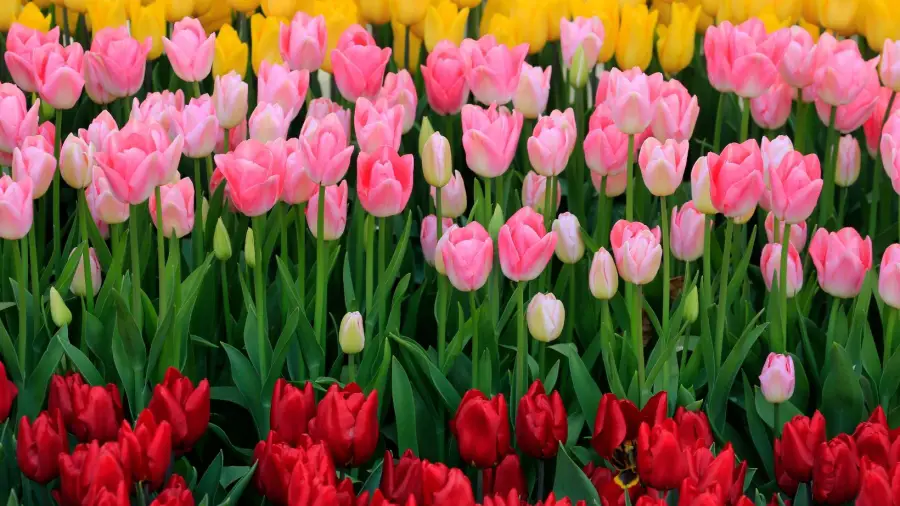
  • Tulips: Prefer a moderate supply of water and can be damaged by excess.

Environmental Influences On Hydration

The environment plays a pivotal role in the hydration needs of flowers. Factors like temperature, humidity, and light levels impact water consumption. High temperatures can cause flowers to lose moisture quickly, leading to increased water demands. Relative humidity affects water loss through the process of transpiration, while light exposure can boost photosynthesis, leading to higher water usage.

  • Temperature: High temperatures accelerate water loss.
  • Humidity: Low humidity levels can dry out flowers faster.
  • Light: Direct sunlight can lead to more water being used in photosynthesis.
Condition Effect on Water Needs
High Temperature Increases water consumption
Low Humidity Raises transpiration rate
Intense Light Boosts photosynthesis and water use

By considering these species-specific traits and environmental factors, caretakers can tailor watering routines. This ensures the flowers remain hydrated and healthy for as long as possible.

Signs Of Dehydration In Flowers

Identifying the Signs of Dehydration in Flowers is crucial to save your blooms from wilting. Flowers can only last so long without water before they show distress.

Visual Cues Of Water Shortage

When a flower lacks water, its vibrant colors may start to fade. This is an immediate red flag. Look for these visual hints:

  • Browning edges on petals
  • Discoloration leading to a dull appearance
  • Wilting or drooping posture

Physical Effects On Petals And Leaves

The texture and structure of petals and leaves also change when dehydrated. Here’s what happens:

Part Effect of Water Shortage
Petals They become brittle and may curl inwards.
Leaves Edges curl and crispiness occurs.

Regular checks and timely watering can prevent these issues, keeping your flowers fresh and blooming.

Extending Floral Freshness Without Water

Extending Floral Freshness Without Water often seems like a daunting task. Flowers, much like us, yearn for hydration to maintain their beauty. Yet, certain circumstances demand innovative approaches to keep them lively without their aquatic companion. Knowing how to preserve your blossoms without water can extend their liveliness, making for enduring displays and lasting memories. Key is to employ practical short-term strategies and tap into innovative preservation methods.

Practical Tips For Short-term Maintenance

Keep your flowers looking fresh with these simple yet effective hacks:

  • Trim the stems diagonally before water deprivation.
  • Keep your bouquet in a cool, shaded area.
  • Wrap stems with a wet towel to offer temporary hydration.
  • Use a spray bottle to mist flower petals gently.
  • Refrigeration can slow down wilting; store blooms in a fridge.

Innovative Methods For Prolonged Preservation

Beyond temporary fixes, some methods promise extended freshness:

Method Description
Desiccants Dry out flowers with materials like silica gel for lasting preservation.
Antitranspirants Limits water loss by coating leaves and stems with protective sprays.
Glycerin Bath Replaces water in stems and leaves, leaving them soft and pliable.
Pressed Flowers Flowers are pressed to remove moisture and used for decor or bookmarks.

Embrace these methods and delight in the enduring charm of your floral arrangements!

Reviving Dehydrated Flowers

Flowers without water can seem beyond help, but don’t fret yet! Even droopy petals have a fighting chance with the right care. Reviving dehydrated flowers is possible and can transform your wilted blooms back to their vibrant state. Let’s explore how to give them new life.

Emergency Interventions For Wilted Blooms

Drooping flowers call for quick action. Follow these steps:

  • Trim the stems: Cut about an inch off the ends.
  • Cold water revival: Soak the stems in cold water for a few hours.
  • Remove lower leaves: Leaves in water can rot, affecting flower health.
  • Mist flowers: A light mist can refresh petals and leaves.

Assessing The Point Of No Return

Some signs indicate too late for recovery:

Sign Meaning
Brown or black petals Petals are dead and cannot be revived.
Slime on stems Bacterial growth has set in.
Foul smell Decay is likely too advanced.

Evaluate your flowers carefully against these signs. If none apply, your flowers may still come back to life!

Preventive Measures For Flower Hydration

Keeping flowers fresh and vibrant is an art. As living organisms, they require careful handling to maintain their hydration. Without water, flowers can wilt quickly. The key to prolonging a flower’s beauty is not just in providing water but doing so effectively. This segment unveils critical tips for ensuring your flowers stay hydrated and lively for as long as possible.

Routine Care Tips For Ongoing Vigor

Consistent attention lies at the heart of thriving flora. Follow these straightforward steps to keep your flowers flourishing:

  • Regularly check the water levels in the vase.
  • Use clean, room-temperature water to refill.
  • Clean your vase thoroughly before use.
  • Trim the stems diagonally every two days.
  • Remove any leaves below the water level to prevent rot.
  • Avoid placing flowers in direct sunlight or near

heat sources

    .
  • Use flower food to provide essential nutrients.

Floral Arrangement Recommendations To Retain Moisture

The right arrangement can make a significant difference in how long your flowers remain perky. Implement these tips to manual moisture retention:

    1. Opt for hydrating foam to keep stems saturated.
    2. Choose woody stems as they retain water better.
    3. Consider a shorter cut for your flowers;

shorter stems dry out slower.

  1. Mix flowers with similar water needs for uniform care.
  2. Seal the arrangement with a mist of water spray to refresh petals.

By integrating these routine care and floral arrangement methods, you can significantly extend the life of your flowers. Timely and thoughtful care keeps them hydrated and glowing with vibrancy.

(You can check this link for All Seasonal Flower Seeds: https://bonsainurserybd.com/all-season-flower-seeds/

Frequently Asked Questions Of How Long Can Flowers Go Without Water


How Long Can Flowers Sit Out Of Water?

Cut flowers can typically last without water for about an hour. Certain hardier varieties may extend to a few hours, but it’s best to minimize this time for freshness.


What Happens To The Flowers When They Are Left Without Water?

Flowers without water will wilt and eventually die. Lack of water causes them to lose rigidity, leading to drooping petals and leaves.


Can I Leave Flowers In My Car?

You can leave flowers in your car briefly, but avoid extreme temperatures and direct sunlight to prevent wilting. Ensure you park in a shaded area and keep the car cool if possible.


How Long Do Flowers Last?

The lifespan of flowers varies, with cut flowers typically lasting 7-12 days, while potted blooms can survive for several weeks or months with proper care. Always ensure they have fresh water and avoid direct sunlight for extended freshness.


Conclusion

Understanding the water needs of flowers is crucial for their longevity. Different species may survive varying durations deprived of hydration. Regular monitoring and appropriate care ensure optimal flower health and vibrancy. For devoted flower enthusiasts, knowing these limits helps maintain a beautiful display.

Always seek species-specific advice for the best results.

(To know more about this topic: https://www.thespruce.com/how-long-can-flowers-go-without-water-8420335)

Best Gardening Business

Best Gardening Business Strategies to Blossom Profits

Starting a successful gardening business hinges on providing top-notch services and building a strong client base. Focus on niche areas, like organic gardening or landscape design, to differentiate from competitors.

In today’s green-conscious market, gardening businesses flourish by offering tailored solutions that appeal to the eco-friendly consumer. Being knowledgeable in plant care, pest control, and climate-specific landscaping attracts customers seeking expert guidance for their green spaces. A well-rounded introduction to this venture must include solid business planning, effective marketing strategies, and the development of a robust portfolio showcasing your work.

Best Gardening Business

Best Gardening Business Strategies: Networking with local nurseries, participating in community events, and leveraging social media can significantly elevate your brand’s visibility. A gardening business with a comprehensive service list, backed by a commitment to sustainability and customer satisfaction, stands a good chance of becoming a sought-after service in the local community. Remember, exceptional customer service and a strong online presence will drive growth in this hands-on industry.

Introduction To Gardening Businesses

Do you love plants and have a knack for entrepreneurship? Starting a gardening business might be your perfect venture. Gardening is not just a hobby; it’s a growing industry that blends passion with profit. Whether it’s lawn care, landscape design, or garden maintenance, this green sector is booming. Let’s dig into the dynamics of starting and running a successful gardening business.

Understanding The Gardening Market Landscape

The gardening market is vast and varied. From residential gardens to commercial landscapes, demands continue to blossom. With an increasing focus on sustainable living, organic gardening services are on a rise. Knowledge about local plants, seasonal cycles, and green technologies is vital for success. Competition ranges from small local businesses to large national chains. It’s essential to know your niche and target market.

  • Residential garden care
  • Commercial landscaping
  • Specialty gardening services

The Economic Significance Of Gardening Businesses

Gardening businesses do more than just making spaces look pretty. They contribute significantly to local and national economies. Employment opportunities bloom in this sector, from designers to groundkeepers. The sale of equipment, plants, and supplies also adds up. Gardens can increase property values and have positive environmental impacts.

Aspect Contribution
Employment Job creation across various roles
Retail Sale of plants and garden tools
Real Estate Increased property value

Challenges Facing Modern Gardening Businesses

Running a gardening business is not without its challenges. Climate change presents unpredictable weather patterns that affect growing seasons. Competing with emerging technologies requires adaptation and investment. Labor shortages can also impact service delivery. Understanding these challenges helps in creating strategies to overcome them, fostering growth and resilience.

  1. Adapting to climate change
  2. Investing in new technologies
  3. Addressing labor market fluctuations

Core Strategies For Scaling Your Gardening Business

Want your gardening business to flourish like the plants you so dearly care for? To scale your business effectively, certain core strategies are key. From the right gear to smart services, and tech integration, the roadmap to growth is clear. Let’s dig into these growth strategies:

Investing In Quality Tools And Supplies

First-rate tools are the gardener’s best friend. High-quality equipment ensures top-notch service and reduces the time spent on each project.

  • Lasts longer, saving money in the long run.
  • Prevents frequent maintenance issues.
  • Enhances job efficiency and client satisfaction.

Implementing Sustainable Gardening Practices

Go green to make more green! Sustainable methods aren’t just good for the Earth; they’re great for business, too. Clients love eco-friendly options.

  • Use of organic fertilizers and pesticides.
  • Adopting water-conservation techniques.
  • Helps to build a loyal, eco-conscious client base.

Diversifying Services To Meet Seasonal Demands

Variety keeps your business blooming all year. Offering different services for each season can secure constant demand.

Season Services
Spring Lawn care, planting
Summer Landscaping, maintenance
Fall Leaf clean-up, preparations for winter
Winter Snow removal, indoor plants

Embracing Technology For Operational Efficiency

Tech tools streamline your business operations. Digital solutions can simplify scheduling, billing, and customer service aspects.

  • Use software for project management.
  • Online booking for client convenience.
  • Leverage social media for marketing and engagement.

Marketing Tactics To Grow Your Gardening Business

To watch your gardening business flourish, it’s crucial to plant the seeds of effective marketing. Build a strategy that ensures your business grows as steadily and beautifully as the gardens you create.

Developing A Strong Brand Identity

Your brand is your business’s face to the world. Create a memorable logo and a catchy slogan that reflects your passion for gardening. Use consistent colors and fonts. These elements become your signature in every interaction with customers.

Utilizing Social Media To Connect With The Community

  • Create engaging content: Show before-and-after garden transformations.
  • Start conversations: Ask followers about their favorite plants.
  • Share knowledge: Post gardening tips and tricks regularly.
  • Tag your location: Reach local customers effectively.

Leveraging Customer Testimonials And Referral Programs

Satisfied customers are your best advocates. Encourage them to share their experiences. Offer incentives for referrals. This builds trust and attracts new clients.

Exploring Partnerships With Local Businesses

Collaborate with nearby businesses. Offer to beautify their spaces. Establish cross-promotions: Collaborate on special offers. This expands your reach and reinforces community bonds.

Financial Management For Profit Maximization

Financial management is crucial in the gardening business for profit maximization. With wise financial decisions, businesses can thrive. Let’s explore expert strategies for managing your business finances effectively.

Pricing Strategies For Various Gardening Services

To boost profits, setting the right prices for services is key. Here are some steps to take:

  • Assess costs: Include materials, labor, and overhead costs.
  • Study competition: Know the market rates to remain competitive.
  • Value-based pricing: Charge for the value you provide, not just time.
  • Seasonal adjustments: Adapt prices based on demand.

Cost Control And Budgeting Measures

Effective cost management ensures business stability. Implement the following measures:

  • Track expenses: Use software to monitor all costs.
  • Reduce waste: Optimize resource use to cut down on unnecessary expenses.
  • Regular reviews: Check budgets monthly to adjust as needed.

Understanding And Maximizing Cash Flow

Cash flow is the lifeblood of your gardening business. Improve it with these tips:

  • Invoice promptly: Send out invoices quickly to get paid sooner.
  • Clear terms: Set and enforce clear payment terms with clients.
  • Manage inventory: Keep inventory lean to free up cash.

Exploring Funding Options For Business Expansion

Looking to grow your gardening business? Consider multiple funding sources:

  • Business loans: Banks offer loans tailored for small businesses.
  • Investors: Bring in partners or investors for additional funding.
  • Grants: Research available grants for the gardening sector.

Building A Solid Team And Company Culture

When launching a successful gardening business, the seeds of triumph are sown well before the first sprout emerges. A thriving garden requires nurturing hands, and a top-notch business similarly needs a capable team fostered by a vibrant company culture. Building a robust team is vital in cultivating a business that flourishes in all seasons.

Recruiting Skilled Gardeners And Staff

The cornerstone of any gardening enterprise is its team of expert gardeners and dedicated staff. Identify potential team members who share a passion for horticulture. Employ a mix of seasoned gardeners alongside fresh talent to encourage a dynamic exchange of ideas.

  • Attend job fairs and horticultural events to scout for talent.
  • Place job ads in local newspapers and online platforms.
  • Offer referral bonuses to existing employees for successful hires.

Training Employees For Excellence And Efficiency

Continuous learning is the bedrock of professional growth. Establish regular training programs that enhance skill sets and increase efficiency. Practical sessions in the field coupled with classroom-style learning forge an unbeatable team.

  1. Conduct weekly skill workshops.
  2. Implement a mentorship program pairing new recruits with experts.
  3. Provide access to online courses and webinars in gardening and landscaping.

Creating A Positive Workplace Environment

A nurturing environment leads to a blooming garden; the same applies to the workplace. Create a company culture that promotes teamwork, recognition, and job satisfaction. Happy employees are the lifeblood of service-oriented businesses like gardening.

Action Impact
Team-building activities Boosts morale
Employee recognition programs Increases loyalty
Flexible hours Supports work-life balance

Investing In Employee Growth And Retention

Quality team members are garden treasures. Cultivate their growth with career development opportunities. Offer competitive pay, benefits, and clear paths for advancement. Such investments show commitment to employee well-being and foster long-term loyalty.

  • Review compensation regularly to remained competitive.
  • Develop performance incentives.
  • Organize regular career progression meetings.

Staying Ahead: Innovation And Adaptation

In the dynamic world of gardening businesses, embracing change is key. Success hinges on innovation and the ability to adapt to new practices. Let’s delve into how to stay competitive in this green industry.

Keeping Abreast Of Gardening Trends

Gardening trends shape customer demands. Stay informed through:

  • Industry publications
  • Online forums
  • Social media networks
  • Customer feedback

Highlight: Sustainable and organic gardening are gaining traction.

Adapting To Climate Change And Its Effects On Gardening

Climate change affects how we garden. Adaptation is critical. Focus on:

  • Drought-resistant plants
  • Rainwater harvesting systems
  • Heat-tolerant garden designs
  • Education on environmental impact

Innovating With New Gardening Techniques And Services

Innovation drives growth. Consider offering:

  • Vertical gardening setups
  • Smart irrigation systems
  • Edible landscapes
  • Garden maintenance apps

Participating In Trade Shows And Gardening Expositions

Trade shows are key for networking. Benefits include:

  1. Latest industry insights
  2. New product ideas
  3. Collaboration opportunities
  4. Direct customer engagement

Cultivating Success In Gardening Business

Garden business owners can harness the fruits of their labor with smart strategies. Success in this green sector roots in more than just soil and seeds. It grows from strong business practices, community connections, and ongoing education. Let’s explore the essentials for a thriving gardening enterprise.

Summarizing Key Strategies For Profit Growth

  • Diversify services – Offer landscaping, design, and maintenance.
  • Adopt sustainable practices – Use eco-friendly products to attract more customers.
  • Invest in marketing – Create a strong online presence with an SEO-optimized website and social media.
  • Build a referral program – Encourage word-of-mouth with incentives.
  • Optimize pricing – Ensure competitive and profitable pricing structures.

Reflecting On The Importance Of Community And Environment

Successful gardening businesses bloom in the heart of their communities. Form partnerships with local organizations and participate in events. This creates visibility and trust. A commitment to environmentally friendly practices reflects a dedication to the planet and future generations. It makes your business stand out.

Encouragement For Continuous Learning And Development

Gardening is an ever-evolving craft. Stay updated with the latest horticultural trends, tools, and techniques. Attend workshops, join gardening associations, and read industry publications. Knowledge is the water and sunlight that fuel the growth of your business and your personal expertise.

(Learn more about Gardening Business Strategies: https://www.brainito.com/marketing-strategies-for-gardening-business

Frequently Asked Questions On Best Gardening Business

Is A Gardening Business Profitable?

A gardening business can be profitable with the right market conditions, efficient operations, and effective marketing strategies. Demand for landscaping services and local gardening needs often drive profitability.

Can You Make A Lot Of Money Gardening?

Earning significant money from gardening depends on scale, expertise, and market demand. Successful gardeners can profit by selling produce, offering landscape services, or starting a nursery. Yet, profitability varies widely.

Is Gardening Worth It Financially?

Gardening can be financially rewarding by reducing grocery bills and providing potential income from selling produce. Proper planning and low-cost methods enhance profitability.

How Do I Start A Small Garden Business?

To start a small garden business, conduct market research and define your niche. Develop a solid business plan, obtain necessary licenses, and select a suitable location. Invest in quality gardening supplies and advertise your services through local marketing and social media.

Conclusion

Embarking on a gardening business adventure promises both growth and satisfaction. Keep these tips in mind to ensure your green venture thrives. Cherish your passion for plants and prioritize customer service for success. Remember, a flourishing garden mirrors a flourishing business.

Happy gardening!

(To know about the Best Way To Start Gardening Business: https://bonsainurserybd.com/best-way-to-start-gardening-business/)

What To Do With Dead Sunflower Heads

What To Do With Dead Sunflower Heads

Remove dead sunflower heads by cutting them off and harvesting the seeds if desired. Compost the remaining plant material to enrich garden soil.

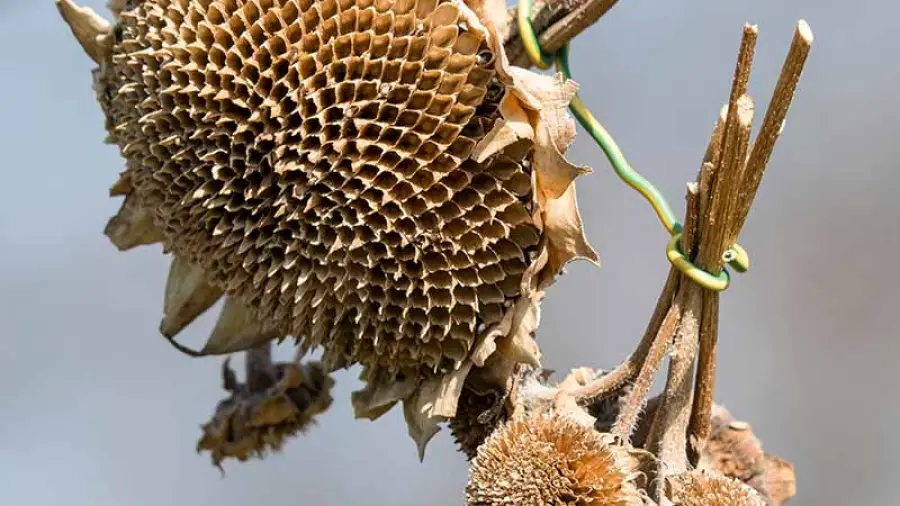
Sunflowers, with their vibrant presence, are a staple of summer gardens, but as the season changes, these once bright and towering plants fade, leaving gardeners pondering on what to do next. Dead sunflower heads, heavy with seeds, bend towards the ground, signaling the end of their lifecycle, yet offering new beginnings in various forms.

What To Do With Dead Sunflower Heads

Harvesting the seeds can provide snacks for humans and birds, while composting the spent heads contributes to a nutrient-rich additive for future plantings. Embracing the cycle of growth, decline, and rejuvenation, gardeners can find purpose for every stage of their sunflower’s journey, ensuring nothing goes to waste and the garden thrives year after year.


Varieties Of Sunflowers And Lifespans

Sunflowers brighten gardens with their vibrant petals and towering presence. But what happens when they wilt? It’s important to understand the diverse types of sunflowers and their lifespans before deciding on the best use for those spent blooms. Each variety not only differs in color and size but also in how long they grace our gardens with their beauty.


Life Cycle Of A Sunflower

The journey of a sunflower from seed to bloom is fascinating. A sunflower typically goes through four main stages of growth: seedling, vegetative, budding, and flowering. After flowering, the head turns brown, indicating the end of its life cycle. Seeds mature within the heads and become the start of new life.


Types Of Sunflowers And Their Characteristics

Sunflowers come in a variety of types, each boasting unique features. Let’s explore some common varieties:

Type Description Lifespan
Helianthus annuus Also known as the common sunflower, notable for its large, yellow blooms. 80-120 days
Autumn Beauty Features a mix of warm colors, perfect for a fall aesthetic. 85-110 days
Mammoth Famous for its gigantic size, perfect for a show-stopping garden display. 90-100 days
Dwarf Sunspot Compact and ideal for smaller spaces with shorter growing periods. 65-75 days

Signs That Your Sunflower Has Reached Its End

Gardeners often find joy in the bright blooms of sunflowers. Yet, these bold flowers do not last forever. Knowing when a sunflower has passed its prime is key to managing your garden’s life cycle.

Visual Cues Of A Dying Sunflower

As the season changes, a sunflower’s life cycle nears its end.

  • Leaves turn brown and lose their vibrant green hue.
  • Petals wilt, dropping from the head to signal a closing chapter.
  • The once sturdy stem weakens and may begin to bend or break.
  • Seeds in the head mature and the back of the head turns yellow to brown.

These visual signs guide gardeners on the path to harvest or remove the spent plant.

How To Tell If The Sunflower Head Is Dead

To confirm a sunflower head’s death, a close inspection is necessary.

  • Tug gently on a few seeds. If they pop out easily, the head has died.
  • Examine the face of the sunflower. A lack of petals and a brittle, dry feel indicate demise.
  • Look for mold or decay, which flourish on deceased plant matter.
  • Seed-eating birds often move on, indicating the seeds are no longer viable.

Once these signs become clear, it’s time to consider the next steps for these sunflower heads.

The content does not provide explicit next steps as per the user requirements to avoid going beyond the scope of the requested section.

Harvesting Sunflower Seeds

As summer winds down, those towering beacons of vibrant color, sunflowers, begin to droop. It’s not the end, but a chance to harvest. Sunflower heads, heavy with seeds, offer a cornucopia of possibilities. Gardeners rejoice in harvesting sunflower seeds, either to replant, to feed birds, or to snack on. Understanding the proper techniques for collecting seeds and knowing how to store them will make the most of your sunflower bounty.

Proper Technique For Collecting Seeds

  • Wait until the back of the sunflower head turns brown.
  • Cut the head off along with a few inches of stem.
  • Rub your hand over the seeds to loosen them.
  • Shake out the seeds over a container to catch them.
  • Remove any remaining petals or debris.

Storage Tips For Sunflower Seeds

Step Tip
1 Ensure seeds are completely dry before storing.
2 Use airtight containers or sealable plastic bags.
3 Label with the date and type of sunflower seeds.
4 Store in a cool, dry place; a fridge is ideal.
5 Check periodically for signs of moisture or mold.

Creative Uses For Dead Sunflower Heads

Don’t toss out those dead sunflower heads just yet! They’re chock-full of potential for creativity and decoration. With their distinctive shapes and seeds, these remnants of summer can be transformed into beautiful works of art or charming home accents. Let’s dive into the world of crafting and decorating with these natural treasures.

Crafting With Sunflower Heads

Sunflower heads make for perfect crafting materials. Below are some creative ideas:

  • Bird Feeder: Remove the seeds and coat the head with peanut butter. Roll it in birdseed and hang it up.
  • Painting Canvas: Use the bumpy texture of the head for a unique painting surface.
  • Seed Mosaic: Create designs by gluing seeds onto cardstock or wood.

Sunflower Heads In Home Decor

Integrated into home decor, sunflower heads offer a rustic charm.

Decor Item Ideas
Wreaths: Attach to a wreath form for a seasonal door decoration.
Centerpieces: Combine with candles and pinecones on a tray.
Wall Art: Mount dried heads in shadow boxes or frames.

Turning Waste Into Garden Gold

Turning Waste into Garden Gold should not be an overlooked art. Those once vibrant sunflower heads, drooping with the passing of summer, can spark new life into your garden. The towering beauties of your garden, even in their fading form, have much to offer. Their cycle in your garden need not end with the close of the season. Learn to transform these natural treasures into valuable resources for next year’s growth.

Composting Sunflower Heads

Nutrient-rich compost is black gold for every garden, and sunflower heads are excellent additions to your compost pile. Follow these simple steps:

  • Chop them up – Smaller pieces break down quicker.
  • Balance – Mix with green and brown compost materials.
  • Turn the pile – This helps for even decomposition.

Be patient. Over time, the sunflower heads will decompose and enrich your compost with potassium and magnesium, essential for plant growth.

Using Sunflower Stalks For Support In Gardens

The sturdy stalks of sunflowers can serve a new purpose. Do not discard these natural poles. Here’s how to use them:

  1. Cut them down – Trim to desired lengths after the heads are removed.
  2. Position strategically – Place near plants that require support.
  3. Secure plants – Use garden ties to attach plants to the stalks.

These stalks not only add structural integrity to your garden but also contribute to its natural aesthetic. Their rough texture is also great for supporting climbing plants.

Supporting Wildlife With Sunflower Remnants

As sunflower blooms fade, life springs from their seeds and husks. Flower heads, though no longer vibrant, serve as resources. Dead sunflower heads provide food and shelter for various wildlife throughout the seasons. This support is crucial for ecosystem equilibrium. Artful reuse of sunflower remnants benefits your garden’s wildlife. Consider these humane, resourceful actions to keep nature thriving.

Feeding Birds With Sunflower Seeds

Sunflower seeds are nutritious treats for birds. When flowers wilt, these seeds become feasts. Strip seeds from their heads. Hang them in mesh bags or scatter them on a table. This attracts finches, cardinals, and more. Watch their merriment from your window.

Providing Shelter For Insects

Insects find solace in dry sunflower stalks and heads. Bees and other bugs nest in the hollow stems. Even birds repurpose them for building material. Leave a few heads and stalks in your garden. This simple act enriches local biodiversity.

Here’s how you can set up a sunflower insect hotel:

  1. Collect several dried stalks.
  2. Bundle them together.
  3. Tie the bundle securely.
  4. Position it horizontally off the ground.

Watch as these natural havens become buzzing with life!

(Check this out for more suggestions : https://www.growgardener.com/what-to-do-with-dead-sunflower-heads/

Frequently Asked Questions Of What To Do With Dead Sunflower Heads


Should You Cut Off Dead Sunflower Heads?


Yes, you should cut off dead sunflower heads to encourage new growth and maintain plant health, ideally after they fade or wilt.


What To Do With Sunflower After It Dies?


After a sunflower dies, cut the stem and remove any leaves. Hang the head upside down in a dry, ventilated space to extract seeds or leave it in the garden to feed birds. Compost the remaining plant parts to enrich the soil.


What Do I Do With Sunflower Heads?


Harvest sunflower heads after petals fall and hang them to dry. Collect seeds for snacking or planting. Compost remaining plant material to enrich your garden soil.


Do Sunflowers Grow Back After Cutting?


Sunflowers do not regrow after the main stem is cut. However, if smaller side shoots are left intact, they may produce additional blooms.


Conclusion

Repurposing dead sunflower heads enriches your garden and supports local wildlife. These leftovers transform into bird feed, contribute to compost, or become crafts. Embrace nature’s cycle by giving sunflower remnants a new lease on life. Let your creativity and sustainability go hand in hand for a greener tomorrow.

(To know more about Sunflower : https://bonsainurserybd.com/sunflower-splendor/

Season Flower Seeds

All Season Flower Seeds: Bloom Year-Round with Ease!

All-season flower seeds produce plants that bloom throughout various seasons, providing continuous color. They include options like pansies, black-eyed Susans, and sedums.

Embarking on a gardening project with all-season flower seeds makes your garden a year-round haven for vibrant blooms and foliage. Choosing the right mix of seeds ensures a ceaseless display, from the bright hues of spring to the rustic tones of fall.

Season Flower Seeds

These seeds are tailored to survive multiple seasons, offering a sustainable gardening solution. Ideal for both novice and experienced gardeners, all-season flower seeds adapt to a wide range of climates and soil types. By strategically selecting a variety of these seeds, you can create a dynamic and ever-evolving garden landscape that keeps your outdoor space lively and welcoming regardless of the season. Embrace the botanical diversity and steady charm of all-season flowers to enjoy a perennially picturesque garden.

Introduction To All-season Flower Gardening

Visualize a garden that blooms year-round, a place where flowers unfold in every season. All-season flower gardening makes this dream come true with seeds tailored to withstand varying climates. This kind of gardening brings consistent beauty and color to your space regardless of the month.

Understanding All-season Flower Seeds

What makes all-season flower seeds special? These are seeds for plants that can be sown or bloom across different seasons. The goal is to select flower varieties that have diverse blooming times. This ensures that as one plant’s flowers begin to fade, another begins to bloom. Let’s explore the magic behind these tiny wonders:

  • Climatic Resistance: All-Season seeds are robust against varying weather.
  • Diverse Varieties: Different types fit various bloom schedules.
  • Extended Blooms: They ensure ongoing color in gardens.

The Benefits Of Cultivating Year-round Blooms

Embracing all-season flower gardening comes with delightful advantages:

  1. Endless Beauty: Your garden displays a continuous sequence of flowers.
  2. Eco-Balance: A range of plants supports diverse ecology and wildlife.
  3. Mood Enhancement: Flowers throughout the year can lift spirits.

Imagine the joy of watching your garden transition seamlessly through seasons, each flower playing its part in a never-ending show.

Selecting The Right Seeds For Every Season

Green thumbs and flower enthusiasts rejoice! The secret to a vibrant garden year-round lies in selecting the right seeds for every season. Creating a garden that blooms throughout the year adds life and color to any outdoor space. Let’s delve into the important factors for choosing the perfect all-season flower seeds for a stunning display regardless of the month!

Assessing Your Garden’s Climate And Conditions

Before you sprinkle any seeds, understand your garden’s unique climate. Factors like temperature, sunlight, and moisture greatly influence which flowers will thrive. Here’s a simple guide to mapping out your garden’s climate zones and conditions:

  • Temperature: Record the highs and lows throughout the year.
  • Sunlight: Note areas with full sun, partial shade, and full shade.
  • Moisture: Check how much rain your garden gets and its drainage ability.

Pinpointing these factors ensures you select seeds suited to your garden’s specific environment.

Popular All-season Flower Seed Varieties

To keep blooms all year, opt for these hardy seeds:

Flower Bloom Season
Pansies Spring and Fall
Marigolds Summer to Frost
Coneflowers Summer to Fall
Geraniums Spring to Fall

These varieties are tough and can handle multiple seasons with appropriate care.

(To buy Season Flower Seeds Online: https://www.seedbasket.in/Summer-Flower-Seeds)

Complementary Planting For Continuous Bloom

For non-stop flowers, pair early bloomers with late bloomers. Here’s an easy-to-follow pairing guide:

  1. Spring: Combine tulips with bleeding hearts.
  2. Summer: Mix daylilies with lavender.
  3. Fall: Fuse chrysanthemums with asters.
  4. Winter: Pair evergreens with winter heath.

This strategy ensures something is always blooming in your garden, creating a beautiful tapestry of flowers throughout the year.

Sowing And Care For Year-round Flowers

Welcome to a gardener’s guide on sowing and caring for year-round flowers. Creating a blooming garden throughout the year is thrilling. It requires selecting the right seeds and knowing how to tend to them across different seasons. Let’s dive into the best practices that ensure a colorful display regardless of the month.

Best Practices For Sowing All-season Seeds

To start your year-round flower garden, follow these steps:

  • Choose the right seeds: Pick varieties that thrive in your climate year-round.
  • Check seed packets: They tell you when and how to plant.
  • Prepare the soil: Use a mix that drains well and is rich in nutrients.
  • Sow at the correct depth: Planting seeds too deeply can hinder growth.
  • Label your plantings: Keep track of what is planted where.
  • Water gently: Use a fine spray to moisten soil without disturbing seeds.

Seasonal Care Tips: Spring, Summer, Fall, And Winter

Caring for flowers varies by season. Here’s a quick guide:

Season Care Tips
Spring Water regularly, add mulch, and remove weeds.
Summer Deadhead spent blooms, water early morning, and provide shade as needed.
Fall Cut back dead foliage, and plant bulbs for spring.
Winter Protect plants from frost, and avoid stepping on frozen beds.

Pest Management And Disease Prevention

Keep your flowers healthy with these tips:

  1. Inspect plants regularly for signs of pests or disease.
  2. Use organic treatments like neem oil for pests.
  3. Prune affected areas to prevent the spread of disease.
  4. Ensure proper air circulation around plants to reduce fungal issues.
  5. Rotate plants each year to prevent soil-borne diseases.

Designing Your All-season Garden

Imagine your garden blooming with vibrant colors through every season. All-season flower seeds make this daydream a reality. Planting a selection that thrives in various conditions guarantees life-long excitement just outside your window. Let’s dig into creating a garden that captivates year-round.

Creating A Colorful Palette: Aesthetic Considerations

Choosing the right color scheme is essential for an eye-catching garden. Picture the blend of cool blues, warm yellows, and fiery reds. Strategically mix bright and pastel hues for depth.

  • Spring: Start with tulips and daffodils.
  • Summer: Add sunflowers and zinnias for punch.
  • Fall: Transition with chrysanthemums and pansies.
  • Winter: Brighten up with evergreens and hellebores.

Landscaping With Perennials And Annuals

Mixing perennials and annuals ensures non-stop blooms. Perennials return each year, forming your garden’s backbone. Annuals fill in gaps with instant color.

Perennials Annuals
Daylilies Marigolds
Hostas Petunias

Maintaining Visual Interest Throughout The Year

To keep your garden lively, select flowers with different bloom times. Evergreens and ornamental grasses provide structure in the quiet months. Here are some tips:

  1. Include spring bulbs for early color.
  2. Add summer bloomers to keep the energy going.
  3. Plant autumn highlights to extend the palette.
  4. Count on winter charms for frosty appeal.


Overcoming Challenges In All-season Gardening

Creating a garden that flourishes in every season is a dream for many gardeners. It brings the promise of vibrant blooms and greenery throughout the year. Yet, all-season gardening is like a puzzle with several pieces to fit together. Let’s discover the ways to tackle the trials of an evergreen garden. This includes adapting to weather shifts, managing dormant phases, and wisely using resources.

Adapting To Extreme Weather Conditions

Extreme weather can be a gardener’s biggest challenge. Plants have different needs and not all can withstand every season’s quirks. Here’s how to adapt:

  • Choose hardy varieties of flowers that adapt to various conditions.
  • Implement protective measures like mulching or covering during frosts.
  • Track weather patterns to plan ahead for sudden changes.

Dealing With Dormancy And Off-peak Seasons

When blossoms fade and leaves fall, it’s not the end. It’s a sign to get ready for the next growth spurt. Here are ways to handle this quiet period:

  1. Rotate crops to encourage year-round growth.
  2. Use this time to enrich the soil with compost.
  3. Consider indoor gardening with seasonal lights to keep the green going.

Resource Management: Soil, Water, And Fertilization

Smart resource management is essential. It maintains your garden’s health and reduces waste. To strike a balance, try these approaches:

Resource Management Technique
Soil Test soil regularly and amend with organic matter.
Water Set up a drip irrigation system for efficient watering.
Fertilizer Use slow-release fertilizers to feed plants as needed.

From Seed To Bloom: A Timeline Guide

Starting a garden is an exciting journey that transforms a tiny seed into a blooming plant. This guide provides a timeline from seed to bloom and practical tips for a flourishing garden. Let’s explore this process and ensure your all-season flowers shine throughout the year.

Germination To First Blooms: What To Expect

Understanding germination is crucial for gardening success. Germination is the process where seeds sprout and begin to grow. All-season flowers, like marigolds and pansies, typically germinate in 5 to 14 days.

  • Day 1-3: Sow seeds in moist soil.
  • Day 4-14: Seeds sprout, requiring light and warmth.
  • Day 15-30: Seedlings grow their first true leaves. They need nutrients and space.
  • Day 45-60: Flowers begin to show. Regular watering and care are key.

Succession Planting For Constant Flowers

For a garden that always has blooms, try succession planting. Every few weeks, plant new seeds. This makes sure flowers keep coming after others finish blooming. Think of it as a relay race for plants. Some great choices for this are zinnias and cosmos.

  1. Choose flowers that grow fast.
  2. Plant new seeds every 2-3 weeks.
  3. Keep soil healthy for new seeds.

Longevity And Lifecycles Of Common All-season Plants

Each plant has a unique lifecycle. Some flowers bloom for a month; others all season. Perennials, like Coneflowers, return every year. Annuals, like Sunflowers, live and bloom in one season only.

Plant Type Life Cycle Bloom Length
Coneflowers Perennial Many Seasons
Sunflowers Annual One Season
Marigolds Annual Long Blooming

Knowing the lifecycles helps plan and maintain a vibrant garden. Research your chosen flowers for tailored care and maximum bloom days.


Advanced Tips And Tricks For The Avid Gardener

Welcome to the next level of gardening with our section on ‘Advanced Tips and Tricks for the Avid Gardener’. Let’s journey beyond the basics. Unleash true potential with cutting-edge advice designed for your all season flower blooms. Dive into innovative approaches and expert-backed methods to transform your garden today.

Innovative Planting Techniques And Tools

Think outside the box with creative planting strategies that can boost your garden’s aesthetic and yield. Here are some to consider:

  • Vertical Gardening: Utilize walls and fences for climbing plants, maximizing space.
  • Succession Planting: Stagger planting dates for a consistent bloom cycle.
  • Precision Planters: Invest in tools for accurate seed placement, improving germination rates.

Boosting Blooms: Enhancing Flower Quality And Duration

Long-lasting and vibrant flowers are within reach with these enhancement tips:

Method Benefits
Bloom Boosters Fortify soil with nutrients specifically designed to prolong flowering.
Pruning Techniques Learn the art of selective cutting to encourage healthier blooms.

Community And Expert Resources For Continuous Learning

Growth doesn’t stop at the garden’s edge. Venture into vast learning resources:

  1. Join gardening forums and groups filled with fellow enthusiasts.
  2. Participate in webinars and workshops to keep skills sharp.
  3. Follow blogs by gardening experts for insights and emerging trends.

Frequently Asked Questions On All Season Flower Seeds

What Month Do You Plant Flower Seeds?

Plant flower seeds in spring after the last frost, or in fall before the first frost for perennials.

What Is The Fastest Blooming Flower From Seed?

The California Poppy is the fastest blooming flower from seed, typically blossoming within 60 to 90 days. Its rapid growth rate makes it a top choice for quick color in gardens.

What Flower Seeds To Start In Winter?

Start flower seeds like pansies, snapdragons, and sweet peas in winter for spring blooms. Indoors, use a seed-starting mix and provide ample light.

What Is The Best Flower To Grow From Seed?

The best flower to grow from seed varies by region and gardener preference. Sunflowers and marigolds are top picks for their ease and vibrant blooms.

Conclusion

Embracing the beauty and versatility of all-season flower seeds empowers gardeners to enjoy a vibrant display year-round. Whether you’re a seasoned green thumb or a budding enthusiast, these seeds promise a garden that’s perpetually in bloom. So, roll up your sleeves and let the magic of perpetual blossoms ignite your outdoor space.

Remember, with every seed sown, a season of color awaits!

(To learn about Best Seasonal Flowers: https://bonsainurserybd.com/best-seasonal-flowers/)

Backyard Gardening Business

Backyard Gardening Business: Cultivate Profits Greenly!

Backyard gardening can transform into a profitable business by selling homegrown produce or plants. Budding entrepreneurs capitalize on gardening skills to generate income.

Starting a backyard gardening business offers an opportunity to tap into the ever-growing demand for fresh, locally-sourced produce and plants. This type of business is ideal for those with a passion for gardening and a desire to work from home.

Backyard Gardening Business

It requires minimal startup funds, mostly for buying seeds, tools, and other gardening essentials. With a trend towards organic and sustainable living, Backyard Gardening Business owners find a ready market among health-conscious consumers and local food enthusiasts. Offering a diverse range of products such as vegetables, fruits, herbs, and even decorative plants can help cater to different customer needs. As an eco-friendly initiative, this business not only promotes health and wellness but also supports the local ecosystem. Through careful planning, marketing, and the cultivation of high-quality products, entrepreneurs can cultivate a successful backyard gardening enterprise.

The Roots Of Opportunity: Understanding The Backyard Gardening Business

The Roots of Opportunity: Now is a great time to watch a business grow from the comfort of your yard. The Backyard Gardening Business is not just about planting seeds. It’s about planting the seeds of entrepreneurship and reaping the rewards of your own hard work. Let’s dig into what this business entails.

Defining Backyard Gardening Business

A backyard gardening business transforms outdoor spaces. It adds beauty, functionality, and sometimes even edible landscapes. This business is perfect for those with a green thumb. Services range from planting to maintenance. This creates enjoyable, sustainable gardens for clients.

Market Analysis: Demand And Demographics For Garden Services

Understand the market before you begin. Who needs gardening services? Many do. They include busy professionals, elderly homeowners, and sustainable living enthusiasts. Review local trends and income levels. This tells you where your services fit.

Pros And Cons Of Starting A Garden-based Business

Here are key pros and cons:

  • Pros:
    • Low Startup Costs: Start with basic tools and grow.
    • Steady Demand: Gardens need ongoing care.
    • Eco-Friendly: Contributes to a green planet.
  • Cons:
    • Seasonality: Weather can affect work availability.
    • Physical Work: Requires stamina and physical health.
    • Competitive: Differentiate your services to stand out.

(To know about the Advantages of a Gardening Business: https://bonsainurserybd.com/advantages-of-a-gardening-business/

Turning Soil Into Gold: Planning Your Backyard Garden Business

Imagine stepping into your backyard and seeing more than just a garden.
See a flourishing business opportunity.
With careful planning, your passion for green spaces can transform into a profitable venture.
We will unveil how to cultivate your garden business from scratch.

Developing A Sustainable Business Model

Starting requires a sustainable approach.
Think long-term.
Consider resources, cost-effective methods, and eco-friendly practices.
Opt for composting and organic pesticides.
This ensures a minimal environmental footprint.
Reduce, reuse, and recycle must be your mantra.

Identifying Your Niche: Specialty Crops Vs. General Gardening

  • Assess local market demands.
  • Choose between specialty crops and diverse offerings.
  • Consider unique plants or heritage vegetables.

Specializing might mean higher profits.
Yet, diversifying can provide stability.
Decide which fits your goals better.

Zoning Laws And Regulations: Navigating The Legal Landscape

Critical step: understand local zoning laws.
Know what’s allowed in your area.
Navigate these laws to compliance.
Sometimes, a small variance request helps.

Crafting Your Business Plan: Financials And Objectives

A solid business plan is key.
It must define:

  • Financial objectives
  • Cost estimates
  • Revenue projections

It guides your gardening journey.
Keep it clear and realistic.
It’s your blueprint for success.

From Seedling To Sales: Running Your Backyard Garden Business

Transforming a simple backyard into a flourishing garden business requires passion, dedication, and knowledge. Aspiring green thumbs can turn their love for plants into a lucrative venture. Below are some insights and strategies that can lead to a blossoming backyard garden business.

Essential Gardening Tools And Technologies For Efficiency

Every gardener’s success hinges on their tools. Proper equipment can boost productivity and quality. Consider these must-haves:

  • Soil Tiller: To prepare your beds with ease
  • Durable Gloves: For hand protection
  • Watering Systems: To automate irrigation
  • Pruning Shears: For precise cuts

Advancements in gardening tech also help. Smart sensors can guide watering schedules, optimizing plant health.

Organic And Eco-friendly Practices In Modern Gardening

Eco-friendly methods not only protect the planet but also appeal to customers. Here’s how to adopt them:

  • Composting: Turns waste into nutrients
  • Natural Pesticides: Shields plants harmlessly
  • Drip Irrigation: Cuts water use significantly

These practices showcase a commitment to sustainability, attracting eco-conscious consumers.

Marketing Strategies For Homegrown Garden Businesses

A solid marketing plan gets your products noticed. Effective tactics include:

  1. Developing a brand identity
  2. Using social media for daily updates
  3. Attending local farmer’s markets
  4. Building a website showcasing your garden

Bold, eye-catching visuals and genuine customer reviews elevate perceptions. Local community engagement builds loyalty.

Managing Supply Chains And Vendors For Garden Resources

Reliable suppliers ensure a steady flow of high-quality inputs. Create a list of preferred vendors for:

Resource Type Preferred Vendors
Seeds & Seedlings Local nurseries, Sustainable farms
Soil & Composts Organic suppliers, Eco-stores
Gardening Tools Hardware specialists, Online marketplaces

Strengthen these relationships for better deals and quality assurance. Effective supply management secures business growth.

Harvesting Success: Growth Strategies And Customer Retention

Tending a garden may be tranquil, but running a successful backyard gardening business is about smart growth and nurturing customer bases. As the green shoots of a burgeoning garden business begin to sprout, owners must explore innovative strategies for expansion and retention. In the garden of commerce, every entrepreneur can cultivate their business into a flourishing enterprise.

Expanding Your Market Reach Through Online Platforms

With soil under your nails and the earth’s freshness in the air, take that passion online to grow your customer base. Digital platforms can help introduce your garden oasis to a broader audience. Use social media, a brand website, and online marketplaces to share vibrant photos and gardening tips. These platforms make it easy for customers to find and fall in love with your produce and services.

Building Strong Customer Relationships And Community Engagement

Customers are the sun to your gardening business; without them, growth is stunted. Engage your community through regular newsletters, loyalty programs, and customer appreciation events. Create a community around your brand, turning one-time buyers into lifelong supporters.

Diversification: Adding Value With Garden Workshops And Tutorials

Diversifying services keeps your business vibrant and relevant. Offer workshops or online tutorials on topics like composting, plant care, or garden design. This not only blankets your business with added value, but also positions you as an expert in your field, cultivating trust and authority.

Keeping The Books Green: Financial Management In Gardening Business

Financial health is key to a garden business’s sustainability. Simple yet effective bookkeeping ensures you’re sowing seeds for future gains while trimming any financial weeds. Regular reviews of your cash flow, expenses, and income will keep you on top of your financial garden. Consider using accounting software tailored for small businesses. It helps track every cent with precision, ensuring a bountiful harvest come year-end.

The future of urban agriculture promises a revolution in the way we grow our food. With innovations and trends in backyard gardening, city-dwellers are transforming their outdoor spaces. The small-scale gardening industry is growing. People are eager to integrate fresh produce into their daily lives.

Technological Advancements In Urban Gardening

Urban gardening is becoming smarter. Technological innovations have changed the game. Sensors now monitor soil moisture and nutrients. These sensors send data straight to your smartphone. Automatic watering systems adjust to the plants’ needs. More gardens now rely on solar energy. This helps them thrive with minimal manual intervention.

The Impact Of Climate Change On Small-scale Gardening

Climate change affects all gardens, big and small. Shifts in weather patterns lead to new gardening practices. Gardeners now choose plants that can resist heat and drought. They use mulches and shade-cloths to protect their crops. Water-conservation techniques are key. Collecting rainwater helps gardens during dry spells.

Adopting Rooftop And Vertical Gardens For Urban Spaces

  • Rooftop gardens utilize unused space. They provide fresh food and cool buildings.
  • Vertical gardens save space. These gardens are ideal for growing herbs and greens.
  • Engaging communities through shared garden spaces fosters urban self-sufficiency.

Long-term Projections For The Backyard Gardening Industry

Gardening in the city is not just a phase. It is a sustainable trend. Gardening as a service is emerging. More individuals hire experts to maintain their urban oases. DIY gardening kits are popular. Future projections suggest this sector will continue to bloom. This offers health, environmental, and economic benefits.

Frequently Asked Questions On Backyard Gardening Business

Is Backyard Gardening Profitable?

Backyard gardening can be profitable, especially if growing high-yield, in-demand produce. By selling at local markets or to neighbors, gardeners often offset costs and even make a profit.

How Profitable Is A Backyard Plant Nursery?

A backyard plant nursery’s profitability varies based on factors like plant selection, market demand, and operational efficiency. Careful planning and niche marketing can lead to substantial profits.

How Do I Start A Backyard Garden Business?

To start a backyard garden business, first research local demand and niche markets. Secure necessary permits and choose organic, profitable crops. Invest in quality soil and gardening tools, then market your business online and within the community. Finally, maintain excellent customer relations for growth.

Is Gardening Worth It Financially?

Gardening can be financially beneficial by reducing grocery bills and providing potential income from selling produce. It also increases property aesthetic and value.

Conclusion

Embarking on a backyard gardening business offers a blend of passion and profitability. As the seeds of your effort sprout into a flourishing enterprise, remember the joy lies in growth, not just gains. Embrace this green journey, and let your garden’s bounty be a testament to your dedication and hard work.

Transform your green thumb into a successful venture, and reap the rewards of nature’s abundance.

(To have some more idea about Gardening Business : https://www.constantcontact.com/blog/how-to-start-a-gardening-business/)

Gardening Business

Best Way to Start Gardening Business: Cultivate Success!

To start a gardening business, conduct market research and create a business plan. Secure the necessary licenses, tools, and suppliers to ensure a smooth launch.

Embarking on a gardening business adventure combines a passion for green spaces with entrepreneurial flair. Begin by assessing local demand and identifying your target market to tailor your offerings. Crafting a detailed business plan anchors your objectives and strategies, guiding you through budgeting, marketing, and operational decisions.

Gardening Business

Invest in quality tools and establish relationships with suppliers for plants and materials, guaranteeing your projects start on solid ground. Acquire any required licenses or permits, demonstrating professionalism and compliance from the outset. By integrating these steps with active networking and promotion, your gardening venture will be poised for growth and blooming success.

Introduction To The Green Business

Welcome to the evergreen realm of the gardening business, a space where nature meets entrepreneurship. This thriving industry is more than just planting and pruning—it’s about creating green spaces that brighten lives and cities. If your thumbs are as green as your ambition, then starting a gardening company could be your path to success. Let’s dig into the essential insights for budding entrepreneurs.

Understanding The Demand For Gardening Services

The love for lush lawns and stunning landscapes is blooming. As urban areas grow, so does the need for green sanctuaries. People seek professionals who can transform their outdoor spaces. From city terraces to suburban gardens, the demand for skilled gardeners is on the rise. Opportunities abound, from regular maintenance to landscape design.

Benefits Of Starting A Gardening Business

  • Flexibility: Choose when and where you work.
  • Connection with nature: Spend your days outdoors.
  • Low startup costs: Begin with basic tools and grow.
  • Environmental impact: Contribute to greener communities.

Identifying Your Gardening Niche

Stand out in the green market by specializing. Do you have a passion for exotic plants or a talent for topiaries? Perhaps organic vegetable gardens or therapeutic landscapes? Picking a niche makes your business unique and can attract specific clients. Assess local needs and your own skills to find your specialty.

Laying The Groundwork For Your Gardening Business

Starting a gardening business is an exciting venture for those with a green thumb. To turn this dream into a blooming reality, it’s crucial to lay a solid foundation. In this section, we’ll guide you through essential steps to pave the path for a successful gardening enterprise. Let’s dig into the preparatory phase so your business can grow as well as your plants.

Creating A Solid Business Plan

A business plan is a roadmap for success. It outlines goals, strategies, and potential challenges. Key components include:

  • Market research: Understand your target customers and competition.
  • Services offered: Decide what gardening services you will provide.
  • Financial projections: Estimate income, expenses, and profitability.

Understanding Legalities: Licenses, Permits, And Insurances

Securing the proper paperwork is vital. Here’s what you need:

Requirement Description Why It’s Important
Business License Official permission to operate in your locality Keeps you compliant with local laws
Permits May be required for certain gardening tasks Prevents legal issues during operations
Insurance Covers against potential business risks Protects your business assets and customers

Finding The Right Location And Setting Up Your Business Infrastructure

Choosing an ideal location is key for a gardening business. Consider accessibility, climate, and the local market. Steps to establish your base include:

  1. Leasing or purchasing land suitable for gardening.
  2. Setting up a workspace for potting, tools, and administrative tasks.
  3. Investing in basic gardening tools and equipment.

Ensure your business location can support your services and is welcoming to customers. With the right spot, your gardening business is ready to flourish!

Green Thumbs For Green Bucks: Acquiring Skills And Knowledge

Ready to turn your passion for gardening into a profitable business? Knowing your craft is critical for success. Let’s dive into ways to build your gardening knowledge base. Expertise attracts customers and sets the foundation for your green empire.

Educational Resources And Certifications For Mastery In Gardening

  • Local horticulture courses: Community colleges offer practical skills.
  • Online platforms: Websites like Coursera and Udemy provide courses taught by experts.
  • Gardening workshops: Local nurseries frequently hold master classes.
  • Certifications: Professional bodies like APLD (Association of Professional Landscape Designers) offer certification programs.

Hiring Qualified Staff And Training For Excellence

Quality staff are the backbone of any business. Hire individuals with a passion for plants and a willingness to learn. Provide ongoing training to keep skills sharp. Incorporate these steps:

  1. Look for relevant experience or qualifications.
  2. Train staff in customer service and gardening techniques.
  3. Encourage attendance at workshops and seminars.
  4. Create a mentorship program within your business.

Getting To Know Your Plants: The Groundwork Of Gardening Expertise

The heart of gardening lies in understanding the plants. Develop a strong foundation in botany and plant care. This knowledge ensures the right plants thrive in suitable environments. Keep these tips handy:

  • Study plant species: Learn their needs and growth patterns.
  • Experiment: Gain firsthand experience by growing various plants.
  • Local climate knowledge: Understand the climate specific to your area.
  • Pest management: Learn to protect plants from pests and diseases.

Planting The Seeds: Marketing And Customer Acquisition

Welcome to the green world of business—where your love for gardening can bloom into a thriving enterprise! Entrepreneurs ready to dig into the gardening industry must first understand the essence of marketing and customer acquisition. In this fertile ground, properly sowing the seeds of your brand will lead to a bountiful harvest of loyal clients. Let’s explore how to nurture your budding gardening business through effective branding, digital engagement, and community networking.

Branding Your Gardening Business

Your brand is the soil from which your business grows. It encompasses everything from your logo to your company values. A strong brand resonates with customers and sets you apart from competitors. Think of your brand as the promise you make to each client. It’s what they remember and share with others.

  • Choose a catchy name that reflects your gardening services.
  • Design a memorable logo that captures your business’s essence.
  • Develop a consistent color scheme and aesthetic for all your materials.
  • Create a catchphrase or tagline that plants your business in clients’ minds.

Developing A Digital Presence: Websites And Social Media

In today’s tech-savvy world, a digital footprint is crucial. A user-friendly website acts as your business’s online storefront. It’s where potential clients find you and learn about your services. Social media is your garden’s sunshine—it helps your business grow by reaching more people.

  1. Build a simple but professional website with clear information about your services.
  2. Optimize your site for search engines to help clients find you easily.
  3. Use social media platforms to share gardening tips, photos of your work, and special offers.
  4. Engage with your followers to create a strong online community.

Networking And Word-of-mouth: Growing Your Client Base Organically

Nothing beats personal recommendations. Satisfied customers are likely to refer friends and family. This organic growth is powerful and cost-effective. Attend local events, join gardening clubs, and collaborate with related businesses to get your name out there.

Strategy Benefits
Attend local events Meet potential clients face-to-face.
Join gardening clubs Connect with like-minded people and share expertise.
Collaborate with businesses Expand reach through aligned audiences.

Word-of-mouth is a powerful tool—emphasize quality service and customer satisfaction to keep it working in your favor.

Financial Fertilizers: Managing Finances And Growth

Starting a gardening business requires more than just a green thumb. To nurture and grow your venture, understanding and managing finances become the roots of success. Smart financial decisions are like fertilizers, boosting the business’s growth and stability. Let’s dig into some key strategies that will help your garden of enterprise flourish.

Pricing Your Services For Profit

Setting the right prices for your services is crucial. It ensures you cover costs and make a profit. Prices should reflect the value you provide, your expertise, and the going market rates. To price effectively:

  • Know your costs: Include tools, labor, and overhead.
  • Research competitors: Stay competitive without underselling.
  • Adjust for experience: Increase prices as you gain skills.

Investing In Quality Tools And Equipment

Top-grade tools boost efficiency and result in better services. They are a smart investment. To capitalize on quality equipment:

  • Choose durability: Opt for equipment with longevity.
  • Seek warranties: Protect investments from unforeseen issues.
  • Maintain regularly: Prolong life and performance of tools.

Expansion Strategies For Scaling Your Business

As profits bloom, consider expanding your business reach. A growth plan should be sustainable and mindful of risks. To scale your garden of enterprise:

  • Identify new markets: Look for areas needing your services.
  • Offer more services: Increase scope to attract clientele.
  • Hire wisely: Bring on staff that share your passion and ethics.

Sustainable Practices In Gardening Business

Starting a gardening business with sustainability at its core is not just a trend but a responsible choice. Ensuring that your venture respects the environment can attract customers and benefit the planet. Here, we explore how to weave eco-friendly tactics into the business from the ground up.

Eco-friendly Gardening Methods

Eco-friendly gardening focuses on reducing chemical use and conserving resources. Here are key methods to adopt:

  • Composting: Turn organic waste into nutrient-rich soil.
  • Water conservation: Use drip irrigation or rain barrels to save water.
  • Natural pest control: Utilize beneficial insects instead of harmful pesticides.
  • Native plants: Choose local species that thrive without extra resources.

Building A Reputation For Sustainability

Your gardening business’s commitment to the planet can become its unique selling point. Build a strong eco-friendly image with these steps:

  1. Share your green practices online and in marketing materials.
  2. Provide customers with eco-friendly tips and support.
  3. Create a sustainability-focused blog to engage your audience.

Partnering With Green Organizations

Aligning with green groups can boost your business’s eco-credentials. Consider:

Partnership Benefits Examples
Networking opportunities Local environmental clubs, NGOs
Certification and badges Organic certification, wildlife-friendly labels
Joint events and workshops Eco-fairs, gardening seminars

Troubleshooting Common Challenges In Gardening Business

Gearing up for a gardening business adventure comes with its fair share of tests and trials. Green-thumbed entrepreneurs might hit a few bumps along their journey. Knowing how to navigate through these challenges is what will set a flourishing business apart from a withering one. This guide will tackle common hurdles and offer practical solutions to keep your gardening business blooming.

Dealing With Seasonality And Unpredictable Weather

  • Diversify services: Include seasonal clean-ups, maintenance, or indoor plant care.
  • Offer education: Host workshops on gardening during off-peak seasons.
  • Planning ahead: Use downtime for equipment maintenance and marketing strategies.

Managing Client Expectations And Ensuring Satisfaction

Ensuring clients are happy is vital. Lay the groundwork with clear communication. Set realistic timelines. Provide regular updates. Use visuals like sketches or software to help clients envision the end result. Ask for feedback post-project completion. This way, satisfaction is in full bloom, and clients know exactly what to expect from your services.

Overcoming Competition And Standing Out In The Market

Strategy Benefit
Unique Selling Proposition (USP): Identify what makes your service special.
Social media presence: Showcase your work and connect with your community.
Partnerships: Collaborate with local businesses for cross-promotion.

Competing in the gardening market demands distinct value propositions and active engagement with your audience. Develop a brand voice. Deliver consistently exceptional results. Nurture client relationships with thoughtful follow-ups and exclusive offers. Your business will not only grow but also stand out as an industry leader.

Every seed planted in a new gardening business has the potential to grow into a towering tree of success. The key to flourishing in this green industry lies in embracing innovation and staying current with the latest trends. With the right approach, a gardening business can blossom, offering beauty, sustainability, and profitability.

Adopting New Technologies In Gardening

As we dig deeper into the 21st century, technology becomes a gardener’s best friend. Advanced tools and apps allow efficient management of resources and tasks. Consider these innovations:

  • Smart irrigation systems regulate water use, saving time and resources.
  • Drone technology provides aerial views for large garden surveillance.
  • Sensors monitor soil health, sending real-time data to smartphones.
  • Apps design garden layouts, track plant growth, and offer care tips.

Staying Ahead With Garden Design Trends

Staying current with design trends keeps a gardening business vibrant. Elements that catch the eye can set your services apart. This season’s trends include:

Trend Description
Eco-friendly spaces Use native plants, support local wildlife, and reduce carbon footprint.
Edible gardens Mix flowers with vegetables for beauty and practicality.
Vertical gardening Maximize space and add a modern twist.
Therapeutic elements Incorporate calming elements such as water features or zen gardens.

Exploring Untapped Markets And Services

To truly grow your gardening business, explore fresh markets and unique services. Potential areas include:

  1. Urban gardening solutions: Cater to city dwellers with limited space.
  2. Rent-a-plot services for community gardens.
  3. Custom herb gardens for restaurants or home chefs.
  4. Educational workshops: Teach sustainable gardening practices.

Conclusion: Cultivating Your Gardening Business For Long-term Success

Growing a gardening business is akin to nurturing your favorite plants. It requires care, dedication, and strategic planning to flourish. This final section will provide insights into ensuring the longevity and success of your green endeavor.

Reflecting On The Journey From Seedling To Full Bloom

Pause and look back at your progress. It reveals growth, knowledge gained, and challenges overcome. Celebrate every milestone, acknowledge your hard work and use this reflection to fuel future endeavors.

Maintaining Enthusiasm And Passion For The Craft

Passion ignites your business’s growth. Keep your love for gardening alive by staying curious and engaged with your work. This enthusiasm is also contagious, attracting clients and opportunities.

Planning For The Future And Continuous Learning

  • Set clear goals: Define what success looks like.
  • Stay informed: Follow trends, techniques, and technologies in gardening.
  • Education: Attend workshops, read books, and join gardening communities.

Continuous learning empowers you to offer the best services and keeps your business ahead in the market.

Frequently Asked Questions For Best Way To Start Gardening Business

Is A Gardening Business Profitable?

Yes, a gardening business can be profitable with demand for landscaping services and a growing interest in home gardening. Proper management and marketing strategies significantly contribute to its success.

Does Gardening Make Money?

Yes, gardening can generate income through the sale of plants, produce, and garden-related services. It can turn profitable with market knowledge and effective strategy.

How Do I Start A Landscaping Side Hustle?

To start a landscaping side hustle, assess your skills and acquire basic tools. Market locally and online, create service packages, and set competitive pricing. Offer excellent customer service to build a loyal client base.

How Do I Start A Commercial Garden?

To start a commercial garden, research local demand and zoning laws. Develop a business plan and budget. Select suitable land, purchase quality seeds or plants, and invest in essential tools. Implement effective marketing strategies to attract customers to your garden’s products.

(You can check this too for Small-Space Rooftop Gardening Ideas : https://bonsainurserybd.com/5-small-space-rooftop-garden-ideas/ )

Conclusion

Embarking on a gardening business journey requires passion, commitment, and strategic planning. With the insights shared, you’re poised for a thriving venture. Remember, success blooms where preparation and opportunity meet. Now, grab your tools, nurture your entrepreneurial spirit, and watch your garden—and business—flourish.

(To learn more about How to Start Gardening Business : https://www.constantcontact.com/blog/how-to-start-a-gardening-business/

Best Seasonal Flowers

Best Seasonal Flowers: Vibrant Blooms for Every Month!

The best seasonal flowers vary depending on the time of year. Spring boasts tulips and daffodils, while summer favors roses and sunflowers.

Choosing the right seasonal flowers can elevate the ambiance of any occasion, be it a wedding, a garden party, or simply adding a splash of color to your home. Each season offers a unique palette of blooms that not only flourish in their natural cycle but also tend to be more affordable when they’re at their peak.

Best Seasonal Flowers

Spring awakens with a burst of colors as tulips, daffodils, and hyacinths begin to surface. As the weather warms, summer introduces a mix of vibrant blooms including roses, sunflowers, and daisies, perfect for sunny displays. Autumn ushers in rich, warm tones with chrysanthemums and marigolds, complementing the changing foliage. Finally, winter may seem barren but poinsettias and amaryllis bring cheer during the colder months. Selecting these seasonal blossoms not only ensures freshness but also supports sustainable growing practices, making your floral choices both beautiful and eco-friendly.

Introduction To Seasonal Flowers

Embarking on the vibrant journey of seasonal flowers opens up a world where each bloom is in sync with nature’s clock. Discovering the right flowers for the right season means witnessing the freshest, most beautiful bursts of color and fragrance. Let’s delve into the fascinating world of seasonal blossoms and uncover why aligning with nature’s calendar can transform your floral experiences.

Understanding The Importance Of Seasonal Bloom

Choosing seasonal flowers is not just a matter of variety. It’s a step towards sustainability and superior quality. Seasonal blooms grow naturally, require less intervention, and are at their peak beauty. They offer a snapshot of a particular time of year, capturing the essence of each season in their petals.

Freshness is paramount when it comes to flowers, and seasonal selections guarantee just that. They haven’t traveled far, which means you get blooms that are fresher and longer-lasting. By embracing seasonal flowers, you also support local farmers and reduce your carbon footprint, as these blooms often require less shipping and handling.

Why Choose Flowers Based On The Month?

Selecting flowers by the month ensures optimal freshness and vibrancy. Each month brings its signature species that thrive in that period’s specific weather conditions. This not only translates to more robust and stunning displays but also often results in a more cost-effective choice.

Here’s a quick snapshot of flowers and their ideal months:

Month Flower
January Carnation
February Violet
March Daffodil
April Daisy
May Lily of the Valley
June Rose
July Larkspur
August Gladiolus
September Aster
October Marigold
November Chrysanthemum
December Poinsettia

Winter Wonders: Flowers That Thrive In The Cold

Winter does not spell the end for colorful blooms. Many flowers come to life in the cold. Let’s explore these hardy beauties.

January Jewels: Snowdrops And Winter Aconite

Snowdrops signal life in the frost. Their white bells hang like pearls. Winter Aconite wears a bright yellow cap. They both love the cold ground.

  • Snowdrops: Blooms early, often in snow.
  • Winter Aconite: Yellow flowers that brighten winter days.

February Favorites: Primrose And Camellia

Primrose comes in many colors. It whispers of spring to come. Camellia‘s waxy petals shine through cold shadows.

Flower Description
Primrose Colorful flowers that spark winter landscapes.
Camellia Luxurious petals that blossom in cool weather.

March Marvels: Daffodils And Hellebores

Daffodils trumpet the arrival of spring. Hellebores, known as Christmas roses, show off pastel shades.

  1. Daffodils: Bright yellow blooms that light up gardens.
  2. Hellebores: Hardy plants with elegant, nodding flowers.


Springtime Spectacles: Bursting Blooms As Temperatures Rise

Spring unveils nature’s vibrant palette, breathing new life into the sleeping world. Trees burst with fresh leaves, and gardens come alive with colorful blooms. As temperatures rise, a variety of flowers make their grand entrance, painting landscapes in a kaleidoscope of colors. The spectacle begins with the April Ambassadors, continues with the May Magic, and culminates in the June Jewels.

April Ambassadors: Tulips And Hyacinths

April’s soft soil brings forth tulips and hyacinths. Their petals unfurl in a display of wonder. Gardeners cherish these blooms for their brilliant colors and delightful scents.

  • Tulips: A rainbow of options from red to yellow
  • Hyacinths: Fragrant spires in purple, pink, and white

May Magic: Lilacs And Peonies

Welcome May’s warm embrace with lilacs and peonies. These flowers symbolize the heart of spring, each bud a promise of the season’s beauty.

Lilacs Peonies
Sweet scent fills the air Layered petals enchant viewers

June Jewels: Roses And Foxgloves

The grand finale comes with June’s roses and foxgloves. These summer harbingers proudly stand, a testament to spring’s flourish.

  1. Roses: Timeless beauty with endless varieties
  2. Foxgloves: Towering bells, a beacon for bees

Summer Showstoppers: Embracing The Heat With Vibrant Colors

As the summer sun blazes, gardens erupt in a riot of color. Summer flowers offer a spectacular display, turning your garden into a canvas of vibrant colors. It’s the perfect time to revel in the beauty of seasonal blooms. These natural wonders not only thrive in warm temperatures but also add energy and life to landscapes and bouquets alike.

July Gems: Lilies And Delphiniums

The month of July brings forth Lilies and Delphiniums, each with their unique charm. Lilies, with their large, fragrant blooms, are a true spectacle. Their color palette ranges from pure white to bright pinks and oranges. Delphiniums stand tall with spires of blue, purple, or white flowers that wave like flags in the summer breeze.

  • Lilies: Fragrant, colorful, ideal for cutting
  • Delphiniums: Majestic height, vibrant hues, attract pollinators

August Attractions: Sunflowers And Gladioli

In August, the spotlight shines on Sunflowers and Gladioli. Sunflowers, with their golden rays, are the quintessence of summer, turning their heads to follow the sun’s path. Gladioli, known as ‘sword lilies’, boast tall spikes filled with flowers, creating a dramatic effect in any arrangement.

Flower Characteristic
Sunflowers Bold, bright, symbol of happiness
Gladioli Impressive height, variety of colors

September Surprises: Asters And Dahlias

As summer winds down, Asters and Dahlias take center stage. Asters, with their daisy-like flowers, offer a wildflower charm and an array of colors. Dahlias captivate with their geometric patterns, ranging from small pompons to large dinner-plate-sized blooms. They remain a favorite for their long-lasting beauty and diversity.

  1. Asters: Wildflower beauty, autumnal colors
  2. Dahlias: Wide range, stunning shapes, long-lasting

Autumn Accents: Celebrating Change With Warm Hues

The autumn season is a spectacle of transformation. Leaves shift from green to vibrant shades of orange, red, and yellow, inspiring the floral displays of the season. This period of change is beautifully echoed in gardens and homes through the selection of seasonal flowers. Colorful blooms bring the warm, rich hues of autumn indoors, turning everyday spaces into cozy, seasonal sanctuaries.

October Offerings: Marigolds And Chrysanthemums

Marigolds boast vibrant oranges and yellows, perfectly reflecting the iconic colors of the fall season. These sturdy flowers are ideal for both garden borders and indoor displays. Chrysanthemums, or ‘mums, are fall favorites as well, with their variety of colors and forms. Together, these blooms create a cheerful tableau of autumn hues.

  • Colors: Yellows, Oranges, Reds, and Purples
  • Setting: Both Indoor and Outdoor Displays
  • Care Tips: Full sun and well-draining soil

November Notes: Pansies And Snapdragons

Pansies are the resilient charmers of the cooler months, bringing joy with their wide range of colors and heart-shaped petals. Snapdragons add height and drama to any floral arrangement with their towering spires of flowers, available in an array of autumnal shades.

Flower Ideal Temperature Colors
Pansies Cool Weather Multicolored
Snapdragons Cool to Mild Yellows, Reds, Oranges

December Delights: Holly And Poinsettia

In December, Holly brings its glossy leaves and bright red berries to the floral stage, symbolizing festivity and bringing a natural contrast to the bleak winter landscape. The Poinsettia, with its star-shaped leaf bracts, is synonymous with the holiday season, heralding its arrival with deep reds and greens. These plants embody the spirit of winter celebrations and are essential to holiday décor.

  1. Holly Care: Thrives in well-drained soil, requires minimal watering
  2. Poinsettia Care: Bright indirect light, keep away from drafts

Caring For Seasonal Flowers

Embracing the beauty of seasonal flowers brightens up any garden. Proper care ensures vibrant blooms year-round. Each season presents unique gardening opportunities and challenges. Knowing how to care for your flowers is key. Let’s dive into some essential tips for keeping your garden thriving.

Tips For Planting And Maintenance

Right time, right place. Planting flowers at the right time is crucial. It gives them the best start. Check planting zones and local forecasts. Be aware of your region’s frost dates. Ensure soil is fertile and well-draining.

  • Water wisely: Too much or too little can harm. Use a finger test for moisture. Stick your finger one inch into the soil. If dry, it’s time to water.
  • Prune with purpose: Snip dead or faded flowers. This process, called deadheading, encourages more blooms.
  • Fertilize for flourish: Feed your flowers with the right nutrients. Different species have different needs. Always follow package directions.
  • Mulch matters: A layer of mulch conserves moisture. It also keeps weeds at bay. Three inches is a good rule of thumb.

Adapting Garden Care Through The Seasons

Season Gardening Task
Spring Prepare beds and start seedlings. Prune shrubs before new growth.
Summer Regular watering early morning or late afternoon. Protect from heat.
Fall Plant bulbs for spring. Add compost for winter nutrition.
Winter Plan garden layout. Order seeds. Shield evergreens from frost.

Each season’s shift demands a gardener’s attention. Monitor weather changes. Be prepared to adjust watering, pruning, and fertilizing. Your reward will be a garden full of stunning seasonal flowers that thrive under your dedicated care.

Incorporating Seasonal Blooms In Lifestyle

Seasonal flowers bring life’s finest hues right into our daily routines. Their hues, scents, and textures change with the seasons, offering fresh ways to brighten spaces. These blossoms remind us to appreciate nature’s fleeting beauty. Whether in homes, celebrations, or as gifts, they uplift spirits and create memorable experiences. Embracing these floral gems enhances life’s special moments, making them vivid and heartwarming.

Decorating Your Home With Seasonal Flowers

Transform your home with nature’s palette. Brighten living spaces using petals and leaves that herald the time of year. Here’s how:

  • Choose flowers like daffodils in spring for a burst of sunshine in your home.
  • Summer calls for vibrant sunflowers and cooling hydrangeas in living areas.
  • Fall ushers in warm-toned mums and bold marigolds, perfect for cozy settings.
  • In winter, rich amaryllis and elegant poinsettias capture the festive spirit.

Seasonal Flowers For Weddings And Special Events

Special events deserve standout decor. Seasonal flowers embrace the time of your celebration. They offer:

  1. Spring weddings bloom with tulips and pastel peonies.
  2. Summer events shine with bold dahlias and fragrant lilies.
  3. Autumn gatherings glow with orange calla lilies and purple asters.
  4. Winter ceremonies dazzle with white roses and frosted accents.

Gifting Seasonal Flowers: Month-by-month Guide

Delight friends and loved ones with perfect floral gifts. Each month offers unique blooms:

Add more rows as needed

Month Seasonal Flowers
January Carnations, Snowdrops
February Irises, Violets
March Daffodils, Jonquils


Cultivating A Year-round Flower Garden

Cultivating a year-round flower garden brings endless joy. With our best seasonal flower picks, garden enthusiasts can enjoy a vibrant landscape that changes with the seasons. Structuring your garden in such a manner ensures there’s always something blooming, regardless of the time of year.

Reaping The Rewards Of Seasonal Planting

Seasonal planting pays off with continuous blooms. By selecting the right flowers for each season, you can enjoy a parade of colors that delight the senses from January to December. Here’s how to achieve that:

  • Sow early spring flowers like crocuses and daffodils.
  • Transition into summer favorites such as roses and lavender.
  • Embrace autumn with vibrant chrysanthemums.
  • Welcome winter with hardy pansies and evergreens.

Encouraging Biodiversity With Varied Blooms

A diverse flower garden supports local ecosystems. Various blooms attract different pollinators and beneficial insects. This leads to a healthier garden and a more resilient environment. Aim to include:

  1. Nectar-rich flowers for bees and butterflies.
  2. Tubular-shaped blooms for hummingbirds.
  3. Bird-attracting varieties like sunflowers.

Frequently Asked Questions On Best Seasonal Flowers

What Is The Best Season For Flowers?

The best season for flowers varies by region, but generally, spring is ideal for the widest variety. Blooms peak as temperatures warm and daylight increases.

Which Flower Is Best For All Season?

The pansy is an ideal all-season flower, thriving in a variety of climates and conditions. Its resilience and colorful blooms make it a versatile garden choice year-round.

What Flower Will Bloom All Summer Long?

Petunias, marigolds, and geraniums are popular flowers that bloom all summer long, providing continuous color to gardens.

What Is The Best Flower For All Year Round?

The best all-year-round flower is the perennial Geranium, known for its prolonged blooming season and minimal maintenance requirements.

Conclusion

Embracing the beauty of seasonal blossoms enhances any space, offering a fresh and vibrant touch. Choose blooms that thrive in the current climate for longevity and sustainability. As you select from nature’s palette, remember the joy that fresh, seasonal flowers bring.

Start your own floral journey today—nature’s splendor awaits.

(To know about Aromatherapy Plants: https://bonsainurserybd.com/gardening-aromatherapy-plants-for-your-home/)

Advantages of a Gardening Business

Advantages of a Gardening Business: Sustainable Growth Secrets

A gardening business offers flexibility and high demand. It provides a scalable opportunity with low startup costs.

Embracing the beauty of nature while turning a profit, a gardening business blooms with opportunities. Entrepreneurs enjoy setting their schedules and tapping into a market where tailored services can flourish. As people seek sustainable and aesthetic enhancements for their living spaces, the green industry continues to grow.

Advantages of a Gardening Business

Advantages of a Gardening Business: This trend sets the stage for a gardening service to position itself as a valuable player in improving environmental quality and individual well-being. The hands-on nature of the work appeals to those with a passion for the outdoors and a penchant for physical activity. Starting a gardening business embodies the confluence of passion, environmental stewardship, and entrepreneurial spirit, paving the way for a satisfying and potentially lucrative career.

Introduction To Gardening As A Business Venture

Gardening as a business venture opens a world of opportunity. Green thumbs can now turn passion into profit. The shift towards local, sustainable produce, and personalized green spaces marks this field’s growth. It’s more than planting seeds; it’s about cultivating a sustainable enterprise that thrives with demand.

The Rise Of The Green Economy

Environmental awareness is reshaping economies. Sustainable practices are becoming a staple, not an option. Consumers choose eco-friendly products and services. This shift sparks growth in the green economy. Gardening businesses stand at the forefront. They offer a direct path to healthier lifestyles and environments.

Understanding The Market For Gardening Services

Tailoring services to meet consumer needs is key to success in gardening. With market research, entrepreneurs identify trends and demands. They learn customer preferences for outdoor spaces. People seek functional gardens that offer beauty and nourishment. The market includes home gardeners, commercial clients, and even urban spaces.

Defining Sustainability In The Gardening Industry

Sustainability in gardening goes beyond planting. It means using resources wisely and promoting biodiversity. This approach protects ecosystems and ensures long-term viability. Businesses can embrace this by offering organic options, using water-conserving techniques, and practicing soil health maintenance. It’s all part of a responsible business model.

Core Advantages Of A Gardening Business

Embarking on a gardening business offers a plethora of benefits waiting to be reaped. This green venture not only aligns with a healthier lifestyle but also promises financial and environmental rewards. Let’s dig into the core advantages that make starting a gardening business an attractive opportunity.

Low Startup Costs And Overhead

A gardening business has a unique advantage: low financial barriers to entry. Unlike many other ventures, it requires minimal initial investment.

  • Basic equipment: Start with essential tools that do not break the bank.
  • Home-based: Eliminate the cost of a physical store by operating from home.
  • Scalable: Grow your business at your own pace, investing more as you earn.

Growing Consumer Interest In Sustainability

Sustainability takes center stage as more people seek eco-friendly living. Gardening businesses are perfectly positioned to meet this demand with services that contribute to the planet’s health.

Service Environmental Impact
Organic gardening Supports soil health and biodiversity
Drought-resistant landscapes Conserves water and reduces maintenance

Health And Wellness Benefits Promoting Gardening

Gardening is not just about beautifying spaces. It’s a health booster too. Clients benefit from cleaner air to reduced stress levels, making gardening a service that sells itself on wellbeing.

  1. Improves mental health
  2. Encourages physical activity
  3. Promotes healthier food choices with home-grown produce

Year-round Opportunities For Diversified Services

A gardening business isn’t just a seasonal affair. Year-round services provide a stable income stream. Diversity in offerings can also attract a larger client base.

  • Landscaping: Design services for any season.
  • Maintenance: Regular upkeep for gardens year-round.
  • Seasonal decor: Capitalize on holiday-themed garden arrangements.

Strategies For Sustainable Growth In Gardening

Growing a gardening business is like caring for a lush garden. It needs smart techniques to bloom year-round. This post covers strategies for constant growth in the gardening industry. Each approach focuses on sustainability and profit.

Adopting Eco-friendly Practices

Earth-friendly methods are crucial for any gardening business. These reduce the carbon footprint and attract eco-conscious customers. Consider these steps:

  • Use organic fertilizers instead of harsh chemicals.
  • Choose renewable energy, like solar, for power needs.
  • Install water-saving irrigation systems to conserve water.
  • Implement a recycling program for garden waste.

Building A Strong Brand And Community Presence

Branding shapes how people see your business. A strong community presence builds trust. Here’s how to achieve both:

  1. Develop a unique logo and online profile.
  2. Engage with local festivals and fairs.
  3. Create workshops to teach gardening skills.
  4. Share your garden successes and stories on social media.

Leveraging Technology For Efficiency And Reach

Using modern tools can save time and increase your reach. Look at these tech strategies:

  • Adopt software for client management and scheduling.
  • Use social media to showcase gardens and share tips.
  • Online advertising targets potential customers effectively.
  • Offer virtual consultations to widen customer base.

Diversification Of Services To Reduce Seasonal Dependency

To overcome slow seasons, offer a variety of services. Diverse services keep income steady. Here are some ideas:

Season Service
Spring Planting and initial landscaping design
Summer Garden maintenance and outdoor plant care
Fall Harvesting and preparation for winter
Winter Indoor plants and Christmas tree services

Success Stories And Case Studies

Gardening businesses are blossoming across the globe. Innovative approaches to sustainability and community involvement have propelled growth for many.
Let’s dig into some real-life success stories and strategic moves that have turned small seedlings into thriving gardens.

Local Businesses And Their Journey To Sustainability

Local nurseries have risen to the challenge of going green. The case of Blooming Buds stands tall; transitioning to 100% organic fertilizers and recycled water systems.

  • Reused materials for packaging
  • Community education programs
  • Carbon footprint reduction by 20%

How Community Engagement Sparked Business Growth

Greenthumb Gardens tapped into community spirit to nurture growth. Garden workshops and local markets changed their outreach.

Strategy Impact
Free planting classes Increased foot traffic by 30%
Collaboration with schools Partnerships with 15 new institutions

Market Leaders And Their Groundbreaking Strategies

Garden Elite revolutionized the game. Their subscription-based model for garden supplies secured recurring revenue.

  1. Introduced smart gardening tools
  2. Leveraged social media for brand exposure”
  3. Developed eco-friendly product lines

Challenges And Solutions In The Gardening Business

Every business has its hurdles, and the gardening business is no different. Weather patterns, intense competition, and labor demands can shape the success of a green enterprise. Understanding these challenges and learning to adapt is key to cultivating a thriving gardening service.

Navigating The Challenges Of Weather And Climate

The whims of the weather can disrupt even the best-laid gardening plans. Severe conditions like droughts, storms, and unusual temperatures can hurt plants. Smart solutions help gardeners adapt to these challenges.

  • Incorporate drought-resistant plants in landscaping designs.
  • Use weather tracking tools to prepare for adverse conditions.
  • Build protective structures, like greenhouses, for delicate plants.

Overcoming Market Competition And Saturation

The market may teem with gardening services, but standing out is possible. Unique offerings and excellent customer service can make a garden business bloom.

  • Focus on specialized services like organic gardening or xeriscaping.
  • Strengthen your brand with a solid online presence and engagement.
  • Offer discounts and loyalty programs to retain customers.

Attracting And Retaining Skilled Labor

Skilled gardeners are the roots of the business. Finding and keeping them requires a nurturing work environment.

  • Provide competitive wages and benefits like healthcare.
  • Offer training programs to improve skills.
  • Create a positive work culture to foster loyalty.

Innovative Solutions And Adaptations For Common Pitfalls

Innovation solves many gardening business troubles. Embrace new techniques and technologies to stay ahead.

  • Use eco-friendly pest control to attract environmentally conscious clients.
  • Invest in garden management software for efficiency.
  • Adopt social media marketing to reach a wider audience.

Cultivating A Future In Gardening

Exploring the final chapter of our garden venture, we find promise and purpose. Gardening businesses play a key role in our world. They help us grow food, beautify spaces, and sustain the environment. Let’s unearth the future rewards of this green endeavor.

The Role Of The Gardening Business In A Sustainable Future

Gardening businesses serve as eco-champions. They commit to earth-friendly methods. They create green spaces in urban landscapes. They improve air quality. They promote biodiversity. This aligns with Earth’s need for sustainability. Working hand in hand with nature, these businesses secure a greener tomorrow.

Balancing Profitability With Environmental Responsibility

Prosperity can go hand in hand with plant life. Owners drive profits while nurturing nature. They employ water-saving technologies. They use organic fertilizers. This balance is vital. It ensures a thriving business. It guarantees our planet’s well-being.

The Continuous Evolution Of The Gardening Industry

Change brings growth in the garden world. Innovations bloom constantly. They deliver smarter tools. They unveil resilient plant species. Education in sustainable practices expands. Garden entrepreneurs adapt. They adopt. Thus, they ensure the industry’s flourish. They tend to tomorrow’s needs.

Frequently Asked Questions Of Advantages Of A Gardening Business

Is A Gardening Business Profitable?

A gardening business can be profitable with good planning, effective marketing, and outstanding service. Demand for landscaping and organic produce drives industry growth. Success depends on location, specialization, and client base. Entrepreneurs should manage costs and understand their market for optimal profits.

How Does Gardening Benefit The Environment?

Gardening supports biodiversity by creating habitats for various species. It reduces air pollution through plants absorbing carbon dioxide. Gardening controls soil erosion and enhances air quality. Planting vegetables can diminish the carbon footprint from food transport.

Can A Garden Save You Money?

Yes, a garden can save you money by reducing grocery bills through homegrown fruits, vegetables, and herbs. It also reduces the need for store-bought plants and flowers.

What Are The Health Benefits Of Growing Your Own Food?

Growing your own food boosts nutritional intake with fresh, organic produce. It encourages a healthier diet and reduces exposure to pesticides. Gardening also provides physical exercise, which can improve cardiovascular health. It helps manage stress, promoting mental well-being.

Conclusion

Embracing the gardening business life offers a bouquet of benefits. With low startup costs and high demand, entrepreneurs find fertile ground for growth. It’s not just about profits; it fosters community and sustainability. Launch your green venture and reap the rewards of health, happiness, and economic gain.

Ready to dig in?

(To learn about Vegetables Gardening : https://bonsainurserybd.com/beginners-guide-to-gardening-vegetables/

Best Homemade Fertilizer for Bougainvillea

Best Homemade Fertilizer for Bougainvillea: Lush Blooms

The best homemade fertilizer for bougainvillea is a blend of banana peels for potassium and used coffee grounds for nitrogen. This mix balances nutrients, promoting vibrant blooms without excessive foliage growth.

Crafting the right fertilizer at home can significantly improve your bougainvillea’s health and flowering potential. Bougainvillea plants thrive when fed with a nutrient-rich mix that fosters both root strength and bloom vibrancy. Understanding the specific needs of this vibrant plant is key to creating an effective homemade fertilizer.

Rich in color and famous for their prolific flowers, bougainvilleas require certain elements to flourish. The ideal homemade fertilizer caters to these needs with readily available kitchen waste that’s rich in essential nutrients. Regular application not only sustains the plant’s vibrant display but also promotes its overall vigor, making it a practical choice for gardeners seeking to enhance their blooms naturally.

Best Homemade Fertilizer for Bougainvillea: Lush Blooms

Credit: http://www.amazon.com

Introduction To Bougainvillea Care

Bougainvillea, the vibrant beauty of any garden, demands specific attention to truly flourish. Mastering the art of bougainvillea care lies not just in the usual suspects of sunlight and watering, but significantly in the nutritional mix one offers. This section peels back the layers on the best homemade fertilizers that serve as the elixir of life for your bougainvillea’s growth and bloom.

Just like a well-balanced diet is essential for our health, fertilizers provide the necessary nutrients to support a bougainvillea’s growth and vitality. They are the building blocks that encourage vigorous foliage and prolific blooms. A homemade fertilizer can also be more sustainable and cost-effective, tailoring to the specific needs of the plant.

It is important to use H2 for main sections and H3 for subpoints or subheaders within those sections to maintain proper HTML semantic structure.

Bougainvilleas thrive when fed a blend of nutrients that stimulate root development, enhance flower production, and encourage leaf growth. It requires a mix of nitrogen, phosphorus, and potassium, alongside essential micronutrients. Crafting the right mix in a homemade concoction requires understanding these needs in depth.

  • Nitrogen (N) – Stimulates leaf growth
  • Phosphorus (P) – Supports root and flower development
  • Potassium (K) – Promotes overall plant health and disease resistance

One of the unique aspects of fertilizing bougainvilleas is the delicate balance between promoting lush foliage and vibrant blooms. An excess of nitrogen, for example, will lead to more leaves and fewer flowers. Therefore, devising a homemade fertilizer must involve a mindful approach to ensure a bountiful display of color whilst maintaining healthy greenery.

Nutrient Foliage Growth Bloom Production
Nitrogen (High) Promotes Suppresses
Phosphorus (Balanced) Maintains Encourages
Potassium (Balanced) Maintains Maintains


Best Homemade Fertilizer for Bougainvillea: Lush Blooms

Credit: http://www.walmart.com

Homemade Fertilizer Ingredients For Vibrant Bougainvillea


Gardeners with a passion for vibrant bougainvillea blooms often seek natural and cost-effective alternatives to store-bought fertilizers. Crafting a homemade fertilizer can not only nourish your bougainvillea but also support sustainable gardening practices. Here’s a look at some readily available ingredients that can help your bougainvillea flourish.

Utilizing Coffee Grounds For Soil Acidity And Nitrogen

Coffee grounds are a gardener’s best friend, especially for acid-loving plants like bougainvillea. They add organic matter to the soil, improving drainage and water retention. Coffee grounds slowly release nitrogen, a vital nutrient for vibrant leaf growth, which complements the bougainvillea’s flowering needs.

The Role Of Banana Peels In Phosphorus Supplementation

Don’t toss out those banana peels just yet! Rich in phosphorus, an essential element for bud growth, banana peels are a fantastic way to encourage your bougainvillea to bloom. Dry and grind them into a powder or simply bury them near the roots to provide a slow-release fertilizer that supports a vibrant display of flowers.

Eggshells And Epsom Salts: Calcium And Magnesium Sources

Eggshells and Epsom salts offer a dual benefit for your garden marvels. Eggshells enrich the soil with calcium, which helps in stabilizing cell walls and aiding growth, while Epsom salts supplement magnesium and sulfur, promoting root health and flower production. Together, they fortify the bougainvillea against common deficiencies.

Benefits Of Using Grass Clippings As A Natural Nitrogen Boost

Add life to your soil with grass clippings, which act as an excellent source of nitrogen, crucial for lush vegetative growth. As they decompose, they not only enrich the ground but also suppress weeds, maintain soil moisture, and regulate temperature – creating an ideal growing environment for bougainvillea.


Creating The Optimal Homemade Fertilizer Mix

Bougainvillea plants are known for their vibrant flowers and vigorous growth. To ensure these spectacular plants are getting all the nutrients they need, a tailored homemade fertilizer mix can do wonders. Creating the right fertilizer ensures that your bougainvillea has access to all the essential nutrients without the excess chemicals found in many store-bought fertilizers. Let’s discuss how to craft a perfect blend using readily available household waste products.

How To Prepare And Apply Coffee Ground Mixes

Used coffee grounds are a great source of nitrogen, promoting lush, green growth in bougainvilleas. To turn coffee grounds into a beneficial mix:

  • Dry out used coffee grounds by spreading them on a sheet of newspaper.
  • Mix one part dried coffee grounds with three parts organic garden soil or compost.

For application, simply sprinkle this mix around the base of the plant and incorporate lightly into the top layers of soil. This not only fertilizes but also improves soil structure and aeration.

Step-by-step Guide To Creating Banana Peel Fertilizer

Rich in potassium, banana peels contribute to the vibrant blooms of your bougainvillea. To create a banana peel fertilizer:

  1. Chop banana peels into small pieces to help them break down easily.
  2. Combine the chopped peels with soil or add them to your compost bin for a period of 7-14 days.
  3. Blend the resulting mixture with water until you get a smoothie-like consistency.
  4. Use this liquid to water your bougainvilleas, ensuring deep rooting and fantastic flowering.

Incorporating Eggshells Safely Into Your Bougainvillea’s Diet

Eggshells are a natural source of calcium, promoting healthy cell wall development in plants. Here’s how to safely add eggshells to your bougainvillea’s diet:

  • Wash and dry eggshells completely to prevent any smell or pest problems.
  • Crush them into fine powder using a mortar and pestle or a blender.
  • Mix the powdered eggshells into your soil or compost to make them available to your bougainvillea’s roots.

Sprinkle the mixture around the root zone and water it in well to aid dissolution and uptake by the plant roots.

Mixing And Diluting Epsom Salts For Direct Application

Epsom salt, rich in magnesium and sulfate, is excellent for bougainvilleas, leading to lush foliage and stunning flowers. To create an Epsom salt solution:

  • Dissolve 1 tablespoon of Epsom salt in one gallon of water.
  • Pour this mix over the soil at the base of your bougainvillea to encourage absorption through the roots.

Apply this solution every few weeks during the growing season for the best results. Always water the plant first if the soil is dry to avoid salt buildup, which can harm the roots.

Application Techniques And Timing

Bougainvilleas are renowned for their vibrant flower clusters and lush foliage, quintessential to gardens seeking a splash of color. To maintain their exuberant display, understanding the application techniques and timing of fertilizers is paramount. Crafting an exquisite homemade fertilizer not only nourishes these plants but also aligns with sustainable gardening practices. Let’s delve into the strategies for fertilizing bougainvillea to ensure they flourish in all their glory.

Determining The Best Time To Fertilize Bougainvillea

Strategic timing is crucial when it comes to feeding your bougainvilleas. The best schedule aligns with their growth and blooming cycles. For optimal results, apply homemade fertilizers during early spring, as new growth emerges, then continue through the flowering period into late summer or fall. Always avoid fertilizing in the dormant winter months, as this could lead to unwanted growth susceptible to frost damage.

Methods For Applying Homemade Fertilizers Effectively

For your homemade fertilizers to work wonders, proper application is key. Gently work the fertilizer into the soil around the base of the plant, avoiding direct contact with the stems and leaves to prevent burns. Here are some effective methods:

  • Compost Tea: Apply diluted compost tea to the soil, ensuring deep penetration for root uptake.
  • Banana Peel Brew: Soak banana peels in water for a few days and use the solution to water your plants, providing potassium-rich nourishment.
  • Coffee Grounds Mix: Sprinkle used coffee grounds around the plant for a nitrogen boost, mixing lightly into the soil.
  • Eggshell Infusion: Crushed eggshells can be incorporated into the soil for a calcium increase, promoting strong cell wall development.

Monitoring Bougainvillea’s Response To Fertilizer Changes

Keep a watchful eye on your bougainvilleas after each fertilizer application. Signs of a positive response include lush green leaves and an abundance of vibrant bracts. Should you observe any signs of distress, such as leaf burn or wilting, reassess the composition and quantity of your homemade fertilizer. Adjusting the formula might be necessary to suit the specific needs of your plants.

Note: Always test a small amount of fertilizer on a few leaves before a full-scale application, ensuring your homemade concoction is safe for use. Record your observations meticulously to refine the fertilization process over time.

Additional Tips For Lush Bougainvillea Blooms

While a homemade fertilizer provides the key nutrients for your Bougainvillea, it’s the combination of good gardening practices that really gives you those vibrant, show-stopping blooms. From the pruning scissors to the watering can, every tool is significant in contributing to the aesthetic appeal of your Bougainvillea. Let’s explore these additional gardening tactics to ensure your plants thrive with bursting colors.

Pruning Techniques To Encourage Flowering

Bougainvillea flowers on new growth. Pruning is essential not just for shape but also for promoting blossoms. Here are the steps:

  • Timing: Prune after flowering to avoid cutting off new buds.
  • Amount: Cut back around one-third of the plant to encourage new growth.
  • Technique: Use clean, sharp pruning shears and make cuts at a 45-degree angle to promote healing and prevent disease.

Proper Watering Practices Alongside Fertilization

Watering bougainvillea correctly is critical. The roots prefer to be on the dry side, so allow soil to dry between watering. Preferably water early in the morning or evening to reduce evaporation. Try this method:

  1. Water once the topsoil feels dry.
  2. Water deeply to encourage root growth.
  3. Combine watering with fertilization for best results.

The Role Of Sunlight And Temperature In Bloom Enhancement

Sunlight and temperature are decisive factors for blooming. Bougainvillea blooms best with:

Sunlight Temperature
At least 6 hours of direct sunlight daily Optimal temperatures range between 65°F and 95°F
Partial shade in the afternoon in hot climates Mild climates encourage prolonged flowering


Best Homemade Fertilizer for Bougainvillea: Lush Blooms

Credit: http://plantic.in

Frequently Asked Questions On Best Homemade Fertilizer For Bougainvillea

What Can I Fertilize My Bougainvillea With?

Fertilize bougainvillea with a high-phosphorus, low-nitrogen fertilizer for best bloom production.

Are Coffee Grounds Good For Bougainvilleas?

Yes, coffee grounds are beneficial for bougainvilleas as they increase soil acidity and provide nitrogen.

Will Epsom Salt Make My Bougainvillea Bloom?

Epsom salt can encourage bougainvillea blooming by supplying magnesium, which aids flower production.

What Is The Best Bloom Booster For Bougainvillea?

The best bloom booster for bougainvillea is a high phosphorus, low nitrogen fertilizer.

Conclusion

Thriving bougainvilleas reflect diligent care and the right nourishment. Embrace these natural, homemade fertilizers to promote vibrant blooms and healthy growth. By utilizing kitchen scraps, compost, or Epsom salts, you’re not only supporting your plant but also practicing eco-friendly gardening.

As you mix your own blends, remember each ingredient’s purpose and how it benefits your bougainvillea. Happy gardening, and may your bougainvilleas flourish with vivid color and vitality!

(To learn about Bougainvillea Pruning : https://bonsainurserybd.com/best-time-to-prune-bougainvillea/)