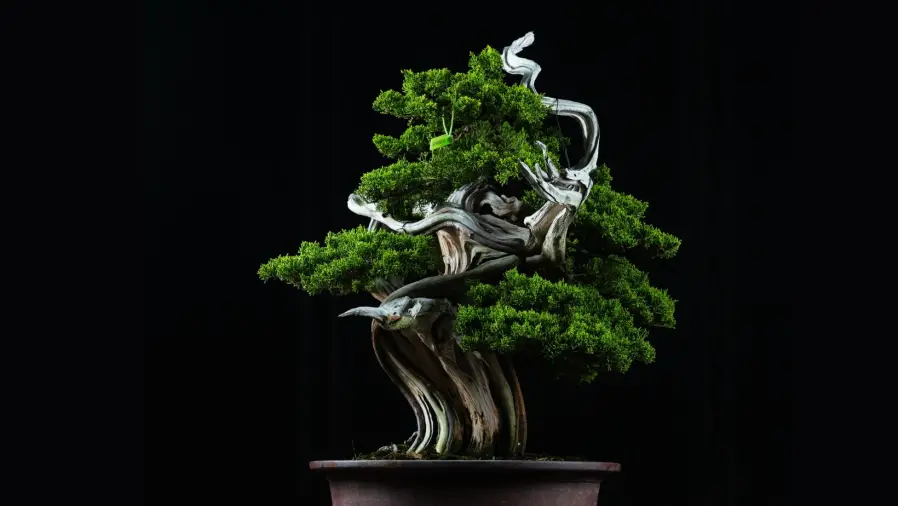
Bonsai techniques for shaping and pruning can help create stunning bonsai trees. These techniques are essential for maintaining the desired shape and appearance of the bonsai.
Shaping involves techniques like wiring and bending branches to create the desired design, while pruning involves the careful removal of unwanted branches and foliage. By mastering these techniques, bonsai enthusiasts can create beautiful and unique bonsai trees that showcase their creativity and skill.
Through proper shaping and pruning, bonsai trees can be transformed into miniature masterpieces, capturing the essence and beauty of nature in a tiny, living form. We will explore the different bonsai techniques used for shaping and pruning and how they contribute to the overall beauty of a bonsai tree.

Table of Contents
Key Principles For Shaping And Pruning Bonsai
Discover the key principles that will help you shape and prune your bonsai tree for stunning results. From understanding the tree’s growth pattern to using the right tools, these techniques will enhance the beauty of your bonsai and create a masterpiece.
Building The Foundation Of A Stunning Bonsai Through Proper Shaping
Building the foundation of a stunning bonsai requires careful shaping to achieve the desired aesthetic effect. Shaping the bonsai involves manipulating the growth of branches and foliage to create the desired structure and form. The shaping process begins with understanding the natural characteristics and growth patterns of the chosen tree species. By working with these inherent traits, bonsai enthusiasts can guide the growth of their trees and create harmonious shapes that resemble mature trees in nature. This process requires patience, precision, and a deep appreciation for the art of bonsai.
The Importance Of Understanding Growth Patterns And Natural Characteristics
Understanding the growth patterns and natural characteristics of the chosen tree species is crucial for successful bonsai shaping. Each tree species has its unique growth patterns, such as the direction and angle of branching, the size of leaves, and the way branches develop. By familiarizing yourself with these characteristics, you can make informed decisions when shaping your bonsai tree. This knowledge enables you to anticipate how the tree will respond to pruning and shaping techniques, ensuring that you achieve the desired result without stunting its growth or compromising its health.
How To Achieve Balance And Harmony In Bonsai Shaping
Achieving balance and harmony in bonsai shaping is a key principle that separates a stunning bonsai from an average one. Balance refers to the distribution and arrangement of branches, foliage, and other elements in the bonsai composition. It creates a sense of equilibrium and visual stability. Harmonizing the proportions and shapes of different components, such as the trunk, branches, and foliage, helps create a cohesive and aesthetically pleasing bonsai. Regular pruning and shaping sessions are essential for maintaining the desired balance and harmony, as the bonsai tree continues to grow and develop over time.
Incorporating Traditional Japanese Aesthetics For Stunning Results
In bonsai shaping, incorporating traditional Japanese aesthetics can elevate the results to stunning levels. Japanese aesthetics emphasize simplicity, asymmetry, and naturalness. Adhering to these principles can further enhance the beauty and authenticity of the bonsai. For instance, the “rule of thirds” is often applied to position the main branch or focal point off-center, creating a sense of dynamism and natural movement. Arranging branches in a balanced yet asymmetrical manner mimics the growth patterns of older trees found in nature. By incorporating these traditional Japanese aesthetics, you can create bonsai that truly captivate and evoke a sense of tranquility and beauty.
Essential Tools For Shaping And Pruning Bonsai
Discover the essential tools for shaping and pruning bonsai in our comprehensive guide. Learn proven bonsai techniques to create stunning masterpieces.
When it comes to shaping and pruning bonsai trees, having the right tools is crucial. Each tool serves a specific purpose and understanding their usage is essential for achieving stunning bonsai designs. In this section, we will explore the must-have tools for the bonsai shaping and pruning toolkit, discuss their purpose and usage, and provide guidance on selecting the right tool for different pruning and shaping techniques.
Must-have Tools For The Bonsai Shaping And Pruning Toolkit
To accomplish successful bonsai shaping and pruning, it is important to have the necessary tools at your disposal. The following table outlines the must-have tools for your bonsai toolkit and their respective purposes:
| Tool | Purpose |
|---|---|
| Bonsai shears | Prune branches and leaves with precision |
| Concave branch cutter | Remove larger branches without leaving visible scars |
| Wire cutters | Trim or remove wires used for shaping the tree |
| Bonsai knob cutter | Trim knobs or unwanted bulges from the trunk and branches |
| Bonsai pruning saw | Cut through thicker branches that are difficult to prune with shears |
| Bonsai root rake | Loosen and comb through the bonsai’s root system during repotting |
Understanding The Purpose And Usage Of Each Tool
Let’s take a closer look at each tool and understand its purpose and usage in bonsai shaping and pruning:
- Bonsai shears: These specialized scissors with short blades are designed for precise pruning of branches and leaves. They allow you to trim and shape your bonsai with accuracy, promoting healthy growth and maintaining the desired silhouette.
- Concave branch cutter: Used for removing larger branches, this tool leaves a concave cut that helps the wound heal more naturally, minimizing scarring on the bonsai. It is essential for maintaining the aesthetics of your tree while promoting proper healing.
- Wire cutters: As you shape your bonsai, you may use wires to guide the growth and create desired bends. Wire cutters come in handy for trimming or removing the wires when they are no longer needed. They ensure the wires do not damage the branches or trunk while being removed.
- Bonsai knob cutter: Knobs or bulges can develop on the trunk or branches, hindering the overall beauty of the bonsai. The bonsai knob cutter serves the purpose of removing these unwanted knobs, promoting a clean and refined appearance.
- Bonsai pruning saw: When dealing with thicker branches that cannot be pruned with shears, a bonsai pruning saw is necessary. This saw features a finer tooth design, allowing you to make precise cuts while avoiding unnecessary damage to the tree.
- Bonsai root rake: During repotting, the bonsai root rake is used to loosen and comb through the root system, removing excess soil and untangling any tangled roots. It helps in maintaining the health of the bonsai’s roots and ensuring proper nutrient absorption.
Selecting The Right Tool For Different Types Of Pruning And Shaping Techniques
Choosing the appropriate tool for a specific pruning or shaping technique is crucial to achieve the desired result. Here are some tips to help you select the right tool for different bonsai techniques:
- Consider the size of the branch or area you need to prune: For smaller branches or delicate areas, bonsai shears are usually sufficient. However, when dealing with thicker branches, a bonsai pruning saw or concave branch cutter might be needed.
- Assess the type of cut required: If you need to remove a larger branch, a concave branch cutter will create a clean cut that helps the wound heal effectively. For fine trimming or shaping, bonsai shears provide the precision necessary for intricate cuts.
- Take into account the desired outcome: Different bonsai shaping techniques require specific tools. For example, when wiring and bending branches, wire cutters are necessary for removing the wires without damaging the tree.
By selecting the right tool for each pruning and shaping technique, you can ensure that your bonsai tree remains healthy, visually appealing, and meets your desired aesthetic goals.
Pruning Techniques For Bonsai Shaping
Bonsai trees are admired for their intricate beauty and tranquil presence. To achieve the desired shape and aesthetic appeal, pruning is essential. Pruning techniques for bonsai shaping involve understanding different types of pruning cuts, making clean and precise cuts, applying directional pruning, and ensuring proper timing and frequency. Mastering these techniques will help you create stunning bonsai trees that bring tranquility and beauty into your home or garden.
Understanding The Different Types Of Pruning Cuts For Shaping Bonsai
When it comes to shaping bonsai, understanding the different types of pruning cuts is crucial. Each type of cut serves a specific purpose and has an impact on the overall growth and appearance of the bonsai tree.
- Heading Cut: This type of cut involves removing a portion of a branch or stem to encourage new growth.
- Thinning Cut: Thinning cuts involve selectively removing branches or foliage to maintain balance and reduce crowding.
- Pinching: Pinching involves removing the tip of a branch or bud to promote ramification and encourage new growth.
- Backbud Cut: This pruning technique encourages the growth of new buds on the interior of the branch.
How To Make Clean And Precise Pruning Cuts For Optimal Bonsai Growth
To ensure optimal bonsai growth, it is important to make clean and precise pruning cuts. Proper technique helps minimize damage and promotes faster healing for the tree.
Here are some guidelines for making clean and precise pruning cuts:
- Use sharp and clean pruning shears or bonsai scissors to make the cut.
- Make the cut at a slight angle, about 45 degrees, to promote healing and prevent water accumulation.
- Prune just above a bud or branch junction to encourage new growth in the desired direction.
- Inspect the cut surface to ensure a clean and smooth cut without any ragged edges.
Techniques For Directional Pruning To Guide Branch Growth
Directional pruning is a technique used to guide the growth of branches and shape the overall structure of the bonsai tree. By strategically pruning certain branches, you can create the desired shape and achieve a more harmonious design.
- Apical Dominance: By pruning the uppermost portion of the main trunk or branch, you can redirect the growth to lower branches, creating a fuller and more balanced tree structure.
- Encouraging Taper: Pruning branches at different heights helps create a sense of depth and taper in the bonsai tree, mimicking the natural growth patterns of mature trees.
- Creating Movement: By selectively pruning branches in a curved or zigzag pattern, you can introduce movement and visual interest to the bonsai tree.
The Importance Of Timing And Frequency In Bonsai Pruning
Timing and frequency play a vital role in bonsai pruning. Pruning at the right time and with the appropriate frequency ensures the tree’s health, promotes vigorous growth, and maintains its desired shape.
Consider the following factors when timing and planning your bonsai pruning:
- Season: Different species of bonsai trees have specific periods when they are most receptive to pruning. Research your particular tree species to determine the optimal pruning season.
- Growth Patterns: Observe the growth patterns of your bonsai tree and prune during periods of active growth to encourage new shoots and enhance the overall shape.
- Recovery Time: Allow sufficient time for the tree to recover between pruning sessions, as aggressive or frequent pruning can weaken the tree.
As you become more familiar with your bonsai tree’s needs and specific characteristics, you will develop a better sense of timing and frequency for pruning.
By applying these pruning techniques and understanding the importance of timing and frequency, you will be well on your way to shaping stunning bonsai that captivate and inspire.
Shaping Techniques For Stunning Bonsai
Shaping is a crucial aspect of achieving stunning bonsai trees. By carefully manipulating the trunk and branches, bonsai enthusiasts can create captivating and visually appealing designs. In this section, we will explore essential techniques for shaping the trunk and branches, creating movement and visual interest through wiring techniques, and achieving different bonsai styles through shaping.
Essential Techniques For Shaping The Trunk And Branches Of Bonsai
When it comes to shaping bonsai trees, there are several essential techniques that can help you achieve desired forms. These techniques include:
- Pruning: Regular and selective pruning is essential for maintaining the shape of the bonsai. Removing excess growth and unwanted branches allows you to control the overall structure and direct energy towards desired areas.
- Wiring: Wiring is a technique that enables you to bend and position the branches and trunk into specific shapes. Careful use of wire helps you create elegant curves and realistic branch structures.
- Clamping: Clamping involves using devices or tools to apply pressure and bend the trunk or branches into unique and artistic shapes. This technique can add character and personality to your bonsai.
- Guying: Guying is a method where you use strings or wires to pull the branches down, encouraging them to grow in a downward direction. This technique helps create the illusion of an aged tree with natural-looking cascading branches.
Creating Movement And Visual Interest Through Wiring Techniques
Wiring is one of the most effective techniques for creating movement and visual interest in bonsai trees. By wrapping a thin wire around the trunk or branches, you can gently bend and shape them over time. Here are some tips for successful wiring:
- Choose the right wire gauge: The wire should be thick enough to hold the branch in place but not too thick that it damages or scars the tree.
- Wrap the wire in a spiral manner: Start at the base of the branch or trunk and wrap the wire in a spiral motion, ensuring it’s tight enough to hold but not too tight to cause damage.
- Position the wire at the right angle: The wire should be positioned at a slight angle to create a natural-looking curve.
- Monitor the wire regularly: As the branches grow, the wire may cut into the bark. Make sure to regularly inspect and adjust the wire to prevent any damage.
How To Achieve Different Bonsai Styles Through Shaping
Shaping techniques play a vital role in achieving different bonsai styles. By understanding and implementing the following shaping techniques, you can create various bonsai styles:
| Bonsai Style | Shaping Technique |
|---|---|
| Formal Upright | Straight and upright trunk with evenly spaced branches |
| Informal Upright | Slightly curving trunk with irregularly spaced branches |
| Cascade | Tall, cascading trunk with branches flowing downwards |
| Slanting | Inclined trunk with branches growing towards one side |
| Windswept | Trunk and branches angled in the direction of strong winds |
Tips For Achieving Natural-looking Bonsai Shapes
To achieve natural-looking bonsai shapes, keep the following tips in mind:
- Study real trees: Observe and study the shapes of real trees in nature. This will help you understand how branches grow, curve, and intertwine naturally.
- Mimic asymmetry: Avoid perfection in your bonsai design. Nature is rarely symmetrical, so aim for asymmetrical compositions to create a more realistic appearance.
- Consider branch thickness: Ensure that the thickness of the branches is proportionate to the trunk size. This helps maintain a balanced and natural look.
- Regularly evaluate and adjust: As your bonsai grows, regularly evaluate the shape and make adjustments accordingly. This allows you to keep refining and perfecting the overall design.
Advanced Shaping And Pruning Techniques For Experienced Bonsai Artists
For experienced bonsai artists, the art of shaping and pruning goes beyond basic techniques. It is an opportunity to showcase their skill, creativity, and artistic vision. In this section, we will explore advanced shaping and pruning techniques that can help these artists create stunning and unique bonsai forms.
Innovative Techniques For Advanced Shaping And Pruning
When it comes to bonsai shaping and pruning, experienced artists are always eager to experiment and push the boundaries of traditional techniques. They are constantly searching for new and innovative methods to create truly one-of-a-kind bonsai forms. By combining various techniques and adapting them to specific tree species, these artists can achieve breathtaking results.
One such technique is air layering, which involves creating new roots on a branch or trunk section to form a separate tree. This allows for the development of interesting and unusual forms. Additionally, artists may employ grafting to merge different tree varieties into a single bonsai, resulting in a unique combination of features.
Creating Unique And Artistic Bonsai Forms Through Advanced Techniques
The goal of advanced shaping and pruning techniques is not just to maintain the health and structure of the bonsai, but also to create artistic forms that evoke emotion and captivate the viewer. Experienced bonsai artists utilize wiring to gently bend and shape branches, conveying a sense of movement and grace.
Another technique used to create unique forms is topiary pruning, where the foliage is meticulously trimmed into intricate shapes, such as spirals or animals. This meticulous attention to detail transforms the bonsai into a living masterpiece.
Exploring Unconventional Approaches To Bonsai Shaping And Pruning
In the world of bonsai, rules are meant to be broken, and experienced artists are always open to exploring unconventional approaches. They are not afraid to challenge tradition and experiment with new ideas.
One unconventional technique is deadwood carving, where artists carve and manipulate dead sections of the tree to achieve a weathered and aged look. This technique adds character and depth to the bonsai, making it stand out among more traditional forms.
Additionally, artists may use defoliation as a technique to enhance the visual impact of the bonsai. By removing the leaves, they can highlight the tree’s branch structure and create a striking silhouette.
By embracing unconventional approaches, experienced bonsai artists are able to create truly remarkable and awe-inspiring bonsai forms that challenge the norm and push the boundaries of traditional techniques.
As you can see, advanced shaping and pruning techniques offer endless possibilities for experienced bonsai artists. These techniques allow them to create unique, artistic forms that showcase their skill and creativity. By exploring innovative methods, striving for unique forms, and embracing unconventional approaches, bonsai artists can continue pushing the boundaries of what is possible in this ancient art form.
Frequently Asked Questions On “bonsai Techniques: Shaping And Pruning For Stunning Bonsai”
How Do I Shape My Bonsai Tree?
To shape your bonsai tree, start by trimming excess growth and removing any branches that disrupt the desired shape. Use wire to gently guide the branches into the desired position. Regularly trim and prune new growth to maintain the shape over time.
Why Is Pruning Important For Bonsai Trees?
Pruning is essential for bonsai trees as it helps control their size, shape, and overall aesthetic appeal. By selectively removing branches and foliage, you can create a more balanced and visually pleasing bonsai. Pruning also helps improve air circulation and nutrient distribution to promote healthier growth.
When Is The Best Time To Prune A Bonsai Tree?
The best time to prune a bonsai tree depends on the species and its growth cycle. Generally, pruning is done during periods of active growth, such as spring or early summer. Avoid pruning during dormant periods as it may impede the tree’s ability to recover and heal properly.
Can I Shape My Bonsai Tree Into Any Design?
While bonsai trees can be shaped into various designs, it is important to consider the natural growth habit and characteristics of the tree species. Some trees are more suitable for specific styles, such as upright, cascade, or windswept. Research and understand the characteristics of your tree species before attempting to shape it.
Conclusion
So, there you have it – bonsai techniques for shaping and pruning that will help you create stunning bonsai trees. By following these expert practices, you can transform your bonsai into breathtaking works of art. Remember to have patience and be mindful of the unique needs of each tree.
With dedication, you will be able to achieve the desired shape and form, resulting in a beautiful and captivating bonsai that will bring joy and tranquility to your space.
