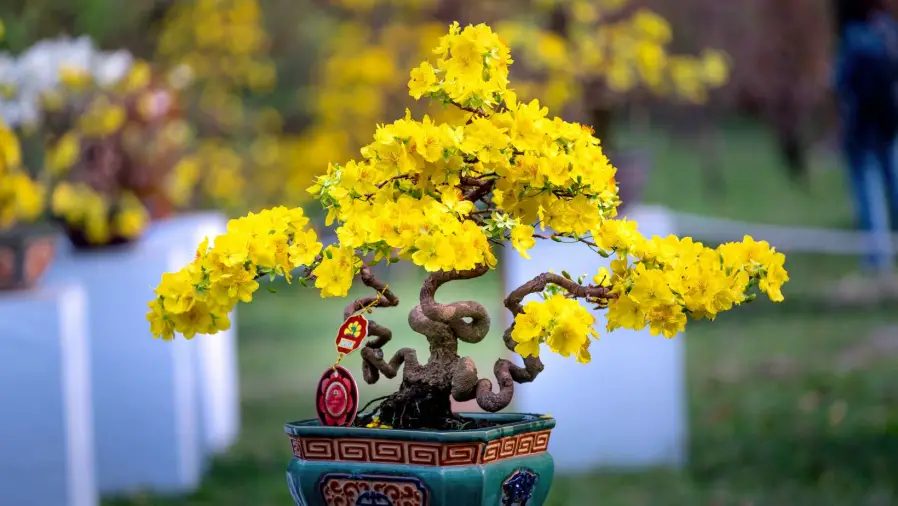
Bonsai techniques involve the precise pruning and training of miniature trees to create beautiful and artistic creations. Bonsai techniques are a delicate art form that involves the precise pruning and training of miniature trees, resulting in beautiful and artistic creations.
By carefully manipulating the growth and shape of the tree, bonsai enthusiasts strive to create a harmonious balance between nature and craftsmanship. These techniques require patience, skill, and attention to detail, as each cut and bend must be carefully considered to achieve the desired result.
From wiring branches to cultivating the right soil conditions, bonsai techniques are a labor of love that can take years to master. Whether you are a novice or an experienced bonsai lover, understanding and implementing these techniques can help you create your own living masterpiece.

Table of Contents
The History And Origin Of Bonsai
Bonsai, the art of growing miniature trees, has a rich and fascinating history that dates back thousands of years. Ancient Chinese and Japanese traditions, coupled with the influence of Zen Buddhism, have shaped the evolution of this unique horticultural practice over the centuries. In this blog post, we will delve into the origins of bonsai and explore the ancient Chinese and Japanese traditions, as well as the profound influence of Zen Buddhism on this art form.
Ancient Chinese And Japanese Traditions
The roots of bonsai can be traced back to ancient China, where the practice of cultivating miniature trees in containers first emerged. Chinese scholars during the Tang dynasty (618-907 AD) began to appreciate the beauty of potted plants, which eventually led to the development of the art of penjing, meaning “tray scenery.” The art of penjing focused on creating natural landscapes in miniature, incorporating trees, rocks, and other elements to evoke the essence of a grand mountain scene.
In the 6th century AD, Buddhism arrived in Japan from China, bringing with it the concept of miniaturized landscapes. The Japanese adapted the art of penjing and transformed it into their own unique practice, known as bonsai. The word “bonsai” itself is derived from the Japanese words “bon” (tray or container) and “sai” (planting), emphasizing the importance of growing trees in small containers.
Influence Of Zen Buddhism
Zen Buddhism played a crucial role in shaping the art of bonsai and giving it a deeper philosophical meaning. Zen teachings emphasize simplicity, mindfulness, and the appreciation of nature, all of which are crucial elements in cultivating bonsai. Zen monks and practitioners would often create bonsai as a way to connect with the natural world and attain a state of enlightenment.
The act of tending to a bonsai tree aligns with Zen principles, as it requires patience, discipline, and a deep understanding of the tree’s unique needs. Bonsai artists aim to capture the essence of a full-sized tree in a miniature form, exemplifying the Zen philosophy of finding beauty in simplicity and the artistry of restraint.
Evolution Over The Centuries
Over the centuries, the art of bonsai has evolved and adapted to various cultural influences and artistic styles. Japanese bonsai, for example, developed distinct aesthetic principles such as asymmetry, simplicity, and naturalness.
In modern times, bonsai has gained popularity across the globe, with enthusiasts from different countries embracing this art form. Contemporary bonsai artists continue to experiment with new techniques, styles, and species of trees, adding their own personal touch to this ancient tradition while honoring its historical roots.
Essential Tools And Materials
When it comes to bonsai techniques, having the right tools and materials is crucial to ensure the health and beauty of your miniature trees. From selecting the right trees and plants to shaping and wiring branches, each step requires specific tools and materials for optimal results. In this section, we will explore the key essentials you need to get started.
Selection Of Suitable Trees And Plants
Choosing the right trees and plants is the first step towards successful bonsai cultivation. Look for species that have small leaves, compact growth habits, and adaptability to bonsai gardening. Some popular choices include Juniper, Pine, Maple, and Ficus trees. Consider the climate and environment in which you’ll be growing your bonsai, as different species have specific temperature and lighting requirements.
Pottery And Containers
Pottery and containers not only serve as decorative elements but also play a vital role in the health of your bonsai. Select containers that are appropriate for the size and style of your tree. The container should provide adequate drainage to prevent waterlogging, as excess moisture can lead to root rot. Additionally, make sure the pot or container allows for future root development. Japanese-inspired ceramic pots are a popular choice for their aesthetic appeal and durability.
Soil Composition And Fertilizers
The right soil composition is essential for the proper growth and development of bonsai trees. Use well-draining soil mixes composed of a combination of organic matter, such as peat moss or coconut coir, and inorganic matter, like pumice or perlite. This combination ensures adequate moisture retention while preventing waterlogged roots. Regular fertilization is also crucial to supply the necessary nutrients to the bonsai. Consider using slow-release organic or liquid fertilizers specifically formulated for bonsai to keep your trees healthy and vibrant.
Pruning And Shaping Tools
Pruning and shaping tools are indispensable when it comes to maintaining the desired shape and aesthetics of your bonsai. A quality pruner, concave cutter, and branch cutter are essential tools for precise and controlled pruning. Root pruning tools, like root shears and root hooks, help in proper root maintenance and allow for compact growth. Additionally, consider investing in a bonsai carving tool for refining the bark texture and adding intricate details to your trees.
Wire Techniques For Shaping Branches
Wire techniques are used to shape and train branches into desired positions, giving your bonsai tree its unique form. Aluminum bonsai wire is preferred for its flexibility and ease of use. Choose the appropriate gauge of wire based on the thickness of the branch you want to shape. Wrap the wire around the branch in a spiral pattern, ensuring it is tight enough to hold but not so tight that it damages the bark. Be mindful of the wire’s position, avoiding contact with delicate buds or leaves. Regularly check and adjust the wire as the branch grows to prevent wire scarring.
Understanding Bonsai Styles
One of the most fascinating aspects of bonsai cultivation is the variety of styles in which these miniature trees can be shaped. Understanding the different bonsai styles is key to creating a well-balanced and visually appealing bonsai tree. In this article, we will discuss the five main bonsai styles, including their characteristics and techniques.
Formal Upright (chokkan)
The formal upright style, also known as Chokkan, is characterized by a straight, upright trunk that tapers gently towards the top. The branches of the tree are arranged in a structured and balanced manner, with the lower branches being longer and thicker compared to the upper branches.
To achieve the formal upright style, it is important to carefully select a tree species with a naturally straight trunk. Regular pruning, wiring, and training techniques are applied to guide the growth of the branches and create the desired shape.
Informal Upright (moyogi)
The informal upright style, known as Moyogi, is a more relaxed and natural-looking bonsai style. It features a slightly curved or slanted trunk with branches that alternate in a random pattern. The overall shape of the tree mimics the irregularity found in nature.
Maintaining the informal upright style requires ongoing pruning and wiring to maintain the desired shape. By regularly trimming the branches and adjusting their positions, the bonsai artist can create a harmonious and balanced visual effect.
Slanting (shakan)
The slanting style, or Shakan, is characterized by a trunk that is inclined at an angle rather than growing vertically. The slanting trunk gives the tree a sense of movement and adds a dynamic element to the bonsai design.
In order to achieve the slanting style, careful wiring and pruning techniques are employed to shape the trunk and branches. The positioning of the branches is adjusted to create a well-balanced and aesthetically pleasing composition.
Cascade (kengai)
The cascade style, also known as Kengai, is a striking bonsai style that mimics the growth of trees on cliffs or cascading down hillsides. In this style, the trunk of the bonsai extends below the bottom of the pot, creating a cascading effect.
To create a cascade bonsai, the trunk is carefully shaped and wired to achieve the desired arc or curve. The branches are typically arranged in a downward direction, emphasizing the cascading appearance of the tree.
Semi-cascade (han-kengai)
The semi-cascade style, or Han-Kengai, is a variation of the cascade style where the trunk of the bonsai extends just slightly below the rim of the pot. This style gives the impression of a tree growing near a cliff or on a steep slope.
Similar to the cascade style, the trunk and branches of the semi-cascade bonsai are shaped using wiring and pruning techniques. The ideal shape is achieved by carefully positioning the branches to maintain balance and harmony.
Each bonsai style offers a unique representation of nature and requires specific techniques to achieve. By understanding these styles and their characteristics, bonsai enthusiasts can create stunning miniature trees that capture the beauty and essence of nature.
Basic Bonsai Techniques For Beginners
Learn the essentials of bonsai techniques with this beginner-friendly guide. Explore pruning, wiring, repotting, and more to create stunning and beautifully shaped bonsai trees.
Basic Bonsai Techniques for Beginners Bonsai is an art form that originated in Japan and has captivated people around the world with its miniature trees that mimic nature’s grandeur. While bonsai trees may look delicate, they require specific care and techniques to thrive. In this article, we will explore the basic bonsai techniques for beginners. These techniques encompass pruning for shape and size control, wiring and bending branches, repotting and root pruning, as well as watering and fertilizing techniques. By understanding and implementing these techniques, beginners can successfully nurture and shape their bonsai trees into stunning masterpieces.
Pruning For Shape And Size Control
Pruning is a fundamental technique in bonsai cultivation, allowing growers to control the shape and size of their trees. By selectively removing branches or foliage, you can influence the overall appearance and structure of your bonsai. Regular pruning encourages new growth and enhances the tree’s aesthetic value. To achieve the desired shape, start by identifying the branches that need to be pruned. Use a clean and sharp pair of pruning shears to make clean cuts close to the trunk or another branch. Positioning the shears at a slight angle can help prevent water accumulation on the cut surface. Remember to remove any dead or diseased branches, as they can hinder the tree’s health and appearance.
Wiring And Bending Branches
Wiring and bending branches is another crucial technique for shaping bonsai trees. By using aluminum or copper wire, you can gently guide the branches into desired positions. Careful wiring allows you to create elegant curves and natural-looking movement in the branches. Before wiring, evaluate the flexibility of the branches. Young and supple branches are more amenable to bending, while thicker and more rigid branches require gradual bending over time. Wrap the wire around the branch, starting from the trunk and working towards the tip. Be cautious not to wrap the wire too tightly, as it may damage the bark or restrict the flow of sap. Additionally, regularly inspect the wiring to prevent the wire from cutting into the branch as the tree grows.
Repotting And Root Pruning
Repotting and root pruning are essential for maintaining the health and vitality of bonsai trees. Over time, bonsai trees outgrow their pots, and repotting provides an opportunity to refresh their growth medium and promote root development. To repot your bonsai, carefully remove it from its old container and gently loosen the root ball. Examine the roots and prune any long or tangled roots to encourage the growth of fine, fibrous roots. Trim the root ball to the appropriate size, ensuring that there is enough room for healthy root growth. After repotting, provide appropriate watering and place the tree in partial shade to aid its recovery.
Watering And Fertilizing Techniques
Proper watering and fertilizing are crucial for the health and growth of bonsai trees. To avoid overwatering or underwatering, it is essential to develop a watering routine based on the specific needs of your bonsai species. Test the moisture content of the soil by sticking your finger about an inch deep into the soil. If the soil feels slightly damp, it is an indicator that your bonsai doesn’t need watering yet. When it comes to fertilizing, choose a high-quality bonsai fertilizer and follow the recommended dosage. Fertilize during the growing season to provide the necessary nutrients for vibrant foliage and strong root development. Remember to dilute the fertilizer to avoid burning the plant’s roots and follow the manufacturer’s instructions for best results. By implementing proper watering and fertilizing techniques, you can ensure the continued health and vitality of your bonsai tree. Creating a harmonious composition In addition to the specific techniques mentioned above, creating a harmonious composition is crucial to achieve the desired aesthetic appeal of a bonsai tree. Consider the overall design, including the tree’s shape, orientation, and the choice of pot or container. Aim for balance and symmetry in your composition, considering elements such as branch placement, foliage distribution, and the visual weight of the trunk. Remember that creating a harmonious composition is an ongoing process, requiring patience and attention to detail. Regular pruning, wiring, repotting, and maintenance will help you refine the visual balance and achieve a sense of natural beauty in your bonsai creation. Applying these basic bonsai techniques for beginners provides a solid foundation for cultivating healthy and visually appealing bonsai trees. Through careful pruning, wiring, repotting, and maintenance, beginners can embark on a rewarding journey of shaping and nurturing their miniature trees into captivating works of living art.
Advanced Bonsai Techniques For Mastering The Art
When it comes to bonsai cultivation, mastering the advanced techniques is the key to taking your artistry to the next level. These specialized techniques allow bonsai enthusiasts to shape and manipulate their trees into exquisite masterpieces. In this article, we will delve into the world of advanced bonsai techniques, including layering and air-layering, grafting and budding, deadwood techniques, defoliation and leaf reduction, and advanced wiring. Explore these techniques to elevate your bonsai creations and leave a lasting impression.
Layering And Air-layering Techniques
Layering is a propagation technique widely used in bonsai cultivation to develop new roots on an existing tree trunk or branch. By creating a wound and surrounding it with moist soil or moss, the bonsai artist encourages the tree to produce new roots, resulting in a stronger and more aesthetically pleasing tree. Air-layering takes this technique a step further by wrapping a section of the tree with moist sphagnum moss and sealing it with plastic to create a humid environment. This method allows the roots to develop without disrupting the tree’s growth.
Grafting And Budding Methods
Grafting and budding are advanced techniques used to introduce new branches, foliage, or flowers onto an established bonsai tree. Grafting involves joining a branch or scion from one tree onto another by carefully aligning the cambium layers and securing them in place. This method allows for the incorporation of desirable characteristics, such as different leaf shapes or flower colors, enhancing the overall beauty of the bonsai. Budding, on the other hand, involves attaching a bud onto a receiving tree, allowing it to grow into a new branch. Both techniques require precision and patience but offer endless possibilities for creative expression in bonsai art.
Deadwood Techniques (jin And Shari)
Deadwood techniques, namely Jin and Shari, involve intentionally preserving and highlighting the dead or aged wood on a bonsai tree. Jin refers to the removal of branches or portions of the tree to create a deadwood feature, usually with sharp, pointed ends resembling lightning strikes or broken branches. Shari, on the other hand, involves the removal of bark from certain areas to expose the aged wood underneath. These techniques add a sense of character, maturity, and naturalness to the bonsai, making it appear weathered and ancient.
Defoliation And Leaf Reduction
In the pursuit of creating a balanced and harmonious bonsai, defoliation and leaf reduction techniques play a vital role. Defoliation involves removing the foliage from the tree, either entirely or partially, to promote the growth of smaller leaves or to enhance the tree’s overall silhouette. This technique also helps in creating the illusion of miniaturized foliage, characteristic of bonsai trees. Leaf reduction, on the other hand, involves selectively reducing the size of individual leaves through trimming or pinching, resulting in a more refined and proportional appearance.
Advanced Wiring For Intricate Designs
Advanced wiring techniques are crucial for achieving intricate designs in bonsai trees. The art of wiring allows the bonsai artist to guide the growth and shape of branches, enabling the creation of elegant curves, gentle bends, and intricate patterns. By carefully wrapping copper or aluminum wire around the branches and trunk, the artist can control their position and direction, encouraging them to grow in the desired manner. However, it is essential to exercise caution to prevent wire scarring and ensure the wire is removed promptly before it cuts into the tree’s bark.
Frequently Asked Questions Of Bonsai Techniques
What Is The Rule Of 3 In Bonsai Tree?
The rule of 3 in bonsai tree refers to three essential principles: trunk thickness, primary branches, and branch ramification. These aspects contribute to the overall aesthetic and health of the bonsai tree. By adhering to these guidelines, bonsai enthusiasts can achieve a harmonious and balanced appearance in their creations.
What Are The Techniques Of Bonsai Culture?
Bonsai culture techniques include pruning, wiring, repotting, and watering. Pruning helps maintain the bonsai’s shape, while wiring allows the branches to be shaped. Repotting ensures healthy growth by refreshing the soil and stimulating new root growth. Watering should be done regularly, keeping the soil moist but not waterlogged.
What Is The One To Six Rule Of Bonsai?
The one to six rule of bonsai is a guideline for the proportions of the tree’s trunk and branches. It states that the trunk should be one-sixth the height of the tree, and the branches should be one-sixth the thickness of the trunk.
This helps create a balanced and aesthetically pleasing bonsai tree.
What Is The Japanese Bonsai Method?
Japanese bonsai method is an ancient horticultural practice that involves growing and training small trees in containers. It aims to create miniature versions of trees found in nature, with careful pruning and shaping to achieve a balanced and harmonious appearance.
Conclusion
In a nutshell, mastering bonsai techniques allows you to create stunning miniature trees that bring nature’s beauty into your home. From proper pruning and wiring to meticulous watering and fertilizing, each step ensures the health and growth of these delicate plants.
By understanding the unique needs of each bonsai species, you can cultivate a tranquil oasis that reflects your passion for the art of bonsai. So immerse yourself in this ancient practice, and watch as your bonsai thrives and flourishes into a masterpiece.
Happy pruning!
(To know about “How Bonsai Plants are Made: A Step-by-Step Guide” : https://bonsainurserybd.com/how-bonsai-plants-are-made/ )
