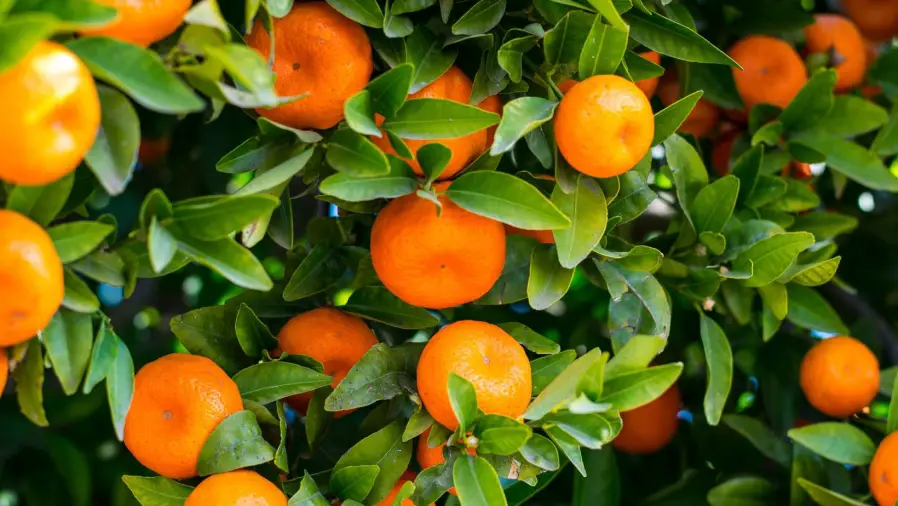
A bonsai fruit tree is a miniature version of a full-sized fruit tree, pruned and nurtured to remain small. These trees can produce actual fruit, despite their diminutive size.
Bonsai fruit trees merge the ancient art of bonsai with the joy of gardening, allowing enthusiasts to cultivate fruit-bearing trees in small spaces. Perfect for balconies, patios, or indoor areas, these trees require meticulous care, including pruning, repotting, and specific soil conditions to thrive and produce fruit.

Cultivators of these living sculptures take pride in the patience and dedication required to maintain their bonsai—transforming gardening into both a form of meditation and a horticultural challenge. This unique combination of art and horticulture offers a fulfilling experience to gardeners who seek to elevate their practice to an art form.
Table of Contents
Introduction To Bonsai Fruit Trees
Imagine tiny trees with real fruits in your home. Bonsai fruit trees are just that – small yet productive. They bring together art, science, and patience. Cultivating these miniature marvels is a fulfilling hobby. Wonderful to look at and practical, they present endless joy.
Defining Bonsai: Art, Science, And Philosophy
Bonsai is a form of art using mini trees. It’s also a science that requires knowledge about plant growth. Philosophy is key too. It teaches us about patience and harmony with nature. The goal is not just to grow a small tree but to shape a landscape in miniature. Bonsai includes careful pruning, wiring and caring. This art form has deep roots in Asian culture.
The Appeal Of Miniature Fruit Trees: Aesthetic And Practical Benefits
- Visual Beauty: These tiny trees are lovely to look at. They fit snugly in any home.
- Space Savers: With bonsai, space isn’t an issue. People with small homes can enjoy gardening.
- Fruit Production: Bonsai trees bear real fruit. The same kind as their larger cousins, but smaller.
- Therapeutic: Caring for bonsai is relaxing. It helps to reduce stress.
Choosing The Right Fruit Tree For Bonsai
Embarking on the bonsai journey with a fruit tree? It brings a delightful twist to the ancient art of bonsai. Miniature trees produce real, edible fruits, evoking wonder and interest. Fruit-bearing bonsais encapsulate nature’s marvel in a small package – a perfect harmony of form and function. Selecting the correct species secures your bonsai’s success.
Popular Varieties Suitable For Bonsai
Many fruit trees lend themselves to bonsai, with favorites like:
- Apple: Dwarf varieties produce charming, tiny apples.
- Pomegranate: Known for their vibrant flowers and fruits.
- Ficus: Tropical, forgiving, and often fruit-bearing.
- Citrus: Tiny oranges and lemons add a zesty appeal.
- Cherry: Beautiful blossoms followed by small fruits.
Factors To Consider: Climate, Space, And Maintenance
Choose a fruit tree for your bonsai that thrives in your local climate. It ensures healthy growth and fruiting.
| Climate | Bonsais need specific temperatures to fruit. Pick species matching your weather. |
| Space | Miniature doesn’t mean no space. Ensure enough room for tree development. |
| Maintenance | Fruit trees require pruning, watering, and feeding. Pick one that meets your commitment. |
Acquiring Your Tree: Seed, Sapling Or Pre-bonsai
Getting your bonsai started can happen through:
- Seed: Planting from seeds is rewarding but takes patience.
- Sapling: Young trees offer a head start and ensure species accuracy.
- Pre-Bonsai: These are pre-trained trees, ideal for beginners seeking immediate results.
Foundational Techniques For Bonsai Cultivation
Bonsai trees bring the majesty of nature into miniature form. The art of bonsai involves meticulous care and specific techniques. Fruit-bearing bonsai trees add an extra layer of challenge and reward to this ancient practice. To ensure a successful bonsai cultivation, understanding foundational techniques is essential.
Potting And Repotting: Containers And Soil Selection
Selecting the right container and soil for a bonsai fruit tree is vital for its survival. The pot should complement the tree’s size and style, with adequate drainage to prevent root rot. A balanced bonsai soil mix provides the correct aeration and water retention needed for delicate roots.
| Container Considerations | Soil Selection |
|---|---|
| Size relative to tree | 50% Akadama |
| Drainage holes | 25% Pumice |
| Material (ceramic, plastic) | 25% Lava rock |
Pruning And Shaping: Methods For Miniaturization
Pruning and shaping a bonsai fruit tree are crucial for its miniaturization. Regular pruning encourages fruiting and maintains the tree’s miniature size. Techniques such as pinching and wiring help shape the tree and guide its growth in the desired direction.
- Structural Pruning: For the tree’s silhouette
- Maintenance Pruning: To refine branches
- Root Pruning: During repotting
Watering And Fertilization: Ensuring Healthy Growth
The balance of watering and fertilization is key for a thriving bonsai. Watering needs vary with seasons and tree types. Consistent moisture is crucial, especially for fruit-bearing bonsai. Fertilization provides necessary nutrients, promoting health and productivity in miniature fruit trees.
- Check soil daily for moisture
- Use liquid fertilizer every two weeks
- Apply organic compost annually
Advanced Bonsai Fruit Tree Training
Bonsai fruit trees combine art and gardening in a compact form. They need skillful care to bear fruit. This section delves into advanced techniques. Growers can apply these methods to nurture and shape their miniature fruit-bearing wonders.
Wiring And Branch Manipulation
Wiring is crucial for shaping bonsai trees. It directs growth and enhances tree structure. Here are steps to ensure successful wiring:
- Select the appropriate wire size.
- Wrap the wire evenly around branches.
- Reposition branches gently to avoid snapping.
Avoid keeping wire on for too long. It can mark the tree’s delicate bark. Monitor growth and rewire as needed.
Flowering And Fruiting: Encouraging Productive Trees
To promote flowering and fruiting, consider these tips:
- Provide enough sunlight.
- Regularly fertilize during the growing season.
- Prune correctly to stimulate fruit production.
Patience is key. Some species may take years to bear fruit. Nutrition and careful pruning encourage productivity.
Seasonal Care: Preparing For Dormancy And Awakening
Seasonal care is vital for bonsai health. In autumn, prepare the tree for dormancy.
- Reduce watering gradually.
- Shield from harsh conditions.
- Use mulch to protect roots.
When spring arrives, help trees awaken.
- Increase watering carefully.
- Introduce fertilizer.
- Prune dead branches.
Proper care ensures a smooth transition through seasons.
Troubleshooting Common Challenges
Bonsai fruit trees transform miniaturization into an art form, but they can encounter various challenges. Whether you’re a beginner or a seasoned grower, understanding how to effectively troubleshoot these issues is crucial. This section uncovers the common hurdles you may face and how to overcome them, ensuring your bonsai remains a picture of health and vitality.
Pests And Diseases: Identification And Control
Pests and diseases can wreak havoc on bonsai fruit trees. Quick identification and action are key. Look for signs like leaf discoloration, wilting, or unusual sticky substances.
- Spider mites create fine webs and cause yellow leaves.
- Aphids are tiny, often found under leaves or on stems.
- Fungal issues may appear as mold or mildew on the plant.
To control pests:
- Isolate the affected bonsai to prevent spreading.
- Use insecticidal soap or neem oil for treatment.
- Prune damaged areas promptly and carefully.
Environmental Stress: Managing Light, Temperature, And Humidity
Environmental stress can cause your bonsai fruit tree to struggle. Ensuring optimal light, temperature, and humidity is vital.
| Element | Guideline |
|---|---|
| Light | Provide bright, indirect sunlight for most of the day. |
| Temperature | Keep at a consistent temperature, avoiding extremes. |
| Humidity | Maintain high humidity, especially in dry climates. |
Consider a humidity tray and avoid placing your bonsai near vents or drafty windows.
Reviving Neglected Bonsai Trees: Rescue Techniques
Even a neglected bonsai can bounce back with the right approach.
- Begin with a thorough inspection of the tree.
- Trim away any dead branches.
- Adjust watering practices to ensure the soil is moist but not soggy.
- Re-fertilize with a balanced bonsai-specific formula.
Patience and consistent care can revive most bonsai trees back to their former glory.
Integrating Bonsai Into Your Home And Lifestyle
Welcome to the enchanting world of bonsai fruit trees. Bringing a slice of nature’s marvel into your living space not only uplifts the ambiance but also enhances your daily life. Perfect for both plant enthusiasts and beginners, bonsai trees merge art with horticulture. With the right care, these miniature trees bring seasons indoors and become a testament to patience and beauty. Let’s explore how to make these living sculptures a part of your everyday world.
Display And Enjoyment: Showcasing Your Miniature Orchard
Every bonsai is a piece of living art, and displaying your tree is about finding the perfect spot. Consider these factors:
- Light: Choose bright, indirect sunlight.
- Viewing Angle: Elevate with stands for better viewing.
- Backdrops: Contrast walls enhance the tree’s features.
Remember, your bonsai is not just a plant—it’s a conversation starter, a mood enhancer, and an ever-changing display of natural wonder.
Daily Rituals And Long-term Commitment
Caring for a bonsai tree unfolds as a series of rewarding daily rituals. Here’s a taste of the commitment:
- Water gently every morning.
- Trim to maintain shape monthly.
- Inspect for pests regularly.
- Re-pot every few years for growth.
This long-term dedication turns your bonsai into a legacy, growing alongside you and your family for generations.
Connecting With The Bonsai Community: Clubs, Shows, And Online Resources
Embrace the bonsai community to enhance your journey. Attend club meetings, enjoy shows, and explore online forums for tips and friendships. Here’s how:
| Activity | Benefit |
|---|---|
| Join Bonsai Clubs | Learn from experts and share experiences. |
| Visit Bonsai Shows | Witness the beauty of diverse styles and species. |
| Engage Online | Access tutorials, advice, and global community support. |
These connections foster a deeper understanding and appreciation for this ancient art form.
The Continuous Journey Of Bonsai Mastery
Bonsai Mastery is not an endpoint but a voyage of discovery and growth. It mirrors life’s ongoing cycle – one of learning, adapting, and flourishing. As bonsai caretakers venture down this path, they find the art nurturing both their plants and their inner selves.
Reflecting On The Personal Growth Alongside Your Bonsai
Caring for bonsai fruit trees offers more than aesthetic rewards. It fosters patience, attention to detail, and resilience. Here is how these miniature marvels become life teachers:
- Patience: Watching a bonsai slowly thrive mirrors life’s pace.
- Focus: Regular care sharpens one’s mindfulness.
- Adaptability: Bonsais demand quick responses to change in growth or climate.
The Future Of Bonsai Fruit Trees: Continual Learning And Experimentation
The evolution of bonsai fruit tree cultivation is boundless. Here’s what to expect moving forward:
| Learning | Experimentation |
|---|---|
| Breeding new fruit tree varieties. | Testing novel cultivation techniques. |
| Studying advanced pruning methods. | Exploring creative display styles. |
With every twist and turn of their leaves, bonsai trees will keep teaching and inspiring. Thus, the journey towards mastery continues without end.
(To learn more about Bonsai Making: https://bonsainurserybd.com/how-bonsai-plants-are-made/)
Frequently Asked Questions For Bonsai Fruit Tree
Can Any Fruit Tree Be A Bonsai?
Yes, nearly any fruit tree can be trained as a bonsai with proper care and technique. Bonsai art involves miniaturizing trees, not restricting them to specific types.
Are Bonsai Fruit Edible?
Yes, bonsai fruit trees produce edible fruits, similar to their full-sized counterparts. The fruits are typically normal in taste and appearance, just smaller in size.
How Long Does It Take For A Bonsai Tree To Bear Fruit?
A bonsai tree can bear fruit in 3-5 years, depending on the species and growing conditions. Proper care accelerates maturity and fruiting.
Are Apple Bonsai Trees Edible?
Yes, the fruit of apple bonsai trees is edible. These miniature trees produce small but fully developed apples suitable for consumption.
Conclusion
Embracing the art of bonsai fruit trees offers a rewarding, serene experience. It’s a unique journey blending patience, creativity, and nature. Perfect for green thumbs and novices alike, cultivating these miniature marvels promises a touch of edible beauty to any space.
Step into the world of bonsai fruit trees – where nature meets nurture in an exquisite union.
(To know about Top 10 Bonsai Fruit Trees: https://www.bonsaiempire.com/inspiration/top-10/fruit-trees)
