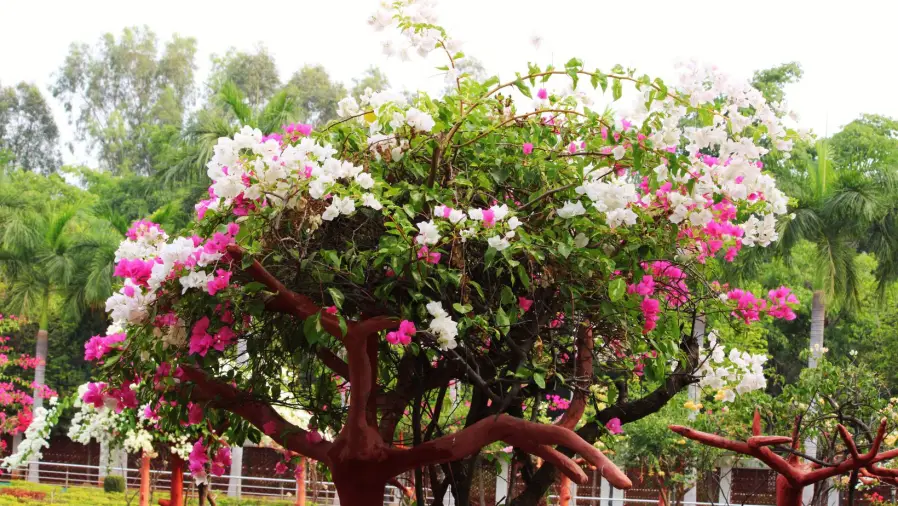
Bagan Bilash Bonsai refers to a type of bonsai plant or garden. It is associated with meticulous cultivation to create miniature landscapes or trees.
Bonsai is an art form that originates from Japanese and Chinese traditions, where trees are grown in containers and carefully shaped for aesthetic appeal. Bagan Bilash Bonsai may suggest a particular style or a nursery that specializes in these living sculptures.

These miniature trees symbolize harmony, patience, and balance, making them popular among enthusiasts and hobbyists. Care for bonsai involves pruning, wiring branches, and managing roots, which can be a meditative and rewarding practice. For those interested in cultivating their own Bagan Bilash Bonsai, understanding the needs of these plants—such as soil composition, watering schedules, and sunlight exposure—is essential in ensuring their health and beauty.
Table of Contents
Introduction To Bagan Bilash Bonsai
Welcome to the enchanting world of Bagan Bilash Bonsai. This traditional art form transforms ordinary plants into miniature living sculptures. It’s a hobby that combines creativity with patience. Bagan Bilash Bonsai offers a unique way to connect with nature. Let’s delve into the depths of Bagan Bilash Bonsai and discover its secrets.
Defining Bagan Bilash Bonsai
Bagan Bilash Bonsai refers to the delicate art of growing and shaping miniature trees. These trees mimic the shape and scale of full-sized trees but in a much smaller form. Through careful trimming, bending, and nurturing, Bagan Bilash Bonsai captures the essence of nature’s beauty.
The Historical Roots Of Bonsai And The Emergence Of Bagan Bilash
Bonsai, the art of growing miniature trees, has its roots in ancient Asia. Over the centuries, it has spread worldwide. Bagan Bilash is a modern take on this ancient practice, combining traditional techniques with contemporary styles.
- Originated in China as ‘penjing’ over a thousand years ago.
- Adopted and refined by Japanese culture.
- Bagan Bilash Bonsai emerges as an accessible approach for beginners and enthusiasts alike.
Understanding The Popularity Of Bagan Bilash Bonsai
Bagan Bilash Bonsai’s popularity stems from its therapeutic and aesthetic qualities. It brings a sense of calm and focus to those who practice it. This form of bonsai also appeals to gardeners with limited space, as it doesn’t require a large area to flourish.
- Offers a calming, meditative hobby.
- Ideal for urban dwellers with limited space.
- Creates a miniature natural retreat.
- Promotes patience, discipline, and artistic expression.
The Art And Science Of Bagan Bilash Bonsai
Bagan Bilash Bonsai combines nature’s beauty with human creativity.
This delicate art demands attention to detail, scientific knowledge, and a dash of love.
By practicing bonsai, you can create a miniature tree that mirrors the grandeur of nature.
Let’s dive into the world where every clip and trim turns into a visual poetry.
Fundamental Techniques In Bonsai Cultivation
Knowing the basics makes mastering bonsai possible.
- Pruning – Cutting branches to shape your tree.
- Wiring – Controlling branch direction.
- Repotting – Giving roots space to grow.
- Watering – Keeping soil just right.
- Feeding – Vital nutrients for health.
Specific Practices For Bagan Bilash Bonsai
The Bagan Bilash variety requires tailored care.
| Sunlight | Partial shade keeps leaves fresh and vibrant. |
|---|---|
| Trimming | Seasonal trimming necessary for lush foliage. |
| Watering | Consistent moisture for optimal growth. |
| Soil | Well-draining soil prevents root rot. |
The Role Of Patience And Precision In Bonsai Care
Bonsai art thrives on patience and precision.
Every decision affects your Bagan Bilash’s future.
- Patience lets trees develop naturally.
- Precise tools create clean cuts and healthy growth.
- Observation leads to timely care adjustments.
Caring For Your Bagan Bilash Bonsai
Bagan Bilash Bonsai are living art pieces. They bring tranquility to your space. Caring for them is both a joy and an art. This guide is here to help you master bonsai care. Let’s dive in and ensure your Bagan Bilash thrives!
Optimal Environmental Conditions For Growth
- Place your bonsai where it can get plenty of sunlight. Morning light is best.
- Keep the tree away from drafts and heat sources.
- Maintain a stable temperature. Bonsai prefer it not too hot or cold.
- Humidity trays can help. They ensure your bonsai gets enough moisture.
Watering And Feeding: Keeping Your Bonsai Healthy
| Watering | Feeding |
|---|---|
| Check the soil daily. Water when the top layer feels dry. | Use bonsai food. Feed every four weeks in the growing season. |
| Use a watering can. Water evenly to avoid soil erosion. | Reduce feeding in winter. The tree’s growth slows down. |
Pruning And Shaping: Techniques For Miniature Landscapes
- Prune in late winter. This prepares the bonsai for spring growth.
- Use sharp tools. Clean cuts heal faster and prevent disease.
- Shape with wire carefully. Guide branches without cutting into them.
- Always prune gradually. Dramatic cuts can stress your bonsai.
Common Pests And Diseases: Prevention And Treatment
- Inspect leaves often for signs of pests like spider mites or scale.
- Keep foliage clean. Dust and dirt can attract pests and disease.
- If pests appear, use a mild insecticide. Neem oil is a good choice.
- Remove dead or diseased branches. This keeps your bonsai healthy.
With the right care, your Bagan Bilash Bonsai will be a stunning showpiece for years. Enjoy the journey of growing together!
(To learn about Bagan Bilash’s Best Soil : https://bonsainurserybd.com/best-soil-for-bougainvillea/)
Beyond The Pot: The Cultural Significance Of Bonsai
Beyond the Pot: The Cultural Significance of Bonsai delves deep into the world of Bagan Bilash Bonsai, unravelling its impact far beyond being just miniature trees. These living art forms echo centuries of culture, philosophy, and communal ties, offering a window to the soul of aesthetic mindfulness and social harmony.
Bonsai As A Reflection Of Nature And Philosophy
Bonsai trees stand as symbols of perseverance, care, and the delicate balance of nature. They embody the art of patience and dedication, reflecting the teachings of venerable Eastern philosophies that prioritize harmony and simplicity.
The Bagan Bilash bonsai, trimmed and nurtured over years, represents the philosophical idea of Wabi-sabi—the acceptance of imperfection.
- Miniature landscapes in bonsai pots mirror the vastness of nature in a small scale.
- Each bonsai tree tells a story of survival, adapting to living within confined spaces.
- Pruning routines become acts of meditation, fostering a deep bond between the grower and the tree.
Bagan Bilash In Art, Literature, And Spirituality
Bonsai transcends gardening, inspiring painters, poets, and spiritual teachers alike. Bagan Bilash Bonsai thus features in various cultural expressions, resonating with art and spirituality.
Artists often depict bonsai trees to symbolize peaceful solitude or portray life’s contrasts. In literature, bonsai serves as metaphors for resilience and personal growth.
- In haiku poetry, bonsai imagery evokes fleeting beauty and the change of seasons.
- Mythology and folklore frequently reference bonsai, associating them with ancient wisdom.
- Bonsai practice intertwines with Zen Buddhism, harmonizing the inner self with external nature.
Bonsai Collecting And Exhibitions: Fostering Appreciation And Community
The exchange of Bagan Bilash bonsai specimens and sharing of knowledge consolidates a unique community. Enthusiasts gather, bonds form, and collective appreciation flourishes.
Showcases and workshops serve as platforms for celebrating the artistry of bonsai cultivation. They invite both novices and experts to engage in cultural exchange.
- Exhibitions highlight the beauty of bonsai, promoting conservation and education.
- Collecting bonsai becomes a passionate hobby, connecting people across different backgrounds.
- Festivals and events centered on bonsai uplift community spirit and foster mutual respect among cultivators.
Getting Started With Your Own Bagan Bilash Bonsai
Welcome to the enchanting world of Bagan Bilash Bonsai! This ancient art form transforms ordinary plants into miniature marvels. A journey towards nurturing a Bonsai offers not just a hobby, but a path to relaxation and artistic expression. Begin your Bonsai adventure with easy-to-follow steps. Ensure your venture into Bonsai cultivation starts on the right foot!
Choosing The Right Bonsai Species And Starter Materials
Selecting the ideal species is crucial for your Bagan Bilash Bonsai. Research species adaptable to your local climate. Thriving species ensure a rewarding experience.
- Ficus: Robust, can handle indoor conditions well.
- Juniper: Hardy, prefers outdoor settings.
- Pine: Classic choice, demands patience and care.
Gather your starter materials next:
- Bonsai pot with proper drainage.
- Specialized Bonsai soil for optimal growth.
- Pruning shears for shaping.
- Wire for training branches and trunk.
Step-by-step Guide To Creating Your First Bonsai
Creating a Bonsai can be a delightful process. With the right approach, watch your Bonsai take shape before your eyes!
| Step | Action |
|---|---|
| 1. | Select a healthy plant or seedling. |
| 2. | Plant it in the Bonsai pot using specialized soil. |
| 3. | Begin shaping with pruning and wiring techniques. |
| 4. | Regularly water and provide adequate sunlight. |
| 5. | Continuously care for and refine your Bonsai. |
Resources And Communities For Bonsai Enthusiasts
Embarking on your Bonsai journey need not be solitary. Engage with communities to learn and share experiences. Explore resources for expert guidance! Here are some places to start:
- Online Forums: Bonsai enthusiasts gather here to exchange tips.
- Local Clubs: Find fellow Bonsai lovers in your area for workshops.
- Bonsai Nurseries: Expert advice and access to quality materials.
- Books and Publications: Dive into written guides from Bonsai masters.
Challenges And Solutions In Bagan Bilash Bonsai Cultivation
The journey of cultivating Bagan Bilash Bonsai brings a unique set of challenges. Yet, the joy it brings when overcoming these hurdles is unmatched. From beginners facing initial obstacles to seasoned growers mastering advanced techniques, the path is rewarding. This guide provides solutions and insights to enhance the bonsai growing experience. Let’s delve into the common challenges and innovative solutions to help your Bagan Bilash Bonsai thrive.
Overcoming Common Obstacles For Beginners
Starter tips for Bagan Bilash Bonsai enthusiasts:
- Picking the Right Soil: Use a well-draining mixture designed for bonsais.
- Watering Wisely: Check the soil moisture daily; water when it feels dry.
- Pruning Practices: Trim sparingly to shape your bonsai and encourage growth.
- Light and Location: Place your tree where it gets ample sunlight but is protected from harsh rays.
Remember, patience and persistence are key. If a leaf drops, don’t despair. Keep caring for your plant steadfastly.
Advanced Techniques For Seasoned Bonsai Growers
| Technique | Description | Benefits |
|---|---|---|
| Air Layering | Creating roots on a tree’s branch to form a new plant. | Generates a mature bonsai faster. |
| Grafting | Joining parts from two plants so they grow as one. | Introduces new branches or improves the structure. |
| Jin and Shari | Create deadwood features for a dramatic effect. | Enhances the tree’s appearance of age and character. |
Always seek out fresh information and techniques to hone your skills. Practice leads to perfection.
The Future Of Bonsai: Trends, Innovations And Longevity Of The Art Form
Emerging trends shaping the Bonsai world:
- Eco-friendly Practices: Bonsai lovers are embracing organic fertilizers and pest controls.
- Hydroponic Bonsai: Water-based bonsai care is gaining attention for its innovative approach.
- Artistic Collaboration: Artists merge bonsai with sculpture for breathtaking creations.
Sustainable methods ensure this ancient art remains vibrant for future generations. Stay curious, and keep experimenting to contribute to the bonsai legacy.
Frequently Asked Questions On Bagan Bilash Bonsai
Do Bougainvillea Make Good Bonsai?
Yes, bougainvillea plants make excellent bonsai due to their colorful bracts and ability to adapt to pruning and shaping. They respond well to training, becoming stunning miniature versions of their full-sized form.
How Big Do Bougainvillea Bonsai Plants Get?
Bougainvillea bonsai plants typically reach a height of 1-2 feet, with careful pruning directing their shape and size.
How Often Do You Water A Bonsai Bougainvillea?
Water a bonsai bougainvillea when the topsoil feels dry, typically every one to two weeks, depending on climate and indoor conditions. Adjust frequency to ensure proper moisture without waterlogging.
What Soil For Bougainvillea Bonsai?
Use a well-draining soil mix for bougainvillea bonsai, combining organic and inorganic materials. A blend of Akadama, pumice, and lava rock is ideal, ensuring good aeration and moisture retention.
Conclusion
Embracing the Bagan Bilash Bonsai tradition offers a serene, fulfilling experience for enthusiasts and novices alike. It’s a journey of patience, creativity, and nature’s splendor. Let these miniature marvels transform your space and mindset. Start your Bonsai adventure today and watch as beauty unfolds with each tiny leaf.
(To learn more about Creating Bagan Bilash Bonsai Plants: https://www.gardeningknowhow.com/ornamental/vines/bougainvillea/creating-a-bougainvillea-bonsai.htm )
