Bonsai Orange Tree

Bonsai Orange Tree Care: Mini Citrus, Mighty Beauty!

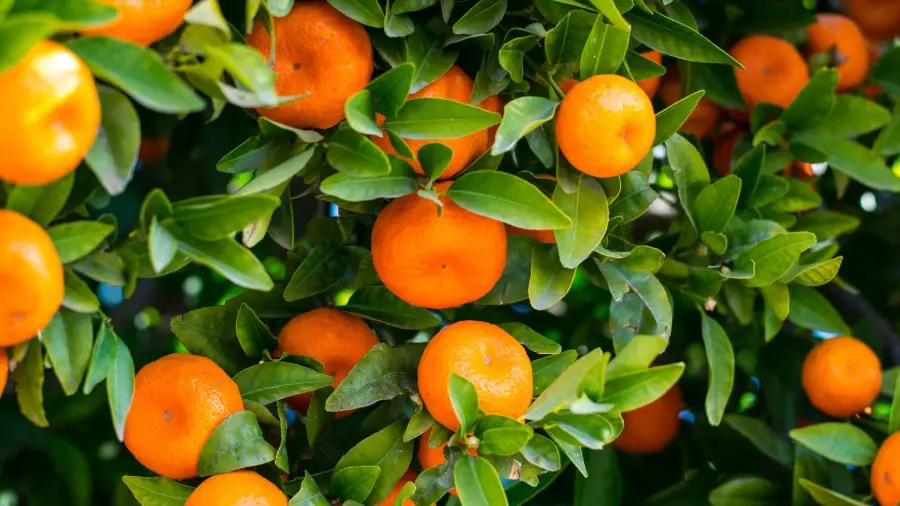
Bonsai orange trees are dwarf citrus plants cultivated for their decorative appeal. They produce fragrant flowers and miniature oranges.

A bonsai orange tree brings a blend of horticultural artistry and the lush, fragrant presence of a living plant to any space. Perfect for indoors and small gardens, these miniature trees combine the aesthetic grace of traditional bonsai with the delight of growing your own citrus fruit.

Bonsai Orange Tree

Mastery of proper bonsai techniques ensures the health and beauty of these trees, requiring a balance of sunlight, watering, pruning, and feeding. Cultivating a bonsai orange tree is both a rewarding hobby and a creative outlet, appealing to gardeners and art enthusiasts alike. As a living piece of decor, these trees can live for many years with the right care, delivering continuous joy and a touch of nature’s brilliance to your home.

Introduction To Bonsai Orange Trees

Bonsai, an art form hailing from ancient traditions, merges nature and cultivation to craft miniature trees that mirror the majesty of their full-sized counterparts. Among these, the bonsai orange tree stands out as a vibrant yet diminutive citrus marvel. It brings together the intricate techniques of bonsai with the sweet allure of orange trees, delighting enthusiasts with its fragrant blossoms and miniature fruit.

Origins Of Bonsai Orange Trees

Bonsai orange trees root back to ancient Chinese gardens, later refined in Japan. From royal palaces to warrior homes, the practice symbolized harmony and patience. Grafted from traditional citrus trees, these bonsai varieties now thrive worldwide, gracing collectors’ spaces with their miniature zest.

The Aesthetic Value Of Bonsai Citrus

  • Visual appeal: The bonsai orange tree fuses lush green leaves with bright orange fruits.
  • Sensory delight: White blossoms exude a sweet scent, an immersive sensory joy.
  • Seasonal beauty: Its ever-changing nature reflects the seasons within the home.

Understanding The Unique Traits Of Bonsai Orange Trees

Compact growth: Bonsai orange trees maintain a small stature, ideal for indoor display.

Care requirement: They need ample sunlight, trimmed roots, and patient training to thrive.

Symbolic significance: These trees symbolize good luck and prosperity, enhancing the cultural richness of the bonsai tradition.

Fundamentals Of Bonsai Orange Tree Care

Bonsai Orange Tree Care makes the art of miniature tree cultivation both fascinating and rewarding. With the right guidance, even beginners can enjoy the splendor of these tiny citrus wonders. An orange tree shrunk to bonsai size still carries the same sweet scent and vibrant fruit as its larger counterparts, offering a unique blend of horticulture and artistic design. Let’s dive into the care specifics to keep your bonsai orange tree flourishing.

Suitable Varieties For Bonsai Orange Cultivation

Selecting the right variety is crucial for bonsai success. Not all orange trees are appropriate for bonsai cultivation. Look for dwarf types, known for their manageable growth patterns and suitability for confined spaces. Popular choices include:

  • Calamondin – Also known as miniature or Philippine oranges.
  • Otaheite – An ornamental option that also produces small, edible fruits.
  • Kumquat – Though not a true orange, its small size and fruit-bearing qualities make it ideal for bonsai.

Essentials Of Potting And Soil Composition

The vitality of a bonsai tree lies in the potting and soil. A well-draining soil mixture allows roots to breathe and stay healthy. Incorporate components like:

Material Benefit
Akadama Ensures good water retention and drainage.
Pumice Adds to drainage and aeration.
Lava rock Provides structure and root support.
Organic compost Supplies nutrients for healthy growth.

Light Requirements And Temperature Control

Bonsai orange trees crave sunlight and warmth. They thrive in:

  • Bright, indirect sunlight for most of the day.
  • Temperatures between 60-85°F (15-29°C).

Winter care expects protection from cold drafts and reduced light. Keep trees in a bright, cool room during dormant months.

Watering Techniques And Humidity Considerations

Consistent moisture levels are key, but avoid overwatering. Follow these tips:

  1. Check soil moisture before watering – it should dry slightly between sessions.
  2. Mist leaves daily to maintain humidity, mimicking the natural orange tree environment.
  3. Use a watering can with a fine nozzle to gently soak the soil without disturbing it.

Advanced Care And Maintenance

Advanced care and maintenance are key for a thriving Bonsai Orange Tree. To ensure your mini citrus haven remains healthy and aesthetically pleasing, a few expert techniques are necessary. Let’s delve into the advanced care aspects crucial for your Bonsai Orange Tree.

Pruning And Shaping: Techniques For Form And Health

Pruning isn’t just about looks; it’s about health too. The goal is to maintain shape and encourage fruitful growth. Regular pruning prevents overgrowth and ensures light reaches all leaves.

  • Prune back to 2 leaves after 6-8 leaves have grown.
  • Remove any dead or broken branches.
  • Thin the canopy to allow light inside the tree.

Fertilization: Types And Timing For Optimal Growth

Your tree needs the right food at the right time. Citrus-specific fertilizers are the best. They contain nitrogen, phosphorus, potassium, and other micro-nutrients in balanced forms ideal for oranges.

Season Fertilizer Type Frequency
Spring-Summer High-nitrogen mix Every 3-4 weeks
Autumn-Winter Low-nitrogen mix Every 6-8 weeks

Repotting Essentials: When And How To Refresh Your Bonsai

Repotting gives your tree fresh soil and room to grow. Repot young trees every 2 years, older ones every 3-5 years. Do it during early spring. Here’s how:

  1. Remove the tree from its pot gently.
  2. Prune the roots, cutting away up to a third.
  3. Place in a new pot with fresh soil mix.

Pest And Disease Management In Bonsai Orange Trees

Healthy trees fight pests and diseases better. For prevention, keep your tree clean and check regularly. If pests appear, identify them and treat with specific insecticides. Common issues include:

  • Spider mites – Watch for webbing and treat with miticide.
  • Scale insects – Remove by hand and apply horticultural oil.

Fruiting And Flowering

The enchanting cycle of fruiting and flowering transforms a Bonsai Orange Tree into a
miniature orchard. Tiny white blossoms fill the air with sweet fragrance, heralding the
arrival of vibrant oranges. This process captures the magnificence of nature on a diminutive scale,
providing both a soothing aesthetic and a rewarding gardening experience.

Pollination Assistance For Indoor Bonsai Trees

Indoors, bees and other pollinators can’t visit. Your Bonsai Orange Tree needs help. Gently brush
between flowers with a small paintbrush or cotton swab. This mimicry of natural pollination helps
ensure your tree sets fruit.

Encouraging Fruit Production In Miniature Citrus

  • Regular feeding with a high-potassium fertilizer boosts fruit quality.
  • Ensure consistent watering without waterlogging the soil.
  • Provide ample sunlight — citrus trees love full sun.
  • Keep temperatures between 12°C and 25°C for optimal growth.

Seasonal Care: Preparing Your Bonsai For Bloom And Harvest

  1. Spring: Prune selectively to encourage new growth and flowers.
  2. Summer: Protect from extreme heat and keep hydrated.
  3. Autumn: Reduce watering as growth slows down.
  4. Winter: Provide light and avoid cold drafts.

Beyond The Basics: Enhancing Your Bonsai’s Beauty

Beyond the Basics: Enhancing Your Bonsai’s Beauty takes your Bonsai Orange Tree from merely thriving to truly captivating. Advanced care breathes life into its miniature landscape. Let’s dive into expert tips for presentation and upkeep, ensuring your bonsai remains a stunning work of art.

Display Tips And Aesthetic Accessories

Proper display turns your bonsai into a focal point. Consider these essentials:

  • Direction: Face the most intricate branch patterns forward.
  • Elevation: Use stands to give your bonsai prominence.
  • Contrast: Contrast a dark pot against a light surface.
  • Harmony: Select pots that complement the tree’s colors.

Accessorize with items like:

Accessory Function
Figurines Adds charm
Mini rocks Creates landscape
Moss Enhances greenery

Winter Care: Protecting Your Bonsai Orange Tree

Cold months demand extra attention. Implement these tips to shield your tree:

  1. Bring indoors if temperatures drop below 54°F (12°C).
  2. Position near a bright window but away from direct heat sources.
  3. Use a humidity tray to maintain moisture.
  4. Water sparingly, allowing the soil to dry slightly between watering.
  5. Fertilize carefully; growth slows in winter, requiring less food.

Community And Resources For Bonsai Enthusiasts

Join a community to swap tips and inspiration. Here are ways to engage:

  • Local bonsai clubs: Share experiences and learn from others.
  • Online forums: Ask questions, post photos, and get feedback.
  • Social media groups: Connect with hobbyists worldwide.
  • Books and guides: Dive deeper into advanced techniques.

Frequently Asked Questions Of Bonsai Orange Tree

Can I Make An Orange Tree Bonsai?

Yes, you can create a bonsai from an orange tree. With proper pruning and care, an orange tree can be trained as a bonsai plant.

Are Bonsai Oranges Edible?

Yes, bonsai oranges are edible. They taste similar to regular oranges but may vary in sweetness and acidity. Always ensure they are free from harmful pesticides before consumption.

Can You Grow Orange Tree Indoors?

Yes, you can grow an orange tree indoors using a dwarf variety and providing adequate sunlight, water, and care. Ensure it’s potted in well-draining soil and placed in a sunny spot.

What Is The Hardest Tree To Bonsai?

The hardest trees to bonsai typically include pines and oaks due to their slow growth and specific care needs.

Conclusion

Embracing the art of growing a bonsai orange tree offers a blend of horticultural technique and aesthetic pleasure. It’s a rewarding journey, both as a hobby and a natural statement piece. Perfect for small spaces, these miniature citrus wonders can infuse your home or office with lush greenery and fragrant blossoms.

Start nurturing your bonsai orange today and savor its enduring charm.

(To learn more about Bonsai Orange Tree Care: https://bonsairesourcecenter.com/bonsai-orange-tree-growers-guide/)
American Persimmon Bonsai

American Persimmon Bonsai Care: Secrets to Perfect Growth!

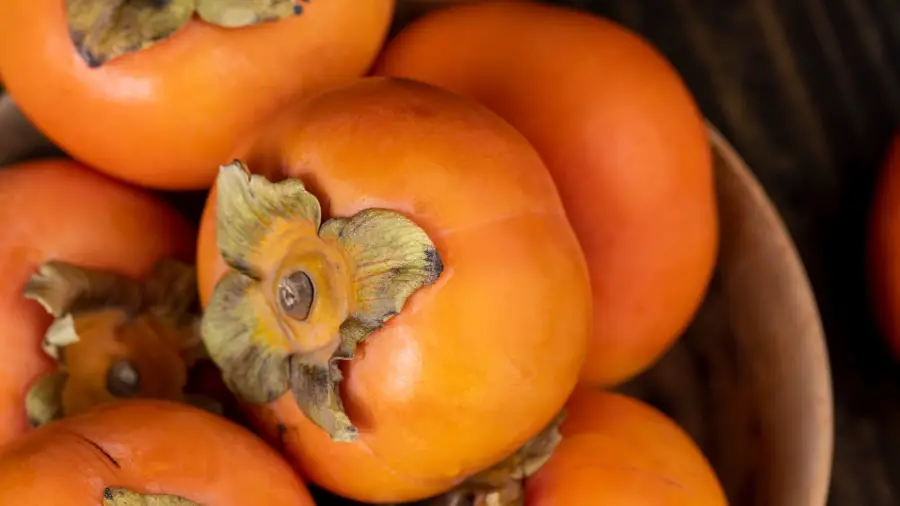
American Persimmon Bonsai are miniature versions of the native persimmon trees, cultivated for ornamental purposes. They display distinctive fall foliage and can bear tiny edible fruits.

Growing American Persimmon as a bonsai combines horticultural skill with artistic expression, offering a rewarding challenge for gardening enthusiasts. These bonsai trees demand attention to detail, particularly in pruning, watering, and maintaining an appropriate climate to thrive. With their striking appearance and the delight of miniature fruit, they serve as a charming addition to any collection, whether for beginners drawn to their unique features or experts appreciating their complex care requirements.

American Persimmon Bonsai

As a symbol of autumn, they not only enhance the aesthetics of a space but also provide a seasonal touch to your bonsai collection.

Introduction To American Persimmon Bonsai

The American Persimmon Tree, a native marvel, boasts not only delicious fruits but also a compelling charm in bonsai form. Perfect for both beginners and seasoned enthusiasts, an American Persimmon Bonsai brings a touch of woodland resilience right into your home. Through careful cultivation, this tree can transform into a stunning miniature landscape, encapsulating the essence of a mature persimmon in a pint-sized package.

Overview Of The American Persimmon Species

Diospyros virginiana, commonly known as the American Persimmon, stands out with its brilliant fall foliage and sweet, orange fruits. This deciduous tree thrives across the United States, adapting well to various climates.

  • Height: Ranges from 35-60 feet in the wild
  • Leaves: Broad, leathery with a tapering point
  • Fruit: Edible, with a rich, honey-like flavor
  • Bark: Unique, alligator-skin texture
  • Hardiness: Zones 4-9, frost-resistant

Historical Significance And Popularity Of Persimmon Bonsai

Bonsai, the ancient art of growing miniature trees, often celebrates species with distinct characteristics. The American Persimmon is a beloved choice for its historical roots and unique visual appeal. Native American cultures valued the persimmon for its fruit and wood, while today’s bonsai artists choose it for its natural beauty and hardiness.

Quality Significance in Bonsai
Bark Texture Mimics aged trees, ideal for bonsai
Autumn Leaves Provides a vibrant seasonal display
Fruit Bearing Adds charm, offers a unique challenge

Selecting Your American Persimmon Bonsai

Embarking on the journey with American Persimmon Bonsai brings the rustic beauty of autumn woodlands indoors. A delicacy of nature’s creation, adding charm to your living space, the Persimmon Bonsai stands as a miniature giant. This guide will assist in picking the perfect specimen for your collection.

Criteria For Choosing The Right Tree

  • Visually appealing form: Look for balanced branch structure.
  • Healthy foliage: Bright, glossy leaves indicate a thriving plant.
  • Sturdy trunk: A solid base ensures long-lasting beauty.
  • Clear lineage: Know the tree’s cultivar for best care.

A healthy root system is also crucial. Turn the pot slightly to check for roots peeking through drainage holes. Roots should appear vigorous and not encircle the soil mass too tightly.

Understanding The Importance Of Genetics And Rootstock

Genetics shape a bonsai’s potential. Trees from reputable sources promise quality and ease of care. Rootstock affects vigor and size. Selecting compatible rootstock means better growth for your Persimmon.

Genetic Trait Importance
Disease Resistance Less care, more enjoyment
Fruit Bearing Bountiful harvest, even in miniature
Climate Adaptation Thrives in your area’s conditions

Ask for the tree’s heritage. Understanding its background gives insight into care and future growth.

Remember: Selecting the perfect American Persimmon Bonsai comes down to aesthetic, health, and genetics. A wise choice today means a cherished companion for years to come.

Initial Training And Potting Techniques

Welcome to the world of Bonsai, where miniature trees capture the essence of nature’s beauty. The American Persimmon Bonsai is no exception. To ensure a strong foundation for your miniature masterpiece, mastering initial training and potting techniques is essential. Let’s dive into the intricacies of shaping and repotting these charming trees.

Principles Of Bonsai Shaping And Styling For Persimmons

Shaping a Persimmon Bonsai begins with understanding its growth pattern. Below are the principles behind this transformative process:

  • Select a strong, visible trunk line.
  • Prune to encourage branching and foliage density.
  • Use wiring carefully to guide branch placement.
  • Balance is key in Bonsai; create a harmonious design.
  • Remember, time and patience are your allies.

The Art Of Repotting: When And How

Repotting is vital for the health of your Bonsai. Follow these steps for success:

  1. Timing: Repot during late winter or early spring.
  2. Tree Preparation: Gently remove the tree from its current pot.
  3. Root Care: Prune the roots, maintaining the tree’s health.
  4. Soil: Use a mix suited for Persimmons, ensuring good drainage.
  5. Pot Selection: Choose a pot that complements your tree’s size and style.
  6. Securing: Place the tree in the new pot and secure it with soil.


Ideal Growing Conditions

For the captivating beauty of an American Persimmon Bonsai to thrive, specific conditions are crucial. These tiny trees require special care. Just like the perfect recipe, the right mix of soil, sun, and moisture ensures a thriving bonsai. Tailoring your environment to suit these needs promises a rewarding experience with your miniature tree.

Soil Requirements And Composition

An American Persimmon Bonsai flourishes in well-draining soil. A blend that retains moisture yet allows excess water to escape is vital. This balance prevents root rot and encourages healthy growth.

Key Components:

  • Akadama
  • Pumice
  • Lava rock
  • Fine gravel

Mix these components in equal parts. This composition provides the perfect structure for root support and water management.

Light, Temperature, And Humidity Preferences

Light: American Persimmon Bonsai trees love bright, indirect sunlight. Ideal exposure involves morning light and afternoon shade.

Temperature: They thrive in moderate climates. Keep the tree between 55 to 85 degrees Fahrenheit.

Humidity: These trees enjoy a humid environment. Aim for 50 to 60 percent humidity. Use trays with water and pebbles to naturally increase humidity.

Condition Preferences
Light Bright, indirect sunlight
Temperature 55 – 85 °F
Humidity 50 – 60%

Addressing these soil and climate specifics will ensure your American Persimmon Bonsai not only survives but thrives under your care.

Ongoing Care And Maintenance

Caring for an American Persimmon Bonsai brings joy and tranquility. A thriving bonsai requires consistency and knowledge in its upkeep. Ongoing care and maintenance are vital to ensure this miniature tree flourishes. Here’s your guide to keeping your bonsai healthy.

Watering And Fertilization Schedule

Consistent watering keeps your bonsai vibrant. Check the soil daily. Water when the top layer feels dry. Use a watering can to softly soak the soil until excess water drains out.

  • Spring to Autumn: Fertilize every two weeks.
  • Winter: Fertilize once a month.

Use a balanced fertilizer to nourish your tree. This encourages growth and health.

Pruning And Trimming Best Practices

Pruning shapes your bonsai and promotes new growth. Trim during the growing season for best results.

Season Action
Spring Prune for structure
Summer Trim new shoots to shape
Autumn Remove any dead leaves

Use sharp scissors for clean cuts. Don’t trim more than 30% of the foliage at once.

Pest And Disease Management

Keeping pests and diseases away ensures your bonsai stays healthy. Inspect leaves regularly for any signs of trouble.

  • Yellow leaves might signal overwatering.
  • Spotty leaves suggest pests or fungi.

Treat pests with organic insecticides. Deal with fungi using fungicides. Remember, prevention is better than cure.

Apply treatments as specified on labels. Avoid strong chemicals which can harm your bonsai.

Seasonal Care For Optimum Health

American Persimmon Bonsai trees reflect a marvel of miniature beauty. To maintain their allure, understanding seasonal care is pivotal. Each season demands specific attention to ensure these bonsai thrive. Proper care results in a robust display of delicate foliage and, in time, petite persimmon fruits. Let’s delve into the tactics for optimal health throughout the year.

Spring Awakening: Preparing For New Growth

Spring heralds a time of renewal for the American Persimmon Bonsai. Prioritize these steps:

  • Prune dead or overgrown branches to shape the tree and encourage growth.
  • Repotting may be necessary to provide fresh soil and nutrients.
  • Initiate fertilization with a balanced mix to support budding.

Summer Vigilance: Managing Growth And Heat

The summer heat impacts the American Persimmon Bonsai significantly. Keep it in top shape:

  • Water deeply and regularly to combat drying.
  • Use a shade cloth to protect from midday sun.
  • Continue fertilizing, but adjust to a mild formula.

Autumn Preparations: Winding Down For Dormancy

As fall sets in, it’s time to prepare the bonsai for dormancy:

  • Gradually reduce watering as the plant’s growth slows.
  • Trim and remove any remaining fruits to preserve energy.
  • Apply a final application of fertilizer for the year.

Winter Protection: Ensuring Survival In The Cold

Winter poses a threat to the delicate American Persimmon Bonsai:

  • Move the tree indoors if temperatures drop significantly.
  • Inspect regularly for pests that thrive in warm indoors.
  • Position away from heaters to avoid dry air.

Advanced Techniques And Troubleshooting

The beauty of an American Persimmon Bonsai can be breathtaking. Mastering the art of bonsai takes patience and skill. Advanced techniques ensure your bonsai remains healthy and attractive. Sometimes, issues arise that require a keen eye and troubleshooting know-how. In this section, discover how to encourage fruit development, tackle growth problems, and know when it’s time to consult a bonsai expert.

Developing Fruit On Bonsai Trees

Bringing forth fruit on a bonsai tree embodies a true level of mastery. The American Persimmon Bonsai is no exception. Encouraging fruiting requires specific conditions:

  • Proper care – Ensure regular watering, feeding, and adequate light.
  • Pollination – Sometimes, hand pollination boosts fruit production.
  • Pruning techniques – Strategic trimming encourages fruiting branches.

Remember, fruiting can stress your bonsai. Maintain plant health as the top priority.

Addressing Common Growth Issues

Growth issues in bonsai trees are quite common. Here are steps to identify and solve them:

Issue Symptoms Solution
Pest infestation Visible insects, damaged leaves Use natural pesticides, ensure cleanliness
Watering problems Yellow leaves, root rot Adjust watering schedule, check soil drainage
Nutrient deficiencies Pale leaves, stunted growth Apply balanced fertilizer, test soil

When To Seek Professional Help

Knowing when to seek professional help is essential. Below are signs that require expert advice:

  1. Severe insect infestations beyond natural control
  2. Unexplained leaf drop or branch dieback
  3. Persistent health issues despite proper care

Local bonsai clubs or plant nurseries offer valuable resources. Don’t hesitate to reach out for your bonsai’s wellbeing.

Appreciating Your American Persimmon Bonsai

The American Persimmon Bonsai is a living art form. Its delicate branches and vibrant leaves embody nature’s beauty in miniature. Bonsai enthusiasts find joy in nurturing these trees. Each day brings a new opportunity to connect with nature. Let’s explore the wonders of maintaining an American Persimmon Bonsai.

Display And Aesthetics: Presenting Your Bonsai

Displaying your Persimmon Bonsai is more than just placing it on a shelf. It is about creating a visual narrative. The right display elevates the tree’s natural beauty. To achieve this, consider the following:

  • Pot selection: Choose a pot that complements your bonsai’s shape and color.
  • Placement: Find a spot with good light and viewability.
  • Accessories: Add a small figurine or stone to enhance the scene.

The Rewards Of Patience And Diligent Care

Caring for a bonsai is a journey. It’s not just about the tree, it’s about growth and patience. Bonsai care involves:

  1. Regular watering and feeding.
  2. Pruning to maintain shape.
  3. Periodic repotting for health.

Over time, these careful steps result in a stunning bonsai. It reflects your dedication and skill.

Joining A Community Of Bonsai Enthusiasts

Connect with others who share your passion. Local bonsai clubs and online forums are great places to start. Joining a group offers:

Benefits Opportunities
New friendships Learning workshops
Sharing tips and tricks Exhibitions
Support and advice Competitions

Get involved and grow your bonsai mastery. Your American Persimmon Bonsai is more than a plant. It’s a ticket to an engaging community.

(To learn more about Connecting Bonsai Community: https://bonsainurserybd.com/bonsai-community-connecting/)

Frequently Asked Questions Of American Persimmon Bonsai

Can You Bonsai A Persimmon Tree?

Yes, you can bonsai a persimmon tree. This process involves careful pruning and training to maintain its miniature size.

Can You Keep American Persimmon Tree Small?

Yes, you can keep an American persimmon tree small through regular pruning and choosing a suitable dwarf rootstock.

Do You Need 2 American Persimmon Trees?

Yes, you need two American persimmon trees for cross-pollination to produce fruit effectively. One male tree can pollinate several female trees.

How Long Does It Take For American Persimmons To Bear Fruit?

American persimmons typically start bearing fruit 3 to 4 years after planting. Fruit production reaches its peak when the tree is around 7 to 8 years old.

Conclusion

Embracing American persimmon bonsai brings nature’s artistry into your living space. As you cultivate these miniature trees, patience and care yield stunning results. Start your bonsai journey — let the American persimmon’s timeless beauty enhance your home and gardening passion.

Discover the joy of bonsai today!

(To learn more about American Persimmon Bonsai : https://www.gardeningknowhow.com/houseplants/bonsai/persimmon-bonsai.htm)

Bonsai Fruit Tree

Bonsai Fruit Tree: Cultivate Miniature Wonders at Home

A bonsai fruit tree is a miniature version of a full-sized fruit tree, pruned and nurtured to remain small. These trees can produce actual fruit, despite their diminutive size.

Bonsai fruit trees merge the ancient art of bonsai with the joy of gardening, allowing enthusiasts to cultivate fruit-bearing trees in small spaces. Perfect for balconies, patios, or indoor areas, these trees require meticulous care, including pruning, repotting, and specific soil conditions to thrive and produce fruit.

Bonsai Fruit Tree

Cultivators of these living sculptures take pride in the patience and dedication required to maintain their bonsai—transforming gardening into both a form of meditation and a horticultural challenge. This unique combination of art and horticulture offers a fulfilling experience to gardeners who seek to elevate their practice to an art form.

Introduction To Bonsai Fruit Trees

Imagine tiny trees with real fruits in your home. Bonsai fruit trees are just that – small yet productive. They bring together art, science, and patience. Cultivating these miniature marvels is a fulfilling hobby. Wonderful to look at and practical, they present endless joy.

Defining Bonsai: Art, Science, And Philosophy

Bonsai is a form of art using mini trees. It’s also a science that requires knowledge about plant growth. Philosophy is key too. It teaches us about patience and harmony with nature. The goal is not just to grow a small tree but to shape a landscape in miniature. Bonsai includes careful pruning, wiring and caring. This art form has deep roots in Asian culture.

The Appeal Of Miniature Fruit Trees: Aesthetic And Practical Benefits

  • Visual Beauty: These tiny trees are lovely to look at. They fit snugly in any home.
  • Space Savers: With bonsai, space isn’t an issue. People with small homes can enjoy gardening.
  • Fruit Production: Bonsai trees bear real fruit. The same kind as their larger cousins, but smaller.
  • Therapeutic: Caring for bonsai is relaxing. It helps to reduce stress.

Choosing The Right Fruit Tree For Bonsai

Embarking on the bonsai journey with a fruit tree? It brings a delightful twist to the ancient art of bonsai. Miniature trees produce real, edible fruits, evoking wonder and interest. Fruit-bearing bonsais encapsulate nature’s marvel in a small package – a perfect harmony of form and function. Selecting the correct species secures your bonsai’s success.

Popular Varieties Suitable For Bonsai

Many fruit trees lend themselves to bonsai, with favorites like:

  • Apple: Dwarf varieties produce charming, tiny apples.
  • Pomegranate: Known for their vibrant flowers and fruits.
  • Ficus: Tropical, forgiving, and often fruit-bearing.
  • Citrus: Tiny oranges and lemons add a zesty appeal.
  • Cherry: Beautiful blossoms followed by small fruits.

Factors To Consider: Climate, Space, And Maintenance

Choose a fruit tree for your bonsai that thrives in your local climate. It ensures healthy growth and fruiting.

Climate Bonsais need specific temperatures to fruit. Pick species matching your weather.
Space Miniature doesn’t mean no space. Ensure enough room for tree development.
Maintenance Fruit trees require pruning, watering, and feeding. Pick one that meets your commitment.

Acquiring Your Tree: Seed, Sapling Or Pre-bonsai

Getting your bonsai started can happen through:

  1. Seed: Planting from seeds is rewarding but takes patience.
  2. Sapling: Young trees offer a head start and ensure species accuracy.
  3. Pre-Bonsai: These are pre-trained trees, ideal for beginners seeking immediate results.

Foundational Techniques For Bonsai Cultivation

Bonsai trees bring the majesty of nature into miniature form. The art of bonsai involves meticulous care and specific techniques. Fruit-bearing bonsai trees add an extra layer of challenge and reward to this ancient practice. To ensure a successful bonsai cultivation, understanding foundational techniques is essential.

Potting And Repotting: Containers And Soil Selection

Selecting the right container and soil for a bonsai fruit tree is vital for its survival. The pot should complement the tree’s size and style, with adequate drainage to prevent root rot. A balanced bonsai soil mix provides the correct aeration and water retention needed for delicate roots.

Container Considerations Soil Selection
Size relative to tree 50% Akadama
Drainage holes 25% Pumice
Material (ceramic, plastic) 25% Lava rock

Pruning And Shaping: Methods For Miniaturization

Pruning and shaping a bonsai fruit tree are crucial for its miniaturization. Regular pruning encourages fruiting and maintains the tree’s miniature size. Techniques such as pinching and wiring help shape the tree and guide its growth in the desired direction.

  • Structural Pruning: For the tree’s silhouette
  • Maintenance Pruning: To refine branches
  • Root Pruning: During repotting

Watering And Fertilization: Ensuring Healthy Growth

The balance of watering and fertilization is key for a thriving bonsai. Watering needs vary with seasons and tree types. Consistent moisture is crucial, especially for fruit-bearing bonsai. Fertilization provides necessary nutrients, promoting health and productivity in miniature fruit trees.

  1. Check soil daily for moisture
  2. Use liquid fertilizer every two weeks
  3. Apply organic compost annually

Advanced Bonsai Fruit Tree Training

Bonsai fruit trees combine art and gardening in a compact form. They need skillful care to bear fruit. This section delves into advanced techniques. Growers can apply these methods to nurture and shape their miniature fruit-bearing wonders.

Wiring And Branch Manipulation

Wiring is crucial for shaping bonsai trees. It directs growth and enhances tree structure. Here are steps to ensure successful wiring:

  • Select the appropriate wire size.
  • Wrap the wire evenly around branches.
  • Reposition branches gently to avoid snapping.

Avoid keeping wire on for too long. It can mark the tree’s delicate bark. Monitor growth and rewire as needed.

Flowering And Fruiting: Encouraging Productive Trees

To promote flowering and fruiting, consider these tips:

  1. Provide enough sunlight.
  2. Regularly fertilize during the growing season.
  3. Prune correctly to stimulate fruit production.

Patience is key. Some species may take years to bear fruit. Nutrition and careful pruning encourage productivity.

Seasonal Care: Preparing For Dormancy And Awakening

Seasonal care is vital for bonsai health. In autumn, prepare the tree for dormancy.

  • Reduce watering gradually.
  • Shield from harsh conditions.
  • Use mulch to protect roots.

When spring arrives, help trees awaken.

  • Increase watering carefully.
  • Introduce fertilizer.
  • Prune dead branches.

Proper care ensures a smooth transition through seasons.

Troubleshooting Common Challenges

Bonsai fruit trees transform miniaturization into an art form, but they can encounter various challenges. Whether you’re a beginner or a seasoned grower, understanding how to effectively troubleshoot these issues is crucial. This section uncovers the common hurdles you may face and how to overcome them, ensuring your bonsai remains a picture of health and vitality.

Pests And Diseases: Identification And Control

Pests and diseases can wreak havoc on bonsai fruit trees. Quick identification and action are key. Look for signs like leaf discoloration, wilting, or unusual sticky substances.

  • Spider mites create fine webs and cause yellow leaves.
  • Aphids are tiny, often found under leaves or on stems.
  • Fungal issues may appear as mold or mildew on the plant.

To control pests:

  1. Isolate the affected bonsai to prevent spreading.
  2. Use insecticidal soap or neem oil for treatment.
  3. Prune damaged areas promptly and carefully.

Environmental Stress: Managing Light, Temperature, And Humidity

Environmental stress can cause your bonsai fruit tree to struggle. Ensuring optimal light, temperature, and humidity is vital.

Element Guideline
Light Provide bright, indirect sunlight for most of the day.
Temperature Keep at a consistent temperature, avoiding extremes.
Humidity Maintain high humidity, especially in dry climates.

Consider a humidity tray and avoid placing your bonsai near vents or drafty windows.

Reviving Neglected Bonsai Trees: Rescue Techniques

Even a neglected bonsai can bounce back with the right approach.

  • Begin with a thorough inspection of the tree.
  • Trim away any dead branches.
  • Adjust watering practices to ensure the soil is moist but not soggy.
  • Re-fertilize with a balanced bonsai-specific formula.

Patience and consistent care can revive most bonsai trees back to their former glory.

Integrating Bonsai Into Your Home And Lifestyle

Welcome to the enchanting world of bonsai fruit trees. Bringing a slice of nature’s marvel into your living space not only uplifts the ambiance but also enhances your daily life. Perfect for both plant enthusiasts and beginners, bonsai trees merge art with horticulture. With the right care, these miniature trees bring seasons indoors and become a testament to patience and beauty. Let’s explore how to make these living sculptures a part of your everyday world.

Display And Enjoyment: Showcasing Your Miniature Orchard

Every bonsai is a piece of living art, and displaying your tree is about finding the perfect spot. Consider these factors:

  • Light: Choose bright, indirect sunlight.
  • Viewing Angle: Elevate with stands for better viewing.
  • Backdrops: Contrast walls enhance the tree’s features.

Remember, your bonsai is not just a plant—it’s a conversation starter, a mood enhancer, and an ever-changing display of natural wonder.

Daily Rituals And Long-term Commitment

Caring for a bonsai tree unfolds as a series of rewarding daily rituals. Here’s a taste of the commitment:

  1. Water gently every morning.
  2. Trim to maintain shape monthly.
  3. Inspect for pests regularly.
  4. Re-pot every few years for growth.

This long-term dedication turns your bonsai into a legacy, growing alongside you and your family for generations.

Connecting With The Bonsai Community: Clubs, Shows, And Online Resources

Embrace the bonsai community to enhance your journey. Attend club meetings, enjoy shows, and explore online forums for tips and friendships. Here’s how:

Activity Benefit
Join Bonsai Clubs Learn from experts and share experiences.
Visit Bonsai Shows Witness the beauty of diverse styles and species.
Engage Online Access tutorials, advice, and global community support.

These connections foster a deeper understanding and appreciation for this ancient art form.

The Continuous Journey Of Bonsai Mastery

Bonsai Mastery is not an endpoint but a voyage of discovery and growth. It mirrors life’s ongoing cycle – one of learning, adapting, and flourishing. As bonsai caretakers venture down this path, they find the art nurturing both their plants and their inner selves.

Reflecting On The Personal Growth Alongside Your Bonsai

Caring for bonsai fruit trees offers more than aesthetic rewards. It fosters patience, attention to detail, and resilience. Here is how these miniature marvels become life teachers:

  • Patience: Watching a bonsai slowly thrive mirrors life’s pace.
  • Focus: Regular care sharpens one’s mindfulness.
  • Adaptability: Bonsais demand quick responses to change in growth or climate.

The Future Of Bonsai Fruit Trees: Continual Learning And Experimentation

The evolution of bonsai fruit tree cultivation is boundless. Here’s what to expect moving forward:

Learning Experimentation
Breeding new fruit tree varieties. Testing novel cultivation techniques.
Studying advanced pruning methods. Exploring creative display styles.

With every twist and turn of their leaves, bonsai trees will keep teaching and inspiring. Thus, the journey towards mastery continues without end.

(To learn more about Bonsai Making: https://bonsainurserybd.com/how-bonsai-plants-are-made/

Frequently Asked Questions For Bonsai Fruit Tree

Can Any Fruit Tree Be A Bonsai?

Yes, nearly any fruit tree can be trained as a bonsai with proper care and technique. Bonsai art involves miniaturizing trees, not restricting them to specific types.

Are Bonsai Fruit Edible?

Yes, bonsai fruit trees produce edible fruits, similar to their full-sized counterparts. The fruits are typically normal in taste and appearance, just smaller in size.

How Long Does It Take For A Bonsai Tree To Bear Fruit?

A bonsai tree can bear fruit in 3-5 years, depending on the species and growing conditions. Proper care accelerates maturity and fruiting.

Are Apple Bonsai Trees Edible?

Yes, the fruit of apple bonsai trees is edible. These miniature trees produce small but fully developed apples suitable for consumption.

Conclusion

Embracing the art of bonsai fruit trees offers a rewarding, serene experience. It’s a unique journey blending patience, creativity, and nature. Perfect for green thumbs and novices alike, cultivating these miniature marvels promises a touch of edible beauty to any space.

Step into the world of bonsai fruit trees – where nature meets nurture in an exquisite union.

(To know about Top 10 Bonsai Fruit Trees: https://www.bonsaiempire.com/inspiration/top-10/fruit-trees)

Bagan Bilash Bonsai

Bagan Bilash Bonsai: Cultivating Miniature Wonders

Bagan Bilash Bonsai refers to a type of bonsai plant or garden. It is associated with meticulous cultivation to create miniature landscapes or trees.

Bonsai is an art form that originates from Japanese and Chinese traditions, where trees are grown in containers and carefully shaped for aesthetic appeal. Bagan Bilash Bonsai may suggest a particular style or a nursery that specializes in these living sculptures.

Bagan Bilash Bonsai

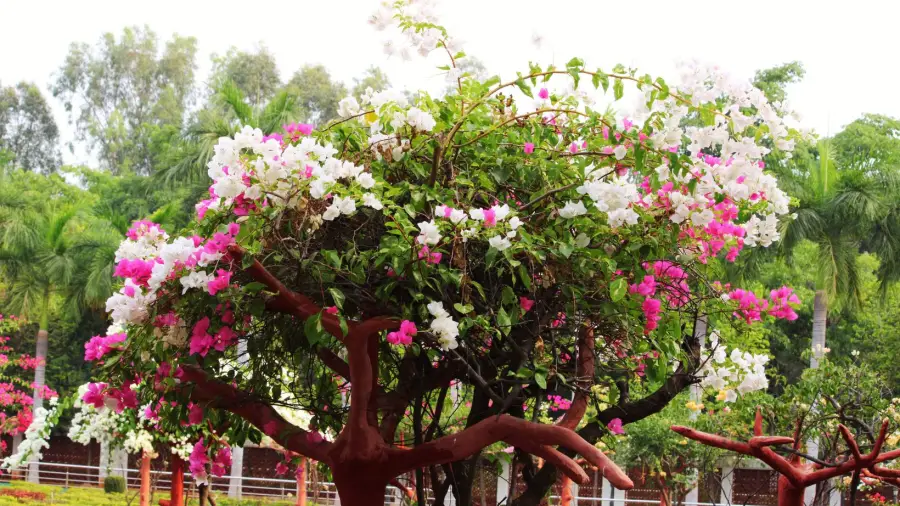
These miniature trees symbolize harmony, patience, and balance, making them popular among enthusiasts and hobbyists. Care for bonsai involves pruning, wiring branches, and managing roots, which can be a meditative and rewarding practice. For those interested in cultivating their own Bagan Bilash Bonsai, understanding the needs of these plants—such as soil composition, watering schedules, and sunlight exposure—is essential in ensuring their health and beauty.

Introduction To Bagan Bilash Bonsai

Welcome to the enchanting world of Bagan Bilash Bonsai. This traditional art form transforms ordinary plants into miniature living sculptures. It’s a hobby that combines creativity with patience. Bagan Bilash Bonsai offers a unique way to connect with nature. Let’s delve into the depths of Bagan Bilash Bonsai and discover its secrets.

Defining Bagan Bilash Bonsai

Bagan Bilash Bonsai refers to the delicate art of growing and shaping miniature trees. These trees mimic the shape and scale of full-sized trees but in a much smaller form. Through careful trimming, bending, and nurturing, Bagan Bilash Bonsai captures the essence of nature’s beauty.

The Historical Roots Of Bonsai And The Emergence Of Bagan Bilash

Bonsai, the art of growing miniature trees, has its roots in ancient Asia. Over the centuries, it has spread worldwide. Bagan Bilash is a modern take on this ancient practice, combining traditional techniques with contemporary styles.

  • Originated in China as ‘penjing’ over a thousand years ago.
  • Adopted and refined by Japanese culture.
  • Bagan Bilash Bonsai emerges as an accessible approach for beginners and enthusiasts alike.

Understanding The Popularity Of Bagan Bilash Bonsai

Bagan Bilash Bonsai’s popularity stems from its therapeutic and aesthetic qualities. It brings a sense of calm and focus to those who practice it. This form of bonsai also appeals to gardeners with limited space, as it doesn’t require a large area to flourish.

  • Offers a calming, meditative hobby.
  • Ideal for urban dwellers with limited space.
  • Creates a miniature natural retreat.
  • Promotes patience, discipline, and artistic expression.

The Art And Science Of Bagan Bilash Bonsai

Bagan Bilash Bonsai combines nature’s beauty with human creativity.
This delicate art demands attention to detail, scientific knowledge, and a dash of love.
By practicing bonsai, you can create a miniature tree that mirrors the grandeur of nature.
Let’s dive into the world where every clip and trim turns into a visual poetry.

Fundamental Techniques In Bonsai Cultivation

Knowing the basics makes mastering bonsai possible.

  • Pruning – Cutting branches to shape your tree.
  • Wiring – Controlling branch direction.
  • Repotting – Giving roots space to grow.
  • Watering – Keeping soil just right.
  • Feeding – Vital nutrients for health.

Specific Practices For Bagan Bilash Bonsai

The Bagan Bilash variety requires tailored care.

Sunlight Partial shade keeps leaves fresh and vibrant.
Trimming Seasonal trimming necessary for lush foliage.
Watering Consistent moisture for optimal growth.
Soil Well-draining soil prevents root rot.

The Role Of Patience And Precision In Bonsai Care

Bonsai art thrives on patience and precision.
Every decision affects your Bagan Bilash’s future.

  1. Patience lets trees develop naturally.
  2. Precise tools create clean cuts and healthy growth.
  3. Observation leads to timely care adjustments.

Caring For Your Bagan Bilash Bonsai

Bagan Bilash Bonsai are living art pieces. They bring tranquility to your space. Caring for them is both a joy and an art. This guide is here to help you master bonsai care. Let’s dive in and ensure your Bagan Bilash thrives!

Optimal Environmental Conditions For Growth

  • Place your bonsai where it can get plenty of sunlight. Morning light is best.
  • Keep the tree away from drafts and heat sources.
  • Maintain a stable temperature. Bonsai prefer it not too hot or cold.
  • Humidity trays can help. They ensure your bonsai gets enough moisture.

Watering And Feeding: Keeping Your Bonsai Healthy

Watering Feeding
Check the soil daily. Water when the top layer feels dry. Use bonsai food. Feed every four weeks in the growing season.
Use a watering can. Water evenly to avoid soil erosion. Reduce feeding in winter. The tree’s growth slows down.

Pruning And Shaping: Techniques For Miniature Landscapes

  1. Prune in late winter. This prepares the bonsai for spring growth.
  2. Use sharp tools. Clean cuts heal faster and prevent disease.
  3. Shape with wire carefully. Guide branches without cutting into them.
  4. Always prune gradually. Dramatic cuts can stress your bonsai.

Common Pests And Diseases: Prevention And Treatment

  • Inspect leaves often for signs of pests like spider mites or scale.
  • Keep foliage clean. Dust and dirt can attract pests and disease.
  • If pests appear, use a mild insecticide. Neem oil is a good choice.
  • Remove dead or diseased branches. This keeps your bonsai healthy.

With the right care, your Bagan Bilash Bonsai will be a stunning showpiece for years. Enjoy the journey of growing together!

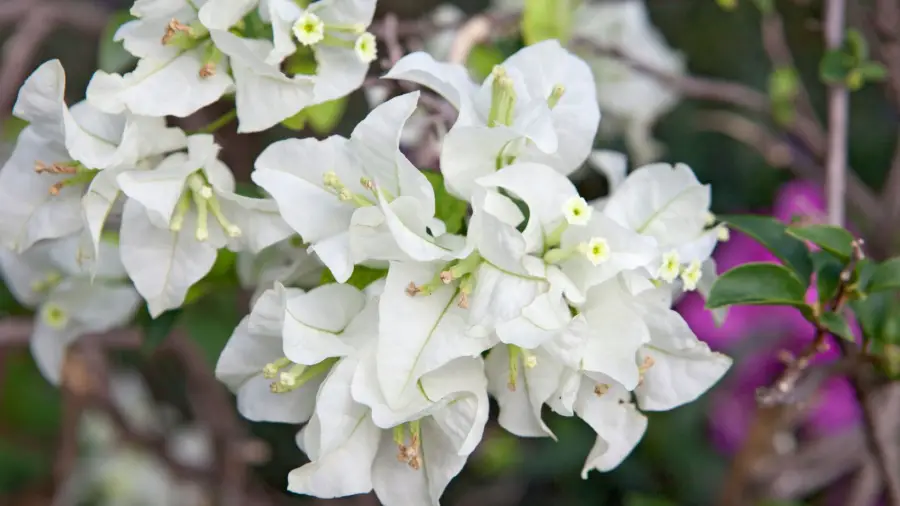
(To learn about Bagan Bilash’s Best Soil : https://bonsainurserybd.com/best-soil-for-bougainvillea/

Beyond The Pot: The Cultural Significance Of Bonsai

Beyond the Pot: The Cultural Significance of Bonsai delves deep into the world of Bagan Bilash Bonsai, unravelling its impact far beyond being just miniature trees. These living art forms echo centuries of culture, philosophy, and communal ties, offering a window to the soul of aesthetic mindfulness and social harmony.

Bonsai As A Reflection Of Nature And Philosophy

Bonsai trees stand as symbols of perseverance, care, and the delicate balance of nature. They embody the art of patience and dedication, reflecting the teachings of venerable Eastern philosophies that prioritize harmony and simplicity.

The Bagan Bilash bonsai, trimmed and nurtured over years, represents the philosophical idea of Wabi-sabi—the acceptance of imperfection.

  • Miniature landscapes in bonsai pots mirror the vastness of nature in a small scale.
  • Each bonsai tree tells a story of survival, adapting to living within confined spaces.
  • Pruning routines become acts of meditation, fostering a deep bond between the grower and the tree.

Bagan Bilash In Art, Literature, And Spirituality

Bonsai transcends gardening, inspiring painters, poets, and spiritual teachers alike. Bagan Bilash Bonsai thus features in various cultural expressions, resonating with art and spirituality.

Artists often depict bonsai trees to symbolize peaceful solitude or portray life’s contrasts. In literature, bonsai serves as metaphors for resilience and personal growth.

  • In haiku poetry, bonsai imagery evokes fleeting beauty and the change of seasons.
  • Mythology and folklore frequently reference bonsai, associating them with ancient wisdom.
  • Bonsai practice intertwines with Zen Buddhism, harmonizing the inner self with external nature.

Bonsai Collecting And Exhibitions: Fostering Appreciation And Community

The exchange of Bagan Bilash bonsai specimens and sharing of knowledge consolidates a unique community. Enthusiasts gather, bonds form, and collective appreciation flourishes.

Showcases and workshops serve as platforms for celebrating the artistry of bonsai cultivation. They invite both novices and experts to engage in cultural exchange.

  • Exhibitions highlight the beauty of bonsai, promoting conservation and education.
  • Collecting bonsai becomes a passionate hobby, connecting people across different backgrounds.
  • Festivals and events centered on bonsai uplift community spirit and foster mutual respect among cultivators.

Getting Started With Your Own Bagan Bilash Bonsai

Welcome to the enchanting world of Bagan Bilash Bonsai! This ancient art form transforms ordinary plants into miniature marvels. A journey towards nurturing a Bonsai offers not just a hobby, but a path to relaxation and artistic expression. Begin your Bonsai adventure with easy-to-follow steps. Ensure your venture into Bonsai cultivation starts on the right foot!

Choosing The Right Bonsai Species And Starter Materials

Selecting the ideal species is crucial for your Bagan Bilash Bonsai. Research species adaptable to your local climate. Thriving species ensure a rewarding experience.

  • Ficus: Robust, can handle indoor conditions well.
  • Juniper: Hardy, prefers outdoor settings.
  • Pine: Classic choice, demands patience and care.

Gather your starter materials next:

  1. Bonsai pot with proper drainage.
  2. Specialized Bonsai soil for optimal growth.
  3. Pruning shears for shaping.
  4. Wire for training branches and trunk.

Step-by-step Guide To Creating Your First Bonsai

Creating a Bonsai can be a delightful process. With the right approach, watch your Bonsai take shape before your eyes!

Step Action
1. Select a healthy plant or seedling.
2. Plant it in the Bonsai pot using specialized soil.
3. Begin shaping with pruning and wiring techniques.
4. Regularly water and provide adequate sunlight.
5. Continuously care for and refine your Bonsai.

Resources And Communities For Bonsai Enthusiasts

Embarking on your Bonsai journey need not be solitary. Engage with communities to learn and share experiences. Explore resources for expert guidance! Here are some places to start:

  • Online Forums: Bonsai enthusiasts gather here to exchange tips.
  • Local Clubs: Find fellow Bonsai lovers in your area for workshops.
  • Bonsai Nurseries: Expert advice and access to quality materials.
  • Books and Publications: Dive into written guides from Bonsai masters.

Challenges And Solutions In Bagan Bilash Bonsai Cultivation

The journey of cultivating Bagan Bilash Bonsai brings a unique set of challenges. Yet, the joy it brings when overcoming these hurdles is unmatched. From beginners facing initial obstacles to seasoned growers mastering advanced techniques, the path is rewarding. This guide provides solutions and insights to enhance the bonsai growing experience. Let’s delve into the common challenges and innovative solutions to help your Bagan Bilash Bonsai thrive.

Overcoming Common Obstacles For Beginners

Starter tips for Bagan Bilash Bonsai enthusiasts:

  • Picking the Right Soil: Use a well-draining mixture designed for bonsais.
  • Watering Wisely: Check the soil moisture daily; water when it feels dry.
  • Pruning Practices: Trim sparingly to shape your bonsai and encourage growth.
  • Light and Location: Place your tree where it gets ample sunlight but is protected from harsh rays.

Remember, patience and persistence are key. If a leaf drops, don’t despair. Keep caring for your plant steadfastly.

Advanced Techniques For Seasoned Bonsai Growers

Technique Description Benefits
Air Layering Creating roots on a tree’s branch to form a new plant. Generates a mature bonsai faster.
Grafting Joining parts from two plants so they grow as one. Introduces new branches or improves the structure.
Jin and Shari Create deadwood features for a dramatic effect. Enhances the tree’s appearance of age and character.

Always seek out fresh information and techniques to hone your skills. Practice leads to perfection.

The Future Of Bonsai: Trends, Innovations And Longevity Of The Art Form

Emerging trends shaping the Bonsai world:

  1. Eco-friendly Practices: Bonsai lovers are embracing organic fertilizers and pest controls.
  2. Hydroponic Bonsai: Water-based bonsai care is gaining attention for its innovative approach.
  3. Artistic Collaboration: Artists merge bonsai with sculpture for breathtaking creations.

Sustainable methods ensure this ancient art remains vibrant for future generations. Stay curious, and keep experimenting to contribute to the bonsai legacy.

Frequently Asked Questions On Bagan Bilash Bonsai

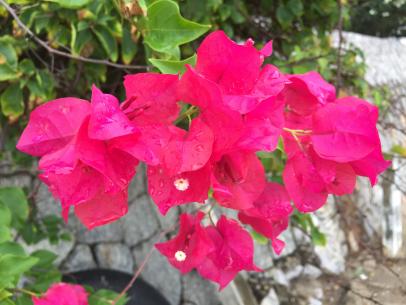
Do Bougainvillea Make Good Bonsai?

Yes, bougainvillea plants make excellent bonsai due to their colorful bracts and ability to adapt to pruning and shaping. They respond well to training, becoming stunning miniature versions of their full-sized form.

How Big Do Bougainvillea Bonsai Plants Get?

Bougainvillea bonsai plants typically reach a height of 1-2 feet, with careful pruning directing their shape and size.

How Often Do You Water A Bonsai Bougainvillea?

Water a bonsai bougainvillea when the topsoil feels dry, typically every one to two weeks, depending on climate and indoor conditions. Adjust frequency to ensure proper moisture without waterlogging.

What Soil For Bougainvillea Bonsai?

Use a well-draining soil mix for bougainvillea bonsai, combining organic and inorganic materials. A blend of Akadama, pumice, and lava rock is ideal, ensuring good aeration and moisture retention.

Conclusion

Embracing the Bagan Bilash Bonsai tradition offers a serene, fulfilling experience for enthusiasts and novices alike. It’s a journey of patience, creativity, and nature’s splendor. Let these miniature marvels transform your space and mindset. Start your Bonsai adventure today and watch as beauty unfolds with each tiny leaf.

(To learn more about Creating Bagan Bilash Bonsai Plants: https://www.gardeningknowhow.com/ornamental/vines/bougainvillea/creating-a-bougainvillea-bonsai.htm )

Blueberry Bonsai

Blueberry Bonsai Care: Grow Miniature Fruit Wonders!

Blueberry Bonsai combines the beauty of miniature trees with the deliciousness of fresh berries. It is an attractive and unique addition to any garden space.

Bonsai, the Japanese art of growing miniature trees, extends to fruiting plants like blueberries, offering garden enthusiasts a charming, yet productive challenge. Cultivating blueberry bonsai involves regular pruning, repotting, and careful attention to soil acidity and moisture levels—mimicking the blueberry’s natural acidic habitat.

Blueberry Bonsai

Preferring well-drained, moist soil, a blueberry bonsai thrives in a container, allowing root restriction that promotes its miniature size. Suitable varieties for bonsai include ‘Top Hat’ and ‘Sunshine Blue’. Embrace the rewarding practice of growing blueberry bonsai for both aesthetic appeal and tasty rewards. By marrying horticultural skill with patience, you can cultivate a fruitful, miniaturized blueberry plant that graces your garden or indoor space with year-round interest.

Introduction To Blueberry Bonsai

Blueberry Bonsai combines the ancient art of bonsai with the delight of growing blueberries. This unique form of gardening creates a miniature landscape that adds beauty and fruit production in a compact space. Perfect for both garden enthusiasts and those with limited space, blueberry bonsai offers a rewarding and aesthetic gardening experience.

Understanding Bonsai: The Art Of Miniaturization

Bonsai is a Japanese art form using cultivation techniques to produce small trees that mimic the shape and scale of full-size trees. Patience, creativity, and precision guide the bonsai gardener to shape each tree over time into a living sculpture. Bonsai trees are not genetically dwarfed plants but are kept small through pot confinement and crown and root pruning.

  • Pruning: Trimming branches and leaves to shape the tree
  • Wiring: Wrapping wire to direct growth
  • Repotting: Refreshing soil and root pruning

Why Blueberries Make Excellent Bonsai Trees

Not all plants are suited to the bonsai treatment, but blueberries are exceptional candidates. Blueberry plants have woody stems and a shrub-like form, making them ideal for bonsai. Their small leaves and the ability to bear fruit at a young age increase their appeal. The blueberry bonsai not only looks attractive but is also functional, providing delicious berries.

Characteristics Benefits
Small leaves Proportional to miniature form
Woody stems Supportive for sculpting
Bears fruit Yields edible rewards

Getting Started With Your Blueberry Bonsai

Transforming blueberries into bonsai brings a unique twist to gardening. Each step from selecting the species to pruning shapes your miniature masterpiece. Buckle up for an exciting journey with your blueberry bonsai.

Choosing The Right Blueberry Species For Bonsai

Blueberries thrive in various climates. Pick a species well-suited to your location for the best results.

  • Rabbiteye: Tolerant to heat, perfect for warmer regions.
  • Lowbush: Excels in cold climates and has a dwarf growth habit.
  • Highbush: Adapts to various environments, ideal for beginners.

Selecting The Perfect Container For Your Miniature Tree

Your bonsai’s home matters. Choose a container that supports proper root growth and drainage.

Container Type Material Drainage
Shallow Tray Ceramic Good
Deep Pot Plastic Adequate
Bonsai Pot Clay Excellent

Essential Tools For Pruning And Shaping Your Bonsai

Pruning and shaping are art forms. Use the right tools for precision. Get clean cuts and the perfect shape with these essentials.

  1. Pruning Scissors: Trim leaves and small branches.
  2. Concave Cutters: Remove larger branches, leave minimal scars.
  3. Wire Cutters: Adjust wires for shaping without damaging the plant.
  4. Bonsai Wires: Train branches to grow in desired directions.

Optimal Growing Conditions For A Flourishing Bonsai

Crafting a blueberry bonsai is like painting a living masterpiece. The right mix of soil, water, sun, and nutrients brings life to these miniaturized trees. Let’s delve into the perfect growing conditions to ensure your blueberry bonsai thrives.

Soil Requirements And Mixture Preparation

The foundation of a healthy bonsai starts with the soil. Blueberry bonsai demand a soil blend that drains well yet retains moisture. A mix of peat, pine bark, and perlite, in equal parts, creates an ideal substrate. This combination ensures balance for root aeration and hydration.

Watering Techniques And Frequency For Ideal Growth

  • Water thoroughly until excess drains out.
  • Allow the topsoil to dry slightly between waterings.
  • Adjust frequency with temperature and season changes.

Consistent moisture levels are essential. A bonsai’s watering needs change with its environment. Use a tray to catch runoff and ensure roots do not sit in water.

Sunlight And Temperature: Creating The Perfect Environment

Condition Requirement
Sunlight Full to partial sun (4-6 hours daily)
Temperature 65-75°F (18-24°C) during growth periods

Sunlight and temperature guide your bonsai’s health. Protect from intense, direct sun in summer, and shield from chilly drafts in winter.

Fertilization Schedule: Nutrients For A Healthy Bonsai

Blueberry bonsai crave nutrients during active growth phases. Use a balanced, slow-release fertilizer every 30 days in spring and summer. During fall and winter, reduce to once every 60 days. Remember: over-fertilization can harm your bonsai, so stick to the schedule.

Advanced Care And Maintenance

Taking your blueberry bonsai to the next level calls for more than just basic care. Engaging in advanced maintenance enhances both the health and beauty of your miniature tree. This section delves into the essential techniques for pruning, repotting, and protecting your blueberry bonsai.

Pruning And Training Your Blueberry Bonsai For Aesthetics

Pruning is both an art and a science. It shapes your bonsai and maintains its small size. Regular trimming keeps leaves and branches proportionate. During the growing season, assess your bonsai’s shape. Use sharp, clean shears to make precise cuts. Remove any dead material to promote healthy growth. Training involves wiring branches. This guides them into more aesthetically pleasing shapes. Practice gently bending branches, securing them with soft wire, and monitoring their progress regularly.

Repotting Basics: When And How To Refresh Your Bonsai’s Home

Repotting revitalizes your bonsai’s soil and roots. Every two to three years is a typical interval.

  • Select a pot with adequate drainage.
  • Prepare a soil mix designed for bonsai.
  • Carefully remove your tree and trim the roots moderately.
  • Place the tree in the new pot and add fresh soil.
  • Water thoroughly and keep your bonsai in a shaded area until it adjusts.

Pest And Disease Management In Bonsai Cultivation

Vigilance is key to keeping your blueberry bonsai healthy. Inspect frequently for signs of pests or disease, such as wilted leaves or sticky residues. Treat infestations early with appropriate solutions like neem oil or insecticidal soap. Fungal infections require fungicides and improved air circulation. Always isolate affected plants to prevent spreading.

The Fruitful Rewards: Harvesting And Enjoying

Ensure your content includes relevant keywords such as “blueberry bonsai care”, “harvesting bonsai blueberries”, “blueberry bonsai recipes”, and “growing bonsai fruit trees” for SEO optimization.

Growing blueberry bonsai trees brings a unique joy. These mini trees produce full-sized berries. Care and patience lead to delicious results. Tiny trees yield sweet, plump blueberries for snacks or dishes. Now, learn to gather and savor these homegrown gems.

Timing And Techniques For Harvesting Bonsai Blueberries

Know the right time to pick blueberry bonsai fruit. Look for a deep blue hue. Use a gentle twist-and-pull method. Collect ripe berries each summer for peak sweetness. A guide to signs for ripe blueberries includes:

  • Rich, blue color
  • Easy detachment from branch
  • Soft to touch

Incorporating Fresh Bonsai Blueberries Into Recipes

Bake, blend, or eat bonsai blueberries fresh. They add a sweet burst to pancakes and muffins. Create jams or syrups for a homemade touch. Bonsai berries fit in these tasty dishes:

Recipe Type Ideas
Breakfast Blueberry oatmeal, smoothies
Desserts Pies, cheesecakes
Snacks Fresh with yogurt, in trail mix

Bonsai Blueberries As Ornamental And Edible Garden Features

Bonsai blueberry trees charm any space. Bright berries decorate your garden. Enjoy a blend of beauty and taste. Add color and life to your home with these delightful plants. Bonsai berries serve as:

  1. Table centerpieces
  2. Garden focal points
  3. Natural snacks from your own backyard


Connecting With A Community Of Bonsai Enthusiasts

Blueberry Bonsai trees blend art with horticulture in a compact form. They offer a unique twist on traditional bonsai. Cultivating these living works of art provides joy and serenity. Yet, it’s not just about the trees. It’s also about the people you meet along the journey. Connecting with fellow enthusiasts opens a world of learning and growth. Let’s explore the vibrant communities that bring bonsai lovers together.

Joining Bonsai Clubs And Online Forums

Engaging with local bonsai clubs brings immediate benefits. Workshops, meetups, and advice are just a sign-up away. Check these places:

  • Local garden centers – They often have information on bonsai clubs.
  • Botanical gardens – They sometimes host bonsai events.
  • Community boards – Look for flyers and announcements.

Don’t forget about online forums. They’re lively platforms for discussion. Share photos, solicit advice, and make new friends across the globe. Bonsai topics come to life with the click of a button.

Participating In Bonsai Shows And Competitions

Bonsai shows and competitions are exciting. They are celebrations of skill and beauty. Whether you’re a novice or an expert, these events offer immense value. Some perks include:

  1. Gaining inspiration from top-tier bonsai displays.
  2. Receiving constructive feedback on your bonsai.
  3. Winning prizes and recognition for your blueberry bonsai.

Entering a competition can propel your skills to new heights. Witnessing diverse techniques is a bonus.

Learning And Sharing Experiences With Fellow Growers

Every bonsai grower has stories to tell. Swapping tales enriches everyone’s understanding. Join conversations at:

Event Activities
Club Meetings Live demonstrations, Q&A sessions
Online Workshops Webinar presentations, group discussions
Expos Guest speakers, vendor booths

Bond over pruning techniques, discuss soil mixtures, or celebrate new growth. Sharing experiences nurtures both the bonsai and its caretaker.

Troubleshooting Common Issues In Blueberry Bonsai Care

Caring for a Blueberry Bonsai brings joy and serenity to any home. Yet, just like any plant, it can face challenges. Have no fear, for identifying and addressing these issues early on is key to a thriving bonsai. From leaf discoloration to the threat of root rot, let’s explore how to keep your miniature marvel in peak condition, ensuring lush foliage and potentially, delightful fruit!

Addressing Leaf Yellowing And Drop-off

Yellow leaves or sudden leaf-drop often signal distress. Check for:

  • Poor drainage leading to soggy soil
  • Insufficient light or too much direct sunlight
  • Nutrient deficiencies, specifically nitrogen and iron

Adjust watering practices, relocate your bonsai for optimal light exposure, and consider soil amendments or fertilizers.

Battling Fungal Infections And Root Rot

Fungal infections are silent foes of bonsai trees. They often lead to root rot – a deadly condition. To combat this:

  • Inspect roots regularly for darkening or softness
  • Use fungicides when necessary, following product guidelines
  • Ensure your potting mix is well-draining and sterile

Immediate action can save your Blueberry Bonsai from harmful pathogens.

Mitigating The Effects Of Over- Or Under-watering

Watering is a delicate balance. Look for signs such as:

Issue Over-Watering Signs Under-Watering Signs
Leaves Limp, Brown Tips Dry, Brittle
Soil Constantly Moist Hard, Dry
Roots Dark, Mushy Light, Dry

Correct by establishing a consistent watering schedule, adjusting for seasonal changes and your bonsai’s unique needs.

The Journey Of Bonsai Mastery

The Journey of Bonsai Mastery is not just about growing a plant, but nurturing a piece of nature’s art.

The Patience And Dedication Behind A Mature Bonsai

Developing a Blueberry Bonsai calls for deep patience. It doesn’t grow overnight. Like wise elders, these trees take their sweet time to flourish. They embody the growth seen in nature.

  • Consistent care over years shapes these tiny trees.
  • Trimming, watering, and repotting are all part of the bonsai rhythm.
  • Each twist and turn of the bonsai’s trunk captures the grower’s dedication.

The Lifelong Learning Curve Of Bonsai Care

Bonsai care is a continuous journey of education. There is always something new to learn in the realm of these miniature trees.

Gardeners evolve with their bonsai, mastering:

  1. The subtle art of pruning.
  2. Understanding bonsai soil mixtures.
  3. Perfecting the watering schedule.

(To learn more about Bonsai Care Guide: https://bonsainurserybd.com/bonsai-care-guide/

Encouragement To New Growers: The Rewards Of Perseverance

For those starting this journey, the key is perseverance. Your commitment to a bonsai can yield amazing results.

New growers will discover:

  • Immense satisfaction in seeing a bonsai mature under their care.
  • The joy of a hobby that calms the mind and steadies the heart.
  • A strong sense of accomplishment with every new leaf and bloom.

Frequently Asked Questions Of Blueberry Bonsai

Can You Bonsai Blueberries?

Yes, you can bonsai blueberries. The process involves selecting a suitable dwarf variety and pruning roots and foliage to maintain a miniature size.

Do Japanese Blueberry Trees Grow Fast?

Japanese blueberry trees exhibit a moderate growth rate, typically increasing in size by one to two feet per year.

Are Japanese Blueberry Trees Cold Hardy?

Japanese blueberry trees have moderate cold hardiness, tolerating temperatures down to about 20°F to 25°F before sustaining damage. They thrive best in USDA zones 8 through 11.

How Long Will Blueberry Plants Produce Fruit?

Blueberry plants typically produce fruit for around 15 to 20 years with proper care and optimal growing conditions. They usually start bearing at 3 to 5 years of age.

Conclusion

Embracing the art of blueberry bonsai can be both rewarding and therapeutic. By scaling down nature’s bounty, you create a conversation piece that captivates any room. Start your own miniature fruit-bearing journey today. Join the blueberry bonsai community and share in the wonder and satisfaction.

(To learn more about Blueberry Bonsai Care: https://www.lovemybonsai.com/blogs/bonsai-care-sheets/how-to-care-for-your-blueberry-bonsai-tree)

Cherry Bonsai Care: Grow a Miniature Orchard at Home

Cherry Bonsai Care: Grow a Miniature Orchard at Home

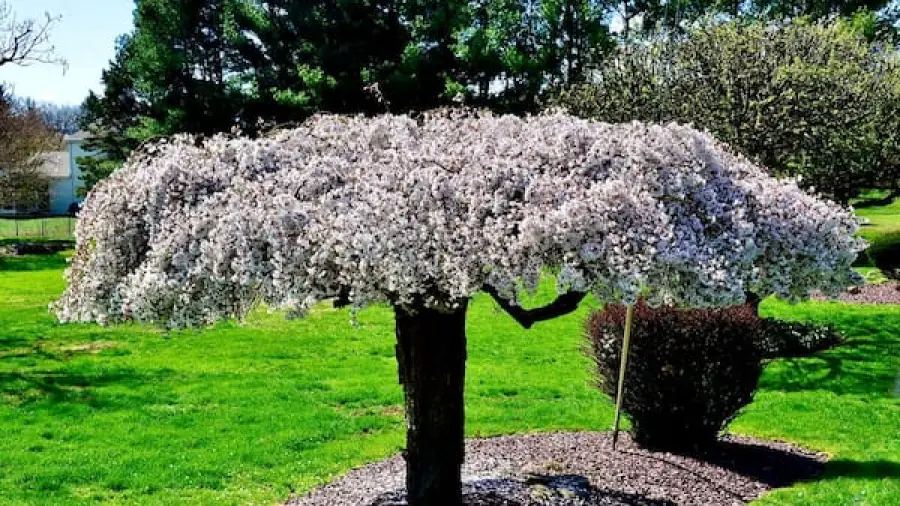
Cherry Bonsai trees are miniature versions of traditional cherry trees. They embody the beauty and elegance of their full-sized counterparts in a small form.

Cherry Bonsai, known for its delicate flowers and intricate branch structure, is a popular choice among bonsai enthusiasts. The art of bonsai involves carefully pruning and maintaining these trees to preserve their miniature size while emulating the appearance of a mature tree.

Bonsai-Cherry-Blossom

Growing a Cherry Bonsai requires patience, as it may take years to fully shape and refine. This type of bonsai is particularly celebrated during blooming season when the tree exhibits its stunning, ephemeral cherry blossoms. Caring for a Cherry Bonsai includes regular watering, fertilizing, and proper positioning to ensure adequate sunlight, all of which are crucial to the tree’s success and aesthetic appeal.


Introduction To Cherry Bonsai

Cherry bonsai trees wrap the majestic beauty of full-sized cherry trees into miniature wonders. The delicate dance of pink and white blossoms creates a spectacle each spring. This ancient Japanese art form requires patience. Crafting a cherry bonsai brings tranquility to any space.

Understanding Bonsai: The Art Of Miniaturizing Trees

Bonsai is not just gardening; it’s an art. It’s about shaping trees to create living sculptures. Bonsai trees mimic mature, full-sized trees but are painstakingly cultivated to remain small. Special techniques help these trees grow miniature.

  • Pruning roots and branches
  • Wiring to guide growth
  • Restricting pot size for growth control

Why Cherry Trees? The Appeal Of Cherry Bonsai

Cherry bonsai trees are popular due to their stunning flowers and seasonal changes. The sight of cherry blossoms symbolizes renewal and ephemeral beauty. Fresh green leaves in summer transition to warm autumnal hues.

Overview Of Different Types Of Cherry Bonsai

Cherry bonsai come in varied types, each with unique charms. Here are a few:

Type Flower Color Season
Somei-Yoshino Pale Pink Spring
Shidare-Zakura Pink Spring
Yama-zakura White to Pink Spring to Summer

Each type offers a distinct look and feel. Consider bloom color, leaf shape, and growth habits when choosing a cherry bonsai.

Getting Started With Your Cherry Bonsai

Embrace the serenity of Japanese tradition by creating a Cherry Bonsai. Begin this peaceful journey with key steps to shape your miniature wonder. Bonsai, an art form that stands test of time, brings nature into your home. This guide simplifies your first steps into the bonsai world.

Choosing The Right Cherry Tree Species For Bonsai

Cherry trees come in many types. Pick a species that thrives in your climate for the best success. Sakura cherries are popular for their blossoms. Consider the Barbados cherry for fruit as well as flowers. Remember, local species adapt better to your environment.

Sourcing Your Cherry Bonsai: Seedling, Cutting, Or Nursery Plant?

  • Seedlings offer a blank canvas, but require patience and time.
  • Cuttings from an existing tree promise a clone of its beauty and hasten growth.
  • Nursery plants give a head start, ideal for beginners eager to learn. Always look for healthy, disease-free specimens.

The Basics Of Potting And Soil Composition

Good drainage is key in your pot choice. Use a soil mix designed for bonsai to provide proper aeration and nutrients. This mix usually contains akadama, pumice, and lava rock. Watering is crucial, never let the soil completely dry out.

Initial Pruning And Shaping Your Cherry Bonsai

Pruning starts the shaping process. Remove any dead or crossing branches. Identify the tree’s front for the best view. Gradual wiring helps achieve your design without harming the tree. Remember, growth follows pruning, so think ahead. Patience here brings a lifetime of beauty.

Caring For Your Cherry Bonsai Throughout The Seasons

The art of bonsai captures nature’s beauty in miniature form. A Cherry Bonsai is no exception, with its delicate blossoms and vibrant foliage. To help these tiny wonders thrive, understanding seasonal care is key. Tailoring your care approach as seasons change is crucial for the health of your Cherry Bonsai.

Spring Care: Pruning, Repotting, And Fertilizing

With spring, your Cherry Bonsai bursts into life. Pruning helps shape the tree and encourages new growth. It’s also the best time for repotting, offering fresh nutrients and room to grow. Fertilizing is vital, kickstarting the growth cycle with a balanced blend suitable for bonsais.

  • Prune to remove dead branches.
  • Repot every two to three years.
  • Use fertilizer specially formulated for bonsai trees.

Summer Maintenance: Watering, Trimming, And Sunlight Requirements

Watering adapts to rising temperatures during the summer. Check soil moisture often, as Cherry Bonsai may require daily watering. Regular trimming keeps the tree in shape. Ensure it receives the right amount of sunlight, avoiding harsh midday rays that can burn the leaves.

  • Check water levels every morning.
  • Trim new shoots to maintain shape.
  • Provide morning sunlight and afternoon shade.

Autumn Preparations: Reducing Watering And Monitoring Leaf Color

As temperatures cool, reduce the frequency of watering your Cherry Bonsai. Keep an eye on the leaf color; it indicates the tree’s health. Yellow leaves can mean over-watering or needing more nutrients.

  • Gradually reduce watering as autumn progresses.
  • Monitor leaves for color changes.

Winter Protection: Insulating Roots And Reducing Pruning

Winter poses a challenge with cold temperatures threatening the bonsai’s roots. Insulate the pot to protect against the cold. Pruning should be minimal, focusing only on dead or damaged branches to avoid stressing the tree.

  • Wrap the pot with insulating materials.
  • Avoid heavy pruning; snip only what’s necessary.

Advanced Cherry Bonsai Techniques

Exploring the depth of Cherry Bonsai mastery unlocks a world of beauty and sophistication. By honing advanced techniques, enthusiasts can encourage vibrant flowering, sculpt their trees into artistic forms, and protect their miniature cherries from harm. Perfecting these skills not only enhances the health and look of the bonsai but also enriches the growing experience.

Creating Blossoms: Techniques To Induce Flowering

Cherry Bonsai trees are cherished for their stunning blossoms. To ensure a spectacular floral display, consistent care and specific techniques are essential. Here are the practices to induce flowering:

  • Light Exposure: Minimum six hours of daily sunlight.
  • Proper Pruning: Trim after the blooming cycle to promote growth.
  • Fertilization: Use low nitrogen fertilizer before the flowering season.
  • Cooler Temperatures: A period of cold dormancy can trigger bud development.
  • Watering Practice: Keep soil slightly dry to stress the tree before flowering.

Wiring And Shaping: Tips For Aesthetic Design

Shaping a Cherry Bonsai requires a gentle touch and an eye for design. Follow these tips to sculpt a tree that mirrors natural beauty:

  1. Choose the Right Wire: Aluminum or copper, matched to branch thickness.
  2. Wrap Carefully: Apply wire at a 45-degree angle, avoiding tightness.
  3. Shape Gradually: Bend branches slowly over weeks, not all at once.
  4. Monitor Growth: Remove wire before it imprints on growing bark.
  5. Balance the Tree: Strive for a visually harmonious structure.

Controlling Pests And Diseases Specific To Cherry Bonsai

Bonsai trees, like their larger counterparts, can fall prey to pests and diseases. Recognizing and addressing these issues early is key to maintaining a healthy bonsai.

Pest/Disease Symptoms Treatment
Aphids Sticky leaves; deformed growth. Use neem oil or insecticidal soap.
Spider Mites Yellow spots; fine webs. Increase humidity; introduce natural predators.
Fungal Diseases Black spots on leaves; wilting. Prune affected areas; apply fungicide.

Display And Enjoyment Of Your Cherry Bonsai

The beauty and tranquility of a Cherry Bonsai tree are unparalleled, making it not just a plant, but a piece of living art. Displaying this miniature tree involves more than just finding a spot on a shelf; it is about creating an atmosphere that enhances both the tree and the space around it. The right presentation can turn your Cherry Bonsai into a captivating focal point that embodies culture and serenity.

Choosing The Right Display Location

Selecting the perfect spot for your Cherry Bonsai ensures its health and visibility. Bear these factors in mind:

  • Lighting: Bright, indirect sunlight is ideal.
  • Temperature: A consistent and moderate climate helps.
  • Viewing Angle: Elevate the Bonsai for eye-level enjoyment.
  • Humidity: Avoid placing near heat sources to maintain moisture.

Presentation

Present your Bonsai in a way that highlights its best features:

  1. Select a pot that complements the tree’s style and color.
  2. Use a stand or table to give the Bonsai a place of honor.
  3. Maintain cleanliness to ensure focus remains on the Bonsai.

Incorporating Your Cherry Bonsai Into Home Decor

Integrate your Cherry Bonsai seamlessly with your home style:

  • Choose a room theme that matches the seasonal changes of the Bonsai.
  • Pair with subtle accents like pebbles or small sculptures.
  • Keep the area clutter-free to maintain focus on the Bonsai.

The Cultural Significance And Zen Of Cherry Bonsai

Embrace the deeper meaning behind your Cherry Bonsai:

Culture Zen
Symbolizes beauty and impermanence. Encourages mindfulness and peace.

Incorporate these concepts into the display to create a harmonious space that fosters relaxation and inspiration.

Troubleshooting Common Issues

The elegance of Cherry Bonsai trees captivates enthusiasts, inspiring a miniature world of natural beauty. Yet, much like any intricate art form, bonsai cultivation presents challenges. Addressing common issues ensures these miniature marvels thrive, showcasing a perfect blend of blossoms and proportionate growth. Discover how to troubleshoot frequent problems with your Cherry Bonsai, ensuring its health and splendor.

Dealing With Leaf Drop And Discoloration

It’s alarming when Cherry Bonsai leaves lose their lush green hue or fall off. Improper watering or pests could be culprits. To combat this:

  • Check the soil moisture regularly; it should feel damp, not soggy.
  • Ensure the pot has adequate drainage holes.
  • Apply proper pest control after identifying any bugs.
  • Consider adjusting light and temperature as leaves may turn yellow in intense sunlight.

Managing Poor Flowering Or Fruit Production

Cherry Bonsai trees that don’t produce vibrant flowers or fruits disappoint. To encourage blooming:

  1. Prune dead flowers and branches; it directs energy to new growth.
  2. Use low-nitrogen fertilizer to boost flower and fruit production.
  3. Ensure the tree receives proper sunlight and water.
  4. Protect from extreme temperatures or drafts.

Addressing Overgrowth And Restoring Miniaturization

To maintain the miniature stature of a Cherry Bonsai, regular pruning is essential. Trimming and wiring help shape the tree. Implement these steps:

  • Use sharp scissors for clean cuts on branches and leaves.
  • Prune in the correct season; typically late winter for Cherry Bonsai.
  • Re-pot every few years to manage root growth and health.
  • Wire branches carefully to avoid damage and to shape growth.


Frequently Asked Questions On Cherry Bonsai

Can You Bonsai A Cherry Tree?

Yes, you can bonsai a cherry tree. Choose a suitable variety and apply bonsai techniques for best results. Regular pruning and care are essential for maintaining its miniature size.

What Is The Best Cherry Variety For Bonsai?

The Japanese Sakura, or Sargent’s cherry (Prunus sargentii), is a top choice for bonsai due to its beautiful blossoms and elegant growth habit.

Can Cherry Blossom Bonsai Grow Indoors?

Yes, cherry blossom bonsai can grow indoors with proper care. They require sufficient light, controlled temperature, and regular pruning for optimal growth.

Is Bonsai The Same As Cherry Blossom?

No, bonsai is not the same as cherry blossom. Bonsai refers to the Japanese art form of growing miniature trees, whereas cherry blossoms are the flowers of the cherry tree species.


Conclusion

Embracing the art of cherry bonsai offers a rewarding journey into miniature gardening. Each careful snip shapes not only the tree but also our patience and attention to detail. Whether a seasoned grower or a budding enthusiast, cherry bonsai cultivation is a timeless craft that marries nature’s beauty with artistic expression, promising a serene addition to any space.

(To learn more about Cherry Bonsai: https://bonsainurserybd.com/bonsai-cherry-blossom/)

Best Homemade Fertilizer for Bougainvillea

Best Homemade Fertilizer for Bougainvillea: Lush Blooms

The best homemade fertilizer for bougainvillea is a blend of banana peels for potassium and used coffee grounds for nitrogen. This mix balances nutrients, promoting vibrant blooms without excessive foliage growth.

Crafting the right fertilizer at home can significantly improve your bougainvillea’s health and flowering potential. Bougainvillea plants thrive when fed with a nutrient-rich mix that fosters both root strength and bloom vibrancy. Understanding the specific needs of this vibrant plant is key to creating an effective homemade fertilizer.

Rich in color and famous for their prolific flowers, bougainvilleas require certain elements to flourish. The ideal homemade fertilizer caters to these needs with readily available kitchen waste that’s rich in essential nutrients. Regular application not only sustains the plant’s vibrant display but also promotes its overall vigor, making it a practical choice for gardeners seeking to enhance their blooms naturally.

Best Homemade Fertilizer for Bougainvillea: Lush Blooms

Credit: http://www.amazon.com

Introduction To Bougainvillea Care

Bougainvillea, the vibrant beauty of any garden, demands specific attention to truly flourish. Mastering the art of bougainvillea care lies not just in the usual suspects of sunlight and watering, but significantly in the nutritional mix one offers. This section peels back the layers on the best homemade fertilizers that serve as the elixir of life for your bougainvillea’s growth and bloom.

Just like a well-balanced diet is essential for our health, fertilizers provide the necessary nutrients to support a bougainvillea’s growth and vitality. They are the building blocks that encourage vigorous foliage and prolific blooms. A homemade fertilizer can also be more sustainable and cost-effective, tailoring to the specific needs of the plant.

It is important to use H2 for main sections and H3 for subpoints or subheaders within those sections to maintain proper HTML semantic structure.

Bougainvilleas thrive when fed a blend of nutrients that stimulate root development, enhance flower production, and encourage leaf growth. It requires a mix of nitrogen, phosphorus, and potassium, alongside essential micronutrients. Crafting the right mix in a homemade concoction requires understanding these needs in depth.

  • Nitrogen (N) – Stimulates leaf growth
  • Phosphorus (P) – Supports root and flower development
  • Potassium (K) – Promotes overall plant health and disease resistance

One of the unique aspects of fertilizing bougainvilleas is the delicate balance between promoting lush foliage and vibrant blooms. An excess of nitrogen, for example, will lead to more leaves and fewer flowers. Therefore, devising a homemade fertilizer must involve a mindful approach to ensure a bountiful display of color whilst maintaining healthy greenery.

Nutrient Foliage Growth Bloom Production
Nitrogen (High) Promotes Suppresses
Phosphorus (Balanced) Maintains Encourages
Potassium (Balanced) Maintains Maintains


Best Homemade Fertilizer for Bougainvillea: Lush Blooms

Credit: http://www.walmart.com

Homemade Fertilizer Ingredients For Vibrant Bougainvillea


Gardeners with a passion for vibrant bougainvillea blooms often seek natural and cost-effective alternatives to store-bought fertilizers. Crafting a homemade fertilizer can not only nourish your bougainvillea but also support sustainable gardening practices. Here’s a look at some readily available ingredients that can help your bougainvillea flourish.

Utilizing Coffee Grounds For Soil Acidity And Nitrogen

Coffee grounds are a gardener’s best friend, especially for acid-loving plants like bougainvillea. They add organic matter to the soil, improving drainage and water retention. Coffee grounds slowly release nitrogen, a vital nutrient for vibrant leaf growth, which complements the bougainvillea’s flowering needs.

The Role Of Banana Peels In Phosphorus Supplementation

Don’t toss out those banana peels just yet! Rich in phosphorus, an essential element for bud growth, banana peels are a fantastic way to encourage your bougainvillea to bloom. Dry and grind them into a powder or simply bury them near the roots to provide a slow-release fertilizer that supports a vibrant display of flowers.

Eggshells And Epsom Salts: Calcium And Magnesium Sources

Eggshells and Epsom salts offer a dual benefit for your garden marvels. Eggshells enrich the soil with calcium, which helps in stabilizing cell walls and aiding growth, while Epsom salts supplement magnesium and sulfur, promoting root health and flower production. Together, they fortify the bougainvillea against common deficiencies.

Benefits Of Using Grass Clippings As A Natural Nitrogen Boost

Add life to your soil with grass clippings, which act as an excellent source of nitrogen, crucial for lush vegetative growth. As they decompose, they not only enrich the ground but also suppress weeds, maintain soil moisture, and regulate temperature – creating an ideal growing environment for bougainvillea.


Creating The Optimal Homemade Fertilizer Mix

Bougainvillea plants are known for their vibrant flowers and vigorous growth. To ensure these spectacular plants are getting all the nutrients they need, a tailored homemade fertilizer mix can do wonders. Creating the right fertilizer ensures that your bougainvillea has access to all the essential nutrients without the excess chemicals found in many store-bought fertilizers. Let’s discuss how to craft a perfect blend using readily available household waste products.

How To Prepare And Apply Coffee Ground Mixes

Used coffee grounds are a great source of nitrogen, promoting lush, green growth in bougainvilleas. To turn coffee grounds into a beneficial mix:

  • Dry out used coffee grounds by spreading them on a sheet of newspaper.
  • Mix one part dried coffee grounds with three parts organic garden soil or compost.

For application, simply sprinkle this mix around the base of the plant and incorporate lightly into the top layers of soil. This not only fertilizes but also improves soil structure and aeration.

Step-by-step Guide To Creating Banana Peel Fertilizer

Rich in potassium, banana peels contribute to the vibrant blooms of your bougainvillea. To create a banana peel fertilizer:

  1. Chop banana peels into small pieces to help them break down easily.
  2. Combine the chopped peels with soil or add them to your compost bin for a period of 7-14 days.
  3. Blend the resulting mixture with water until you get a smoothie-like consistency.
  4. Use this liquid to water your bougainvilleas, ensuring deep rooting and fantastic flowering.

Incorporating Eggshells Safely Into Your Bougainvillea’s Diet

Eggshells are a natural source of calcium, promoting healthy cell wall development in plants. Here’s how to safely add eggshells to your bougainvillea’s diet:

  • Wash and dry eggshells completely to prevent any smell or pest problems.
  • Crush them into fine powder using a mortar and pestle or a blender.
  • Mix the powdered eggshells into your soil or compost to make them available to your bougainvillea’s roots.

Sprinkle the mixture around the root zone and water it in well to aid dissolution and uptake by the plant roots.

Mixing And Diluting Epsom Salts For Direct Application

Epsom salt, rich in magnesium and sulfate, is excellent for bougainvilleas, leading to lush foliage and stunning flowers. To create an Epsom salt solution:

  • Dissolve 1 tablespoon of Epsom salt in one gallon of water.
  • Pour this mix over the soil at the base of your bougainvillea to encourage absorption through the roots.

Apply this solution every few weeks during the growing season for the best results. Always water the plant first if the soil is dry to avoid salt buildup, which can harm the roots.

Application Techniques And Timing

Bougainvilleas are renowned for their vibrant flower clusters and lush foliage, quintessential to gardens seeking a splash of color. To maintain their exuberant display, understanding the application techniques and timing of fertilizers is paramount. Crafting an exquisite homemade fertilizer not only nourishes these plants but also aligns with sustainable gardening practices. Let’s delve into the strategies for fertilizing bougainvillea to ensure they flourish in all their glory.

Determining The Best Time To Fertilize Bougainvillea

Strategic timing is crucial when it comes to feeding your bougainvilleas. The best schedule aligns with their growth and blooming cycles. For optimal results, apply homemade fertilizers during early spring, as new growth emerges, then continue through the flowering period into late summer or fall. Always avoid fertilizing in the dormant winter months, as this could lead to unwanted growth susceptible to frost damage.

Methods For Applying Homemade Fertilizers Effectively

For your homemade fertilizers to work wonders, proper application is key. Gently work the fertilizer into the soil around the base of the plant, avoiding direct contact with the stems and leaves to prevent burns. Here are some effective methods:

  • Compost Tea: Apply diluted compost tea to the soil, ensuring deep penetration for root uptake.
  • Banana Peel Brew: Soak banana peels in water for a few days and use the solution to water your plants, providing potassium-rich nourishment.
  • Coffee Grounds Mix: Sprinkle used coffee grounds around the plant for a nitrogen boost, mixing lightly into the soil.
  • Eggshell Infusion: Crushed eggshells can be incorporated into the soil for a calcium increase, promoting strong cell wall development.

Monitoring Bougainvillea’s Response To Fertilizer Changes

Keep a watchful eye on your bougainvilleas after each fertilizer application. Signs of a positive response include lush green leaves and an abundance of vibrant bracts. Should you observe any signs of distress, such as leaf burn or wilting, reassess the composition and quantity of your homemade fertilizer. Adjusting the formula might be necessary to suit the specific needs of your plants.

Note: Always test a small amount of fertilizer on a few leaves before a full-scale application, ensuring your homemade concoction is safe for use. Record your observations meticulously to refine the fertilization process over time.

Additional Tips For Lush Bougainvillea Blooms

While a homemade fertilizer provides the key nutrients for your Bougainvillea, it’s the combination of good gardening practices that really gives you those vibrant, show-stopping blooms. From the pruning scissors to the watering can, every tool is significant in contributing to the aesthetic appeal of your Bougainvillea. Let’s explore these additional gardening tactics to ensure your plants thrive with bursting colors.

Pruning Techniques To Encourage Flowering

Bougainvillea flowers on new growth. Pruning is essential not just for shape but also for promoting blossoms. Here are the steps:

  • Timing: Prune after flowering to avoid cutting off new buds.
  • Amount: Cut back around one-third of the plant to encourage new growth.
  • Technique: Use clean, sharp pruning shears and make cuts at a 45-degree angle to promote healing and prevent disease.

Proper Watering Practices Alongside Fertilization

Watering bougainvillea correctly is critical. The roots prefer to be on the dry side, so allow soil to dry between watering. Preferably water early in the morning or evening to reduce evaporation. Try this method:

  1. Water once the topsoil feels dry.
  2. Water deeply to encourage root growth.
  3. Combine watering with fertilization for best results.

The Role Of Sunlight And Temperature In Bloom Enhancement

Sunlight and temperature are decisive factors for blooming. Bougainvillea blooms best with:

Sunlight Temperature
At least 6 hours of direct sunlight daily Optimal temperatures range between 65°F and 95°F
Partial shade in the afternoon in hot climates Mild climates encourage prolonged flowering


Best Homemade Fertilizer for Bougainvillea: Lush Blooms

Credit: http://plantic.in

Frequently Asked Questions On Best Homemade Fertilizer For Bougainvillea

What Can I Fertilize My Bougainvillea With?

Fertilize bougainvillea with a high-phosphorus, low-nitrogen fertilizer for best bloom production.

Are Coffee Grounds Good For Bougainvilleas?

Yes, coffee grounds are beneficial for bougainvilleas as they increase soil acidity and provide nitrogen.

Will Epsom Salt Make My Bougainvillea Bloom?

Epsom salt can encourage bougainvillea blooming by supplying magnesium, which aids flower production.

What Is The Best Bloom Booster For Bougainvillea?

The best bloom booster for bougainvillea is a high phosphorus, low nitrogen fertilizer.

Conclusion

Thriving bougainvilleas reflect diligent care and the right nourishment. Embrace these natural, homemade fertilizers to promote vibrant blooms and healthy growth. By utilizing kitchen scraps, compost, or Epsom salts, you’re not only supporting your plant but also practicing eco-friendly gardening.

As you mix your own blends, remember each ingredient’s purpose and how it benefits your bougainvillea. Happy gardening, and may your bougainvilleas flourish with vivid color and vitality!

(To learn about Bougainvillea Pruning : https://bonsainurserybd.com/best-time-to-prune-bougainvillea/)

Soil-for-Bougainvillea

Best Soil for Bougainvillea: Thrive with the Perfect Mix!

Bougainvillea thrives in well-drained, slightly acidic soil with good drainage. Use a potting mix rich in organic matter suited for cacti or palms.

Bougainvillea is a vibrant, hardy plant that dazzles with its colorful floral displays and lush growth. Known for its drought tolerance and preference for sunny locations, providing the right soil conditions is crucial for the plant’s success. Gardeners often opt for a loamy or sandy soil blend, ensuring it’s not too heavy or moisture-retentive, as the roots are prone to rot if waterlogged.

By creating an environment that mimics its native habitat, you can enjoy the full splendor of bougainvillea in your garden or patio. It’s essential to select a planting medium that allows for quick water passage while still retaining the necessary nutrients to fuel this plant’s vigorous growth.

Best Soil for Bougainvillea: Thrive with the Perfect Mix!

Credit:http://www.hgtv.com

Introduction To Bougainvillea: Understanding The Basics

An explosion of color that cascades in a vibrant spectacle, bougainvillea plants bring life and beauty to any garden space. Understanding the basics of these lush, tropical climbers is essential for both novice and expert gardeners looking to revel in their grand display. Let’s delve into the world of bougainvilleas—starting with their captivating nature and what they fundamentally require to flourish.

The Nature And Beauty Of Bougainvillea

Bougainvillea plants are known for their striking flower-like spring leaves around tiny, white flowers. These hardy climbers can often be found sprawling over walls and fences, or adding colorful accents to garden trellises. They come in a variety of hues, including pink, purple, orange, yellow, and white, which can transform any landscape into a tropical paradise.

The Essential Requirements For Optimal Growth

To achieve the best display of lush foliage and vibrant blooms, bougainvillea requires certain conditions:

  • Well-draining soil: Prevents root rot and is fundamental for overall plant health.
  • Sufficient sunlight: Bougainvilleas thrive with at least 5-6 hours of full sun daily.
  • Mild temperatures: These plants prefer the warmth, ideally between 60-100°F (15-37°C).
  • Controlled watering: Overwatering can harm the plants, so it’s important to let the soil dry out between sessions.
  • Specific soil pH: A slightly acidic to neutral soil pH, from 5.5 to 7.0, is optimal.

The Ideal Soil Composition For Bougainvillea

Thriving in warm climates, bougainvillea plants adorn many gardens with their vibrant colors and lush growth. Essential to their success is the soil in which they’re planted. The optimal composition of bougainvillea soil ensures these hearty climbers receive adequate nutrients and water drainage, preventing common issues such as root rot while promoting vigorous flowering.

Characteristics Of The Perfect Bougainvillea Soil Mix

A well-draining and aerated soil that mimics their native environment is key for bougainvillea. Here are the essential characteristics:

  • Texture: Coarse and loosely packed for air passage
  • Composition: A mix of peat, pine bark, and coarse sand or perlite
  • Drainage: Excellent to prevent waterlogging
  • Nutrient content: Rich in essential nutrients but not overly fertile, as too much nitrogen can impede flowering

The Role Of Drainage In Preventing Root Rot

Bougainvillea’s roots are sensitive to excess moisture. Poor drainage can lead to root rot, a condition that can severely damage or kill the plant. A soil mix with good drainage allows water to pass through quickly, preventing the roots from sitting in dampness. Consider incorporating materials like perlite or gravel to enhance soil porosity and ensure optimal water flow.

Adjusting Soil Ph For Bougainvillea Health

Bougainvillea prefers a slightly acidic pH between 5.5 and 6.5. Soil that is too alkaline can hinder nutrient absorption, causing deficiencies and inhibiting growth. Test the soil pH regularly and, if necessary, amend it using soil acidifiers or organic mulches like pine needles to maintain the ideal range.

Organic Vs. Inorganic Components: Striking The Right Balance

Finding the right mix of organic and inorganic elements in the soil is crucial for bougainvillea. Organic materials like compost or peat moss contribute to the soil’s nutrient content and water retention. In contrast, inorganic additives like vermiculite or perlite improve drainage and aeration. Balance these components to create an environment that supports healthy root growth and vibrant blooms.


Best Practices For Planting And Maintaining Bougainvillea

To ensure your Bougainvillea flourishes, understanding the optimum soil composition and care practices is essential. The right soil and maintenance routine can make the difference between a vibrant display of color and a lackluster plant.

Preparation And Planting Techniques In Pots

Getting Bougainvillea off to a strong start begins with proper planting techniques. For pots:

  • Select a container with ample drainage holes to prevent waterlogging.
  • Choose a high-quality potting mix that ensures good aeration and drainage.
  • Plant at the same depth the bougainvillea was growing in its nursery pot to avoid root suffocation.
  • Make sure to position the pot in a location where the plant will receive full sun for most of the day.

Incorporating The Right Soil Amendments

Soil amendments play a crucial role in the health of your Bougainvillea. These include:

  1. Perlite or sand to improve drainage.
  2. Organic compost to provide essential nutrients.
  3. Soil acidifiers such as sulfur if your native soil is too alkaline.

Amend the potting mix thoroughly before planting to create the ideal environment for root growth.

Frequency And Depth Of Watering For Optimal Growth

For bougainvilleas, watering correctly is pivotal for optimal growth:

  • Water when the top inch of soil feels dry.
  • Avoid overwatering, which can lead to root rot.
  • Ensure deep water penetration to encourage a robust root system.

Adjust the frequency based on the season; less in winter when the plant is not actively growing, and more in the hot summer months.

Repotting Tips: When And How To Do It Effectively

Repotting your Bougainvillea provides fresh nutrients and room to grow. Follow these tips:

  • Choose the right time: Early spring is ideal, before a new growth spurt.
  • Upgrade to a pot that’s one size larger to prevent shock.
  • Handle roots with care to avoid damage, as this can affect the plant’s health.
  • After repotting, water thoroughly to settle the soil around the roots.

With attention to these practices, your bougainvillea will continue to thrive and impress with its bountiful blooms.

Additional Tips For Thriving Bougainvillea

Bougainvillea dazzle with their vibrant colors and lush growth, making them a stunning addition to any garden. For these tropical beauties to truly flourish, the right conditions are essential—beyond just choosing the best soil. Here are some additional tips to ensure your bougainvillea thrives.

Choosing The Right Pot And Trellis For Support

Selecting the correct pot and trellis will provide the support your bougainvillea needs to grow robust and healthy. A well-drained pot is critical to prevent root rot and other water-related issues. Look for pots with multiple drainage holes and consider using terra cotta or similar breathable materials.

  • Size of the pot: Large enough to accommodate growth but not so big that the roots stay soggy.
  • Material of the trellis: Durable materials like wood or metal that can withstand the weight of a mature plant.

Employ a trellis that compliments the size of your plant and allows for suitable training of the vines, ensuring sunlight exposure is maximized for all parts of the plant.

Fertilization Strategies For Vibrant Blooms

Bougainvilleas are heavy feeders and require consistent fertilization to produce their signature blooms. Use a high-phosphorus fertilizer to encourage blooming and vibrant colors. Balanced feeding throughout the growing season supports robust foliage and flowering.

  1. Apply a slow-release fertilizer during the planting stage and at the beginning of the growing season.
  2. During peak blooming periods, switch to a water-soluble fertilizer, applied bi-weekly.

Maintain a regular fertilization schedule but be careful not to over-fertilize, as this can be detrimental to plant health.

Common Mistakes To Avoid With Bougainvillea Care

Ensure the longevity and beauty of your bougainvillea by steering clear of these common care mistakes:

  • Overwatering: Bougainvillea prefer dry soil; allow the top layer to dry out before watering again.
  • Excessive pruning: Only prune after a bloom cycle has completed to avoid cutting off new buds.
  • Neglecting light requirements: These plants need full sun to thrive; insufficient light can limit blooming.

Troubleshooting: Addressing Common Soil And Plant Health Issues

Sometimes, despite our best efforts, issues may arise. Here’s how to troubleshoot some common problems:

Issue Possible Cause Solution
Lack of Blooms Poor soil fertility or inadequate sunlight Improve nutrient levels with a suitable fertilizer and ensure full sun exposure
Yellowing Leaves Waterlogging or over-fertilization Adjust watering habits and review fertilizer application rates
Fungal Diseases High humidity or excess moisture Improve air circulation and reduce watering frequency

Monitor your bougainvillea’s health regularly and adjust your care practices as necessary to maintain the optimal balance of moisture, nutrition, and sunlight.


Region-specific Advice For Bougainvillea Cultivation

When it comes to cultivating bougainvillea, one size does not fit all—especially with regard to soil composition. The beauty and health of this vibrant plant can vary dramatically based on the local environment. In the following sections, we’ll delve into how to adapt your soil mix to different climate conditions, the wisdom gleaned from expert gardeners and educational institutions, and inspiring case studies of bougainvillea that thrived across diverse regions.

Adapting The Soil Mix To Local Climate Conditions

Bougainvillea prospers in well-drained soil that can support its vibrant growth. Local climate conditions, such as humidity, rainfall, and temperature, play a crucial role in determining the ideal soil mix for your bougainvillea. Here are some tailored tips for different climates:

  • Arid Regions: Mix in sand or perlite to enhance drainage and mimic the plant’s natural habitat.
  • Humid Regions: Incorporate coarse materials like pine bark to prevent waterlogging.
  • Cooler Climates: Warmer soils promote growth; consider a darker-colored mulch to increase soil temperature.

Expert Advice From Gardening Communities And Universities

Reaching out to local gardening communities and nearby universities can provide invaluable insights into what works best for bougainvillea in your area. Many universities with agricultural departments offer free advisories and soil testing that can help you understand what your bougainvillea might need:

Resource Type of Advice Contact
Local Gardening Clubs Personalized tips, plant swaps Check community boards
Agricultural Extensions Soil testing, tailored recommendations Visit university websites

Case Studies: Successful Bougainvillea Growth In Various Regions

Learn from the successes of other bougainvillea gardeners across a spectrum of climates. Case studies illustrate how gardeners have overcome regional challenges to cultivate thriving plants. Below are some success stories:

  1. Desert Oasis: Discover how one Arizona gardener incorporated local cacti mix to create the perfect desert bougainvillea paradise.
  2. Coastal Flourish: Read about the California coast’s specific challenges and how gardeners there use custom soil enhancements to foster growth.
  3. Tropical Beauty: Explore how Floridians deal with humidity and frequent rains when growing bougainvillea in a subtropical climate.
Best Soil for Bougainvillea: Thrive with the Perfect Mix!

Credit: http://www.joyusgarden.com

Best Soil for Bougainvillea: Thrive with the Perfect Mix!

Credit: http://www.searlesgardening.com.au

Frequently Asked Questions Of Best Soil For Bougainvillea

What Soil Do I Need For A Bougainvillea?

Bougainvilleas flourish in well-drained, slightly acidic to neutral soil with good aeration. Use a potting mix designed for cactus or palms for optimal growth.

What Is The Potting Mix For Bougainvillea?

The best potting mix for bougainvillea is well-draining and slightly acidic. Use a mix designed for cacti or palms with minimal peat moss to prevent root rot.

What Type Of Trellis Is Best For Bougainvillea?

A sturdy wall trellis is the best option for supporting a bougainvillea’s growth.

How Do You Repot Bougainvillea?

Choose a well-draining soil mix, preferably for cactus or palms. Select a new pot slightly larger than the current one with drainage holes. Carefully remove the bougainvillea, avoiding root damage. Place it in the new pot and fill with soil, then water lightly.

Conclusion

Choosing the right soil is crucial for vibrant bougainvillea blooms. Remember, well-draining, slightly acidic soil ensures healthy growth. A loamy mix with sand, perlite, or compost works wonders. Regular checks for soil moisture balance support thriving plants. Let these tips guide your gardening passion, ensuring your bougainvillea remains a stunning showpiece.

Keep nurturing, and enjoy the colorful cascade of blooms that follow!

(To know more about Bougainvillea Care: https://bonsainurserybd.com/bougainvillea-plant-how-to-care-for-your-bougainvillea-plant-tips-and-tricks/

Apartment Balcony Gardening for Beginners

Apartment Balcony Gardening for Beginners: 5 Easy Tips

Apartment balcony gardening allows beginners to cultivate plants in limited space effectively. This practice entails selecting suitable containers, plants, and soil to create a thriving garden oasis.

Creating a garden on your apartment balcony can transform your outdoor space into a lush, green retreat. It’s an excellent way to grow fresh produce and ornamental plants, even in a small area. Balcony gardening offers the joy of nurturing nature and the satisfaction of harvest, all from the comfort of your home.

Whether you’re planting herbs, vegetables, or flowers, starting a garden on your balcony is an easy and rewarding endeavor for beginners. With the right approach, you can maximize your space, ensure adequate sunlight exposure, and select varieties that will flourish in pots and containers. Turn your balcony into a vibrant extension of your living area with some planning and care.

Apartment Balcony Gardening for Beginners: 5 Easy Tips

Credit: http://www.applegreencottage.com

Introduction To Balcony Gardening


Discover the joys of balcony gardening, a creative outlet for green thumbs living in apartments or with limited outdoor space. Transform your balcony into a productive and peaceful oasis with the right approach and know-how. Whether looking to cultivate a colorful array of flowers, a selection of culinary herbs, or fresh vegetables, balcony gardening offers a delightful way to connect with nature. Let’s embark on this journey to creating your very own urban garden, a step-by-step guide for beginners to help you turn that dreamy garden into reality.


Understanding Balcony Gardening Essentials

Balcony gardening comes with its unique set of considerations. To ensure your garden thrives, it’s essential to assess the space and understand the basics. This includes evaluating sunlight exposure, choosing containers and planters, understanding watering needs, and considering weight limits on your balcony. Select plants that match your environment and are suited to container living. Here’s a quick checklist for balcony gardening essentials:

  • Assessment of light and shadow patterns
  • Choosing the right soil mix for containers
  • Proper drainage system for plant health
  • Structural limitations and weight concerns
  • Seasonal care for your plants


Benefits Of Growing Your Own Balcony Garden

Thriving amidst the bustle of city life, your balcony garden is more than just an aesthetic addition to your apartment. It is a source of fresh produce, improved air quality, and a habitat for pollinators. Among the multitude of advantages, here are some key benefits:

Benefit Description
Health and Wellness Gardening is a therapeutic activity that can reduce stress and improve mental well-being.
Eco-Friendly Contributes to a greener environment by cleaning the air and providing a haven for beneficial insects.
Freshness and Flavor Harvesting home-grown herbs, vegetables, or fruits ensures peak freshness and unmatched flavor.
Educational Learn about plant life cycles, nurturing, and the environment through hands-on involvement.
Space Efficiency Make efficient use of limited outdoor space to grow a variety of plants, adding vibrant life to your living area.

Begin your journey into balcony gardening today, and join a community of urban gardeners finding joy and fulfillment in growing their oasis.


Planning Your Balcony Garden

Embarking on apartment balcony gardening presents a unique set of challenges and rewards. Transforming a limited space into a thriving sanctuary of flora not only enhances the aesthetics of your urban living space but also offers a satisfying hobby full of growth and harvest. It all begins with a well-thought-out plan. Here’s how to start shaping your green oasis above the city streets.

Evaluating Space And Sunlight Availability

The first step in cultivating your balcony garden is to assess the space you have at your disposal. Begin by measuring your balcony to understand how much room you can dedicate to your garden. Consider not just the floor area, but also the vertical space for hanging planters or shelves. Balancing function with comfort is key—you’ll want to ensure there’s still ample room to move around and enjoy your outdoor area.

Understanding the sunlight your balcony receives throughout the day is crucial for the success of your plants. Track the hours of direct sunlight and note the intensity and heat associated with those hours. Use this information to align with the needs of potential plants, ensuring they’ll thrive in the conditions you can provide. Balconies facing south usually receive the most sunlight, while north-facing ones may be in partial or full shade, influencing your choice of plants significantly.

Selecting Suitable Plants For Balcony Conditions

  • Determine your balcony’s sun exposure and select plants that match. Full-sun plants require at least six hours of direct sunlight, while shade-tolerant varieties can thrive with less.
  • Consider the local climate and weather patterns. Windy conditions may necessitate sturdier plants or windbreaks to protect more delicate vegetation.
  • Think about the maintenance levels you’re willing to commit to. Some plants demand more care and attention than others.

For beginners, starting with herbs and leafy greens can be a rewarding choice, as they are relatively easy to grow and maintain. Consider the following:

Plant Type Sunlight Needs Maintenance Level
Herbs (Basil, Mint, Thyme) Full to partial sun Low to moderate
Leafy Greens (Lettuce, Spinach) Partial sun to shade Low

Container Choices: Pots, Planters, And Window Boxes

Selecting the right containers is just as important as choosing the plants themselves. When it comes to balcony gardening, flexibility and efficient use of space are the names of the game. Pots, planters, and window boxes offer various options for optimizing your limited area.

Pots come in a myriad of sizes and materials. Clay and terracotta pots are porous, which allows for better air and water flow, but they can dry out quickly in full sun. Plastic and resin versions are lightweight and retain moisture well, but may not breathe as easily as other materials. Consider your plant’s needs before deciding.

Planters, including larger containers and raised beds, can hold a substantial amount of soil that retains moisture for longer periods, making them suitable for larger plants or multiple plantings. They can be made of wood, metal, or synthetic materials, each offering unique aesthetics and functional benefits.

Window boxes are perfect for making use of railing and wall space. They add a charming visual element and can be ideal for herbs, small flowers, and succulents. Be sure to secure them properly to handle the weight of the soil and plant material.

Whichever container you choose, ensure it has adequate drainage to prevent waterlogging and root rot. Additionally, account for the weight of your containers once filled—this is particularly important for balcony gardens where structural integrity is a consideration.

Getting Started With Your Balcony Garden


Embarking on the verdant journey of apartment balcony gardening can transform your outdoor space into a serene sanctuary, rich with life and color. Whether you’re craving homegrown herbs for your culinary creations or colorful flowers for aesthetic appeal, getting started is easier than you might think. This beginner’s guide will walk you through the initial steps to cultivate a thriving garden right on your balcony.


Step-by-step Guide To Setting Up Your Garden

  1. Evaluate your space: Measure your balcony and note the amount of sunlight it receives.
  2. Choose your plants: Decide on the plants that will thrive in your balcony’s conditions.
  3. Select containers: Pick pots and planters that fit your space and accommodate your plants’ growth.
  4. Arrange your garden: Organize the plants for optimal sunlight exposure and aesthetics.
  5. Assemble tools: Gather basic gardening tools such as gloves, a trowel, and a watering can.


Soil And Compost: The Foundation Of Plant Health

The success of your garden hinges on the quality of your soil and compost. Nutrient-rich soil supports healthy plant growth, while compost adds vital organic matter. Use high-quality potting mix tailored to your plants’ needs. Incorporate compost to nourish your plants and promote robust root systems.


Watering Strategies For Balcony Gardens

Consistent and appropriate watering is crucial for any garden, especially in the confined space of a balcony. Develop a watering schedule that aligns with your plants’ specific needs, factoring in climate and exposure. Utilize water-saving methods like self-watering planters or drip irrigation to maintain moisture without overwatering. In cases of limited drainage, be mindful to avoid root rot by allowing soil to dry between watering sessions.


Apartment Balcony Gardening for Beginners: 5 Easy Tips

Credit: http://www.apartmenttherapy.com

Maintaining Your Balcony Garden

Welcome to the green oasis of your balcony garden! Now that you’ve journeyed through the basics of setting up your vibrant little eden, it’s crucial to focus on nurturing these botanical companions. Maintaining a healthy balcony garden requires attention and care, but fear not, it doesn’t have to be a herculean task. Let’s dive into the essential care practices that will ensure your plants don’t just survive, but thrive in their high-rise haven.

Routine Care Tips For Thriving Plants

Providing consistent care forms the backbone of a flourishing balcony garden. Here are some routine care tips to keep your plants in tip-top shape:

  • Watering: Plants in containers tend to dry out faster. Water your plants regularly, ideally during the cooler parts of the day to reduce evaporation.
  • Feeding: A balanced, water-soluble fertilizer will provide essential nutrients. Administer every few weeks according to the product’s instructions.
  • Pruning: Snipping off dead or yellowing leaves promotes healthy growth and can prevent the spread of disease.
  • Monitoring: Daily observation helps spot issues early. If a plant appears stressed, investigate and adjust care as necessary.

Pest Control And Disease Prevention

One of the biggest challenges in balcony gardening is combating pests and disease. Here’s how to protect your cherished plants:

  1. Inspection: Regularly check the undersides of leaves and between joints for signs of pests.
  2. Natural remedies: Opt for organic solutions like neem oil or insecticidal soap to tackle infestations.
  3. Quarantine: Isolate new plants before introducing them to your garden to prevent the spread of pests and disease.
  4. Sanitation: Remove diseased foliage promptly and disinfect tools regularly to prevent cross-contamination.

Seasonal Adjustments And Plant Rotation

As the seasons change, so do the needs of balcony garden plants. Seasonal adjustments and plant rotation are necessary for a year-round vibrant display:

Season Adjustments Plant Rotation
Spring Introduce more sunlight as daylight increases. Start seedlings for summer. Rotate evergreens and introduce new spring bloomers.
Summer Provide shade during peak hours to avoid scorching. Increase watering frequency. Add vibrant, heat-loving annuals.
Fall Begin to reduce watering. Prepare plants for cooler temperatures. Transition to autumnal plants that appreciate lower light.
Winter Shield plants from harsh conditions. Consider bringing tender plants indoors. Rotate in winter-hardy varieties or seasonal evergreens.

Remember, the key to any successful garden, balcony or otherwise, spans beyond the setup—it’s the ongoing care that brings life to your space. Embrace these maintenance practices and watch as your balcony transforms into a flourishing refuge!

Maximizing Your Balcony Garden’s Potential

Transforming an apartment balcony into a flourishing garden provides not only a splash of greenery but a source of fresh produce and a serene retreat from the hustle of city life. Gardening in a smaller space requires creativity and strategy to maximize potential. Balcony gardens can be incredibly productive with the right approach. Below we’ll explore innovative techniques to get the most out of your limited space.

Creative Space Utilization: Vertical Gardening And Hanging Planters

Vertical gardening is a game-changer for those with limited floor space. Utilizing the vertical planes of your balcony will not only enhance its aesthetics but also increase your gardening area.

  • Trellises: Equip your balcony with trellises for climbing plants like peas, beans, and some vine varieties of tomatoes.
  • Wall-mounted planters: These free up floor space and can be used for a variety of herbs and smaller vegetable plants.
  • Hanging planters: Perfect for trailing plants, they can be suspended from ceilings or walls, optimizing unused airspace.

Remember to consider the weight and water drainage in these planters to ensure a safe and sustainable garden environment.

Companion Planting And Maximizing Yield

Companion planting is a valuable technique that involves positioning plants together that benefit each other. This can result in healthier growth and higher yields.

  1. Marigolds can deter pests and are great companions for tomatoes.
  2. Basil enhances the flavor of peppers and tomatoes and can also repel insects.
  3. Lettuce can be grown in the shadow of taller plants to utilize space efficiently.

Planning is crucial; prioritize plants that can grow well together and utilize every inch of your balcony space to maximize your garden’s potential.

Enjoying The Harvest: Fresher, More Sustainable Eating

Savoring the vegetables and herbs from your balcony garden is not only rewarding but also contributes to a sustainable lifestyle. By growing your own produce, you reduce your carbon footprint and enjoy fresher, pesticide-free foods.

  • Harvest leafy greens regularly to encourage new growth.
  • Pick ripe vegetables promptly to stimulate further production throughout the season.
  • Infuse everyday cooking with herbs picked straight from your garden for the freshest flavors.

Balcony gardening is an enriching endeavor that optimizes your living space, provides fresh produce, and offers a green refuge in the urban jungle. Start small, be creative, and watch your garden thrive.

Apartment Balcony Gardening for Beginners: 5 Easy Tips

Credit: http://savvygardening.com

Frequently Asked Questions Of Apartment Balcony Gardening For Beginners

What Are The Easiest Vegetables To Grow On Apartment Balcony?

The easiest vegetables to grow on an apartment balcony are lettuce, cherry tomatoes, spinach, radishes, and herbs like basil and cilantro.

Can You Grow Plants On Apartment Balcony?

Yes, you can grow plants on an apartment balcony. Choose suitable containers and plants that match the light conditions.

How Do You Start A Garden On A Balcony?

To start a garden on a balcony, choose lightweight containers and ensure proper drainage. Select plants suited to the balcony’s sunlight exposure. Use high-quality potting soil and plan for water access. Regularly maintain plants by pruning and fertilizing as needed.

How Do You Arrange Plants On A Balcony?

Arrange plants on a balcony by height, with taller ones at the back. Use vertical space with hanging pots and wall planters. Select suitable plants for the balcony’s light conditions. Ensure containers drain well to avoid waterlogging. Group plants with similar water and sunlight needs together.

Conclusion

Transforming your apartment balcony into a flourishing garden may seem daunting at first, but it needn’t be. Start small, choose suitable plants, and use space wisely. Embrace vertical gardening, opt for containers fitting your style and space, and most importantly, enjoy the process.

With patience, care, and a bit of creativity, even the coziest balconies can blossom into a green sanctuary. So grab your gloves, and let’s get those thumbs green—your urban oasis awaits!

(To know more about Small Space Rooftop Gardening Ideas : https://bonsainurserybd.com/5-small-space-rooftop-garden-ideas/)

Best Vegetables for Small Container Gardening

Best Vegetables for Small Container Gardening: Top Picks!

The best vegetables for small container gardening include tomatoes, peppers, radishes, lettuce, and spinach. These plants thrive in confined spaces and offer generous yields.

Embarking on a small container garden journey reveals the joy of urban agriculture and the satisfaction of homegrown produce. Container gardening allows flexibility for those with limited outdoor space, be it a balcony, small patio, or even a sunny window.

Choosing vegetables that are known to perform well in pots and planters is essential for a successful harvest, especially in space-constrained environments such as city apartments. As people seek sustainable and healthy lifestyles, container gardening provides a way to cultivate fresh vegetables without the need for a traditional garden plot. These vegetables not only promise a bounty of fresh produce with minimal space but also add a lush green aesthetic to any urban dwelling, creating an oasis amongst the concrete.

Best Vegetables for Small Container Gardening: Top Picks!

Credit: http://www.swansonsnursery.com

Introduction To Container Gardening

Container gardening is an innovative way to bring splashes of greenery into compact living spaces, urban environments, and homes where traditional gardening is a challenge. This gardening method involves growing plants, including a diverse array of vegetables, in containers instead of planting them in the ground. It’s a flexible, space-saving, and potentially aesthetically pleasing option for gardeners of all skill levels.

Defining Small Container Gardening

Small container gardening refers to the practice of cultivating plants in containers that can range from traditional pots to more creative vessels like repurposed barrels or window boxes. These containers should fit within limited space while still providing enough room for the plants to grow. This type of gardening is particularly suitable for herbs, greens, and dwarf vegetable varieties that thrive with less room for root growth.

Benefits Of Growing Vegetables In Containers

  • Flexibility: Containers can be moved to take advantage of the best sunlight or shelter during extreme weather.
  • Control over Soil Quality: Gardeners have the ability to customize the soil mix to the specific needs of each vegetable, leading to healthier plants.
  • Reduced Pest Issues: Elevated containers can deter some pests, making it easier to manage your vegetable garden.
  • Accessibility: For those with mobility issues, container gardens can be placed at a comfortable height.

Selecting The Right Containers For Your Garden Space

When choosing containers for your garden, consider the following:

  1. Size: Ensure the container is large enough to accommodate the plant’s root system.
  2. Material: Materials like terra-cotta, plastic, and wood all have different benefits and considerations in terms of weight, insulation, and moisture retention.
  3. Drainage: Adequate drainage holes are crucial to prevent waterlogging and root diseases.

It’s also important to take into account the aesthetics of your containers to ensure they complement your living space and personal style.

Best Vegetables for Small Container Gardening: Top Picks!

Credit: http://www.gardeners.com

Top Vegetable Picks For Small Containers

Gardening enthusiasts rejoice! Small container gardening offers numerous benefits, from convenient space-saving options to the sheer pleasure of growing your own food. Even with limited space, you can cultivate a vibrant, edible garden. All you need are the right vegetables that thrive in compact environments. Let’s explore some of the best vegetables to grow in small containers, ensuring a harvest that is as bountiful as it is delicious.

Leafy Greens: Lettuce, Spinach, And Swiss Chard

Leafy greens are a great starting point for container gardeners. They have shallow root systems, making them ideal for containers with limited depth. Here are the go-to greens:

  • Lettuce: With its quick growth and continuous harvest, lettuce is a garden gem. Simply trim the leaves you need, and it will keep producing more.
  • Spinach: This nutrient-packed favorite is not only hardy but also capable of growing in partial shade.
  • Swiss Chard: A colorful addition to any garden, Swiss chard is as ornamental as it is tasty, plus it’s highly resilient to temperature changes.

Root Vegetables: Radishes And Carrots

Don’t shy away from growing root vegetables in containers. Choose short and round varieties for best results. Take a look at these two:

  • Radishes: Perhaps the quickest reward for your gardening efforts, radishes can be harvested just weeks after planting!
  • Carrots: Opt for “Parisian” or “Chantenay” types that adapt to shallower soils and flourish in pots with ease.

Vining Plants: Beans, Peas, And Tomatoes

Vining plants thrive vertically, thus saving horizontal space in your garden. They will need support structures, but the upward growth pattern makes them perfect for containers. Favorites include:

  • Beans: Dwarf or “bush” bean varieties fit well in containers and don’t require trellising.
  • Peas: Not only are they easy to grow, but the tendrils add beauty to your balcony or patio setup.
  • Tomatoes: Dwarf or “patio” varieties are specifically bred for container growth, ensuring lush fruit without sprawling vines.

Cruciferous Vegetables: Brussels Sprouts And Cabbage

While larger in size, cruciferous vegetables like Brussels sprouts and cabbage can still find a home in your container garden. They do best in larger and deeper containers that accommodate their growth habits. Explore these:

  • Brussels Sprouts: A single plant can provide a prolific harvest in a deep, sizeable container.
  • Cabbage: Compact varieties are container-friendly and yield a satisfying crunch in your homegrown salads.

Herbs And Small Fruits: Basil, Peppers, And Cherry Tomatoes

Herbs and small fruits bring flavor and variety to your culinary creations. They are container gardener’s darlings because they adapt well to confined spaces. Some top picks include:

  • Basil: An aromatic must-have herb that’s easy to trim and proliferates throughout the growing season.
  • Peppers: From sweet to spicy, peppers come in compact forms perfect for pots and deliver a kick to your dishes.
  • Cherry Tomatoes: Always popular, cherry tomatoes grow well in hanging baskets or tall containers, producing clusters of sweet, bite-sized fruits.

Container Gardening Success Tips


Welcome to the vibrant world of small container gardening, where even the tiniest of spaces can burst to life with lush vegetables! Whether you have a petite patio, a small balcony, or just a windowsill, these tips will help you cultivate a thriving veggie haven. Achieving success in container gardening involves more than just planting seeds; let’s explore key elements that will elevate your gardening game.

Soil and Fertilization: Maintaining Nutrient-Rich Soil

Soil And Fertilization: Maintaining Nutrient-rich Soil

Starting with high-quality potting mix is crucial for healthy plant growth. Unlike garden soil, potting mix is formulated to provide optimum drainage and aeration, essential for container gardening. To ensure your vegetables receive all the nutrients they need, incorporate a slow-release fertilizer into the mix or use compost for organic gardening. Throughout the growing season, monitor your plants and replenish nutrients with additional feedings if required.


Watering Techniques: Ensuring Adequate Hydration

Containers dry out faster than traditional gardens, so consistent watering is key to preventing stress on plants. Techniques to maintain adequate moisture include:

  • Using self-watering containers
  • Applying a layer of mulch to minimize evaporation
  • Checking soil moisture daily, especially in warm climates

Container size and material, along with the weather, influence watering frequency. Adjust your schedule as needed to ensure your plants are neither waterlogged nor parched.


Sunlight And Placement: Maximizing Photosynthesis

Veggies need plenty of sunlight to thrive – usually six to eight hours of direct sun per day. Choose a sunny location and rotate the containers regularly to prevent plants from leaning towards the light source. Lightweight containers offer the flexibility to move plants around, capitalizing on the best available sunlight during different parts of the day.


Companion Planting: Understanding Favorable Combinations

Companion planting can improve the growth and flavor of your vegetables, while also deterring pests. Some favorable combinations include:

Vegetable Companion
Tomatoes Basil, Marigold
Carrots Chives, Lettuce
Beans Marigolds, Rosemary

Be mindful of plant compatibility when planning your container garden to enjoy a harmonious and productive mix of veggies.


Seasonal Considerations: Adapting To Changing Weather

As seasons change, so do the needs of your container garden. In summer, provide additional shading during heatwaves to protect plants. As cooler temperatures arrive, extending the growing season might require moving containers indoors or using plant covers to guard against frost. Planning for the seasonal needs of your vegetables will help ensure a bountiful harvest year-round.


“`


Best Vegetables for Small Container Gardening: Top Picks!

Credit: http://www.thespruce.com

Troubleshooting Common Issues


Best Vegetables for Small Container Gardening

Small container gardening presents a delightful opportunity for those with limited space to enjoy fresh homegrown vegetables. Despite the convenience and aesthetic appeal, certain obstacles can arise that may compromise the health and productivity of your mini garden. Let’s delve into the common troubleshooting issues every urban grower might face. By understanding the nuances of pest control, disease management, and space optimization, you can ensure that your pint-sized garden thrives.

Pest Control: Organic Methods To Protect Your Vegetables

Battling bugs in a confined space requires strategic moves. Here are some organic methods to keep pests at bay:

  • Neem oil: A natural pesticide that deters a wide range of pests while being safe for beneficial insects.
  • Companion planting: Pair your veggies with plants like marigolds or basil, which can repel unwanted insects.
  • Manual removal: Regularly inspect plants and remove pests by hand, when possible, to prevent infestations.

Disease Management: Preventing And Treating Common Illnesses

Protect your garden’s yield by preventing and treating common sicknesses that might affect your plants. Implement these strategies:

  1. Avoid overwatering to prevent root rot and create an environment less hospitable to diseases.
  2. Use sterile potting mix to reduce the risk of soil-borne diseases.
  3. Remove affected foliage and dispose of it in the trash to contain the spread of diseases.

Space Optimization: Techniques For Maximizing Yield

Space is a premium in container gardening. Make every inch count with these techniques:

  • Vertical gardening: Use trellises or stacking planters to grow upwards, not outwards.
  • Choose compact varieties: Pick vegetable breeds known for compact growth habits suitable for containers.
  • Interplanting: Plant fast-growing crops alongside longer-growing varieties to make the most of your space.


Advanced Container Gardening Strategies


Gardening in small spaces brings its own joys and challenges, and to maximize your harvest, employing advanced container gardening strategies is key. By tweaking your approach to space utilization, planting schedules, and plant selection, you can remarkably increase the productivity of your mini garden. These expert tips will empower you to get more out of your container gardening, even when space is at a premium. Let’s delve into the dynamic world of vertical gardening, succession planting, and selecting hybrid varieties specifically suitable for containers.

Vertical Gardening: Economizing Space With Vertical Structures

Vertical gardening is a revolutionary approach that uses upward space to grow vegetables. It’s particularly effective for small container gardens where horizontal space is limited. This strategy involves implementing structures like trellises, shelves, and stacking planters.

  • Trellises: Great for climbing plants like cucumbers and pole beans.
  • Wall planters: Utilize unused vertical surfaces for growing herbs and lettuces.
  • Stackable pots: Increase growing area without expanding your garden’s footprint.

With these structures, sunlight and air circulate better, plants are less prone to diseases, and harvesting becomes a breeze.

Succession Planting: Continuous Harvest Strategies

Succession planting keeps your container garden productive all season long. By staggering the planting of crops, you can ensure a continuous supply of vegetables. This strategy requires a bit of planning:

  1. Choose fast-growing varieties that can be harvested quickly.
  2. Replant immediately after one crop is harvested.
  3. Maintain soil fertility with regular additions of compost or fertilizer.

Succession planting optimizes your garden’s output, so you’re never without fresh veggies on your table.

Hybrid Varieties: Selecting The Best Plants For Container Success

Selecting hybrid varieties that are bred for their compact size and disease resistance can greatly enhance your container gardening success. They are designed to thrive in confined spaces and still produce abundant yields. Look for these qualities in hybrid varieties:

Characteristic Benefit
Dwarf size Perfect fit for small containers
Disease resistance Lesser need for chemical treatments
High yield More produce per plant

Opt for plant varieties like ‘Bush Champion’ cucumber or ‘Patio Princess’ tomato, which are tailored for container growth and will maximize your urban green space.


Frequently Asked Questions For Best Vegetables For Small Container Gardening

What Vegetables Do Well In Small Pots?

Many vegetables thrive in small pots, including lettuce, spinach, radishes, herbs, cherry tomatoes, peppers, and dwarf varieties of eggplants and carrots.

What Vegetables Grow Well Together In A Container?

Some great vegetable pairings for container gardening include tomatoes with basil, lettuce with herbs, and carrots with beans.

What Vegetables Can I Grow In 2 Gallon Pots?

In 2-gallon pots, you can successfully grow radishes, lettuce, spinach, chard, small herbs, and some dwarf tomato varieties.

What Vegetables Can Grow In 4 Inches Of Soil?

Vegetables like lettuces, radishes, spinach, and herbs can grow in 4 inches of soil, suitable for shallow container gardening.

Conclusion

Embarking on a small container garden adventure brings both joy and bounty. Remember, the key to lush, flavorful vegetables is choosing the right varieties. Tomatoes, lettuce, peppers, and herbs top the list for compact spaces. Embrace these gems of the gardening world and watch your balcony or patio transform into a cornucopia of fresh, home-grown produce.

Nourish your plants and your palate, and start sowing the seeds of your very own veggie oasis today!

(To know more about 10 Game-Changing Vegetables Gardening Hacks : https://bonsainurserybd.com/10-game-changing-vegetable-gardening/ )