How Long Will Bonsai Tree Live

How Long Will Bonsai Tree Live: Unveiling Their Lifespan

A bonsai tree can live for over a hundred years with proper care. Some specimens survive for many centuries, becoming family heirlooms.

Bonsai trees represent a fascinating merger of horticulture and art, capturing the beauty of nature in miniature. They aren’t a specific species but rather regular trees carefully cultivated to maintain a small size through specific techniques. The lifespan of a bonsai depends greatly on the type of tree chosen and the care provided.

How Long Will Bonsai Tree Live: Requiring patience and skill, bonsai keeping becomes a rewarding hobby that cultivates peace and aesthetic appreciation. These trees need consistent watering, pruning, and repotting to thrive. With such mindfulness to their needs, a well-tended bonsai becomes more than a plant—it embodies a legacy that spans generations, connecting nature, art, and the nurturing touch of its caretaker.
How Long Will Bonsai Tree Live: Unveiling Their Lifespan

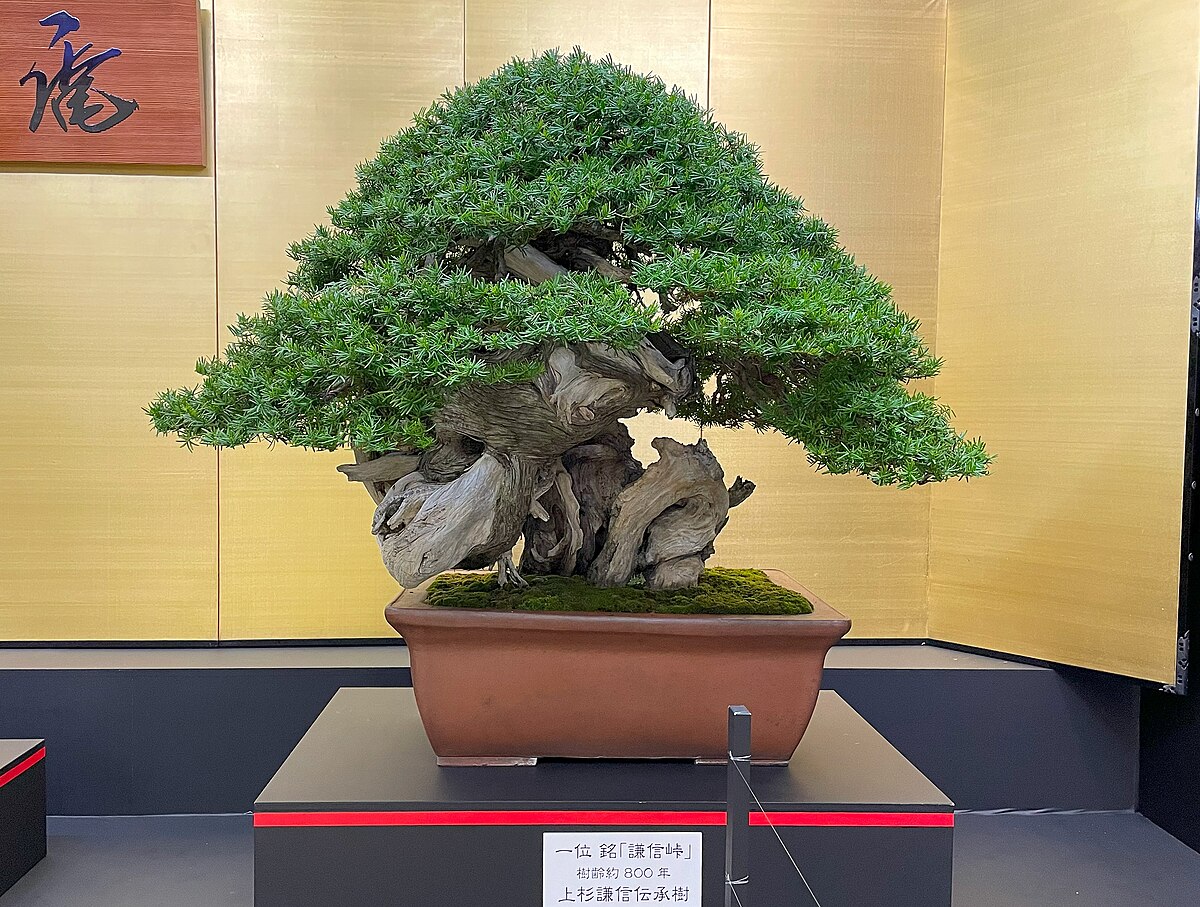
Credit: bonsaiforbeginners.com

Lifespan Secrets Of Bonsai Trees

Delving into the mysterious world of Bonsai trees, aficionados often wonder about the true potential of these miniature marvels. Amidst their delicate branches lies a story of resilience and longevity, ripe for exploration.

Myth Vs. Reality: Bonsai Longevity

Many believe Bonsai trees have a short life, due to their size. This is a myth. These trees can live for a very long time. In fact, with proper care, Bonsai trees can outlive standard trees, reaching ripe old ages. Bonsai trees thriving for hundreds of years stand testament to the potential longevity of these botanical wonders.

Species And Age: A Vital Connection

The lifespan of a Bonsai directly links to its species. Different species come with varying lifespans. Here’s a breakdown that highlights this diverse age range:

Bonsai Species Typical Lifespan
Juniper Bonsai Up to 100+ years
Maple Bonsai Up to 80 years
Ficus Bonsai 50-70 years
Pine Bonsai 200+ years

Each species demands specific care for longevity. Understanding the needs of your Bonsai ensures a long and healthy life.

Bonsai Beginnings

The art of bonsai traces back centuries, blossoming into a rich tapestry of horticultural mastery. These miniature trees, cultivated with care, have the potential to outlive their full-sized counterparts. Understanding their origin and development through time enhances the appreciation of their longevity.

Origins And Ancient Practices

The roots of bonsai artistry lie deep within ancient civilizations. Tales whisper of these trees first shaping during the Han Dynasty. Inspired by nature’s own hand, these living sculptures were a quest for harmony.

Key highlights include:

  • Bonsai began over 1,000 years ago in China.
  • Originally known as “pun-sai,” featuring rugged, unusual trees.
  • Imperial ambassadors later brought the art to Japan.

Modern Bonsai: Evolution And Trends

In today’s world, bonsai continues its evolution. Techniques refine and styles adapt, influenced by global trends and innovative ideas from artists worldwide.

Modern Bonsai Trends
Use of Non-Traditional Species Artists experiment beyond classic pines and maples.
Urban Bonsai Movement Bonsai befitting the pace of city life gains popularity.
Sustainable Practices Eco-friendly approaches are increasingly adopted.

Enthusiasts now blend traditional methods with contemporary insights, shaping a future where bonsai not only survives but thrives for generations.

Optimal Environments For Bonsai

The longevity of a bonsai tree can be impressive, with some living for centuries. Just like any living creature, bonsai trees thrive when in the right environment. Creating an optimal environment is key to ensuring your miniaturized tree not only survives but flourishes for many years to come. Let’s dive into what makes an environment ideal for bonsai growth and health.

Ideal Conditions For Growth

Light, water, soil, and temperature are crucial for bonsai. These elements mimic the tree’s natural habitat. A delicate balance is necessary for its growth and beauty.

  • Light: Bonsai trees need plenty of indirect sunlight to photosynthesize effectively.
  • Water: A consistent watering schedule prevents stress from too little or too much hydration.
  • Soil: A mix that drains well yet retains adequate moisture promotes healthy root growth.
  • Temperature: Most bonsai prefer temperate climates, similar to their outdoor counterparts.

Common Threats To Bonsai Health

Pests, diseases, and poor environmental conditions can threaten bonsai health. Awareness and prevention are key.

Threat Description Prevention
Pests Small insects can infest and damage foliage and roots. Regular inspections and organic pesticides help maintain pest-free bonsai.
Diseases Fungal and bacterial infections can be fatal if untreated. Clean tools, sterilized soil, and proper air circulation deter disease.
Environmental Stress Extreme temperatures and improper humidity challenge tree health. Controlled environments, such as bonsai greenhouses, offer stability.
How Long Will Bonsai Tree Live: Unveiling Their Lifespan

Credit: www.bonsaidirect.co.uk

Care Regimens That Extend Bonsai Life

Bonsai trees hold a fascination that can last generations, with some living well over a century. Their longevity hinges on the care regimen provided by their caretaker. With precise care, these miniature trees thrive and become ancient artworks. Discover the key routines that promise a prolonged and healthy life for these cherished plants.

Watering Wisdom: Best Practices

Watering a Bonsai is an art and science in itself. Understand the optimal watering frequency and amount for your Bonsai; it varies based on species, pot size, and climate. Use this handy checklist to ensure best watering practices:

  • Check soil moisture daily – use a moisture meter or finger-test.
  • Water thoroughly and evenly – soak the soil until water drains freely.
  • Avoid overwatering – ensure proper drainage and never let Bonsai sit in water.

Pruning And Shaping For Longevity

Pruning is not only about maintaining size but is vital for robust health. Regular pruning stimulates growth and keeps your Bonsai in perfect form. Shaping, coupled with pruning, ensures proper air flow and sunlight exposure which are critical. Follow these pruning basics:

  1. Prune during the correct season – typically in spring or fall.
  2. Use sharp and clean tools for incisions to prevent disease.
  3. Balance aesthetic with health – don’t over prune; the tree needs leaves for photosynthesis.

Remember, a well-crafted care regimen is your Bonsai’s lifeline to surpassing the average lifespan, potentially gracing your space for decades, even centuries.

Nutrition And Soil Composition

Bonsai trees are living art forms that capture nature’s beauty in miniature. Their longevity largely hinges on the right nutrients and soil composition. With proper care, these trees can outlive their full-sized counterparts, thriving for centuries. Below, we delve into the vital aspects of soil mix and fertilization necessary to sustain a bonsai tree’s long and healthy life.

Choosing The Right Soil Mix

Soil acts as the foundation for any bonsai. It provides support, water, and nutrition. Bonsai soils typically have a few key traits: they drain well, they retain moisture, and they allow air to reach the roots. A blend of akadama, pumice, and lava rock is a popular choice. Organic components like peat or bark can also be added for moisture retention.

  • Akadama holds water and nutrients.
  • Pumice provides aeration and drainage.
  • Lava rock adds structure and water drainage.

Fertilization Frequencies And Types

Fertilization is crucial for replenishing nutrients in the limited soil of a bonsai pot. The right fertilization frequency keeps a bonsai in top health. Generally, fertilize during the growing season, from spring to autumn.

Season Fertilization Frequency Types of Fertilizers
Spring Every two weeks Balanced NPK
Summer Every two to four weeks High nitrogen
Autumn Once a month Low nitrogen

Use organic fertilizers like cottonseed meal or biogold, as they release nutrients slowly. Chemical fertilizers are also an option but must be used carefully to prevent root burn. Be mindful that over-fertilizing can be as harmful as under-fertilizing.

Bonsai Repotting Routines

The life of a bonsai tree intertwines with its care, especially the repotting routines. These practices are vital for a bonsai’s health and lifespan. Let’s explore the timing and techniques of bonsai repotting, as well as its impact on the tree’s wellbeing.

Timing And Techniques

Selecting the right time for repotting is crucial. Bonsai trees prefer repotting at the end of winter or early spring. This timing allows them to heal and grow strong during the growing season.

  • Young bonsai need repotting every 2-3 years.
  • Older trees benefit from a 4-5 year cycle.

Essential tools include bonsai soil mix, scissors, and a pot. Techniques of repotting require attention:

  1. Gently remove the bonsai from its pot.
  2. Trim the roots carefully.
  3. Add fresh soil and reposition the tree.

Follow these steps to ensure a successful repotting process for your bonsai.

Impact Of Repotting On Health And Lifespan

Consistent repotting has a positive effect on bonsai health. It helps in:

  • Preventing root-bound conditions, ensuring nutrient uptake is efficient.
  • Refreshing the soil to boost growth and vitality.

Careful repotting extends the tree’s lifespan. It mimics the natural processes that occur in wild settings, allowing bonsai trees to thrive for decades or even centuries. Regular routine check-ups alongside repotting contributes to the enduring allure and health of these miniature masterpieces.

Diseases And Pests: Bonsai’s Arch-nemesis

Bonsai trees, the minuscule giants of patience and care, face threats that can shorten their lives. Diseases and pests pose serious risks to the health and longevity of these living artworks. Ensuring a long life for a bonsai involves battling against these adversaries regularly. Let’s dive into how to protect these delicate trees from such threats.

Preventing And Treating Infections

A healthy bonsai starts with prevention. Regular check-ups are key. Here are steps to see your bonsai thrive:

  • Examine your bonsai for signs of illness, like discoloration or wilting.
  • Make sure the soil is well-draining and the pot has proper holes.
  • Clean your tools before pruning or repotting to prevent spread.
  • Isolate a sick bonsai to keep infections from spreading to other plants.

If an infection hits, act fast:

  • Remove affected leaves or branches immediately.
  • Use a fungicide or bactericide, as appropriate for the disease.

Follow instructions carefully for any treatment. Overuse can harm your bonsai even more.

Dealing With Pests And Infestations

Pests like aphids, spider mites, and scale can be a nightmare for bonsai owners. These critters drain the life from trees, causing stress and sometimes death.

To deal with these pests:

  • Inspect your bonsai often for any signs of pests.
  • When you spot bugs, remove them by hand or use a strong jet of water.
  • Introduce natural predators like ladybugs into the environment.
  • In severe cases, use organic insecticides to avoid harsh chemicals.

Remember, a well-tended bonsai is less likely to succumb to diseases or pests. With these preventative measures and treatments, your bonsai can live a robust and lengthy life, bringing joy for years to come.

Celebrated Ancients: Oldest Bonsai Trees

Imagine a tree that has witnessed centuries. Bonsai trees can live incredibly long lives, sometimes outlasting many human generations. Among these miniature marvels, some ancient bonsais stand out, celebrated for their extraordinary age and rich history. These seasoned veterans of the bonsai world carry tales of resilience and dedication, making them revered specimens in the art of bonsai cultivation.

World Record Holders

The title of “oldest bonsai” is a prestigious honor few trees claim. These bonsai trees are record breakers, holding places in history for their longevity. Let’s meet some:

  • Ficus retusa Linn – Over a thousand years old, lives in Italy.
  • Pinus pentaphylla – Approaching 500 years, stands proudly in Japan.

These world record holders are a testament to the timeless appeal of bonsai, thriving through hundreds of years of careful nurturing.

Lessons From Centenarians

Centenarian bonsais teach us valuable lessons. Each tree is a living example of patience and permanent care. They show that with the right environment and attention, life can flourish expansively. Here’s what these old bonsais suggest:

Lesson Insight
Consistent Care Careful and regular maintenance is key to longevity.
Adaptability Adjusting to changes can lead to enduring life.

Their legacy inspires many to pursue bonsai cultivation, hoping to grow a tree that may also live through the ages.

Embracing The Bonsai Journey

Embracing the Bonsai Journey leads to a world where time stands still, and nature speaks. Bonsai trees capture the beauty of nature in miniature form. They’re not just plants; they are living sculptures that grow and change, reflecting the care and dedication of their caretaker.

The Art Of Patience And Persistence

Bonsai care is a testament to the virtues of patience and persistence. These miniature trees take years to shape but each day is a step forward. With proper care, bonsai can outlive many human lifetimes, turning into a centennial heirloom. Key factors include:

  • Regular watering tailored to each bonsai’s needs.
  • Correct soil mixture to ensure proper drainage and nutrient uptake.
  • Pruning to shape and encourage new growth.
  • Positioning for adequate sunlight without overexposure.
  • Fertilizing to provide essential nutrients.

These tiny giants teach us the beauty of slow and steady growth. Understanding each tree’s unique rhythm ensures bonsai not only survive but thrive.

Creating A Legacy With Bonsai

Caring for a bonsai tree can be more than a hobby; it’s creating a legacy. By nurturing a bonsai, you’re starting a journey that could span generations. There’s something magical about a plant that starts its life in your care and can be passed down through your family. They become silent witnesses to history, growing alongside your own story. A well-maintained bonsai can surpass the century mark, making it a living testament to your commitment to its growth.

Do you aim to leave a mark for future generations? Consider these bonsai facts:

Bonsai Type Average Lifespan (Years)
Juniper 70+
Pine 100+
Maple 80+

By mastering the delicate balance of care and training, you foster a living work of art. Your bonsai’s journey can inspire, educate, and delight for decades.

How Long Will Bonsai Tree Live: Unveiling Their Lifespan

Credit: treehousebonsai.com

Frequently Asked Questions Of How Long Will Bonsai Tree Live

What Is The Average Lifespan Of A Bonsai?

Bonsai trees, when properly cared for, can live for many decades. Some specimens even outlive humans, thriving for over 100 years. Regular maintenance and ideal conditions are key for their longevity.

How Often Should Bonsai Trees Be Watered?

Watering frequency for bonsai trees depends on various factors like species, pot size, climate, and season. Generally, they require watering once the soil begins to dry, which could be daily or weekly.

Can Indoor Bonsai Trees Live Longer?

Indoor bonsai trees can live just as long as outdoor ones if environmental conditions mimic their natural habitat. Adequate light, humidity, and proper care are essential for prolonging their lifespan indoors.

What Is The Average Lifespan Of A Bonsai?

Bonsai trees, when properly cared for, can live for many decades. Some specimens even outlive humans, thriving for over 100 years. Regular maintenance and ideal conditions are key for their longevity.

How Often Should Bonsai Trees Be Watered?

Watering frequency for bonsai trees depends on various factors like species, pot size, climate, and season. Generally, they require watering once the soil begins to dry, which could be daily or weekly.

Can Indoor Bonsai Trees Live Longer?

Indoor bonsai trees can live just as long as outdoor ones if environmental conditions mimic their natural habitat. Adequate light, humidity, and proper care are essential for prolonging their lifespan indoors.

Does Repotting Affect Bonsai Lifespan?

Repotting is crucial and beneficial for bonsai health, facilitating root growth and nutrient uptake. Doing it every 2-5 years helps prevent root-bound issues, subsequently extending the tree’s lifespan.

Conclusion

Understanding the lifespan of bonsai trees is crucial for enthusiasts. With proper care, these miniature wonders can outlive many houseplants, becoming centennial treasures. Remember, longevity hinges on species selection and dedicated nurturing. Embrace the art of bonsai and enjoy its timeless beauty for generations.
How Bonsai Plants are Kept Small

How Bonsai Plants are Kept Small: Artful Miniaturization Secrets

Bonsai plants remain small due to precise pruning and containment practices. Root trimming and pot confinement limit their growth.

Bonsai, the ancient art form that hails from Japan, is a fascinating horticultural technique aimed at cultivating miniature trees that mimic the shape and scale of full-sized trees. By carefully pruning branches, leaves, and roots, bonsai enthusiasts can control and direct the plant’s growth.

How Bonsai Plants are Kept Small

How Bonsai Plants are Kept Small: The choice of pot is also crucial, as it restricts root development and thereby the overall size of the plant. The result is a delicate balance between aesthetic appeal and the plant’s health, requiring knowledge and patience. As artists of the natural world, bonsai gardeners use these living sculptures to convey harmony and bring the beauty of nature into smaller, more manageable spaces. Each bonsai tree is a testament to the grower’s skill in sculpting living art while respecting the essence and limitations of the plant.

The Ancient Art Of Bonsai

Bonsai plants are miniature marvels that tell ancient stories. They are living sculptures, shaped by careful hands over many years. The art of keeping these trees small is both complex and fascinating.

Roots In History

Bonsai, meaning “planted in a container,” stems from ancient Chinese horticulture. Over time, it spread to Japan where its form was refined and adopted into Japanese culture. Artists would select specimens that emulated mature trees in nature.

Time Period Region Cultural Influence
1000 AD China Penjing, the precursor to bonsai
1195 AD Japan Bonsai integrated in Zen Buddhism

Techniques such as pruning, binding, and careful watering were developed to miniaturize trees. These methods mirrored the patience and discipline required in their cultures.

Cultural Significance

In Japan, bonsai is more than a plant; it’s a symbol of harmony, contemplation and patience. Bonsai reflect the Japanese appreciation for beauty in imperfection, known as “wabi-sabi.”

  • Harmony: Balancing nature and nurture
  • Contemplation: Inviting quiet thought
  • Patience: Slow crafting over years

Festivals celebrate the art form. Museums showcase ancient trees. Bonsai artists still respect traditions while inventing new techniques. The practice captures hearts globally.

Bonsai: Not A Species But A Technique

The delicate art of bonsai has fascinated plant enthusiasts for centuries. Bonsai is not just a species of miniature tree but rather a growth technique that involves a mix of horticultural knowledge and artistic expression. This technique turns ordinary trees into miniature marvels that captivate the gaze and calm the mind.

Common Misconceptions

One major misunderstanding is that bonsai plants are genetically dwarfed plants. In fact, any tree species can become a bonsai through proper pruning and care. Another is that these plants are naturally tiny when, in reality, their size is a result of meticulous training and trimming. Bonsai plants are regular trees made small, not dwarf species.

Varieties Suitable For Bonsai

Selecting the right tree is crucial for bonsai success. While many species are suitable, some are more resilient and easier for beginners. Examples include:

  • Juniper: Adaptable and hardy, perfect for novices.
  • Ficus: Tolerant to indoor conditions and has sturdy roots.
  • Maple: Known for spectacular seasonal color changes.

Each variety requires specific care to thrive in its miniature form. Understanding the needs of the tree species chosen is key to maintaining its health and achieving the desired bonsai aesthetic.

Starting With The Right Plant

Bonsai trees capture the beauty of nature in miniature form. To ensure a healthy and aesthetically pleasing bonsai, beginning with the proper plant is essential. This foundational choice sets the stage for all the training, trimming, and nurturing to come. The goal is to mimic the shape and style of a full-sized tree, but on a much smaller scale. The journey starts with selecting the most suitable plant.

Selecting Seedlings

Choosing the right seedling is the first step in bonsai cultivation. Seek out young plants with flexible trunks and healthy foliage. Different species of trees have varying growth rates and characteristics. Pick a species known for its adaptability to bonsai cultivation.

  • Maples – Popular for vibrant leaves
  • Pines – Loved for their needle-like foliage
  • Ficus – Ideal for indoor bonsai

Inspect the root system before deciding. A fibrous and well-distributed root system will support the miniature tree’s growth.

Opting For Pre-bonsai Materials

Pre-bonsai plants offer a head start in bonsai creation. These specimens are not yet bonsai but have been preselected for their potential. They are often partially trained, making the bonsai journey quicker and more straightforward for beginners.

Benefits Considerations
Faster development Limited customization
Less initial training Higher cost than seedlings
Visible potential May need correction of earlier training

Choose pre-bonsai with attention to shape, potential for miniaturization, and overall health. This ensures a successful bonsai experience.

Pruning: Shaping The Bonsai Aesthetic

The art of bonsai is much like a sculptor shaping clay. Pruning is the main tool to mold these miniature masterpieces. Bonsai stay small yet vibrant through careful cuts. Here, we’ll uncover how to prune your bonsai. These steps ensure it remains a beautiful, miniature version of nature.

Appropriate Pruning Techniques

Maintaining a bonsai’s form relies on proper techniques:

  • Pinch off new growth to keep the shape.
  • Use sharp shears for clean cuts.
  • Thin out dense foliage to allow light in.
  • Remove dead or dying branches for health.
  • Cut branches strategically for the right form.

Timing And Frequency

Pruning isn’t a one-time event. It’s about daily care. Here’s when and how often to prune bonsai:

Type of Bonsai Best Time to Prune Frequency
Deciduous Early spring Every 2-3 weeks during growing season
Coniferous Late summer Once in summer, light touch-ups in growth periods
Flowering After blooms fade Varies, watch for new buds

Root Reduction: The Balancing Act

Root reduction plays a crucial role in keeping bonsai plants small. It requires skill and precision. This technique ensures that the bonsai remains miniature through a delicate balancing act. The roots supply nutrients and water to the plant. But they must stay in proportion to the tiny aesthetic. Root trimming is a critical process that inspires both awe and curiosity.

How To Trim Roots Properly

Trimming bonsai roots is both an art and a science. It keeps the tree small yet vigorous. A bonsai enthusiast must approach root reduction methodically. This ensures the tree’s longevity and health.

  • Water your bonsai thoroughly before starting. This reduces stress on the plant.
  • Remove the bonsai from its pot carefully to expose the roots.
  • Use sharp, clean tools for precise cuts. This helps prevent disease.
  • Trim back one-third of the root mass. Too much can harm the plant.
  • Prune the larger roots to encourage fine feeder roots to form.
  • Repot the bonsai in fresh soil to encourage new growth.

Maintaining Plant Health

Post-trim care is vital. A healthy bonsai is a happy bonsai. Pay close attention to watering and feeding after root reduction.

  • Use bonsai-specific fertilizer to support recovery. Choose one with a gentle formula.
  • Keep the plant in shade for a few weeks post-trim. This helps the bonsai adapt.
  • Monitor the tree closely for signs of stress. Yellowing leaves can signal a problem.
  • Be patient as it takes time for the bonsai to rebound after root pruning.

Potting: More Than Just Containers

Potting plays a crucial role in keeping bonsai plants small. It’s not just about placing the tree in a container. The right pot shapes the tree’s growth, and repotting is a vital process to maintain the plant’s health.

Choosing The Correct Pot

The choice of pot for a bonsai is critical for its aesthetics and health. Pots must allow adequate drainage and room for growth. Material, size, and shape consider the plant’s needs and style.

Material Size Shape
Ceramic Proportionate to tree Complements tree form
Concrete Allows root expansion Ensures stability
Plastic Small for training Functional for beginners

Repotting Essentials

Repotting bonsai is necessary to prevent root bounding. It stimulates growth by providing fresh soil and nutrients. Perform this task during the specific seasons for each species.

  • Prepare new pot and soil
  • Gently remove bonsai from old pot
  • Prune the roots conservatively
  • Secure the tree in its new pot
  • Water thoroughly after repotting


Soil And Fertilization: Foundations Of Miniaturization

The secret to maintaining the delicate and miniature stature of Bonsai plants lies beneath the surface. Proper soil composition alongside targeted fertilizing routines are crucial. They ensure the Bonsai receive just the right amount of nutrients without stimulating excessive growth. Understanding the delicate balance between soil and fertilization can aid Bonsai enthusiasts in nurturing these captivating miniatures.

Soil Composition And Properties

At the heart of Bonsai miniaturization is the soil mix. Bonsai soil needs to perform well in a few key areas. It must drain quickly, yet retain enough water to keep the roots moist. Balance is key. Loose soil encourages fine root growth which is essential for Bonsais.

  • Akadama: A hard clay unique to Japan, prized for its water retention and drainage abilities.
  • Pumice: Provides the porous quality that aids in aeration and drainage.
  • Lava Rock: Helps with root structure and drainage.
  • Organic Potting Compost: Often mixed in to add nutrients.

The right mix creates a strong foundation, fostering minimal yet healthy growth.

Fertilizing Routines

Bonsai plants still require nutrition to thrive, even if the goal is to limit their size. A careful fertilization routine provides necessary support. Bonsai fertilizers typically have a balanced ratio of nitrogen, phosphorus, and potassium.

The best practice includes:

  1. Using liquid fertilizers for easy absorption.
  2. Applying solid organic fertilizers as a slow-release option.
  3. Adjusting frequency and quantity according to the season.

For example, in the growing season, fertilize every two weeks. In winter, fertilizing once a month suffices. This tailored approach keeps Bonsais small and vibrant.

Watering: Nurturing With Precision

Bonsai plants capture nature’s beauty in miniature form. Yet, their small size demands exact and careful watering practices. Too much or too little water can harm these delicate creations. Understanding the art of proper watering is vital for keeping bonsai plants healthy and thriving.

Irrigation Techniques

The key to bonsai watering lies in the technique. Here’s how you ensure every drop counts:

  • Bottom-watering: Place your bonsai in a basin of water up to the trunk. Let it soak until the top soil feels wet.
  • Top-watering: Use a watering can with a fine nozzle. Water evenly until it drains from the bottom.
  • Misting: A gentle mist helps maintain humidity, especially for tropical bonsai.

Monitoring Moisture Levels

Strike the right balance in soil moisture with these steps:

  1. Check the soil daily. Touch the surface. If dry, water your bonsai.
  2. Use a moisture meter for a precise check, especially for larger pots.
  3. Observe your bonsai’s leaves. They droop if thirsty, indicating it’s time to water.

Regular monitoring combined with the right techniques keeps bonsai plants healthy and perfectly miniature.

Wiring And Anchoring: Directing Growth

Wiring and anchoring are critical techniques in bonsai art. They shape and direct the growth of these miniature trees. Understanding these methods is key. A bonsai’s size and form depend on them.

Using Wires Strategically

Wiring a bonsai means guiding its branches. Growers use thin wires to do this. These wires bend and hold the branches in place. The result is a tree that grows as the grower wants.

  • Choose the correct wire size to match the branch’s thickness.
  • Wrap wires evenly, with care to avoid damage.
  • Allow room for growth; don’t wire too tightly.

The goal is a bonsai with balance and harmony. Wiring makes this possible. It can take years but the process is worth it.

Securing Positioning

Once wired, a tree must stay put. Anchoring helps with this. Anchors can be stakes in the soil or ties to the pot. This makes sure branches do not move back to where they were.

Method Description Benefits
Stakes Wooden or metal posts in the soil. Supports vertical growth.
Ties Wires or strings around branches. Keeps branches in desired position.

Proper anchoring ensures a bonsai’s beauty lasts. These little trees bring joy for years. Anchors are unseen, but their job is important. They keep everything in the right place.

Patient Mastery: The Time Dimension In Bonsai

Cultivating a bonsai tree is an art form that blends horticulture with sculptural design. To understand how these miniature trees remain small, one must appreciate the role that time plays in their creation. Mastery of bonsai involves patience and respect for the natural growth cycles of the tree. Let’s delve into the importance of time in maintaining the diminutive beauty of bonsai plants.

Growth Cycles

Bonsai trees follow natural growth cycles, similar to their full-sized counterparts. Each season brings different growth phases:

  • Spring: A time of vigorous growth where new leaves and stems rapidly appear.
  • Summer: Growth continues but slows down as the tree consolidates energy.
  • Autumn: The tree prepares for dormancy, growth stalls, and leaves may fall.
  • Winter: The tree is dormant, a period used by bonsai enthusiasts for shaping.

To keep bonsai small, enthusiasts must trim and shape the tree during these periods. The timing of pruning and wiring is crucial for directing growth and maintaining size without harming the plant.

Long-term Commitment

Bonsai is more than a hobby; it’s a lifetime commitment. Unlike standard houseplants, bonsai trees require years, often decades, to achieve their full aesthetic potential. Here’s what you can expect:

  1. Initial shaping: Sets the tree’s basic form and can take several years.
  2. Refinement: Involves detailed pruning and wiring to perfect the tree’s appearance.
  3. Maintenance: This never-ending cycle includes regular trimming and care to keep the bonsai miniature.

Regular attention ensures that the bonsai thrives, reflects its natural environment, and stays small. Achieving the desired shape of a bonsai tree is an exercise in foresight and deliberate action – much like a painter on a canvas, yet one that is alive and ever-changing.

Common Challenges In Bonsai Cultivation

Cultivating bonsai plants is an art that demands patience, skill, and attention. These miniature trees mirror the beauty of their full-sized counterparts but they don’t come without their challenges. It requires a grower to be vigilant and proactive. Here are some common hurdles that bonsai enthusiasts often encounter.

Dealing With Pests And Diseases

Bonsai trees, much like other plants, fall prey to pests and diseases. Mites, aphids, and scale insects are frequent uninvited guests, while fungal infections can also pose a threat. Below is a list of steps to safeguard your bonsai:

  • Inspect regularly: Check leaves, stems, and soil for signs of pests.
  • Clean the foliage: A gentle wipe can remove pests and keep leaves healthy.
  • Use organic pesticides: They are less harmful to the bonsai’s delicate system.
  • Quarantine affected plants: Prevent pests and diseases from spreading.

Overcoming Growth Plateaus

At times, a bonsai plant may experience a growth plateau. This is when a bonsai stops growing despite care. The following tips can help overcome this:

  1. Assess watering: Over or under-watering can limit growth.
  2. Check the soil: Make sure it’s well-draining and nutrient-rich.
  3. Prune correctly: This stimulates growth and maintains shape.
  4. Change the pot: Repotting may encourage new root development.


How Bonsai Plants are Kept Small: Artful Miniaturization Secrets

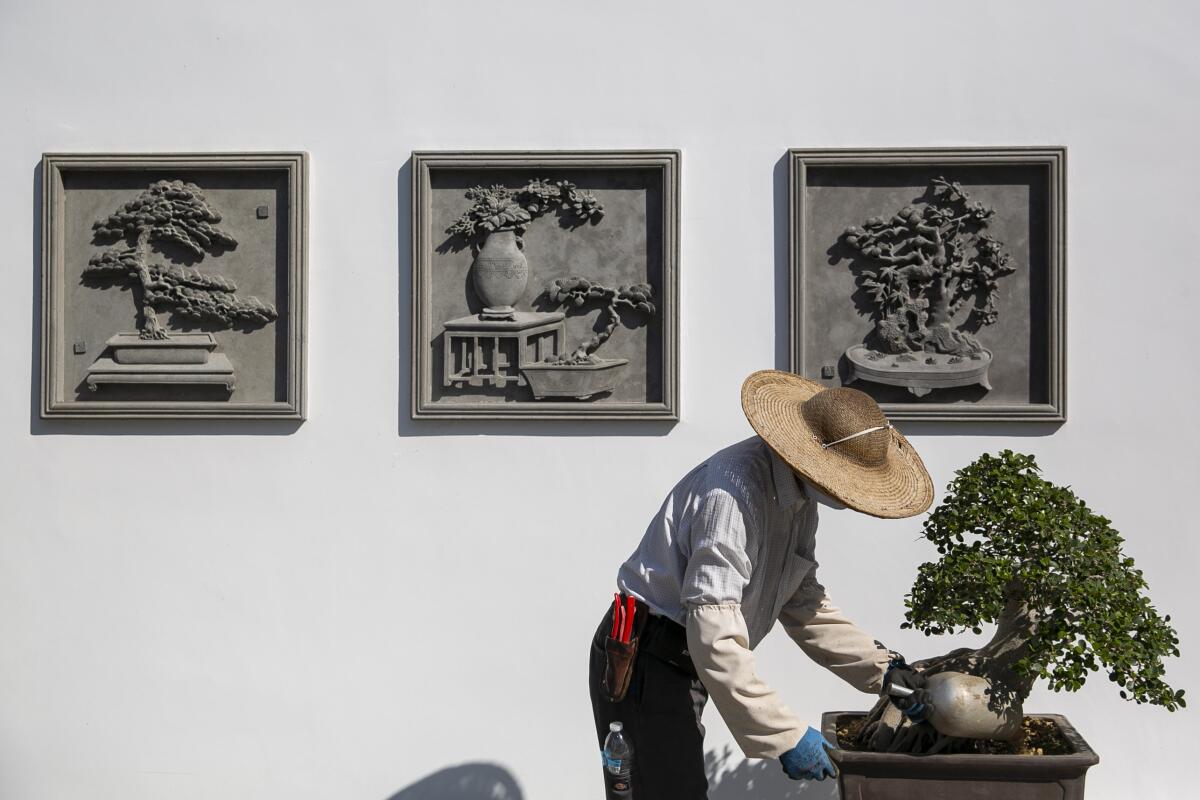
Credit: www.latimes.com

Bonsai As A Reflective Practice

Bonsai as a Reflective Practice dives deep into the ancient art of bonsai. It explores how these miniature trees mirror life’s complexities and simplicity. Not only does bonsai cultivation create living art, it invites practitioners into a meditative journey of patience and attention to detail.

Learning From The Plant

Bonsai trees tell a tale of growth and survival. As bonsai artists, we tune into nature’s rhythm, understanding that each cut and bend shapes the tree’s destiny. This practice teaches lessons in resilience, adaptability, and the beauty found in imperfection. Boldly emulating the way bonsai adapt to their environment fosters a profound connection with the natural world.

The Role Of Mindfulness

Mindfulness is at the heart of bonsai. It requires a calm focus, an awareness of the present moment. Bonsai care revolves around mindful actions: watering, pruning, and repotting. These deliberate acts of care demand full attention, making bonsai cultivation a quiet, yet powerful, form of meditation.

Embracing stillness, practitioners often find an inner peace akin to the tranquility of a bonsai. Subtle changes in the plant signal when to act, teaching the importance of presence and awareness. Such lessons extend far beyond the pot and into daily life.

How Bonsai Plants are Kept Small: Artful Miniaturization Secrets

Credit: en.wikipedia.org

Frequently Asked Questions Of How Bonsai Plants Are Kept Small

What Techniques Keep Bonsai Plants Small?

Bonsai plants are kept small through meticulous pruning, both of their branches and roots. By regularly trimming the plant’s growth, bonsai enthusiasts can control the size and shape of the plant, encouraging a miniature but natural-looking form that mimics full-sized trees.

How Often Should Bonsai Trees Be Pruned?

Pruning bonsai trees is a continuous process that depends on the species and the growth rate. Typically, pruning is done during the growing season, often spring and summer. It’s important to monitor the tree’s growth and prune as necessary to maintain its miniature size.

Do Bonsai Trees Need Special Soil?

Yes, bonsai trees require a well-draining soil mix to prevent root rot and support their limited root system. A common bonsai soil mix contains components like akadama, pumice, and lava rock, which provide adequate drainage and aeration.

Can Any Tree Species Be Turned Into Bonsai?

Technically, many tree species can become bonsai with the proper techniques, but some are more suitable than others. Species with smaller leaves and flexible branches, like Maples and Junipers, are often preferred as they lend themselves better to the miniature aesthetics.

Conclusion

Understanding the art of bonsai is a journey of patience and precision. Mastery over techniques like pruning, root trimming, and pot selection keeps these miniature trees small. Embrace this ancient practice and watch your living sculptures thrive. Start your bonsai adventure today and witness the wonder of tiny, yet majestic, natural art at home.

Bonsai for Aquarium

Bonsai for Aquarium Enthusiasts: Aquatic Artistry Unveiled

Bonsai for aquariums enhance visual aesthetics and provide habitat for aquatic life. They are small, artistically shaped trees submerged in water.

Creating an underwater landscape with bonsai trees can turn an ordinary aquarium into a stunning display that simulates natural environments, offering both beauty and benefits to your aquatic friends. These miniature trees are often made from materials like driftwood or resin, meticulously crafted to resemble real bonsai.

Bonsai for Aquarium

They serve as intriguing focal points, inviting observers to take a closer look. When adding bonsai to your aquarium, not only do you create an extraordinary visual appeal, but you also contribute to the ecosystem by providing shelter and surfaces for beneficial bacteria to colonize. Selecting the right bonsai is essential for both the health of your aquarium inhabitants and the overall design coherence.

The Fusion Of Bonsai And Aquascaping

Imagine a world where the lush tranquility of a bonsai garden meets the serene flow of an underwater aquascape.
Bonsai for Aquariums creates such a world inside your tank. This practice combines two ancient arts. It forms a stunning visual feast for both enthusiasts and casual observers.

Blending Terrestrial And Aquatic Traditions

The art of integrating bonsai trees with aquatic environments dates back centuries. It honors the Japanese traditions of bonsai and aquascaping.

  • Bonsai: Delicate mastery involved in growing miniature trees.
  • Aquascaping: Creating underwater landscapes with plants and rocks.

Together, these forms create a harmonious setup where air and water elements merge.

Enhancing The Beauty Of Aquariums With Miniature Trees

Bonsai for aquariums takes the grace of a tiny tree and places it underwater. This blend can be spellbinding. Each element works together to elevate the aesthetic value of your tank.

Element Role in Aquarium
Miniature Bonsai Provides a central, eye-catching feature.
Aquatic Plants Enhance the naturalistic appeal around the bonsai.
Fish Add movement and life to the composition.

When selected and placed thoughtfully, these bonsais become more than a piece of wood. They serve as living sculptures that transform your aquarium.

Bonsai for Aquarium Enthusiasts: Aquatic Artistry Unveiled

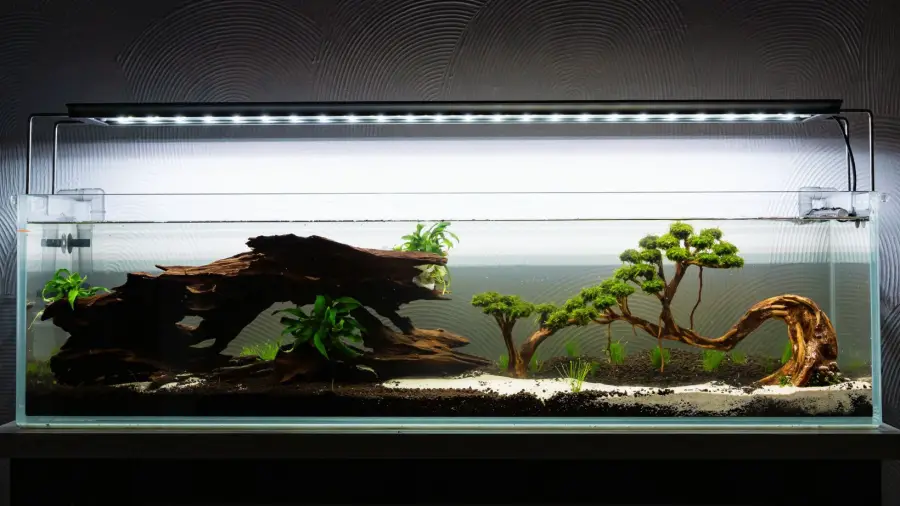
Credit: www.facebook.com

History Behind Aquarium Bonsai

The intertwining of nature and artistry finds a unique manifestation in the world of aquarium bonsai. This enchanting practice breathes life into aquatic landscapes, invoking the essence of terrestrial woodlands beneath the tranquil surface of water. Aquarium bonsai’s history stems from ancient traditions and modern innovations in the realm of aquascaping.

Origins Of Bonsai Tradition

The art of bonsai, originating in China over a thousand years ago, was perfected in Japan. Bonsai, meaning ‘planted in a container’, involved meticulous care and pruning to create miniature replicas of mature trees. While traditional bonsai grow on dry land, the principles remain rooted in the aesthetic arrangement, harmony, and a profound respect for nature.

Aquascaping Emergence And Innovations

Aquascaping, or underwater gardening, emerged as a distinct art form in the late 20th century. Pioneers like Takashi Amano transformed aquatic landscaping into an art, infusing modern design with the ethos of bonsai. This era birthed the concept of aquarium bonsai, which combines the elegance of bonsai with the fluid dynamics of aquatic ecosystems.

The modern aquarium bonsai practice involves shaping deadwood, known as driftwood, to resemble the ancient bonsai. Aquarists then cultivate aquatic plants, attaching mosses or fine-leaved species to the sculpted wood. These living sculptures create a stunning, zen-like underwater scene.

Choosing The Right Bonsai For Your Aquarium

Imagine a tranquil underwater forest in your home aquarium. Bonsai trees for aquariums make this dream real. They add beauty and balance to your aquatic setup. Yet, choosing the right one is crucial. In this guide, we dive into ideal selections and fitting sizes for your tank. Let’s create an underwater escape that captivates and calms.

Aquatic-safe Bonsai Varieties

Selecting tree variations that thrive underwater is essential. Not all bonsai trees are suitable for submersion. Here’s a selection of favorite aquatic-safe bonsai types:

  • Mopani Wood – Known for its unique shapes and durability in water.
  • Spider Wood – Offers intricate branches for an elegant underwater scene.
  • Malaysian Driftwood – Sinks easily and ideal for anchoring plants.

Sizing And Proportions For Tank Harmony

Bonsai size matters for a well-balanced aquarium. A properly proportioned bonsai complements your tank’s inhabitants and layout. Use these guidelines:

Tank Size Recommended Bonsai Size
Small Tanks (under 10 gallons) Mini Bonsai (up to 4 inches)
Medium Tanks (10-25 gallons) Small Bonsai (4-8 inches)
Large Tanks (25 gallons and up) Medium to Large Bonsai (8 inches and up)

Preparing Bonsai For Submersion

Imagining a miniature underwater forest is dreamy. Aquascapers use bonsai trees to create such ethereal aquascapes. A bonsai brings intricate detail and serenity to aquariums. But how do we prepare these delicate trees for a life under water? Preparing bonsai for submersion involves special techniques. It ensures the wood endures its new aquatic environment. It also helps to foster a robust ecosystem for fish and plants. Let’s dive into the preparation process.

Treatment And Conditioning Techniques

Initial Cleaning:

  • Scrub the bonsai to remove dirt.
  • Rinse thoroughly with water.

Disinfection:

  1. Soak in a mix of water and bleach (19:1 ratio).
  2. Rinse the bonsai multiple times.

Waterlogging:

  • Submerge the bonsai in water for several weeks.
  • Change water regularly to prevent rot.

Drying:

  • Air dry to ensure no moisture pockets remain.

Long-term Maintenance Underwater

Water Checks:

  • Monitor water pH and hardness.
  • Adjust as necessary for tree preservation.

Aquatic Plant Integration:

  • Select plants that complement the wood.
  • Anchor mosses and ferns to the bonsai.

Regular Pruning:

  • Trim plants to maintain shape.
  • Keep the bonsai aesthetic intact.

Observation:

  • Check for signs of decay or algae.
  • Act quickly to remedy any issues.

Design Principles In Aquatic Bonsai

Design Principles in Aquatic Bonsai form the heart of creating an underwater masterpiece. They dictate not just beauty but also the wellness of aquatic life. A balance of form and function is crucial.

Creating A Miniature Waterscape

The art of aquatic bonsai begins with imagining a miniature waterscape. This takes inspiration from nature’s vast scenery. It’s downsized into a tranquil, aquatic version.

  • Choose the right plants: Short, sturdy species simulate trees.
  • Substrate selection: Gravel or sand can portray the ground.
  • Adding rocks: They are the mountains and cliffs.
  • Water flow: A calm flow can mimic gentle breezes.

Balancing Aesthetics With Practicality In Tank Design

Aesthetic appeal is important, but so is practicality. Your aquarium must support life. A balance is key.

Element Aesthetic Role Practical Role
Lights Highlight plants and rocks Support plant growth
Filtration Kept hidden Keeps water clean
Flora Add color and texture Provide oxygen
Fauna Bring dynamics Control algae
Bonsai for Aquarium Enthusiasts: Aquatic Artistry Unveiled

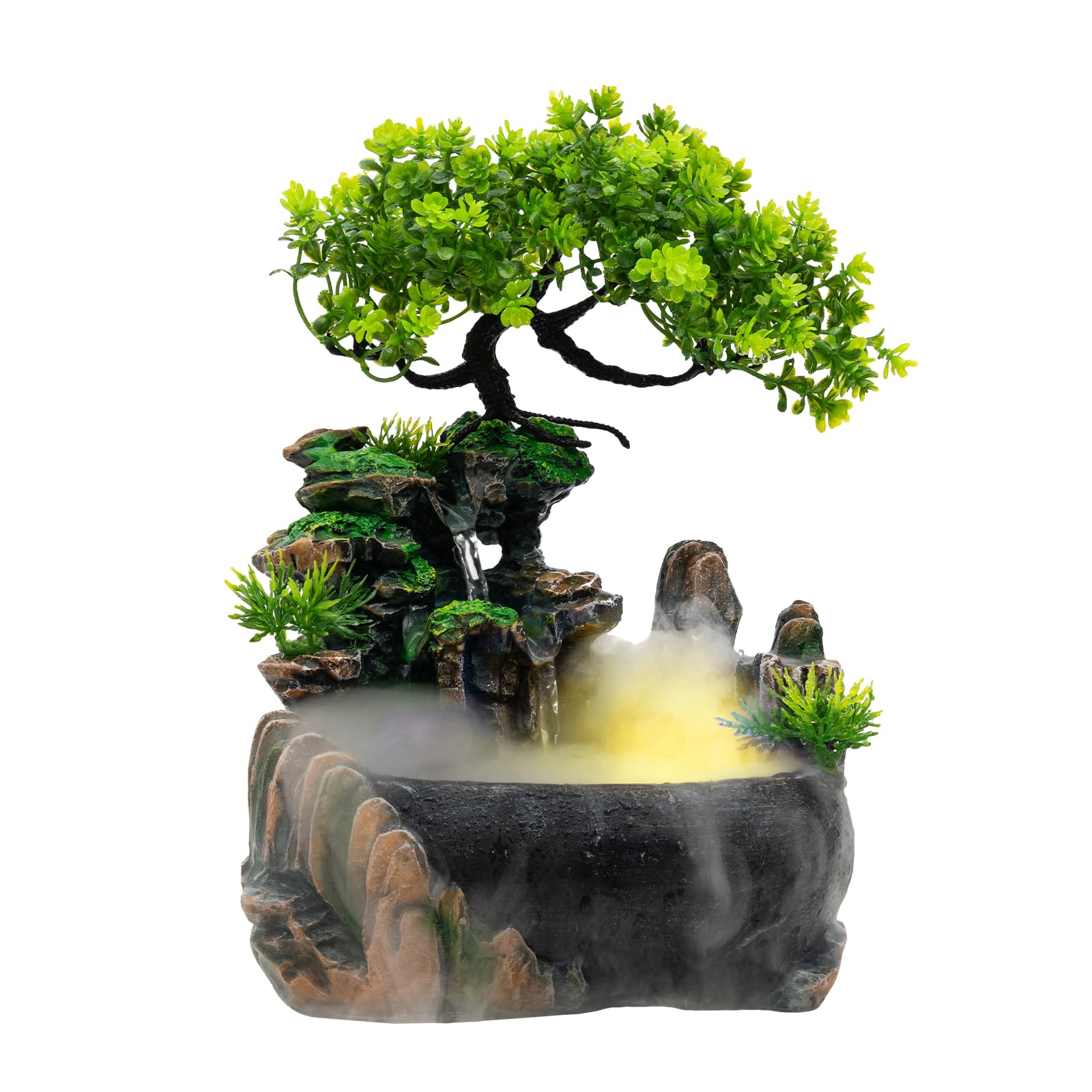
Credit: www.amazon.com

Integrating Fauna With Aquatic Bonsai

Integrating Fauna with Aquatic Bonsai brings to life a miniature underwater world. Combining the Zen-like tranquility of bonsai trees with the lively movement of fish creates a captivating aquatic display. It’s an art form that balances the stillness of flora with the dynamic nature of fauna.

Selecting Fish And Invertebrates

Choosing the right fish and invertebrates for your aquatic bonsai is vital. Not all species coexist peacefully with bonsai roots. Some fish may harm the delicate miniaturized trees. Others may thrive, adding beauty and balance to the underwater scene. Consider the size, temperament, and environmental needs of your aquatic creatures.

  • Neon Tetras: Add a splash of color with their vibrant blue and red hues.
  • Cherry Shrimp: Known for algae-eating, keeping bonsai leaves clean.
  • Siamese Algae Eater: A perfect companion for maintaining the bonsai’s elegance.

Ensuring Compatibility And Safety

Harmony in your aquarium is key. Each species has unique needs. A safe environment for both your bonsai and its aquatic inhabitants ensures thriving life. Water parameters, such as pH and temperature, must match the needs of both.

Fish/Invertebrate Preferred pH Temperature Range (°F/C)
Neon Tetras 6.0-7.0 70-81°F/21-27°C
Cherry Shrimp 6.5-8.0 65-85°F/18-29°C
Siamese Algae Eater 6.5-7.0 75-79°F/24-26°C

Match your plants to the right tank mates. Test water frequently. Create an ecosystem where both plant and animal can flourish.

Common Challenges And Solutions

Creating a thriving aquatic ecosystem with a bonsai can be rewarding. Yet, several common challenges might arise. Expert tips and solutions help overcome these hurdles, ensuring a beautiful and healthy bonsai aquarium setup.

Controlling Algae Growth On Bonsai

Bonsai trees in aquariums can experience unwanted algae growth. This occurs due to excess light or nutrients. Here are steps to keep algae at bay:

  • Limit Lighting: Reduce light exposure to 8-10 hours daily.
  • Water Quality: Perform regular water changes to maintain nutrient balance.
  • Clean Manually: Gently scrub the bonsai with a soft-bristled toothbrush.
  • Algae Eaters: Add algae-eating fish or shrimp to your tank ecosystem.

Dealing With Root Rot And Decay

Root rot and decay can damage your aquatic bonsai. To protect your bonsai tree, follow these practices:

Problem Solution
Poor Circulation Ensure proper water flow around the roots.
Excess Feeding Feed fish adequately to prevent leftover food.
Decomposing Matter Regularly clean the tank and remove waste.
Chemical Balance Test water parameters and adjust as necessary.

Showcasing Aquatic Bonsai Creations

Aquatic bonsai are more than just plants; they are underwater art. Showcasing Aquatic Bonsai Creations brings to light the mesmerizing world where aquascaping meets miniature forestry. These living sculptures blend the elegance of bonsai with the serenity of an aquarium, forming a harmony that captivates all who observe.

Community And Competitions

The aquatic bonsai community thrives on creativity and sharing. Enthusiasts often gather at competitions to display their masterpieces. Competitions present an opportunity to learn new techniques and connect with fellow aquarists.

  • Bonsai Aquascaping Contests
  • Annual Aquatic Gardeners Association Convention
  • Online Forums and Social Media Groups

At these events, artists and hobbyists alike showcase their skillfully pruned plants and meticulously crafted landscapes. Judges evaluate creations based on composition, technique, and overall beauty.

Photography And Sharing Online

Digital platforms transform the way aquatic bonsai enthusiasts share their work. High-quality photography brings these underwater landscapes to a global audience.

Various forums and social media platforms provide enthusiasts with places to:

  1. Display their aquatic bonsai
  2. Share cultivation tips
  3. Receive feedback
  4. Connect with admirers and other artists

Instagram hashtags like #AquaticBonsai and #Aquascaping showcase thousands of bonsais. Such platforms also offer inspiration for those interested in starting their own aquatic bonsai journey.

Caring For Aquatic Bonsai

Imagine a miniature underwater forest in your aquarium. Aquatic bonsai trees transform fish tanks into living art. Like all bonsai, they need specific care to thrive. We will dive into tips for pruning, water chemistry, and nutrient balance.

Trimming And Pruning Techniques

  • Use sharp scissors to make clean cuts.
  • Trim regularly to shape your bonsai and control growth.
  • Prune away dead or yellow leaves to keep the tree healthy.

Pruning is both an art and science. Gently trim the branches to maintain the natural look. Consistent maintenance ensures dense, vibrant foliage.

Water Chemistry And Nutrient Balance

Water Parameter Ideal Range
pH Level 6.5 – 7.5
Water Hardness 3-8 dGH
Nutrients N, P, K, Fe

Balance is key in water chemistry. Test water regularly and adjust as needed. Bonsai plants require specific nutrients. Use the right fertilizer to promote healthy growth.

Inspirational Aquatic Bonsai Projects

Imagine a miniature underwater forest in your living room. Aquatic bonsai, or the art of crafting underwater tree landscapes, blends aquascaping with traditional bonsai techniques. These enchanting water scenes bring serenity and natural beauty into your aquarium. Let’s dive into the world of aquatic bonsai and explore inspirational projects and expert tips.

Case Studies Of Stunning Water Scapes

Behind every aquatic bonsai, there’s a story of creativity and patience. These case studies highlight remarkable water scapes created by seasoned aquascapers.

  • The Zen Grove: A tranquil arrangement of miniature trees over a bed of river stones, replicating a secluded forest.
  • Mountain Stream: Featuring water-resistant bonsai perched atop rocky outcrops, mimicking a highland stream.
  • The Red Maple Atrium: Showcases a fiery red bonsai, standing out against a backdrop of lush green aquatic plants.

Each of these cases reveals the potential of aquatic bonsai to transform an aquarium into a living piece of art.

Tips From Expert Aquascapers

Expert aquascapers share a treasure trove of tips to help you craft your own aquatic bonsai masterpiece.

Tip Detail
Choose the Right Bonsai Select species that thrive underwater, like the Mondo Grass or Baby Tears.
Mimic Natural Environments Incorporate natural elements like rocks and substrate to recreate a realistic habitat.
Balance Aesthetics and Health Ensure proper lighting and nutrients for plant growth without compromising the visual appeal.

Start with a vision, be patient, and observe how your underwater bonsai garden flourishes.

Bonsai for Aquarium Enthusiasts: Aquatic Artistry Unveiled

Credit: www.amazon.com

Frequently Asked Questions For Bonsai For Aquarium

Can Bonsai Trees Live In Aquariums?

Bonsai trees can indeed thrive in aquariums if they are crafted as aquatic bonsai, also known as underwater bonsai. This set up often uses species that are tolerant to saturated conditions, such as the mangrove bonsai.

What Are The Best Bonsai Trees For Aquariums?

The best bonsai for aquariums are typically aquatic species like the mangrove or plants adaptable to underwater growth like the Ficus. Choose species that can handle the consistent moisture and limited light conditions of an aquarium.

How Do You Maintain A Bonsai In An Aquarium?

Maintaining a bonsai in an aquarium involves regular pruning, ensuring proper water conditions, and providing adequate lighting. Use clean and clear water to prevent harmful bacteria and ensure the tree’s health isn’t compromised.

Do Aquarium Bonsais Benefit Fish?

Aquarium bonsais create a natural and enriching environment for fish. They offer hiding places and can help maintain water quality, benefiting both the aesthetic of your aquarium and the well-being of its aquatic inhabitants.

Conclusion

Embracing the art of bonsai within your aquarium isn’t just an aesthetic choice. It’s a journey towards creating a serene underwater scene. This unique fusion enhances both your aquascape and the joy of fishkeeping. Explore this aquatic endeavor; your tank’s tranquility awaits.

Let bonsai transform your aquarium into a living masterpiece.

Which Bonsai Tree Brings Good Luck?

Which Bonsai Tree Brings Good Luck? Discover Fortunate Flora!

The Ficus Retusa, or the Ginseng Ficus, is a bonsai tree believed to bring good luck. Many enthusiasts favor it for its supposed prosperity-attracting qualities.

Bonsai trees are miniature marvels that blend art with horticulture, and certain types are thought to offer more than just aesthetic pleasure. The Ficus Retusa stands out as a symbol of good fortune in various cultures. Its robust trunk and extensive root system symbolize strength and stability, traits often linked to positive energy and luck in Feng Shui.

Which Bonsai Tree Brings Good Luck: Cultivating bonsai, such as the Ginseng Ficus, requires patience and dedication, making them not just a beautiful addition to your space but also a source of personal achievement. These trees serve as daily reminders of nature’s resilience and the rewards of nurturing growth—all qualities that resonate with the idea of inviting good luck into one’s life.

The Allure Of Bonsai

Bonsai trees offer a mesmerizing blend of art and nature. These miniature trees captivate with their grace. They mirror the beauty of full-scale trees. Bonsai trees carry a sense of peace and longevity. They symbolize harmony. Many believe certain bonsai trees bring good fortune. Let’s delve into the cultural roots and symbols of these miniaturized marvels.

Bonsai trees are deep in culture. They have mythical stories from many places on Earth. Their origin is from ancient China. Later, they grew popular in Japan. Together, bonsai became highly valued across Asia.

  • In China, they are part of penjing, with a focus on landscapes.
  • Bonsai is a Japanese term meaning ‘tree in a pot’.
  • Each style of bonsai corresponds with different cultural values.

Bonsai trees feature in folklores. They reportedly own spirits. In some Asian cultures, bonsais ensure good luck and ward off evil.

Bonsai trees hold strong symbolism. People believe in their power to bring prosperity.

Bonsai Tree Type Symbolizes
Jade Plant Wealth and prosperity
Pachira Aquatica Good luck and financial gain
Ficus Bonsai Adamant growth and resilience

Wealth and positive energy are often tied with these trees. They are perfect for gifts. Many choose them for special occasions.

The Ficus Bonsai is popular in Asian cultures for its hardiness. The Pachira Aquatica, or money tree, is believed to bring financial luck. It is favored in Feng Shui.

Which Bonsai Tree Brings Good Luck? Discover Fortunate Flora!

Credit: greenfenglife.com

Bonsai And Feng Shui: A Harmonious Connection

The ancient Chinese art of Feng Shui and the Japanese tradition of Bonsai blend in a dance of energy and aesthetics. They both aim to balance life’s energies—bringing good luck, prosperity, and well-being. A bonsai tree is not just a horticultural masterpiece; it’s a vessel of positive vibes that can influence your space according to Feng Shui principles. This post explores which bonsai varieties are believed to usher in this good fortune and how to position them in your environment for the best effect.

Principles Of Energy Flow

Feng Shui emphasizes the flow of Chi, or life force. Chi should move freely and harmoniously through a space. Bonsai trees play a crucial role as living sculptures that can enhance or redirect this flow. Consider these points:

  • Bonsais symbolize balance, harmony, and patience.
  • They align with the wood element, which promotes growth and vitality.
  • Choosing the right tree involves understanding the bonsai’s shape and size, correlating with different types of energy.

Placement For Positive Chi

The strategic placement of a bonsai is critical for enhancing good luck. To encourage positive Chi around your abode:

  • East – For family health and harmony, place the bonsai in the eastern part of your home.
  • South East – For wealth and abundance, the south-east corner is ideal.
  • Study Room – Positioning a bonsai here can boost knowledge and concentration.
  • Living Area – It creates a welcoming vibe and soothes the mind of your family and guests.

Avoid placing bonsai in the bedroom as it might disturb sleep with excess Yang energy. Also, always keep your bonsai well-pruned and healthy; a neglected plant can attract negative Chi.

Fortunate Foliage: Lucky Bonsai Varieties

Welcome to the enchanting world of bonsai, where miniature trees hold deep meanings. In various cultures, certain bonsai trees symbolize good fortune, attracting luck and positive energy. These ‘Fortunate Foliage: Lucky Bonsai Varieties’ are more than just decorative plants; they are believed to bring prosperity and happiness into our lives. Let’s explore some of the most popular lucky bonsai trees that you can cultivate for not just their aesthetic appeal, but also for their auspicious qualities.

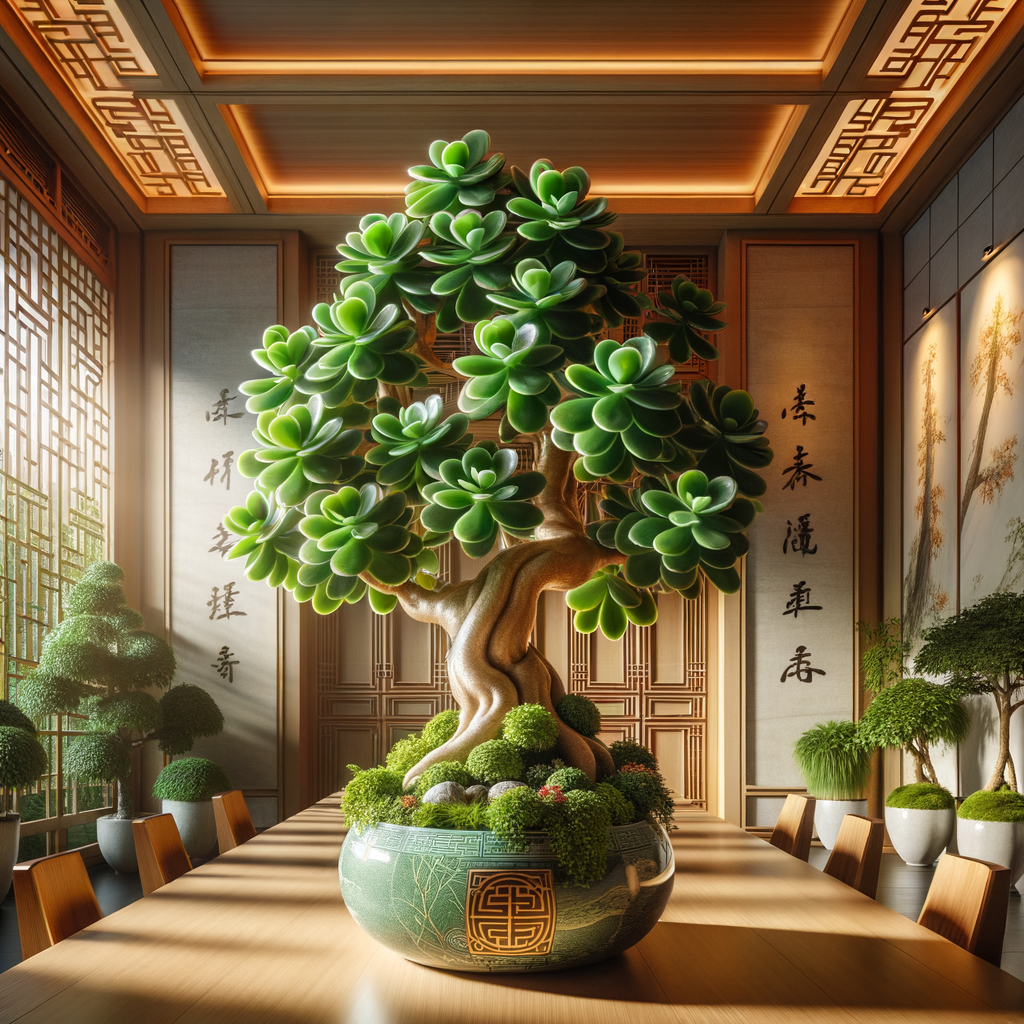
Jade Plant: The Money Tree

The Jade Plant, often called The Money Tree, stands among the most coveted bonsai for luck. This succulent is easy to care for and is renowned for its association with financial gain. Its round, plump leaves resemble coins, which is why they are often kept in homes and offices:

  • Believed to activate financial energies
  • Said to encourage wealth accumulation
  • Considered a symbol of good luck

Positioning a Jade Plant in the southeast corner of your home is thought to boost prosperity and success.

Ficus Bonsai: A Beacon Of Abundance

Ficus Bonsai trees are not just beautiful, but also synonymous with abundance. They are commonly associated with positive vibes, making them ideal for fostering wealth and good luck:

Characteristic Significance
Lush green leaves Symbolize growth and vitality
Strong trunk Represents resilience and stability

Place a Ficus Bonsai in your living room or office to benefit from its lucky charm.


Which Bonsai Tree Brings Good Luck? Discover Fortunate Flora!

Credit: homebuyer.com

Caring For Your Lucky Bonsai

Many believe a Bonsai tree can channel positive energy and fortune into your home. But to unlock its lucky charm, you must nurture it. Proper Bonsai care leads to a lush, vibrant tree, symbolizing growth and renewal in your life. Here’s how to tend to your Bonsai to ensure it brings the best vibes your way.

Watering Wisely For Wealth

Too much or too little water can stress your Bonsai. Consistent care is the key to a prosperous plant. Follow these tips for a thriving Bonsai:

  • Check the soil – It should be slightly damp but not soggy.
  • Water in the morning – This sets the Bonsai up for a day of growth.
  • Bonsai roots need oxygen – Ensure good drainage to prevent root rot.

Pruning Practices For Prosperity

Pruning your Bonsai is like shaping your destiny. A little trim here and there encourages not just a great shape but also better health for the tree. Engage in these pruning practices:

  1. Use sharp tools – This prevents damage to the delicate branches.
  2. Trim back new growth – This helps maintain the Bonsai’s miniature size.
  3. Selectively prune – Remove only what’s necessary to enhance the tree’s structure.

The Influence Of Pot And Placement

Bonsai trees symbolize harmony, balance, and good fortune. While the tree itself is important, the pot and its location play crucial roles. Choosing a pot that complements your bonsai and placing the tree in strategic locations can enhance the energy flow, or “chi”, and bring prosperity and luck to your space.

Choosing The Right Container

Selecting the perfect container for your bonsai is both an art and science. The right container balances aesthetics and functionality, ensuring that your bonsai thrives. Here are some tips:

  • Size matters: The pot should be large enough to support growth, but not too large to overwhelm the tree.
  • Material magic: Ceramic pots with good drainage promote healthy growth.
  • Color coordination: Choose a color that fits the tree type and your decor to harmonize energy.

Strategic Locations For Luck

Placing your bonsai tree in the right spot is key to activating good fortune. Consider these strategic locations:

  1. The East section of your home for family health and relationships.
  2. A spot near the entrance to welcome wealth and positive vibes.
  3. The southeast area for financial prosperity.
Direction Benefits
East Health & Relationships
Entrance Wealth & Positivity
Southeast Financial Growth

Remember, sunlight and regular care are as important as pot and placement. Both help your bonsai tree become a beacon of good luck in your life.

Harvesting Happiness: Bonsai Gifting Traditions

Harvesting Happiness: Bonsai Gifting Traditions enchant the hearts of many. These miniature trees symbolize peace, harmony, and balance. Gifting a bonsai tree is an ancient practice rich in meaning. It spreads joy and is thought to bring good luck to its recipient. This tradition makes bonsai trees perfect gifts for a wide range of occasions.

Significance Of Bonsai As A Gift

The gift of a bonsai tree holds profound significance. These living art pieces embody patience and diligence. They represent the giver’s wish for the receiver’s long-lasting success and happiness. Bonsai trees are often linked to wealth and prosperity. This makes them ideal token for new beginnings.

Choosing The Right Bonsai For The Occasion

Selecting the perfect bonsai is key. It should suit the particular event or milestone. Some bonsai species are known for specific symbolism:

  • Money Tree: Believed to attract wealth
  • Jade Plant: Symbolizes growth and renewal
  • Ficus Bonsai: Associated with knowledge and learning

Consider the meaning behind the bonsai when choosing one as a gift. A carefully selected bonsai can be a powerful gesture of goodwill.

Bonsai Myths And Legends

For centuries, the ancient art of bonsai has mesmerized and intrigued. Not only do these miniature trees catch the eye with their beauty, but they also carry a trove of myths and legends. Bonsai trees symbolize harmony, balance, and patience. Some even believe certain bonsai trees bring good luck, prosperity, and ward off evil spirits.

Ancient Tales Of Enchanted Trees

Legends from the Far East tell stories of enchanted bonsai trees. These tales often highlight trees as life-giving, with mystical powers to enhance well-being. Ancient practitioners revered bonsai trees, believing they held the essence of the universe within their delicate branches.

  • Ficus Bonsai – Asians link it closely to knowledge and wisdom.
  • Baobab Bonsai – Africans see it as a tree that can shelter the spirits.

Modern Superstitions Surrounding Bonsai

In modern settings, the bonsai still holds a place of mystique. People cherish these living sculptures, attributing to them powers and energies. The practice of caring for a bonsai itself is considered meditative and spiritually aligning.

Bonsai Tree Type Associated Luck
Jade Plant Bonsai Known to attract wealth and prosperity.
Pachira Bonsai Often called the “money tree”; believed to bring financial success.

Whether rooted in ancient beliefs or embraced by new-age enthusiasts, bonsai trees continue to enchant us with their mysticism and allure. Caring for these trees might just cultivate more than beauty—it could bring a sprinkle of luck into your life.

Enhancing Luck With Companion Plants

Embarking on a journey to enhance luck within your home can lead you to the peaceful practice of cultivating bonsai trees. Known for their beauty and tranquility, certain bonsai trees are believed to bring good luck.

Pairing these miniature wonders with companion plants can amplify the positive energy in your environment. Choose plants wisely for an enriched living space.

Complementary Plants For Positive Energy

Bonsai trees radiate peace and balance. Surround them with plants that are also known for their luck-enhancing qualities:

  • Money Plant (Pothos) – This plant symbolizes prosperity.
  • Peace Lily – Known for purifying the air and improving energy flows.
  • Lucky Bamboo – Its stalks are believed to attract health and abundance.
  • Jade Plant – Often associated with growth and renewal.

Creating A Bonsai Garden Of Fortune

Develop your personal sanctuary with these steps:

  1. Select a prominent location for your bonsai to thrive and be admired.
  2. Group plants that complement each other in size and color, fostering a harmonious visual flow.
  3. Integrate elements like water features or wind chimes to create a serene atmosphere.
  4. Choose planters and decorations that reflect your personal luck symbols.

Cultivating a bonsai garden invites fortune into your space. It becomes a living work of art that nourishes the soul.

Sample Bonsai Garden Layout

A simple table to guide your garden layout:

Bonsai Type Companion Plant Symbolism
Ficus Bonsai Lucky Bamboo Resilience and Wealth
Juniper Bonsai Money Plant Protection and Prosperity

The Role Of Bonsai In Today’s World

In a modern world of hustle and complexity, the bonsai tree stands as a symbol of peace, balance, and prosperity. As more people seek tranquility in their living and work spaces, bonsais gracefully fill that niche. Their miniature size and artistic form bridge the gap between nature and the urban environment, while their presence is often viewed as a good luck charm. Let’s delve into how bonsais continue to be seen as harbingers of good fortune in various aspects of today’s world.

Contemporary Views On Luck And Bonsai

The practice of keeping bonsai trees is deeply rooted in history, but their charming aesthetics and perceived power to bring good luck have been adapted to contemporary settings. Bonsais are now seen as more than just decorative plants; they are considered partners in the quest for a serene and successful life. Here’s how bonsais channel luck in the modern era:

  • Health: Bonsais help purify the air and promote a healthy living space.
  • Focus: Caring for these plants encourages mindfulness and concentration.
  • Success: The diligent effort required mirrors the dedication needed to achieve life goals.
  • Wealth: Financial growth is symbolized by the flourishing of the plant.

Bonsai In Popular Culture

From movies to urban apartments, bonsai trees are prevalent in popular culture, often depicted alongside themes of wisdom and growth. Their iconic status is endorsed by their frequent appearances:

Medium Role of Bonsai
Film and TV Symbolize character development and inner peace
Literature Represent life’s delicate balance and personal growth
Home Decor Offer aesthetic appeal and a sense of tranquility
Office Spaces Provide a welcomed break from technology and stress

Corporate spaces often employ bonsais to soften the sharp edges of the modern work environment, while individuals use them to foster a connection to the natural world. The silent, sturdy presence of a bonsai plant continues to be cherished as a lucky charm and a source of daily inspiration.

Which Bonsai Tree Brings Good Luck? Discover Fortunate Flora!

Credit: www.amazon.com

Frequently Asked Questions Of Which Bonsai Tree Brings Good Luck?

What Bonsai Tree Symbolizes Luck?

Bonsai trees symbolizing luck often include the Ficus Bonsai, Jade Plant, and Money Tree. These species are traditionally associated with prosperity and good fortune. Keeping them in the home or office is believed to attract positive energy.

How Does A Bonsai Attract Prosperity?

A bonsai tree attracts prosperity through its symbolism in Feng Shui. Particularly, the Money Tree (Pachira aquatica), when placed in the wealth corner of a space, is said to enhance financial luck and invite prosperity.

Can Bonsai Trees Improve Home Feng Shui?

Yes, bonsai trees can improve home Feng Shui. They promote balance and harmony while purifying the air. Placing them in the correct Feng Shui zone can enhance certain aspects of life, like wealth, health, or happiness.

Which Bonsai Is Best For Luck And Money?

The Money Tree Bonsai, or Pachira aquatica, is renowned for attracting luck and money. It’s a popular choice in Feng Shui for fostering financial abundance. This bonsai is often gifted for new business or housewarming events.

Conclusion

Embarking on a journey with bonsai trees is not just about beauty. It’s about harmony and fortune too. Discover the perfect bonsai to welcome prosperity into your space. Remember, a well-tended tree reflects the care you put into your own life’s growth and success.

Embrace the serenity and luck a bonsai can bring home.

Will a Bonsai Tree Grow in an Office ?

Will a Bonsai Tree Grow in an Office? Thrive Tips Revealed!

A bonsai tree can thrive in an office environment with proper care and sufficient light. These miniature plants require attention to watering, lighting, and pruning schedules.

Bonsai trees are an exquisite blend of art and horticulture, bringing a touch of serene nature to office settings. Known for their small stature and aesthetic appeal, bonsais have transcended their traditional Japanese roots to become a global symbol of peace and persistence.

Will a Bonsai Tree Grow in an Office: Cultivating a bonsai in an office isn’t just about adding greenery; it’s about fostering a mini-ecosystem that demands mindfulness and consistency. Offices with adequate lighting, either from natural or artificial sources, can sustain a bonsai’s growth, while the controlled climate of such environments can offer year-round stability for these delicate trees. Therefore, with the right balance of light, water, and regular maintenance, incorporating a bonsai into your workspace is not just possible, but also beneficial for enhancing the office ambiance and potentially improving air quality.

Will a Bonsai Tree Grow in an Office? Thrive Tips Revealed!

Credit: www.nytimes.com

Bonsai Trees In The Workplace

Imagine transforming a workspace with a touch of tranquil nature. Bonsai trees do just that. They create a serene office ambiance. Their lush, miniature landscapes bring a sense of peace and focus. Employees gain benefits from their calming presence. Bonsai trees can indeed thrive in office settings with proper care.

The Charm Of Bonsai Trees In An Office Setting

Bonsai trees are more than just plants. They’re living art pieces. Their intricate shapes spark creativity. They clean the air, improving office health. Workers enjoy reduced stress levels with these tiny trees around. A bonsai on the desk is a lively, green companion during busy workdays.

Bonsai Varieties Suitable For Indoor Environments

Some bonsai trees fit indoor life better than others. Here’s a quick rundown in a simple table:

Bonsai Type Light Needs Watering Frequency
Ficus Bonsai Bright, indirect light When soil feels dry
Carmona (Fukien Tea) Full spectrum light Keep soil moist
Schefflera (Umbrella Plant) Low to bright light Moderate watering
Hawaiian Umbrella Low light Weekly watering

Selecting the right type is key for growth. These varieties are more tolerant of indoor conditions. They require less sunlight and can handle office air. Always ensure proper watering. Bonsai trees offer a delightful touch to any office space.
Factors Influencing Bonsai Growth Indoors

Bonsai trees capture nature’s beauty in miniature form. Yet, growing them indoors, like in an office, hinges on specific factors. Light, humidity, and temperature play pivotal roles in bonsai health. Let’s delve into each to ensure your office bonsai thrives.

Understanding Light Requirements

Adequate lighting is essential for bonsai survival. Bonsai trees need indirect, bright light for most of the day. Position the plant near a window that allows for ample sunlight exposure without direct harsh rays that can burn the leaves.

  • South-facing windows are often best.
  • Use grow lights if natural light is insufficient.
  • Rotate the bonsai periodically for even growth.

Importance Of Humidity Levels

Bonsai trees originate from outdoor environments with natural humidity. Indoor settings, especially offices, can be dry. Maintain humidity around your bonsai to mimic its natural habitat.

  1. Place the bonsai on a humidity tray.
  2. Mist the leaves regularly.
  3. Keep a consistent watering schedule.

Temperature Ranges For Optimal Growth

Temperature stability is key to bonsai health. Keep the office between 15°C and 25°C (59°F and 77°F) for best results. Protect the tree from drafts, heaters, and air conditioning vents that can cause temperature fluctuations.

Season Temperature Range
Spring/Summer 18°C – 24°C (64°F – 75°F)
Fall/Winter 15°C – 21°C (59°F – 70°F)

Selecting The Right Bonsai For Your Office

Selecting the perfect bonsai tree for your office doesn’t just add a touch of tranquility to your workspace; it can also become a reflective hobby. The right bonsai brings a little nature indoors and can have positive effects on your stress levels and creativity. Let’s guide you through the green world of office bonsai trees, ensuring you make the best choice for your work environment!

Considering Tree Species

Choosing the right species is crucial for bonsai survival and growth. Office environments can limit light and humidity, factors essential for a bonsai’s health. Some species adapt better to indoor conditions. Ficus, Jade, and Chinese Elm are among the hardy varieties. They can endure less natural light and infrequent watering. Pick a species that thrives in your office’s unique conditions for a robust, miniature tree companion.
Size And Space Considerations

Space in an office can be limited. Consider both the physical dimensions of the bonsai and the size it will grow to. Small trees like the Mame or Shohin varieties fit well in compact spaces. Measure your desk or shelf space before deciding. Keep in mind, bonsai trees require room for proper air circulation to stay healthy. It’s essential to select a bonsai that not only fits your space but also has room to flourish.

Bonsai Size Guide for Office Spaces
Bonsai Type Height Footprint
Mame Up to 6 inches Small
Shohin 6-8 inches Compact
Medium 8-12 inches Moderate
Large 12-16 inches Spacious

Ultimately, selecting the right bonsai for your office comes down to understanding your work environment. Consider lighting, space, and humidity. These factors help determine the best tree species and size for your space. With the right care, your office bonsai will be a source of joy and serenity.

Will a Bonsai Tree Grow in an Office? Thrive Tips Revealed!

Credit: www.apartmenttherapy.com

Care Essentials For Office Bonsai

Transform your desk into a tranquil sanctuary with an office bonsai! These miniature trees bring a touch of serenity to your work environment. But, their charm relies heavily on proper care.

A thriving bonsai needs attention, especially in an office setting.

Mastering Watering Techniques

Getting the watering right is crucial for a bonsai.

  • Check the soil before watering.
  • Water when the top layer feels dry.
  • Use a small watering can or dropper.
  • Aim for even soil moisture.
  • Avoid water on leaves to prevent diseases.

Bonsais dislike both droughts and overwatering. Offices might have varying humidity levels. Adjust your watering routine to these conditions.

Feeding: Finding The Right Fertilizer

Bonsais need nutrients to flourish.

Select a fertilizer for bonsais your tree will love.
Choose one balanced in nitrogen, phosphorus, and potassium.

Season Fertilizing Frequency
Spring/Summer Once a month
Fall/Winter Every two months

Never overfeed. Stick to the recommended schedule.
A little goes a long way for these small trees.

Common Challenges And Solutions

Thriving bonsai trees in an office can hit snags, from dim corners to stuffy air. Not to worry! Tackle common problems with smart fixes to keep these mini marvels lush and vibrant.

Combatting Inadequate Light

Bonsai trees need light to flourish, something offices may lack.

  • Place your tree near a window.
  • Rotate it weekly to get even light.
  • Use grow lights as a backup.

Choosing a tree suited for low light, like a Ficus, can make a big difference too.

Dealing With Dry Air And Low Humidity

In offices, air can be dry, not ideal for bonsai trees.

  1. Set up a humidifier nearby.
  2. Use a pebble tray with water under the pot.
  3. Mist your bonsai to boost moisture.

Regular watering and avoiding direct AC drafts help maintain humidity around your bonsai.

Will a Bonsai Tree Grow in an Office? Thrive Tips Revealed!

Credit: www.amazon.com

Innovative Tools And Accessories

Thriving foliage brightens any workspace, and a bonsai tree is no exception. Despite challenges in the typical office environment, such as limited light and fluctuating temperatures, innovative tools and accessories make it feasible to cultivate a miniature arboreal masterpiece at your desk.

Grow Lights And Their Benefits

Offices often lack natural sunlight, crucial for bonsai health. Grow lights compensate for this deficit. These artificial light sources provide a spectrum of light that mimics sunlight, encouraging photosynthesis in plants.

  • Better Growth: Grow lights can lead to fuller, healthier foliage.
  • Extended Daylight: They allow the extension of the ‘day’ period for your bonsai, boosting growth.
  • Year-Round Care: Cater to your tree’s needs irrespective of the seasons or weather conditions.

Humidifiers And Air Purifiers For Plant Health

Office air can be dry and filled with impurities. These conditions might hinder a bonsai tree’s vitality. Humidifiers add moisture to the air, while air purifiers remove pollutants.

Accessory Benefits
Humidifiers
  • Maintain optimal humidity levels
  • Prevent leaf dryness
  • Support healthy tree growth
Air Purifiers
  • Eliminate airborne toxins
  • Reduce dust and pollutants
  • Ensure a clean environment for plant and people alike

By considering these tools, a bonsai can not only survive but thrive in an office setting. Integrating grow lights, humidifiers, and air purifiers ensures a nurturing environment, paving the way for a serene green oasis on your work desk.

Practical Styling And Maintenance Tips

Bringing a touch of nature to your office space invigorates the environment and boosts morale. A bonsai tree serves as more than just greenery; it’s an art piece that breathes life. But to thrive, regular care is crucial. Let’s dive into practical styling and maintenance tips to keep your bonsai flourishing at work.

Pruning For Health And Aesthetics

Pruning is essential for your bonsai’s health and form. Here are key points to remember:

  • Trim new growth to maintain shape.
  • Bold Use clean, sharp scissors.
  • Prune strategically to encourage branching.
  • Remove dead leaves to promote health.
  • Balance aesthetics with plant’s well-being.

For the best results, prune your bonsai during its growth season. This ensures a full recovery. Aim to create a harmonious shape that mirrors nature’s majesty.

Repotting Basics

Repotting is a fundamental aspect of bonsai care. Follow these simplified steps:

  1. Identify the need: If roots circle the pot, it’s time.
  2. Select the pot: A size that complements the tree.
  3. Prepare the soil: A well-draining mix is key.
  4. Prune roots: Trim carefully for a snug fit.
  5. Secure the tree: Ensure it stands firm in the new pot.

Repotting every few years refreshes the soil and nourishes the roots. Ensure the new pot has proper drainage. This helps prevent root rot and other issues.

Your bonsai can become an office staple with these tips. Care for it, and watch as it transforms your workspace.

Case Studies: Successful Office Bonsais

Office spaces often crave a touch of green to liven up the work environment. Bonsai trees have become a popular choice for this very reason.

The ‘Case Studies: Successful Office Bonsais’ section explores real examples of how these miniature trees have thrived in office settings.

Stories Of Green Offices

Every office has its tale, especially those embracing nature with bonsais.

  • Case Study 1: A tech startup in Silicon Valley boasts a 10-year-old Juniper Bonsai.
  • Case Study 2: A marketing firm in New York finds peace with a Ficus Bonsai.
  • Case Study 3: A local bookstore’s counter shines with a blooming Cherry Blossom Bonsai.

These offices report improved employee satisfaction, reduced stress, and a unique aesthetic appeal.

Improving Office Ambiance With Bonsai

Bonsais do more than just beautify; they enhance overall work experience.

Bonsai Type Office Type Impact
Azalea Bonsai Open-plan Office Colorful blooms boost creativity
Olive Bonsai Executive Suite Emanates sophistication and calm
Brazilian Rain Tree Creative Studio Dynamic structure inspires innovation

These examples affirm bonsai trees can flourish in office environments.

With proper care, a bonsai becomes more than decor; it’s a living asset to any office.

Frequently Asked Questions For Will A Bonsai Tree Grow In An Office ?

Can A Bonsai Tree Thrive In Office Conditions?

Bonsai trees can indeed thrive in office environments with suitable care. They need sufficient light, which can come from nearby windows or artificial grow lights. Regular watering and occasional fertilizing are also crucial to maintain their health. Be mindful of air conditioning or heating, which can affect their moisture levels.

What Are Ideal Office Plants For Low Light?

Bonsai trees are adaptable and can be ideal for low-light offices, particularly varieties like Ficus or Dracaena. These species can tolerate less sunlight, making them suitable for office spaces that lack natural lighting. Ensure they receive some indirect light and consistent care for best growth.

How Often Should Office Bonsai Trees Be Watered?

Watering frequency for office bonsai trees varies based on factors like species, pot size, and office climate. Generally, a bonsai should be watered once the topsoil feels dry to the touch, often every 1-2 weeks. Avoid overwatering to prevent root rot, which can be detrimental.

Is Special Care Needed For Bonsai Trees In Offices?

Yes, special care for office bonsai trees includes monitoring light exposure, watering appropriately, and maintaining humidity. It’s advisable to rotate the tree periodically for even growth and pruning to manage its shape. Protecting the tree from drastic temperature changes near windows or vents is also key.

Conclusion

Embracing a bonsai tree for your office is more than a trend; it’s a wellness boost. These miniature marvels thrive indoors with the proper care, lighting, and love, bringing nature’s serenity to your workspace. Cultivate a bonsai and watch not just the tree, but also your workday, blossom.

Can Bonsai Trees Survive Winter

Can Bonsai Trees Survive Winter? Unearth Hardy Secrets!

Bonsai trees can survive winter if properly protected from extreme conditions. Specific care requirements vary by species.

Cultivating bonsai trees is a beautiful and intricate art, representative of patience and meticulous care. As miniature versions of their full-sized counterparts, bonsai trees experience the same seasonal changes and require attention during the winter months to thrive. It’s vital for enthusiasts to understand the resilience and needs of these trees as temperatures drop.

Can Bonsai Trees Survive Winter: Cold weather demands that bonsai caretakers ensure appropriate shelter, humidity levels, and sometimes even a period of dormancy for their bonsai to mirror natural cycles. Addressing these needs will not only help bonsai trees withstand the winter but also promote their health and vitality for the coming spring. Engage with the bonsai community or seek expert advice to ensure your bonsai receives the best care during the colder days.

The Essence Of Bonsai Resilience

The remarkable resilience of bonsai trees is not only rooted in tradition but also in biology. These miniature marvels encapsulate strength, embodying the tenacity to endure through harsh winters. Understand how bonsai trees harness their ancient resilience and triumph over the coldest season.

Adapting To The Seasons

Bonsai trees adapt to seasonal changes by entering a period of dormancy. This natural cycle is essential for their survival. During dormancy, growth slows down and trees conserve energy. Bonsai enthusiasts can ensure their tree stays resilient by providing the right winter care.

  • Reduce watering frequency, as bonsai trees require less moisture in cooler temperatures.
  • Protect from frost by placing them in a sheltered area or using a protective covering.
  • Maintain visibility to sunlight, as bonsai still need light to sustain themselves even in their dormant state.

Species That Weather The Cold

Some bonsai species are particularly adept at surviving winter. These mighty miniatures have evolved to withstand freezing temperatures.

Species Characteristics
Juniper Bonsai Hardy and evergreen, excellent for cold climates.
Pine Bonsai Adapts to colder weather, resilient year-round.
Maple Bonsai Sheds leaves in winter, stores energy for spring.

By selecting a species suited for your climate, your bonsai can not only survive but thrive during winter.

Bonsai Basics: Deciduous Vs. Evergreen

Understanding your bonsai tree is key to helping it thrive through winter. Deciduous bonsai trees lose their leaves each fall, entering a dormant state. Evergreen bonsai trees retain their needles or leaves year-round, but may still experience a period of slower growth. The type of bonsai you have influences its winter care.

How Leaf Cycles Affect Winter Survival

Deciduous bonsai trees adapt naturally to winter. Their leaves drop as daylight shortens and temperatures drop. This dormancy conserves energy for survival. Indoor bonsai trees require a cool, well-lit area to mimic this season change.

  • Shorter days signal dormancy for deciduous varieties.
  • A cool environment is essential during their rest period.
  • Evergreen bonsai trees need year-round light but less water in winter.

Needle-bearing Bonsai And Cold Resilience

Evergreen bonsai trees, like junipers and pines, keep their needles during winter. This type of bonsai often withstands cold better than deciduous ones. Protect them from harsh winds and extreme cold to prevent damage. These trees do not need as much water in the winter, but soil should not completely dry out.

Bonsai Type Winter Care Water Needs
Deciduous Cool, dormant period Less frequent
Evergreen Protection from extreme cold Consistent moisture

Pre-winter Bonsai Care Rituals

As the chilly arms of winter unfold, bonsai trees need special care to thrive. The right pre-winter rituals are crucial for their survival during the cold months. Protecting these miniature marvels requires a thoughtful approach. Let’s delve into essential care strategies.

Soil Preparation And Fertilization

Preparing the soil for winter is a crucial step to ensure your bonsai remains healthy. Here’s a simple table to guide you:

Action Date Notes
Balance the pH Early Fall Ensure a neutral pH for nutrient uptake.
Drainage Check Mid Fall Prevent waterlogging in winter.
Last Fertilization Late Fall Use a low-nitrogen mix to prepare for dormancy.

Your bonsai’s feeding schedule should adapt as winter approaches. A slight change in nutrition can make a big difference. Aim for a low-nitrogen fertilizer to strengthen roots without encouraging new growth that the frost could damage.

Pruning Strategies For Vigor

Smart pruning before winter sets your bonsai up for success. Follow these steps:

  • Assess the Canopy: Look for any dead or diseased branches.
  • Thin Out: Remove crowded branches to improve air circulation.
  • Shape for Spring: Prune with the upcoming growth in mind.

Remember, pruning also improves sunlight exposure and air flow. These are vital for a healthy dormant season. While pruning, always use sharp, clean tools to cut. This helps prevent disease and ensures quick recovery for the next growth season.

With these care rituals, your bonsai will not just survive, but also flourish after winter. It’s all about the right groundwork to set your miniature tree for a brilliant comeback in spring.

Sheltering Bonsai From Harsh Realities

Bonsai trees feel the chill, just like we do. Winter months pose real threats. Your leafy friends might need a cozy shelter when temperatures drop. Let’s explore how to keep them safe and thriving.

Indoor Retreats: Pros And Cons

Moving bonsai indoors can offer a safe haven from the frosty bite of winter. They get protection from freezing temperatures and windburn. Yet, this move also comes with challenges:

  • Pros:
    • Stable temperatures guard against cold shocks.
    • Controlled environment helps manage health.
  • Cons:
    • Less light indoors may weaken trees.
    • Overheating risk with indoor heating.

Outdoor Protection Techniques

For those that stay outside, protection strategies are key. Consider these outdoor techniques:

Technique Benefits Implementation
Mulching Insulates roots Cover soil with straw or bark
Wind Barrier Reduces wind damage Set up burlap screens
Cold Frames Maintains warmer microclimate Install transparent enclosures

Temperature Tolerance In Bonsai

Bonsai trees, miniature versions of their full-sized counterparts, face unique challenges during winter. Understanding the temperature needs and tolerance of these small wonders is key to ensuring they thrive through the colder months. Different species have varying requirements, but common to all is the need to manage extreme conditions delicately.

The Chilling Limits Of Miniature Trees

Bonsai trees have adapted to survive in a range of climates. Yet, they have limits on how cold they can tolerate. Deciduous bonsai trees often require a period of dormancy. This means they need cold to rest and prepare for spring. Evergreen bonsai types can withstand cool temperatures but might suffer if the mercury dips too low. Know the species; it guides how much cold your bonsai can handle.

Here’s a quick overview of temperature tolerances for popular bonsai species:


Species Temperature Range (°F)
Juniper 15-60
Maple 20-55
Pine 15-55

Insulating Roots From Frost

The roots are the life source for bonsai trees. Cold air can damage them if not protected. Insulation helps shield roots from freezing temperatures and frostbite. Employ mulch or wrap pots in bubble wrap or burlap. This keeps the soil and roots warm.

    • Use mulch made from bark or straw around the base.
    • Wrap pots with insulating materials.
    • Place bonsai in a cold frame or unheated greenhouse.

Sheltering your bonsai from harsh conditions can make the difference between a tree that survives winter and one that thrives in spring.

Can Bonsai Trees Survive Winter? Unearth Hardy Secrets!

Credit: fastercapital.com

Winter Watering Wisdom

Understanding how to water bonsai trees during winter makes a real difference. Plants have unique needs in colder months. Proper watering techniques prevent stress, ensuring a healthy dormancy period.

Balancing Moisture Needs In Dormancy

Dormancy is a rest phase for bonsai trees, but they still need care. Even in winter, bonsai roots require moisture. Check soil, it should be moist, not frozen. Cold doesn’t mean wet soil is ok.

  • Monitor weather for dry spells.
  • Water in the morning for best absorption.
  • Check every few days, depending on the species.

Avoiding Overwatering Pitfalls

Wet roots in cold weather invite root rot. Be vigilant against overwatering.

Condition Action
Cold, moist soil Wait before next watering
Top inch dry Water lightly

Allow the top inch of soil to dry out before watering. Use your finger to test soil moisture.

Protect bonsai roots all winter with these tips. A little attention goes a long way.

Reviving Bonsai After Winter

Welcome to our guide on Reviving Bonsai after Winter. As the cold months fade, your bonsai may seem less vibrant than usual. Worry not! With the right care, your miniature tree can bounce back to its glorious form. In the following sections, we’ll delve into assessing your bonsai post-winter and the vital steps to help it thrive once more.

Post-winter Assessment

Begin by examining your bonsai’s overall health. Check for any signs of damage or disease. Look for brittle branches, discoloration, and leaf drop. Assess the soil moisture; it should not be overly soggy or bone dry. Confirm the stability of the tree in its pot. This initial check-up is crucial for determining your next steps in revival.

Steps To Rejuvenate And Refortify

Once your assessment is complete, follow these steps to bring your bonsai back to life:

  1. Prune damaged branches: Carefully remove dead or weak limbs to encourage new growth.
  2. Adjust watering: Gradually increase watering as the weather warms, but avoid waterlogging.
  3. Provide nutrients: Use a balanced fertilizer to supply essential minerals.
  4. Repot if necessary: Refresh the potting soil and prune the roots every few years.
  5. Reposition for sunlight: Place your bonsai in an area that receives ample spring sun.
  6. Protect from late frosts: Keep an eye on weather forecasts to shield your bonsai from unexpected cold snaps.

Note: The timing for these steps varies based on your bonsai species and local climate. Always research specifics for your tree.

Can Bonsai Trees Survive Winter? Unearth Hardy Secrets!

Credit: www.tiktok.com

Learn From Bonsai Masters

Bonsai trees are miniature marvels that echo the resilience and beauty of their full-sized cousins. As living sculptures, they capture nature’s essence in a small pot. However, the winter season poses a challenge. Bonsai masters, with their decades of experience, shed light on how these tiny trees can withstand the cold.

Case Studies Of Successful Winterization

Bonsai enthusiasts often wonder, “Can bonsai trees survive winter?” The answer lies in the success stories of seasoned growers. These studies detail steps taken to protect these delicate trees against harsh conditions.

  • Insulation of Roots: A study reveals wrapping pots in insulating material keeps roots warm.
  • Controlled Environment: Another case details using cold frames to create a stable climate.
  • Winter Dormancy: Bonsai masters highlight the importance of allowing trees to enter a dormant phase for survival.

Common Missteps To Avoid

Learning from mistakes is essential. Common slip-ups can threaten bonsai survival during winter.

Misstep Consequence Preventive Measure
Overwatering Root rot Reduce watering schedule
Ignoring Insulation Frozen roots Protect pots with insulators
Lack of Dormancy Weakened tree Provide a period of cold rest

Proper winter care is crucial for bonsai survival. This table summarizes pitfalls every bonsai grower should avoid. By following these guidelines, bonsai can not just survive but thrive through the winter season.

Can Bonsai Trees Survive Winter? Unearth Hardy Secrets!

Credit: treeplantation.com

Frequently Asked Questions On Can Bonsai Trees Survive Winter

Can Bonsai Trees Live Through Winter?

Bonsai trees, with proper care, can survive winter. It’s crucial to know your tree’s species and its specific cold tolerance. Many temperate bonsai species require a dormancy period. Provide insulation or move them indoors if needed to protect from extreme cold.

How To Protect Bonsai During Cold Months?

Protecting bonsai in winter involves moving trees indoors if they are not cold-hardy. Alternatively, mulching or sheltering them outdoors helps. Avoid exposure to harsh frost and winds. Keep the soil slightly moist and ensure adequate drainage.

Do Bonsai Trees Need Special Care In Winter?

Yes, bonsai trees need winter care adjustments. This includes reduced watering, avoiding fertilization, and ensuring they get enough light. Protection from extreme temperatures is critical. Tailor care to the specific species and local climate.

What Temperatures Can Harm A Bonsai Tree?

Extreme temperatures below the specific bonsai species’ tolerance level can harm it. Some tropical bonsai species can be damaged at temperatures below 50°F (10°C), while temperate species may withstand much colder weather if acclimated properly.

Conclusion

As winter approaches, bonsai enthusiasts can breathe easy knowing their miniaturized trees can indeed endure the cold season with proper care. Ensuring appropriate shelter, hydration, and temperature control is key to survival. Embrace these tips and watch your bonsai thrive even through frosty days.

Your green thumb can bring enduring life to these majestic miniatures, season after season.

When is the Best Time to Plant Hydrangeas

When is the Best Time to Plant Hydrangeas: Top Tips Revealed

The best time to plant hydrangeas is either in early summer or fall. Avoid planting them in the peak of summer’s heat.

Hydrangeas enchant gardeners with their showy blooms and easy-care nature. Whether you’re aiming for the lush blue, vibrant pink, or serene white varieties, timing is crucial to ensure your plants thrive. Planting in early summer allows hydrangeas to establish roots without the stress of high temperatures.

When is the Best Time to Plant Hydrangeas: Opting for fall planting gives the advantage of cooler weather, which is also conducive to root development. Understanding your climate and hydrangea variety can guide the perfect planting season. With appropriate care, these plants can become a garden’s focal point, offering a display of color and texture that elevates your outdoor space’s aesthetic appeal.

The Hydrangea Primer

Unlock the secrets to gardening success with the lush and versatile hydrangea. Known for their stunning blooms and ease of growth, hydrangeas are a favorite among garden enthusiasts. Deciding on the best time to plant hydrangeas is crucial for vibrant flowers. Our Hydrangea Primer will guide you through the essentials to ensure your garden dazzles with color.

Botanical Brief

The hydrangea, a beloved garden gem, graces landscapes with its large flowers and broad foliage. Its scientific name, Hydrangea, stems from Greek words meaning ‘water’ and ‘jar,’ which reflect the plant’s thirst for moisture. Known for their resilience and longevity, hydrangeas can bloom from early spring to late fall, depending on the variety and climate.

Characteristic Details
Family Hydrangeaceae
Genus Hydrangea
Soil Needs Moist, well-drained
Sun Exposure Partial shade to full sun
USDA Hardiness Zones 3-9

Popular Varieties

Hydrangeas come in a range of types, each with unique features and allure. Below, discover fan-favorites that could become the highlight of your garden:

  • Bigleaf Hydrangeas (Hydrangea macrophylla): Known for large, vibrant blooms and often color-changing flowers based on soil pH.
  • Panicle Hydrangeas (Hydrangea paniculata): These stand out with conical flower clusters and the ability to thrive in colder climates.
  • Smooth Hydrangeas (Hydrangea arborescens): Prized for their giant, snowball-like flower heads and adaptability.
  • Oakleaf Hydrangeas (Hydrangea quercifolia): Named for their oak leaf-shaped foliage, these bring year-round beauty with fall foliage and peeling winter bark.

Select a variety that will flourish in your garden’s conditions; this choice is a critical step towards a bountiful bloom display.

Seasonal Rhythms

Understanding seasonal rhythms is crucial for planting hydrangeas. These rhythms guide the plant’s growth cycle and dormancy period. The best time to plant hydrangeas aligns with these natural phases. This ensures strong roots and beautiful blooms.

Growth Cycle

Hydrangeas thrive in warm soils and mild temperatures. The growth cycle starts in spring. This makes spring the prime planting time. A table indicating the growth cycle can help plan the planting:

Phase Season Action
1. Sprouting Early Spring Plant root balls/bareroot
2. Growing Spring to Summer Water and fertilize
3. Blooming Summer Enjoy flowers
4. Strengthening Fall Prepare for dormancy

Dormancy Period

Dormant hydrangeas rest during the cold. It is vital not to plant during this time. Hydrangeas enter dormancy in late fall. This continues until early spring. The following steps outline a hydrangea’s dormancy care:

  • Mulch to protect roots.
  • Avoid fertilizing or pruning late in the season.
  • Reduce watering as the plant rests.

By aligning planting with the growth cycle and respecting the dormancy period, gardeners ensure their hydrangeas get the best start. Choose early spring for planting to witness a garden full of vibrant blooms.

Climate Considerations

Understanding climate considerations is essential for successful hydrangea planting. The right time depends on your local weather patterns. Let’s explore how your garden’s climate affects the best time to plant these beautiful shrubs.

Hardiness Zones

Hardiness zones guide gardeners on plant survival in various climates. They indicate the coldest temperatures a plant can withstand.

Hydrangeas thrive in USDA hardiness zones 3 through 9. Plant in spring or fall. These seasons offer mild temperatures and favorable soil conditions for root development.

Zone Spring Planting Fall Planting
3-7 After the last frost At least 6 weeks before the first frost
8-9 Mid-March to April Mid-September to October

Microclimate Effects

Your garden’s microclimate impacts planting times.

Nearby buildings, bodies of water, and shaded areas can create a unique environment for hydrangeas.

  • Sheltered spots might allow for earlier planting.
  • Avoid areas with harsh winds or excessive heat.
  • Use mulch to help regulate soil temperature and moisture.

Monitor your garden’s specific conditions. Adjust planting times to suit these microclimates.

When is the Best Time to Plant Hydrangeas: Top Tips Revealed

Credit: www.facebook.com

Soil Secrets For Success

Welcome to the heart of growing lush, vibrant hydrangeas: mastering soil secrets for success. Let’s dig into the dirt details that make your garden stand out.

Ph Preferences

Hydrangeas thrive in meticulously balanced soil. The pH level can change bloom colors from pink to blue or vice versa. Aim for a pH between 5.5 and 6.5 for blue flowers. For pink petals, adjust it to around 6.5 to 7.5. Use a soil test kit to discover your starting point.

Soil Preparation

Soil type significantly affects plant health. Proper preparation is crucial.

  1. Loosen the soil. Hydrangeas love well-aerated ground. Dig about 12 inches deep.
  2. Mix in organic matter. Compost or aged manure boosts soil fertility.
  3. Ensure drainage. Hydrangeas dislike “wet feet”. Mix sand if the soil is too clayey.

Remember, consistent soil moisture is key. Mulch helps retain water and maintain temperature.

Timing Tactics

Understanding the perfect timing for planting hydrangeas is crucial. Both the growth and bloom of these stunning shrubs depend on it. Let’s dive into the best periods for planting to ensure vibrant hydrangea gardens.

Optimal Planting Windows

Spring and fall provide the most favorable conditions. During these times, the temperatures are mild. This allows the root systems to establish without stress. Below is a simple guide:

  • Spring: After the last frost, soil warms up.
  • Fall: Six weeks before the first frost date.

It is best to avoid the heat of summer or the cold of winter. These extremes can hinder successful establishment.

Late Planting Challenges

Planting hydrangeas late in the season comes with risks. These include:

Challenge Details
Root Establishment Insufficient time for roots to strengthen before winter.
Frost Damage Young plants are vulnerable to early frost.
Watering Concerns Overwatering risk with less evaporation in cold weather.

It is essential to weigh these challenges before a late season planting decision. Spring or early fall remains the best time to introduce hydrangeas to your garden.

Spring Planting Benefits

Choosing the perfect time to plant hydrangeas can lead to luscious blooms and strong plants. Planting in spring offers several advantages. Let’s explore how spring planting can give your hydrangeas a head start.

Robust Root Systems

Spring’s mild weather assists in root development for hydrangeas. With the right mix of moisture and warmth, these plants can establish a strong foundation before the harsh summer heat.

  • Consistent temperatures foster steady root growth.
  • Nutrient uptake is optimal in spring, bolstering root health.
  • Soil conditions in spring reduce stress on new roots.

Early Growth Advantages

Hydrangeas planted in spring benefit from the full growing season ahead. This means earlier blooms and longer enjoyment of their beauty.

  1. Plants have more time to acclimate before winter.
  2. Young shoots have the advantage of spring rains for hydration.
  3. Increased daylight hours encourage faster development.

Autumn Planting Advantages

Planting hydrangeas during autumn comes with a bounty of benefits. The cool air and warm soil create an ideal environment for the roots to establish. This sets the stage for a vibrant bloom when spring arrives. Let’s dive into why autumn stands out as the optimal planting season for these lush flowers.

Milder Weather

The crisp, cool temperatures of autumn are kinder to both plants and gardeners. Hydrangeas thrive in this climate which negates the stress of summer’s heat.

  • Reduces watering needs due to cooler temperatures.
  • Prevents heat stress on new hydrangea plants.
  • Allows gardeners to work comfortably outdoors without the intense sun.

Preparing For Spring

Autumn offers a head start for plants to establish their root systems. With roots ready, hydrangeas burst into spring with strength.

  1. Encourages strong root growth in preparatory, warm soil.
  2. Position hydrangeas for a full season of growth after winter.
  3. Spring blooms are more robust following fall planting.

Professional Pointers

Welcome to our Professional Pointers on planting hydrangeas, your ultimate guide to getting those beautiful blooms. Timing is key and these expert tips will ensure you get it just right. From soil prep to watering tactics, we’ve got you covered.

Mulching Masters

Mulch adds magic to your hydrangeas. It does more than just make your garden look good. Mulch keeps the soil moist, which hydrangeas love. It also fights off weeds that steal nutrients.

  • Choose organic mulch like shredded bark or compost.
  • Apply a thick layer around the base. Keep it a few inches from the stem.
  • Mulch in spring or fall for best results.

Irrigation Insights

Hydrangeas need plenty of water, but it’s all about balance. Too little or too much can harm them. Irrigation ensures they thrive.

  • Soak the soil deeply when watering, aim for the roots.
  • Early morning is the best time to water.
  • Consistent moisture is crucial, especially during dry spells.

Use a drip system or soak hoses for the best watering methods. These tools help water slowly sink in, reaching deep roots without wasting a drop.

Maintenance And Care

Maintaining and caring for hydrangeas ensures they bloom beautifully year after year. Timing is key with these flowering shrubs. Proper maintenance involves pruning and winter protection. Read on to discover how to keep your hydrangeas thriving.

Pruning Practices

The aim of pruning is to encourage growth. Timing matters. Prune in late winter or early spring. Avoid pruning once they begin to grow in spring. Here’s a quick guide:

  • Old Wood Hydrangeas: Prune after blooms fade in summer.
  • New Wood Hydrangeas: Prune in late winter, before new growth starts.

Winter Protection

Hydrangeas need protection from winter cold. Shield them to prevent damage. Here are effective ways:

  • Apply Mulch: Cover the base with organic mulch.
  • Wrap Shrubs: Use burlap for insulation.
When is the Best Time to Plant Hydrangeas: Top Tips Revealed

Credit: www.telegraph.co.uk

Troubleshooting

Even the greenest of thumbs can encounter issues while planting hydrangeas. Understanding common setbacks and knowing how to remedy them is key to ensuring your hydrangeas thrive. Explore common planting mistakes and quick recovery tips to keep your garden in full bloom.

Common Planting Mistakes

  • Wrong Planting Time: Hydrangeas best take root in mild weather. Avoid extreme temperatures.
  • Inadequate Lighting: These plants need morning sun and afternoon shade. Too much sun can harm them.
  • Poor Soil Preparation: Hydrangeas require well-drained soil rich in organic matter.
  • Overwatering and Underwatering: Consistent moisture is crucial. Avoid waterlogged or dry soil.
  • Planting Depth: Planting too deep or too shallow can stress the hydrangeas, affecting growth.

Recovery Tips

  1. Evaluate Planting Time: If planted during harsh weather, consider replanting at a suitable time.
  2. Adjust Light Exposure: Relocate if necessary, ensuring the right balance of light and shade.
  3. Amend Soil: Mix in compost or peat moss to improve soil quality and drainage.
  4. Regulate Watering: Check soil moisture regularly and adjust watering accordingly.
  5. Correct Planting Depth: Gently reposition the plant to the right depth and water to settle the soil.

Planting Partners

Choosing the right planting partners for hydrangeas can transform your garden. It adds color, texture, and year-round interest. Plant friends for hydrangeas range from low ground covers to towering trees. Let’s explore some stunning combinations.

Companion Planting

When pairing hydrangeas with other plants, consider their needs. Hydrangeas enjoy well-drained soil and partial to full sun. Ideal companions should share these preferences. Use the list below to find the perfect plant friends:

  • Hostas: Offer lush foliage and thrive in similar conditions.
  • Ferns: Add a delicate texture and love shade.
  • Heucheras: Bring a pop of color with their foliage.

Visual Harmony

Creating a visually harmonious garden is like painting a picture. Consider colors, heights, and textures. Here’s a simple guide to achieve balance:

Plant Type Height Color Texture
Tall Grasses High Green Linear
Azaleas Medium Varied Soft
Lavender Low Purple Coarse

Hydrangeas as focal points pair well with soft grasses and groundcovers. Azaleas complement hydrangeas with spring blossoms. Lavender’s aroma and texture add another layer to the sensory palette.

When is the Best Time to Plant Hydrangeas: Top Tips Revealed

Credit: www.papermagazines.com

Frequently Asked Questions Of When Is The Best Time To Plant Hydrangeas

When Should I Plant Hydrangeas?

Hydrangeas are best planted in early spring or fall. Avoid the heat of summer, which can stress the plants. The cooler temperatures during these seasons are ideal for root establishment.

Do Hydrangeas Need Sun Or Shade?

Hydrangeas generally prefer morning sun and afternoon shade. However, some varieties can tolerate full sun with sufficient moisture. Ensure your specific hydrangea type’s needs are met for optimal growth.

How Often Should Hydrangeas Be Watered?

Water newly planted hydrangeas frequently to establish roots, about 2-3 times a week. Once established, they require less water. However, during dry periods, water them once a week or when the soil feels dry.

Can Hydrangeas Survive Frost?

Many hydrangeas can survive frost, especially if they’re mature and well-established. However, late frosts can damage new growth. To protect them, cover with frost cloth or burlap when a frost warning is announced.

Conclusion

Discovering the ideal planting time for hydrangeas sets the stage for vibrant blooms and lush foliage. Spring and fall, with their mild temperatures, provide optimal conditions for these beauties to thrive. Plan your gardening accordingly, and soon you’ll bask in the splendor of flourishing hydrangeas, enhancing your outdoor space with their timeless elegance.

What are the Advantages of Gardening

What are the Advantages of Gardening: Cultivate Wellness!

Gardening enhances physical health and promotes mental well-being. It also improves environmental quality and offers nutritional benefits.

Exploring the world of gardening reveals a treasure trove of advantages for anyone willing to dig into this rewarding activity. Cultivating a garden brings you closer to nature, providing a sense of accomplishment and the joy of watching your plants flourish.

What are the Advantages of Gardening: Regular engagement with your garden can lead to increased physical activity, helping maintain a healthy weight and reducing the risk of chronic diseases. The mental health benefits are equally impressive, with gardening acting as a stress reliever and mood booster. It isn’t just a personal gain; gardens can improve air quality and support biodiversity by creating habitats for various wildlife. Additionally, homegrown produce not only tastes better but eliminates the carbon footprint associated with transporting food. By embracing gardening, you invest in your health, the environment, and the beauty of your surroundings.

What are the Advantages of Gardening: Cultivate Wellness!

Credit: botanicalpaperworks.com

The Roots Of Health: Gardening Benefits

Gardening is more than just a hobby. It’s a source of wellbeing, where each seed planted is a step towards better health. Below, explore the underlying benefits of this green practice under ‘The Roots of Health: Gardening Benefits’.

Physical Fitness Through Gardening

Gardening is a physical activity that involves various movements. These movements exercise the body. Let’s dig into the ways gardening keeps you fit:

  • Digging and Shoveling: Build muscle strength.
  • Weeding and Planting: Enhance flexibility and dexterity.
  • Carrying Water or Mulch: Improve cardiovascular health.

These garden tasks burn calories just like any workout would. Children and adults can both find joy in the active side of gardening.

Stress Reduction Amidst Nature’s Rhythm

Spending time in a garden brings you closer to nature’s rhythm. This connection lowers stress. Nature has a calm beat that soothes the mind. Here are some ways how:

  • Green view: Looking at plants relieves stress.
  • Fresh air: Breathing deeply outdoors clears the mind.
  • Sounds of nature: Birds and wind chimes bring peace.

Through gardening, you create a personal sanctuary. It’s a place to find quiet and refresh your spirit.

Harvesting Happiness: Emotional Perks

Gardening is not just about growing plants; it’s also about growing happiness. When you connect with the soil, something magical happens. The garden turns into a space of joy. Let’s dig into how this happens with the emotional perks gardening offers.

Mood Enhancement Under The Sun

Feeling down? Step into the garden. The sunshine you soak in while tending plants does wonders. Sunlight gives you vitamin D, which helps lift your mood. There’s science behind the smiles: sunlight tells your brain to release a chemical called serotonin. This is the ‘feel-good’ chemical that helps you stay calm and focused. Spotting the first sprout or a new bloom can add a spark of joy to your day.

Nurturing Well-being Alongside Plants

The bond with nature is strong. It’s a friendship that pays back in peace and happiness. As your plants grow, you do too. The garden is a teacher of patience and care. Looking after plants reduces stress and anxiety. When you see your plant’s progress, pride blooms in your heart. It’s not just about the fruits or flowers; it’s the journey that enriches your well-being. Success in the garden equals success in feeling good.

  • Touch the earth, it grounds us.
  • Plant seeds, watch patience blossom.
  • Harvest happiness, one leaf, flower, or fruit at a time.

Brain Power: Mental Clarity And Gardening

Engaging in gardening activities isn’t just about growing plants. It’s a route to boosting brain power. While tending to your garden, your mental clarity gets nurtured too! Let’s dig into how soil and green spaces enhance cognitive function and restore attention.

Enhancing Cognitive Function With The Soil

There is more to soil than meets the eye. Digging in the dirt is beneficial for the brain. Bacillus bacteria, found in the soil, have been known to boost serotonin levels. This increases feelings of well-being.

  • Hand-Eye Coordination: Fine motor skills are tested and honed.
  • Problem-Solving Abilities Grow: Finding solutions for plant care sharpens the mind.
  • Memory Enhancements: Recalling plant needs contributes to better memory.

Attention Restoration In Green Spaces

Nature offers an escape from screen time and noise. Green spaces have a calming effect, aiding in focus and concentration. Tasks performed in the garden act as a form of informal meditation.

  1. Reduced Mental Fatigue: Plants and open spaces refresh the brain.
  2. Stress Relief: Lower stress levels are linked to greenery.
  3. Improved Attention Span: Natural settings boost the ability to focus.
What are the Advantages of Gardening: Cultivate Wellness!

Credit: pune.news

Nutritional Bounty: Eating What You Grow

Nutritional Bounty: Eating what you grow in your garden offers a world of benefits beyond the simple joy of gardening. Not only are you able to witness the journey from seed to plate, but you also savor the unparalleled taste and nutritional advantages that come with homegrown produce. Let’s explore the richness and vitality that gardening adds to our diets.

The Freshness Factor: Health On Your Table

Imagine biting into a crisp, sun-ripened tomato that has just been picked from your garden. There’s nothing quite like the flavor of a vegetable or fruit that has been harvested at its peak. Growing your own greens means that they go directly from your garden to your table, minimizing nutrient loss. This allows you to enjoy the full spectrum of vitamins, minerals, and antioxidants that plants have to offer.

  • Better taste—Freshly picked tastes best.
  • More nutrients—Vitamins remain intact.
  • Zero food miles—Your food doesn’t travel; you do!

Organic Benefits: Skip The Chemicals

Gardening also empowers you to control how your food is grown. By skipping harmful pesticides and chemical fertilizers, you can enjoy organic produce that is both tastier and healthier. With organic gardening, you protect not only your health but also the environment.

  1. Chemical-free—Your produce is free from harmful pesticides.
  2. Safe for consumption—Organic methods prevent the risk of ingesting toxic substances.
  3. Eco-friendly—Organic gardening supports biodiversity and soil health.

Eco-therapy: Environmental Impact Of Personal Gardens

Eco-Therapy: Environmental Impact of Personal Gardens is about connecting with nature while making a positive change. Gardens support the earth. They create cleaner air. They keep ecosystems healthy. Every personal garden plays a big role in our planet’s future. This section explores how small gardens make big impacts.

Promoting Biodiversity In Your Backyard

A diverse garden is a happy home for many creatures. Planting a variety of species does wonders. It invites bees, butterflies, and birds. It helps maintain the balance of local habitats. Here’s what you can do:

  • Select native plants that thrive in your area.
  • Include flowering plants to attract pollinators.
  • Build habitats like birdhouses or butterfly gardens.
  • Avoid harmful chemicals. They hurt wildlife.

Sustainable Living With Homegrown Produce

Your garden can grow food. This means less shopping. Less shopping means fewer carbon emissions. You save money and eat healthy.

Benefits of Homegrown Produce Examples
No transport needed Fresh veggies from your yard
Less plastic packaging Tomatoes without plastic wrap
Organic food is healthier Grow herbs without pesticides
Composting reduces waste Turn scraps into plant food

Try starting with easy-to-grow crops like lettuce or tomatoes. Use homemade compost to nurture them. You’ll notice the difference.

What are the Advantages of Gardening: Cultivate Wellness!

Credit: courtyardgardensseniorliving.com

Family Growth: Social And Educational Aspects

Gardening is more than cultivating plants; it’s about growing together as a family. In a garden, children and adults alike learn about responsibility, patience, and the cycle of life. These moments extend beyond tending to plants; they nurture family bonds and teach valuable lessons in a natural setting. Let’s delve into how gardening can fortify family connections and become a vibrant outdoor classroom.

Cultivating Connection: Bonding Over Botany

Gardens serve as a fertile ground for strengthening family ties. As hands dig into the soil, a shared purpose takes root. Here’s a glimpse into how gardening can enhance the social fabric of a family:

  • Teamwork blooms as family members collaborate.
  • Conversations flourish among the flowers and communication strengthens.
  • Through shared success and challenges, resilience grows.

Outdoor Classroom: Life Lessons From The Earth

A garden is a living classroom where educational adventures await. Engaging with nature, children assimilate essential skills in a practical, hands-on manner. Let’s explore:

Activity Skills Developed
Planting Seeds Responsibility, Patience
Tracking Growth Observation, Record-Keeping
Harvesting Produce Understanding Ecosystems, Nutrition

Whether measuring soil pH or identifying insects, each task in gardening sparks curiosity and imparts science-based knowledge. The outdoors transform into an experiential learning environment that is both enjoyable and instructive.

Economic Greens: Cost Savings And Gardening

Digging into gardening opens a door to trimming monthly expenses. Fresh produce from the store can quickly add up, pulling a hefty sum from wallets. Cultivating a garden, on the other hand, is like planting a seed of savings. In this section, explore how swapping the shopping cart for a trowel can lead to superb savings.

Trimming The Budget: Growing Vs. Buying

Savor each cent saved by turning a slice of yard into a treasure trove of veggies. Consider these cost-effective insights:

  • No more price tags: Homegrown tomatoes or greens skip the checkout line.
  • Bulk buying be gone: Grow a diverse garden to dodge bulk seed or produce costs.
  • Organic for less: Own organic produce without the upmarket costs.

Valuing The Long-term Financial Harvest

Patience plants the seed of sustained savings. The initial garden setup might feel like a dive into the pocketbook.

Benefits blossom over time:

  1. Perennial power: Plant once, harvest for years.
  2. Seed savers: Save seeds from year one for the next season’s growth.
  3. Composting conquer: Turn kitchen waste into garden gold, cutting fertilizer costs.
Expense Store-Bought Home-Grown
Fresh Herbs $2 per bunch Cents on the dollar
Vegetable Plants $3+ per plant $3+ for dozens of plants (from seeds)

In short, every green thumbed effort amplifies savings and sprouts financial benefits.

The Healing Garden: Therapeutic Horticulture

Gardens offer more than beauty. They are places where stress fades and wellness grows. Through therapeutic horticulture, gardens become powerful spaces for recovery and healing. People around the world find solace and therapy in the simple act of tending to plants. The connection between gardening and mental health is ancient and well-documented. Let’s explore how digging in the dirt can nurture the soul.

Recovering Through Growth: Gardening As Therapy

Gardening can be like silent therapy. As you plant seeds and watch them grow, you also grow. People find peace in caring for plants. Here’s why:

  • Reduces stress: Gardening helps people relax and unwind.
  • Improves mood: It’s hard to be sad when surrounded by blooming flowers.
  • Promotes healing: Connecting with nature speeds up recovery from illness.

The Science Behind Soil And Serenity

The act of gardening is grounding. It connects you to the earth. Scientists believe soil contains microbes that boost your mood. Let’s look at the facts:

Soil Component Benefit
Microbes Stimulate serotonin production, a feel-good brain chemical.
Mycobacterium vaccae A bacterium found in soil that may act as a natural antidepressant.
Organic fragrances Soil’s scent reduces stress and promotes relaxation.

When you dig, plant, and harvest, you engage with a living world. It’s gentle yet powerful. That’s the beauty of gardening—it’s a simple task with profound effects. That’s science working for serenity!

Growing Community: Urban Gardening Initiatives

Gardens are blooming in the heart of the city, bringing green life to urban settings. These initiatives connect people. They grow food and friendships together. Let’s dig into the roots of this movement!

Green Spaces In The Concrete Jungle

Urban gardens transform grey areas into green havens. Vacant lots turn into vibrant spaces. Buildings adorn their rooftops with green patches. City dwellers find a slice of nature at their doorstep.

These green spaces offer more than beauty:

  • Reduce pollution by absorbing carbon dioxide
  • Create oases of calm in the bustling city
  • Bolster biodiversity, giving a home to birds and bees
  • Promote eco-friendly practices among urbanites

Community Harvest: Shared Gardens For Social Good

Shared gardens blend growing food with growing bonds. They foster a sense of togetherness. Neighbors share their harvests. They learn from each other.

Benefits of shared gardens include:

Benefit Impact
Availability of Fresh Produce Neighbors enjoy fruits and vegetables straight from the vine.
Education Opportunities People of all ages learn about agriculture and ecology.
Community Empowerment Gardens become tools for community building and empowerment.
Cultural Exchange Diverse communities share knowledge and customs.

Every shared garden plot weaves threads of unity. Together, people create a sustainable, lush environment. They enjoy the bounty of their labor and the warmth of companionship.

Sprouting New Habits: Integrating Gardening Into Lifestyle

‘Sprouting New Habits: Integrating Gardening into Lifestyle’ signals a shift toward embracing nature within our daily lives. Fostering a connection with the earth through gardening can nurture not only plants but also personal growth and well-being. With patience and a sprinkle of dedication, we can weave the threads of gardening into the fabric of our everyday existence, transforming the mundane into a lush tapestry of green serenity.

Small Spaces, Big Impacts: Gardening In Tiny Areas

Think your balcony or windowsill is too small for a garden? Think again! Gardening in tiny spaces unleashes creativity and encourages innovative thinking. Even in the tiniest nook, a miniature garden can flourish:

  • Vertical planters – Go up, not out, making walls and railings green.
  • Herb boxes – Fresh herbs for your kitchen, just an arm’s reach away.
  • Hanging baskets – Bring color and life at eye level.

A pint-sized plot can have a giant impact on your mental health and air quality, proving that great things truly do come in small packages.

Consistency And Care: Daily Routines In The Garden

Bring structure and rhythm to life with regular visits to your green space. A daily gardening routine is as nurturing for the soul as it is for your plants:

Time of Day Gardening Activity Benefits
Morning Watering and weeding Start the day with calm and focus.
Afternoon Harvesting Enjoy the fruits of your labor.
Evening Pruning and planting Unwind with earthy aromas.

Consistency is key to a flourishing garden. Set aside a few minutes each day to engage with your plants. Observe the slow dance of growth and embrace the serenity that comes with being a caretaker of life. Your consistent care ensures that your garden will become a sanctuary of beauty and peace.

Frequently Asked Questions Of What Are The Advantages Of Gardening

What Are Gardening’s Top Health Benefits?

Gardening provides numerous health benefits including physical activity, exposure to vitamin D, stress reduction, and improved mental health. It can help lower blood pressure, and the act of growing plants can increase feelings of well-being and contentment.

Can Gardening Improve Your Diet?

Engaging in gardening can lead to a better diet by encouraging the consumption of fresh fruits and vegetables. Harvesting your own produce can inspire healthier eating habits and a greater appreciation for whole foods.

How Does Gardening Impact Mental Health?

Gardening has been shown to positively impact mental health by reducing stress, anxiety, and depression. The calming nature of gardening activities can serve as a form of mindfulness, which assists in improving mood and emotional well-being.

What Environmental Benefits Does Gardening Offer?

Gardening offers significant environmental benefits including improved air quality, increased biodiversity, and the promotion of eco-friendly practices. Gardens absorb carbon dioxide, can aid in cooling urban areas, and provide habitats for wildlife.

Conclusion

Gardening offers a wealth of benefits that enrich our lives. It nurtures mental and physical health, fosters community, and promotes environmental stewardship. Embrace the joys of tending to your garden and reap the rewards of sustainability, tranquility, and a flourishing green space.

Let’s dig into the earth and cultivate growth in every aspect of life.

Best Bonsai for Low Light

Best Bonsai for Low Light: Thrive in the Shadows!

Best Bonsai for Low Light:

Bonsai trees bring nature into your home. They are small but magical trees. You may think they need a lot of sunlight. But some can grow in low light too! We will look at the best bonsai for darker spots.

 
Best Bonsai for Low Light: Thrive in the Shadows!

Credit: www.countryliving.com

Understanding Bonsai and Low Light

“Low light” means not much sunlight gets to the plant. This could be in a room without many windows.
Or places where tall buildings block the sun. Bonsai trees come from different parts of the world.
Some like sun but others can do well in less light.

Top Bonsai Trees for Low Light

Type of Bonsai Why It’s Good for Low Light
Ficus Bonsai It’s tough and can grow even when the light isn’t bright.
Chinese Elm A friendly tree that doesn’t need too much sun.
Jade Bonsai It likes dry places and does not need lots of light.
Fukien Tea Bonsai Even with small windows, it can grow well.

Ficus Bonsai

The Ficus Bonsai is a superhero of the tree world. It can handle less light than most bonsais. It even grows new leaves in these conditions. That’s pretty cool, right?

Chinese Elm Bonsai

The Chinese Elm is friendly to new bonsai fans. It does not ask for much. It even handles chilly rooms.
This is why many people like it.

Jade Bonsai

The Jade Bonsai loves to keep water in its leaves. It’s sort of like a camel but a plant one. This means it doesn’t need much light or water.

Fukien Tea Bonsai

The Fukien Tea is small and pretty. It has tiny white flowers that can bloom indoors. It likes the indoors just like your favorite teddy bear.


Caring for Low Light Bonsai

Watering Your Bonsai

All plants need water. But bonsai trees don’t need a lot. Over-watering is no good. Only water when the soil feels dry. It’s like a sponge, squeeze out the extra water.

Fertilizing Your Bonsai

Plants eat food from soil called fertilizers. Just a little bit each month helps the bonsai. Think of it as a treat, not a full meal.

Pruning Your Bonsai

Pruning means cutting off extra branches. It is like giving your tree a haircut. It keeps your tree looking nice. And it helps the tree stay healthy too.

 
Best Bonsai for Low Light: Thrive in the Shadows!

Credit: www.architecturaldigest.com

Conclusion: Let There Be Light!

Now you know bonsai trees that can grow with less sun. You can enjoy these tiny trees in your home.
They remind us of nature’s beauty. Even if you don’t have a garden, they bring joy. So, these miniature trees can make a big difference. Ready to try one of these bonsais for low light?

FACTS About Bonsai Trees for Low Light

  • How much light is “low light” for bonsais?
    Low light is when a room gets dim for most of the day.
  • Can bonsai trees live without any sunlight?
    No, all trees need some light. Natural light is best.
  • Do indoor bonsais need special care?
    Just like outdoor bonsais, but they need less water and sun.
  • How do I know if my bonsai isn’t getting enough light?
    If it loses leaves or they turn yellow, it might need more sun.

Frequently Asked Questions For Best Bonsai For Low Light: Thrive In The Shadows!

Which Bonsai Thrive In Low Light?

Bonsai such as Ficus, Dracaena, and Schefflera adapt well to low-light conditions, making them ideal choices for indoor environments.

Are There Any Flowering Bonsai For Dim Areas?

Yes, the Serissa or “Tree of a Thousand Stars” can bloom in low-light situations with its delicate white flowers.

How Often To Water Bonsai In Low Light?

Water sparingly; low light means slower growth and less frequent watering needs. Check the soil moisture before watering.

Can Bonsai Survive Without Natural Light?

While natural light is preferred, Bonsai can survive with artificial lighting solutions designed to provide the necessary light spectrum.


How Often Should You Water Bonsai

How Often Should You Water Bonsai: Essential Tips for Lush Growth

Water bonsai trees approximately once a week, but adjust based on soil moisture and climate. It’s essential to monitor the soil and never let it dry out completely.

Caring for bonsai trees intertwines art with horticulture. These miniature masterpieces require attention to detail, and their watering needs are a top priority. The frequency of watering a bonsai tree is not set in stone; it varies due to factors like the size of the tree, pot, climate, and season.

How Often Should You Water Bonsai: Striking the right balance is critical since overwatering can lead to root rot, while under-watering can stress the tree. Your bonsai’s health thrives on consistency and observation, making watering a nuanced but manageable aspect of bonsai care. By ensuring the soil is damp but not waterlogged, you create an environment for your bonsai to flourish. Remember to assess each tree individually, as their water requirements may differ.

How Often Should You Water Bonsai: Essential Tips for Lush Growth

Credit: bonsaimary.com

Bonsai Watering Basics

Proper watering is the lifeline of a bonsai tree. Bonsai trees require careful monitoring and specific watering schedules. Unlike typical houseplants, bonsai trees have unique needs due to their size and the type of soil used. Let’s dive into understanding these crucial factors for a thriving bonsai.

Understanding Bonsai Soil Needs

Bonsai soil differs significantly from regular potting soil. It’s designed to drain water quickly while still retaining the right amount of moisture. Bonsai soils often contain a mix of akadama, pumice, and lava rock. This combination promotes aeration and prevents root rot. Knowing the soil composition helps determine how often you should water your bonsai.

  • Akadama retains water, providing consistent moisture.
  • Pumice ensures good drainage and air flow.
  • Lava rock aids in holding the soil structure.

Significance Of Consistent Moisture

Maintaining consistent moisture levels is critical for bonsai health. While overwatering can lead to root decay, underwatering can cause your bonsai to dry out and wilt. The goal is to keep the soil slightly moist at all times. Here are some tips to help you achieve that balance:

Check Soil Daily Deep Watering Avoid Evening Watering
Touch the soil to assess moisture levels daily. Water thoroughly until it runs out of drainage holes. Water in the morning to prevent overnight waterlog.

To ensure your bonsai gets the right amount of water, use a watering can with a fine nozzle. This allows for even distribution without disturbing the soil. In hot weather, your bonsai may require watering once a day. During cooler months, less frequent watering is necessary. Always monitor and adjust based on your specific environment and bonsai species.

How Often Should You Water Bonsai: Essential Tips for Lush Growth

Credit: www.amazon.com

Factors Affecting Watering Frequency

Understanding when to water your bonsai is crucial for its health and beauty. Several factors influence watering frequency, and knowing these can ensure your bonsai thrives. Let’s explore these variables in depth.

Impact Of Pot Size On Water Retention

Smaller pots dry out faster than larger ones. This means bonsais in miniature containers need more frequent watering. Pot material also affects water retention; clay pots allow for quick drying, while plastic holds moisture longer. Assess both size and material to determine the correct watering schedule for your bonsai.

Climate And Seasonal Variations

  • Summer requires more water due to higher temperatures and evaporation rates.
  • During winter, plants enter a dormant stage, reducing water needs.
  • Humidity and rainfall patterns also play a role; higher humidity means less frequent watering.
  • Monitor weather conditions closely to adjust your bonsai’s watering needs.

Species-specific Water Requirements

Bonsai Species Water Requirements
Juniper Minimal; allow drying between watering
Ficus Consistent moisture needed
Pine Monitor closely; varies with species

Each bonsai species has unique needs. Do your research and understand your tree’s species. Overwatering or underwatering can lead to poor health or even death.

Recognizing Thirst In Bonsai

Bonsai trees are like miniature ecosystems, requiring careful attention to thrive. Knowing when to water your bonsai can make all the difference in its health and growth. Unlike typical houseplants, bonsai trees have unique watering needs. Let’s explore how to tell if your bonsai is thirsty.

Visual Clues: Leaves And Soil

Observing your bonsai’s leaves and soil provides immediate information about its water requirements. Dry, brittle leaves or those that begin to droop signal a clear need for water. Equally telling is the soil’s appearance. Bonsai soil should remain moist but not soggy. Check the top layer; if it feels dry to the touch, your bonsai is likely yearning for a drink.

The Weight Test: Assessing Moisture By Heft

Another effective method is the weight test. Lift the pot after watering to feel its heft. Do this again when the bonsai requires water. With practice, you’ll notice a substantial difference. A lighter pot indicates it’s time to water. This method is especially useful for bonsai trees in pots without drainage holes where soil moisture is not as apparent.

Method How to Check Indication of Thirst
Visual Check Observe leaves and soil Dry leaves and soil surface
Weight Test Lift pot to feel weight difference Lighter pot compared to after watering

Remember, overwatering can be just as harmful as under-watering. By using these methods, you ensure your bonsai receives just the right amount of water to flourish.

Watering Techniques For Optimal Health

Understanding Watering Techniques for Optimal Health is crucial for any bonsai enthusiast. Just like any living plant, bonsai trees require a precise watering frequency. Finding the right balance can be the difference between a flourishing miniature tree and one that struggles to survive. This section explores effective methods to water your bonsai for robust health.

Deep Watering Method For Root Saturation

Deep watering is a cornerstone technique for bonsai care. This method ensures that water reaches deep into the soil, touching all the roots. Follow these simple steps:

  1. Submerge the bonsai pot in a basin of water.
  2. Wait until air bubbles stop rising to the surface.
  3. Remove the pot and allow excess water to drain completely.

This ensures no root remains dry. Repeat the process when the topsoil feels slightly dry.

Misting: Advantages For Humidity

Misting your bonsai has multiple benefits:

  • Increases humidity around the tree.
  • Promotes leaf freshness and prevents drying.
  • Reduces risk of pests and diseases.

Use a spray bottle to gently mist the foliage. Do this especially during drier months or if the indoor air lacks moisture.

Common Watering Mistakes To Avoid

Watering a bonsai is an art as much as it is a science. Taking care of these miniature trees means avoiding watering mistakes that can harm their health. Learn the pitfalls of over and underwatering and how to keep your bonsai thriving.

Overwatering: Identifying And Correcting

Overwatering your bonsai can lead to root rot and fungal infections. These are signs your bonsai may be getting too much water:

  • Yellowing leaves that drop off
  • Mushy, black roots
  • Stunted growth or wilted leaves

Correcting overwatering involves these steps:

  1. Reduce the frequency of watering.
  2. Check the soil before watering; it should dry slightly.
  3. Ensure proper drainage in your bonsai pot.

Let the top of the soil dry out and repot your bonsai if necessary.

Underwatering: Risks And Recovery

Underwatering can be just as dangerous. Bonsai trees need consistent moisture to survive. Here are signs your bonsai is thirsty:

  • Dry, brittle leaves
  • Soil pulling away from the pot sides
  • Leaf drop or discoloration

To recover an underwatered bonsai, follow these tips:

  1. Soak the entire pot in water until bubbles cease.
  2. Water regularly but do not saturate.
  3. Monitor the soil moisture daily to prevent recurrence.

Maintain a consistent watering schedule that keeps the soil moist but not wet.

Advanced Tips For Precision Watering

Advanced Tips for Precision Watering of bonsai trees elevate their health and beauty to the next level. Expert gardeners use tools and techniques for targeted watering. These ensure each tree receives the exact amount of water it needs to flourish. Exploring these advanced strategies will help your bonsai thrive in its miniature landscape.

Using Moisture Meters And Tools

Moisture meters offer a scientific approach to bonsai watering. These handy tools help prevent both under-watering and over-watering problems. Below are steps to effectively use a moisture meter:

  • Insert the probe into the bonsai soil, avoiding roots.
  • Check the moisture level displayed on the meter.
  • Water the bonsai when the meter reads dry or in the dry range.

Other helpful tools include syringes for precise watering and sprayers for maintaining humidity around the foliage.

Scheduling Irrigation For Bonsai Perfection

Creating a watering schedule tailored to your bonsai’s needs is an art. Consider these factors for a perfect schedule:

Factor Impact on Watering
Soil Type Different soils retain water differently. Adjust accordingly.
Season Water more in summer, less in winter.
Environment Indoor trees may need less water than outdoor ones.

Remember, consistency is key. Always check soil moisture before you water. Your bonsai’s watering needs can change with variations in temperature or light.

How Often Should You Water Bonsai: Essential Tips for Lush Growth

Credit: bonsaimary.com

Frequently Asked Questions For How Often Should You Water Bonsai

How Much Water Do Bonsai Trees Need?

Bonsai trees require varying amounts of water based on size, species, and climate. Typically, water every few days when the topsoil feels slightly dry. Overwatering can be harmful, so ensure proper drainage in the pot.

How Long Can Bonsai Go Without Water?

Bonsai trees generally require water every 1-2 weeks, but this can vary based on factors like species, climate, and pot size. Regular monitoring is recommended to prevent drying out.

Should I Mist My Bonsai Every Day?

Misting your bonsai daily isn’t necessary; instead, focus on maintaining consistent soil moisture. Frequent misting may benefit humidity-loving species but could foster fungal issues for others. Adjust misting based on your bonsai’s specific needs and the humidity of your environment.

How Do I Know If My Bonsai Tree Is Overwatered?

Check your bonsai for yellowing leaves, a musty smell, or a constantly soggy soil. These are common signs of overwatering.

Conclusion

Watering bonsai is an art, honed by understanding your plant’s needs. Frequency hinges on multiple factors like climate, season, and soil type. Remember, observe rather than adhere to a strict schedule. Your bonsai’s health reflects your attentiveness, ensuring its miniature beauty thrives for years to come.