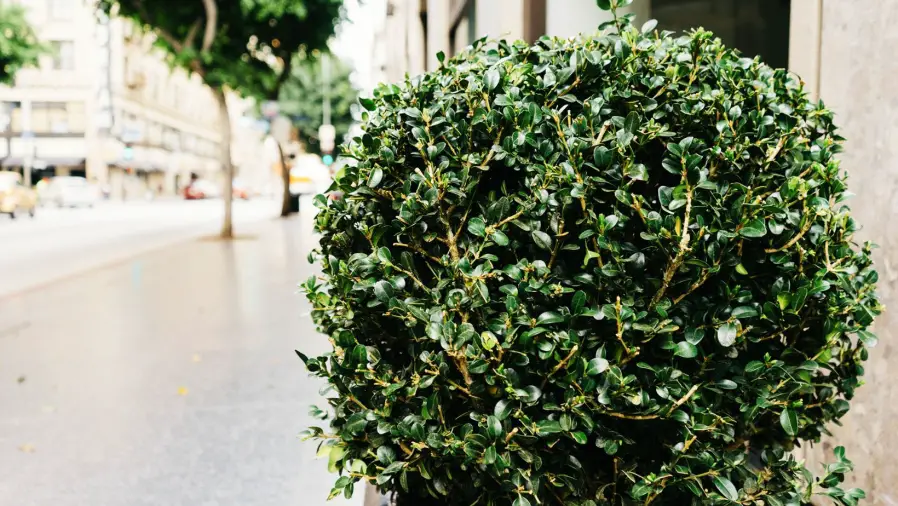
A Carmona Bonsai, often known as a Fukien Tea Bonsai, is a miniature tree with glossy, dark-green leaves. It produces white flowers and red berries, adding to its aesthetic appeal.
Originating from the Fukien province in China, the Carmona Bonsai has become a beloved houseplant for enthusiasts around the world. Its ability to thrive in both indoor and outdoor environments makes it a versatile choice for bonsai cultivation. This small evergreen tree is particularly noted for its ability to produce delicate flowers throughout the year when kept in proper conditions.

Its compact size and the adaptability of its lush foliage for shaping and pruning make it an ideal candidate for beginners and experienced bonsai growers alike. The Carmona Bonsai not only beautifies spaces but also symbolizes harmony and balance, embodying the essence of the bonsai art form.
Table of Contents
Understanding A Carmona Bonsai
Compact trees that epitomize nature’s grandeur through miniature forms, bonsai are not only an art form but a statement of patience and care. Among these, the Carmona bonsai stands out – a captivating, tropical evergreen with distinction.
What Is A Carmona Bonsai?
The Carmona bonsai, or Fukien Tea bonsai, is a miniaturized version of the full-sized Carmona retusa tree. Trained into an elegant and artistic form, the Carmona bonsai showcases glossy green leaves, delicate white blossoms, and striking red berries. Its bark develops a matured, craggy appearance as it ages, adding to its visual charm.
Origins Of A Carmona Bonsai
Native to Southeast Asia, particularly China and parts of Japan, the Carmona bonsai is often associated with serenity and longevity. Its roots in oriental garden design span centuries, making it a substantial fixture in traditional bonsai collections.
Aesthetic Appeal Of A Carmona Bonsai
- Unique leaf shape: Oval with pointed tips
- Visual interest: Fleeting white flowers and vibrant red berries
- Interactive: Responds well to pruning, allowing for a diverse range of styles
The Carmona’s year-round appeal, with its foliage and flowers, provides a continual source of beauty capable of transforming any space.
Benefits Of Cultivating A Carmona Bonsai
| Benefit | Description |
|---|---|
| Mental Well-being | Caring for a bonsai promotes relaxation, focus, and mindfulness. |
| Indoor Air Quality | Acts as a natural air purifier, enhancing the environment. |
| Decorative | Contributes to interior aesthetics with its living art form. |
| Educational | Provides hands-on learning about horticulture and artistic design. |
Personal growth and environmental enhancement are key when cultivating Carmona bonsai. This plant often becomes a lifelong journey of discovery and satisfaction.
A Carmona Bonsai Care Guide
The elegant Carmona bonsai, also known as the Fukien Tea, offers a mesmerizing blend of delicate white flowers, deep green leaves, and a robust trunk, making it a coveted plant among bonsai enthusiasts. This care guide unveils the secrets to maintaining a healthy and thriving Carmona bonsai, allowing hobbyists and seasoned gardeners alike to enjoy the art of miniature gardening with confidence.
Ideal Growing Conditions For A Carmona Bonsai
Creating an optimal environment is crucial for your Carmona bonsai to flourish. To simulate its natural habitat, ensure the following conditions:
- Light: Provide bright, indirect sunlight or artificial grow lights.
- Temperature: Maintain a consistent range between 60°F (16°C) and 85°F (29°C).
- Humidity: Aim for a high humidity level, between 60% to 70%, to foster lush growth.
- Soil: Use a well-draining soil mix specific to bonsai, ensuring adequate aeration for the roots.
Watering And Fertilizing A Carmona Bonsai
Like all bonsai, the Carmona requires attentiveness to its watering and feeding needs:
- Watering: The Carmona prefers consistent soil moisture. Check the topsoil – if dry, water thoroughly until it runs out of the drainage holes. Avoid waterlogging to prevent root rot.
- Fertilizing: During the growing season, feed your bonsai with a balanced fertilizer every two weeks. Reduce to once a month during winter months.
Pruning And Shaping Techniques For A Carmona Bonsai
Pruning encourages a Carmona bonsai to maintain its miniature stature and also stimulates new growth. Follow these steps:
- Prune new growth regularly, but avoid cutting more than ⅓ of the foliage at a time.
- Pinch back the new shoots to the first pair of leaves to ensure a compact shape.
- Wire branches carefully to guide them into desired positions but monitor to prevent scarring.
Managing Pests And Diseases In A Carmona Bonsai
Your Carmona bonsai might face common challenges such as pests and diseases. Maintain plant health with these practices:
| Pest/Disease | Symptoms | Management |
|---|---|---|
| Spider Mites | Yellow, dotted foliage and fine webs | Apply miticide or neem oil; increase humidity. |
| Scale | Brown, hard bumps on stems and leaves | Manual removal or use of horticultural oil. |
| Root Rot | Discolored leaves, stunted growth | Ensure proper drainage; may need repotting with fresh soil. |
A Carmona Bonsai: Styling And Display
Welcome to the intricate world of the Carmona Bonsai, a delightful miniature tree that not only uplifts the aesthetics of any space but also offers a fascinating hobby. Cultivating a Carmona Bonsai involves not just care and maintenance, but also a sense of creativity and artistry when it comes to styling and displaying your bonsai. Discover how to present the Caromona Bonsai in its best light, whether it’s a showpiece inside your house or a focal point in your garden.
Styles Of A Carmona Bonsai
Every Carmona Bonsai has its unique presence, and its styling is a critical aspect of bonsai art. Here are the most popular styles:
- Formal Upright (Chokkan): This style features a straight and upright trunk. Ideal for beginners due to its simplicity.
- Informal Upright (Moyogi): A slight curve in the trunk gives this style a more natural look, imitating trees in the wild.
- Slanting (Shakan): The tree leans at an angle, creating dynamic movement and visual interest.
- Cascade (Kengai): Mimicking trees that grow over cliffs, this style has branches that fall below the base of the pot.
Choosing The Right Container For A Carmona Bonsai
Selecting the perfect container is crucial for the health and aesthetics of your Carmona Bonsai. Consider these factors:
- Size and Proportion: The container should be proportional to the size of the bonsai, typically about two-thirds the height of the tree.
- Drainage: Ensure the pot has adequate drainage holes to prevent waterlogging.
- Material and Color: Choose a material and color that complements your bonsai’s style, with ceramic pots often preferred for their breathability and variety of finishes.
Displaying A Carmona Bonsai Indoors And Outdoors
The Carmona Bonsai can thrive both indoors and outdoors with proper placement:
| Location | Considerations |
|---|---|
| Indoors: | Place in a well-lit area away from direct airflows, such as air conditioners or heaters. |
| Outdoors: | Choose a spot with partial shade to protect from harsh sun exposure, especially in hot climates. |
A Carmona Bonsai In Different Seasons
The Carmona Bonsai exhibits different characteristics throughout the year, and adjusting your display can enhance its seasonal beauty:
- Spring: Showcase the new growth by placing your bonsai where the fresh, green leaves can be appreciated.
- Summer: Protect your bonsai from the intense sun while enjoying the lush, full foliage.
- Autumn: Observe the foliage change color, if applicable, and prepare to display the bonsai’s structure as leaves fall.
- Winter: With less need for light, focus on protecting your bonsai from the cold while displaying its dormant elegance.
A Carmona Bonsai: Propagation And Repotting
Embracing the elegance of a Carmona Bonsai is a rewarding journey for any plant enthusiast. In the quest to cultivate these miniature marvels, understanding the techniques of propagation and the intricacies of repotting is critical. Whether a seasoned bonsai gardener or a curious newcomer, the information below provides a comprehensive guide to ensure the thriving growth and longevity of a Carmona Bonsai.
Propagation Methods For A Carmona Bonsai
Propagation, a vital aspect of bonsai care, allows you to create new plants from an existing Carmona Bonsai. Here are the most efficacious techniques:
- Cuttings: Utilize semi-hardwood cuttings taken during the summer months, ensuring that each piece includes two to three leaf nodes.
- Seed propagation: While more challenging and time-consuming, growing from seeds allows for greater genetic diversity.
- Air layering: This technique involves wounding a part of the branch, applying rooting hormone, and wrapping it with moist sphagnum moss to encourage root growth.
Repotting Schedule For A Carmona Bonsai
Repotting is crucial for maintaining the health of your Carmona Bonsai. The ideal time frame for this procedure is as follows:
| Age of Bonsai | Repotting Frequency |
|---|---|
| Young Bonsai (under 5 years) | Every 2-3 years |
| Mature Bonsai (over 5 years) | Every 3-5 years |
Always repot during late winter or early spring, before the onset of new growth.
Choosing The Right Soil For A Carmona Bonsai
Selecting the appropriate soil mix is paramount for drainage and aeration. A blend of akadama, pumice, and organic potting compost, with a ratio of 1:1:1, is commonly recommended for Carmona Bonsai.
- Akadama: Provides structure and retains water.
- Pumice: Enhances drainage and aeration.
- Organic potting compost: Offers nutrients and further water retention capabilities.
Tools And Equipment For A Carmona Bonsai Care
Arming yourself with the right tools simplifies the care process:
- Bonsai shears: For precise cutting and trimming.
- Root rake: To gently untangle roots during repotting.
- Wire cutters: Essential for shaping branches with wiring techniques.
- Soil scoops: For adding or removing soil without disturbing the roots.
- Watering can with a fine nozzle: Ensures delicate watering without soil erosion.
A Carmona Bonsai: Appreciating Its Beauty
The Carmona, also known as the Fukien Tea Tree, when cultivated as a bonsai, transforms into an exquisite natural masterpiece. Its dark green leaves, delicate white blossoms, and red berries create a mesmerizing spectacle. Admirers treasure the Carmona Bonsai not only for its aesthetic appeal but also for its ability to evoke a sense of tranquility and adorn any space with its living art form. Let’s delve deeper into how the Carmona Bonsai captures hearts and minds through its inherent beauty and symbolic significance.
Contemplating The Calming Presence Of A Carmona Bonsai
Serenity often eludes us in the hustle and bustle of modern life. Yet, the presence of a Carmona Bonsai can anchor the room with a soothing ambiance. Observing the sinuous trunk and the lush canopy of the miniature tree, one can’t help but feel a wave of calm wash over them. The gentle pruning of its foliage and the dedication to its care encourage mindfulness and a heightened appreciation for the present moment.
A Carmona Bonsai In Art And Culture
The Carmona Bonsai’s influence extends far beyond its pot. It is deeply rooted in artistic expression and cultural rituals, representing themes of endurance and persistence. Traditional paintings, ceramics, and literature pay homage to this plant, cementing its place as an icon of elegance and introspection. The Carmona Bonsai inspires artists and connoisseurs alike with its ability to embody nature’s resilience in miniature form.
Combining A Carmona Bonsai With Other Elements In Design
Embellishing spaces with a Carmona Bonsai is an exercise in harmonious design. Its shape and size make it an ideal companion to a variety of decor elements. Design enthusiasts often pair it with natural stones, bamboo, and water features, establishing an atmosphere of balance. The tree complements minimalist aesthetics as well, serving as a focal point amidst understated furnishings. Its versatility is unmatched, offering a touch of sophistication to any interior or exterior setting.
A Carmona Bonsai As A Symbol Of Harmony And Balance
The Carmona Bonsai is more than a decorative item; it embodies the philosophy of yin and yang, representing harmony and balance. The tree’s growth mirrors life’s struggles and triumphs, reflecting the delicate equilibrium between man and nature. Tending to a Carmona Bonsai teaches patience, care, and the importance of striking a balance in our lives. It reminds us that beauty often stems from simplicity and careful cultivation, principles that are transferable to our daily lives.
Frequently Asked Questions Of A Carmona Bonsai
How Often Should You Water A Carmona Bonsai?
Carmona Bonsai should be watered when the topsoil feels dry. This is usually every one to two weeks. Avoid over-watering, as it can lead to root rot.
What’s The Best Soil For Carmona Bonsai?
A well-draining soil mix is ideal for Carmona Bonsai. An equal blend of pumice, lava rock, and akadama is recommended. This ensures proper drainage and aeration for the roots.
Can Carmona Bonsai Get Direct Sunlight?
Carmona Bonsai thrive in bright, indirect sunlight. Direct afternoon sun can scorch the leaves, so it’s best to provide filtered sunlight during the hottest part of the day.
How To Prune A Carmona Bonsai Correctly?
Prune Carmona Bonsai by trimming back new growth, leaving just a few leaves. Regular pruning maintains its miniature size and encourages a dense, attractive foliage canopy.
Conclusion
Embracing the Carmona Bonsai elevates both home ambiance and gardening passion. This miniature tree embodies timeless grace, marrying art and horticulture. As you nurture its growth, the rewards extend beyond its delicate foliage, offering serenity and a heightened sense of accomplishment.
Delve into the world of bonsai; let the Carmona be your muse.
